
Aqueous Batteries vs Polymer Electrolytes: Flexibility
APR 29, 20269 MIN READ
Generate Your Research Report Instantly with AI Agent
Patsnap Eureka helps you evaluate technical feasibility & market potential.
Aqueous vs Polymer Battery Tech Background and Flexibility Goals
The evolution of battery technology has been fundamentally shaped by the pursuit of enhanced energy storage solutions that can meet diverse application requirements. Traditional lithium-ion batteries with liquid electrolytes have dominated the market for decades, but their inherent limitations in terms of safety, temperature sensitivity, and mechanical rigidity have driven researchers to explore alternative approaches. Two prominent pathways have emerged as particularly promising: aqueous battery systems and polymer electrolyte-based batteries.
Aqueous batteries represent a paradigm shift from conventional organic electrolyte systems by utilizing water-based electrolytes. This approach traces back to early lead-acid and nickel-cadmium technologies but has experienced renewed interest with the development of advanced aqueous lithium-ion and zinc-based chemistries. The fundamental advantage lies in the inherent safety profile, as water-based systems eliminate flammability risks and reduce toxicity concerns associated with organic solvents.
Polymer electrolyte technology emerged from the need to address mechanical flexibility while maintaining electrochemical performance. These systems replace liquid electrolytes with solid or gel polymer matrices that can accommodate mechanical deformation without compromising ionic conductivity. The development trajectory began with early work on polyethylene oxide-based systems and has evolved to include sophisticated copolymer architectures and composite materials.
The flexibility imperative has become increasingly critical as electronic devices evolve toward wearable, foldable, and conformable form factors. Traditional rigid battery architectures cannot accommodate the mechanical stresses encountered in flexible applications, leading to performance degradation, safety hazards, and premature failure. This challenge has intensified with the emergence of flexible displays, smart textiles, and biomedical implants that require power sources capable of withstanding repeated bending, twisting, and stretching.
Current flexibility goals encompass multiple dimensions beyond simple bendability. Target specifications include maintaining electrochemical performance under mechanical deformation, achieving cycle stability through thousands of flex cycles, and ensuring safety under extreme mechanical stress conditions. The industry seeks solutions that can operate effectively at bend radii below 5mm while retaining at least 80% of initial capacity after 10,000 flex cycles.
Both aqueous and polymer electrolyte approaches offer distinct pathways toward achieving these flexibility objectives, each presenting unique advantages and technical challenges that must be carefully evaluated for specific application contexts.
Aqueous batteries represent a paradigm shift from conventional organic electrolyte systems by utilizing water-based electrolytes. This approach traces back to early lead-acid and nickel-cadmium technologies but has experienced renewed interest with the development of advanced aqueous lithium-ion and zinc-based chemistries. The fundamental advantage lies in the inherent safety profile, as water-based systems eliminate flammability risks and reduce toxicity concerns associated with organic solvents.
Polymer electrolyte technology emerged from the need to address mechanical flexibility while maintaining electrochemical performance. These systems replace liquid electrolytes with solid or gel polymer matrices that can accommodate mechanical deformation without compromising ionic conductivity. The development trajectory began with early work on polyethylene oxide-based systems and has evolved to include sophisticated copolymer architectures and composite materials.
The flexibility imperative has become increasingly critical as electronic devices evolve toward wearable, foldable, and conformable form factors. Traditional rigid battery architectures cannot accommodate the mechanical stresses encountered in flexible applications, leading to performance degradation, safety hazards, and premature failure. This challenge has intensified with the emergence of flexible displays, smart textiles, and biomedical implants that require power sources capable of withstanding repeated bending, twisting, and stretching.
Current flexibility goals encompass multiple dimensions beyond simple bendability. Target specifications include maintaining electrochemical performance under mechanical deformation, achieving cycle stability through thousands of flex cycles, and ensuring safety under extreme mechanical stress conditions. The industry seeks solutions that can operate effectively at bend radii below 5mm while retaining at least 80% of initial capacity after 10,000 flex cycles.
Both aqueous and polymer electrolyte approaches offer distinct pathways toward achieving these flexibility objectives, each presenting unique advantages and technical challenges that must be carefully evaluated for specific application contexts.
Market Demand for Flexible Battery Solutions
The global battery market is experiencing unprecedented demand for flexible energy storage solutions, driven by the rapid evolution of wearable electronics, flexible displays, and emerging Internet of Things applications. Traditional rigid battery architectures are increasingly inadequate for next-generation devices that require conformability to curved surfaces, bendability, and mechanical resilience during repeated deformation cycles.
Consumer electronics manufacturers are actively seeking battery technologies that can seamlessly integrate into flexible smartphones, rollable displays, and wearable health monitoring devices. The wearable technology sector represents a particularly compelling market segment, where batteries must maintain performance while conforming to human body contours and withstanding continuous mechanical stress from daily activities.
Medical device applications present another significant demand driver, with requirements for implantable and skin-patch devices that necessitate biocompatible, flexible power sources. These applications demand batteries that can operate reliably under physiological conditions while maintaining mechanical flexibility for patient comfort and device functionality.
The automotive industry is also generating substantial demand for flexible battery solutions, particularly for interior applications where batteries must integrate into curved dashboard surfaces, flexible seating systems, and conformable lighting elements. Electric vehicle manufacturers are exploring flexible battery architectures for improved space utilization and design freedom in vehicle layouts.
Smart textiles and e-textile applications represent an emerging market segment with unique flexibility requirements. These applications demand ultra-thin, highly flexible batteries that can be woven into fabrics or integrated into clothing without compromising comfort or durability. The market potential extends to military applications, sports performance monitoring, and fashion technology integration.
Industrial applications are driving demand for flexible batteries in structural health monitoring systems, where sensors embedded in buildings, bridges, and infrastructure require power sources that can conform to irregular surfaces and withstand environmental stresses over extended periods.
The aerospace and defense sectors present specialized requirements for flexible batteries that can operate in extreme environments while maintaining mechanical integrity under vibration, temperature cycling, and physical deformation. These applications often require custom form factors that traditional rigid batteries cannot accommodate.
Market research indicates strong growth potential across all these segments, with manufacturers increasingly prioritizing flexibility as a key differentiating factor in product development strategies.
Consumer electronics manufacturers are actively seeking battery technologies that can seamlessly integrate into flexible smartphones, rollable displays, and wearable health monitoring devices. The wearable technology sector represents a particularly compelling market segment, where batteries must maintain performance while conforming to human body contours and withstanding continuous mechanical stress from daily activities.
Medical device applications present another significant demand driver, with requirements for implantable and skin-patch devices that necessitate biocompatible, flexible power sources. These applications demand batteries that can operate reliably under physiological conditions while maintaining mechanical flexibility for patient comfort and device functionality.
The automotive industry is also generating substantial demand for flexible battery solutions, particularly for interior applications where batteries must integrate into curved dashboard surfaces, flexible seating systems, and conformable lighting elements. Electric vehicle manufacturers are exploring flexible battery architectures for improved space utilization and design freedom in vehicle layouts.
Smart textiles and e-textile applications represent an emerging market segment with unique flexibility requirements. These applications demand ultra-thin, highly flexible batteries that can be woven into fabrics or integrated into clothing without compromising comfort or durability. The market potential extends to military applications, sports performance monitoring, and fashion technology integration.
Industrial applications are driving demand for flexible batteries in structural health monitoring systems, where sensors embedded in buildings, bridges, and infrastructure require power sources that can conform to irregular surfaces and withstand environmental stresses over extended periods.
The aerospace and defense sectors present specialized requirements for flexible batteries that can operate in extreme environments while maintaining mechanical integrity under vibration, temperature cycling, and physical deformation. These applications often require custom form factors that traditional rigid batteries cannot accommodate.
Market research indicates strong growth potential across all these segments, with manufacturers increasingly prioritizing flexibility as a key differentiating factor in product development strategies.
Current State and Challenges in Flexible Electrolyte Systems
The current landscape of flexible electrolyte systems presents a complex dichotomy between aqueous batteries and polymer electrolytes, each facing distinct technological challenges that limit their widespread adoption in flexible energy storage applications. Aqueous electrolyte systems, while offering inherent safety advantages and environmental compatibility, struggle with fundamental limitations in electrochemical stability windows and mechanical flexibility requirements.
Aqueous batteries currently demonstrate superior ionic conductivity compared to their polymer counterparts, typically achieving conductivities in the range of 10^-1 to 10^-2 S/cm. However, the narrow electrochemical stability window of approximately 1.23V for water decomposition severely constrains energy density potential. The mechanical flexibility of aqueous systems remains problematic due to electrolyte leakage concerns and the need for robust packaging solutions that often compromise bendability.
Polymer electrolyte systems face contrasting challenges centered around achieving adequate ionic conductivity while maintaining mechanical integrity under deformation. Current solid polymer electrolytes typically exhibit ionic conductivities of 10^-4 to 10^-6 S/cm at room temperature, significantly lower than aqueous systems. The temperature dependence of polymer chain mobility further complicates their performance in varying operational conditions.
The integration of flexibility requirements introduces additional complexity layers. Mechanical stress during bending operations can create microscopic cracks in solid electrolytes, leading to increased interfacial resistance and potential safety hazards. Aqueous systems must address electrolyte redistribution and concentration gradients that develop during flexing cycles, while polymer systems struggle with maintaining ion transport pathways under mechanical deformation.
Interface stability represents another critical challenge area. Aqueous electrolytes often exhibit compatibility issues with high-voltage electrode materials, leading to parasitic reactions and capacity degradation. Polymer electrolytes face dendrite formation challenges, particularly with metallic anodes, which become more pronounced under mechanical stress conditions.
Manufacturing scalability poses significant obstacles for both systems. Aqueous flexible batteries require specialized sealing technologies and corrosion-resistant current collectors, increasing production complexity. Polymer electrolyte processing demands precise control over molecular weight distribution and crosslinking density to achieve optimal flexibility-conductivity balance.
Current research efforts focus on hybrid approaches combining aqueous and polymer components, gel electrolytes with enhanced mechanical properties, and novel separator technologies. However, achieving simultaneous optimization of ionic conductivity, mechanical flexibility, electrochemical stability, and manufacturing feasibility remains an unresolved challenge requiring breakthrough innovations in materials science and engineering approaches.
Aqueous batteries currently demonstrate superior ionic conductivity compared to their polymer counterparts, typically achieving conductivities in the range of 10^-1 to 10^-2 S/cm. However, the narrow electrochemical stability window of approximately 1.23V for water decomposition severely constrains energy density potential. The mechanical flexibility of aqueous systems remains problematic due to electrolyte leakage concerns and the need for robust packaging solutions that often compromise bendability.
Polymer electrolyte systems face contrasting challenges centered around achieving adequate ionic conductivity while maintaining mechanical integrity under deformation. Current solid polymer electrolytes typically exhibit ionic conductivities of 10^-4 to 10^-6 S/cm at room temperature, significantly lower than aqueous systems. The temperature dependence of polymer chain mobility further complicates their performance in varying operational conditions.
The integration of flexibility requirements introduces additional complexity layers. Mechanical stress during bending operations can create microscopic cracks in solid electrolytes, leading to increased interfacial resistance and potential safety hazards. Aqueous systems must address electrolyte redistribution and concentration gradients that develop during flexing cycles, while polymer systems struggle with maintaining ion transport pathways under mechanical deformation.
Interface stability represents another critical challenge area. Aqueous electrolytes often exhibit compatibility issues with high-voltage electrode materials, leading to parasitic reactions and capacity degradation. Polymer electrolytes face dendrite formation challenges, particularly with metallic anodes, which become more pronounced under mechanical stress conditions.
Manufacturing scalability poses significant obstacles for both systems. Aqueous flexible batteries require specialized sealing technologies and corrosion-resistant current collectors, increasing production complexity. Polymer electrolyte processing demands precise control over molecular weight distribution and crosslinking density to achieve optimal flexibility-conductivity balance.
Current research efforts focus on hybrid approaches combining aqueous and polymer components, gel electrolytes with enhanced mechanical properties, and novel separator technologies. However, achieving simultaneous optimization of ionic conductivity, mechanical flexibility, electrochemical stability, and manufacturing feasibility remains an unresolved challenge requiring breakthrough innovations in materials science and engineering approaches.
Existing Flexible Battery Solutions and Architectures
01 Flexible polymer electrolyte membranes for aqueous batteries
Development of flexible polymer electrolyte membranes that can maintain ionic conductivity while providing mechanical flexibility for aqueous battery applications. These membranes are designed to accommodate structural deformations without compromising electrochemical performance, enabling the creation of bendable and wearable battery systems.- Flexible polymer electrolyte membranes for aqueous batteries: Development of flexible polymer electrolyte membranes that can maintain ionic conductivity while providing mechanical flexibility for aqueous battery applications. These membranes are designed to accommodate mechanical stress and deformation without compromising electrochemical performance, enabling the creation of bendable and wearable battery systems.
- Hydrogel-based electrolytes with enhanced flexibility: Utilization of hydrogel materials as electrolytes in aqueous batteries to achieve superior flexibility and stretchability. These hydrogel electrolytes can absorb and retain water while maintaining excellent ionic transport properties, making them ideal for flexible energy storage devices that require high deformation tolerance.
- Composite polymer electrolytes with reinforcing materials: Integration of reinforcing materials such as nanofibers, nanoparticles, or fabric substrates into polymer electrolytes to enhance both mechanical flexibility and electrochemical stability. These composite structures provide improved tensile strength and flexibility while maintaining high ionic conductivity for aqueous battery applications.
- Cross-linked polymer networks for flexible electrolytes: Development of cross-linked polymer networks that provide controlled flexibility and dimensional stability in aqueous electrolyte systems. These networks are engineered to balance mechanical properties with ionic transport, allowing for reversible deformation while preventing electrolyte leakage and maintaining battery performance.
- Plasticized polymer electrolytes for improved flexibility: Incorporation of plasticizing agents and additives into polymer electrolyte formulations to enhance flexibility and processability. These plasticized systems reduce the glass transition temperature and increase chain mobility, resulting in more flexible electrolyte materials suitable for deformable aqueous battery configurations.
02 Gel polymer electrolytes with enhanced flexibility
Formulation of gel-based polymer electrolytes that combine the advantages of liquid electrolytes with the mechanical properties of solid polymers. These gel electrolytes provide improved flexibility and processability while maintaining high ionic conductivity in aqueous battery systems.Expand Specific Solutions03 Composite polymer electrolytes for mechanical enhancement
Integration of reinforcing materials or additives into polymer electrolyte matrices to improve mechanical flexibility and durability. These composite structures enhance the overall performance of aqueous batteries by providing better stress distribution and preventing electrolyte degradation under mechanical deformation.Expand Specific Solutions04 Cross-linked polymer networks for structural integrity
Development of cross-linked polymer electrolyte networks that provide enhanced structural integrity while maintaining flexibility. These networks are designed to withstand repeated bending and stretching cycles in flexible aqueous battery applications without losing their electrochemical properties.Expand Specific Solutions05 Plasticized polymer electrolytes for improved flexibility
Incorporation of plasticizing agents into polymer electrolyte formulations to enhance flexibility and reduce brittleness. These plasticized systems allow for better mechanical performance in flexible aqueous battery designs while maintaining adequate ionic transport properties.Expand Specific Solutions
Key Players in Flexible Battery and Electrolyte Industry
The aqueous batteries versus polymer electrolytes flexibility competition represents an emerging market segment within the broader battery technology landscape, currently in early commercialization stages with significant growth potential driven by demand for safer, more adaptable energy storage solutions. Major technology players include established battery manufacturers like Samsung SDI and Sony Group, which leverage extensive R&D capabilities and manufacturing scale, alongside specialized innovators such as Anthro Energy focusing specifically on polymer electrolyte platforms. Research institutions including University of Maryland, Tohoku University, and City University of Hong Kong contribute fundamental breakthroughs, while materials companies like Kuraray and ZEON Corp provide critical polymer components. The technology maturity varies significantly, with aqueous systems showing higher readiness levels but polymer electrolytes demonstrating superior flexibility characteristics, creating a competitive dynamic where traditional lithium-ion leaders compete against emerging specialized developers targeting niche applications requiring mechanical adaptability.
Samsung SDI Co., Ltd.
Technical Solution: Samsung SDI has developed advanced polymer electrolyte technologies for flexible battery applications, focusing on solid polymer electrolytes that maintain ionic conductivity while providing mechanical flexibility. Their approach combines lithium polymer chemistry with specialized plasticizers and cross-linking agents to achieve bendable battery designs. The company has integrated these flexible polymer electrolytes into their battery manufacturing processes, enabling applications in wearable devices and curved electronic products. Their polymer electrolyte systems demonstrate superior flexibility compared to traditional aqueous batteries, with the ability to maintain performance under repeated bending cycles exceeding 10,000 iterations.
Strengths: Excellent mechanical flexibility, proven manufacturing scalability, strong market presence in consumer electronics. Weaknesses: Higher production costs compared to aqueous systems, limited temperature operating range.
ZEON Corp.
Technical Solution: ZEON Corporation has developed specialized polymer binder and electrolyte technologies that enhance battery flexibility through their advanced polymer chemistry expertise. Their approach focuses on creating flexible polymer electrolyte membranes using proprietary elastomeric materials that maintain ionic conductivity under mechanical deformation. The company's technology incorporates specialized polymer architectures that allow for significant bending and stretching while preserving electrochemical performance. Their polymer electrolyte systems demonstrate superior flexibility compared to rigid aqueous battery designs, enabling applications in flexible electronics and wearable devices where mechanical adaptability is crucial.
Strengths: Strong polymer chemistry expertise, proven material science capabilities, established supply chain relationships. Weaknesses: Limited direct battery manufacturing experience, focus primarily on materials rather than complete systems.
Core Innovations in Flexible Electrolyte Design
Polymer Solid Electrolyte for Flexible Batteries
PatentActiveUS20100255383A1
Innovation
- A flexible solid polymer electrolyte is developed, comprising a diblock copolymer with a polyether block and an acrylate block, incorporating lithium ions within microphase-separated spherical domains, and a second lithium salt, such as lithium bis(oxalato)borate, to enhance conductivity and reduce crystallinity.
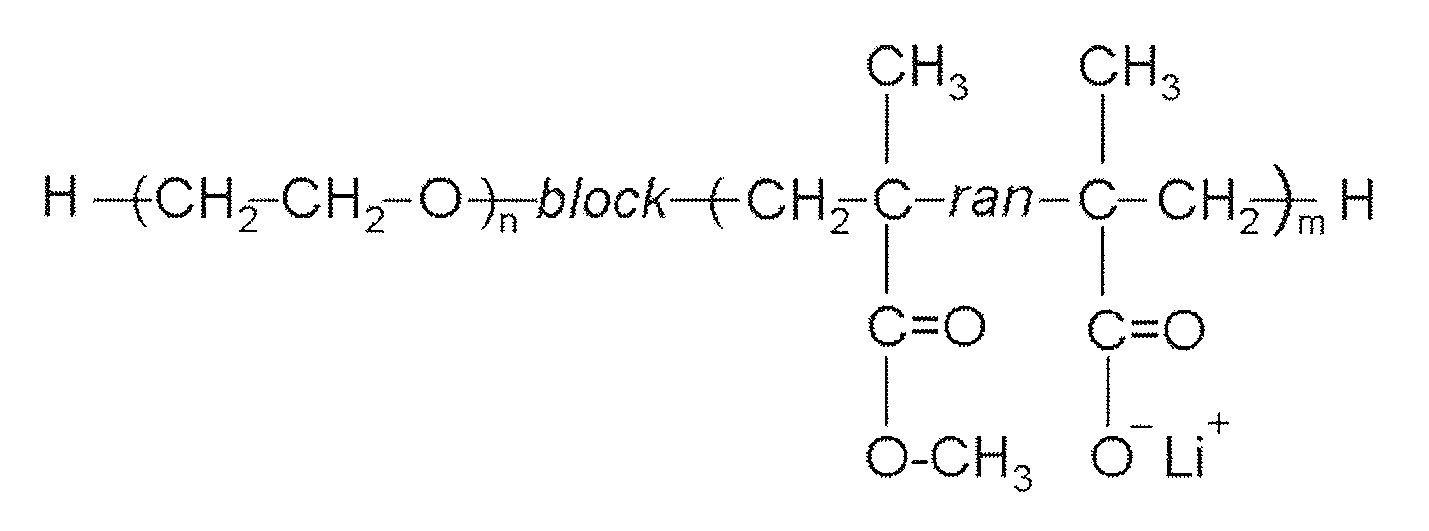
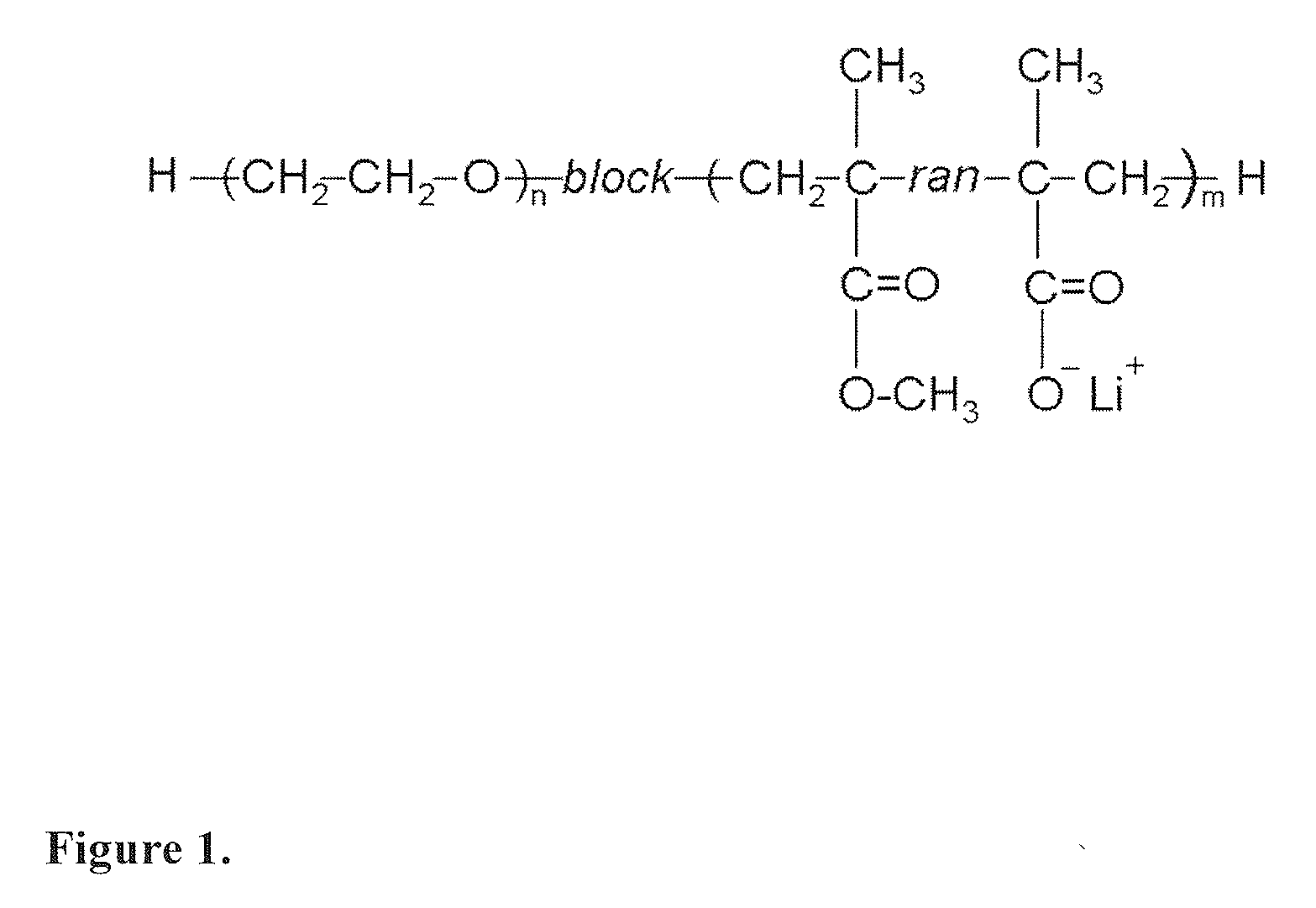
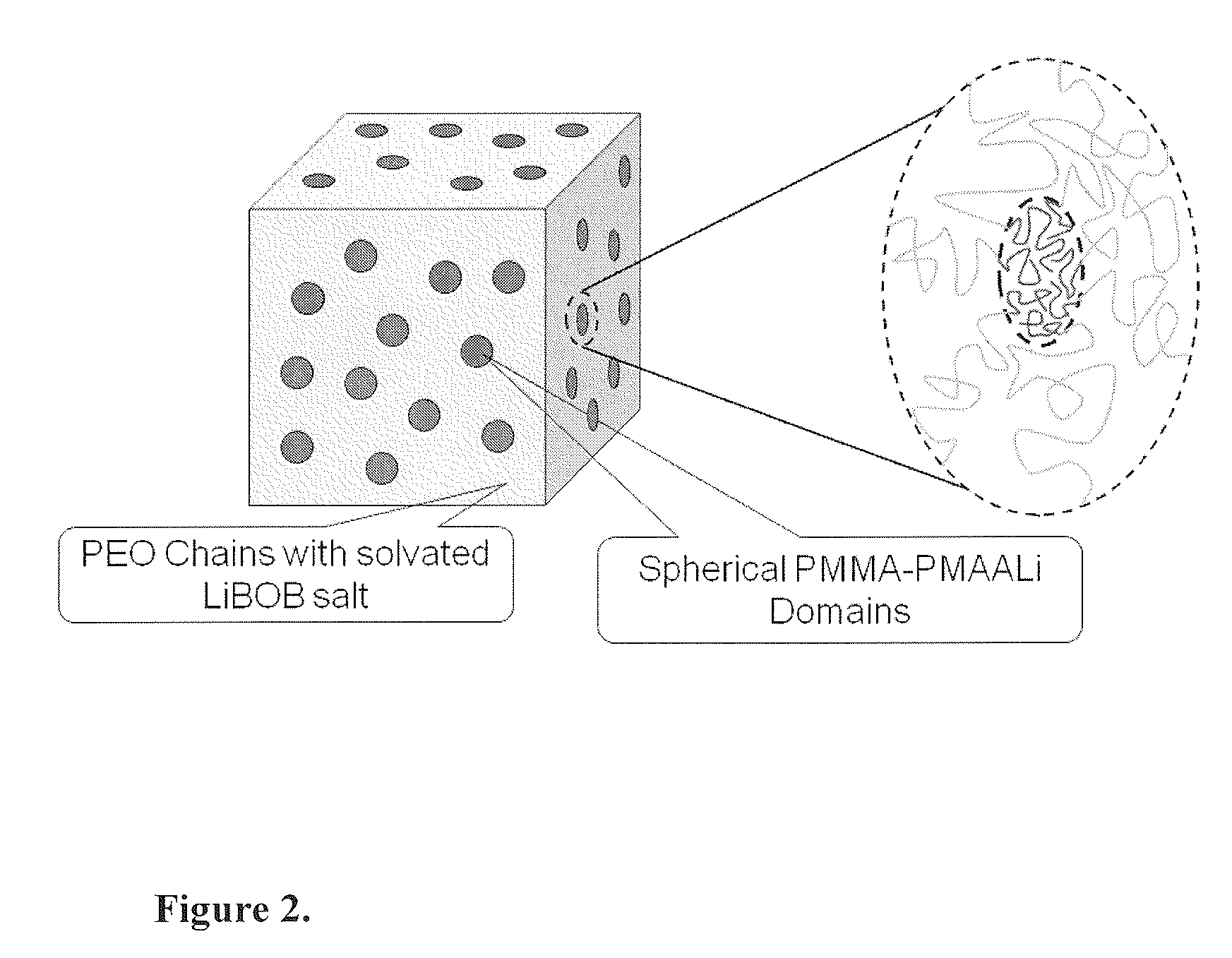

Polymer electrolyte for a flexible battery
PatentWO2025102114A1
Innovation
- A non-aqueous polymer electrolyte precursor is developed, comprising a liquid electrolyte with an organic solvent and a metal salt, a solvated polymer matrix, and a filler. This precursor is used to create a non-aqueous polymer electrolyte that is suitable for flexible batteries, offering improved properties such as enhanced ionic conductivity and thermal stability.


Safety Standards for Flexible Energy Storage Devices
The development of safety standards for flexible energy storage devices represents a critical regulatory frontier as both aqueous batteries and polymer electrolyte systems advance toward commercial deployment in wearable and bendable applications. Current safety frameworks primarily address rigid battery configurations, creating significant gaps in addressing the unique failure modes and risk profiles associated with flexible energy storage technologies.
Existing international standards such as IEC 62133 and UL 2054 provide foundational safety requirements for portable batteries but lack specific provisions for mechanical deformation testing, repeated flexing cycles, and the dynamic stress conditions that flexible devices encounter during normal operation. The absence of standardized bend radius specifications, torsion limits, and fatigue testing protocols creates uncertainty for manufacturers and potential safety risks for end users.
Aqueous battery systems present distinct safety considerations compared to traditional lithium-ion technologies, particularly regarding electrolyte leakage during mechanical stress and the potential for corrosion in flexible substrates. While aqueous electrolytes offer inherent advantages in terms of flammability and thermal runaway risks, their compatibility with flexible packaging materials and sealing technologies requires specialized testing methodologies that current standards do not adequately address.
Polymer electrolyte systems introduce additional complexity to safety standardization due to their varied chemical compositions and mechanical properties. The interaction between polymer matrices and active materials under repeated deformation cycles can lead to degradation pathways not observed in rigid configurations, necessitating new test protocols for mechanical integrity assessment and long-term reliability validation.
Regulatory bodies including the International Electrotechnical Commission and Underwriters Laboratories are actively developing supplementary standards specifically targeting flexible energy storage applications. These emerging frameworks emphasize multi-axis mechanical testing, accelerated aging under deformation conditions, and enhanced environmental exposure protocols that account for the increased surface area and material interfaces present in flexible designs.
The integration of real-time monitoring capabilities and smart safety features into flexible energy storage devices is driving the need for performance-based safety standards rather than purely prescriptive approaches. This evolution requires collaboration between materials scientists, device engineers, and regulatory experts to establish comprehensive safety frameworks that enable innovation while protecting user safety across diverse application scenarios.
Existing international standards such as IEC 62133 and UL 2054 provide foundational safety requirements for portable batteries but lack specific provisions for mechanical deformation testing, repeated flexing cycles, and the dynamic stress conditions that flexible devices encounter during normal operation. The absence of standardized bend radius specifications, torsion limits, and fatigue testing protocols creates uncertainty for manufacturers and potential safety risks for end users.
Aqueous battery systems present distinct safety considerations compared to traditional lithium-ion technologies, particularly regarding electrolyte leakage during mechanical stress and the potential for corrosion in flexible substrates. While aqueous electrolytes offer inherent advantages in terms of flammability and thermal runaway risks, their compatibility with flexible packaging materials and sealing technologies requires specialized testing methodologies that current standards do not adequately address.
Polymer electrolyte systems introduce additional complexity to safety standardization due to their varied chemical compositions and mechanical properties. The interaction between polymer matrices and active materials under repeated deformation cycles can lead to degradation pathways not observed in rigid configurations, necessitating new test protocols for mechanical integrity assessment and long-term reliability validation.
Regulatory bodies including the International Electrotechnical Commission and Underwriters Laboratories are actively developing supplementary standards specifically targeting flexible energy storage applications. These emerging frameworks emphasize multi-axis mechanical testing, accelerated aging under deformation conditions, and enhanced environmental exposure protocols that account for the increased surface area and material interfaces present in flexible designs.
The integration of real-time monitoring capabilities and smart safety features into flexible energy storage devices is driving the need for performance-based safety standards rather than purely prescriptive approaches. This evolution requires collaboration between materials scientists, device engineers, and regulatory experts to establish comprehensive safety frameworks that enable innovation while protecting user safety across diverse application scenarios.
Manufacturing Scalability of Flexible Battery Technologies
The manufacturing scalability of flexible battery technologies presents distinct challenges and opportunities when comparing aqueous batteries with polymer electrolyte systems. Current production capabilities reveal significant disparities in scalability potential, with each technology requiring fundamentally different manufacturing approaches and infrastructure investments.
Aqueous flexible batteries demonstrate superior manufacturing scalability due to their compatibility with existing industrial processes. The water-based electrolyte systems can be processed using conventional coating and lamination techniques already established in the electronics and packaging industries. Roll-to-roll manufacturing processes, widely adopted for flexible electronics production, can be directly adapted for aqueous battery fabrication with minimal equipment modifications. This compatibility significantly reduces capital expenditure requirements and accelerates time-to-market for large-scale production.
The material availability for aqueous systems further enhances scalability prospects. Water-based electrolytes utilize abundant, low-cost materials that can be sourced globally without supply chain constraints. Manufacturing facilities can be established in diverse geographical locations without dependence on specialized raw material suppliers, enabling distributed production networks that reduce logistics costs and improve market responsiveness.
Polymer electrolyte flexible batteries face more complex scalability challenges despite their superior electrochemical performance characteristics. The synthesis and processing of polymer electrolytes require specialized equipment and controlled atmospheric conditions, significantly increasing manufacturing complexity. Solvent-based processing systems demand sophisticated ventilation and recovery infrastructure, while thermal processing requirements for polymer curing add energy-intensive steps to the production workflow.
Quality control considerations create additional scalability barriers for polymer systems. The sensitivity of polymer electrolytes to moisture and oxygen contamination necessitates stringent environmental controls throughout the manufacturing process. These requirements translate to higher facility construction costs and ongoing operational expenses that may limit production scalability, particularly for cost-sensitive applications.
However, polymer electrolyte technologies offer unique advantages in high-value applications where performance justifies premium manufacturing costs. Advanced polymer processing techniques, including in-situ polymerization and gradient composition control, enable sophisticated battery architectures that command higher market prices, potentially offsetting scalability limitations through improved profit margins per unit.
Aqueous flexible batteries demonstrate superior manufacturing scalability due to their compatibility with existing industrial processes. The water-based electrolyte systems can be processed using conventional coating and lamination techniques already established in the electronics and packaging industries. Roll-to-roll manufacturing processes, widely adopted for flexible electronics production, can be directly adapted for aqueous battery fabrication with minimal equipment modifications. This compatibility significantly reduces capital expenditure requirements and accelerates time-to-market for large-scale production.
The material availability for aqueous systems further enhances scalability prospects. Water-based electrolytes utilize abundant, low-cost materials that can be sourced globally without supply chain constraints. Manufacturing facilities can be established in diverse geographical locations without dependence on specialized raw material suppliers, enabling distributed production networks that reduce logistics costs and improve market responsiveness.
Polymer electrolyte flexible batteries face more complex scalability challenges despite their superior electrochemical performance characteristics. The synthesis and processing of polymer electrolytes require specialized equipment and controlled atmospheric conditions, significantly increasing manufacturing complexity. Solvent-based processing systems demand sophisticated ventilation and recovery infrastructure, while thermal processing requirements for polymer curing add energy-intensive steps to the production workflow.
Quality control considerations create additional scalability barriers for polymer systems. The sensitivity of polymer electrolytes to moisture and oxygen contamination necessitates stringent environmental controls throughout the manufacturing process. These requirements translate to higher facility construction costs and ongoing operational expenses that may limit production scalability, particularly for cost-sensitive applications.
However, polymer electrolyte technologies offer unique advantages in high-value applications where performance justifies premium manufacturing costs. Advanced polymer processing techniques, including in-situ polymerization and gradient composition control, enable sophisticated battery architectures that command higher market prices, potentially offsetting scalability limitations through improved profit margins per unit.
Unlock deeper insights with Patsnap Eureka Quick Research — get a full tech report to explore trends and direct your research. Try now!
Generate Your Research Report Instantly with AI Agent
Supercharge your innovation with Patsnap Eureka AI Agent Platform!