
Artificial Intelligence in Precision Manufacturing Tuning
FEB 28, 20269 MIN READ
Generate Your Research Report Instantly with AI Agent
Patsnap Eureka helps you evaluate technical feasibility & market potential.
AI-Driven Precision Manufacturing Background and Objectives
The convergence of artificial intelligence and precision manufacturing represents a paradigmatic shift in industrial production methodologies. Traditional manufacturing processes have long relied on predetermined parameters and human expertise for quality control and process optimization. However, the increasing complexity of modern products, coupled with demands for higher precision and efficiency, has created a compelling need for intelligent manufacturing systems that can adapt, learn, and optimize in real-time.
Precision manufacturing encompasses various high-stakes industries including aerospace, medical devices, semiconductor fabrication, and automotive components, where tolerances measured in micrometers or nanometers are standard requirements. The integration of AI technologies into these processes has emerged as a critical enabler for achieving unprecedented levels of accuracy, consistency, and operational efficiency.
The evolution of AI-driven precision manufacturing has been accelerated by several technological convergences. Advanced sensor technologies now provide real-time data streams with exceptional granularity, while machine learning algorithms have matured to process and interpret complex manufacturing signals. Edge computing capabilities enable instantaneous decision-making at the production line level, eliminating latency issues that previously hindered real-time optimization.
The primary objective of implementing AI in precision manufacturing tuning is to establish autonomous systems capable of continuous process optimization without human intervention. This involves developing algorithms that can predict and prevent defects before they occur, automatically adjust machine parameters to maintain optimal performance, and learn from historical production data to improve future outcomes.
Another critical objective focuses on achieving adaptive manufacturing capabilities that can respond dynamically to variations in raw materials, environmental conditions, and product specifications. This adaptability is essential for maintaining consistent quality across different production runs and accommodating the increasing trend toward mass customization.
The strategic goal extends beyond individual process optimization to encompass holistic manufacturing intelligence. This includes creating interconnected systems that can coordinate multiple manufacturing stages, optimize resource allocation across production lines, and provide predictive insights for maintenance scheduling and capacity planning. Such comprehensive integration aims to transform traditional manufacturing facilities into intelligent, self-optimizing production ecosystems that can maintain competitive advantages in an increasingly demanding global marketplace.
Precision manufacturing encompasses various high-stakes industries including aerospace, medical devices, semiconductor fabrication, and automotive components, where tolerances measured in micrometers or nanometers are standard requirements. The integration of AI technologies into these processes has emerged as a critical enabler for achieving unprecedented levels of accuracy, consistency, and operational efficiency.
The evolution of AI-driven precision manufacturing has been accelerated by several technological convergences. Advanced sensor technologies now provide real-time data streams with exceptional granularity, while machine learning algorithms have matured to process and interpret complex manufacturing signals. Edge computing capabilities enable instantaneous decision-making at the production line level, eliminating latency issues that previously hindered real-time optimization.
The primary objective of implementing AI in precision manufacturing tuning is to establish autonomous systems capable of continuous process optimization without human intervention. This involves developing algorithms that can predict and prevent defects before they occur, automatically adjust machine parameters to maintain optimal performance, and learn from historical production data to improve future outcomes.
Another critical objective focuses on achieving adaptive manufacturing capabilities that can respond dynamically to variations in raw materials, environmental conditions, and product specifications. This adaptability is essential for maintaining consistent quality across different production runs and accommodating the increasing trend toward mass customization.
The strategic goal extends beyond individual process optimization to encompass holistic manufacturing intelligence. This includes creating interconnected systems that can coordinate multiple manufacturing stages, optimize resource allocation across production lines, and provide predictive insights for maintenance scheduling and capacity planning. Such comprehensive integration aims to transform traditional manufacturing facilities into intelligent, self-optimizing production ecosystems that can maintain competitive advantages in an increasingly demanding global marketplace.
Market Demand for AI-Enhanced Manufacturing Precision
The global manufacturing industry is experiencing unprecedented demand for precision and quality improvements, driven by increasingly sophisticated consumer expectations and stringent regulatory requirements across multiple sectors. Industries such as aerospace, automotive, medical devices, and electronics manufacturing require tolerances measured in micrometers or even nanometers, creating substantial market opportunities for AI-enhanced precision solutions.
Traditional manufacturing processes face significant limitations in achieving consistent precision at scale, particularly when dealing with complex geometries, varying material properties, and environmental fluctuations. These challenges have created a substantial gap between current manufacturing capabilities and market requirements, positioning AI-driven solutions as critical enablers for next-generation precision manufacturing.
The semiconductor industry represents one of the most demanding sectors for precision manufacturing, where feature sizes continue to shrink according to Moore's Law. Advanced packaging technologies, 3D chip architectures, and emerging materials require unprecedented levels of process control and real-time optimization that conventional methods cannot adequately address.
Medical device manufacturing presents another high-growth segment, where precision directly impacts patient safety and treatment efficacy. Implantable devices, surgical instruments, and diagnostic equipment require manufacturing tolerances that exceed traditional capabilities, while regulatory compliance demands comprehensive process documentation and quality assurance.
Automotive electrification has intensified precision requirements for battery components, electric motor assemblies, and power electronics. The transition toward autonomous vehicles further amplifies these demands, as sensor components and computing hardware require exceptional reliability and performance consistency.
The aerospace sector continues to push precision boundaries through additive manufacturing adoption, composite material processing, and lightweight structure optimization. These applications demand real-time process monitoring and adaptive control systems that can respond to material variations and environmental conditions.
Market drivers extend beyond technical requirements to include sustainability concerns, labor shortages, and supply chain resilience. AI-enhanced precision manufacturing addresses these challenges by reducing material waste, minimizing rework, and enabling distributed manufacturing capabilities that reduce transportation costs and supply chain vulnerabilities.
Traditional manufacturing processes face significant limitations in achieving consistent precision at scale, particularly when dealing with complex geometries, varying material properties, and environmental fluctuations. These challenges have created a substantial gap between current manufacturing capabilities and market requirements, positioning AI-driven solutions as critical enablers for next-generation precision manufacturing.
The semiconductor industry represents one of the most demanding sectors for precision manufacturing, where feature sizes continue to shrink according to Moore's Law. Advanced packaging technologies, 3D chip architectures, and emerging materials require unprecedented levels of process control and real-time optimization that conventional methods cannot adequately address.
Medical device manufacturing presents another high-growth segment, where precision directly impacts patient safety and treatment efficacy. Implantable devices, surgical instruments, and diagnostic equipment require manufacturing tolerances that exceed traditional capabilities, while regulatory compliance demands comprehensive process documentation and quality assurance.
Automotive electrification has intensified precision requirements for battery components, electric motor assemblies, and power electronics. The transition toward autonomous vehicles further amplifies these demands, as sensor components and computing hardware require exceptional reliability and performance consistency.
The aerospace sector continues to push precision boundaries through additive manufacturing adoption, composite material processing, and lightweight structure optimization. These applications demand real-time process monitoring and adaptive control systems that can respond to material variations and environmental conditions.
Market drivers extend beyond technical requirements to include sustainability concerns, labor shortages, and supply chain resilience. AI-enhanced precision manufacturing addresses these challenges by reducing material waste, minimizing rework, and enabling distributed manufacturing capabilities that reduce transportation costs and supply chain vulnerabilities.
Current AI Manufacturing Tuning Challenges and Limitations
The integration of artificial intelligence into precision manufacturing tuning faces significant technical barriers that limit widespread adoption and effectiveness. Data quality represents one of the most fundamental challenges, as AI algorithms require vast amounts of high-quality, labeled manufacturing data to achieve optimal performance. Many manufacturing environments suffer from inconsistent data collection practices, sensor drift, and incomplete datasets that compromise model accuracy and reliability.
Real-time processing constraints pose another critical limitation in precision manufacturing environments. Manufacturing processes often operate at microsecond-level precision, requiring AI systems to make instantaneous decisions without compromising production speed. Current computational architectures struggle to balance the complexity of advanced AI algorithms with the stringent latency requirements of high-speed manufacturing operations.
Model interpretability remains a substantial obstacle for precision manufacturing applications where understanding decision-making processes is crucial for quality control and regulatory compliance. Black-box AI models, while potentially accurate, fail to provide the transparency required for critical manufacturing decisions, making it difficult for engineers to validate AI recommendations or troubleshoot unexpected behaviors.
Integration complexity with existing manufacturing systems creates significant implementation barriers. Legacy manufacturing equipment often lacks standardized communication protocols or sufficient computational resources to support modern AI applications. The heterogeneous nature of manufacturing environments, with diverse equipment from multiple vendors, complicates the development of unified AI solutions.
Scalability challenges emerge when attempting to deploy AI solutions across different manufacturing contexts. Models trained for specific production lines or products often fail to generalize effectively to new scenarios, requiring extensive retraining and customization. This limitation significantly increases deployment costs and time-to-market for AI-driven manufacturing solutions.
Robustness and reliability concerns persist as AI models may exhibit unpredictable behavior when encountering edge cases or operating conditions outside their training parameters. Manufacturing environments demand extremely high reliability standards, where AI failures can result in costly production downtime, quality defects, or safety incidents. Current AI systems often lack the fault tolerance and graceful degradation capabilities required for mission-critical manufacturing applications.
Real-time processing constraints pose another critical limitation in precision manufacturing environments. Manufacturing processes often operate at microsecond-level precision, requiring AI systems to make instantaneous decisions without compromising production speed. Current computational architectures struggle to balance the complexity of advanced AI algorithms with the stringent latency requirements of high-speed manufacturing operations.
Model interpretability remains a substantial obstacle for precision manufacturing applications where understanding decision-making processes is crucial for quality control and regulatory compliance. Black-box AI models, while potentially accurate, fail to provide the transparency required for critical manufacturing decisions, making it difficult for engineers to validate AI recommendations or troubleshoot unexpected behaviors.
Integration complexity with existing manufacturing systems creates significant implementation barriers. Legacy manufacturing equipment often lacks standardized communication protocols or sufficient computational resources to support modern AI applications. The heterogeneous nature of manufacturing environments, with diverse equipment from multiple vendors, complicates the development of unified AI solutions.
Scalability challenges emerge when attempting to deploy AI solutions across different manufacturing contexts. Models trained for specific production lines or products often fail to generalize effectively to new scenarios, requiring extensive retraining and customization. This limitation significantly increases deployment costs and time-to-market for AI-driven manufacturing solutions.
Robustness and reliability concerns persist as AI models may exhibit unpredictable behavior when encountering edge cases or operating conditions outside their training parameters. Manufacturing environments demand extremely high reliability standards, where AI failures can result in costly production downtime, quality defects, or safety incidents. Current AI systems often lack the fault tolerance and graceful degradation capabilities required for mission-critical manufacturing applications.
Existing AI-Based Manufacturing Tuning Solutions
01 Machine learning and neural network architectures for AI systems
Artificial intelligence systems utilize various machine learning algorithms and neural network architectures to process data and make intelligent decisions. These systems employ deep learning techniques, convolutional neural networks, and recurrent neural networks to analyze patterns and extract meaningful information. The architectures are designed to handle complex computational tasks and improve accuracy through training on large datasets.- Machine learning and neural network architectures for AI systems: Artificial intelligence systems utilize various machine learning algorithms and neural network architectures to process data and make intelligent decisions. These systems employ deep learning techniques, convolutional neural networks, and recurrent neural networks to analyze patterns and extract meaningful information. The architectures are designed to handle complex computational tasks and improve accuracy through training on large datasets.
- Natural language processing and understanding systems: Advanced natural language processing capabilities enable AI systems to comprehend, interpret, and generate human language. These systems incorporate semantic analysis, contextual understanding, and language modeling techniques to facilitate human-machine interaction. The technology supports various applications including text analysis, speech recognition, and automated response generation.
- AI-powered data analytics and decision support systems: Intelligent data analytics platforms leverage artificial intelligence to process large volumes of information and provide actionable insights. These systems employ predictive modeling, pattern recognition, and automated reasoning to support decision-making processes. The technology enables real-time analysis and generates recommendations based on historical data and current trends.
- Computer vision and image recognition technologies: AI-based computer vision systems enable machines to interpret and understand visual information from the world. These technologies utilize image processing algorithms, object detection methods, and feature extraction techniques to identify and classify visual content. Applications include facial recognition, scene understanding, and automated visual inspection.
- Autonomous systems and intelligent automation: Autonomous artificial intelligence systems are designed to operate independently and make decisions without human intervention. These systems integrate sensor data processing, environmental awareness, and adaptive control mechanisms to perform complex tasks. The technology enables automated operations across various domains including robotics, vehicle control, and process optimization.
02 Natural language processing and understanding systems
Advanced natural language processing capabilities enable AI systems to comprehend, interpret, and generate human language. These systems incorporate semantic analysis, context understanding, and language generation models to facilitate human-machine interaction. The technology supports multiple languages and can handle various linguistic complexities including sentiment analysis and intent recognition.Expand Specific Solutions03 Computer vision and image recognition technologies
AI-powered computer vision systems enable machines to interpret and analyze visual information from images and videos. These technologies employ object detection, facial recognition, and scene understanding algorithms to extract relevant features. The systems can identify patterns, classify objects, and perform real-time visual analysis for various applications.Expand Specific Solutions04 Intelligent decision-making and recommendation systems
AI systems incorporate intelligent algorithms for automated decision-making and personalized recommendations. These systems analyze user behavior, preferences, and historical data to provide tailored suggestions and optimize outcomes. The technology employs predictive analytics and reinforcement learning to continuously improve recommendation accuracy and decision quality.Expand Specific Solutions05 AI infrastructure and distributed computing frameworks
Robust infrastructure and distributed computing frameworks support the deployment and scaling of artificial intelligence applications. These systems provide efficient resource allocation, parallel processing capabilities, and cloud-based solutions for handling large-scale AI workloads. The frameworks enable seamless integration of AI models into production environments with optimized performance and reliability.Expand Specific Solutions
Leading Players in AI Manufacturing Optimization
The artificial intelligence in precision manufacturing tuning sector represents a rapidly evolving market in its growth phase, driven by increasing demand for automated quality control and process optimization. The market demonstrates significant expansion potential as manufacturers seek to enhance production efficiency and reduce defects through AI-powered solutions. Technology maturity varies considerably across players, with established semiconductor equipment leaders like Applied Materials, ASML Netherlands, and Lam Research integrating advanced AI capabilities into their lithography and fabrication systems. Tech giants IBM and Microsoft Technology Licensing provide foundational AI platforms and cloud infrastructure. Specialized companies like Nanotronics Imaging focus specifically on AI-driven microscopy and defect detection, while traditional manufacturers such as Hitachi and DMG MORI Digital are incorporating smart manufacturing technologies. The competitive landscape spans from mature multinational corporations to emerging specialized AI manufacturing solution providers.
Applied Materials, Inc.
Technical Solution: Applied Materials leverages AI-driven process control systems for semiconductor manufacturing, utilizing machine learning algorithms to optimize plasma etching, chemical vapor deposition, and ion implantation processes. Their AI solutions include real-time process monitoring with predictive analytics that can detect anomalies before they affect product quality. The company's CenterLine platform integrates AI models that continuously learn from manufacturing data to automatically adjust process parameters, reducing variability and improving yield rates. Their AI systems can process thousands of sensor data points per second to maintain optimal manufacturing conditions across multiple fabrication tools simultaneously.
Strengths: Industry-leading semiconductor equipment expertise with comprehensive AI integration across multiple process steps. Weaknesses: High implementation costs and complexity requiring specialized technical expertise for deployment and maintenance.
International Business Machines Corp.
Technical Solution: IBM's Watson AI platform provides comprehensive manufacturing intelligence solutions, incorporating computer vision for quality inspection, predictive maintenance algorithms, and process optimization models. Their AI systems utilize deep learning neural networks to analyze manufacturing data patterns and automatically adjust production parameters in real-time. IBM's solutions include digital twin technology that creates virtual replicas of manufacturing processes, enabling simulation-based optimization before implementing changes on actual production lines. The platform integrates IoT sensors with AI analytics to provide end-to-end visibility and control over manufacturing operations, supporting both discrete and continuous manufacturing processes.
Strengths: Robust AI platform with extensive enterprise integration capabilities and proven track record across multiple industries. Weaknesses: Generic solutions may require significant customization for specific manufacturing applications, potentially increasing deployment time and costs.
Core AI Algorithms for Precision Manufacturing Control
Mixed sac behavior cloning for cavity filter tuning
PatentWO2023222383A1
Innovation
- A mixed soft actor-critic behavior cloning method for training a reinforcement learning (RL) agent to tune RF filters, which combines model-based and model-free reinforcement learning techniques using expert trajectories and sample trajectories to optimize a mixed loss function, allowing for efficient and accurate tuning of RF filters.


Adjusting manufacturing parameters using artificial intelligence
PatentPendingEP4610028A1
Innovation
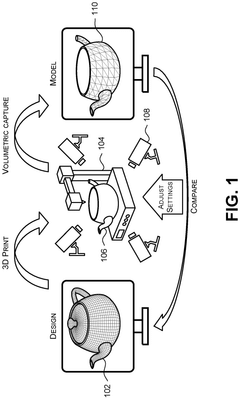
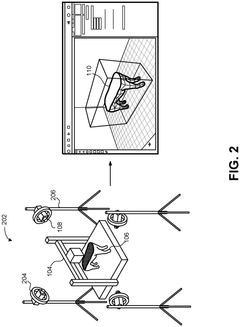
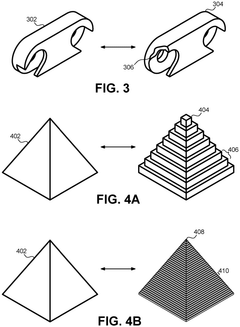
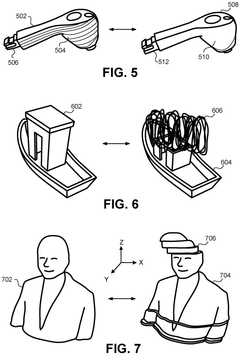
- Implementing real-time volumetric video capture and machine learning to compare the printed object with the original design, automatically detecting defects and adjusting manufacturing parameters to eliminate or reduce them.
Industry Standards for AI Manufacturing Implementation
The implementation of artificial intelligence in precision manufacturing tuning requires adherence to established industry standards that ensure safety, reliability, and interoperability across manufacturing systems. Current standardization efforts focus on creating frameworks that enable seamless integration of AI technologies while maintaining operational excellence and regulatory compliance.
ISO/IEC 23053 provides fundamental guidelines for AI system lifecycle management in industrial applications, establishing protocols for data governance, model validation, and performance monitoring. This standard emphasizes the importance of maintaining traceability throughout the AI development process, particularly crucial in precision manufacturing where quality control demands rigorous documentation and audit trails.
The IEC 62443 series addresses cybersecurity concerns specific to industrial automation and control systems incorporating AI components. These standards define security levels and risk assessment methodologies essential for protecting AI-driven manufacturing systems from cyber threats that could compromise precision operations or intellectual property.
NIST AI Risk Management Framework offers comprehensive guidance for identifying and mitigating risks associated with AI deployment in manufacturing environments. The framework establishes protocols for continuous monitoring of AI system performance, bias detection, and failure mode analysis, ensuring that precision manufacturing processes maintain their accuracy and reliability standards.
IEEE 2857 standard specifically addresses ethical design processes for autonomous and intelligent systems in manufacturing contexts. This standard provides guidelines for ensuring AI systems operate within acceptable parameters while maintaining human oversight capabilities, particularly important in precision manufacturing where autonomous decision-making must align with quality specifications.
Industry-specific standards such as SEMI E187 for semiconductor manufacturing and ASTM F3269 for additive manufacturing establish sector-specific requirements for AI implementation. These standards address unique challenges in precision manufacturing environments, including contamination control, material traceability, and process validation requirements that must be maintained when integrating AI systems.
Emerging standardization efforts focus on establishing common data formats and communication protocols that enable AI systems from different vendors to operate cohesively within integrated manufacturing environments, promoting scalability and reducing implementation complexity.
ISO/IEC 23053 provides fundamental guidelines for AI system lifecycle management in industrial applications, establishing protocols for data governance, model validation, and performance monitoring. This standard emphasizes the importance of maintaining traceability throughout the AI development process, particularly crucial in precision manufacturing where quality control demands rigorous documentation and audit trails.
The IEC 62443 series addresses cybersecurity concerns specific to industrial automation and control systems incorporating AI components. These standards define security levels and risk assessment methodologies essential for protecting AI-driven manufacturing systems from cyber threats that could compromise precision operations or intellectual property.
NIST AI Risk Management Framework offers comprehensive guidance for identifying and mitigating risks associated with AI deployment in manufacturing environments. The framework establishes protocols for continuous monitoring of AI system performance, bias detection, and failure mode analysis, ensuring that precision manufacturing processes maintain their accuracy and reliability standards.
IEEE 2857 standard specifically addresses ethical design processes for autonomous and intelligent systems in manufacturing contexts. This standard provides guidelines for ensuring AI systems operate within acceptable parameters while maintaining human oversight capabilities, particularly important in precision manufacturing where autonomous decision-making must align with quality specifications.
Industry-specific standards such as SEMI E187 for semiconductor manufacturing and ASTM F3269 for additive manufacturing establish sector-specific requirements for AI implementation. These standards address unique challenges in precision manufacturing environments, including contamination control, material traceability, and process validation requirements that must be maintained when integrating AI systems.
Emerging standardization efforts focus on establishing common data formats and communication protocols that enable AI systems from different vendors to operate cohesively within integrated manufacturing environments, promoting scalability and reducing implementation complexity.
Data Security and IP Protection in AI Manufacturing
The integration of artificial intelligence in precision manufacturing tuning introduces unprecedented data security challenges that require comprehensive protection strategies. Manufacturing environments now generate vast amounts of sensitive operational data, including proprietary algorithms, process parameters, quality metrics, and production optimization patterns. This data represents critical intellectual property that competitors could exploit to reverse-engineer manufacturing processes or gain unfair market advantages.
AI-driven manufacturing systems create multiple attack vectors that traditional security frameworks struggle to address. Machine learning models themselves become valuable assets requiring protection, as they contain embedded knowledge about optimal manufacturing processes developed through extensive training and refinement. The interconnected nature of smart manufacturing ecosystems, including IoT sensors, edge computing devices, and cloud-based analytics platforms, expands the potential attack surface exponentially.
Data encryption protocols specifically designed for manufacturing environments must balance security requirements with real-time processing demands. Advanced encryption techniques, including homomorphic encryption and secure multi-party computation, enable AI algorithms to process encrypted data without compromising operational efficiency. These approaches allow manufacturers to maintain data confidentiality while leveraging cloud-based AI services for process optimization.
Intellectual property protection in AI manufacturing extends beyond traditional patent strategies to encompass algorithmic innovations and data-driven insights. Manufacturers must implement robust access controls, data lineage tracking, and audit mechanisms to prevent unauthorized access to proprietary AI models and training datasets. Federated learning approaches offer promising solutions by enabling collaborative AI development without exposing sensitive manufacturing data to external parties.
Regulatory compliance frameworks are evolving to address AI-specific security requirements in manufacturing contexts. Organizations must navigate complex requirements spanning data protection regulations, export control laws, and industry-specific standards while maintaining competitive advantages through AI innovation. The development of secure AI manufacturing platforms requires continuous monitoring, threat assessment, and adaptive security measures to protect against emerging cyber threats targeting industrial AI systems.
AI-driven manufacturing systems create multiple attack vectors that traditional security frameworks struggle to address. Machine learning models themselves become valuable assets requiring protection, as they contain embedded knowledge about optimal manufacturing processes developed through extensive training and refinement. The interconnected nature of smart manufacturing ecosystems, including IoT sensors, edge computing devices, and cloud-based analytics platforms, expands the potential attack surface exponentially.
Data encryption protocols specifically designed for manufacturing environments must balance security requirements with real-time processing demands. Advanced encryption techniques, including homomorphic encryption and secure multi-party computation, enable AI algorithms to process encrypted data without compromising operational efficiency. These approaches allow manufacturers to maintain data confidentiality while leveraging cloud-based AI services for process optimization.
Intellectual property protection in AI manufacturing extends beyond traditional patent strategies to encompass algorithmic innovations and data-driven insights. Manufacturers must implement robust access controls, data lineage tracking, and audit mechanisms to prevent unauthorized access to proprietary AI models and training datasets. Federated learning approaches offer promising solutions by enabling collaborative AI development without exposing sensitive manufacturing data to external parties.
Regulatory compliance frameworks are evolving to address AI-specific security requirements in manufacturing contexts. Organizations must navigate complex requirements spanning data protection regulations, export control laws, and industry-specific standards while maintaining competitive advantages through AI innovation. The development of secure AI manufacturing platforms requires continuous monitoring, threat assessment, and adaptive security measures to protect against emerging cyber threats targeting industrial AI systems.
Unlock deeper insights with Patsnap Eureka Quick Research — get a full tech report to explore trends and direct your research. Try now!
Generate Your Research Report Instantly with AI Agent
Supercharge your innovation with Patsnap Eureka AI Agent Platform!