

Assess Pneumatic System Efficiency with Real-Time Data
MAR 13, 20269 MIN READ
Generate Your Research Report Instantly with AI Agent
PatSnap Eureka helps you evaluate technical feasibility & market potential.
Pneumatic System Efficiency Background and Objectives
Pneumatic systems have been fundamental to industrial automation for over a century, evolving from simple compressed air applications to sophisticated control systems that power manufacturing, automotive, aerospace, and process industries. These systems utilize compressed air to generate mechanical motion, offering advantages such as cleanliness, safety, and reliability in harsh environments where electrical systems might pose risks.
The historical development of pneumatic technology began with basic air compressors and simple actuators, progressing through mechanical valve controls to today's electronically controlled pneumatic systems. Modern pneumatic networks integrate sensors, smart valves, and digital controllers, creating complex systems that require precise monitoring and optimization to maintain peak performance.
Current industry trends indicate a growing emphasis on energy efficiency and sustainability, driven by rising energy costs and environmental regulations. Pneumatic systems typically consume 20-30% of industrial electricity in manufacturing facilities, making efficiency optimization a critical business imperative. The integration of Industry 4.0 principles has accelerated the adoption of real-time monitoring technologies, enabling unprecedented visibility into system performance.
The primary technical objective of real-time pneumatic system efficiency assessment is to establish continuous monitoring capabilities that can identify performance degradation, predict maintenance needs, and optimize energy consumption. This involves implementing sensor networks to capture key parameters such as pressure levels, flow rates, temperature variations, and actuator response times across the entire pneumatic infrastructure.
Secondary objectives include developing predictive analytics algorithms that can correlate real-time data with efficiency metrics, enabling proactive system adjustments before performance issues impact production. The goal extends to creating automated optimization routines that can adjust compressor operations, valve timing, and pressure settings based on actual demand patterns rather than static configurations.
Long-term strategic objectives focus on achieving measurable energy savings of 15-25% through intelligent system management, reducing unplanned downtime through predictive maintenance, and establishing data-driven decision-making frameworks for pneumatic system investments and upgrades.
The historical development of pneumatic technology began with basic air compressors and simple actuators, progressing through mechanical valve controls to today's electronically controlled pneumatic systems. Modern pneumatic networks integrate sensors, smart valves, and digital controllers, creating complex systems that require precise monitoring and optimization to maintain peak performance.
Current industry trends indicate a growing emphasis on energy efficiency and sustainability, driven by rising energy costs and environmental regulations. Pneumatic systems typically consume 20-30% of industrial electricity in manufacturing facilities, making efficiency optimization a critical business imperative. The integration of Industry 4.0 principles has accelerated the adoption of real-time monitoring technologies, enabling unprecedented visibility into system performance.
The primary technical objective of real-time pneumatic system efficiency assessment is to establish continuous monitoring capabilities that can identify performance degradation, predict maintenance needs, and optimize energy consumption. This involves implementing sensor networks to capture key parameters such as pressure levels, flow rates, temperature variations, and actuator response times across the entire pneumatic infrastructure.
Secondary objectives include developing predictive analytics algorithms that can correlate real-time data with efficiency metrics, enabling proactive system adjustments before performance issues impact production. The goal extends to creating automated optimization routines that can adjust compressor operations, valve timing, and pressure settings based on actual demand patterns rather than static configurations.
Long-term strategic objectives focus on achieving measurable energy savings of 15-25% through intelligent system management, reducing unplanned downtime through predictive maintenance, and establishing data-driven decision-making frameworks for pneumatic system investments and upgrades.
Market Demand for Real-Time Pneumatic Monitoring
The global pneumatic systems market is experiencing significant transformation driven by the increasing demand for operational efficiency and predictive maintenance capabilities across industrial sectors. Manufacturing industries, particularly automotive, aerospace, and packaging, are actively seeking solutions that provide real-time visibility into pneumatic system performance to minimize unplanned downtime and optimize energy consumption.
Industrial automation trends are creating substantial market pull for real-time pneumatic monitoring solutions. Companies are recognizing that traditional reactive maintenance approaches result in costly production interruptions and inefficient energy usage. The shift toward Industry 4.0 principles has accelerated demand for intelligent monitoring systems that can provide continuous assessment of pneumatic system efficiency, enabling proactive maintenance strategies and operational optimization.
Energy efficiency regulations and sustainability initiatives are driving market demand across multiple regions. Organizations face increasing pressure to reduce compressed air waste, which typically accounts for significant portions of industrial energy consumption. Real-time monitoring systems that can identify leaks, pressure drops, and inefficient operations are becoming essential tools for meeting environmental compliance requirements and achieving cost reduction targets.
The pharmaceutical and food processing industries represent particularly strong market segments for real-time pneumatic monitoring. These sectors require stringent quality control and cannot afford system failures that could compromise product integrity or safety. Real-time efficiency assessment capabilities enable these industries to maintain optimal performance while ensuring regulatory compliance and product quality standards.
Market demand is also being fueled by the growing availability of IoT sensors and edge computing technologies that make real-time monitoring more accessible and cost-effective. Small and medium-sized enterprises, previously unable to justify the investment in sophisticated monitoring systems, are now entering the market as solution costs decrease and implementation complexity reduces.
The integration of artificial intelligence and machine learning capabilities into pneumatic monitoring systems is creating new market opportunities. End users are increasingly demanding solutions that not only collect real-time data but also provide predictive insights and automated optimization recommendations, driving demand for more sophisticated monitoring platforms that can deliver actionable intelligence for pneumatic system efficiency improvement.
Industrial automation trends are creating substantial market pull for real-time pneumatic monitoring solutions. Companies are recognizing that traditional reactive maintenance approaches result in costly production interruptions and inefficient energy usage. The shift toward Industry 4.0 principles has accelerated demand for intelligent monitoring systems that can provide continuous assessment of pneumatic system efficiency, enabling proactive maintenance strategies and operational optimization.
Energy efficiency regulations and sustainability initiatives are driving market demand across multiple regions. Organizations face increasing pressure to reduce compressed air waste, which typically accounts for significant portions of industrial energy consumption. Real-time monitoring systems that can identify leaks, pressure drops, and inefficient operations are becoming essential tools for meeting environmental compliance requirements and achieving cost reduction targets.
The pharmaceutical and food processing industries represent particularly strong market segments for real-time pneumatic monitoring. These sectors require stringent quality control and cannot afford system failures that could compromise product integrity or safety. Real-time efficiency assessment capabilities enable these industries to maintain optimal performance while ensuring regulatory compliance and product quality standards.
Market demand is also being fueled by the growing availability of IoT sensors and edge computing technologies that make real-time monitoring more accessible and cost-effective. Small and medium-sized enterprises, previously unable to justify the investment in sophisticated monitoring systems, are now entering the market as solution costs decrease and implementation complexity reduces.
The integration of artificial intelligence and machine learning capabilities into pneumatic monitoring systems is creating new market opportunities. End users are increasingly demanding solutions that not only collect real-time data but also provide predictive insights and automated optimization recommendations, driving demand for more sophisticated monitoring platforms that can deliver actionable intelligence for pneumatic system efficiency improvement.
Current State of Pneumatic Efficiency Assessment Technologies
The current landscape of pneumatic system efficiency assessment technologies encompasses a diverse range of measurement approaches, from traditional offline methods to emerging real-time monitoring solutions. Conventional assessment techniques primarily rely on periodic manual measurements using portable instruments such as flow meters, pressure gauges, and power analyzers. These methods, while established and widely accepted, provide only snapshot views of system performance and often fail to capture dynamic operational variations that significantly impact overall efficiency.
Modern pneumatic efficiency assessment has evolved to incorporate digital monitoring systems that leverage sensor networks distributed throughout pneumatic installations. These systems typically measure key parameters including air pressure, flow rates, temperature, humidity, and power consumption at multiple points within the pneumatic network. Advanced installations integrate smart sensors with wireless communication capabilities, enabling continuous data collection without extensive infrastructure modifications.
Industrial Internet of Things (IIoT) platforms have emerged as significant enablers for real-time pneumatic system monitoring. These platforms aggregate data from multiple sensor sources and apply analytics algorithms to calculate efficiency metrics such as specific power consumption, leakage rates, and overall equipment effectiveness. Leading solutions incorporate machine learning algorithms that can identify patterns in system behavior and predict potential efficiency degradation before it becomes critical.
Current assessment technologies face several technical limitations that constrain their effectiveness. Sensor accuracy and calibration drift remain persistent challenges, particularly in harsh industrial environments where temperature fluctuations, vibrations, and contamination can affect measurement reliability. Data integration complexity increases significantly when dealing with legacy pneumatic systems that lack standardized communication protocols, requiring custom interface solutions that add cost and complexity.
The geographic distribution of advanced pneumatic efficiency assessment technologies shows concentration in developed industrial regions, particularly in Europe and North America, where stringent energy efficiency regulations drive adoption. Asian markets, led by Japan and South Korea, demonstrate growing implementation of sophisticated monitoring systems, while emerging economies primarily rely on traditional assessment methods due to cost considerations and limited technical infrastructure.
Standardization efforts by organizations such as ISO and ANSI have established frameworks for pneumatic system efficiency measurement, but implementation consistency varies significantly across different industries and regions. This lack of uniformity complicates benchmarking efforts and limits the development of universal efficiency assessment protocols that could accelerate technology adoption and improve overall industry performance standards.
Modern pneumatic efficiency assessment has evolved to incorporate digital monitoring systems that leverage sensor networks distributed throughout pneumatic installations. These systems typically measure key parameters including air pressure, flow rates, temperature, humidity, and power consumption at multiple points within the pneumatic network. Advanced installations integrate smart sensors with wireless communication capabilities, enabling continuous data collection without extensive infrastructure modifications.
Industrial Internet of Things (IIoT) platforms have emerged as significant enablers for real-time pneumatic system monitoring. These platforms aggregate data from multiple sensor sources and apply analytics algorithms to calculate efficiency metrics such as specific power consumption, leakage rates, and overall equipment effectiveness. Leading solutions incorporate machine learning algorithms that can identify patterns in system behavior and predict potential efficiency degradation before it becomes critical.
Current assessment technologies face several technical limitations that constrain their effectiveness. Sensor accuracy and calibration drift remain persistent challenges, particularly in harsh industrial environments where temperature fluctuations, vibrations, and contamination can affect measurement reliability. Data integration complexity increases significantly when dealing with legacy pneumatic systems that lack standardized communication protocols, requiring custom interface solutions that add cost and complexity.
The geographic distribution of advanced pneumatic efficiency assessment technologies shows concentration in developed industrial regions, particularly in Europe and North America, where stringent energy efficiency regulations drive adoption. Asian markets, led by Japan and South Korea, demonstrate growing implementation of sophisticated monitoring systems, while emerging economies primarily rely on traditional assessment methods due to cost considerations and limited technical infrastructure.
Standardization efforts by organizations such as ISO and ANSI have established frameworks for pneumatic system efficiency measurement, but implementation consistency varies significantly across different industries and regions. This lack of uniformity complicates benchmarking efforts and limits the development of universal efficiency assessment protocols that could accelerate technology adoption and improve overall industry performance standards.
Existing Real-Time Pneumatic Efficiency Solutions
01 Energy recovery and regeneration systems
Pneumatic systems can incorporate energy recovery mechanisms to capture and reuse compressed air energy that would otherwise be wasted. These systems utilize regenerative circuits, accumulators, and pressure recovery devices to store excess energy during deceleration or low-demand phases and release it during high-demand operations. This approach significantly reduces overall energy consumption and improves system efficiency by minimizing the need for continuous compression.- Energy recovery and regeneration systems: Pneumatic systems can incorporate energy recovery mechanisms to capture and reuse compressed air energy that would otherwise be wasted. These systems utilize regenerative circuits, accumulators, and pressure recovery devices to store excess energy during deceleration or low-demand periods and release it when needed. This approach significantly reduces overall energy consumption and improves system efficiency by minimizing the need for continuous compression.
- Optimized valve and flow control mechanisms: Advanced valve designs and flow control technologies enhance pneumatic system efficiency by reducing pressure drops, minimizing leakage, and enabling precise control of air flow. These mechanisms include proportional valves, servo valves, and intelligent flow regulators that adjust air delivery based on real-time demand. By optimizing flow characteristics and reducing unnecessary air consumption, these components contribute to substantial energy savings.
- Pressure optimization and regulation systems: Efficient pneumatic systems employ sophisticated pressure regulation strategies to maintain optimal operating pressures throughout the system. These include variable pressure control, zone-based pressure management, and adaptive pressure adjustment based on load requirements. By preventing over-pressurization and maintaining appropriate pressure levels for specific applications, these systems reduce compressor workload and minimize energy waste.
- Leak detection and prevention technologies: Pneumatic system efficiency is significantly impacted by air leakage, which can account for substantial energy losses. Advanced leak detection systems utilize sensors, monitoring devices, and diagnostic tools to identify and locate leaks in real-time. Combined with improved sealing technologies, quick-connect fittings, and preventive maintenance protocols, these solutions help maintain system integrity and reduce compressed air waste.
- Smart control and monitoring systems: Integration of intelligent control systems and real-time monitoring capabilities enables pneumatic systems to operate at peak efficiency. These systems employ sensors, data analytics, and automated control algorithms to optimize compressor operation, predict maintenance needs, and adjust system parameters dynamically. By providing visibility into system performance and enabling predictive maintenance, these technologies reduce downtime and ensure continuous efficient operation.
02 Optimized valve and flow control technology
Advanced valve designs and flow control mechanisms enhance pneumatic system efficiency by reducing pressure drops, minimizing leakage, and optimizing air distribution. These technologies include proportional valves, servo valves, and intelligent flow regulators that adjust air supply based on real-time demand. Precision control of airflow ensures that components receive only the necessary amount of compressed air, eliminating waste and improving response times.Expand Specific Solutions03 Leak detection and prevention systems
Implementing leak detection and prevention technologies is crucial for maintaining pneumatic system efficiency, as air leaks are a major source of energy loss. These systems employ sensors, monitoring devices, and diagnostic tools to identify and locate leaks in real-time. Preventive measures include improved sealing technologies, regular maintenance protocols, and automated alert systems that notify operators of pressure anomalies, enabling prompt repairs and sustained efficiency.Expand Specific Solutions04 Variable speed compressor control
Variable speed drive technology allows compressors to adjust their operating speed according to actual air demand, rather than running continuously at full capacity. This dynamic control reduces energy consumption during periods of low demand and prevents excessive pressure buildup. The integration of intelligent control systems with sensors and feedback loops enables precise matching of compressed air supply to system requirements, resulting in substantial energy savings and extended equipment lifespan.Expand Specific Solutions05 System design optimization and component integration
Efficient pneumatic system design involves strategic component placement, proper sizing of pipes and actuators, and integration of smart control systems. Optimization techniques include minimizing pipe lengths to reduce pressure drops, selecting appropriately sized components to match load requirements, and implementing modular designs for flexibility. Advanced system architectures incorporate predictive maintenance capabilities, real-time monitoring, and automated adjustments to maintain peak efficiency under varying operating conditions.Expand Specific Solutions
Key Players in Pneumatic System Monitoring Industry
The pneumatic system efficiency assessment market is experiencing significant growth driven by increasing industrial automation and the need for energy optimization across manufacturing sectors. The industry is in a mature development stage with established players leveraging IoT and real-time monitoring technologies to enhance system performance. Key market participants demonstrate varying levels of technological sophistication, with companies like Siemens AG, Honeywell International, and Festo SE & Co. KG leading in advanced pneumatic control systems and automation solutions. Industrial giants such as Atlas Copco Airpower NV and Cummins Inc. contribute specialized pneumatic equipment and power systems expertise. The technology maturity is evidenced by comprehensive offerings from aerospace leaders like Boeing, Airbus Operations, and United Technologies Corp., who integrate sophisticated pneumatic monitoring in aircraft systems. Chinese companies including Sinopec and Sany Heavy Industry represent growing regional capabilities, while research institutions like University of Florida and Beijing Jiaotong University drive innovation in system optimization algorithms and real-time data analytics for enhanced pneumatic efficiency assessment.
Honeywell International Technologies Ltd.
Technical Solution: Honeywell's pneumatic efficiency assessment leverages their Forge IoT platform combined with advanced process control systems to monitor pneumatic operations in real-time. Their solution integrates smart pressure transmitters, flow sensors, and vibration monitors that collect continuous data streams from pneumatic equipment. The system uses machine learning algorithms to establish baseline efficiency metrics and identify deviations that indicate performance degradation or energy waste. Their predictive maintenance capabilities can forecast component failures before they impact system efficiency, while automated control loops adjust operating parameters to maintain optimal energy consumption ratios across industrial pneumatic networks.
Strengths: Robust industrial automation experience with proven IoT infrastructure and strong predictive analytics capabilities. Weaknesses: Complex integration requirements and potential vendor lock-in with proprietary systems.
Atlas Copco Airpower NV
Technical Solution: Atlas Copco focuses on compressed air system efficiency through their SMARTLINK monitoring platform that provides real-time visibility into pneumatic system performance. Their solution combines intelligent compressor controls with network-connected monitoring devices that track air flow, pressure levels, power consumption, and system leakages. The platform uses advanced algorithms to optimize compressor operation schedules, detect inefficiencies in air distribution networks, and provide actionable insights for energy reduction. Their predictive maintenance modules analyze vibration patterns, temperature variations, and performance trends to prevent unexpected failures that could compromise system efficiency while maintaining optimal air quality standards.
Strengths: Deep compressed air expertise with proven energy optimization solutions and comprehensive monitoring capabilities. Weaknesses: Limited scope focusing primarily on compression side rather than complete pneumatic system integration.
Core Technologies in Pneumatic Data Acquisition
Pneumatischer Antrieb und Verfahren zur Erfassung der Leistung eines pneumatischen Antriebs
PatentActiveUS20140305298A1
Innovation
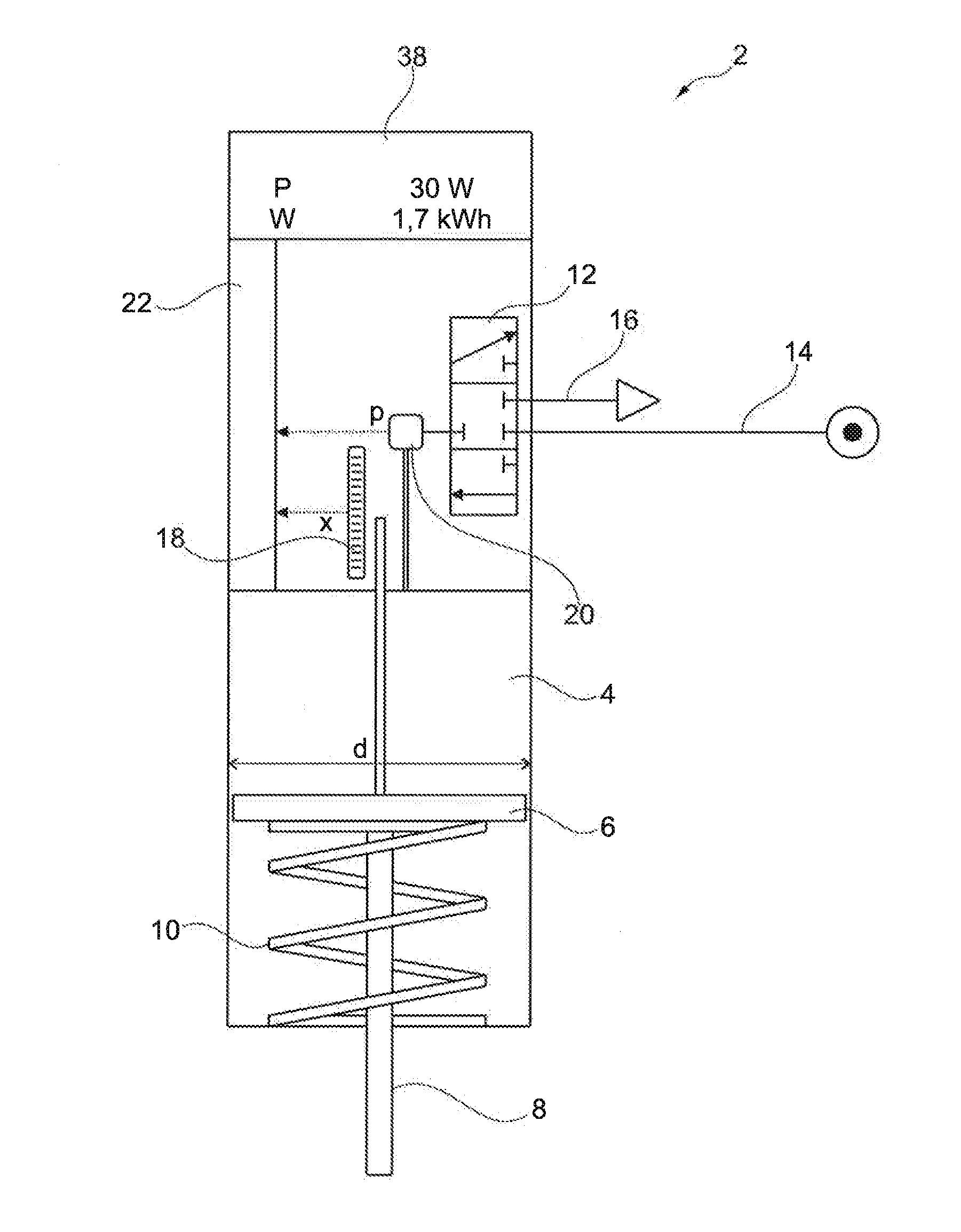
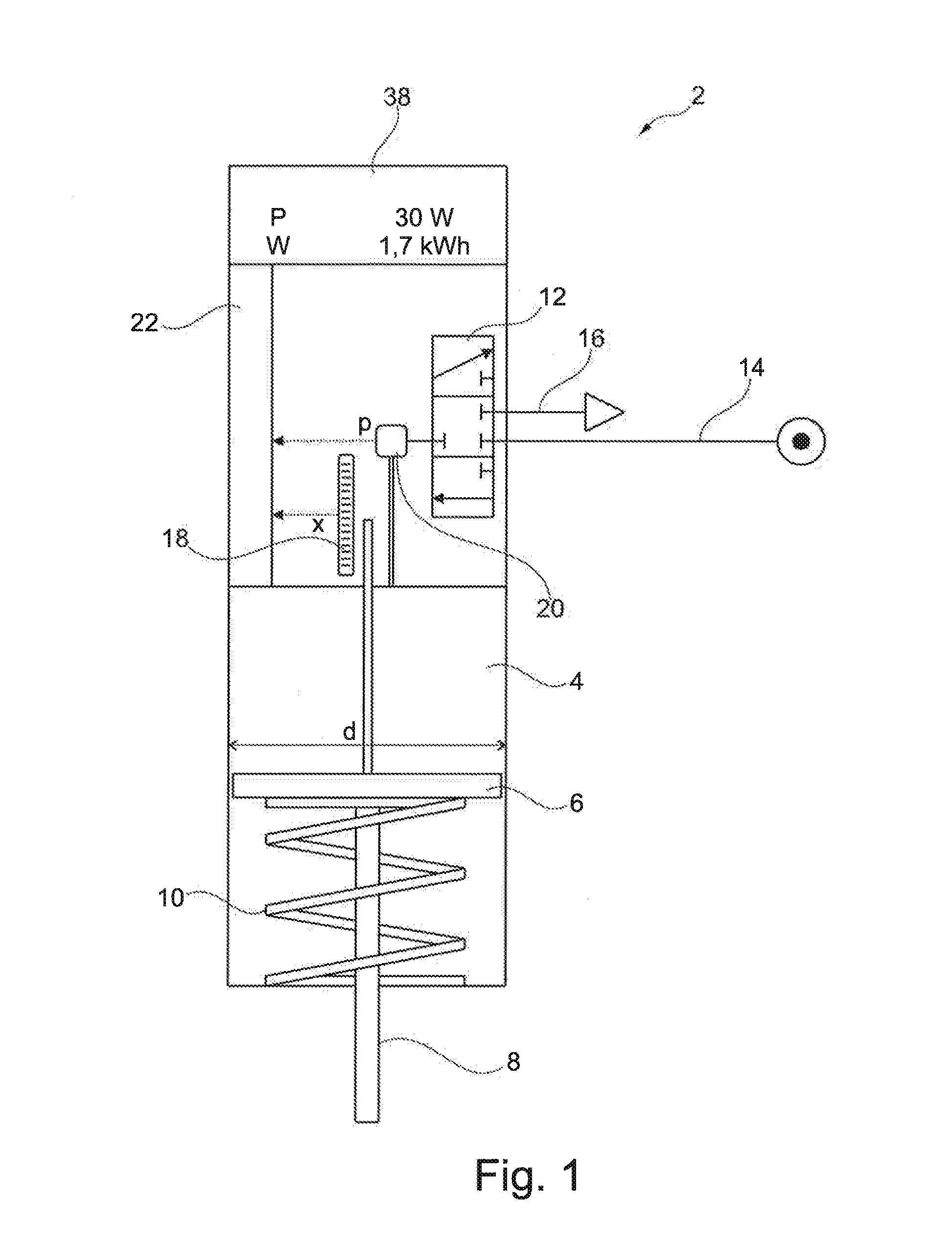
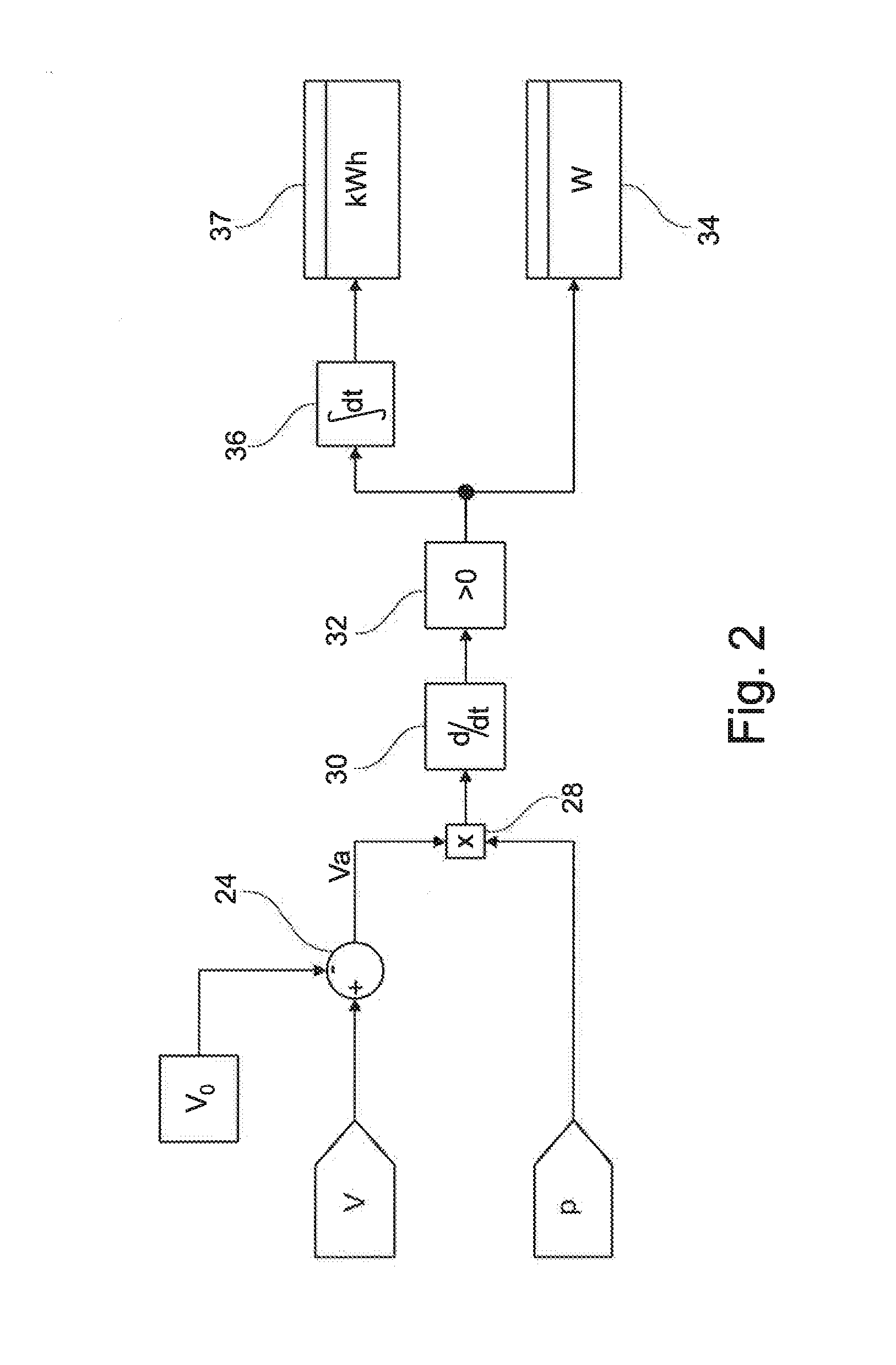
- Incorporating a path transducer and pressure sensor into the pneumatic drive, coupled with an evaluation unit that calculates power and energy consumption based on piston path distance and internal pressure variations, allowing for cost-effective determination of energy usage without the need for expensive measurement equipment.

Method for assessing a condition of a pneumatic network
PatentPendingEP4650603A2
Innovation
- A computer-implemented method involving synchronized parameter detection at multiple locations and times, using sensors to capture snapshots of the network's condition, incorporating context information, and comparing these snapshots to assess the network's state.

Energy Efficiency Standards for Industrial Pneumatics
Energy efficiency standards for industrial pneumatics have evolved significantly over the past decade, driven by increasing environmental regulations and rising energy costs. The International Organization for Standardization (ISO) has established ISO 11011 as the primary framework for pneumatic energy efficiency assessment, while regional standards such as the European Union's Energy Efficiency Directive 2012/27/EU and the United States Department of Energy's Industrial Assessment Centers guidelines provide additional regulatory frameworks.
Current efficiency standards typically focus on compressed air system performance metrics, including specific power consumption measured in kW per cubic foot per minute (CFM), pressure drop limitations across system components, and overall system efficiency ratings. The ISO 11011 standard mandates that industrial pneumatic systems achieve minimum efficiency thresholds of 10-15% for compressed air generation and distribution, though leading practices target 20-25% efficiency levels.
Emerging standards are increasingly incorporating real-time monitoring requirements to ensure continuous compliance and optimization. The recently updated ISO 50001 energy management standard now includes provisions for continuous energy performance monitoring in pneumatic systems, requiring organizations to implement measurement and verification protocols that can detect efficiency deviations within 5% of baseline performance.
Regional variations in standards reflect different industrial priorities and energy policies. European standards emphasize lifecycle energy consumption and carbon footprint reduction, while North American standards focus more heavily on peak demand management and grid stability considerations. Asian markets, particularly in manufacturing-intensive economies, are developing standards that balance efficiency requirements with production throughput demands.
The integration of Industry 4.0 technologies is driving the development of next-generation efficiency standards that mandate real-time data collection and analysis capabilities. These emerging standards require pneumatic systems to incorporate smart sensors, predictive maintenance algorithms, and automated efficiency optimization features as baseline requirements rather than optional enhancements.
Compliance verification methods are also evolving, with traditional periodic audits being supplemented by continuous monitoring systems that provide real-time efficiency validation. This shift enables more dynamic standard enforcement and allows for immediate corrective actions when systems fall below required efficiency thresholds.
Current efficiency standards typically focus on compressed air system performance metrics, including specific power consumption measured in kW per cubic foot per minute (CFM), pressure drop limitations across system components, and overall system efficiency ratings. The ISO 11011 standard mandates that industrial pneumatic systems achieve minimum efficiency thresholds of 10-15% for compressed air generation and distribution, though leading practices target 20-25% efficiency levels.
Emerging standards are increasingly incorporating real-time monitoring requirements to ensure continuous compliance and optimization. The recently updated ISO 50001 energy management standard now includes provisions for continuous energy performance monitoring in pneumatic systems, requiring organizations to implement measurement and verification protocols that can detect efficiency deviations within 5% of baseline performance.
Regional variations in standards reflect different industrial priorities and energy policies. European standards emphasize lifecycle energy consumption and carbon footprint reduction, while North American standards focus more heavily on peak demand management and grid stability considerations. Asian markets, particularly in manufacturing-intensive economies, are developing standards that balance efficiency requirements with production throughput demands.
The integration of Industry 4.0 technologies is driving the development of next-generation efficiency standards that mandate real-time data collection and analysis capabilities. These emerging standards require pneumatic systems to incorporate smart sensors, predictive maintenance algorithms, and automated efficiency optimization features as baseline requirements rather than optional enhancements.
Compliance verification methods are also evolving, with traditional periodic audits being supplemented by continuous monitoring systems that provide real-time efficiency validation. This shift enables more dynamic standard enforcement and allows for immediate corrective actions when systems fall below required efficiency thresholds.
IoT Integration Challenges in Pneumatic Networks
The integration of Internet of Things (IoT) technologies into pneumatic networks presents significant technical and operational challenges that must be addressed to enable effective real-time efficiency assessment. These challenges span multiple domains, from hardware compatibility to data management, creating complex implementation barriers for organizations seeking to modernize their pneumatic systems.
Sensor deployment and network connectivity represent primary integration hurdles. Traditional pneumatic systems lack built-in digital infrastructure, requiring extensive retrofitting with pressure sensors, flow meters, and temperature monitoring devices. Establishing reliable wireless communication protocols across industrial environments poses additional complexity, as pneumatic networks often operate in harsh conditions with electromagnetic interference, vibration, and temperature fluctuations that can disrupt IoT device performance.
Data standardization and interoperability challenges emerge when integrating diverse sensor types and communication protocols. Pneumatic systems typically involve components from multiple manufacturers, each potentially using different data formats, sampling rates, and communication standards. Creating unified data streams for real-time analysis requires sophisticated middleware solutions and protocol translation capabilities.
Power management and device maintenance present ongoing operational challenges. IoT sensors deployed throughout pneumatic networks require consistent power supply and periodic maintenance, often in locations that are difficult to access. Battery-powered devices face longevity constraints, while wired solutions increase installation complexity and potential failure points.
Cybersecurity concerns intensify with IoT integration, as networked sensors create new attack vectors for industrial systems. Protecting real-time data transmission while maintaining system responsiveness requires robust encryption protocols and secure authentication mechanisms that do not compromise performance.
Scalability and cost considerations further complicate implementation. Large pneumatic networks may require hundreds of monitoring points, creating substantial hardware and infrastructure investments. Organizations must balance comprehensive monitoring coverage with economic feasibility while ensuring system expandability for future requirements.
Data processing and storage infrastructure must handle continuous sensor streams while providing real-time analytics capabilities. Edge computing solutions may be necessary to reduce latency and bandwidth requirements, adding another layer of technical complexity to the overall integration architecture.
Sensor deployment and network connectivity represent primary integration hurdles. Traditional pneumatic systems lack built-in digital infrastructure, requiring extensive retrofitting with pressure sensors, flow meters, and temperature monitoring devices. Establishing reliable wireless communication protocols across industrial environments poses additional complexity, as pneumatic networks often operate in harsh conditions with electromagnetic interference, vibration, and temperature fluctuations that can disrupt IoT device performance.
Data standardization and interoperability challenges emerge when integrating diverse sensor types and communication protocols. Pneumatic systems typically involve components from multiple manufacturers, each potentially using different data formats, sampling rates, and communication standards. Creating unified data streams for real-time analysis requires sophisticated middleware solutions and protocol translation capabilities.
Power management and device maintenance present ongoing operational challenges. IoT sensors deployed throughout pneumatic networks require consistent power supply and periodic maintenance, often in locations that are difficult to access. Battery-powered devices face longevity constraints, while wired solutions increase installation complexity and potential failure points.
Cybersecurity concerns intensify with IoT integration, as networked sensors create new attack vectors for industrial systems. Protecting real-time data transmission while maintaining system responsiveness requires robust encryption protocols and secure authentication mechanisms that do not compromise performance.
Scalability and cost considerations further complicate implementation. Large pneumatic networks may require hundreds of monitoring points, creating substantial hardware and infrastructure investments. Organizations must balance comprehensive monitoring coverage with economic feasibility while ensuring system expandability for future requirements.
Data processing and storage infrastructure must handle continuous sensor streams while providing real-time analytics capabilities. Edge computing solutions may be necessary to reduce latency and bandwidth requirements, adding another layer of technical complexity to the overall integration architecture.
Unlock deeper insights with PatSnap Eureka Quick Research — get a full tech report to explore trends and direct your research. Try now!
Generate Your Research Report Instantly with AI Agent
Supercharge your innovation with PatSnap Eureka AI Agent Platform!