
Assessing Cryopreservation Impact on Protein Functionality
FEB 12, 20269 MIN READ
Generate Your Research Report Instantly with AI Agent
Patsnap Eureka helps you evaluate technical feasibility & market potential.
Cryopreservation Technology Background and Objectives
Cryopreservation has emerged as a critical technology for long-term storage of biological materials, particularly proteins, which are essential components in biopharmaceuticals, diagnostics, and research applications. The technique involves cooling biological samples to ultra-low temperatures, typically below -130°C, to halt biochemical reactions and preserve structural integrity. However, the freezing and thawing processes introduce multiple stressors that can compromise protein functionality, including ice crystal formation, osmotic stress, pH shifts, and cold denaturation. Understanding and mitigating these impacts has become increasingly important as the biopharmaceutical industry expands and demand for stable protein-based therapeutics grows.
The historical development of cryopreservation technology dates back to the mid-20th century, with early applications focused primarily on cellular materials. Over subsequent decades, researchers recognized that proteins exhibit unique vulnerabilities during cryogenic storage, distinct from whole cells or tissues. Ice nucleation and growth can physically disrupt protein tertiary and quaternary structures, while concentration effects during freezing can promote unwanted aggregation. These challenges have driven continuous innovation in cryoprotectant formulations, freezing protocols, and storage methodologies.
The primary objective of current research in this domain is to establish comprehensive assessment frameworks that accurately quantify cryopreservation-induced changes in protein functionality. This encompasses developing sensitive analytical methods to detect subtle alterations in enzymatic activity, binding affinity, structural conformation, and immunogenicity. A secondary objective involves identifying critical process parameters that govern protein stability during freeze-thaw cycles, enabling optimization of cryopreservation protocols for different protein classes.
Furthermore, the field aims to advance predictive models that can forecast protein behavior under various cryopreservation conditions, reducing the need for extensive empirical testing. This includes understanding the molecular mechanisms underlying cryoinjury and developing rational design principles for next-generation cryoprotective agents. Ultimately, these efforts seek to ensure that cryopreserved proteins retain maximum biological activity and therapeutic efficacy, supporting the reliable production and distribution of protein-based products across global healthcare systems.
The historical development of cryopreservation technology dates back to the mid-20th century, with early applications focused primarily on cellular materials. Over subsequent decades, researchers recognized that proteins exhibit unique vulnerabilities during cryogenic storage, distinct from whole cells or tissues. Ice nucleation and growth can physically disrupt protein tertiary and quaternary structures, while concentration effects during freezing can promote unwanted aggregation. These challenges have driven continuous innovation in cryoprotectant formulations, freezing protocols, and storage methodologies.
The primary objective of current research in this domain is to establish comprehensive assessment frameworks that accurately quantify cryopreservation-induced changes in protein functionality. This encompasses developing sensitive analytical methods to detect subtle alterations in enzymatic activity, binding affinity, structural conformation, and immunogenicity. A secondary objective involves identifying critical process parameters that govern protein stability during freeze-thaw cycles, enabling optimization of cryopreservation protocols for different protein classes.
Furthermore, the field aims to advance predictive models that can forecast protein behavior under various cryopreservation conditions, reducing the need for extensive empirical testing. This includes understanding the molecular mechanisms underlying cryoinjury and developing rational design principles for next-generation cryoprotective agents. Ultimately, these efforts seek to ensure that cryopreserved proteins retain maximum biological activity and therapeutic efficacy, supporting the reliable production and distribution of protein-based products across global healthcare systems.
Market Demand for Protein Preservation Solutions
The global demand for protein preservation solutions has experienced substantial growth driven by expanding applications across biopharmaceutical manufacturing, clinical diagnostics, regenerative medicine, and food biotechnology sectors. Biopharmaceutical companies require robust preservation methods to maintain the stability and activity of therapeutic proteins, monoclonal antibodies, vaccines, and enzyme-based products throughout their supply chains. The increasing complexity of biologics and the shift toward personalized medicine have intensified requirements for preservation technologies that can maintain protein integrity during long-term storage and transportation.
Clinical laboratories and diagnostic companies represent another significant demand driver, as they rely on preserved protein standards, reagents, and biomarkers for accurate testing procedures. The expansion of biobanking initiatives worldwide has created substantial needs for preservation solutions that enable long-term storage of protein samples while maintaining their functional characteristics for future research and clinical applications. This trend is particularly pronounced in precision medicine and proteomics research, where sample integrity directly impacts experimental outcomes and clinical decision-making.
The regenerative medicine and cell therapy sectors have emerged as high-growth markets for protein preservation technologies. These fields require preservation methods that protect growth factors, cytokines, and extracellular matrix proteins essential for cell culture and tissue engineering applications. The commercial scale-up of cell-based therapies has amplified demand for standardized preservation protocols that ensure consistent product quality and regulatory compliance.
Food and agricultural biotechnology industries also contribute to market demand, particularly for preserving enzymes used in food processing, nutritional supplements, and industrial applications. The growing emphasis on sustainable food production and alternative protein sources has created new opportunities for preservation technologies that maintain enzyme functionality in novel food products.
Market dynamics are further influenced by regulatory pressures for improved cold chain management, increasing investment in biologics development, and the globalization of pharmaceutical supply chains. These factors collectively drive demand for advanced preservation solutions that can demonstrate measurable impact on protein functionality, stability, and shelf-life extension across diverse application environments.
Clinical laboratories and diagnostic companies represent another significant demand driver, as they rely on preserved protein standards, reagents, and biomarkers for accurate testing procedures. The expansion of biobanking initiatives worldwide has created substantial needs for preservation solutions that enable long-term storage of protein samples while maintaining their functional characteristics for future research and clinical applications. This trend is particularly pronounced in precision medicine and proteomics research, where sample integrity directly impacts experimental outcomes and clinical decision-making.
The regenerative medicine and cell therapy sectors have emerged as high-growth markets for protein preservation technologies. These fields require preservation methods that protect growth factors, cytokines, and extracellular matrix proteins essential for cell culture and tissue engineering applications. The commercial scale-up of cell-based therapies has amplified demand for standardized preservation protocols that ensure consistent product quality and regulatory compliance.
Food and agricultural biotechnology industries also contribute to market demand, particularly for preserving enzymes used in food processing, nutritional supplements, and industrial applications. The growing emphasis on sustainable food production and alternative protein sources has created new opportunities for preservation technologies that maintain enzyme functionality in novel food products.
Market dynamics are further influenced by regulatory pressures for improved cold chain management, increasing investment in biologics development, and the globalization of pharmaceutical supply chains. These factors collectively drive demand for advanced preservation solutions that can demonstrate measurable impact on protein functionality, stability, and shelf-life extension across diverse application environments.
Current Challenges in Protein Functionality Post-Thaw
Cryopreservation has become an indispensable technique for long-term storage of biological materials, yet the process introduces significant challenges that compromise protein functionality upon thawing. Ice crystal formation during freezing represents one of the most critical obstacles, as intracellular and extracellular ice can physically disrupt protein structures through mechanical stress and osmotic imbalances. These ice crystals can cause protein denaturation, aggregation, and irreversible conformational changes that diminish enzymatic activity and binding capabilities.
The freeze-thaw cycle subjects proteins to multiple stressors beyond ice formation. Temperature fluctuations induce phase transitions that alter the microenvironment surrounding protein molecules, leading to changes in pH, ionic strength, and solute concentration. These environmental shifts can destabilize protein tertiary and quaternary structures, particularly affecting proteins with complex multi-domain architectures or those requiring specific cofactors for stability. The concentration effect during freezing forces proteins into increasingly crowded conditions, promoting unwanted protein-protein interactions and aggregation.
Oxidative stress emerges as another substantial challenge during cryopreservation and thawing processes. The generation of reactive oxygen species can modify amino acid residues, particularly cysteine and methionine, leading to oxidative damage that impairs protein function. Additionally, the presence of cryoprotective agents, while necessary for reducing ice crystal formation, can introduce their own complications. These agents may interact unfavorably with certain proteins, causing partial unfolding or interfering with protein-ligand interactions essential for biological activity.
Current assessment methodologies face limitations in comprehensively evaluating post-thaw protein functionality. Traditional activity assays may not capture subtle structural alterations that affect long-term stability or specific functional domains. The heterogeneity of protein responses to cryopreservation complicates standardization efforts, as different protein classes exhibit varying sensitivities to freezing conditions. Furthermore, the lack of real-time monitoring techniques during the freeze-thaw process hinders understanding of the precise mechanisms underlying functionality loss, making it difficult to develop targeted intervention strategies for preserving protein integrity across diverse applications.
The freeze-thaw cycle subjects proteins to multiple stressors beyond ice formation. Temperature fluctuations induce phase transitions that alter the microenvironment surrounding protein molecules, leading to changes in pH, ionic strength, and solute concentration. These environmental shifts can destabilize protein tertiary and quaternary structures, particularly affecting proteins with complex multi-domain architectures or those requiring specific cofactors for stability. The concentration effect during freezing forces proteins into increasingly crowded conditions, promoting unwanted protein-protein interactions and aggregation.
Oxidative stress emerges as another substantial challenge during cryopreservation and thawing processes. The generation of reactive oxygen species can modify amino acid residues, particularly cysteine and methionine, leading to oxidative damage that impairs protein function. Additionally, the presence of cryoprotective agents, while necessary for reducing ice crystal formation, can introduce their own complications. These agents may interact unfavorably with certain proteins, causing partial unfolding or interfering with protein-ligand interactions essential for biological activity.
Current assessment methodologies face limitations in comprehensively evaluating post-thaw protein functionality. Traditional activity assays may not capture subtle structural alterations that affect long-term stability or specific functional domains. The heterogeneity of protein responses to cryopreservation complicates standardization efforts, as different protein classes exhibit varying sensitivities to freezing conditions. Furthermore, the lack of real-time monitoring techniques during the freeze-thaw process hinders understanding of the precise mechanisms underlying functionality loss, making it difficult to develop targeted intervention strategies for preserving protein integrity across diverse applications.
Current Assessment Methods for Protein Functionality
01 Protein modification and enhancement techniques
Various methods are employed to modify proteins to enhance their functional properties, including enzymatic treatment, chemical modification, and physical processing. These techniques can improve solubility, emulsification capacity, foaming properties, and overall stability of proteins. Modification processes may involve controlled hydrolysis, cross-linking, or conjugation with other molecules to achieve desired functional characteristics for specific applications in food and pharmaceutical industries.- Protein modification and enhancement techniques: Various methods are employed to modify proteins to enhance their functional properties. These techniques include enzymatic treatment, chemical modification, and physical processing to improve solubility, stability, and bioavailability. Modification processes can alter protein structure to optimize performance in specific applications, such as food products or pharmaceutical formulations. These approaches enable proteins to maintain their functional characteristics under different environmental conditions.
- Protein extraction and isolation methods: Advanced extraction and isolation techniques are utilized to obtain proteins with desired functional properties from various sources. These methods focus on maintaining protein integrity while separating them from other components. The processes involve optimization of pH, temperature, and solvent systems to preserve native protein structure and functionality. Efficient extraction methods ensure high yield and purity of functional proteins suitable for industrial applications.
- Protein-based formulations and compositions: Development of protein-based formulations involves combining proteins with other ingredients to create functional compositions for various applications. These formulations are designed to leverage specific protein properties such as emulsification, gelation, and foaming capabilities. The compositions may include stabilizers, preservatives, and other functional additives to enhance overall performance. Such formulations find applications in food products, nutritional supplements, and therapeutic preparations.
- Protein functionality in food applications: Proteins serve multiple functional roles in food systems, including texture modification, water binding, and nutritional enhancement. Their functional properties such as solubility, emulsification, and gel formation are critical for food product development. Processing conditions and ingredient interactions significantly influence protein functionality in food matrices. Understanding these functional characteristics enables optimization of food formulations for desired sensory and nutritional attributes.
- Protein stability and preservation: Maintaining protein functionality during storage and processing requires effective stability and preservation strategies. Various approaches including controlled temperature, pH adjustment, and addition of stabilizing agents are employed to prevent protein degradation. These methods help preserve protein structure and functional properties over extended periods. Stability enhancement techniques are essential for ensuring consistent protein performance in commercial products and extending shelf life.
02 Protein extraction and purification methods
Advanced extraction and purification techniques are utilized to isolate proteins while maintaining their native functionality. These methods include precipitation, chromatography, membrane filtration, and centrifugation processes. The goal is to obtain high-purity protein fractions with preserved biological activity and functional properties suitable for various industrial applications. Process parameters such as pH, temperature, and ionic strength are carefully controlled to optimize protein recovery and functionality.Expand Specific Solutions03 Protein-based formulations and delivery systems
Proteins are incorporated into various formulations and delivery systems to leverage their functional properties for specific applications. These include emulsions, gels, films, and encapsulation systems where proteins serve as structural components, stabilizers, or active ingredients. The functionality of proteins in these systems depends on their ability to form networks, interact with other components, and maintain stability under different environmental conditions.Expand Specific Solutions04 Protein functionality in food applications
Proteins play crucial roles in food systems by providing essential functional properties such as water binding, gelation, emulsification, and texture formation. These properties are critical for product development and quality improvement in various food categories. Factors affecting protein functionality in food applications include protein concentration, processing conditions, interactions with other ingredients, and environmental factors such as pH and temperature during preparation and storage.Expand Specific Solutions05 Protein structure-function relationships and characterization
Understanding the relationship between protein structure and functionality is essential for optimizing protein applications. Characterization techniques include analysis of molecular weight, amino acid composition, secondary and tertiary structure, and surface properties. These structural features directly influence functional properties such as solubility, binding capacity, and interaction with other molecules. Advanced analytical methods are employed to correlate structural modifications with changes in functional behavior.Expand Specific Solutions
Key Players in Cryopreservation Industry
The cryopreservation impact on protein functionality field represents a mature yet evolving sector within biotechnology and pharmaceutical industries, characterized by established players and emerging innovators. The market demonstrates significant scale, driven by biopharmaceutical development, biobanking, and regenerative medicine applications. Major pharmaceutical companies like Amgen, Genentech, and GlaxoSmithKline leverage advanced cryopreservation technologies for therapeutic protein development, while specialized firms such as Biomatrica pioneer room-temperature stabilization alternatives using anhydrobiosis principles. Academic institutions including Cornell University, National University of Singapore, and Max Planck Gesellschaft contribute fundamental research advancing preservation methodologies. Technology maturity varies across applications, with established protocols for standard proteins contrasting with ongoing optimization for complex biologics and cell-based therapies. Companies like Ajinomoto and Seiren explore industrial-scale applications, while research organizations such as Fraunhofer-Gesellschaft and CSIR drive innovation in preservation chemistry and process engineering, collectively shaping a competitive landscape balancing proven techniques with next-generation stabilization approaches.
Biomatrica, Inc.
Technical Solution: Biomatrica has developed innovative dry-state preservation technologies that stabilize proteins and biologics at ambient temperatures without freezing. Their proprietary formulations create a protective matrix around protein molecules through hydrogen bonding networks that replace water molecules, maintaining protein tertiary and quaternary structures during storage. The technology utilizes synthetic biopolymers and natural stabilizers to prevent protein aggregation, oxidation, and denaturation that commonly occur during freeze-thaw cycles. This approach eliminates ice crystal formation damage and cold denaturation effects, preserving enzymatic activity and antibody binding affinity. Their platform has demonstrated maintenance of protein functionality for extended periods at room temperature, offering significant advantages over traditional cryopreservation methods for sensitive biologics, vaccines, and diagnostic reagents.
Strengths: Eliminates freeze-thaw damage and cold chain requirements, maintains protein structure without ice crystal formation, enables ambient temperature storage. Weaknesses: May require formulation optimization for different protein types, limited long-term data compared to established cryopreservation methods.
Amgen, Inc.
Technical Solution: Amgen has developed comprehensive cryopreservation protocols specifically designed to assess and maintain therapeutic protein functionality throughout the freezing and thawing process. Their approach incorporates cryoprotectant screening using agents such as trehalose, sucrose, and glycerol at optimized concentrations to minimize protein structural perturbations. The company employs advanced analytical techniques including differential scanning calorimetry, dynamic light scattering, and circular dichroism spectroscopy to monitor protein conformational changes during cryopreservation cycles. Amgen's methodology includes controlled-rate freezing protocols that minimize ice nucleation damage and optimize cooling rates based on protein-specific thermal properties. They utilize high-throughput screening platforms to evaluate post-thaw protein activity through binding assays, enzymatic activity measurements, and stability studies. Their quality control framework assesses aggregation levels, fragmentation patterns, and potency retention to ensure therapeutic proteins maintain clinical efficacy after cryopreservation.
Strengths: Comprehensive analytical characterization methods, extensive experience with therapeutic protein development, robust quality control frameworks for clinical applications. Weaknesses: Protocols may be resource-intensive and time-consuming, primarily focused on therapeutic proteins rather than broader protein classes.
Core Technologies in Cryo-Damage Detection
Systems for Increased Cooling and Thawing Rates of Protein Solutions and Cells for Optimized Cryopreservation and Recovery
PatentInactiveUS20100216230A1
Innovation
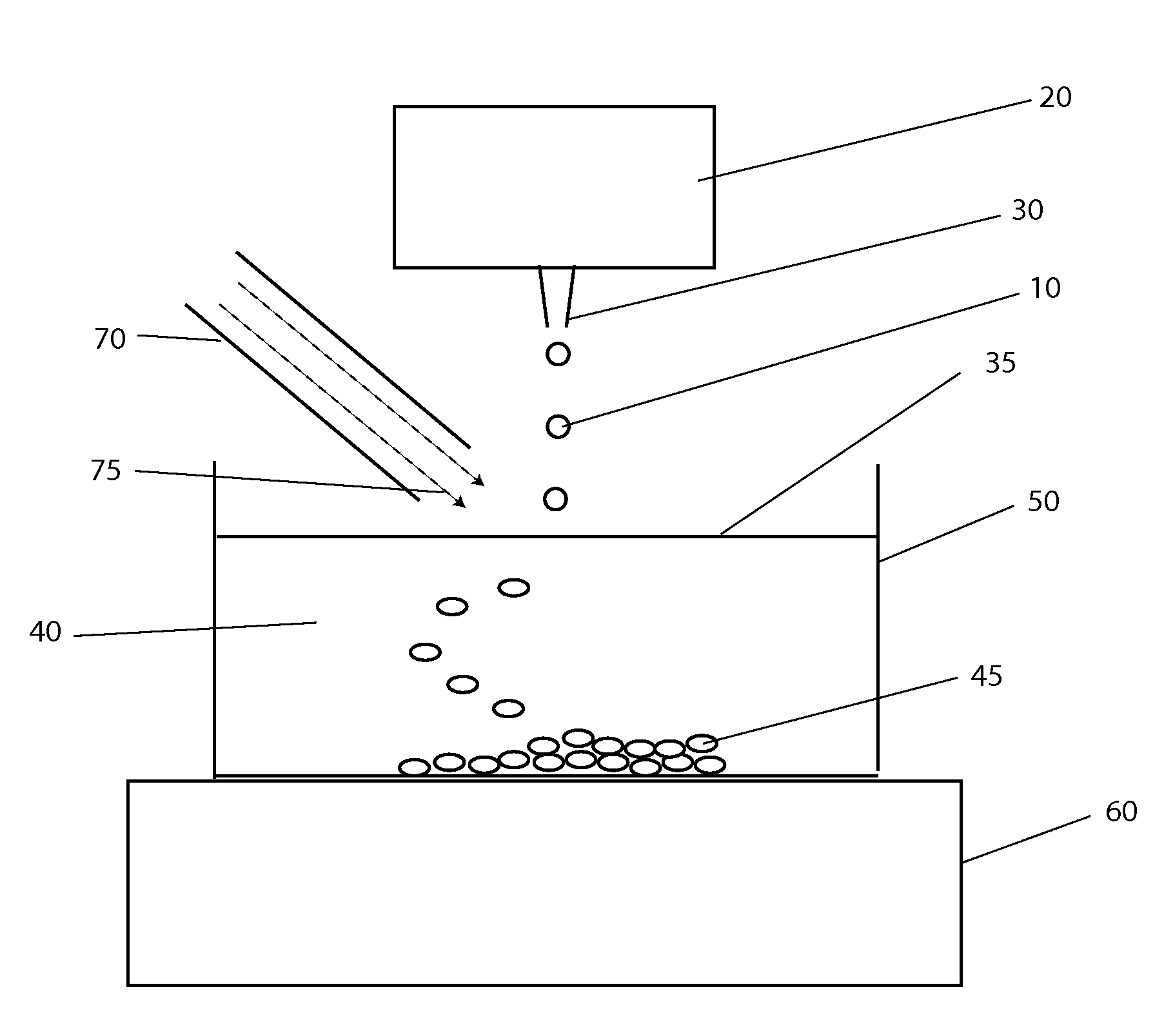
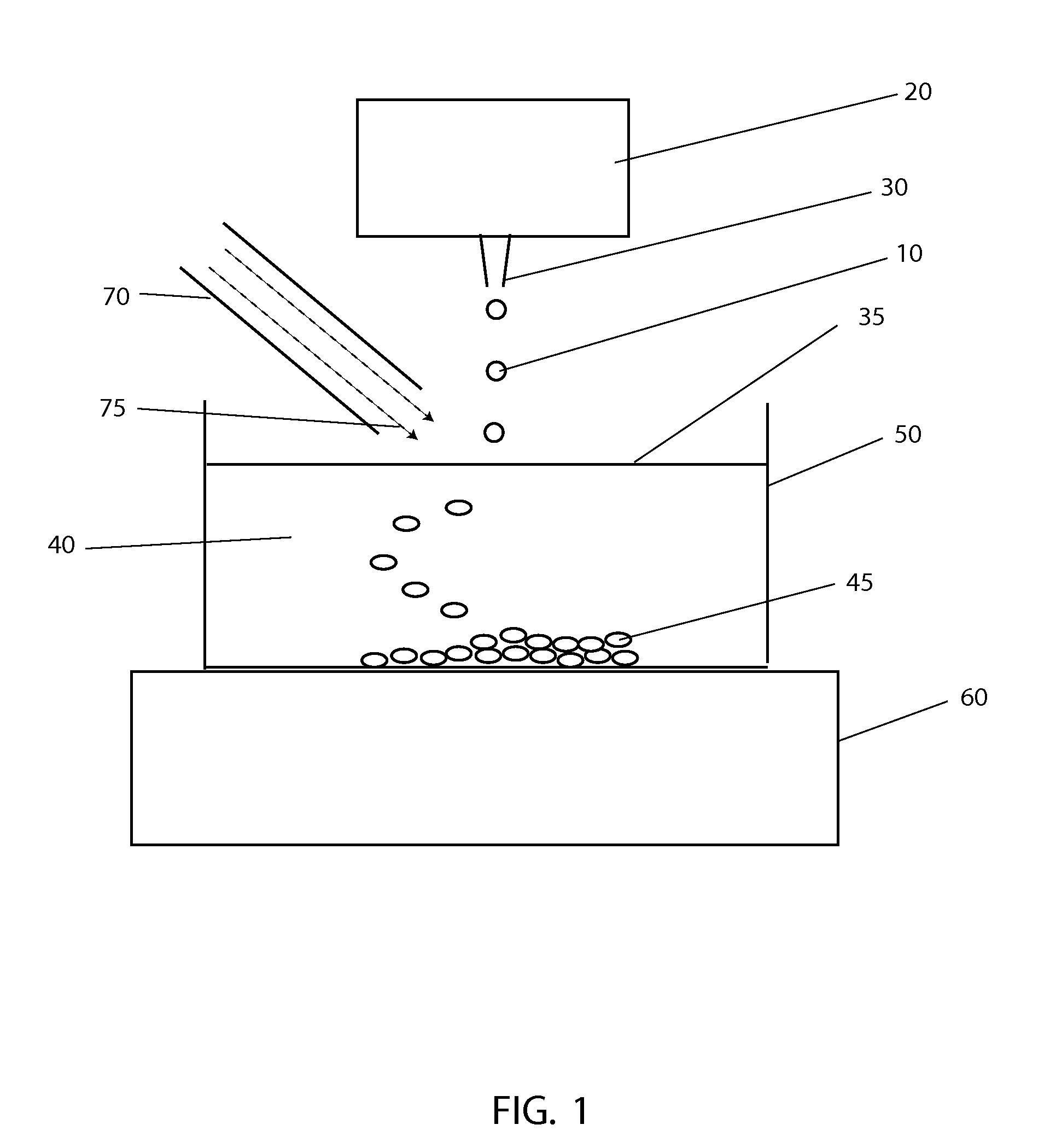
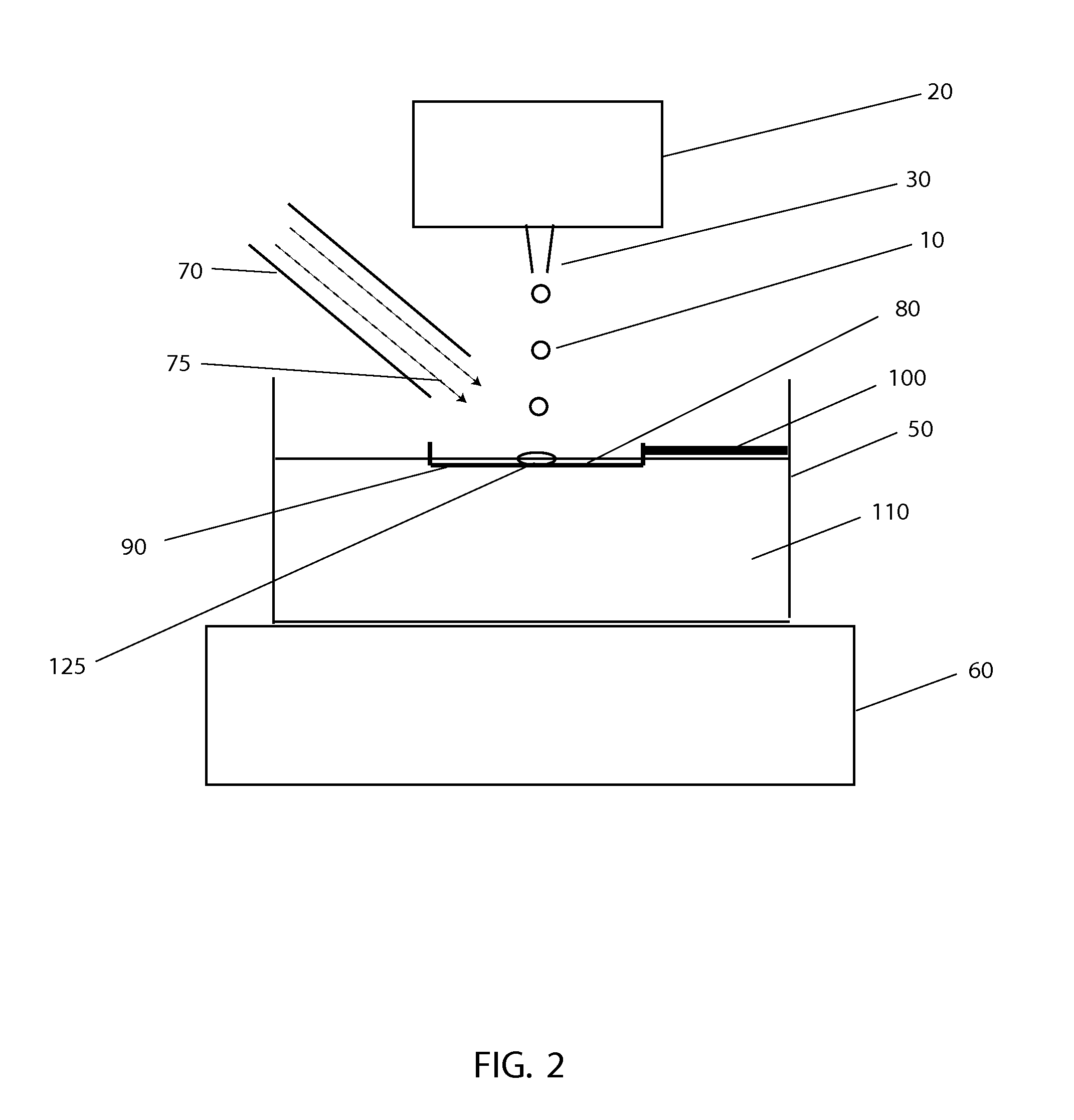
- The method involves fractionating samples into small, uniform drops with high surface-to-volume ratios, which are then rapidly cooled and thawed by eliminating the cold gas layer and using warm dry gas to enhance heat transfer, allowing for controlled and reproducible cooling and thawing processes.

Cryopreservation compositions and methods including glycerol ester components
PatentWO2022256502A1
Innovation
- A cryopreservation composition incorporating glycerol ester components, such as poly(glycerol sebacate), is used to inhibit ice crystal formation and provide biocompatible protection, allowing for safe and effective cryopreservation of biological samples by maintaining viability and function during freezing and thawing.

Quality Standards and Regulatory Framework
The establishment of robust quality standards and regulatory frameworks is essential for ensuring the reliability and reproducibility of cryopreservation protocols used in protein preservation. Currently, multiple regulatory bodies worldwide oversee the quality control of cryopreserved biological materials, though specific guidelines for protein functionality assessment remain fragmented across different jurisdictions. The International Organization for Standardization has developed ISO 20387 standards for biobanking, which provide foundational requirements for quality management systems, though these primarily address cellular materials rather than isolated proteins.
Regulatory oversight varies significantly depending on the intended application of cryopreserved proteins. Therapeutic proteins destined for clinical use fall under stringent pharmaceutical regulations, requiring compliance with Good Manufacturing Practice guidelines established by agencies such as the FDA, EMA, and other national authorities. These regulations mandate comprehensive documentation of cryopreservation processes, validation of storage conditions, and rigorous testing protocols to demonstrate maintained biological activity post-thaw. Critical quality attributes including protein concentration, purity, structural integrity, and functional activity must be verified through validated analytical methods.
For research-grade proteins, quality standards are less prescriptive but increasingly important for ensuring scientific reproducibility. Professional organizations and industry consortia have begun developing best practice guidelines that address key parameters such as freezing rates, storage temperatures, cryoprotectant selection, and thawing procedures. These voluntary standards emphasize the need for standardized functional assays that can reliably detect subtle changes in protein activity following cryopreservation cycles.
Emerging regulatory considerations include the traceability of cryopreserved materials throughout their lifecycle, environmental monitoring of storage facilities, and risk management strategies for equipment failures. The development of harmonized international standards remains a priority, particularly as global collaboration in protein research and biopharmaceutical development intensifies. Future regulatory evolution will likely incorporate advanced analytical techniques and real-time monitoring systems to ensure continuous quality assurance throughout the cryopreservation process.
Regulatory oversight varies significantly depending on the intended application of cryopreserved proteins. Therapeutic proteins destined for clinical use fall under stringent pharmaceutical regulations, requiring compliance with Good Manufacturing Practice guidelines established by agencies such as the FDA, EMA, and other national authorities. These regulations mandate comprehensive documentation of cryopreservation processes, validation of storage conditions, and rigorous testing protocols to demonstrate maintained biological activity post-thaw. Critical quality attributes including protein concentration, purity, structural integrity, and functional activity must be verified through validated analytical methods.
For research-grade proteins, quality standards are less prescriptive but increasingly important for ensuring scientific reproducibility. Professional organizations and industry consortia have begun developing best practice guidelines that address key parameters such as freezing rates, storage temperatures, cryoprotectant selection, and thawing procedures. These voluntary standards emphasize the need for standardized functional assays that can reliably detect subtle changes in protein activity following cryopreservation cycles.
Emerging regulatory considerations include the traceability of cryopreserved materials throughout their lifecycle, environmental monitoring of storage facilities, and risk management strategies for equipment failures. The development of harmonized international standards remains a priority, particularly as global collaboration in protein research and biopharmaceutical development intensifies. Future regulatory evolution will likely incorporate advanced analytical techniques and real-time monitoring systems to ensure continuous quality assurance throughout the cryopreservation process.
Risk Assessment and Mitigation Strategies
Cryopreservation of protein-based therapeutics and biological samples introduces multiple risks that can compromise protein functionality, necessitating comprehensive assessment and strategic mitigation approaches. Primary risks include ice crystal formation causing mechanical stress, osmotic imbalances during freezing and thawing cycles, protein aggregation, oxidative damage, and pH fluctuations. These factors collectively threaten protein structural integrity, enzymatic activity, and therapeutic efficacy. Understanding these risks enables development of targeted mitigation strategies to preserve protein functionality throughout the cryopreservation process.
Ice crystal formation represents the most significant physical risk, as intracellular and extracellular ice can disrupt protein structure through mechanical shearing forces. Mitigation strategies include optimizing cooling rates, typically employing controlled-rate freezing at 1-5°C per minute, and utilizing cryoprotective agents such as dimethyl sulfoxide, glycerol, or trehalose. These compounds reduce ice crystal size and modify ice nucleation patterns, minimizing mechanical damage. Vitrification techniques, which achieve glass-like solidification without crystallization, offer alternative approaches for particularly sensitive proteins, though requiring higher cryoprotectant concentrations and ultra-rapid cooling rates.
Chemical and conformational risks demand equally rigorous mitigation approaches. Protein aggregation can be prevented through formulation optimization, including pH buffering systems, ionic strength adjustment, and addition of stabilizing excipients like sucrose or mannitol. Antioxidants such as ascorbic acid or reduced glutathione mitigate oxidative stress during storage. Temperature monitoring systems and backup power supplies ensure storage stability, while standardized thawing protocols minimize thermal stress. Rapid thawing in controlled water baths typically proves superior to ambient temperature thawing for maintaining protein activity.
Quality control measures form essential components of risk mitigation strategies. Implementing validation protocols that assess protein functionality before and after cryopreservation establishes baseline performance metrics. Regular monitoring of storage conditions, periodic sample testing, and documentation of freeze-thaw cycles enable early detection of degradation. Establishing maximum storage durations based on stability studies and limiting freeze-thaw cycles to predetermined thresholds further reduce functionality loss risks. These integrated strategies collectively ensure cryopreserved proteins maintain acceptable functionality levels for their intended applications.
Ice crystal formation represents the most significant physical risk, as intracellular and extracellular ice can disrupt protein structure through mechanical shearing forces. Mitigation strategies include optimizing cooling rates, typically employing controlled-rate freezing at 1-5°C per minute, and utilizing cryoprotective agents such as dimethyl sulfoxide, glycerol, or trehalose. These compounds reduce ice crystal size and modify ice nucleation patterns, minimizing mechanical damage. Vitrification techniques, which achieve glass-like solidification without crystallization, offer alternative approaches for particularly sensitive proteins, though requiring higher cryoprotectant concentrations and ultra-rapid cooling rates.
Chemical and conformational risks demand equally rigorous mitigation approaches. Protein aggregation can be prevented through formulation optimization, including pH buffering systems, ionic strength adjustment, and addition of stabilizing excipients like sucrose or mannitol. Antioxidants such as ascorbic acid or reduced glutathione mitigate oxidative stress during storage. Temperature monitoring systems and backup power supplies ensure storage stability, while standardized thawing protocols minimize thermal stress. Rapid thawing in controlled water baths typically proves superior to ambient temperature thawing for maintaining protein activity.
Quality control measures form essential components of risk mitigation strategies. Implementing validation protocols that assess protein functionality before and after cryopreservation establishes baseline performance metrics. Regular monitoring of storage conditions, periodic sample testing, and documentation of freeze-thaw cycles enable early detection of degradation. Establishing maximum storage durations based on stability studies and limiting freeze-thaw cycles to predetermined thresholds further reduce functionality loss risks. These integrated strategies collectively ensure cryopreserved proteins maintain acceptable functionality levels for their intended applications.
Unlock deeper insights with Patsnap Eureka Quick Research — get a full tech report to explore trends and direct your research. Try now!
Generate Your Research Report Instantly with AI Agent
Supercharge your innovation with Patsnap Eureka AI Agent Platform!