

Assessing Effective Nuclear Charge Variations in Radiation Shielding Materials
SEP 10, 202510 MIN READ
Generate Your Research Report Instantly with AI Agent
PatSnap Eureka helps you evaluate technical feasibility & market potential.
Nuclear Charge Effects in Radiation Shielding: Background & Objectives
Radiation shielding has evolved significantly since the discovery of radioactivity in the late 19th century. Initially, simple lead barriers were the primary defense against radiation, but as our understanding of nuclear physics advanced, so did our approach to radiation protection. The concept of effective nuclear charge emerged as a critical factor in determining a material's ability to attenuate various forms of radiation, particularly in high-energy environments such as space exploration, nuclear power generation, and medical radiotherapy.
The effective nuclear charge represents the net positive charge experienced by an electron in a multi-electron atom, influenced by both the nuclear attraction and the repulsion from other electrons. This property significantly impacts how materials interact with ionizing radiation through mechanisms like photoelectric absorption, Compton scattering, and pair production. Understanding these interactions is fundamental to developing advanced shielding materials.
Recent technological advancements have shifted focus from traditional high-density materials like lead and concrete to composite materials with optimized nuclear charge distributions. This evolution has been driven by the increasing demands of aerospace applications, where weight considerations are paramount, and medical settings, where precise radiation control is essential for patient safety and treatment efficacy.
The global emphasis on sustainable energy solutions has further accelerated research in this field, with nuclear power remaining a significant carbon-neutral energy source. Consequently, improved radiation shielding materials are essential for both operational safety and public acceptance of nuclear technologies. Additionally, the growing concern about space radiation exposure for long-duration missions has intensified research into lightweight, multi-functional shielding materials.
The primary objective of this technical research is to systematically evaluate how variations in effective nuclear charge affect radiation attenuation properties across different material compositions. This includes quantifying the relationship between atomic number, electron configuration, and shielding effectiveness against various radiation types (alpha, beta, gamma, and neutron radiation).
Secondary objectives include identifying novel material combinations that optimize the weight-to-protection ratio through strategic manipulation of effective nuclear charge distributions, developing predictive models for radiation interaction with composite materials based on their nuclear charge characteristics, and establishing standardized testing protocols to evaluate shielding effectiveness under various radiation conditions.
This research aims to bridge the gap between theoretical nuclear physics and practical material science applications, potentially revolutionizing radiation protection across multiple industries while addressing the growing need for more efficient, lightweight, and adaptable shielding solutions in our increasingly radiation-dependent technological landscape.
The effective nuclear charge represents the net positive charge experienced by an electron in a multi-electron atom, influenced by both the nuclear attraction and the repulsion from other electrons. This property significantly impacts how materials interact with ionizing radiation through mechanisms like photoelectric absorption, Compton scattering, and pair production. Understanding these interactions is fundamental to developing advanced shielding materials.
Recent technological advancements have shifted focus from traditional high-density materials like lead and concrete to composite materials with optimized nuclear charge distributions. This evolution has been driven by the increasing demands of aerospace applications, where weight considerations are paramount, and medical settings, where precise radiation control is essential for patient safety and treatment efficacy.
The global emphasis on sustainable energy solutions has further accelerated research in this field, with nuclear power remaining a significant carbon-neutral energy source. Consequently, improved radiation shielding materials are essential for both operational safety and public acceptance of nuclear technologies. Additionally, the growing concern about space radiation exposure for long-duration missions has intensified research into lightweight, multi-functional shielding materials.
The primary objective of this technical research is to systematically evaluate how variations in effective nuclear charge affect radiation attenuation properties across different material compositions. This includes quantifying the relationship between atomic number, electron configuration, and shielding effectiveness against various radiation types (alpha, beta, gamma, and neutron radiation).
Secondary objectives include identifying novel material combinations that optimize the weight-to-protection ratio through strategic manipulation of effective nuclear charge distributions, developing predictive models for radiation interaction with composite materials based on their nuclear charge characteristics, and establishing standardized testing protocols to evaluate shielding effectiveness under various radiation conditions.
This research aims to bridge the gap between theoretical nuclear physics and practical material science applications, potentially revolutionizing radiation protection across multiple industries while addressing the growing need for more efficient, lightweight, and adaptable shielding solutions in our increasingly radiation-dependent technological landscape.
Market Analysis for Advanced Radiation Shielding Solutions
The global market for advanced radiation shielding solutions is experiencing robust growth, driven primarily by increasing applications in healthcare, nuclear power, aerospace, and defense sectors. Current market valuation stands at approximately 520 million USD with projections indicating growth to reach 720 million USD by 2028, representing a compound annual growth rate of 6.8% during the forecast period.
Healthcare remains the dominant application segment, accounting for nearly 38% of the market share. The rising adoption of radiation therapy and diagnostic imaging procedures, coupled with growing concerns about radiation exposure among healthcare professionals, continues to fuel demand for innovative shielding materials. Particularly, materials exhibiting variable effective nuclear charge characteristics are gaining traction due to their superior performance in medical environments.
The nuclear power industry represents the second-largest market segment at 27% market share. With several countries recommitting to nuclear energy as part of their clean energy transition strategies, demand for advanced shielding materials is projected to increase significantly. The industry's focus on extending the operational lifespan of existing facilities while ensuring enhanced safety standards has created substantial opportunities for materials that can provide effective shielding with reduced weight and volume.
Geographically, North America leads the market with approximately 35% share, followed by Europe at 28% and Asia-Pacific at 25%. However, the Asia-Pacific region is expected to witness the fastest growth rate of 8.2% annually, primarily driven by China, India, and Japan's expanding nuclear power programs and healthcare infrastructure development.
Customer requirements are evolving toward multi-functional shielding solutions that not only block radiation effectively but also offer additional benefits such as reduced weight, flexibility, durability, and cost-effectiveness. Materials that can modulate their effective nuclear charge properties in response to different radiation types and intensities are particularly sought after, as they can provide optimized protection across various applications.
Price sensitivity varies significantly across different market segments. While defense and aerospace sectors prioritize performance over cost, healthcare and industrial applications demonstrate greater price sensitivity, creating distinct market opportunities for different tiers of shielding solutions.
Regulatory frameworks significantly influence market dynamics, with increasingly stringent safety standards driving innovation in shielding technologies. Materials that can demonstrate superior performance in reducing radiation exposure while meeting regulatory requirements for various applications have substantial competitive advantages in this growing market.
Healthcare remains the dominant application segment, accounting for nearly 38% of the market share. The rising adoption of radiation therapy and diagnostic imaging procedures, coupled with growing concerns about radiation exposure among healthcare professionals, continues to fuel demand for innovative shielding materials. Particularly, materials exhibiting variable effective nuclear charge characteristics are gaining traction due to their superior performance in medical environments.
The nuclear power industry represents the second-largest market segment at 27% market share. With several countries recommitting to nuclear energy as part of their clean energy transition strategies, demand for advanced shielding materials is projected to increase significantly. The industry's focus on extending the operational lifespan of existing facilities while ensuring enhanced safety standards has created substantial opportunities for materials that can provide effective shielding with reduced weight and volume.
Geographically, North America leads the market with approximately 35% share, followed by Europe at 28% and Asia-Pacific at 25%. However, the Asia-Pacific region is expected to witness the fastest growth rate of 8.2% annually, primarily driven by China, India, and Japan's expanding nuclear power programs and healthcare infrastructure development.
Customer requirements are evolving toward multi-functional shielding solutions that not only block radiation effectively but also offer additional benefits such as reduced weight, flexibility, durability, and cost-effectiveness. Materials that can modulate their effective nuclear charge properties in response to different radiation types and intensities are particularly sought after, as they can provide optimized protection across various applications.
Price sensitivity varies significantly across different market segments. While defense and aerospace sectors prioritize performance over cost, healthcare and industrial applications demonstrate greater price sensitivity, creating distinct market opportunities for different tiers of shielding solutions.
Regulatory frameworks significantly influence market dynamics, with increasingly stringent safety standards driving innovation in shielding technologies. Materials that can demonstrate superior performance in reducing radiation exposure while meeting regulatory requirements for various applications have substantial competitive advantages in this growing market.
Current Challenges in Nuclear Charge Assessment Technologies
The assessment of effective nuclear charge variations in radiation shielding materials faces several significant technical challenges that impede progress in this critical field. Current measurement technologies struggle with precision limitations when detecting subtle changes in nuclear charge distribution across different shielding materials, particularly under varying radiation exposure conditions. Conventional spectroscopic methods often fail to provide real-time data on charge variations, creating substantial gaps in our understanding of shield degradation processes.
Material heterogeneity presents another major obstacle, as inconsistencies in composition create unpredictable charge distribution patterns that complicate standardized assessment protocols. Researchers have documented measurement discrepancies of up to 15% when analyzing identical materials using different assessment methodologies, highlighting the urgent need for standardization in this domain.
The dynamic nature of radiation environments further complicates assessment efforts. Nuclear charge characteristics can fluctuate significantly under different radiation types, intensities, and exposure durations. Current technologies lack the adaptability to account for these variables simultaneously, often requiring multiple specialized instruments that introduce additional measurement uncertainties and integration challenges.
Computational modeling limitations represent another significant barrier. Existing simulation frameworks struggle to accurately predict charge behavior at the quantum level, particularly for complex composite shielding materials. The computational resources required for high-fidelity modeling often exceed practical limitations, forcing researchers to rely on simplified models that sacrifice accuracy for feasibility.
Miniaturization challenges have hindered the development of portable assessment technologies. Current high-precision charge measurement equipment remains predominantly laboratory-bound, limiting field applications and real-time monitoring capabilities. This constraint is particularly problematic for space exploration, nuclear power facilities, and medical applications where continuous monitoring is essential.
Data interpretation complexities further compound these challenges. The correlation between measured charge variations and actual shielding effectiveness remains incompletely understood, with researchers still debating the most relevant parameters for practical applications. The absence of comprehensive databases linking charge characteristics to performance metrics across diverse radiation scenarios has slowed the development of predictive models.
Cross-disciplinary integration issues have also emerged as significant obstacles. The field requires expertise spanning nuclear physics, materials science, quantum mechanics, and radiation biology, yet effective collaboration frameworks remain underdeveloped. This fragmentation has resulted in parallel research streams that often fail to leverage insights from adjacent disciplines.
Material heterogeneity presents another major obstacle, as inconsistencies in composition create unpredictable charge distribution patterns that complicate standardized assessment protocols. Researchers have documented measurement discrepancies of up to 15% when analyzing identical materials using different assessment methodologies, highlighting the urgent need for standardization in this domain.
The dynamic nature of radiation environments further complicates assessment efforts. Nuclear charge characteristics can fluctuate significantly under different radiation types, intensities, and exposure durations. Current technologies lack the adaptability to account for these variables simultaneously, often requiring multiple specialized instruments that introduce additional measurement uncertainties and integration challenges.
Computational modeling limitations represent another significant barrier. Existing simulation frameworks struggle to accurately predict charge behavior at the quantum level, particularly for complex composite shielding materials. The computational resources required for high-fidelity modeling often exceed practical limitations, forcing researchers to rely on simplified models that sacrifice accuracy for feasibility.
Miniaturization challenges have hindered the development of portable assessment technologies. Current high-precision charge measurement equipment remains predominantly laboratory-bound, limiting field applications and real-time monitoring capabilities. This constraint is particularly problematic for space exploration, nuclear power facilities, and medical applications where continuous monitoring is essential.
Data interpretation complexities further compound these challenges. The correlation between measured charge variations and actual shielding effectiveness remains incompletely understood, with researchers still debating the most relevant parameters for practical applications. The absence of comprehensive databases linking charge characteristics to performance metrics across diverse radiation scenarios has slowed the development of predictive models.
Cross-disciplinary integration issues have also emerged as significant obstacles. The field requires expertise spanning nuclear physics, materials science, quantum mechanics, and radiation biology, yet effective collaboration frameworks remain underdeveloped. This fragmentation has resulted in parallel research streams that often fail to leverage insights from adjacent disciplines.
Contemporary Methods for Effective Nuclear Charge Evaluation
01 High-Z materials for radiation shielding
Materials with high atomic numbers (high-Z) are effective for radiation shielding due to their greater nuclear charge, which increases the probability of interaction with radiation. These materials, such as lead, tungsten, and bismuth, provide superior attenuation of gamma rays and X-rays through photoelectric absorption and Compton scattering. The effectiveness of these materials is directly related to their density and atomic number, making them ideal for applications requiring compact shielding solutions.- High-Z materials for radiation shielding: Materials with high atomic numbers (high-Z) are effective for radiation shielding due to their increased nuclear charge, which enhances their ability to attenuate radiation. These materials, such as lead, tungsten, and bismuth, have greater electron density and cross-section for interaction with ionizing radiation. The higher effective nuclear charge results in stronger photoelectric absorption and Compton scattering, making these materials particularly effective against gamma and X-ray radiation.
- Composite shielding materials with layered structures: Layered composite materials can provide enhanced radiation shielding by combining materials with different effective nuclear charges. These composites typically feature alternating layers of high-Z and low-Z materials to effectively attenuate various types of radiation. The high-Z layers primarily block gamma and X-rays, while the low-Z layers are more effective against neutrons. This strategic arrangement optimizes the overall shielding effectiveness while potentially reducing weight and thickness compared to single-material shields.
- Nanostructured radiation shielding materials: Nanostructured materials offer improved radiation shielding properties through increased surface area and engineered interfaces. By manipulating materials at the nanoscale, the effective nuclear charge interaction with radiation can be enhanced. These materials include nanoparticle-doped polymers, nanocomposites, and materials with engineered nanopores. The nanoscale features create additional scattering centers for radiation, improving attenuation while potentially reducing the overall weight of the shielding material.
- Polymer-based radiation shielding composites: Polymer matrices incorporated with high effective nuclear charge materials create flexible and lightweight radiation shields. These composites typically combine polymers with metal oxides, nanoparticles, or other high-Z additives to enhance radiation attenuation. The polymer provides structural integrity, flexibility, and processability, while the high-Z additives contribute to the shielding effectiveness. These materials are particularly valuable in applications requiring conformal shielding, such as personal protective equipment or spacecraft components.
- Novel materials with optimized nuclear charge distribution: Advanced materials designed with optimized nuclear charge distribution provide enhanced radiation shielding capabilities. These include engineered alloys, doped ceramics, and materials with specific crystal structures that maximize interaction with radiation. By carefully controlling the composition and atomic arrangement, these materials achieve superior shielding performance through optimized photoelectric absorption, Compton scattering, and pair production processes. Some designs incorporate elements with complementary nuclear properties to create broad-spectrum radiation protection.
02 Composite shielding materials with enhanced nuclear charge effects
Composite materials that combine high-Z elements with polymers or other matrices can provide effective radiation shielding while maintaining desirable physical properties. These composites leverage the high effective nuclear charge of elements like lead or tungsten in a form that can be molded, layered, or otherwise fabricated to meet specific application requirements. The distribution of high-Z particles within the matrix can be optimized to maximize shielding effectiveness while minimizing weight and volume.Expand Specific Solutions03 Neutron shielding materials with effective charge considerations
Materials designed for neutron shielding often incorporate elements with specific nuclear properties. While high-Z materials are effective for gamma radiation, neutron shielding typically requires hydrogen-rich compounds combined with neutron absorbers like boron or gadolinium. The effective nuclear charge plays a role in neutron capture cross-sections, with certain isotopes being particularly effective. These materials are often layered with high-Z materials to provide comprehensive protection against mixed radiation fields.Expand Specific Solutions04 Novel nanomaterials for radiation shielding
Nanomaterials offer unique advantages for radiation shielding due to their high surface area and customizable properties. Nanoparticles of high-Z elements can be dispersed more uniformly in matrices, leading to more effective shielding with less material. Additionally, certain nanostructured materials exhibit enhanced interaction with radiation due to quantum effects that modify their effective nuclear charge characteristics. These materials represent a frontier in developing lightweight, efficient shielding for applications ranging from space exploration to medical imaging.Expand Specific Solutions05 Multilayer shielding systems with graduated effective charge
Multilayer radiation shielding systems utilize materials with varying effective nuclear charges arranged in specific sequences to optimize protection against different types of radiation. These systems typically place high-Z materials to attenuate gamma radiation, followed by materials effective against secondary radiation and neutrons. The strategic arrangement of layers with different atomic numbers creates a more efficient overall shielding effect than single-material solutions, particularly for complex radiation environments with mixed radiation types and energies.Expand Specific Solutions
Leading Organizations in Radiation Shielding Research
The nuclear radiation shielding materials market is in a growth phase, driven by increasing applications in nuclear power, healthcare, and aerospace sectors. The market size is expanding due to rising nuclear power installations and growing concerns about radiation safety. Technologically, the field is advancing from traditional materials to innovative composites with enhanced effective nuclear charge properties. Leading academic institutions like Nanjing University of Aeronautics & Astronautics, Harbin Institute of Technology, and Xi'an Jiaotong University are conducting fundamental research, while industry players such as China Nuclear Power Research & Design Institute, CGN Power, and Sumitomo Electric Industries are developing commercial applications. The collaboration between research institutions and nuclear power companies like China General Nuclear Power Corp is accelerating technological maturity, focusing on improving shielding efficiency while reducing weight and cost.
China Nuclear Power Research & Design Institute
Technical Solution: China Nuclear Power Research & Design Institute has developed proprietary radiation shielding materials with optimized effective nuclear charge distributions specifically for nuclear power plant applications. Their technology focuses on concrete-based composites enhanced with high-Z additives like barite, magnetite, and rare earth elements that significantly increase radiation attenuation efficiency. The institute has pioneered a multi-layer shielding approach that strategically combines materials with varying Z-effective values to create an optimal radiation barrier against both gamma and neutron radiation. Their research includes systematic studies on how effective nuclear charge variations affect shielding performance under different operational and accident scenarios in nuclear facilities. The institute has also developed specialized computational tools for predicting radiation transport through complex shielding configurations with heterogeneous Z-effective distributions.
Strengths: Extensive practical experience in nuclear power plant shielding applications; strong integration of theoretical models with operational data; cost-effective solutions suitable for large-scale deployment. Weaknesses: Materials primarily optimized for stationary applications rather than portable solutions; heavier than some competing technologies; limited flexibility for retrofitting existing structures.
China General Nuclear Power Corp.
Technical Solution: China General Nuclear Power Corp. (CGN) has developed advanced radiation shielding materials that systematically manipulate effective nuclear charge to optimize shielding performance. Their proprietary technology incorporates rare earth elements with high atomic numbers into polymer matrices, creating lightweight yet effective shields. CGN's approach includes precise control of material composition at the molecular level to achieve optimal Z-effective values for specific radiation types. Their research has demonstrated that tailored combinations of high-Z and low-Z materials can create synergistic effects that exceed the performance of homogeneous materials. CGN has also pioneered the development of nano-structured composites where the spatial distribution of elements with varying atomic numbers is engineered at the nanoscale to maximize radiation interaction cross-sections. Their materials undergo rigorous testing in operational nuclear facilities to validate performance under real-world conditions and have shown 15-30% improvement in attenuation efficiency compared to conventional materials of equivalent weight.
Strengths: Strong integration with operational nuclear facilities allowing real-world testing; advanced manufacturing capabilities for specialized materials; comprehensive radiation performance data across multiple energy spectra. Weaknesses: Higher production costs compared to traditional shielding materials; complex quality control requirements; potential supply chain vulnerabilities for rare earth components.
Critical Patents in Nuclear Charge Variation Assessment
Radiation shielding materials containing hydrogen, boron and nitrogen
PatentInactiveUS10607742B2
Innovation
- Development of hydrogenated or hydrogen stored boron nitride (BN) and BN nanotube (BNNT) materials, dispersed homogeneously into a polymer or ceramic matrix, to enhance radiation shielding efficacy while maintaining structural integrity and reducing weight.


Nuclear radiation shields, shielding systems and associated methods
PatentInactiveUS20140151584A1
Innovation
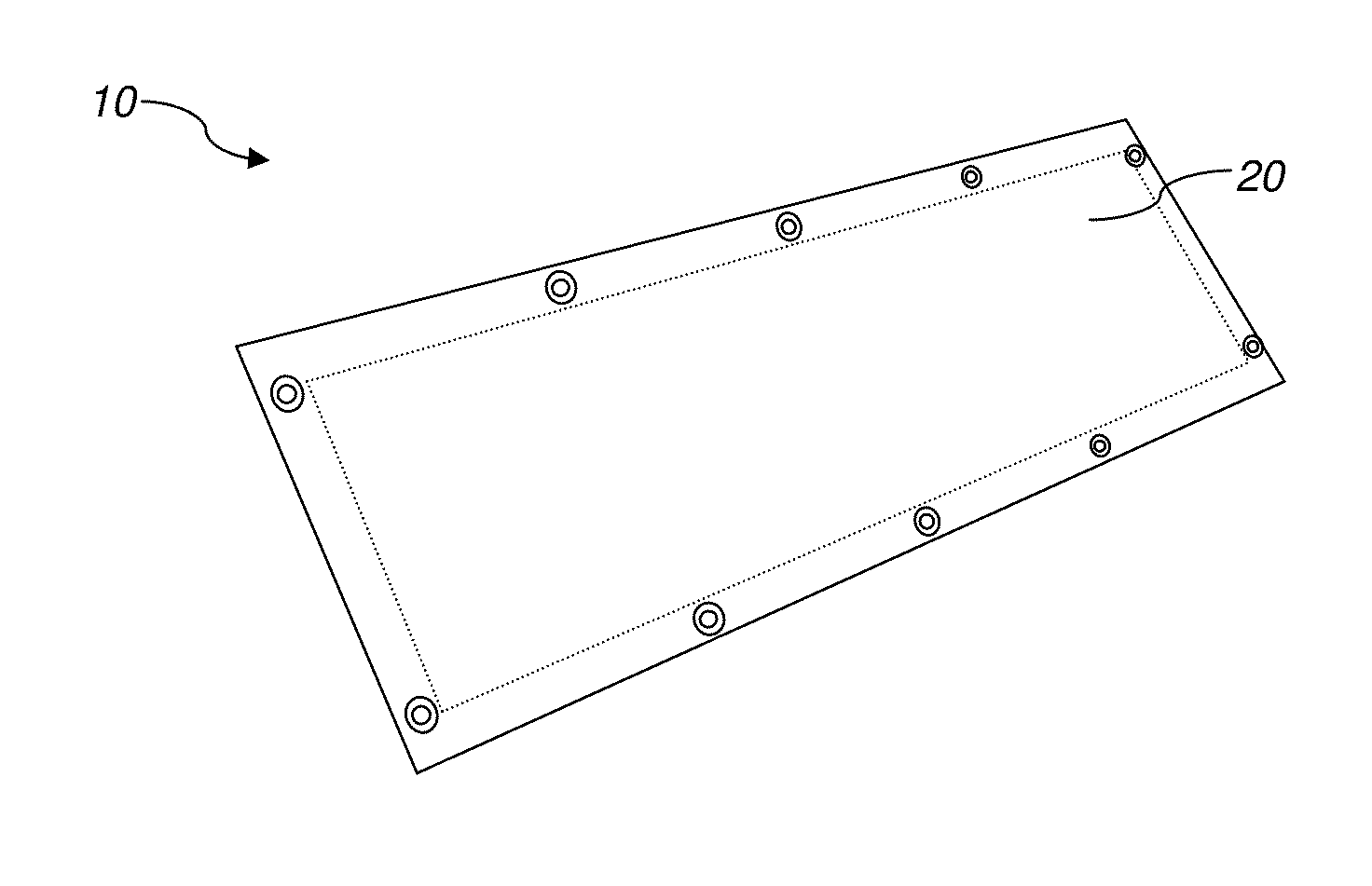
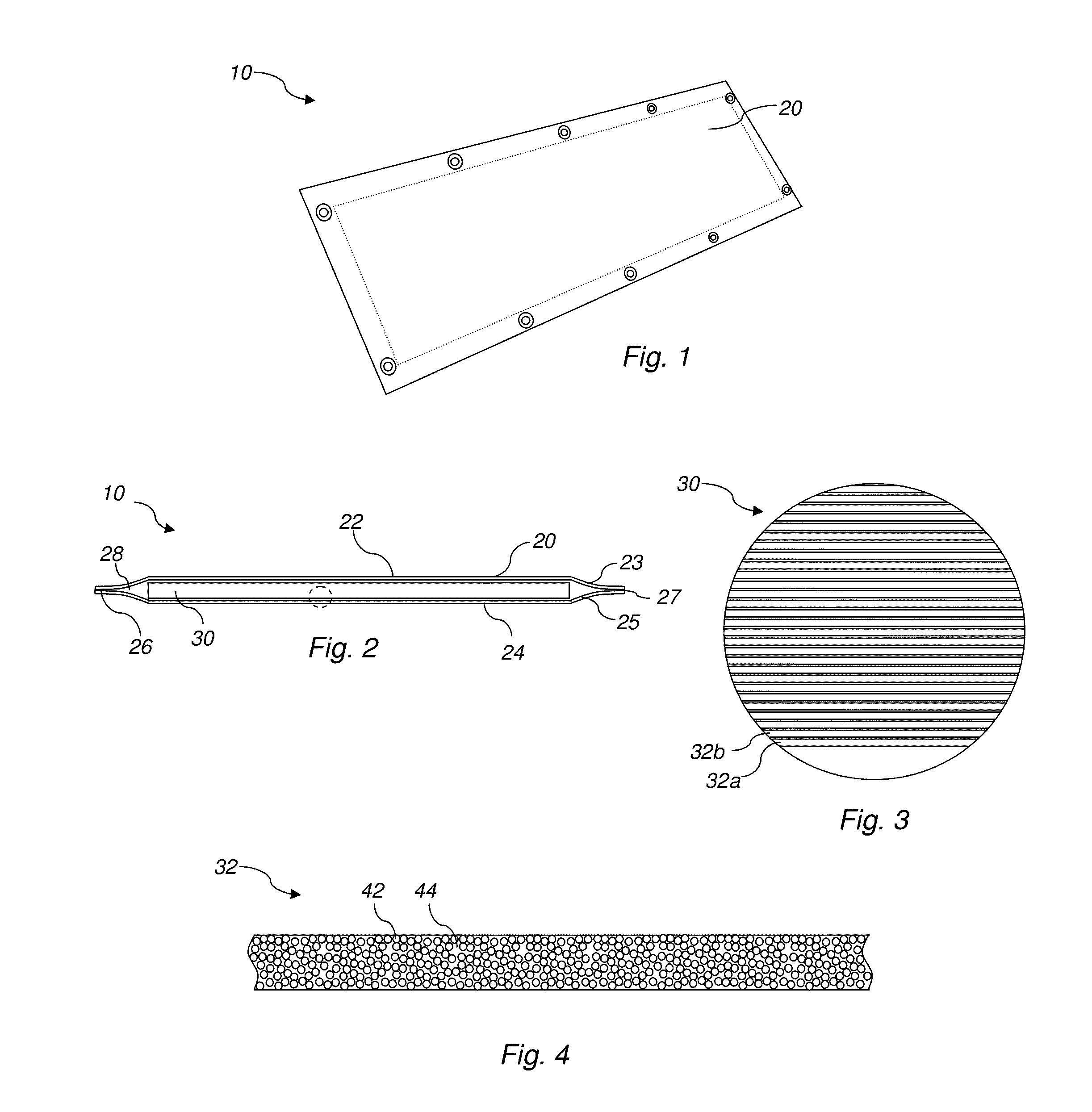
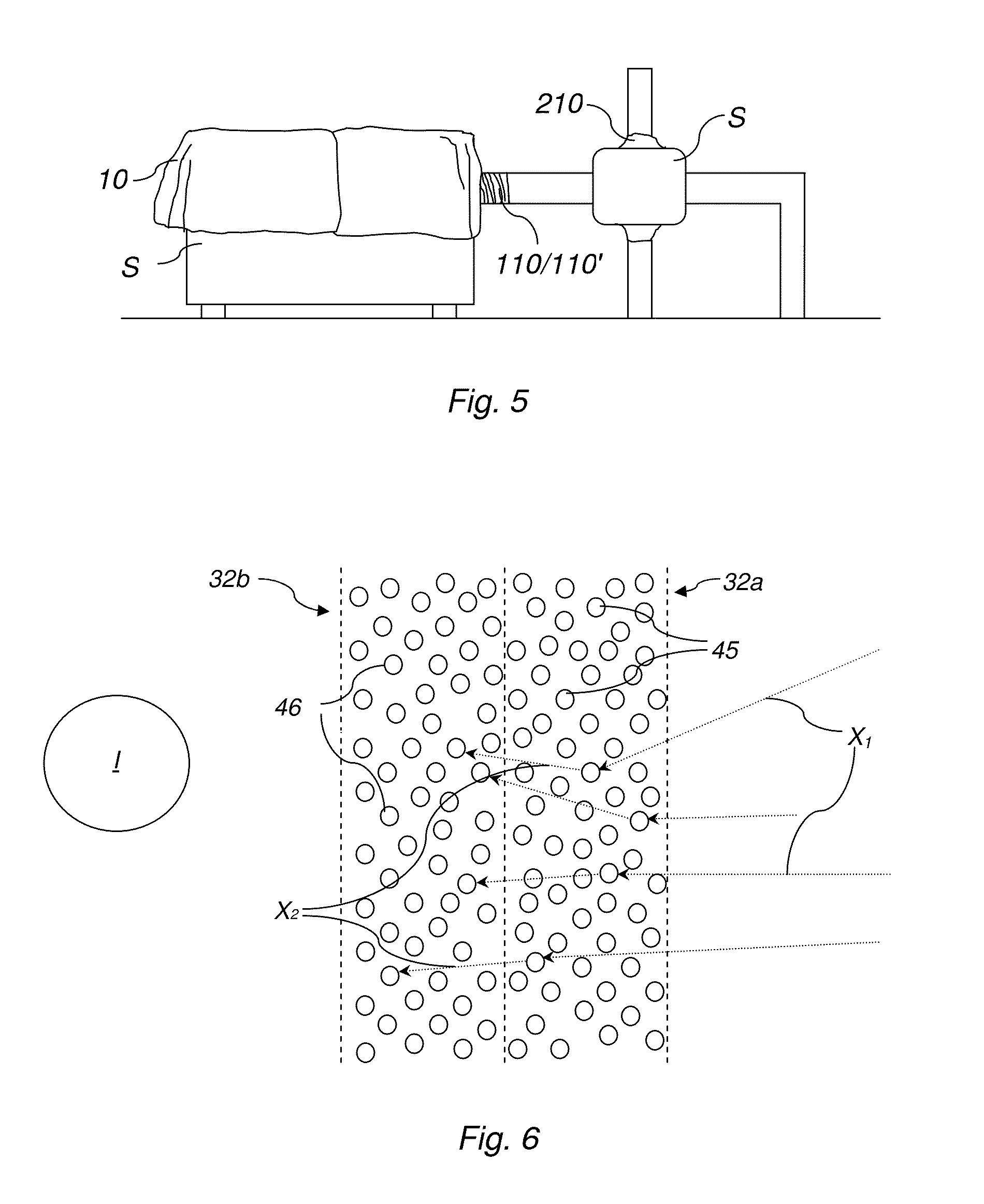
- A radiation shield comprising non-toxic, radioactivity-attenuating materials with atomic numbers 56 or greater, such as barium or bismuth, combined in layers that are flexible and resistant to cracking, with a polymer matrix to enhance flexibility and durability, and optionally arranged to optimize attenuation across different energy ranges.

Safety Standards and Regulatory Framework for Radiation Protection
The regulatory landscape for radiation protection is governed by comprehensive international and national frameworks that establish safety standards for materials used in radiation shielding. The International Atomic Energy Agency (IAEA) serves as the primary global authority, publishing Safety Standards Series that provide specific guidelines for radiation protection materials, including those with varying effective nuclear charge properties. These standards establish minimum requirements for shielding effectiveness based on material composition and nuclear characteristics.
In the United States, the Nuclear Regulatory Commission (NRC) implements Title 10 of the Code of Federal Regulations, with Parts 20 and 34 specifically addressing radiation protection and shielding requirements. The NRC regulations incorporate material-specific considerations that account for effective nuclear charge variations when evaluating shielding adequacy. Similarly, the European Union operates under the Euratom Treaty framework, with Directive 2013/59/Euratom establishing basic safety standards that include detailed provisions for shielding materials.
The International Commission on Radiological Protection (ICRP) provides recommendations that inform regulatory frameworks worldwide, particularly through Publication 103, which establishes the dose limitation system. These recommendations increasingly recognize the importance of effective nuclear charge as a parameter in shielding material selection and certification. The ICRP guidance has been instrumental in developing material-specific standards that optimize radiation protection.
Industry-specific standards further refine these regulatory requirements. For medical applications, the Joint Commission and the American College of Radiology maintain accreditation standards that specify shielding material requirements. In aerospace and nuclear power sectors, specialized standards from organizations like ASTM International provide testing protocols for evaluating shielding materials under various conditions, with particular attention to effective nuclear charge properties.
Compliance verification systems include standardized testing methodologies for shielding materials, such as ASTM E2002 for measuring radiation shielding effectiveness. These protocols typically require documentation of material composition, including effective nuclear charge characteristics, and performance under standardized radiation exposure conditions. Certification processes often involve third-party verification through accredited laboratories that assess conformity to applicable standards.
Recent regulatory trends show increasing sophistication in addressing advanced shielding materials with engineered effective nuclear charge properties. The development of composite and nanomaterials has prompted regulatory bodies to update testing requirements and performance standards to account for these innovations. This evolution reflects the growing recognition of effective nuclear charge as a critical parameter in radiation protection strategy and material selection.
In the United States, the Nuclear Regulatory Commission (NRC) implements Title 10 of the Code of Federal Regulations, with Parts 20 and 34 specifically addressing radiation protection and shielding requirements. The NRC regulations incorporate material-specific considerations that account for effective nuclear charge variations when evaluating shielding adequacy. Similarly, the European Union operates under the Euratom Treaty framework, with Directive 2013/59/Euratom establishing basic safety standards that include detailed provisions for shielding materials.
The International Commission on Radiological Protection (ICRP) provides recommendations that inform regulatory frameworks worldwide, particularly through Publication 103, which establishes the dose limitation system. These recommendations increasingly recognize the importance of effective nuclear charge as a parameter in shielding material selection and certification. The ICRP guidance has been instrumental in developing material-specific standards that optimize radiation protection.
Industry-specific standards further refine these regulatory requirements. For medical applications, the Joint Commission and the American College of Radiology maintain accreditation standards that specify shielding material requirements. In aerospace and nuclear power sectors, specialized standards from organizations like ASTM International provide testing protocols for evaluating shielding materials under various conditions, with particular attention to effective nuclear charge properties.
Compliance verification systems include standardized testing methodologies for shielding materials, such as ASTM E2002 for measuring radiation shielding effectiveness. These protocols typically require documentation of material composition, including effective nuclear charge characteristics, and performance under standardized radiation exposure conditions. Certification processes often involve third-party verification through accredited laboratories that assess conformity to applicable standards.
Recent regulatory trends show increasing sophistication in addressing advanced shielding materials with engineered effective nuclear charge properties. The development of composite and nanomaterials has prompted regulatory bodies to update testing requirements and performance standards to account for these innovations. This evolution reflects the growing recognition of effective nuclear charge as a critical parameter in radiation protection strategy and material selection.
Environmental Impact of Advanced Shielding Materials
The environmental implications of advanced radiation shielding materials represent a critical dimension in their development and deployment. Materials engineered for effective nuclear charge variations often contain heavy metals, rare earth elements, and composite structures that pose significant environmental concerns throughout their lifecycle. The extraction processes for elements like lead, tungsten, and rare earth components frequently involve energy-intensive mining operations that contribute to habitat destruction, soil degradation, and water contamination in surrounding ecosystems.
Manufacturing processes for advanced shielding materials typically require substantial energy inputs and chemical treatments, resulting in considerable carbon footprints and potential release of toxic byproducts. Particularly concerning are the chemical stabilizers and bonding agents used in composite shielding materials, which may contain persistent organic pollutants with long-term environmental accumulation potential.
During operational use, most radiation shielding materials remain environmentally inert, providing a period of minimal environmental impact. However, the eventual disposal or decommissioning of these materials presents substantial challenges. The long half-lives of certain components and the potential for leaching of heavy metals into groundwater systems create significant waste management concerns, particularly for materials used in nuclear power facilities or medical installations.
Recent innovations have focused on developing more environmentally sustainable shielding solutions. Bio-based composites incorporating boron-rich agricultural byproducts show promise for low-level radiation applications, while advanced recycling technologies are improving the recoverability of valuable elements from end-of-life shielding materials. Hydrometallurgical processes specifically designed for radiation-contaminated materials are demonstrating increased efficiency in separating and recovering reusable components.
Regulatory frameworks worldwide are increasingly incorporating lifecycle assessment requirements for radiation shielding materials, with particular emphasis on end-of-life management strategies. The European Union's REACH regulations and similar frameworks in other regions now mandate detailed environmental impact assessments for new shielding technologies, driving research toward more sustainable alternatives.
The environmental footprint of radiation shielding materials must be balanced against their critical protective function. Future research directions point toward biomimetic designs that achieve effective nuclear charge variations through structural engineering rather than environmentally problematic materials, potentially revolutionizing the environmental profile of next-generation radiation protection systems.
Manufacturing processes for advanced shielding materials typically require substantial energy inputs and chemical treatments, resulting in considerable carbon footprints and potential release of toxic byproducts. Particularly concerning are the chemical stabilizers and bonding agents used in composite shielding materials, which may contain persistent organic pollutants with long-term environmental accumulation potential.
During operational use, most radiation shielding materials remain environmentally inert, providing a period of minimal environmental impact. However, the eventual disposal or decommissioning of these materials presents substantial challenges. The long half-lives of certain components and the potential for leaching of heavy metals into groundwater systems create significant waste management concerns, particularly for materials used in nuclear power facilities or medical installations.
Recent innovations have focused on developing more environmentally sustainable shielding solutions. Bio-based composites incorporating boron-rich agricultural byproducts show promise for low-level radiation applications, while advanced recycling technologies are improving the recoverability of valuable elements from end-of-life shielding materials. Hydrometallurgical processes specifically designed for radiation-contaminated materials are demonstrating increased efficiency in separating and recovering reusable components.
Regulatory frameworks worldwide are increasingly incorporating lifecycle assessment requirements for radiation shielding materials, with particular emphasis on end-of-life management strategies. The European Union's REACH regulations and similar frameworks in other regions now mandate detailed environmental impact assessments for new shielding technologies, driving research toward more sustainable alternatives.
The environmental footprint of radiation shielding materials must be balanced against their critical protective function. Future research directions point toward biomimetic designs that achieve effective nuclear charge variations through structural engineering rather than environmentally problematic materials, potentially revolutionizing the environmental profile of next-generation radiation protection systems.
Unlock deeper insights with PatSnap Eureka Quick Research — get a full tech report to explore trends and direct your research. Try now!
Generate Your Research Report Instantly with AI Agent
Supercharge your innovation with PatSnap Eureka AI Agent Platform!