

Assessing EREV fuel compatibility with biofuels
AUG 14, 20259 MIN READ
Generate Your Research Report Instantly with AI Agent
PatSnap Eureka helps you evaluate technical feasibility & market potential.
EREV Biofuel Compatibility Background and Objectives
Extended-Range Electric Vehicles (EREVs) have emerged as a promising solution in the automotive industry's pursuit of sustainable transportation. These vehicles combine the benefits of electric propulsion with the extended range capabilities of internal combustion engines. As the world grapples with the challenges of climate change and energy security, the compatibility of EREVs with biofuels has become a critical area of research and development.
The evolution of EREV technology can be traced back to the early 2000s, with significant advancements in battery technology, power electronics, and drivetrain integration. The primary goal of EREV development has been to overcome the range limitations of pure electric vehicles while reducing dependence on fossil fuels. This technological progression has led to the current generation of EREVs, which offer improved performance, efficiency, and flexibility in fuel options.
The objective of assessing EREV fuel compatibility with biofuels is multifaceted. Firstly, it aims to evaluate the technical feasibility of using various biofuels in EREV engines without compromising performance or reliability. This includes investigating the effects of biofuels on engine components, fuel systems, and emissions control technologies. Secondly, the assessment seeks to quantify the potential environmental benefits of biofuel use in EREVs, particularly in terms of greenhouse gas emissions reduction and lifecycle sustainability.
Another crucial aspect of this technological exploration is to understand the implications for EREV design and manufacturing. The compatibility assessment will inform future vehicle architectures, potentially leading to more versatile and environmentally friendly EREVs. Additionally, this research aims to identify any necessary modifications to existing EREV models to accommodate a wider range of biofuels, thus enhancing their adaptability to different regional fuel markets and regulations.
The broader context of this assessment includes the global push towards renewable energy sources and the circular economy. By exploring the synergy between EREVs and biofuels, the automotive industry can contribute significantly to reducing carbon footprints and fostering energy independence. This aligns with international climate agreements and national policies promoting alternative fuels and low-emission vehicles.
Furthermore, the compatibility study will shed light on the potential economic impacts of widespread biofuel adoption in EREVs. This includes evaluating the cost-effectiveness of biofuel production, distribution infrastructure requirements, and the long-term viability of biofuels as a complementary energy source for electric mobility. The findings will be crucial for policymakers, automotive manufacturers, and energy companies in shaping future strategies and investments in sustainable transportation technologies.
The evolution of EREV technology can be traced back to the early 2000s, with significant advancements in battery technology, power electronics, and drivetrain integration. The primary goal of EREV development has been to overcome the range limitations of pure electric vehicles while reducing dependence on fossil fuels. This technological progression has led to the current generation of EREVs, which offer improved performance, efficiency, and flexibility in fuel options.
The objective of assessing EREV fuel compatibility with biofuels is multifaceted. Firstly, it aims to evaluate the technical feasibility of using various biofuels in EREV engines without compromising performance or reliability. This includes investigating the effects of biofuels on engine components, fuel systems, and emissions control technologies. Secondly, the assessment seeks to quantify the potential environmental benefits of biofuel use in EREVs, particularly in terms of greenhouse gas emissions reduction and lifecycle sustainability.
Another crucial aspect of this technological exploration is to understand the implications for EREV design and manufacturing. The compatibility assessment will inform future vehicle architectures, potentially leading to more versatile and environmentally friendly EREVs. Additionally, this research aims to identify any necessary modifications to existing EREV models to accommodate a wider range of biofuels, thus enhancing their adaptability to different regional fuel markets and regulations.
The broader context of this assessment includes the global push towards renewable energy sources and the circular economy. By exploring the synergy between EREVs and biofuels, the automotive industry can contribute significantly to reducing carbon footprints and fostering energy independence. This aligns with international climate agreements and national policies promoting alternative fuels and low-emission vehicles.
Furthermore, the compatibility study will shed light on the potential economic impacts of widespread biofuel adoption in EREVs. This includes evaluating the cost-effectiveness of biofuel production, distribution infrastructure requirements, and the long-term viability of biofuels as a complementary energy source for electric mobility. The findings will be crucial for policymakers, automotive manufacturers, and energy companies in shaping future strategies and investments in sustainable transportation technologies.
Market Analysis for Biofuel-Compatible EREVs
The market for biofuel-compatible Extended Range Electric Vehicles (EREVs) is experiencing significant growth potential due to increasing environmental concerns and the push for sustainable transportation solutions. The global EREV market is projected to expand at a compound annual growth rate of 11.2% from 2021 to 2028, with biofuel compatibility becoming a key differentiator in this segment.
Consumer demand for eco-friendly vehicles with extended range capabilities is driving the adoption of biofuel-compatible EREVs. These vehicles offer the benefits of electric propulsion while providing the flexibility of using renewable biofuels for extended range operation. This dual-fuel approach addresses range anxiety concerns and appeals to environmentally conscious consumers seeking to reduce their carbon footprint.
The automotive industry is witnessing a shift towards biofuel-compatible EREVs, with major manufacturers investing in research and development to enhance fuel compatibility and optimize engine performance. This trend is particularly pronounced in regions with established biofuel infrastructure, such as Brazil, the United States, and parts of Europe.
Government policies and incentives play a crucial role in shaping the market for biofuel-compatible EREVs. Many countries have implemented regulations to promote the use of biofuels and reduce greenhouse gas emissions from the transportation sector. These policies, including tax incentives, subsidies, and mandates for biofuel blending, are creating a favorable environment for the growth of biofuel-compatible EREVs.
The agricultural sector is emerging as a significant stakeholder in the biofuel-compatible EREV market. Farmers and agricultural businesses are showing increased interest in these vehicles as they align with their sustainability goals and provide a potential market for their biofuel crops. This synergy between agriculture and automotive industries is fostering innovation and driving market expansion.
Challenges in the biofuel-compatible EREV market include the need for standardization of biofuel blends, ensuring consistent fuel quality, and addressing potential impacts on engine performance and longevity. Overcoming these challenges requires collaboration between automakers, fuel producers, and regulatory bodies to establish industry-wide standards and best practices.
The market analysis indicates that biofuel-compatible EREVs are poised for substantial growth in the coming years. As technology advances and consumer awareness increases, these vehicles are expected to gain a larger market share, particularly in regions with strong biofuel production capabilities and supportive policy frameworks.
Consumer demand for eco-friendly vehicles with extended range capabilities is driving the adoption of biofuel-compatible EREVs. These vehicles offer the benefits of electric propulsion while providing the flexibility of using renewable biofuels for extended range operation. This dual-fuel approach addresses range anxiety concerns and appeals to environmentally conscious consumers seeking to reduce their carbon footprint.
The automotive industry is witnessing a shift towards biofuel-compatible EREVs, with major manufacturers investing in research and development to enhance fuel compatibility and optimize engine performance. This trend is particularly pronounced in regions with established biofuel infrastructure, such as Brazil, the United States, and parts of Europe.
Government policies and incentives play a crucial role in shaping the market for biofuel-compatible EREVs. Many countries have implemented regulations to promote the use of biofuels and reduce greenhouse gas emissions from the transportation sector. These policies, including tax incentives, subsidies, and mandates for biofuel blending, are creating a favorable environment for the growth of biofuel-compatible EREVs.
The agricultural sector is emerging as a significant stakeholder in the biofuel-compatible EREV market. Farmers and agricultural businesses are showing increased interest in these vehicles as they align with their sustainability goals and provide a potential market for their biofuel crops. This synergy between agriculture and automotive industries is fostering innovation and driving market expansion.
Challenges in the biofuel-compatible EREV market include the need for standardization of biofuel blends, ensuring consistent fuel quality, and addressing potential impacts on engine performance and longevity. Overcoming these challenges requires collaboration between automakers, fuel producers, and regulatory bodies to establish industry-wide standards and best practices.
The market analysis indicates that biofuel-compatible EREVs are poised for substantial growth in the coming years. As technology advances and consumer awareness increases, these vehicles are expected to gain a larger market share, particularly in regions with strong biofuel production capabilities and supportive policy frameworks.
Current EREV Fuel Systems and Biofuel Challenges
Extended Range Electric Vehicles (EREVs) currently employ sophisticated fuel systems designed primarily for conventional fossil fuels. These systems typically consist of a high-pressure fuel injection system, fuel tanks, fuel lines, and various sensors to monitor fuel quality and flow. The primary challenge in adapting these systems for biofuel compatibility lies in the chemical differences between conventional fuels and biofuels.
Biofuels, particularly ethanol and biodiesel, possess different chemical properties compared to gasoline and diesel. These differences can lead to material compatibility issues within the fuel system. For instance, ethanol's corrosive nature can degrade certain rubber and plastic components commonly used in conventional fuel systems. Similarly, biodiesel's solvent properties can cause issues with seals and gaskets not designed for such fuels.
Another significant challenge is the hygroscopic nature of many biofuels. They tend to absorb water from the atmosphere, which can lead to phase separation in fuel tanks and lines. This can cause engine performance issues and potential damage to fuel system components. Additionally, the higher oxygen content in biofuels can lead to increased oxidation and degradation of fuel over time, potentially causing deposits and clogging in fuel injectors and other critical components.
The varying energy content of biofuels compared to conventional fuels also presents challenges for EREV fuel systems. Ethanol, for example, has a lower energy density than gasoline, which can impact the vehicle's range and performance if the fuel system and engine management are not properly calibrated to account for these differences.
Furthermore, the cold-start performance of biofuels, particularly in high-blend ratios, can be problematic in EREV applications. Biofuels often have higher flash points and different vaporization characteristics, which can lead to difficulties in engine starting and operation in cold weather conditions.
To address these challenges, EREV manufacturers must consider several adaptations to their fuel systems. This includes using biofuel-compatible materials for all components that come into contact with the fuel, implementing more robust filtration systems to manage potential contaminants, and developing advanced fuel sensing and management systems capable of adapting to varying fuel compositions.
In conclusion, while current EREV fuel systems are well-suited for conventional fuels, significant modifications are necessary to ensure compatibility with a wide range of biofuels. These adaptations must address material compatibility, moisture management, energy content variations, and cold-weather performance to maintain the reliability and efficiency expected from EREV powertrains.
Biofuels, particularly ethanol and biodiesel, possess different chemical properties compared to gasoline and diesel. These differences can lead to material compatibility issues within the fuel system. For instance, ethanol's corrosive nature can degrade certain rubber and plastic components commonly used in conventional fuel systems. Similarly, biodiesel's solvent properties can cause issues with seals and gaskets not designed for such fuels.
Another significant challenge is the hygroscopic nature of many biofuels. They tend to absorb water from the atmosphere, which can lead to phase separation in fuel tanks and lines. This can cause engine performance issues and potential damage to fuel system components. Additionally, the higher oxygen content in biofuels can lead to increased oxidation and degradation of fuel over time, potentially causing deposits and clogging in fuel injectors and other critical components.
The varying energy content of biofuels compared to conventional fuels also presents challenges for EREV fuel systems. Ethanol, for example, has a lower energy density than gasoline, which can impact the vehicle's range and performance if the fuel system and engine management are not properly calibrated to account for these differences.
Furthermore, the cold-start performance of biofuels, particularly in high-blend ratios, can be problematic in EREV applications. Biofuels often have higher flash points and different vaporization characteristics, which can lead to difficulties in engine starting and operation in cold weather conditions.
To address these challenges, EREV manufacturers must consider several adaptations to their fuel systems. This includes using biofuel-compatible materials for all components that come into contact with the fuel, implementing more robust filtration systems to manage potential contaminants, and developing advanced fuel sensing and management systems capable of adapting to varying fuel compositions.
In conclusion, while current EREV fuel systems are well-suited for conventional fuels, significant modifications are necessary to ensure compatibility with a wide range of biofuels. These adaptations must address material compatibility, moisture management, energy content variations, and cold-weather performance to maintain the reliability and efficiency expected from EREV powertrains.
Existing EREV Biofuel Compatibility Solutions
01 Fuel system design for EREV compatibility
Extended Range Electric Vehicles (EREVs) require specialized fuel systems that can accommodate both electric and conventional fuel sources. These systems are designed to ensure seamless transition between power sources and optimize fuel efficiency. Key components include advanced fuel tanks, fuel lines, and control systems that can manage multiple energy inputs.- Fuel system design for EREV compatibility: Extended Range Electric Vehicles (EREVs) require specialized fuel systems that can accommodate both electric and conventional fuel sources. These systems are designed to ensure seamless transition between power sources and optimize fuel efficiency. Key components include advanced fuel tanks, fuel lines, and control systems that can manage multiple energy inputs.
- Multi-fuel compatibility in EREV engines: EREV engines are engineered to be compatible with various fuel types, including gasoline, diesel, and alternative fuels. This multi-fuel capability enhances the vehicle's flexibility and reduces dependency on a single fuel source. The engine design incorporates advanced fuel injection systems and combustion chamber configurations to accommodate different fuel properties.
- Battery and fuel integration systems: EREVs utilize sophisticated integration systems to manage the interplay between battery power and conventional fuel. These systems optimize energy usage, switching between electric and fuel-powered modes based on driving conditions and energy availability. Advanced control algorithms and power management units are crucial components of these integration systems.
- Fuel efficiency optimization technologies: Various technologies are employed in EREVs to maximize fuel efficiency when operating in range-extension mode. These include regenerative braking systems, intelligent energy management, and adaptive driving modes. Advanced sensors and predictive algorithms are used to optimize fuel consumption based on driving patterns and conditions.
- Emissions control for EREV fuel systems: EREVs incorporate advanced emissions control technologies to minimize environmental impact when operating on conventional fuels. These systems include catalytic converters designed for intermittent use, particulate filters, and exhaust gas recirculation systems optimized for the unique operational characteristics of EREVs. Sophisticated engine management systems ensure compliance with emissions standards across different operating modes.
02 Multi-fuel compatibility in EREV engines
EREV engines are engineered to be compatible with various fuel types, including gasoline, diesel, and alternative fuels. This multi-fuel capability enhances the vehicle's flexibility and reduces dependency on a single fuel source. The engine design incorporates advanced fuel injection systems and combustion chamber configurations to accommodate different fuel properties.Expand Specific Solutions03 Battery and fuel integration systems
EREVs utilize sophisticated integration systems to manage the interplay between battery power and conventional fuel. These systems optimize energy usage, extending the vehicle's range and improving overall efficiency. Key technologies include advanced battery management systems, power distribution controllers, and intelligent energy routing algorithms.Expand Specific Solutions04 Fuel efficiency optimization techniques
EREVs employ various techniques to maximize fuel efficiency when operating on conventional fuels. These include advanced engine management systems, regenerative braking, and intelligent power distribution. The goal is to minimize fuel consumption while maintaining optimal performance and extending the vehicle's electric-only range.Expand Specific Solutions05 Emissions control for EREV fuel systems
EREV fuel systems incorporate advanced emissions control technologies to ensure compliance with stringent environmental regulations. These systems are designed to minimize pollutant emissions when the vehicle operates on conventional fuels. Key components include catalytic converters, particulate filters, and advanced exhaust gas recirculation systems tailored for the unique operational characteristics of EREVs.Expand Specific Solutions
Key EREV and Biofuel Industry Players
The competitive landscape for assessing EREV fuel compatibility with biofuels is in a growth phase, with increasing market size driven by the automotive industry's shift towards sustainable energy solutions. The technology is maturing, with major players like GM Global Technology Operations, Shell, and Honda Motor Co. actively researching and developing compatible systems. Academic institutions such as Wuhan University of Technology and North China Electric Power University are contributing to technological advancements. Emerging companies like Virent, Inc. and Chery New Energy are also entering the market, focusing on innovative biofuel solutions. The involvement of diverse stakeholders indicates a competitive yet collaborative environment, with potential for significant breakthroughs in EREV biofuel compatibility.
GM Global Technology Operations LLC
Technical Solution: GM has developed a flexible fuel EREV system that can operate on various biofuels, including ethanol blends up to E85. Their technology incorporates advanced fuel sensors and adaptive engine control algorithms to optimize performance and emissions across different biofuel compositions. The system includes a modified fuel injection system capable of handling higher ethanol content, corrosion-resistant materials in the fuel system, and a sophisticated engine management system that adjusts combustion parameters based on real-time fuel analysis[1][3]. GM's EREV technology also features a dual-fuel capability, allowing seamless switching between conventional gasoline and biofuels without compromising vehicle performance or efficiency[2].
Strengths: Flexibility to use multiple fuel types, advanced fuel sensing technology, and optimized performance across various biofuel blends. Weaknesses: Potential increased complexity and cost of the fuel system, and possible reduced fuel economy when using certain biofuels.
Shell Internationale Research Maatschappij BV
Technical Solution: Shell has developed a comprehensive biofuel compatibility assessment program for EREVs, focusing on sustainable drop-in biofuels that require minimal modifications to existing engine technologies. Their approach includes extensive laboratory testing of biofuel blends to evaluate their impact on engine performance, emissions, and long-term durability. Shell's research has led to the development of advanced biofuel formulations that are specifically tailored for EREV applications, offering improved energy density and reduced lifecycle carbon emissions[4]. The company has also invested in novel biofuel production pathways, such as lignocellulosic ethanol and hydrotreated vegetable oil (HVO), to ensure a diverse and sustainable biofuel supply for EREVs[5].
Strengths: Extensive research and development capabilities, focus on drop-in biofuels for easy adoption, and a holistic approach to biofuel production and compatibility. Weaknesses: Potential dependency on specific biofuel sources and production methods, which may limit widespread applicability.
Core Innovations in Biofuel-Compatible EREV Systems
Low content extended-range electric vehicle powertrain
PatentInactiveUS20110297466A1
Innovation
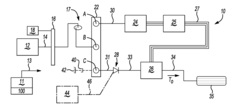
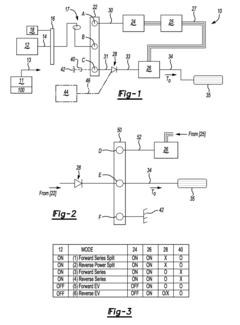
- The EREV design incorporates a direct mechanical path between the engine and drive wheels through a series mode, utilizing two electric machines, a one-way clutch, and an auxiliary starter motor, allowing for efficient operation in various modes including electric-only, power-split, and series modes, with a planetary gear set and controller algorithm to manage these modes.
Electric vehicle range extender optimization control method
PatentActiveCN107255921A
Innovation
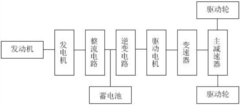
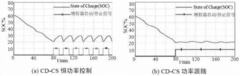
- Design a multi-stage power following control method to achieve fast static error-free tracking of the generator output current in the stationary coordinate system through a multi-frequency proportional resonance controller. Combined with the space vector modulation strategy, the engine speed and generator torque are optimized to match vehicle power requirements, simplifying the control algorithm and improving system stability and robustness.
Environmental Impact of EREV-Biofuel Adoption
The adoption of Extended Range Electric Vehicles (EREVs) compatible with biofuels presents a complex environmental impact profile that requires careful consideration. On one hand, the integration of biofuels into EREV technology offers potential benefits in terms of reducing greenhouse gas emissions and dependence on fossil fuels. Biofuels, derived from renewable sources such as crops, algae, or waste materials, can significantly lower the carbon footprint of EREVs when used in their range-extending engines.
However, the environmental impact of biofuel production itself must be taken into account. Large-scale cultivation of biofuel crops can lead to land-use changes, potentially resulting in deforestation, loss of biodiversity, and competition with food production. These factors can offset some of the environmental gains achieved through reduced tailpipe emissions. Additionally, the water and energy requirements for biofuel production may strain local resources in certain regions.
The lifecycle analysis of EREV-biofuel systems reveals a nuanced picture. While the operational phase of these vehicles may show reduced emissions compared to conventional vehicles, the manufacturing and end-of-life phases must also be considered. The production of batteries and other specialized components for EREVs can have significant environmental impacts, including resource extraction and energy-intensive manufacturing processes.
Air quality improvements in urban areas are a notable positive impact of EREV-biofuel adoption. The electric-only mode of EREVs can significantly reduce local air pollutants such as particulate matter and nitrogen oxides, especially in congested city centers. This can lead to improved public health outcomes and reduced healthcare costs associated with air pollution-related illnesses.
The environmental impact also extends to noise pollution. EREVs operating in electric mode contribute to quieter urban environments, potentially improving quality of life for city residents. However, the reduced noise levels may pose safety concerns for pedestrians and cyclists, necessitating the development of acoustic vehicle alerting systems.
Water resource management is another critical aspect to consider. While the operation of EREVs themselves may not significantly impact water resources, the production of biofuels can be water-intensive. This could exacerbate water scarcity issues in regions already facing water stress, highlighting the need for sustainable water management practices in biofuel production.
In conclusion, the environmental impact of EREV-biofuel adoption is multifaceted, encompassing both positive and negative aspects. While the technology offers promising pathways for reducing greenhouse gas emissions and improving urban air quality, careful consideration must be given to the entire lifecycle of these vehicles and their fuel sources. Sustainable practices in biofuel production, battery manufacturing, and vehicle recycling will be crucial in maximizing the environmental benefits of this technology.
However, the environmental impact of biofuel production itself must be taken into account. Large-scale cultivation of biofuel crops can lead to land-use changes, potentially resulting in deforestation, loss of biodiversity, and competition with food production. These factors can offset some of the environmental gains achieved through reduced tailpipe emissions. Additionally, the water and energy requirements for biofuel production may strain local resources in certain regions.
The lifecycle analysis of EREV-biofuel systems reveals a nuanced picture. While the operational phase of these vehicles may show reduced emissions compared to conventional vehicles, the manufacturing and end-of-life phases must also be considered. The production of batteries and other specialized components for EREVs can have significant environmental impacts, including resource extraction and energy-intensive manufacturing processes.
Air quality improvements in urban areas are a notable positive impact of EREV-biofuel adoption. The electric-only mode of EREVs can significantly reduce local air pollutants such as particulate matter and nitrogen oxides, especially in congested city centers. This can lead to improved public health outcomes and reduced healthcare costs associated with air pollution-related illnesses.
The environmental impact also extends to noise pollution. EREVs operating in electric mode contribute to quieter urban environments, potentially improving quality of life for city residents. However, the reduced noise levels may pose safety concerns for pedestrians and cyclists, necessitating the development of acoustic vehicle alerting systems.
Water resource management is another critical aspect to consider. While the operation of EREVs themselves may not significantly impact water resources, the production of biofuels can be water-intensive. This could exacerbate water scarcity issues in regions already facing water stress, highlighting the need for sustainable water management practices in biofuel production.
In conclusion, the environmental impact of EREV-biofuel adoption is multifaceted, encompassing both positive and negative aspects. While the technology offers promising pathways for reducing greenhouse gas emissions and improving urban air quality, careful consideration must be given to the entire lifecycle of these vehicles and their fuel sources. Sustainable practices in biofuel production, battery manufacturing, and vehicle recycling will be crucial in maximizing the environmental benefits of this technology.
Regulatory Framework for Biofuel Use in EREVs
The regulatory framework for biofuel use in Extended Range Electric Vehicles (EREVs) is a complex and evolving landscape that significantly impacts the adoption and implementation of biofuels in this emerging vehicle technology. At the federal level in the United States, the Environmental Protection Agency (EPA) plays a crucial role in setting standards and regulations for biofuel use. The Renewable Fuel Standard (RFS) program, established under the Energy Policy Act of 2005 and expanded under the Energy Independence and Security Act of 2007, mandates the blending of renewable fuels into transportation fuels.
For EREVs, the EPA's regulations on fuel compatibility and emissions standards are particularly relevant. These vehicles must comply with the Corporate Average Fuel Economy (CAFE) standards, which incentivize the use of alternative fuels, including biofuels. The EPA also regulates the certification process for vehicles and engines to ensure they meet emission standards when operating on approved biofuel blends.
At the state level, regulations can vary significantly, with some states implementing more stringent requirements for biofuel use. California, for instance, has its Low Carbon Fuel Standard (LCFS) program, which aims to reduce the carbon intensity of transportation fuels. This program provides additional incentives for the use of low-carbon biofuels in vehicles, including EREVs.
The Department of Energy (DOE) also plays a role in shaping the regulatory landscape through its research and development initiatives. The DOE's Vehicle Technologies Office supports the development of advanced vehicle technologies, including those that enhance biofuel compatibility in EREVs.
Internationally, regulations vary widely. The European Union has set targets for renewable energy in transport through its Renewable Energy Directive (RED II), which impacts the development and adoption of biofuel-compatible EREVs in European markets. Similarly, countries like Brazil and India have their own biofuel mandates and incentives that influence the regulatory environment for EREVs.
Manufacturers of EREVs must navigate these complex regulatory frameworks to ensure their vehicles comply with various standards and can operate effectively on approved biofuel blends. This includes obtaining necessary certifications and conducting extensive testing to demonstrate fuel compatibility and emissions compliance across different biofuel mixtures.
As the technology evolves and concerns about climate change intensify, the regulatory framework is likely to continue adapting. Future regulations may focus on lifecycle emissions of biofuels, sustainability criteria, and the integration of biofuels with electric vehicle technology. This dynamic regulatory environment presents both challenges and opportunities for EREV manufacturers and biofuel producers in the ongoing effort to reduce transportation-related emissions and enhance energy security.
For EREVs, the EPA's regulations on fuel compatibility and emissions standards are particularly relevant. These vehicles must comply with the Corporate Average Fuel Economy (CAFE) standards, which incentivize the use of alternative fuels, including biofuels. The EPA also regulates the certification process for vehicles and engines to ensure they meet emission standards when operating on approved biofuel blends.
At the state level, regulations can vary significantly, with some states implementing more stringent requirements for biofuel use. California, for instance, has its Low Carbon Fuel Standard (LCFS) program, which aims to reduce the carbon intensity of transportation fuels. This program provides additional incentives for the use of low-carbon biofuels in vehicles, including EREVs.
The Department of Energy (DOE) also plays a role in shaping the regulatory landscape through its research and development initiatives. The DOE's Vehicle Technologies Office supports the development of advanced vehicle technologies, including those that enhance biofuel compatibility in EREVs.
Internationally, regulations vary widely. The European Union has set targets for renewable energy in transport through its Renewable Energy Directive (RED II), which impacts the development and adoption of biofuel-compatible EREVs in European markets. Similarly, countries like Brazil and India have their own biofuel mandates and incentives that influence the regulatory environment for EREVs.
Manufacturers of EREVs must navigate these complex regulatory frameworks to ensure their vehicles comply with various standards and can operate effectively on approved biofuel blends. This includes obtaining necessary certifications and conducting extensive testing to demonstrate fuel compatibility and emissions compliance across different biofuel mixtures.
As the technology evolves and concerns about climate change intensify, the regulatory framework is likely to continue adapting. Future regulations may focus on lifecycle emissions of biofuels, sustainability criteria, and the integration of biofuels with electric vehicle technology. This dynamic regulatory environment presents both challenges and opportunities for EREV manufacturers and biofuel producers in the ongoing effort to reduce transportation-related emissions and enhance energy security.
Unlock deeper insights with PatSnap Eureka Quick Research — get a full tech report to explore trends and direct your research. Try now!
Generate Your Research Report Instantly with AI Agent
Supercharge your innovation with PatSnap Eureka AI Agent Platform!