Assessing Interstitial Alloy Performance in Extreme Environments
APR 28, 20269 MIN READ
Generate Your Research Report Instantly with AI Agent
PatSnap Eureka helps you evaluate technical feasibility & market potential.
Interstitial Alloy Development Background and Objectives
Interstitial alloys represent a critical class of metallic materials where small atoms such as carbon, nitrogen, boron, or hydrogen occupy the interstitial sites within the crystal lattice of host metals. This unique atomic arrangement fundamentally alters the mechanical, thermal, and chemical properties of the base material, creating opportunities for enhanced performance in demanding applications. The development of these materials has gained unprecedented importance as industries push the boundaries of operational conditions in aerospace, nuclear, petrochemical, and defense sectors.
The historical evolution of interstitial alloy development traces back to early steelmaking processes, where carbon insertion into iron matrices demonstrated remarkable strength improvements. However, modern applications demand materials capable of withstanding extreme environments characterized by temperatures exceeding 1000°C, corrosive atmospheres, intense radiation fields, and mechanical stresses approaching theoretical limits. Traditional alloy systems often fail under such conditions due to phase instability, oxidation, creep deformation, or radiation-induced degradation.
Contemporary research focuses on advanced interstitial alloy systems including refractory metal carbides, nitrides, and borides, as well as high-entropy alloys with controlled interstitial content. These materials exhibit exceptional hardness, thermal stability, and resistance to environmental degradation. The challenge lies in optimizing the interstitial atom concentration and distribution to achieve desired properties while maintaining processability and cost-effectiveness.
The primary objective of current interstitial alloy development is to create materials that maintain structural integrity and functional performance under extreme service conditions. This encompasses achieving thermal stability above 1200°C, corrosion resistance in aggressive chemical environments, radiation tolerance for nuclear applications, and mechanical reliability under cyclic loading. Additionally, the development aims to establish predictive models linking interstitial atom behavior to macroscopic properties, enabling rational alloy design.
Secondary objectives include developing scalable manufacturing processes for complex interstitial alloy compositions, establishing standardized testing protocols for extreme environment assessment, and creating cost-effective production methods that enable widespread industrial adoption. The ultimate goal is transitioning these advanced materials from laboratory curiosities to commercially viable solutions for next-generation engineering applications.
The historical evolution of interstitial alloy development traces back to early steelmaking processes, where carbon insertion into iron matrices demonstrated remarkable strength improvements. However, modern applications demand materials capable of withstanding extreme environments characterized by temperatures exceeding 1000°C, corrosive atmospheres, intense radiation fields, and mechanical stresses approaching theoretical limits. Traditional alloy systems often fail under such conditions due to phase instability, oxidation, creep deformation, or radiation-induced degradation.
Contemporary research focuses on advanced interstitial alloy systems including refractory metal carbides, nitrides, and borides, as well as high-entropy alloys with controlled interstitial content. These materials exhibit exceptional hardness, thermal stability, and resistance to environmental degradation. The challenge lies in optimizing the interstitial atom concentration and distribution to achieve desired properties while maintaining processability and cost-effectiveness.
The primary objective of current interstitial alloy development is to create materials that maintain structural integrity and functional performance under extreme service conditions. This encompasses achieving thermal stability above 1200°C, corrosion resistance in aggressive chemical environments, radiation tolerance for nuclear applications, and mechanical reliability under cyclic loading. Additionally, the development aims to establish predictive models linking interstitial atom behavior to macroscopic properties, enabling rational alloy design.
Secondary objectives include developing scalable manufacturing processes for complex interstitial alloy compositions, establishing standardized testing protocols for extreme environment assessment, and creating cost-effective production methods that enable widespread industrial adoption. The ultimate goal is transitioning these advanced materials from laboratory curiosities to commercially viable solutions for next-generation engineering applications.
Market Demand for Extreme Environment Materials
The global market for extreme environment materials is experiencing unprecedented growth driven by expanding applications across multiple high-stakes industries. Aerospace and defense sectors represent the largest demand drivers, requiring materials that can withstand extreme temperatures, radiation exposure, and mechanical stress in space exploration missions and military applications. The commercial space industry's rapid expansion has created substantial demand for advanced interstitial alloys capable of performing reliably in the harsh conditions of space.
Nuclear energy applications constitute another critical market segment, where materials must endure intense radiation fields, high temperatures, and corrosive environments for extended periods. Next-generation nuclear reactors, including small modular reactors and fusion energy systems, require materials with superior performance characteristics that traditional alloys cannot provide. This has created significant opportunities for advanced interstitial alloy solutions.
The oil and gas industry continues to push operational boundaries with deep-sea drilling, high-pressure high-temperature wells, and unconventional resource extraction. These operations demand materials that can maintain structural integrity under extreme pressure differentials, corrosive chemical environments, and elevated temperatures. Interstitial alloys offer promising solutions for downhole tools, wellhead equipment, and processing components.
Emerging markets in renewable energy infrastructure are creating new demand patterns. Concentrated solar power systems, geothermal energy extraction, and advanced battery technologies require materials capable of withstanding cyclic thermal loading and aggressive chemical environments. The transition toward sustainable energy sources is driving innovation in material requirements and performance specifications.
Industrial processing applications, particularly in chemical manufacturing and metallurgical operations, represent steady demand for extreme environment materials. High-temperature furnaces, chemical reactors, and specialized manufacturing equipment require materials that can maintain performance under continuous exposure to harsh conditions.
Market growth is further accelerated by increasing safety regulations and performance standards across industries. Regulatory bodies are mandating higher safety margins and longer service life requirements, driving demand for materials with superior reliability and predictable performance characteristics in extreme environments.
Nuclear energy applications constitute another critical market segment, where materials must endure intense radiation fields, high temperatures, and corrosive environments for extended periods. Next-generation nuclear reactors, including small modular reactors and fusion energy systems, require materials with superior performance characteristics that traditional alloys cannot provide. This has created significant opportunities for advanced interstitial alloy solutions.
The oil and gas industry continues to push operational boundaries with deep-sea drilling, high-pressure high-temperature wells, and unconventional resource extraction. These operations demand materials that can maintain structural integrity under extreme pressure differentials, corrosive chemical environments, and elevated temperatures. Interstitial alloys offer promising solutions for downhole tools, wellhead equipment, and processing components.
Emerging markets in renewable energy infrastructure are creating new demand patterns. Concentrated solar power systems, geothermal energy extraction, and advanced battery technologies require materials capable of withstanding cyclic thermal loading and aggressive chemical environments. The transition toward sustainable energy sources is driving innovation in material requirements and performance specifications.
Industrial processing applications, particularly in chemical manufacturing and metallurgical operations, represent steady demand for extreme environment materials. High-temperature furnaces, chemical reactors, and specialized manufacturing equipment require materials that can maintain performance under continuous exposure to harsh conditions.
Market growth is further accelerated by increasing safety regulations and performance standards across industries. Regulatory bodies are mandating higher safety margins and longer service life requirements, driving demand for materials with superior reliability and predictable performance characteristics in extreme environments.
Current Status of Interstitial Alloys in Harsh Conditions
Interstitial alloys represent a critical class of materials where small atoms such as carbon, nitrogen, boron, or hydrogen occupy interstitial sites within the host metal lattice. Currently, these materials demonstrate varying degrees of performance when subjected to extreme environmental conditions including high temperatures, corrosive atmospheres, radiation exposure, and mechanical stress. The field has witnessed significant advancement in recent decades, yet substantial challenges persist in achieving consistent performance across diverse harsh operating conditions.
The aerospace and nuclear industries have emerged as primary drivers for interstitial alloy development, with titanium-based and steel-based systems showing promising results in specific applications. However, current performance assessments reveal significant limitations in predictive modeling capabilities, particularly when multiple extreme conditions occur simultaneously. Existing evaluation methodologies often rely on accelerated testing protocols that may not accurately represent long-term performance under actual service conditions.
Contemporary research efforts face substantial technical barriers in characterizing the complex interactions between interstitial atoms and host lattice structures under extreme conditions. Traditional characterization techniques frequently prove inadequate for real-time monitoring of microstructural evolution during exposure to harsh environments. This limitation significantly hampers the development of comprehensive performance prediction models and optimization strategies.
Geographically, research activities concentrate primarily in developed nations with advanced materials research infrastructure. The United States, European Union, Japan, and China lead in fundamental research, while practical applications remain largely confined to specialized industries with substantial R&D budgets. This concentration creates knowledge gaps in understanding performance variations across different manufacturing processes and quality control standards globally.
Current technical challenges encompass several critical areas including interstitial atom mobility under thermal cycling, corrosion resistance degradation mechanisms, and radiation-induced microstructural changes. The lack of standardized testing protocols for extreme environment assessment further complicates comparative analysis between different alloy systems. Additionally, computational modeling approaches struggle with the multi-scale nature of performance degradation processes, limiting their predictive accuracy for long-term applications.
The integration of advanced characterization techniques with machine learning approaches represents an emerging trend, though practical implementation remains in early developmental stages. Industry adoption continues to be constrained by the high costs associated with comprehensive performance validation and the conservative nature of sectors requiring extreme environment materials.
The aerospace and nuclear industries have emerged as primary drivers for interstitial alloy development, with titanium-based and steel-based systems showing promising results in specific applications. However, current performance assessments reveal significant limitations in predictive modeling capabilities, particularly when multiple extreme conditions occur simultaneously. Existing evaluation methodologies often rely on accelerated testing protocols that may not accurately represent long-term performance under actual service conditions.
Contemporary research efforts face substantial technical barriers in characterizing the complex interactions between interstitial atoms and host lattice structures under extreme conditions. Traditional characterization techniques frequently prove inadequate for real-time monitoring of microstructural evolution during exposure to harsh environments. This limitation significantly hampers the development of comprehensive performance prediction models and optimization strategies.
Geographically, research activities concentrate primarily in developed nations with advanced materials research infrastructure. The United States, European Union, Japan, and China lead in fundamental research, while practical applications remain largely confined to specialized industries with substantial R&D budgets. This concentration creates knowledge gaps in understanding performance variations across different manufacturing processes and quality control standards globally.
Current technical challenges encompass several critical areas including interstitial atom mobility under thermal cycling, corrosion resistance degradation mechanisms, and radiation-induced microstructural changes. The lack of standardized testing protocols for extreme environment assessment further complicates comparative analysis between different alloy systems. Additionally, computational modeling approaches struggle with the multi-scale nature of performance degradation processes, limiting their predictive accuracy for long-term applications.
The integration of advanced characterization techniques with machine learning approaches represents an emerging trend, though practical implementation remains in early developmental stages. Industry adoption continues to be constrained by the high costs associated with comprehensive performance validation and the conservative nature of sectors requiring extreme environment materials.
Current Assessment Methods for Extreme Environment Performance
01 Interstitial alloy composition and structure optimization
Development of interstitial alloys involves optimizing the composition and crystal structure to achieve desired performance characteristics. The incorporation of small atoms into interstitial sites of the host metal lattice can significantly alter mechanical, electrical, and thermal properties. Various compositional ratios and structural arrangements are explored to enhance overall alloy performance through controlled interstitial atom distribution.- Interstitial alloy composition and structure optimization: Development of specific interstitial alloy compositions through controlled addition of interstitial elements such as carbon, nitrogen, or boron to improve the crystal structure and atomic arrangement. These modifications enhance the overall structural integrity and create optimized lattice configurations that contribute to superior performance characteristics.
- Mechanical properties enhancement of interstitial alloys: Improvement of mechanical characteristics including strength, hardness, ductility, and toughness through interstitial element incorporation. The presence of small atoms in interstitial sites creates solid solution strengthening effects and influences dislocation movement, resulting in enhanced load-bearing capacity and resistance to deformation.
- Thermal and corrosion resistance properties: Enhancement of high-temperature stability and corrosion resistance through strategic interstitial alloying. These modifications improve oxidation resistance, thermal stability, and chemical inertness in aggressive environments, making the alloys suitable for demanding applications where environmental resistance is critical.
- Processing and manufacturing techniques for interstitial alloys: Advanced manufacturing methods and processing techniques specifically designed for interstitial alloy production. These include specialized heat treatment processes, controlled atmosphere processing, and novel fabrication methods that ensure proper interstitial element distribution and optimize the final material properties.
- Application-specific performance optimization: Tailoring interstitial alloy properties for specific industrial applications including aerospace, automotive, and energy sectors. This involves customizing the interstitial content and processing parameters to meet particular performance requirements such as wear resistance, fatigue life, and service temperature capabilities.
02 Mechanical strength and hardness enhancement
Interstitial alloys demonstrate superior mechanical properties including increased hardness, tensile strength, and wear resistance compared to conventional alloys. The presence of interstitial atoms creates lattice distortion that impedes dislocation movement, resulting in strengthening effects. Processing methods and heat treatment techniques are developed to optimize these mechanical characteristics for specific applications.Expand Specific Solutions03 Thermal and electrical conductivity properties
The performance of interstitial alloys in thermal and electrical applications is influenced by the interstitial atom content and distribution. These alloys exhibit modified conductivity characteristics that can be tailored for specific electronic and thermal management applications. The relationship between interstitial concentration and transport properties is critical for optimizing performance in high-temperature and electronic applications.Expand Specific Solutions04 Corrosion resistance and environmental stability
Interstitial alloys show enhanced corrosion resistance and environmental stability through the formation of protective surface layers and modified electrochemical behavior. The interstitial atoms influence the alloy's response to various corrosive environments, including high-temperature oxidation and chemical attack. Surface treatment and alloying strategies are employed to maximize environmental durability.Expand Specific Solutions05 Manufacturing processes and quality control
Advanced manufacturing techniques for interstitial alloys focus on controlling interstitial atom incorporation, homogeneity, and final microstructure. Processing parameters including temperature, atmosphere, and cooling rates are optimized to achieve consistent performance characteristics. Quality control methods ensure reproducible properties and minimize defects that could compromise alloy performance in critical applications.Expand Specific Solutions
Major Players in Advanced Interstitial Alloy Industry
The interstitial alloy performance assessment in extreme environments represents a mature but rapidly evolving technological landscape driven by aerospace, automotive, and energy sector demands. The market demonstrates significant scale with established players like Kobe Steel, Titanium Metals Corp., and Rolls-Royce Deutschland leading materials innovation alongside emerging specialists such as QuesTek Innovations and Dead Sea Magnesium. Technology maturity varies considerably across applications, with companies like Safran SA and Caterpillar driving advanced aerospace applications while automotive manufacturers including Volkswagen AG and DENSO Corp. focus on high-temperature engine components. Research institutions like Shanghai Jiao Tong University and Case Western Reserve University contribute fundamental breakthroughs in alloy design methodologies. The competitive landscape shows consolidation trends, evidenced by Titanium Metals Corp.'s acquisition by Precision Castparts, while specialized materials companies like Crucible Industries and voestalpine BÖHLER Edelstahl maintain niche leadership in extreme environment applications through proprietary metallurgical processes.
Kobe Steel, Ltd.
Technical Solution: Kobe Steel develops interstitial alloy technologies for extreme environment applications, focusing on steel-based systems with controlled carbon, nitrogen, and boron additions. Their approach emphasizes microstructural control through precise interstitial element management to achieve superior performance in high-temperature, corrosive environments. The company's technology includes advanced vacuum melting and controlled atmosphere processing to optimize interstitial distribution and minimize harmful impurities. Their alloys are designed for applications in petrochemical processing, power generation, and marine environments where resistance to stress corrosion cracking and high-temperature oxidation is critical.
Strengths: Comprehensive steel expertise, established manufacturing infrastructure, diverse application portfolio. Weaknesses: Traditional steel focus may limit advanced alloy development, slower innovation cycles compared to specialized materials companies.
QuesTek Innovations LLC
Technical Solution: QuesTek specializes in computational materials design for interstitial alloys in extreme environments, utilizing integrated computational materials engineering (ICME) approaches. Their technology combines thermodynamic modeling, kinetic simulations, and machine learning algorithms to predict alloy performance under high-temperature, high-stress conditions. The company develops custom interstitial alloy compositions optimized for specific extreme environment applications, including aerospace turbine components and nuclear reactor materials. Their approach enables rapid screening of thousands of potential alloy compositions while minimizing experimental validation requirements, significantly reducing development time and costs for extreme environment applications.
Strengths: Advanced computational design capabilities, rapid alloy optimization, reduced development costs. Weaknesses: Limited large-scale manufacturing experience, dependency on computational accuracy, requires extensive validation testing.
Key Innovations in Interstitial Alloy Characterization
Interstitially strengthened high carbon and high nitrogen austenitic alloys, oilfield apparatus comprising same, and methods of making and using same
PatentInactiveUS20080141826A1
Innovation
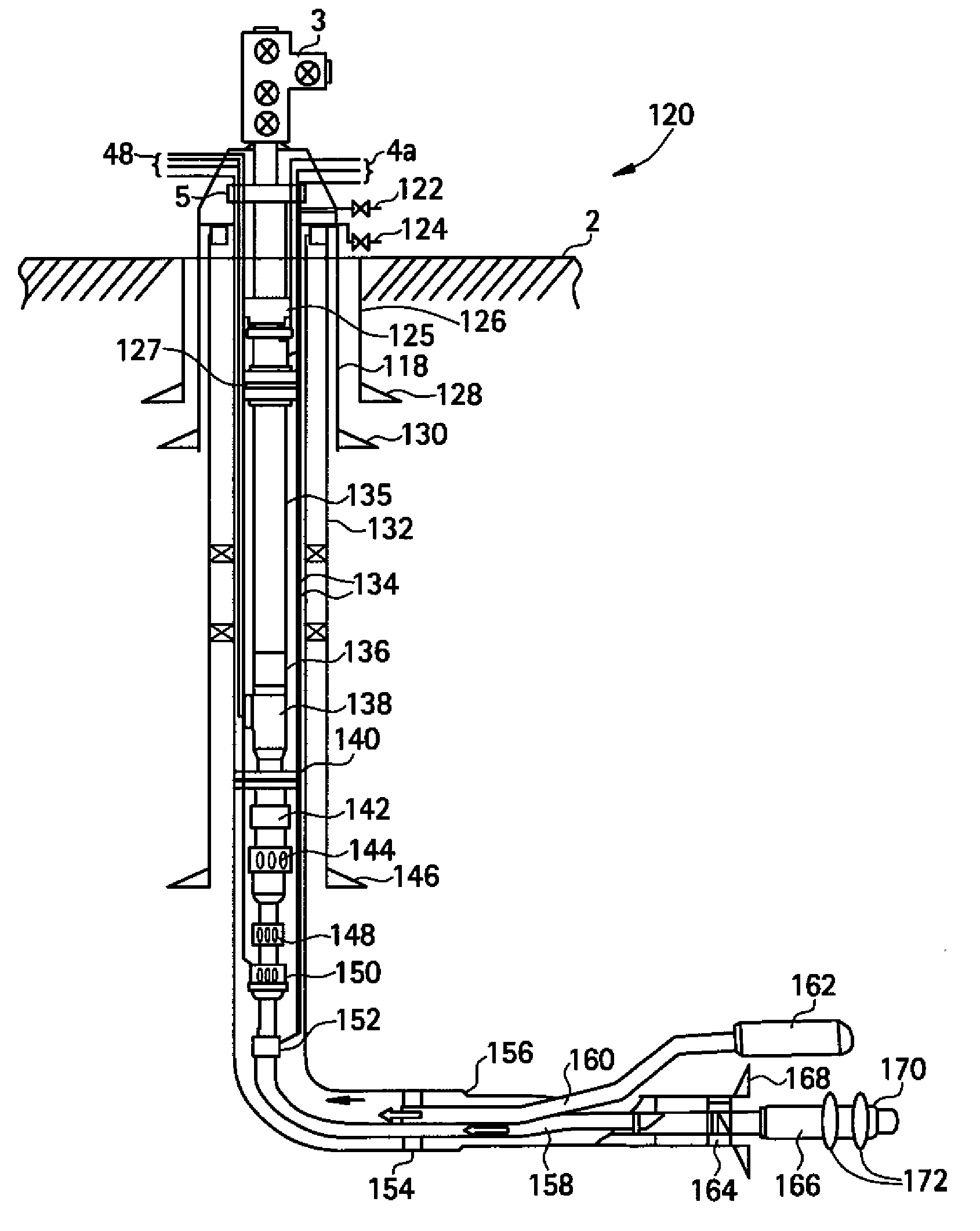
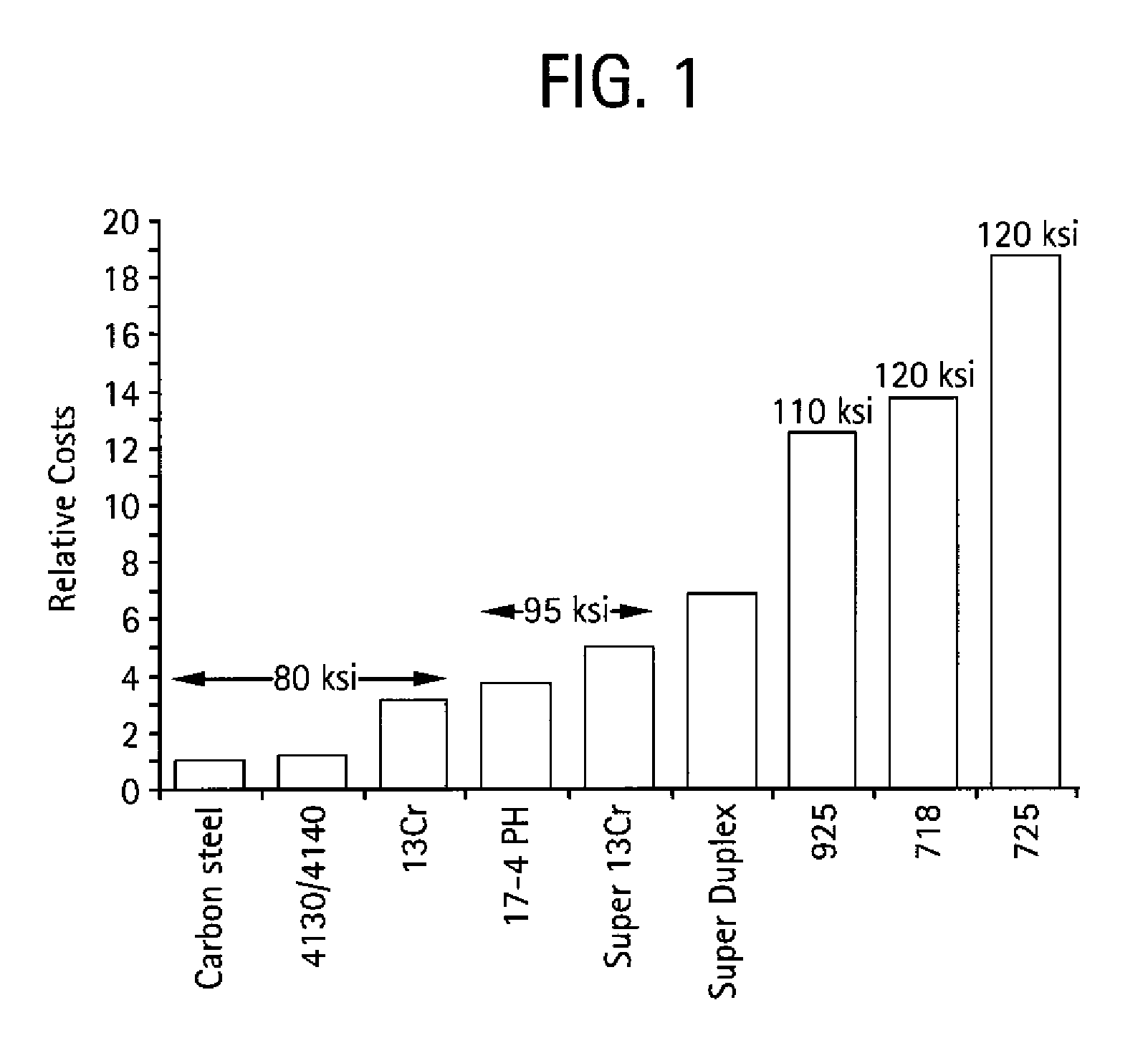
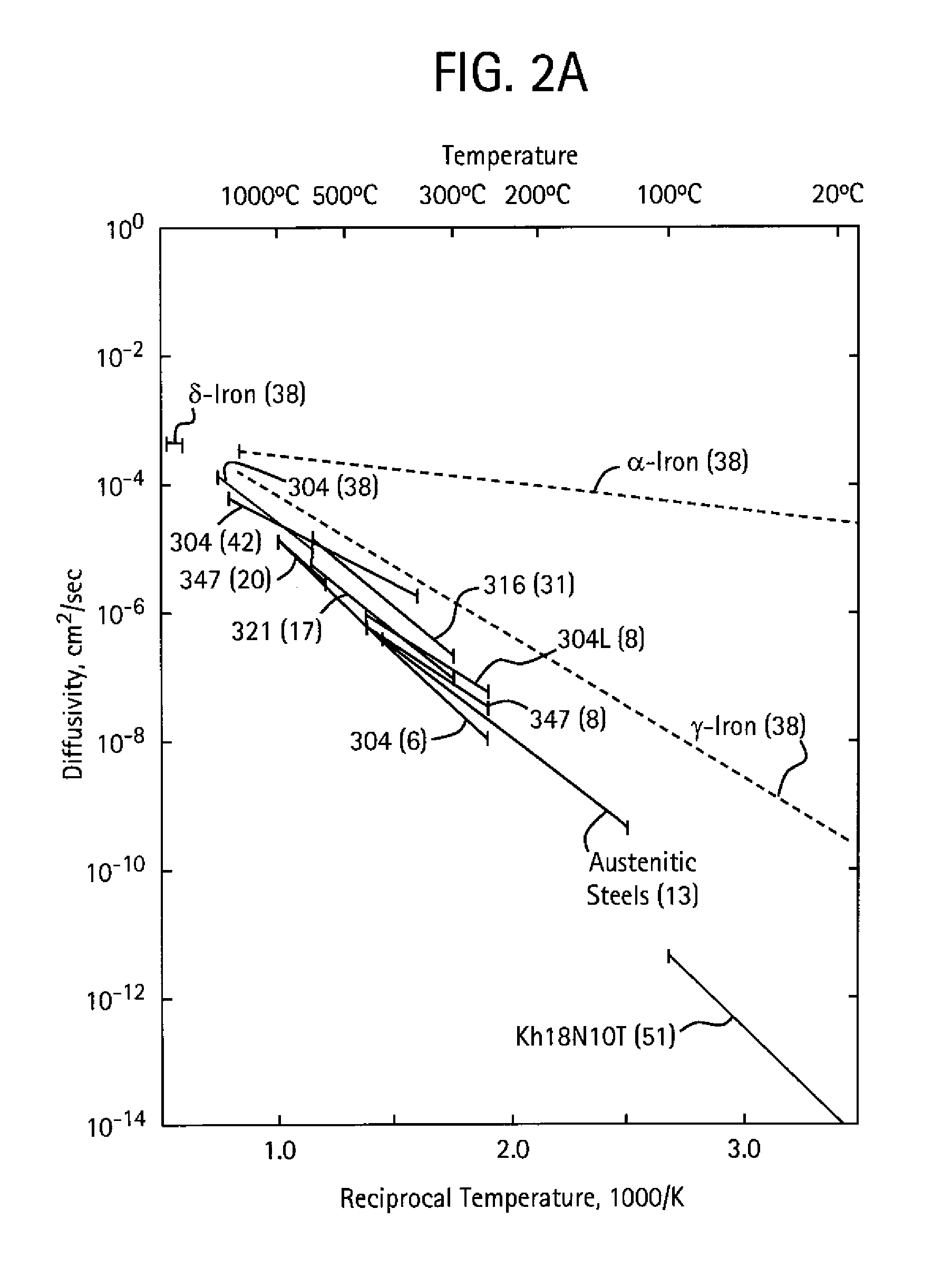
- Development of carbon-plus-nitrogen austenitic ferrous alloys with high interstitial carbon and nitrogen content, optimized to achieve high strength, toughness, and corrosion resistance without the need for cold working, utilizing a combination of carbon and nitrogen to stabilize the austenitic microstructure and enhance corrosion resistance.

Safety Standards for Extreme Environment Material Testing
The establishment of comprehensive safety standards for extreme environment material testing represents a critical foundation for evaluating interstitial alloy performance under harsh operational conditions. Current international frameworks, including ASTM E8/E8M for tensile testing and ISO 6892 series for metallic materials, provide baseline methodologies but require significant adaptation for extreme temperature, pressure, and corrosive environments encountered in aerospace, nuclear, and deep-sea applications.
Safety protocols must address multiple hazard categories inherent to extreme environment testing. High-temperature testing facilities operating above 1500°C necessitate specialized containment systems, emergency cooling procedures, and personnel protection measures against thermal radiation and toxic vapor emissions. Cryogenic testing environments below -196°C require specific handling protocols for liquid nitrogen systems, pressure relief mechanisms, and material brittleness considerations that could lead to catastrophic specimen failure.
Pressure vessel testing standards, particularly for interstitial alloys subjected to extreme mechanical loads, demand rigorous adherence to ASME Boiler and Pressure Vessel Code Section VIII requirements. These standards mandate specific inspection intervals, non-destructive testing protocols, and failure mode analysis procedures. Additionally, testing facilities must implement redundant safety systems including pressure relief valves, emergency shutdown mechanisms, and blast-resistant containment structures.
Corrosive environment testing introduces unique safety challenges requiring specialized ventilation systems, chemical containment protocols, and emergency response procedures for hazardous material exposure. Standards must address proper disposal of contaminated specimens, decontamination procedures, and personnel protective equipment specifications for handling reactive chemicals and corrosive media.
Personnel safety certification requirements encompass specialized training programs for extreme environment testing operations, including emergency response protocols, equipment operation procedures, and hazard recognition training. Regular safety audits and compliance verification ensure adherence to established protocols while maintaining testing accuracy and reliability for interstitial alloy performance assessment.
Safety protocols must address multiple hazard categories inherent to extreme environment testing. High-temperature testing facilities operating above 1500°C necessitate specialized containment systems, emergency cooling procedures, and personnel protection measures against thermal radiation and toxic vapor emissions. Cryogenic testing environments below -196°C require specific handling protocols for liquid nitrogen systems, pressure relief mechanisms, and material brittleness considerations that could lead to catastrophic specimen failure.
Pressure vessel testing standards, particularly for interstitial alloys subjected to extreme mechanical loads, demand rigorous adherence to ASME Boiler and Pressure Vessel Code Section VIII requirements. These standards mandate specific inspection intervals, non-destructive testing protocols, and failure mode analysis procedures. Additionally, testing facilities must implement redundant safety systems including pressure relief valves, emergency shutdown mechanisms, and blast-resistant containment structures.
Corrosive environment testing introduces unique safety challenges requiring specialized ventilation systems, chemical containment protocols, and emergency response procedures for hazardous material exposure. Standards must address proper disposal of contaminated specimens, decontamination procedures, and personnel protective equipment specifications for handling reactive chemicals and corrosive media.
Personnel safety certification requirements encompass specialized training programs for extreme environment testing operations, including emergency response protocols, equipment operation procedures, and hazard recognition training. Regular safety audits and compliance verification ensure adherence to established protocols while maintaining testing accuracy and reliability for interstitial alloy performance assessment.
Environmental Impact of Advanced Alloy Manufacturing
The manufacturing of advanced interstitial alloys, particularly those designed for extreme environment applications, presents significant environmental challenges that require comprehensive assessment and mitigation strategies. Traditional alloy production processes typically involve energy-intensive operations including high-temperature melting, controlled atmosphere processing, and specialized heat treatments that contribute substantially to carbon emissions and resource consumption.
The production of interstitial alloys incorporating elements such as carbon, nitrogen, and boron requires precise atmospheric control during manufacturing, often necessitating the use of inert gases or vacuum systems. These processes consume considerable energy, with typical manufacturing facilities requiring 15-25% more energy compared to conventional steel production due to the stringent purity requirements and controlled cooling protocols essential for achieving desired interstitial element distributions.
Water consumption represents another critical environmental concern, as advanced alloy manufacturing requires extensive cooling systems and quenching operations. The specialized nature of interstitial alloy production often demands closed-loop water systems to prevent contamination, leading to increased infrastructure requirements and potential thermal pollution if not properly managed.
Waste generation during interstitial alloy manufacturing includes both solid and gaseous byproducts. The precision required in achieving optimal interstitial element concentrations often results in higher rejection rates during quality control processes, generating metallic waste that requires reprocessing or recycling. Additionally, the use of specialized fluxes and protective atmospheres can produce chemical waste streams requiring careful treatment and disposal.
The sourcing of raw materials for interstitial alloys also carries environmental implications, particularly for rare earth elements and specialized alloying additions. Mining operations for these materials often involve significant land disturbance and potential ecosystem disruption, while transportation of materials to manufacturing facilities contributes to the overall carbon footprint.
Recent developments in sustainable manufacturing practices have introduced several mitigation approaches. Advanced process modeling and real-time monitoring systems help optimize energy consumption and reduce waste generation. Implementation of renewable energy sources in manufacturing facilities has shown potential for reducing carbon emissions by up to 40% in some operations.
Recycling and circular economy principles are increasingly being integrated into interstitial alloy production, with advanced separation techniques enabling recovery of valuable alloying elements from end-of-life components. These approaches not only reduce environmental impact but also address supply chain vulnerabilities associated with critical raw materials.
The production of interstitial alloys incorporating elements such as carbon, nitrogen, and boron requires precise atmospheric control during manufacturing, often necessitating the use of inert gases or vacuum systems. These processes consume considerable energy, with typical manufacturing facilities requiring 15-25% more energy compared to conventional steel production due to the stringent purity requirements and controlled cooling protocols essential for achieving desired interstitial element distributions.
Water consumption represents another critical environmental concern, as advanced alloy manufacturing requires extensive cooling systems and quenching operations. The specialized nature of interstitial alloy production often demands closed-loop water systems to prevent contamination, leading to increased infrastructure requirements and potential thermal pollution if not properly managed.
Waste generation during interstitial alloy manufacturing includes both solid and gaseous byproducts. The precision required in achieving optimal interstitial element concentrations often results in higher rejection rates during quality control processes, generating metallic waste that requires reprocessing or recycling. Additionally, the use of specialized fluxes and protective atmospheres can produce chemical waste streams requiring careful treatment and disposal.
The sourcing of raw materials for interstitial alloys also carries environmental implications, particularly for rare earth elements and specialized alloying additions. Mining operations for these materials often involve significant land disturbance and potential ecosystem disruption, while transportation of materials to manufacturing facilities contributes to the overall carbon footprint.
Recent developments in sustainable manufacturing practices have introduced several mitigation approaches. Advanced process modeling and real-time monitoring systems help optimize energy consumption and reduce waste generation. Implementation of renewable energy sources in manufacturing facilities has shown potential for reducing carbon emissions by up to 40% in some operations.
Recycling and circular economy principles are increasingly being integrated into interstitial alloy production, with advanced separation techniques enabling recovery of valuable alloying elements from end-of-life components. These approaches not only reduce environmental impact but also address supply chain vulnerabilities associated with critical raw materials.
Unlock deeper insights with PatSnap Eureka Quick Research — get a full tech report to explore trends and direct your research. Try now!
Generate Your Research Report Instantly with AI Agent
Supercharge your innovation with PatSnap Eureka AI Agent Platform!