

Assessing Neodymium Magnet Bio-Compatibility for IMD Development
SEP 12, 20259 MIN READ
Generate Your Research Report Instantly with AI Agent
PatSnap Eureka helps you evaluate technical feasibility & market potential.
Neodymium Magnet Bio-Compatibility Background and Objectives
Neodymium magnets, discovered in the 1980s by General Motors and Sumitomo Special Metals, represent a significant advancement in permanent magnet technology. These rare-earth magnets, composed primarily of neodymium, iron, and boron (Nd₂Fe₁₄B), have revolutionized numerous industries due to their exceptional magnetic properties, including high remanence, coercivity, and energy product. Their development trajectory has been marked by continuous improvements in manufacturing processes, coating technologies, and performance optimization.
In the medical device sector, particularly for Implantable Medical Devices (IMDs), neodymium magnets have emerged as critical components due to their compact size and powerful magnetic fields. The evolution of these magnets has paralleled advancements in miniaturization and efficiency requirements for modern medical devices, including pacemakers, cochlear implants, and drug delivery systems.
The biocompatibility of neodymium magnets represents a complex intersection of materials science, biomedical engineering, and regulatory considerations. Historically, concerns regarding rare-earth magnet biocompatibility have centered on corrosion resistance, potential leaching of toxic elements, and long-term stability within the physiological environment. The technical evolution in this domain has focused on developing effective encapsulation methods, surface treatments, and corrosion-resistant coatings.
Recent technological trends indicate a growing emphasis on nano-structured magnetic materials, bioactive coatings, and hybrid magnet systems designed specifically for biomedical applications. These developments aim to address the fundamental challenges of biocompatibility while maintaining or enhancing magnetic performance characteristics essential for IMD functionality.
The primary objective of this technical assessment is to comprehensively evaluate the current state of neodymium magnet biocompatibility for IMD applications. This includes analyzing existing surface modification techniques, encapsulation strategies, and alternative material compositions that mitigate biocompatibility concerns while preserving necessary magnetic properties.
Secondary objectives include identifying emerging technologies that may fundamentally alter the biocompatibility profile of neodymium magnets, assessing regulatory pathways for novel magnet-containing IMDs, and establishing technical benchmarks for biocompatibility testing specific to magnetic components in long-term implantable applications.
This assessment aims to bridge the gap between materials engineering and biomedical requirements, providing a technical foundation for future R&D initiatives focused on next-generation biocompatible magnetic systems. By establishing clear technical parameters and development targets, this research seeks to accelerate the integration of advanced magnetic technologies into the next generation of implantable medical devices, ultimately enhancing therapeutic outcomes and device longevity.
In the medical device sector, particularly for Implantable Medical Devices (IMDs), neodymium magnets have emerged as critical components due to their compact size and powerful magnetic fields. The evolution of these magnets has paralleled advancements in miniaturization and efficiency requirements for modern medical devices, including pacemakers, cochlear implants, and drug delivery systems.
The biocompatibility of neodymium magnets represents a complex intersection of materials science, biomedical engineering, and regulatory considerations. Historically, concerns regarding rare-earth magnet biocompatibility have centered on corrosion resistance, potential leaching of toxic elements, and long-term stability within the physiological environment. The technical evolution in this domain has focused on developing effective encapsulation methods, surface treatments, and corrosion-resistant coatings.
Recent technological trends indicate a growing emphasis on nano-structured magnetic materials, bioactive coatings, and hybrid magnet systems designed specifically for biomedical applications. These developments aim to address the fundamental challenges of biocompatibility while maintaining or enhancing magnetic performance characteristics essential for IMD functionality.
The primary objective of this technical assessment is to comprehensively evaluate the current state of neodymium magnet biocompatibility for IMD applications. This includes analyzing existing surface modification techniques, encapsulation strategies, and alternative material compositions that mitigate biocompatibility concerns while preserving necessary magnetic properties.
Secondary objectives include identifying emerging technologies that may fundamentally alter the biocompatibility profile of neodymium magnets, assessing regulatory pathways for novel magnet-containing IMDs, and establishing technical benchmarks for biocompatibility testing specific to magnetic components in long-term implantable applications.
This assessment aims to bridge the gap between materials engineering and biomedical requirements, providing a technical foundation for future R&D initiatives focused on next-generation biocompatible magnetic systems. By establishing clear technical parameters and development targets, this research seeks to accelerate the integration of advanced magnetic technologies into the next generation of implantable medical devices, ultimately enhancing therapeutic outcomes and device longevity.
Market Analysis for Implantable Medical Devices
The global implantable medical devices (IMD) market continues to experience robust growth, valued at approximately $96.6 billion in 2022 and projected to reach $153.8 billion by 2027, representing a compound annual growth rate (CAGR) of 7.2%. This expansion is primarily driven by increasing prevalence of chronic diseases, growing geriatric population, and technological advancements in device design and functionality.
Cardiac implantable devices currently dominate the market share at 38%, followed by orthopedic implants (27%), neurostimulators (15%), and other specialized devices (20%). Within this landscape, magnetically-enabled IMDs represent an emerging segment with significant growth potential, particularly those utilizing neodymium magnets for their superior magnetic properties.
The demand for neodymium magnet-based IMDs is being fueled by several market factors. First, the rising incidence of cardiovascular diseases globally has increased the need for advanced pacemakers and defibrillators, many of which incorporate magnetic components. Second, the expanding application of neurostimulation devices for conditions like Parkinson's disease, epilepsy, and chronic pain management has created new opportunities for magnetic actuation systems.
Regional analysis indicates North America holds the largest market share (42%) due to advanced healthcare infrastructure and higher adoption rates of innovative medical technologies. Europe follows at 28%, with Asia-Pacific representing the fastest-growing region at a CAGR of 9.3%, driven by improving healthcare access and increasing medical tourism in countries like China, India, and South Korea.
Key market segments specifically relevant to neodymium magnet applications in IMDs include magnetically controlled drug delivery systems, magnetic resonance imaging (MRI)-compatible devices, and remotely adjustable implants. The drug delivery segment alone is expected to grow at 11.2% annually through 2027, highlighting significant commercial potential.
Consumer and healthcare provider preferences are increasingly favoring minimally invasive procedures and devices that offer remote monitoring capabilities. This trend directly benefits magnetically actuated IMDs, which can often be adjusted non-invasively post-implantation, reducing the need for revision surgeries and improving patient outcomes.
Reimbursement policies are evolving favorably for innovative IMDs, with major insurance providers and government healthcare programs expanding coverage for these devices. However, stringent regulatory requirements regarding biocompatibility remain a significant market barrier, particularly for devices incorporating novel materials like neodymium magnets.
Market research indicates that devices demonstrating superior biocompatibility profiles command premium pricing and faster market penetration, underscoring the commercial importance of addressing the biocompatibility challenges associated with neodymium magnets in IMD applications.
Cardiac implantable devices currently dominate the market share at 38%, followed by orthopedic implants (27%), neurostimulators (15%), and other specialized devices (20%). Within this landscape, magnetically-enabled IMDs represent an emerging segment with significant growth potential, particularly those utilizing neodymium magnets for their superior magnetic properties.
The demand for neodymium magnet-based IMDs is being fueled by several market factors. First, the rising incidence of cardiovascular diseases globally has increased the need for advanced pacemakers and defibrillators, many of which incorporate magnetic components. Second, the expanding application of neurostimulation devices for conditions like Parkinson's disease, epilepsy, and chronic pain management has created new opportunities for magnetic actuation systems.
Regional analysis indicates North America holds the largest market share (42%) due to advanced healthcare infrastructure and higher adoption rates of innovative medical technologies. Europe follows at 28%, with Asia-Pacific representing the fastest-growing region at a CAGR of 9.3%, driven by improving healthcare access and increasing medical tourism in countries like China, India, and South Korea.
Key market segments specifically relevant to neodymium magnet applications in IMDs include magnetically controlled drug delivery systems, magnetic resonance imaging (MRI)-compatible devices, and remotely adjustable implants. The drug delivery segment alone is expected to grow at 11.2% annually through 2027, highlighting significant commercial potential.
Consumer and healthcare provider preferences are increasingly favoring minimally invasive procedures and devices that offer remote monitoring capabilities. This trend directly benefits magnetically actuated IMDs, which can often be adjusted non-invasively post-implantation, reducing the need for revision surgeries and improving patient outcomes.
Reimbursement policies are evolving favorably for innovative IMDs, with major insurance providers and government healthcare programs expanding coverage for these devices. However, stringent regulatory requirements regarding biocompatibility remain a significant market barrier, particularly for devices incorporating novel materials like neodymium magnets.
Market research indicates that devices demonstrating superior biocompatibility profiles command premium pricing and faster market penetration, underscoring the commercial importance of addressing the biocompatibility challenges associated with neodymium magnets in IMD applications.
Current Challenges in Neodymium Magnet Biocompatibility
Despite the widespread use of neodymium magnets in implantable medical devices (IMDs), significant biocompatibility challenges persist that impede broader application and long-term safety. The primary concern remains the high corrosion susceptibility of NdFeB magnets in physiological environments. When exposed to bodily fluids, these magnets undergo rapid oxidation, releasing potentially toxic neodymium ions and other corrosion products that can trigger inflammatory responses and tissue damage in surrounding areas.
Surface coating technologies represent the current standard approach to mitigate corrosion issues, with parylene-C, titanium nitride, and medical-grade epoxies being commonly employed. However, these coatings frequently demonstrate limitations in long-term durability, with microscopic defects developing over time that compromise the protective barrier. Even minor coating failures can lead to accelerated corrosion through galvanic effects, creating localized areas of heightened toxicity.
The magnetic field interactions present another significant challenge. While neodymium magnets enable crucial functionalities in many IMDs, their strong magnetic fields can interfere with other medical devices, particularly pacemakers and defibrillators. This electromagnetic interference (EMI) risk necessitates careful device design and placement considerations, limiting application versatility in patients with multiple implanted devices.
Mechanical stability issues further complicate biocompatibility. The brittle nature of neodymium magnets makes them susceptible to fracture under mechanical stress, potentially releasing fragments into surrounding tissues. Additionally, the potential for magnet migration within tissue represents a serious safety concern, particularly in applications where precise positioning is critical for device function.
Temperature sensitivity introduces another layer of complexity, as neodymium magnets can lose magnetic properties at temperatures above their maximum operating threshold. While human body temperature typically remains below critical thresholds, inflammation or external factors could potentially create localized temperature increases that affect magnet performance and stability.
Regulatory hurdles compound these technical challenges. Current FDA and international regulatory frameworks impose stringent requirements for demonstrating long-term biocompatibility of magnetic components in IMDs. The lack of standardized testing protocols specifically designed for magnetic materials in biological environments creates uncertainty in development pathways and extends time-to-market for innovative solutions.
Addressing these interconnected challenges requires multidisciplinary approaches combining materials science, surface engineering, and biological testing. Recent research has begun exploring novel composite materials and advanced encapsulation techniques, but significant gaps remain in developing truly biocompatible magnetic solutions for next-generation IMDs.
Surface coating technologies represent the current standard approach to mitigate corrosion issues, with parylene-C, titanium nitride, and medical-grade epoxies being commonly employed. However, these coatings frequently demonstrate limitations in long-term durability, with microscopic defects developing over time that compromise the protective barrier. Even minor coating failures can lead to accelerated corrosion through galvanic effects, creating localized areas of heightened toxicity.
The magnetic field interactions present another significant challenge. While neodymium magnets enable crucial functionalities in many IMDs, their strong magnetic fields can interfere with other medical devices, particularly pacemakers and defibrillators. This electromagnetic interference (EMI) risk necessitates careful device design and placement considerations, limiting application versatility in patients with multiple implanted devices.
Mechanical stability issues further complicate biocompatibility. The brittle nature of neodymium magnets makes them susceptible to fracture under mechanical stress, potentially releasing fragments into surrounding tissues. Additionally, the potential for magnet migration within tissue represents a serious safety concern, particularly in applications where precise positioning is critical for device function.
Temperature sensitivity introduces another layer of complexity, as neodymium magnets can lose magnetic properties at temperatures above their maximum operating threshold. While human body temperature typically remains below critical thresholds, inflammation or external factors could potentially create localized temperature increases that affect magnet performance and stability.
Regulatory hurdles compound these technical challenges. Current FDA and international regulatory frameworks impose stringent requirements for demonstrating long-term biocompatibility of magnetic components in IMDs. The lack of standardized testing protocols specifically designed for magnetic materials in biological environments creates uncertainty in development pathways and extends time-to-market for innovative solutions.
Addressing these interconnected challenges requires multidisciplinary approaches combining materials science, surface engineering, and biological testing. Recent research has begun exploring novel composite materials and advanced encapsulation techniques, but significant gaps remain in developing truly biocompatible magnetic solutions for next-generation IMDs.
Current Biocompatibility Assessment Methodologies
01 Biocompatible coatings for neodymium magnets
Neodymium magnets can be coated with biocompatible materials to prevent direct contact between the magnet and biological tissues. These coatings include medical-grade polymers, titanium, gold, or other inert materials that create a barrier against potential toxicity while maintaining magnetic properties. Such coatings are essential for applications where the magnets are used in close proximity to or inside the human body, as they prevent corrosion and the release of potentially harmful neodymium ions.- Biocompatible coatings for neodymium magnets: Various biocompatible coatings can be applied to neodymium magnets to prevent direct contact between the magnet and biological tissues. These coatings include biocompatible polymers, precious metals, and specialized surface treatments that create a barrier while maintaining magnetic properties. Such coatings help prevent corrosion and potential release of toxic elements when used in medical devices or implants.
- Medical applications of encapsulated neodymium magnets: Neodymium magnets can be safely used in medical applications when properly encapsulated. These applications include dental implants, orthopedic devices, and magnetic retention systems. The encapsulation methods ensure biocompatibility while allowing the magnetic properties to function effectively in the biological environment, providing solutions for non-invasive medical treatments and improved patient outcomes.
- Toxicity assessment and safety standards for neodymium magnets: Research on the toxicity of neodymium magnets focuses on evaluating potential risks when these magnets come into contact with biological tissues. Studies examine the release of neodymium ions and other elements from the magnets under physiological conditions. Safety standards have been developed to ensure that magnets used in medical or consumer products meet biocompatibility requirements, including testing protocols for cytotoxicity, sensitization, and systemic toxicity.
- Corrosion resistance improvements for biological environments: Enhancing the corrosion resistance of neodymium magnets is crucial for biocompatibility. Techniques include alloying with corrosion-resistant elements, surface passivation treatments, and multi-layer protective systems. These improvements prevent degradation in biological fluids and ensure long-term stability when exposed to the challenging environment of the human body, reducing the risk of adverse reactions and extending the functional lifespan of magnetic devices.
- Biocompatible magnetic composites and hybrid materials: Innovative approaches combine neodymium magnetic materials with biocompatible matrices to create composite materials with enhanced biocompatibility. These composites incorporate the magnetic properties of neodymium while using biocompatible polymers, ceramics, or other materials as the primary contact surface with biological tissues. Such hybrid materials find applications in targeted drug delivery systems, tissue engineering scaffolds, and non-invasive diagnostic tools.
02 Medical applications of neodymium magnets
Neodymium magnets have various medical applications where their biocompatibility is crucial. These include dental implants, orthopedic devices, magnetic resonance imaging (MRI) equipment, and targeted drug delivery systems. The strong magnetic properties of neodymium magnets make them valuable in these applications, but their use requires careful consideration of biocompatibility factors such as corrosion resistance, tissue response, and long-term stability in biological environments.Expand Specific Solutions03 Encapsulation techniques for improved biocompatibility
Encapsulation of neodymium magnets in biocompatible materials is a technique used to improve their safety in biological environments. This involves completely sealing the magnet within a biocompatible shell or housing, which prevents any leaching of potentially toxic elements while preserving magnetic functionality. Materials commonly used for encapsulation include medical-grade silicone, epoxy resins, and specialized polymers that are known to be well-tolerated by human tissues.Expand Specific Solutions04 Surface treatment methods for neodymium magnets
Various surface treatment methods can be applied to neodymium magnets to enhance their biocompatibility. These include passivation processes, electrochemical treatments, and the application of specialized surface modifications that create a stable oxide layer. Such treatments help to prevent corrosion and degradation when the magnets are exposed to biological fluids, reducing the risk of releasing toxic compounds and extending the functional lifespan of the magnets in biological applications.Expand Specific Solutions05 Biocompatibility testing protocols for magnetic materials
Specific testing protocols have been developed to evaluate the biocompatibility of neodymium magnets for medical and biological applications. These include in vitro cytotoxicity tests, sensitization studies, irritation tests, and long-term implantation studies. The protocols assess factors such as cell viability in the presence of the magnetic material, inflammatory responses, and potential genotoxic effects. These standardized testing methods are crucial for ensuring that neodymium magnets meet safety requirements before being approved for use in medical devices or other applications with biological contact.Expand Specific Solutions
Leading Companies in Medical-Grade Magnetic Materials
The neodymium magnet bio-compatibility market for implantable medical devices is in a growth phase, with increasing demand driven by expanding IMD applications. The market is characterized by a blend of established players and research institutions exploring innovative solutions. Companies like Cardiovascular Systems, AdrenoMed, and Philips are advancing commercial applications, while research institutions including CNRS, University of South Florida, and multiple Chinese universities (Beijing University of Technology, Harbin Institute of Technology) are developing fundamental knowledge. Technical maturity varies across applications, with companies like Magnequench, Seiko Instruments, and Zhong Ke San Huan bringing materials expertise, while medical technology firms focus on clinical implementation. The convergence of materials science and biomedical engineering is creating opportunities for cross-sector collaboration to address biocompatibility challenges.
Centre National de la Recherche Scientifique
Technical Solution: The Centre National de la Recherche Scientifique (CNRS) has developed an innovative approach to neodymium magnet biocompatibility through their "BioMagSafe" research program. Their solution involves a multi-disciplinary approach combining materials science and biological engineering. CNRS researchers have created a novel biocompatible ceramic composite coating that forms chemical bonds with the magnet surface while providing excellent corrosion resistance. Their technology includes a gradient-structured coating with varying composition from the magnet interface to the tissue-facing surface, optimizing both adhesion and biocompatibility. CNRS has conducted extensive in vitro and in vivo testing, demonstrating minimal inflammatory response and negligible metal ion release over extended periods. Their research has identified specific rare earth element combinations that maintain strong magnetic properties while reducing the biological reactivity of the base materials. Additionally, CNRS has developed specialized surface texturing techniques that enhance coating adhesion while minimizing delamination risk under mechanical stress, addressing a common failure mode in coated magnets for IMDs.
Strengths: Scientifically rigorous approach with extensive fundamental research backing; innovative gradient coating technology that optimizes both adhesion and biocompatibility; comprehensive understanding of rare earth element biological interactions. Weaknesses: Academic focus may limit immediate commercial applications; coating process requires specialized equipment not widely available in medical device manufacturing; limited clinical implementation data compared to industry solutions.
University of South Florida
Technical Solution: The University of South Florida has developed a biomimetic approach to neodymium magnet biocompatibility for IMDs through their Advanced Materials for Medical Devices program. Their technology centers on a phospholipid-based coating system that mimics cell membrane structures, creating a "biologically invisible" surface that significantly reduces foreign body response. USF researchers have engineered a specialized application process that creates a self-assembling phospholipid bilayer directly on treated magnet surfaces, providing an effective barrier against corrosion while presenting a cell-friendly interface to surrounding tissues. Their research has demonstrated that this biomimetic coating reduces protein adsorption by over 90% compared to uncoated magnets, dramatically decreasing the cascade of biological responses that lead to encapsulation and rejection. The university has also developed complementary surface modification techniques that enhance the adhesion of the phospholipid coating to the magnet substrate, addressing the historical challenge of coating delamination in the physiological environment. In vivo studies in rodent models have shown minimal inflammatory response and stable magnetic properties over 12-month implantation periods, with histological analysis confirming reduced fibrous capsule formation compared to conventionally coated magnets.
Strengths: Highly innovative biomimetic approach that addresses the biological response at the molecular level; demonstrated reduction in foreign body response; potential for "stealth" implants with minimal tissue reaction. Weaknesses: Complex coating process that may be difficult to scale for commercial production; potential concerns about long-term stability of phospholipid structures in vivo; limited data on performance under mechanical stress conditions typical in certain IMD applications.
Key Research Findings on Neodymium Toxicity and Corrosion
Implantable medical device having a biocompatible circuit board with embedded electrodes
PatentWO2021163489A1
Innovation
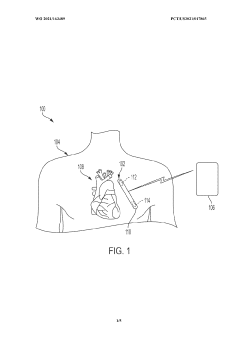
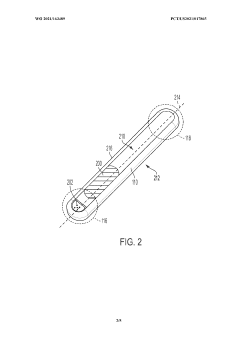
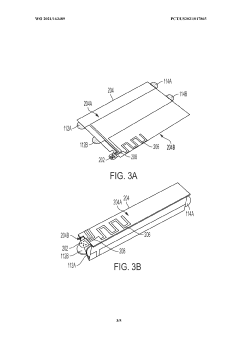
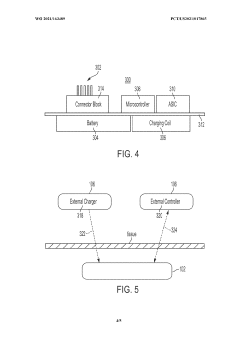
- The implementation of a biocompatible circuit board with embedded electrodes and an antenna positioned proximate to a non-conductive window, eliminating the need for a header and allowing for a larger volume within the IMD for increased electronics and power supply, while maintaining biocompatibility and efficient wireless communication.
Active implantable medical product and method for producing same
PatentWO2022069713A1
Innovation
- The development of an active implantable medical product with a biocompatible layer of a chemically stable metal-containing compound on the electrode surface, such as titanium, zirconium, or niobium oxides, to reduce corrosion and enhance capacitive coupling with the tissue environment, using anodization or additive methods to form these layers.


Regulatory Framework for IMD Materials Approval
The regulatory landscape for Implantable Medical Devices (IMDs) incorporating neodymium magnets is complex and multifaceted, requiring manufacturers to navigate through stringent approval processes. The FDA's Center for Devices and Radiological Health (CDRH) serves as the primary regulatory body in the United States, implementing a risk-based classification system that typically categorizes magnet-containing IMDs as Class III devices due to their high-risk profile.
To obtain market approval, manufacturers must submit a Premarket Approval (PMA) application, which necessitates comprehensive biocompatibility testing in accordance with ISO 10993 standards. This testing regimen specifically evaluates cytotoxicity, sensitization, irritation, systemic toxicity, and genotoxicity of neodymium magnets when used in long-term implantable applications.
The European regulatory framework, governed by the Medical Device Regulation (MDR 2017/745), imposes additional requirements including the Clinical Evaluation Report (CER) and Post-Market Clinical Follow-up (PMCF) studies. These mechanisms ensure continuous monitoring of device performance and safety after market introduction, with particular attention to rare adverse events that might be associated with magnetic materials.
Material-specific regulations for neodymium magnets focus on their coating integrity, as the rare earth components can be highly toxic if exposed to bodily fluids. Regulatory bodies require extensive leachable and extractable testing to verify the durability of protective coatings under physiological conditions. The FDA's guidance document on "Biological Evaluation of Medical Devices" outlines specific protocols for evaluating potential corrosion and degradation of magnetic materials in the biological environment.
International harmonization efforts through the Medical Device Single Audit Program (MDSAP) have streamlined regulatory compliance across multiple jurisdictions, though country-specific requirements persist. Japan's Pharmaceuticals and Medical Devices Agency (PMDA) and China's National Medical Products Administration (NMPA) maintain distinct approval pathways with additional testing requirements for magnetic components in IMDs.
Recent regulatory developments have focused on MRI compatibility, with the FDA issuing specific guidance on testing methodologies to assess magnetic field interactions, heating effects, and image artifacts. Manufacturers must now provide comprehensive MRI safety labeling, including field strength limitations and scanning protocols, to ensure patient safety when neodymium magnet-containing IMDs are exposed to magnetic resonance environments.
The regulatory timeline for novel magnetic materials in IMDs typically spans 3-5 years from initial submission to market approval, with costs ranging from $1-3 million for the regulatory process alone. This extended timeline necessitates early engagement with regulatory bodies through pre-submission consultations to align development strategies with evolving regulatory expectations.
To obtain market approval, manufacturers must submit a Premarket Approval (PMA) application, which necessitates comprehensive biocompatibility testing in accordance with ISO 10993 standards. This testing regimen specifically evaluates cytotoxicity, sensitization, irritation, systemic toxicity, and genotoxicity of neodymium magnets when used in long-term implantable applications.
The European regulatory framework, governed by the Medical Device Regulation (MDR 2017/745), imposes additional requirements including the Clinical Evaluation Report (CER) and Post-Market Clinical Follow-up (PMCF) studies. These mechanisms ensure continuous monitoring of device performance and safety after market introduction, with particular attention to rare adverse events that might be associated with magnetic materials.
Material-specific regulations for neodymium magnets focus on their coating integrity, as the rare earth components can be highly toxic if exposed to bodily fluids. Regulatory bodies require extensive leachable and extractable testing to verify the durability of protective coatings under physiological conditions. The FDA's guidance document on "Biological Evaluation of Medical Devices" outlines specific protocols for evaluating potential corrosion and degradation of magnetic materials in the biological environment.
International harmonization efforts through the Medical Device Single Audit Program (MDSAP) have streamlined regulatory compliance across multiple jurisdictions, though country-specific requirements persist. Japan's Pharmaceuticals and Medical Devices Agency (PMDA) and China's National Medical Products Administration (NMPA) maintain distinct approval pathways with additional testing requirements for magnetic components in IMDs.
Recent regulatory developments have focused on MRI compatibility, with the FDA issuing specific guidance on testing methodologies to assess magnetic field interactions, heating effects, and image artifacts. Manufacturers must now provide comprehensive MRI safety labeling, including field strength limitations and scanning protocols, to ensure patient safety when neodymium magnet-containing IMDs are exposed to magnetic resonance environments.
The regulatory timeline for novel magnetic materials in IMDs typically spans 3-5 years from initial submission to market approval, with costs ranging from $1-3 million for the regulatory process alone. This extended timeline necessitates early engagement with regulatory bodies through pre-submission consultations to align development strategies with evolving regulatory expectations.
Long-term Safety Monitoring Protocols
Long-term safety monitoring protocols for neodymium magnets in Implantable Medical Devices (IMDs) require systematic approaches that extend beyond initial biocompatibility testing. These protocols must address the unique challenges posed by permanent magnets in the human body over extended periods, potentially spanning decades of implantation.
The foundation of effective long-term monitoring begins with establishing comprehensive baseline measurements prior to implantation. This includes detailed characterization of the magnet's physical properties, magnetic field strength, and surface coating integrity. These baseline parameters serve as critical reference points for subsequent comparative analyses throughout the device's lifecycle.
Post-implantation monitoring should follow a tiered schedule with decreasing frequency but increasing depth of assessment. Initial monitoring at 1, 3, and 6 months should focus on acute biological responses and early signs of coating degradation. Annual assessments for the first five years should incorporate advanced imaging techniques to evaluate magnet position stability and surrounding tissue reactions. Beyond five years, biennial comprehensive evaluations become essential to detect subtle changes in magnet performance or biological interactions.
Remote monitoring technologies represent a significant advancement in long-term safety protocols. Implementing sensors capable of detecting changes in magnetic field strength, temperature fluctuations, or chemical markers of inflammation can provide continuous data streams without invasive procedures. These systems should incorporate alert thresholds to flag potential concerns before clinical manifestations appear.
Explant analysis protocols constitute another critical component of long-term safety monitoring. Standardized procedures for the retrieval, handling, and analysis of explanted magnets provide invaluable data regarding actual in vivo performance. This should include surface analysis for corrosion, magnetic strength testing, and histological examination of surrounding tissue capsules.
Patient-centered monitoring approaches must complement technical assessments. Structured questionnaires designed to capture subjective experiences related to the implant site, along with standardized quality of life measures, can detect subtle changes in patient comfort or function that might indicate developing complications.
Regulatory compliance frameworks for these monitoring protocols should incorporate adaptive designs that allow for protocol modifications based on emerging data. This ensures that monitoring remains relevant as both technology and understanding of long-term biocompatibility evolve. The protocols should also include clear decision pathways for intervention when monitoring reveals concerning trends.
The foundation of effective long-term monitoring begins with establishing comprehensive baseline measurements prior to implantation. This includes detailed characterization of the magnet's physical properties, magnetic field strength, and surface coating integrity. These baseline parameters serve as critical reference points for subsequent comparative analyses throughout the device's lifecycle.
Post-implantation monitoring should follow a tiered schedule with decreasing frequency but increasing depth of assessment. Initial monitoring at 1, 3, and 6 months should focus on acute biological responses and early signs of coating degradation. Annual assessments for the first five years should incorporate advanced imaging techniques to evaluate magnet position stability and surrounding tissue reactions. Beyond five years, biennial comprehensive evaluations become essential to detect subtle changes in magnet performance or biological interactions.
Remote monitoring technologies represent a significant advancement in long-term safety protocols. Implementing sensors capable of detecting changes in magnetic field strength, temperature fluctuations, or chemical markers of inflammation can provide continuous data streams without invasive procedures. These systems should incorporate alert thresholds to flag potential concerns before clinical manifestations appear.
Explant analysis protocols constitute another critical component of long-term safety monitoring. Standardized procedures for the retrieval, handling, and analysis of explanted magnets provide invaluable data regarding actual in vivo performance. This should include surface analysis for corrosion, magnetic strength testing, and histological examination of surrounding tissue capsules.
Patient-centered monitoring approaches must complement technical assessments. Structured questionnaires designed to capture subjective experiences related to the implant site, along with standardized quality of life measures, can detect subtle changes in patient comfort or function that might indicate developing complications.
Regulatory compliance frameworks for these monitoring protocols should incorporate adaptive designs that allow for protocol modifications based on emerging data. This ensures that monitoring remains relevant as both technology and understanding of long-term biocompatibility evolve. The protocols should also include clear decision pathways for intervention when monitoring reveals concerning trends.
Unlock deeper insights with PatSnap Eureka Quick Research — get a full tech report to explore trends and direct your research. Try now!
Generate Your Research Report Instantly with AI Agent
Supercharge your innovation with PatSnap Eureka AI Agent Platform!