
Balancing Adhesive Layer Thickness for Improved Thermal Performance
MAY 28, 20269 MIN READ
Generate Your Research Report Instantly with AI Agent
Patsnap Eureka helps you evaluate technical feasibility & market potential.
Adhesive Thermal Management Background and Objectives
The evolution of electronic devices toward higher power densities and miniaturization has created unprecedented thermal management challenges. As semiconductor components generate increasing amounts of heat within confined spaces, the role of thermal interface materials has become critical for maintaining optimal operating temperatures and ensuring device reliability. Adhesive layers, serving dual functions as mechanical bonding agents and thermal conductors, represent a pivotal component in modern thermal management systems.
Traditional thermal management approaches often treated adhesive thickness as a secondary consideration, focusing primarily on mechanical bonding strength. However, recent advances in materials science and thermal engineering have revealed that adhesive layer thickness significantly impacts heat transfer efficiency. The relationship between thickness and thermal performance is complex, involving trade-offs between thermal resistance, mechanical properties, and manufacturing constraints.
The semiconductor industry's transition to advanced packaging technologies, including 3D stacking and heterogeneous integration, has intensified the need for precise thermal interface control. These architectures generate localized hot spots that require efficient heat dissipation pathways, making adhesive layer optimization crucial for system performance. Additionally, the proliferation of high-performance computing applications, electric vehicles, and 5G infrastructure has created demanding thermal environments where traditional solutions prove inadequate.
Current market drivers include the growing adoption of artificial intelligence processors, which generate substantial heat loads, and the automotive industry's shift toward electric powertrains requiring robust thermal management solutions. The consumer electronics sector continues pushing for thinner devices with enhanced performance, creating conflicting requirements that demand innovative adhesive solutions.
The primary objective of optimizing adhesive layer thickness centers on achieving maximum thermal conductivity while maintaining mechanical integrity and manufacturing feasibility. This involves developing predictive models that correlate thickness parameters with thermal performance metrics, enabling engineers to make informed design decisions. Secondary objectives include establishing standardized testing methodologies for thickness-dependent thermal properties and creating design guidelines that balance thermal, mechanical, and economic considerations.
Furthermore, the research aims to identify optimal thickness ranges for different application scenarios, from high-power electronics requiring maximum heat dissipation to portable devices where space constraints dominate design decisions. Understanding these relationships will enable the development of next-generation thermal interface materials with tailored properties for specific applications.
Traditional thermal management approaches often treated adhesive thickness as a secondary consideration, focusing primarily on mechanical bonding strength. However, recent advances in materials science and thermal engineering have revealed that adhesive layer thickness significantly impacts heat transfer efficiency. The relationship between thickness and thermal performance is complex, involving trade-offs between thermal resistance, mechanical properties, and manufacturing constraints.
The semiconductor industry's transition to advanced packaging technologies, including 3D stacking and heterogeneous integration, has intensified the need for precise thermal interface control. These architectures generate localized hot spots that require efficient heat dissipation pathways, making adhesive layer optimization crucial for system performance. Additionally, the proliferation of high-performance computing applications, electric vehicles, and 5G infrastructure has created demanding thermal environments where traditional solutions prove inadequate.
Current market drivers include the growing adoption of artificial intelligence processors, which generate substantial heat loads, and the automotive industry's shift toward electric powertrains requiring robust thermal management solutions. The consumer electronics sector continues pushing for thinner devices with enhanced performance, creating conflicting requirements that demand innovative adhesive solutions.
The primary objective of optimizing adhesive layer thickness centers on achieving maximum thermal conductivity while maintaining mechanical integrity and manufacturing feasibility. This involves developing predictive models that correlate thickness parameters with thermal performance metrics, enabling engineers to make informed design decisions. Secondary objectives include establishing standardized testing methodologies for thickness-dependent thermal properties and creating design guidelines that balance thermal, mechanical, and economic considerations.
Furthermore, the research aims to identify optimal thickness ranges for different application scenarios, from high-power electronics requiring maximum heat dissipation to portable devices where space constraints dominate design decisions. Understanding these relationships will enable the development of next-generation thermal interface materials with tailored properties for specific applications.
Market Demand for High-Performance Thermal Interface Materials
The global thermal interface materials market is experiencing unprecedented growth driven by the escalating demand for efficient heat management solutions across multiple industries. Electronic devices continue to miniaturize while simultaneously increasing in power density, creating critical thermal challenges that require advanced adhesive solutions with precisely controlled layer thickness. This trend is particularly pronounced in consumer electronics, automotive electronics, and data center infrastructure where thermal performance directly impacts device reliability and operational efficiency.
Semiconductor manufacturers face mounting pressure to develop thermal interface materials that can accommodate increasingly tight tolerance requirements. The proliferation of high-performance processors, graphics cards, and power electronics has created a substantial market opportunity for adhesive materials that can maintain optimal thermal conductivity while providing mechanical stability. Traditional thermal management approaches are proving inadequate for next-generation applications, driving demand for innovative solutions that balance adhesive layer thickness with thermal performance characteristics.
The automotive sector represents a rapidly expanding market segment, particularly with the accelerated adoption of electric vehicles and advanced driver assistance systems. These applications require thermal interface materials capable of operating across wide temperature ranges while maintaining consistent adhesive properties. The integration of power electronics, battery management systems, and high-performance computing units in vehicles has created new requirements for thermal management solutions that can deliver reliable performance throughout extended operational lifecycles.
Data center and telecommunications infrastructure development continues to fuel market demand as organizations seek to maximize computational density while managing thermal loads effectively. Server processors, networking equipment, and storage systems require thermal interface materials that can facilitate efficient heat transfer while maintaining long-term adhesive integrity under continuous high-temperature operation.
Emerging applications in renewable energy systems, particularly solar inverters and wind turbine control systems, are creating additional market opportunities. These applications demand thermal interface materials that can withstand harsh environmental conditions while providing consistent thermal performance over decades of operation. The growing emphasis on energy efficiency and sustainability is driving adoption of advanced thermal management solutions across industrial applications.
Market dynamics indicate strong growth potential for thermal interface materials that can address the fundamental challenge of optimizing adhesive layer thickness for enhanced thermal performance, with particular emphasis on materials that can meet the stringent requirements of next-generation electronic systems.
Semiconductor manufacturers face mounting pressure to develop thermal interface materials that can accommodate increasingly tight tolerance requirements. The proliferation of high-performance processors, graphics cards, and power electronics has created a substantial market opportunity for adhesive materials that can maintain optimal thermal conductivity while providing mechanical stability. Traditional thermal management approaches are proving inadequate for next-generation applications, driving demand for innovative solutions that balance adhesive layer thickness with thermal performance characteristics.
The automotive sector represents a rapidly expanding market segment, particularly with the accelerated adoption of electric vehicles and advanced driver assistance systems. These applications require thermal interface materials capable of operating across wide temperature ranges while maintaining consistent adhesive properties. The integration of power electronics, battery management systems, and high-performance computing units in vehicles has created new requirements for thermal management solutions that can deliver reliable performance throughout extended operational lifecycles.
Data center and telecommunications infrastructure development continues to fuel market demand as organizations seek to maximize computational density while managing thermal loads effectively. Server processors, networking equipment, and storage systems require thermal interface materials that can facilitate efficient heat transfer while maintaining long-term adhesive integrity under continuous high-temperature operation.
Emerging applications in renewable energy systems, particularly solar inverters and wind turbine control systems, are creating additional market opportunities. These applications demand thermal interface materials that can withstand harsh environmental conditions while providing consistent thermal performance over decades of operation. The growing emphasis on energy efficiency and sustainability is driving adoption of advanced thermal management solutions across industrial applications.
Market dynamics indicate strong growth potential for thermal interface materials that can address the fundamental challenge of optimizing adhesive layer thickness for enhanced thermal performance, with particular emphasis on materials that can meet the stringent requirements of next-generation electronic systems.
Current Adhesive Thickness Optimization Challenges
The optimization of adhesive layer thickness in thermal management applications faces several interconnected challenges that significantly impact both manufacturing efficiency and thermal performance outcomes. Traditional approaches often rely on empirical methods and trial-and-error processes, leading to suboptimal solutions and extended development cycles.
One of the primary challenges lies in the complex relationship between adhesive thickness and thermal conductivity. While thinner layers generally provide better thermal transfer due to reduced thermal resistance, they may compromise mechanical bonding strength and fail to accommodate surface irregularities effectively. Conversely, thicker adhesive layers can ensure robust mechanical adhesion but create thermal bottlenecks that impede heat dissipation.
Manufacturing variability presents another significant obstacle in achieving consistent adhesive thickness optimization. Current application methods, including screen printing, dispensing, and lamination processes, often exhibit thickness variations that can range from 10% to 30% across a single substrate. These inconsistencies make it difficult to establish reliable correlations between designed thickness parameters and actual thermal performance outcomes.
The lack of real-time monitoring and feedback systems during adhesive application compounds these challenges. Most existing processes rely on post-application measurements, which provide limited opportunities for immediate correction and often result in material waste and rework cycles. This reactive approach prevents manufacturers from achieving the precision required for optimal thermal performance.
Material property variations across different adhesive formulations create additional complexity in thickness optimization. Thermal interface materials exhibit varying rheological behaviors, curing characteristics, and thermal conductivities that directly influence the optimal thickness range. The absence of standardized characterization methods makes it difficult to establish universal optimization guidelines.
Surface topology and substrate characteristics further complicate thickness optimization efforts. Different component surfaces, ranging from smooth semiconductor dies to textured heat sinks, require tailored thickness approaches to ensure complete contact and minimize air gaps. Current optimization methods often fail to account for these substrate-specific requirements adequately.
Temperature cycling and long-term reliability considerations add another layer of complexity to thickness optimization challenges. Adhesive layers must maintain their thermal performance characteristics across wide temperature ranges while accommodating thermal expansion mismatches between bonded components. Predicting optimal thickness values that ensure both immediate thermal performance and long-term reliability remains a significant technical hurdle.
One of the primary challenges lies in the complex relationship between adhesive thickness and thermal conductivity. While thinner layers generally provide better thermal transfer due to reduced thermal resistance, they may compromise mechanical bonding strength and fail to accommodate surface irregularities effectively. Conversely, thicker adhesive layers can ensure robust mechanical adhesion but create thermal bottlenecks that impede heat dissipation.
Manufacturing variability presents another significant obstacle in achieving consistent adhesive thickness optimization. Current application methods, including screen printing, dispensing, and lamination processes, often exhibit thickness variations that can range from 10% to 30% across a single substrate. These inconsistencies make it difficult to establish reliable correlations between designed thickness parameters and actual thermal performance outcomes.
The lack of real-time monitoring and feedback systems during adhesive application compounds these challenges. Most existing processes rely on post-application measurements, which provide limited opportunities for immediate correction and often result in material waste and rework cycles. This reactive approach prevents manufacturers from achieving the precision required for optimal thermal performance.
Material property variations across different adhesive formulations create additional complexity in thickness optimization. Thermal interface materials exhibit varying rheological behaviors, curing characteristics, and thermal conductivities that directly influence the optimal thickness range. The absence of standardized characterization methods makes it difficult to establish universal optimization guidelines.
Surface topology and substrate characteristics further complicate thickness optimization efforts. Different component surfaces, ranging from smooth semiconductor dies to textured heat sinks, require tailored thickness approaches to ensure complete contact and minimize air gaps. Current optimization methods often fail to account for these substrate-specific requirements adequately.
Temperature cycling and long-term reliability considerations add another layer of complexity to thickness optimization challenges. Adhesive layers must maintain their thermal performance characteristics across wide temperature ranges while accommodating thermal expansion mismatches between bonded components. Predicting optimal thickness values that ensure both immediate thermal performance and long-term reliability remains a significant technical hurdle.
Existing Thickness Control Solutions for Thermal Adhesives
01 Thermal conductivity enhancement of adhesive layers
Adhesive layers can be formulated with thermally conductive fillers and additives to improve heat transfer properties. These materials help dissipate heat more effectively across bonded interfaces, preventing thermal buildup and maintaining structural integrity under high-temperature conditions. The incorporation of specific conductive particles and polymeric matrices enhances the overall thermal management capabilities of the adhesive system.- Thermal conductivity enhancement of adhesive layers: Adhesive layers can be formulated with thermally conductive fillers and additives to improve heat transfer properties. These materials help dissipate heat more effectively across the adhesive interface, preventing thermal buildup and maintaining stable bonding performance under elevated temperatures. The incorporation of specific conductive particles and polymeric matrices enhances the overall thermal management capabilities of the adhesive system.
- Temperature resistance and thermal stability of adhesive compositions: Adhesive formulations are designed to maintain their structural integrity and bonding strength across wide temperature ranges. Special polymer systems and cross-linking agents are employed to prevent degradation, softening, or brittleness when exposed to extreme temperatures. These compositions ensure reliable adhesion performance in high-temperature applications while maintaining flexibility at lower temperatures.
- Thermal expansion coefficient matching in adhesive systems: Adhesive layers are engineered to have compatible thermal expansion properties with the substrates they bond. This matching prevents stress concentration and delamination that can occur due to differential thermal expansion during temperature cycling. The formulation includes specific additives and polymer blends that provide controlled expansion characteristics to maintain bond integrity.
- Heat-activated and thermally responsive adhesive properties: Certain adhesive systems are designed to respond to thermal stimuli, either by activating their bonding properties upon heating or by providing reversible adhesion based on temperature changes. These smart adhesive materials can strengthen their bonds when heated or allow for controlled debonding at specific temperatures, enabling applications requiring thermal processing or reworkability.
- Thermal barrier and insulation properties of adhesive layers: Adhesive formulations can be designed to provide thermal insulation properties while maintaining strong bonding characteristics. These systems incorporate low thermal conductivity materials and specialized polymer structures that minimize heat transfer across the adhesive interface. Such properties are valuable in applications requiring thermal isolation between bonded components while ensuring mechanical integrity.
02 Temperature resistance and thermal stability
Adhesive formulations are designed to maintain their bonding strength and mechanical properties across wide temperature ranges. These systems incorporate heat-resistant polymers and cross-linking agents that prevent degradation, softening, or failure when exposed to elevated temperatures. The thermal stability ensures long-term performance in demanding thermal environments.Expand Specific Solutions03 Thermal expansion coefficient matching
Adhesive layers are engineered to have compatible thermal expansion properties with the substrates they bond. This matching prevents stress concentration and delamination that can occur due to differential thermal expansion during temperature cycling. The formulation includes specific additives and polymer blends that provide appropriate expansion characteristics.Expand Specific Solutions04 Heat dissipation and thermal interface applications
Specialized adhesive systems are developed for thermal interface applications where efficient heat transfer between components is critical. These formulations combine adhesive properties with thermal management functions, often incorporating phase change materials or thermally conductive networks that facilitate heat flow while maintaining strong bonding performance.Expand Specific Solutions05 Thermal cycling durability and fatigue resistance
Adhesive layers are formulated to withstand repeated thermal cycling without experiencing bond failure or performance degradation. These systems incorporate flexible polymer networks and stress-relieving additives that accommodate thermal stresses and prevent crack propagation. The durability under thermal fatigue conditions is enhanced through specific curing mechanisms and material selection.Expand Specific Solutions
Key Players in Thermal Adhesive and Interface Materials
The thermal adhesive layer thickness optimization market represents a mature yet evolving sector within advanced materials technology, driven by increasing demands for enhanced thermal management across electronics, automotive, and aerospace applications. The industry has reached a consolidation phase with established players like 3M Innovative Properties, Nitto Denko Corp., and LINTEC Corp. dominating through extensive patent portfolios and manufacturing capabilities. Technology maturity varies significantly across applications, with companies like Resonac Corp., Sekisui Chemical, and Dexerials Corp. leading in specialized electronic materials, while automotive giants such as DENSO Corp., Nissan Motor, and MAHLE International focus on thermal interface solutions for electric vehicles. The competitive landscape shows strong regional clusters, particularly in Japan with Sony Group, Dai Nippon Printing, and DIC Corp., alongside European players like Siemens AG and Rolls-Royce Plc addressing industrial applications, indicating a fragmented but technologically sophisticated market approaching standardization phases.
Nitto Denko Corp.
Technical Solution: Nitto Denko specializes in ultra-thin thermal interface films with adhesive layers optimized between 10-50 micrometers for enhanced thermal conductivity. Their technology employs molecular-level engineering of polymer chains combined with ceramic nanoparticles to achieve thermal conductivity values exceeding 3 W/mK while maintaining flexibility and adhesion properties. The company's manufacturing process includes precision coating techniques and multi-layer lamination to control thickness uniformity within ±2 micrometers. Their solutions are particularly designed for smartphone processors, LED modules, and electric vehicle battery thermal management where space constraints demand minimal thickness without compromising heat dissipation performance.
Strengths: Excellent precision in ultra-thin film manufacturing and strong presence in Asian electronics markets. Weaknesses: Limited application range focused primarily on consumer electronics rather than industrial applications.
Sekisui Chemical Co., Ltd.
Technical Solution: Sekisui Chemical develops multi-functional adhesive systems with integrated thermal management properties, featuring controlled layer thickness between 30-150 micrometers. Their technology combines structural bonding with thermal interface capabilities using hybrid polymer matrices filled with thermally conductive ceramics and carbon-based materials. The manufacturing process incorporates precision extrusion and calendering techniques to achieve uniform thickness distribution and consistent thermal properties. Their solutions target industrial electronics, renewable energy systems, and building-integrated thermal management applications where long-term reliability and environmental resistance are critical performance factors alongside thermal conductivity and adhesive strength.
Strengths: Comprehensive material science expertise with strong focus on durability and environmental resistance. Weaknesses: Conservative approach to innovation with slower adoption of cutting-edge materials compared to specialized competitors.
Core Innovations in Adhesive Layer Thickness Optimization
Electronic component with an adhesive layer and method for the production thereof
PatentInactiveUS20060017069A1
Innovation
- The use of electrically conductive nanoparticles with a high surface area-to-volume ratio, forming agglomerates surrounded by an insulating adhesive base composition, allows for anisotropic conductivity, enabling punctiform connections and adaptive thickness, reducing the adhesive layer thickness to less than one micrometer while maintaining improved conductivity.


Stack chip package structure
PatentInactiveUS6919628B2
Innovation
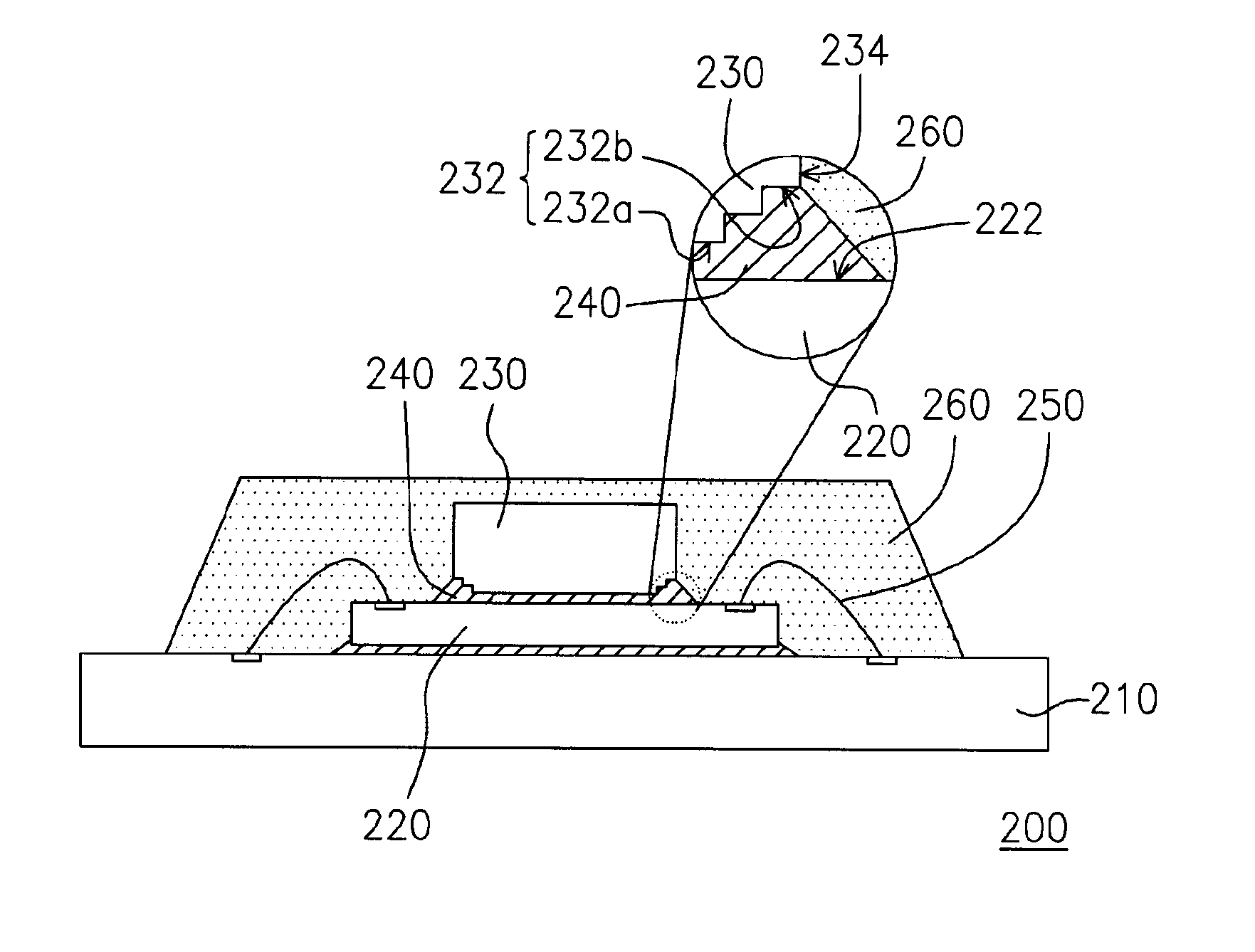
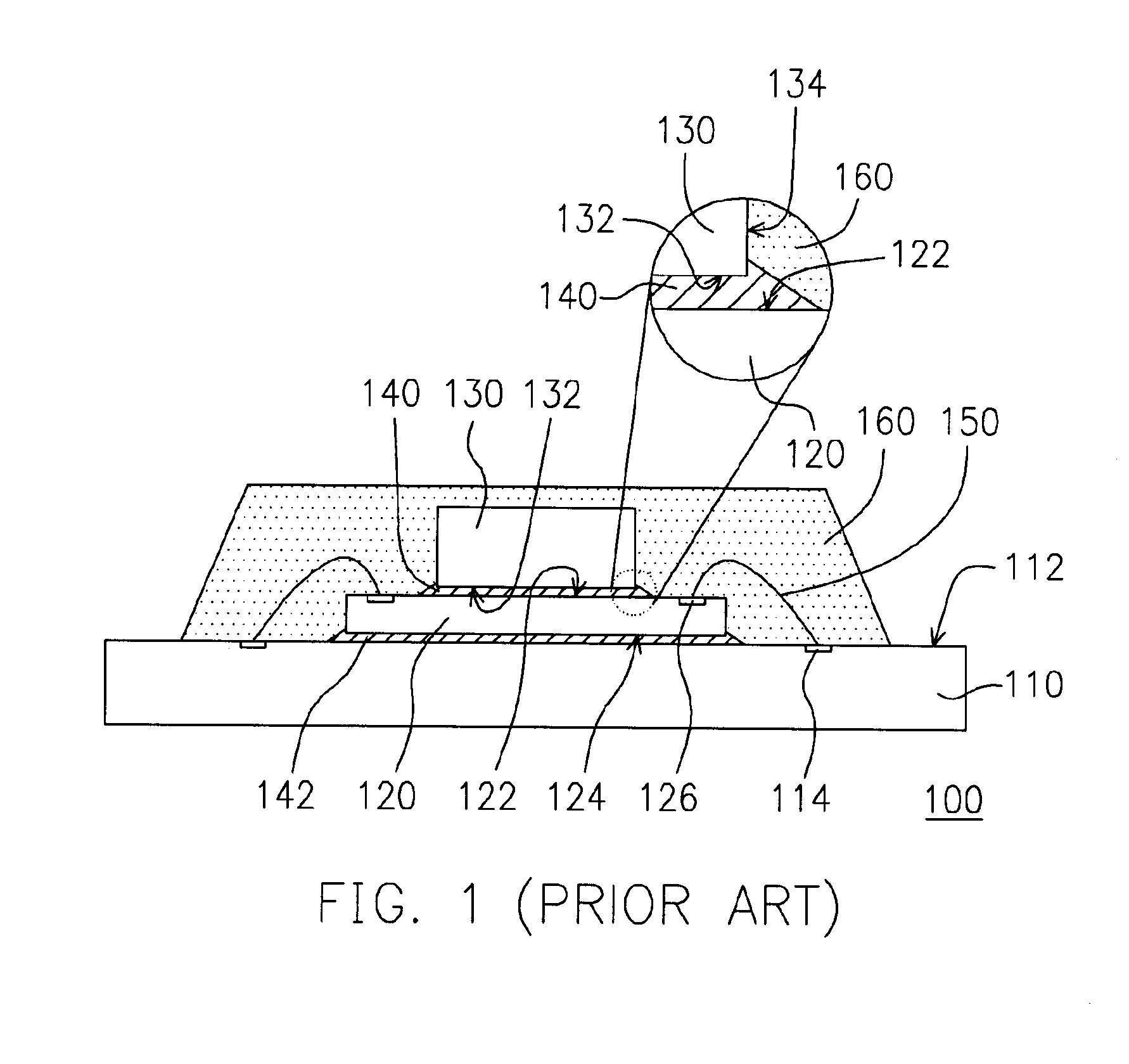
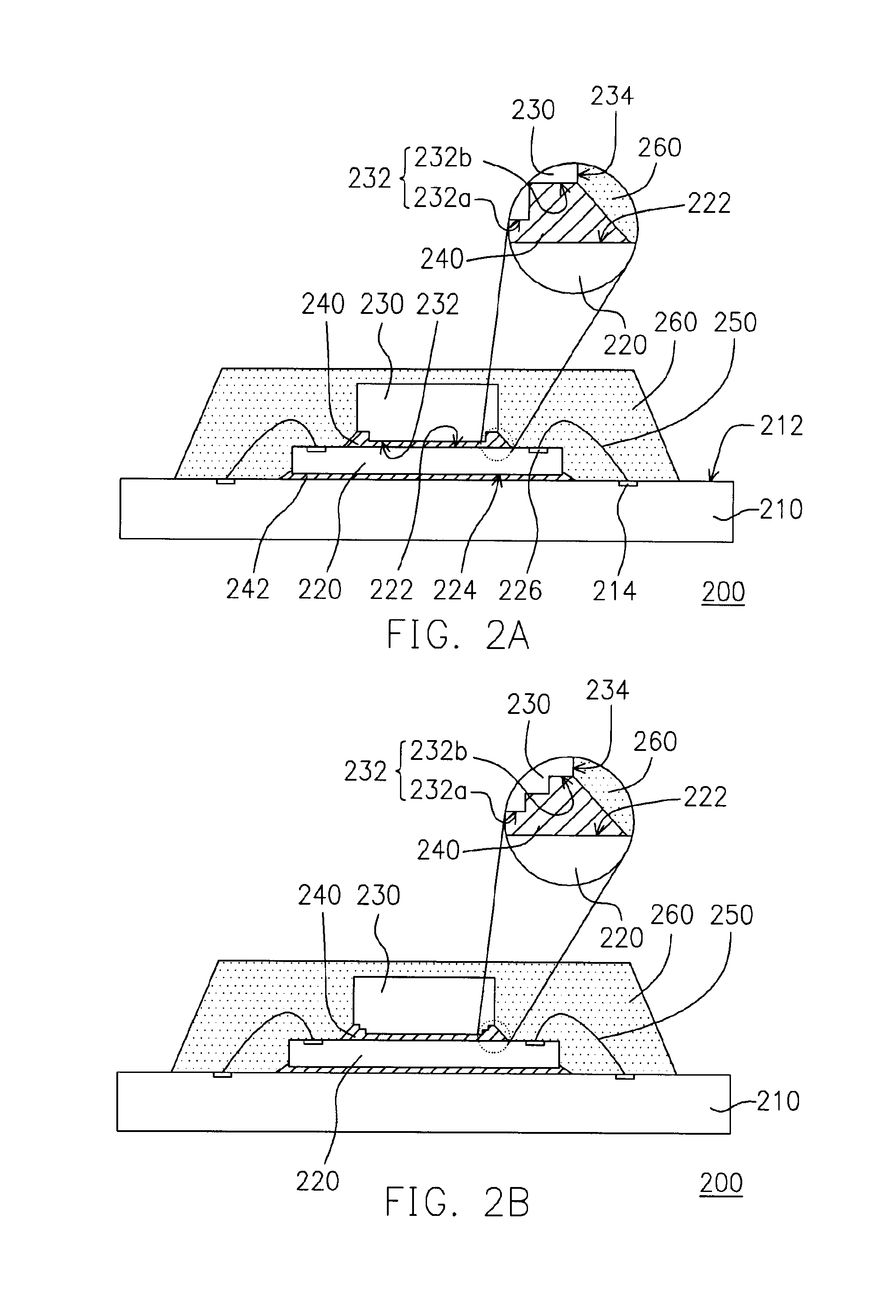
- The design incorporates a stack chip package structure with a thermal conductive block featuring a central surface and peripheral surfaces that are non-coplanar, with the peripheral surfaces being thicker than the central surface, creating a thicker adhesive layer at the bottom peripheral sections to act as an elastic buffer, reducing stress concentration and preventing damage.

Environmental Regulations for Thermal Interface Materials
Environmental regulations governing thermal interface materials (TIMs) have become increasingly stringent as global awareness of environmental protection and sustainability intensifies. These regulations directly impact the development and application of adhesive layer technologies, particularly when optimizing thickness for enhanced thermal performance. The regulatory landscape encompasses multiple dimensions including material composition restrictions, manufacturing process standards, and end-of-life disposal requirements.
The European Union's RoHS (Restriction of Hazardous Substances) directive significantly influences TIM formulations by prohibiting the use of specific heavy metals and hazardous compounds. This regulation affects adhesive layer composition, as manufacturers must eliminate lead-based solders and mercury-containing compounds while maintaining thermal conductivity performance. Similarly, the REACH regulation requires comprehensive registration and evaluation of chemical substances used in thermal interface applications, creating compliance challenges for novel adhesive formulations.
North American regulations, particularly EPA guidelines and state-level environmental standards like California's Proposition 65, impose additional constraints on TIM manufacturing and application processes. These regulations mandate strict volatile organic compound (VOC) emission limits during adhesive curing processes, influencing the selection of solvents and curing agents used in thermal interface applications.
Emerging regulations focus on circular economy principles, requiring manufacturers to consider material recyclability and biodegradability in adhesive layer design. The EU's Waste Electrical and Electronic Equipment (WEEE) directive necessitates that thermal interface materials facilitate component separation during recycling processes, potentially affecting optimal thickness parameters and material selection criteria.
International standards such as IEC 62430 and ISO 14040 series establish life cycle assessment requirements for electronic materials, including thermal interface solutions. These standards compel manufacturers to evaluate environmental impacts throughout the entire product lifecycle, from raw material extraction through disposal, influencing adhesive layer optimization strategies beyond purely thermal performance considerations.
The European Union's RoHS (Restriction of Hazardous Substances) directive significantly influences TIM formulations by prohibiting the use of specific heavy metals and hazardous compounds. This regulation affects adhesive layer composition, as manufacturers must eliminate lead-based solders and mercury-containing compounds while maintaining thermal conductivity performance. Similarly, the REACH regulation requires comprehensive registration and evaluation of chemical substances used in thermal interface applications, creating compliance challenges for novel adhesive formulations.
North American regulations, particularly EPA guidelines and state-level environmental standards like California's Proposition 65, impose additional constraints on TIM manufacturing and application processes. These regulations mandate strict volatile organic compound (VOC) emission limits during adhesive curing processes, influencing the selection of solvents and curing agents used in thermal interface applications.
Emerging regulations focus on circular economy principles, requiring manufacturers to consider material recyclability and biodegradability in adhesive layer design. The EU's Waste Electrical and Electronic Equipment (WEEE) directive necessitates that thermal interface materials facilitate component separation during recycling processes, potentially affecting optimal thickness parameters and material selection criteria.
International standards such as IEC 62430 and ISO 14040 series establish life cycle assessment requirements for electronic materials, including thermal interface solutions. These standards compel manufacturers to evaluate environmental impacts throughout the entire product lifecycle, from raw material extraction through disposal, influencing adhesive layer optimization strategies beyond purely thermal performance considerations.
Quality Standards for Adhesive Thermal Performance Testing
The establishment of comprehensive quality standards for adhesive thermal performance testing has become increasingly critical as thermal interface materials play pivotal roles in electronic device reliability and efficiency. Current industry standards primarily focus on standardized measurement protocols that ensure consistent and reproducible thermal conductivity assessments across different adhesive formulations and thicknesses.
International standards organizations, including ASTM and ISO, have developed specific testing methodologies such as ASTM D5470 and ISO 22007 series that define precise procedures for measuring thermal resistance and conductivity of thin adhesive layers. These standards specify environmental conditions, sample preparation requirements, and measurement equipment calibration protocols to minimize variability in test results.
Temperature cycling standards represent another crucial aspect of quality assurance, requiring adhesive materials to maintain thermal performance integrity across operational temperature ranges typically spanning -40°C to 150°C. These protocols evaluate thermal stability, coefficient of thermal expansion compatibility, and long-term performance degradation under repeated thermal stress conditions.
Thickness uniformity standards mandate specific tolerances for adhesive layer consistency, typically requiring variations within ±10% of nominal thickness across the bonded interface. Advanced measurement techniques including cross-sectional microscopy and non-destructive thickness gauging ensure compliance with these stringent requirements.
Contact resistance evaluation standards address the critical interface between adhesive layers and substrate materials, establishing benchmark values for thermal boundary resistance that directly impact overall heat transfer efficiency. These standards incorporate surface roughness considerations and bonding pressure specifications.
Accelerated aging test protocols simulate extended operational lifespans through elevated temperature exposure, humidity cycling, and mechanical stress application. These standards typically require 1000-hour minimum exposure periods with periodic thermal performance assessments to validate long-term reliability predictions.
Quality certification frameworks increasingly demand traceability documentation throughout the testing process, including calibrated equipment records, environmental monitoring data, and statistical analysis of measurement uncertainty. These comprehensive standards ensure that adhesive thermal performance data meets industrial reliability requirements while supporting comparative evaluations across different material systems and application scenarios.
International standards organizations, including ASTM and ISO, have developed specific testing methodologies such as ASTM D5470 and ISO 22007 series that define precise procedures for measuring thermal resistance and conductivity of thin adhesive layers. These standards specify environmental conditions, sample preparation requirements, and measurement equipment calibration protocols to minimize variability in test results.
Temperature cycling standards represent another crucial aspect of quality assurance, requiring adhesive materials to maintain thermal performance integrity across operational temperature ranges typically spanning -40°C to 150°C. These protocols evaluate thermal stability, coefficient of thermal expansion compatibility, and long-term performance degradation under repeated thermal stress conditions.
Thickness uniformity standards mandate specific tolerances for adhesive layer consistency, typically requiring variations within ±10% of nominal thickness across the bonded interface. Advanced measurement techniques including cross-sectional microscopy and non-destructive thickness gauging ensure compliance with these stringent requirements.
Contact resistance evaluation standards address the critical interface between adhesive layers and substrate materials, establishing benchmark values for thermal boundary resistance that directly impact overall heat transfer efficiency. These standards incorporate surface roughness considerations and bonding pressure specifications.
Accelerated aging test protocols simulate extended operational lifespans through elevated temperature exposure, humidity cycling, and mechanical stress application. These standards typically require 1000-hour minimum exposure periods with periodic thermal performance assessments to validate long-term reliability predictions.
Quality certification frameworks increasingly demand traceability documentation throughout the testing process, including calibrated equipment records, environmental monitoring data, and statistical analysis of measurement uncertainty. These comprehensive standards ensure that adhesive thermal performance data meets industrial reliability requirements while supporting comparative evaluations across different material systems and application scenarios.
Unlock deeper insights with Patsnap Eureka Quick Research — get a full tech report to explore trends and direct your research. Try now!
Generate Your Research Report Instantly with AI Agent
Supercharge your innovation with Patsnap Eureka AI Agent Platform!