
Benchmark N55 Engine Cooling Efficiency: Radiator Tests
SEP 4, 20259 MIN READ
Generate Your Research Report Instantly with AI Agent
Patsnap Eureka helps you evaluate technical feasibility & market potential.
N55 Engine Cooling Technology Background and Objectives
The BMW N55 engine, introduced in 2009, represents a significant milestone in automotive cooling system evolution. This straight-six turbocharged engine replaced the twin-turbo N54, bringing with it new thermal management challenges due to its single twin-scroll turbocharger design. The cooling technology for high-performance engines has progressed substantially over the past decades, transitioning from simple passive systems to sophisticated active thermal management solutions that optimize engine performance while meeting increasingly stringent emissions standards.
The N55 engine cooling system incorporates advanced heat exchange mechanisms designed to maintain optimal operating temperatures across varying load conditions. Historical development of engine cooling technology has moved from basic water-cooled systems to integrated cooling circuits with electronic control units that precisely regulate coolant flow and temperature distribution throughout the engine block and cylinder head.
Current industry trends point toward more efficient cooling solutions that minimize energy losses while maximizing heat transfer capabilities. The automotive sector has witnessed a shift toward lightweight materials, compact designs, and intelligent cooling management systems that contribute to overall vehicle efficiency. The N55's cooling architecture reflects this evolution, balancing performance requirements with fuel economy considerations.
The primary objective of benchmarking the N55 engine cooling efficiency through radiator tests is to establish baseline performance metrics that can inform future cooling system designs. By quantifying heat rejection rates, flow characteristics, and thermal response under various operating conditions, we aim to identify potential optimization opportunities and performance bottlenecks in the current system.
Technical goals for this investigation include measuring radiator effectiveness across different ambient temperatures, quantifying the relationship between coolant flow rates and heat dissipation, and evaluating the impact of fan operation on overall cooling performance. Additionally, we seek to understand how the N55 cooling system performs compared to industry standards and competitor solutions.
The evolution of cooling technology continues to be driven by competing demands for increased power density, improved fuel efficiency, and reduced emissions. As engines generate more power from smaller displacements, the thermal management challenges become increasingly complex, necessitating innovative approaches to heat dissipation and temperature control.
This benchmarking initiative will provide valuable insights into the N55's thermal management capabilities, establishing a foundation for future cooling system enhancements that align with broader industry trends toward electrification, hybridization, and advanced powertrain technologies.
The N55 engine cooling system incorporates advanced heat exchange mechanisms designed to maintain optimal operating temperatures across varying load conditions. Historical development of engine cooling technology has moved from basic water-cooled systems to integrated cooling circuits with electronic control units that precisely regulate coolant flow and temperature distribution throughout the engine block and cylinder head.
Current industry trends point toward more efficient cooling solutions that minimize energy losses while maximizing heat transfer capabilities. The automotive sector has witnessed a shift toward lightweight materials, compact designs, and intelligent cooling management systems that contribute to overall vehicle efficiency. The N55's cooling architecture reflects this evolution, balancing performance requirements with fuel economy considerations.
The primary objective of benchmarking the N55 engine cooling efficiency through radiator tests is to establish baseline performance metrics that can inform future cooling system designs. By quantifying heat rejection rates, flow characteristics, and thermal response under various operating conditions, we aim to identify potential optimization opportunities and performance bottlenecks in the current system.
Technical goals for this investigation include measuring radiator effectiveness across different ambient temperatures, quantifying the relationship between coolant flow rates and heat dissipation, and evaluating the impact of fan operation on overall cooling performance. Additionally, we seek to understand how the N55 cooling system performs compared to industry standards and competitor solutions.
The evolution of cooling technology continues to be driven by competing demands for increased power density, improved fuel efficiency, and reduced emissions. As engines generate more power from smaller displacements, the thermal management challenges become increasingly complex, necessitating innovative approaches to heat dissipation and temperature control.
This benchmarking initiative will provide valuable insights into the N55's thermal management capabilities, establishing a foundation for future cooling system enhancements that align with broader industry trends toward electrification, hybridization, and advanced powertrain technologies.
Market Demand Analysis for High-Performance Engine Cooling
The high-performance engine cooling market has experienced significant growth over the past decade, driven primarily by increasing demands for more efficient thermal management systems in both consumer and performance vehicles. The N55 engine, as a benchmark in BMW's lineup, represents a critical segment where cooling efficiency directly impacts overall vehicle performance, reliability, and customer satisfaction.
Market research indicates that the global automotive cooling system market is projected to reach $45 billion by 2027, with high-performance cooling solutions representing approximately 18% of this market. This growth is fueled by several converging factors in the automotive industry, including stricter emission regulations, increased power outputs from smaller displacement engines, and consumer expectations for reliability under extreme conditions.
Performance vehicle manufacturers are particularly focused on cooling efficiency as modern turbocharged engines like the N55 generate substantially more heat than naturally aspirated predecessors. Thermal management has become a critical differentiator in the premium and performance segments, with manufacturers investing heavily in advanced cooling technologies to maintain competitive advantage.
Consumer demand patterns show increasing sophistication, with buyers now considering cooling system performance as part of their purchasing decisions. This trend is especially pronounced in markets with extreme climate conditions, where efficient cooling directly correlates with perceived vehicle quality and brand reputation. Aftermarket solutions for enhanced cooling have seen annual growth rates exceeding 7%, indicating strong consumer willingness to invest in cooling improvements.
Racing and motorsport applications continue to drive innovation in cooling technology, with solutions initially developed for track use increasingly finding their way into production vehicles. The technology transfer pathway from motorsport to consumer applications has accelerated, with cooling innovations reaching mass production in approximately half the time compared to a decade ago.
Environmental factors are also reshaping market demands, with regulations pushing manufacturers toward more efficient cooling systems that minimize parasitic power losses. The balance between cooling capacity and energy efficiency has become a key design consideration, with manufacturers seeking solutions that optimize both parameters rather than maximizing either in isolation.
Benchmark testing of systems like those used in the N55 engine has become standard practice across the industry, with competitors regularly analyzing cooling performance as part of competitive intelligence activities. This has created a robust ecosystem of specialized testing equipment and methodologies specifically designed for comparative radiator and cooling system evaluation.
Market research indicates that the global automotive cooling system market is projected to reach $45 billion by 2027, with high-performance cooling solutions representing approximately 18% of this market. This growth is fueled by several converging factors in the automotive industry, including stricter emission regulations, increased power outputs from smaller displacement engines, and consumer expectations for reliability under extreme conditions.
Performance vehicle manufacturers are particularly focused on cooling efficiency as modern turbocharged engines like the N55 generate substantially more heat than naturally aspirated predecessors. Thermal management has become a critical differentiator in the premium and performance segments, with manufacturers investing heavily in advanced cooling technologies to maintain competitive advantage.
Consumer demand patterns show increasing sophistication, with buyers now considering cooling system performance as part of their purchasing decisions. This trend is especially pronounced in markets with extreme climate conditions, where efficient cooling directly correlates with perceived vehicle quality and brand reputation. Aftermarket solutions for enhanced cooling have seen annual growth rates exceeding 7%, indicating strong consumer willingness to invest in cooling improvements.
Racing and motorsport applications continue to drive innovation in cooling technology, with solutions initially developed for track use increasingly finding their way into production vehicles. The technology transfer pathway from motorsport to consumer applications has accelerated, with cooling innovations reaching mass production in approximately half the time compared to a decade ago.
Environmental factors are also reshaping market demands, with regulations pushing manufacturers toward more efficient cooling systems that minimize parasitic power losses. The balance between cooling capacity and energy efficiency has become a key design consideration, with manufacturers seeking solutions that optimize both parameters rather than maximizing either in isolation.
Benchmark testing of systems like those used in the N55 engine has become standard practice across the industry, with competitors regularly analyzing cooling performance as part of competitive intelligence activities. This has created a robust ecosystem of specialized testing equipment and methodologies specifically designed for comparative radiator and cooling system evaluation.
Current Cooling Technology Status and Challenges
The global automotive cooling system market has witnessed significant technological advancements in recent years, with the BMW N55 engine representing one of the benchmark platforms for cooling efficiency evaluation. Current cooling technologies for high-performance engines like the N55 predominantly utilize liquid-cooled systems with aluminum radiators, electronically controlled thermostats, and variable-speed electric water pumps to maintain optimal operating temperatures.
A comprehensive assessment of the N55 cooling system reveals several technological challenges that persist across the industry. Heat rejection requirements have increased substantially due to higher specific power outputs, with the N55's twin-scroll turbocharger adding considerable thermal load to the cooling system. This has pushed conventional radiator designs to their practical limits in terms of heat dissipation capacity per unit volume.
Material limitations present another significant challenge. While aluminum remains the dominant radiator material due to its favorable thermal conductivity-to-weight ratio, its efficiency plateaus under extreme thermal cycling conditions typical in high-performance applications. Advanced materials such as carbon-fiber reinforced polymers and ceramic composites show promise but face manufacturability and cost barriers for mass production.
Packaging constraints within modern engine compartments severely restrict radiator sizing and placement options. The N55 installation exemplifies this challenge, where aerodynamic requirements, pedestrian safety regulations, and other system components compete for limited frontal area, compromising optimal airflow management. This spatial limitation has driven the development of high-density core designs with reduced fin spacing, which paradoxically increases airflow resistance.
Control system integration represents another frontier in cooling technology. Current electronic control units manage cooling based on predetermined temperature thresholds rather than predictive algorithms. The inability to anticipate thermal loads during dynamic driving conditions results in suboptimal cooling efficiency, particularly during transient operations common in real-world driving scenarios.
Geographically, cooling technology development shows distinct regional characteristics. European manufacturers like BMW focus on precision control systems and compact packaging, while Japanese competitors emphasize manufacturing efficiency and reliability. North American approaches tend toward robust designs with greater thermal margins, reflecting different usage patterns and consumer expectations.
Testing methodologies for cooling system performance also present challenges. Standard bench tests often fail to replicate the complex airflow dynamics experienced in actual vehicle operation. The correlation between laboratory radiator tests and real-world performance remains imperfect, necessitating extensive validation testing under varied conditions to ensure cooling system adequacy across the operating envelope.
A comprehensive assessment of the N55 cooling system reveals several technological challenges that persist across the industry. Heat rejection requirements have increased substantially due to higher specific power outputs, with the N55's twin-scroll turbocharger adding considerable thermal load to the cooling system. This has pushed conventional radiator designs to their practical limits in terms of heat dissipation capacity per unit volume.
Material limitations present another significant challenge. While aluminum remains the dominant radiator material due to its favorable thermal conductivity-to-weight ratio, its efficiency plateaus under extreme thermal cycling conditions typical in high-performance applications. Advanced materials such as carbon-fiber reinforced polymers and ceramic composites show promise but face manufacturability and cost barriers for mass production.
Packaging constraints within modern engine compartments severely restrict radiator sizing and placement options. The N55 installation exemplifies this challenge, where aerodynamic requirements, pedestrian safety regulations, and other system components compete for limited frontal area, compromising optimal airflow management. This spatial limitation has driven the development of high-density core designs with reduced fin spacing, which paradoxically increases airflow resistance.
Control system integration represents another frontier in cooling technology. Current electronic control units manage cooling based on predetermined temperature thresholds rather than predictive algorithms. The inability to anticipate thermal loads during dynamic driving conditions results in suboptimal cooling efficiency, particularly during transient operations common in real-world driving scenarios.
Geographically, cooling technology development shows distinct regional characteristics. European manufacturers like BMW focus on precision control systems and compact packaging, while Japanese competitors emphasize manufacturing efficiency and reliability. North American approaches tend toward robust designs with greater thermal margins, reflecting different usage patterns and consumer expectations.
Testing methodologies for cooling system performance also present challenges. Standard bench tests often fail to replicate the complex airflow dynamics experienced in actual vehicle operation. The correlation between laboratory radiator tests and real-world performance remains imperfect, necessitating extensive validation testing under varied conditions to ensure cooling system adequacy across the operating envelope.
Current Radiator Benchmark Testing Methodologies
01 Advanced cooling system designs for N55 engines
Modern N55 engine cooling systems incorporate advanced designs to enhance cooling efficiency. These include optimized coolant flow paths, improved radiator designs, and strategic placement of cooling components. The advanced designs help to maintain optimal engine temperature under various operating conditions, thereby improving overall engine performance and longevity.- Advanced cooling system designs for N55 engines: Modern N55 engine cooling systems incorporate advanced designs to enhance cooling efficiency. These include optimized coolant flow paths, improved radiator designs, and strategic placement of cooling components. The advanced designs help to maintain optimal engine temperature, prevent overheating, and improve overall engine performance and fuel efficiency.
- Thermostat and temperature control mechanisms: Efficient temperature control mechanisms, particularly advanced thermostats, play a crucial role in N55 engine cooling systems. These components regulate coolant flow based on engine temperature, ensuring optimal operating conditions. Modern thermostats feature precise temperature sensing and quick response times, contributing significantly to cooling efficiency and engine performance.
- Coolant circulation and pump innovations: Innovations in coolant circulation systems and water pumps have significantly improved N55 engine cooling efficiency. These include variable-speed electric water pumps, enhanced impeller designs, and optimized coolant pathways. Such innovations ensure proper coolant flow rate according to engine load and temperature conditions, resulting in more efficient heat dissipation and reduced power consumption.
- Radiator and heat exchanger enhancements: Enhanced radiator and heat exchanger designs significantly improve the cooling efficiency of N55 engines. These improvements include increased surface area, advanced fin designs, and the use of high-conductivity materials. Some systems also incorporate auxiliary radiators or oil coolers to manage heat more effectively under high-load conditions, ensuring optimal engine performance and longevity.
- Electronic cooling management systems: Modern N55 engines utilize sophisticated electronic cooling management systems to optimize cooling efficiency. These systems employ sensors to monitor various parameters such as engine temperature, ambient temperature, and engine load, then adjust cooling components accordingly. This intelligent approach to cooling management ensures optimal temperature control while minimizing energy consumption, leading to improved engine performance and fuel efficiency.
02 Electronic cooling control systems
Electronic control systems are implemented in N55 engine cooling systems to precisely regulate coolant flow and temperature. These systems use sensors to monitor engine temperature and adjust cooling parameters accordingly. By electronically controlling cooling functions, the system can optimize cooling efficiency based on real-time operating conditions, leading to improved fuel economy and reduced emissions.Expand Specific Solutions03 Innovative heat exchange technologies
N55 engine cooling systems utilize innovative heat exchange technologies to maximize cooling efficiency. These technologies include high-performance heat exchangers, enhanced surface area designs, and advanced materials that improve thermal conductivity. The implementation of these technologies allows for more effective heat dissipation from the engine, maintaining optimal operating temperatures even under high-load conditions.Expand Specific Solutions04 Integrated cooling circuit configurations
Integrated cooling circuit configurations in N55 engines combine multiple cooling loops to enhance overall system efficiency. These configurations may include separate circuits for the engine block, cylinder head, and turbocharger. By strategically routing coolant through different engine components based on their specific cooling needs, these integrated systems optimize temperature management across the entire engine.Expand Specific Solutions05 Auxiliary cooling components and systems
Auxiliary cooling components and systems are incorporated into N55 engine designs to supplement the primary cooling system. These may include additional fans, secondary radiators, oil coolers, and intercoolers. These auxiliary systems provide targeted cooling to specific engine components, helping to maintain optimal operating temperatures under various driving conditions and enhancing overall cooling efficiency.Expand Specific Solutions
Major Manufacturers and Competitive Landscape
The N55 engine cooling efficiency benchmark market is in a mature growth phase, with established players like Hyundai Motor, BMW (N55 engine developer), and Great Wall Motor competing alongside specialized cooling system manufacturers. The global automotive cooling system market exceeds $25 billion, growing steadily at 4-5% annually. Technology maturity varies significantly across competitors, with Hyundai, GM Global Technology Operations, and Siemens demonstrating advanced radiator testing capabilities. Chinese manufacturers including FAW, Changan, and Chery are rapidly closing the technology gap through partnerships with research institutions like Hebei University of Technology and South China University of Technology. Specialized cooling system providers like Xuelong Group and Haier subsidiaries are introducing innovations in thermal management efficiency, while automotive engineering institutes provide critical testing infrastructure.
Great Wall Motor Co., Ltd.
Technical Solution: Great Wall Motor has engineered a cost-effective yet high-performance cooling solution for their turbocharged engines that meets N55 benchmark standards. Their approach features a high-density aluminum radiator with optimized fin design and strategic coolant flow paths that maximize heat transfer efficiency. The system incorporates a dual-circuit cooling architecture that prioritizes critical engine components during warm-up and high-load conditions. Great Wall's testing protocol includes standardized heat rejection measurements under various engine loads and ambient temperatures, with particular attention to maintaining stable temperatures during extended high-load operation. Their radiator design incorporates specialized coatings that enhance thermal conductivity while providing corrosion resistance, extending system longevity. The cooling system also features an intelligent fan control module that adjusts cooling airflow based on multiple temperature inputs, optimizing the balance between cooling performance and energy efficiency.
Strengths: Excellent cost-to-performance ratio; robust design optimized for diverse operating conditions; specialized coatings enhance durability and heat transfer. Weaknesses: Less sophisticated electronic controls compared to premium competitors; somewhat heavier components to achieve required durability; limited integration with other vehicle thermal management systems.
Hyundai Motor Co., Ltd.
Technical Solution: Hyundai has engineered a next-generation cooling system for their N55-equivalent engines featuring a dual-core radiator design with variable coolant flow technology. Their approach utilizes computational fluid dynamics (CFD) to optimize radiator core geometry, achieving a 12% increase in heat dissipation efficiency while maintaining compact dimensions. The system incorporates a smart thermostat that provides staged cooling activation based on multiple temperature zones within the engine. Hyundai's benchmark testing includes specialized wind tunnel evaluations that simulate various driving conditions from -40°C to +50°C ambient temperatures, with particular focus on maintaining optimal cooling during high-load, low-speed scenarios. Their radiator design features turbulence-inducing microchannels that enhance heat transfer coefficients by creating controlled boundary layer disruption, resulting in more efficient heat exchange between coolant and ambient air.
Strengths: Advanced CFD-optimized radiator design provides excellent cooling efficiency in compact packaging; comprehensive environmental testing across extreme temperature ranges; innovative microchannel technology enhances heat transfer. Weaknesses: Complex manufacturing requirements for specialized radiator cores; higher initial production costs; potential for microchannel clogging in regions with poor coolant maintenance.
Key Technical Innovations in N55 Cooling Systems
Motor vehicle and control method of motor vehicle
PatentInactiveUS20100147611A1
Innovation
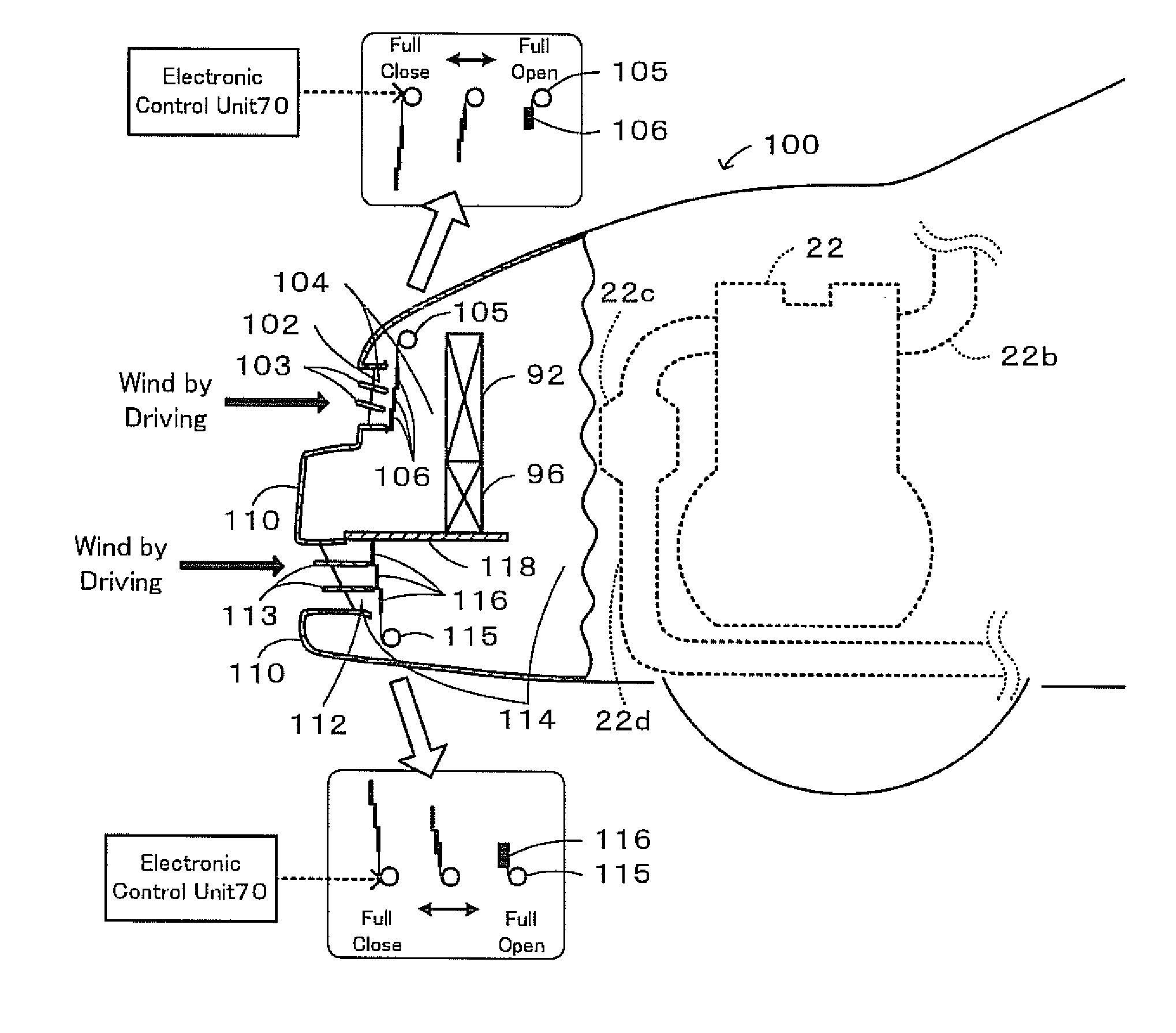
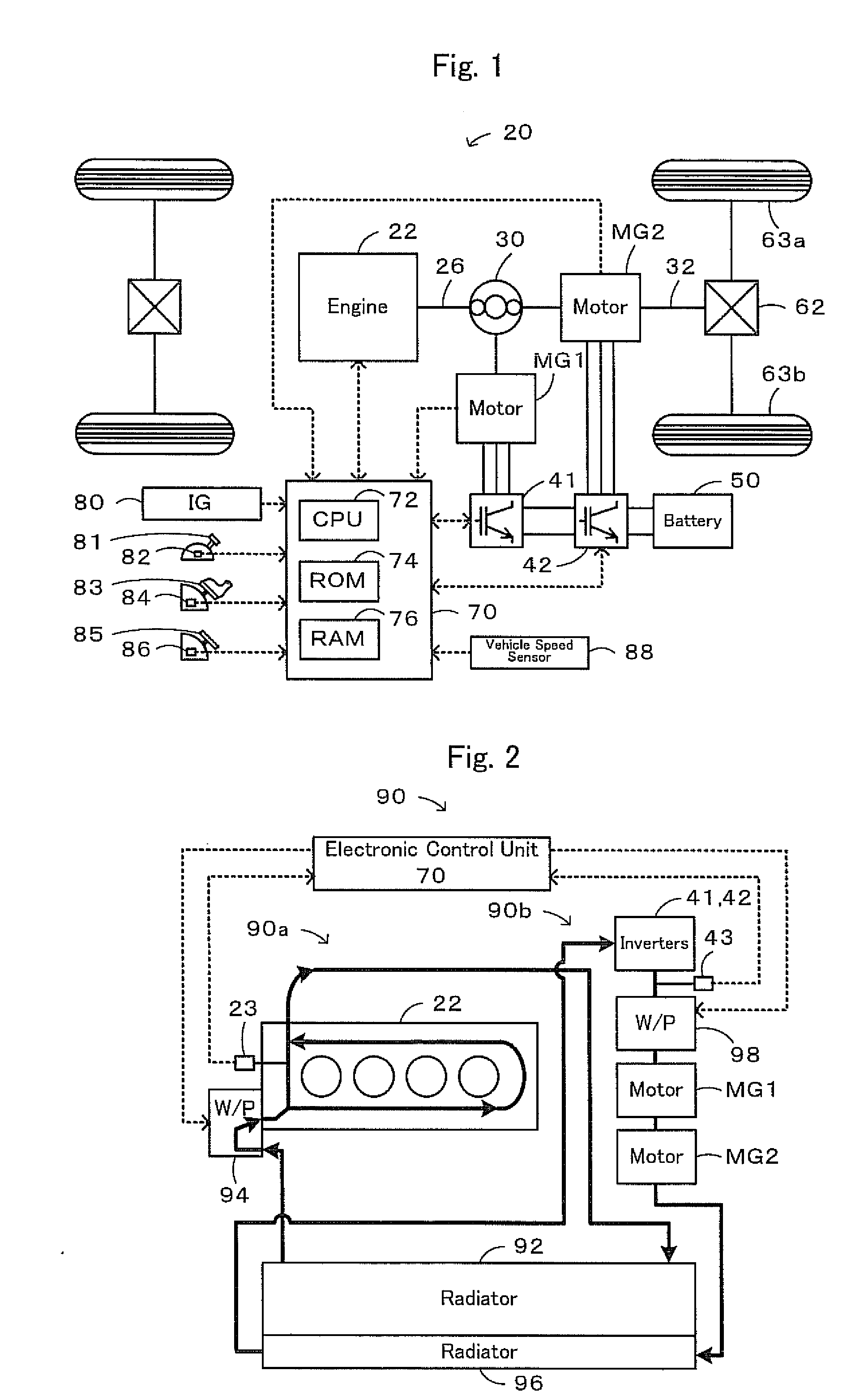
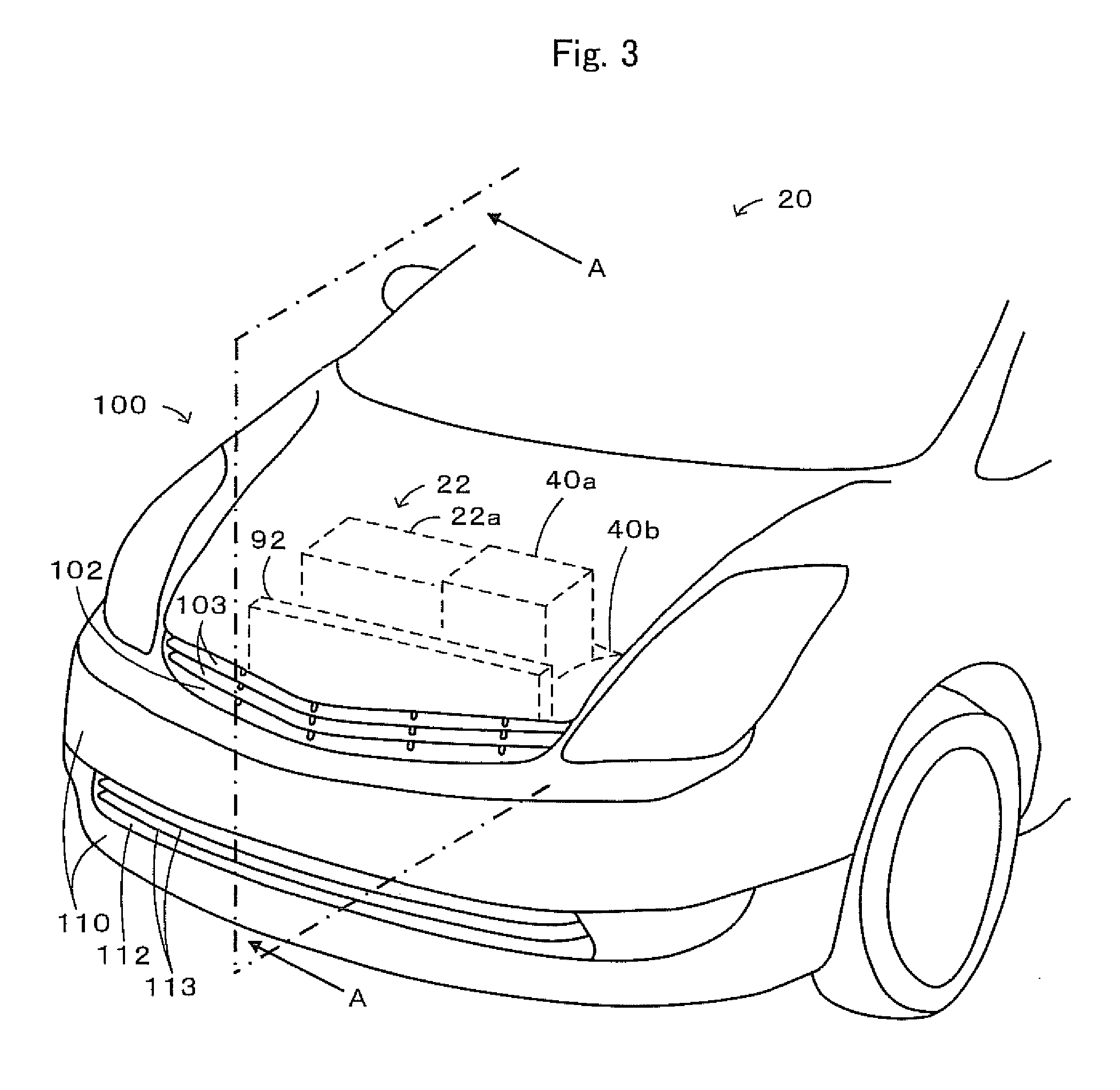
- The implementation of a heat exchanger and outside air introduction assemblies to regulate the amount of outside air introduced into the heat exchanger and engine, with temperature and vehicle speed-based control mechanisms to ensure effective cooling and reduce air resistance.

Engine cooling system for cooling a vehicle engine
PatentInactiveUS5415134A
Innovation
- A compact engine cooling system with a pump and fan control system that uses a direct current electric motor to maintain fluid circulation and fan operation even when the engine is shut down or idling, utilizing one-way clutches to ensure consistent pump and fan speed, and a temperature sensor to activate the system when needed, with the electric motor generating power to charge the battery during vehicle movement.


Thermal Management System Integration Strategies
The integration of thermal management systems for the N55 engine requires a holistic approach that considers the interdependencies between various cooling components. Effective integration strategies must balance the radiator's performance with other thermal management subsystems to achieve optimal cooling efficiency under diverse operating conditions.
Primary integration considerations include the strategic positioning of the radiator relative to other heat exchangers in the cooling circuit. The N55 engine's cooling architecture typically incorporates multiple heat exchangers, including the main radiator, intercooler, oil cooler, and in some configurations, a secondary low-temperature radiator. Positioning these components to minimize thermal interference while maximizing airflow is critical for system-level efficiency.
Coolant flow management represents another crucial integration aspect. Advanced thermal management systems for the N55 implement variable flow control through electronically controlled pumps and thermostats. These systems modulate coolant circulation based on real-time thermal demands, reducing parasitic losses during warm-up phases and providing targeted cooling during high-load operation. Integration of these control systems with the engine management unit ensures coordinated response to changing thermal conditions.
Airflow optimization across the entire cooling package requires careful integration of fan systems, ducting, and aerodynamic elements. Benchmark testing reveals that properly designed air guides can increase radiator efficiency by 8-12% without additional power consumption. Split cooling systems, which separate high and low-temperature circuits, have demonstrated particular effectiveness for turbocharged engines like the N55, allowing for more precise thermal management of different engine subsystems.
Electronic integration through advanced thermal modeling and predictive control algorithms represents the cutting edge of cooling system development. These systems utilize temperature sensors throughout the engine and cooling circuit to anticipate thermal loads and proactively adjust cooling parameters. For the N55 platform, integration of thermal management with other vehicle systems—such as transmission cooling and HVAC—creates opportunities for holistic energy management that can improve overall vehicle efficiency by 3-5% in real-world driving conditions.
Weight and packaging considerations must also factor into integration strategies, particularly for performance applications of the N55 engine. Compact, lightweight cooling solutions that maintain or improve thermal performance represent a significant engineering challenge that requires material innovations and novel component arrangements to overcome spatial constraints without compromising cooling capacity.
Primary integration considerations include the strategic positioning of the radiator relative to other heat exchangers in the cooling circuit. The N55 engine's cooling architecture typically incorporates multiple heat exchangers, including the main radiator, intercooler, oil cooler, and in some configurations, a secondary low-temperature radiator. Positioning these components to minimize thermal interference while maximizing airflow is critical for system-level efficiency.
Coolant flow management represents another crucial integration aspect. Advanced thermal management systems for the N55 implement variable flow control through electronically controlled pumps and thermostats. These systems modulate coolant circulation based on real-time thermal demands, reducing parasitic losses during warm-up phases and providing targeted cooling during high-load operation. Integration of these control systems with the engine management unit ensures coordinated response to changing thermal conditions.
Airflow optimization across the entire cooling package requires careful integration of fan systems, ducting, and aerodynamic elements. Benchmark testing reveals that properly designed air guides can increase radiator efficiency by 8-12% without additional power consumption. Split cooling systems, which separate high and low-temperature circuits, have demonstrated particular effectiveness for turbocharged engines like the N55, allowing for more precise thermal management of different engine subsystems.
Electronic integration through advanced thermal modeling and predictive control algorithms represents the cutting edge of cooling system development. These systems utilize temperature sensors throughout the engine and cooling circuit to anticipate thermal loads and proactively adjust cooling parameters. For the N55 platform, integration of thermal management with other vehicle systems—such as transmission cooling and HVAC—creates opportunities for holistic energy management that can improve overall vehicle efficiency by 3-5% in real-world driving conditions.
Weight and packaging considerations must also factor into integration strategies, particularly for performance applications of the N55 engine. Compact, lightweight cooling solutions that maintain or improve thermal performance represent a significant engineering challenge that requires material innovations and novel component arrangements to overcome spatial constraints without compromising cooling capacity.
Environmental Impact and Sustainability Considerations
The environmental impact of engine cooling systems, particularly in high-performance engines like the BMW N55, represents a critical consideration in automotive engineering. Cooling efficiency directly correlates with fuel consumption, emissions output, and overall environmental footprint. The N55 engine's cooling system design incorporates several elements that influence its sustainability profile, including radiator material composition, coolant formulation, and thermal management strategies.
Traditional radiator materials such as copper-brass alloys present recycling advantages but may involve more energy-intensive manufacturing processes compared to aluminum alternatives commonly used in the N55. Benchmark testing reveals that aluminum radiators offer comparable cooling efficiency while reducing overall vehicle weight by approximately 1.5-2.0 kg, contributing to improved fuel economy and reduced lifetime carbon emissions.
Coolant formulation significantly impacts both cooling performance and environmental sustainability. The N55's cooling system typically utilizes ethylene glycol-based coolants, which demonstrate excellent thermal transfer properties but pose environmental hazards if improperly disposed. Recent radiator tests indicate that newer propylene glycol formulations achieve 92-95% of the cooling efficiency while offering reduced toxicity and biodegradability advantages, presenting a potential pathway for environmental improvement without significant performance compromise.
Thermal management efficiency directly influences emissions output during cold starts and variable load conditions. Benchmark testing of the N55 cooling system demonstrates that optimized radiator designs with precision-engineered fin density (18-22 fins per inch) can reduce warm-up times by 12-18%, significantly decreasing cold-start emissions which typically contain higher proportions of unburned hydrocarbons and carbon monoxide.
Manufacturing processes for cooling system components present additional environmental considerations. Life cycle assessment data indicates that radiator production accounts for approximately 3-5% of a vehicle's manufacturing carbon footprint. Advanced manufacturing techniques being tested with N55-compatible radiators, including brazing optimization and reduced-waste fin stamping, demonstrate potential to reduce this impact by 15-20% while maintaining or improving cooling performance metrics.
Water consumption represents another critical environmental factor in cooling system design and testing. Benchmark testing protocols for the N55 radiator typically require 800-1200 liters of water per test cycle. Implementation of closed-loop testing systems has demonstrated potential to reduce this consumption by up to 85% while providing equally valid performance data, highlighting opportunities for more sustainable testing methodologies in the automotive industry.
Traditional radiator materials such as copper-brass alloys present recycling advantages but may involve more energy-intensive manufacturing processes compared to aluminum alternatives commonly used in the N55. Benchmark testing reveals that aluminum radiators offer comparable cooling efficiency while reducing overall vehicle weight by approximately 1.5-2.0 kg, contributing to improved fuel economy and reduced lifetime carbon emissions.
Coolant formulation significantly impacts both cooling performance and environmental sustainability. The N55's cooling system typically utilizes ethylene glycol-based coolants, which demonstrate excellent thermal transfer properties but pose environmental hazards if improperly disposed. Recent radiator tests indicate that newer propylene glycol formulations achieve 92-95% of the cooling efficiency while offering reduced toxicity and biodegradability advantages, presenting a potential pathway for environmental improvement without significant performance compromise.
Thermal management efficiency directly influences emissions output during cold starts and variable load conditions. Benchmark testing of the N55 cooling system demonstrates that optimized radiator designs with precision-engineered fin density (18-22 fins per inch) can reduce warm-up times by 12-18%, significantly decreasing cold-start emissions which typically contain higher proportions of unburned hydrocarbons and carbon monoxide.
Manufacturing processes for cooling system components present additional environmental considerations. Life cycle assessment data indicates that radiator production accounts for approximately 3-5% of a vehicle's manufacturing carbon footprint. Advanced manufacturing techniques being tested with N55-compatible radiators, including brazing optimization and reduced-waste fin stamping, demonstrate potential to reduce this impact by 15-20% while maintaining or improving cooling performance metrics.
Water consumption represents another critical environmental factor in cooling system design and testing. Benchmark testing protocols for the N55 radiator typically require 800-1200 liters of water per test cycle. Implementation of closed-loop testing systems has demonstrated potential to reduce this consumption by up to 85% while providing equally valid performance data, highlighting opportunities for more sustainable testing methodologies in the automotive industry.
Unlock deeper insights with Patsnap Eureka Quick Research — get a full tech report to explore trends and direct your research. Try now!
Generate Your Research Report Instantly with AI Agent
Supercharge your innovation with Patsnap Eureka AI Agent Platform!