

Benchmarking Pyroelectric Properties for Flexible Electronics Integration
MAY 13, 20269 MIN READ
Generate Your Research Report Instantly with AI Agent
PatSnap Eureka helps you evaluate technical feasibility & market potential.
Pyroelectric Materials Background and Integration Goals
Pyroelectric materials represent a specialized class of crystalline substances that generate electrical charge in response to temperature variations. These materials possess a unique combination of polar crystal structures and temperature-dependent spontaneous polarization, making them invaluable for thermal sensing and energy harvesting applications. The pyroelectric effect occurs when temperature changes cause alterations in the material's electric dipole moment, resulting in measurable surface charge variations that can be harnessed for electronic applications.
The historical development of pyroelectric materials traces back to ancient observations of tourmaline crystals, but modern understanding emerged in the mid-20th century with systematic studies of ferroelectric ceramics. Key materials include lead zirconate titanate (PZT), polyvinylidene fluoride (PVDF), and various organic polymers. Recent decades have witnessed significant advancement in material synthesis techniques, enabling the development of thin-film pyroelectric materials suitable for microelectronic integration.
Contemporary flexible electronics demand materials that maintain functional properties under mechanical deformation while providing reliable performance across diverse operating conditions. The integration of pyroelectric materials into flexible platforms presents unique opportunities for developing self-powered sensors, thermal imaging arrays, and energy harvesting devices. However, this integration requires careful consideration of mechanical compatibility, electrical performance retention, and processing temperature limitations inherent to flexible substrates.
Current technological objectives focus on achieving optimal pyroelectric coefficients while maintaining mechanical flexibility and durability. The primary goal involves developing materials that exhibit high pyroelectric figures of merit, defined by the relationship between pyroelectric coefficient, dielectric constant, and thermal properties. Additionally, integration targets include achieving low-temperature processing compatibility with polymer substrates, ensuring long-term stability under cyclic mechanical stress, and maintaining consistent electrical performance across temperature ranges typical of consumer electronics.
The evolution toward flexible pyroelectric systems necessitates addressing fundamental challenges in material design, including the trade-off between crystalline order required for pyroelectric activity and the amorphous nature that promotes mechanical flexibility. Advanced material engineering approaches, including nanocomposite structures and hybrid organic-inorganic systems, represent promising pathways for achieving these seemingly contradictory requirements while enabling scalable manufacturing processes suitable for commercial applications.
The historical development of pyroelectric materials traces back to ancient observations of tourmaline crystals, but modern understanding emerged in the mid-20th century with systematic studies of ferroelectric ceramics. Key materials include lead zirconate titanate (PZT), polyvinylidene fluoride (PVDF), and various organic polymers. Recent decades have witnessed significant advancement in material synthesis techniques, enabling the development of thin-film pyroelectric materials suitable for microelectronic integration.
Contemporary flexible electronics demand materials that maintain functional properties under mechanical deformation while providing reliable performance across diverse operating conditions. The integration of pyroelectric materials into flexible platforms presents unique opportunities for developing self-powered sensors, thermal imaging arrays, and energy harvesting devices. However, this integration requires careful consideration of mechanical compatibility, electrical performance retention, and processing temperature limitations inherent to flexible substrates.
Current technological objectives focus on achieving optimal pyroelectric coefficients while maintaining mechanical flexibility and durability. The primary goal involves developing materials that exhibit high pyroelectric figures of merit, defined by the relationship between pyroelectric coefficient, dielectric constant, and thermal properties. Additionally, integration targets include achieving low-temperature processing compatibility with polymer substrates, ensuring long-term stability under cyclic mechanical stress, and maintaining consistent electrical performance across temperature ranges typical of consumer electronics.
The evolution toward flexible pyroelectric systems necessitates addressing fundamental challenges in material design, including the trade-off between crystalline order required for pyroelectric activity and the amorphous nature that promotes mechanical flexibility. Advanced material engineering approaches, including nanocomposite structures and hybrid organic-inorganic systems, represent promising pathways for achieving these seemingly contradictory requirements while enabling scalable manufacturing processes suitable for commercial applications.
Market Demand for Flexible Pyroelectric Electronics
The global flexible electronics market is experiencing unprecedented growth driven by increasing consumer demand for lightweight, bendable, and wearable electronic devices. This surge has created substantial opportunities for pyroelectric materials that can maintain their energy harvesting and sensing capabilities under mechanical deformation. The integration of pyroelectric properties into flexible substrates addresses critical market needs in autonomous sensor networks, self-powered wearable devices, and Internet of Things applications where traditional rigid power sources prove inadequate.
Wearable technology represents the most significant market segment driving demand for flexible pyroelectric electronics. Fitness trackers, smartwatches, and health monitoring devices require continuous power sources that can adapt to body movements while harvesting energy from temperature fluctuations. The ability to benchmark pyroelectric performance under various bending conditions directly correlates with product reliability and market acceptance in this sector.
The automotive industry presents another substantial market opportunity, particularly in advanced driver assistance systems and interior comfort applications. Flexible pyroelectric sensors integrated into steering wheels, seats, and dashboard components can detect temperature variations for climate control optimization and occupancy sensing. The harsh operating environments in automotive applications necessitate rigorous benchmarking standards to ensure consistent performance across temperature cycles and mechanical stress conditions.
Healthcare applications are emerging as a high-value market segment where flexible pyroelectric devices can enable continuous patient monitoring without compromising comfort or mobility. Medical patches incorporating pyroelectric elements can harvest energy from body heat while simultaneously monitoring vital signs. The stringent regulatory requirements in healthcare markets demand comprehensive benchmarking protocols that validate both electrical performance and biocompatibility under repeated flexing.
Industrial automation and smart building systems represent growing market segments where distributed sensor networks benefit from self-powered, flexible pyroelectric devices. These applications require sensors that can conform to curved surfaces while maintaining sensitivity to thermal changes for occupancy detection, equipment monitoring, and energy management systems. The economic viability of such deployments depends heavily on standardized benchmarking methods that ensure predictable performance and longevity.
Consumer electronics manufacturers are increasingly incorporating flexible displays and curved form factors, creating demand for integrated pyroelectric components that can provide gesture recognition and thermal sensing capabilities. The competitive nature of consumer markets requires rapid product development cycles, making standardized benchmarking essential for accelerating time-to-market while ensuring product quality and performance consistency across diverse operating conditions.
Wearable technology represents the most significant market segment driving demand for flexible pyroelectric electronics. Fitness trackers, smartwatches, and health monitoring devices require continuous power sources that can adapt to body movements while harvesting energy from temperature fluctuations. The ability to benchmark pyroelectric performance under various bending conditions directly correlates with product reliability and market acceptance in this sector.
The automotive industry presents another substantial market opportunity, particularly in advanced driver assistance systems and interior comfort applications. Flexible pyroelectric sensors integrated into steering wheels, seats, and dashboard components can detect temperature variations for climate control optimization and occupancy sensing. The harsh operating environments in automotive applications necessitate rigorous benchmarking standards to ensure consistent performance across temperature cycles and mechanical stress conditions.
Healthcare applications are emerging as a high-value market segment where flexible pyroelectric devices can enable continuous patient monitoring without compromising comfort or mobility. Medical patches incorporating pyroelectric elements can harvest energy from body heat while simultaneously monitoring vital signs. The stringent regulatory requirements in healthcare markets demand comprehensive benchmarking protocols that validate both electrical performance and biocompatibility under repeated flexing.
Industrial automation and smart building systems represent growing market segments where distributed sensor networks benefit from self-powered, flexible pyroelectric devices. These applications require sensors that can conform to curved surfaces while maintaining sensitivity to thermal changes for occupancy detection, equipment monitoring, and energy management systems. The economic viability of such deployments depends heavily on standardized benchmarking methods that ensure predictable performance and longevity.
Consumer electronics manufacturers are increasingly incorporating flexible displays and curved form factors, creating demand for integrated pyroelectric components that can provide gesture recognition and thermal sensing capabilities. The competitive nature of consumer markets requires rapid product development cycles, making standardized benchmarking essential for accelerating time-to-market while ensuring product quality and performance consistency across diverse operating conditions.
Current State and Challenges of Flexible Pyroelectric Devices
Flexible pyroelectric devices represent a rapidly evolving field that combines the unique thermal-to-electrical conversion properties of pyroelectric materials with the mechanical flexibility required for next-generation electronics. Currently, the technology has achieved significant milestones in material development, with researchers successfully demonstrating flexible pyroelectric films based on organic polymers like PVDF and its copolymers, as well as inorganic materials such as lead zirconate titanate (PZT) and barium titanate integrated onto flexible substrates.
The state-of-the-art flexible pyroelectric devices exhibit pyroelectric coefficients ranging from 10 to 50 μC/m²K for polymer-based systems, while maintaining mechanical flexibility with bending radii as small as 5-10 mm. Recent advances have shown that nanocomposite approaches, incorporating ceramic nanoparticles into polymer matrices, can enhance pyroelectric performance while preserving flexibility. Additionally, novel fabrication techniques including solution processing, screen printing, and roll-to-roll manufacturing have enabled scalable production of flexible pyroelectric components.
Despite these achievements, several critical challenges continue to impede widespread commercialization. The primary technical obstacle lies in the inherent trade-off between pyroelectric performance and mechanical flexibility. High-performance pyroelectric materials typically require crystalline structures that become brittle when processed into thin, flexible forms. This fundamental materials challenge results in compromised device performance when mechanical flexibility is prioritized.
Temperature stability presents another significant hurdle, as flexible pyroelectric devices must maintain consistent performance across varying thermal conditions while experiencing mechanical stress. The pyroelectric coefficient often degrades under repeated bending cycles, with some devices showing 20-30% performance reduction after 1000 bend cycles. Interface stability between pyroelectric layers and flexible substrates remains problematic, particularly under combined thermal and mechanical stress conditions.
Manufacturing scalability poses additional challenges, as current fabrication processes for high-quality flexible pyroelectric devices often require specialized equipment and controlled environments that increase production costs. The integration of flexible pyroelectric elements with conventional electronic circuits also presents compatibility issues, particularly regarding electrical connections and packaging solutions that must accommodate both flexibility and reliable electrical performance.
Standardization of benchmarking protocols represents a critical gap in the field, as inconsistent testing methodologies across research groups make it difficult to compare device performance and establish industry standards. This lack of standardization hampers technology transfer from research laboratories to commercial applications and slows the development of reliable design guidelines for flexible pyroelectric device integration.
The state-of-the-art flexible pyroelectric devices exhibit pyroelectric coefficients ranging from 10 to 50 μC/m²K for polymer-based systems, while maintaining mechanical flexibility with bending radii as small as 5-10 mm. Recent advances have shown that nanocomposite approaches, incorporating ceramic nanoparticles into polymer matrices, can enhance pyroelectric performance while preserving flexibility. Additionally, novel fabrication techniques including solution processing, screen printing, and roll-to-roll manufacturing have enabled scalable production of flexible pyroelectric components.
Despite these achievements, several critical challenges continue to impede widespread commercialization. The primary technical obstacle lies in the inherent trade-off between pyroelectric performance and mechanical flexibility. High-performance pyroelectric materials typically require crystalline structures that become brittle when processed into thin, flexible forms. This fundamental materials challenge results in compromised device performance when mechanical flexibility is prioritized.
Temperature stability presents another significant hurdle, as flexible pyroelectric devices must maintain consistent performance across varying thermal conditions while experiencing mechanical stress. The pyroelectric coefficient often degrades under repeated bending cycles, with some devices showing 20-30% performance reduction after 1000 bend cycles. Interface stability between pyroelectric layers and flexible substrates remains problematic, particularly under combined thermal and mechanical stress conditions.
Manufacturing scalability poses additional challenges, as current fabrication processes for high-quality flexible pyroelectric devices often require specialized equipment and controlled environments that increase production costs. The integration of flexible pyroelectric elements with conventional electronic circuits also presents compatibility issues, particularly regarding electrical connections and packaging solutions that must accommodate both flexibility and reliable electrical performance.
Standardization of benchmarking protocols represents a critical gap in the field, as inconsistent testing methodologies across research groups make it difficult to compare device performance and establish industry standards. This lack of standardization hampers technology transfer from research laboratories to commercial applications and slows the development of reliable design guidelines for flexible pyroelectric device integration.
Existing Benchmarking Solutions for Pyroelectric Properties
01 Pyroelectric material composition and structure
Various compositions and structural configurations of pyroelectric materials are developed to optimize their pyroelectric properties. These materials typically consist of crystalline structures with specific atomic arrangements that enable temperature-dependent polarization changes. The composition may include ceramic materials, polymers, or composite structures designed to enhance the pyroelectric coefficient and thermal sensitivity.- Pyroelectric material composition and structure: Various compositions and structural configurations of pyroelectric materials are developed to optimize their pyroelectric properties. These materials typically consist of crystalline structures with specific atomic arrangements that enable the generation of electrical charge in response to temperature changes. The composition may include ceramic materials, polymers, or composite structures designed to enhance the pyroelectric coefficient and thermal sensitivity.
- Pyroelectric sensor devices and detection systems: Pyroelectric materials are incorporated into sensor devices for detecting thermal radiation and temperature variations. These sensors utilize the pyroelectric effect to convert thermal energy into electrical signals, enabling applications in motion detection, thermal imaging, and infrared sensing. The sensor design includes electrode configurations and signal processing circuits to optimize detection sensitivity and response time.
- Manufacturing methods for pyroelectric materials: Various manufacturing techniques are employed to produce pyroelectric materials with enhanced properties. These methods include crystal growth processes, thin film deposition, sintering techniques, and chemical synthesis approaches. The manufacturing process parameters such as temperature, pressure, and atmosphere are carefully controlled to achieve desired crystal structure and pyroelectric performance.
- Enhancement of pyroelectric properties through doping and modification: The pyroelectric properties of materials can be significantly improved through various modification techniques including chemical doping, structural engineering, and surface treatments. These approaches aim to increase the pyroelectric coefficient, improve temperature stability, and enhance the overall performance characteristics. The modifications may involve introducing specific dopants or creating composite structures with optimized properties.
- Applications and integration of pyroelectric materials: Pyroelectric materials find applications in various fields including thermal sensors, energy harvesting devices, and electronic components. The integration involves designing appropriate circuit interfaces, packaging solutions, and system-level considerations to maximize the utilization of pyroelectric properties. Applications range from consumer electronics to industrial monitoring systems and medical devices.
02 Pyroelectric device fabrication and manufacturing methods
Manufacturing techniques for producing pyroelectric devices focus on controlling material properties during fabrication processes. These methods include thin film deposition, crystal growth techniques, and substrate preparation procedures that ensure optimal pyroelectric performance. The fabrication processes are designed to maintain material integrity while achieving desired electrical and thermal characteristics.Expand Specific Solutions03 Pyroelectric sensor applications and detection systems
Pyroelectric materials are utilized in various sensor applications for thermal detection and measurement systems. These applications leverage the ability of pyroelectric materials to generate electrical signals in response to temperature changes, making them suitable for infrared detection, motion sensing, and thermal imaging applications. The sensors can be configured for different sensitivity ranges and response times.Expand Specific Solutions04 Enhancement of pyroelectric properties through doping and modification
Methods for improving pyroelectric properties involve introducing dopants, additives, or structural modifications to base materials. These enhancement techniques aim to increase the pyroelectric coefficient, improve temperature stability, and optimize the figure of merit for specific applications. The modifications can include ion substitution, grain boundary engineering, and composite formation.Expand Specific Solutions05 Pyroelectric energy harvesting and power generation
Pyroelectric materials are employed in energy harvesting systems that convert thermal fluctuations into electrical energy. These systems utilize the pyroelectric effect to generate power from ambient temperature variations or waste heat sources. The energy harvesting applications focus on developing efficient conversion mechanisms and optimizing power output for low-power electronic devices.Expand Specific Solutions
Key Players in Flexible Electronics and Pyroelectric Industry
The pyroelectric properties benchmarking for flexible electronics represents an emerging technology sector in its early-to-mid development stage, characterized by significant research activity but limited commercial maturity. The market remains relatively niche with substantial growth potential as flexible electronics applications expand across wearables, IoT devices, and energy harvesting systems. Technology maturity varies considerably across key players, with established electronics manufacturers like TDK Electronics AG, Seiko Epson Corp., LG Innotek, and Intel Corp. demonstrating advanced integration capabilities, while materials specialists such as Covestro Deutschland AG, Mitsubishi Gas Chemical, and Solvay Specialty Polymers focus on fundamental material innovations. Leading research institutions including Huazhong University of Science & Technology, Tsinghua University, Johns Hopkins University, and CNRS drive foundational research, creating a competitive landscape where academic breakthroughs increasingly influence commercial development trajectories and market positioning strategies.
Huazhong University of Science & Technology
Technical Solution: The university has conducted extensive research on novel pyroelectric materials for flexible electronics, particularly focusing on two-dimensional materials and organic-inorganic hybrid structures. Their work includes development of graphene-based pyroelectric composites and perovskite thin films processed on flexible substrates. Research has demonstrated pyroelectric coefficients exceeding 500 μC/m²K in some composite structures while maintaining mechanical flexibility. The university has also investigated temperature-dependent properties and long-term stability of pyroelectric materials under mechanical stress conditions typical of flexible electronic applications.
Strengths: Cutting-edge research capabilities and focus on novel material systems with high performance potential. Weaknesses: Limited commercial manufacturing experience and scalability challenges for industrial applications.
TDK Electronics AG
Technical Solution: TDK has developed advanced pyroelectric materials based on modified lead zirconate titanate (PZT) ceramics and polymer composites for flexible electronics applications. Their technology focuses on optimizing the pyroelectric coefficient and temperature stability through controlled crystalline structure and doping strategies. The company has created thin-film pyroelectric sensors with enhanced flexibility using sol-gel processing techniques, achieving pyroelectric coefficients of up to 400 μC/m²K while maintaining mechanical flexibility for integration into wearable devices and flexible displays.
Strengths: Strong materials expertise and established manufacturing capabilities in electronic components. Weaknesses: Limited focus on ultra-thin flexible substrates compared to specialized research institutions.
Core Innovations in Pyroelectric Property Characterization
Pyroelectric device
PatentActiveUS10043964B2
Innovation
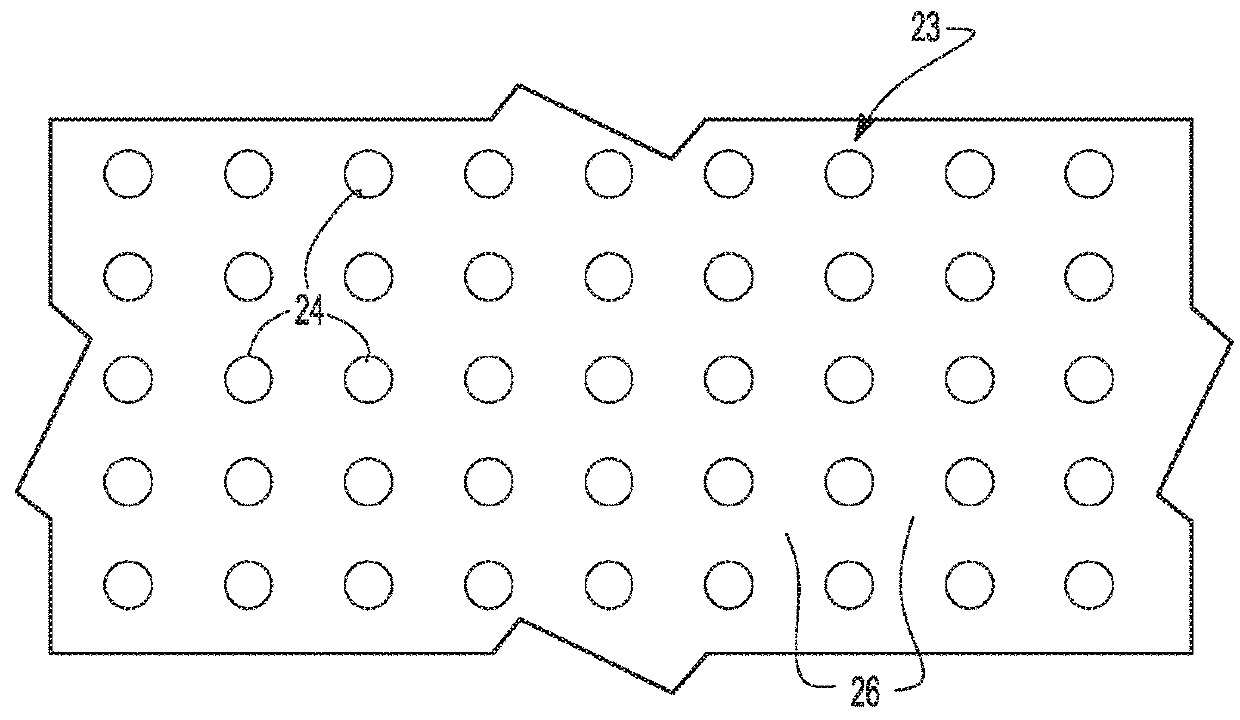
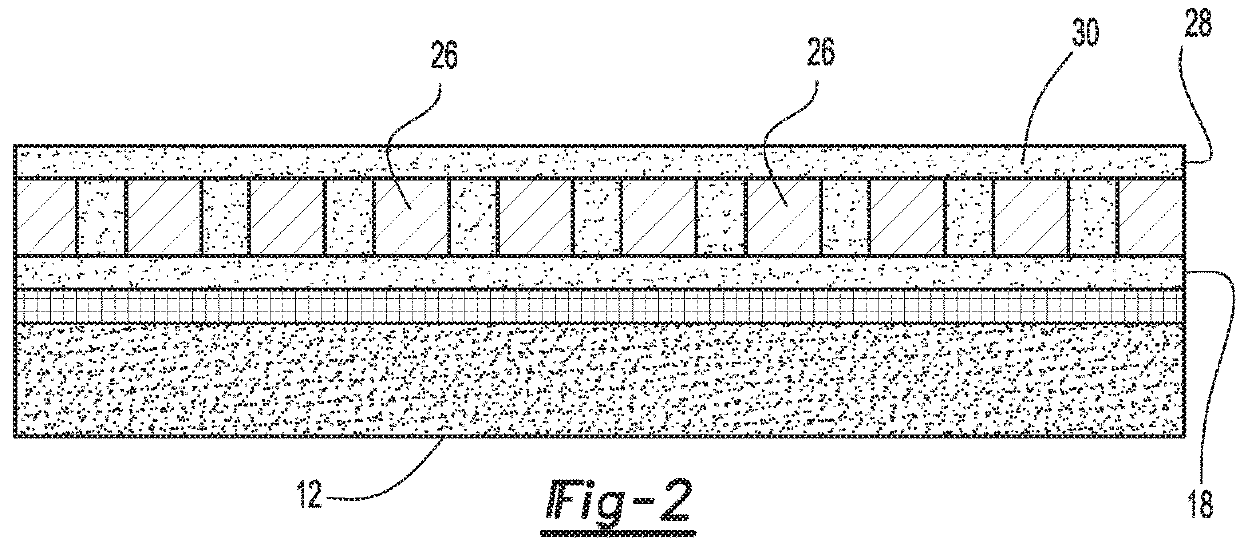
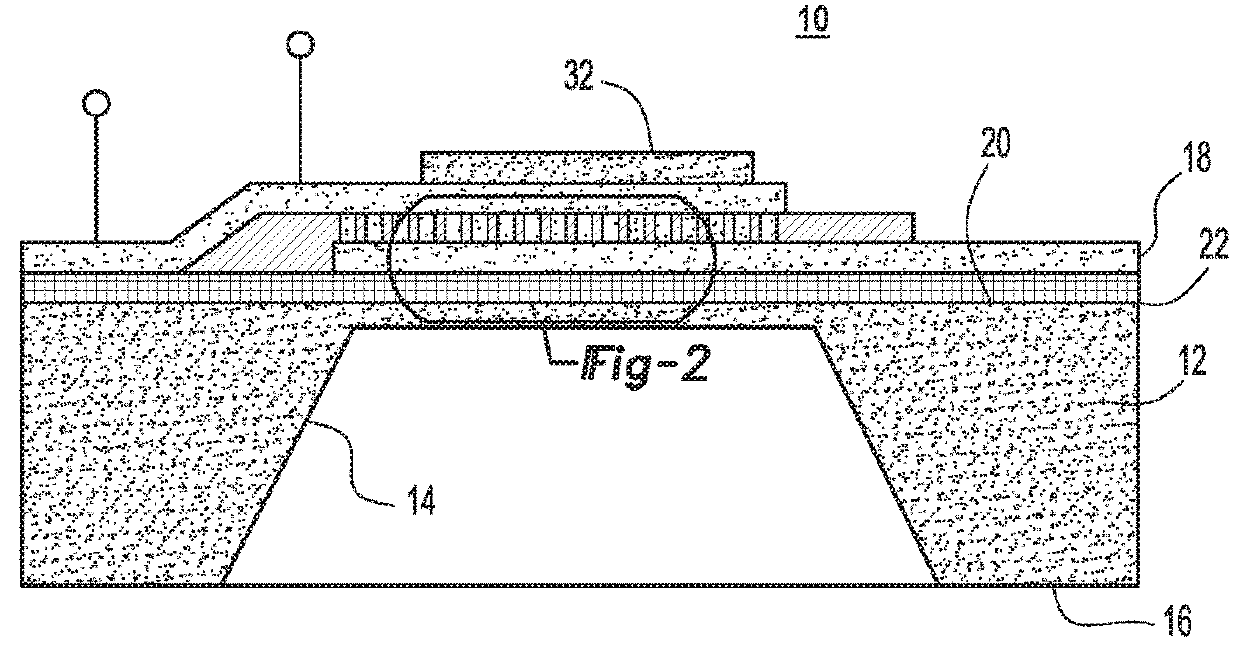
- A pyroelectric device with nanometer-sized, single-domain pyroelectric elements isolated by a dielectric matrix, where the orientation of each domain is controlled to maximize polarization, and the dielectric matrix is chosen to tune strain, such as using BST nanorods with a SiO2 dielectric matrix on a sapphire substrate to mitigate tensile strain.

Pyroelectric material, and pyroelectric type infrared sensor using the same
PatentActiveJP2013035704A
Innovation
- A pyroelectric material with a high Curie point Tc and optimized specific resistance is developed, using the composition (Pb(1-x)Ca(x)(1-a)(Ti(1-y)(Mn1/3Sb2/3)O3), which is processed to form a pyroelectric infrared sensor with improved noise resistance and detection sensitivity, incorporating a shield case for electromagnetic protection.


Standardization Framework for Pyroelectric Benchmarking
The establishment of a comprehensive standardization framework for pyroelectric benchmarking represents a critical infrastructure requirement for advancing flexible electronics integration. Current evaluation methodologies lack uniformity across research institutions and industrial laboratories, creating significant barriers to meaningful performance comparisons and technology transfer. The absence of standardized protocols has resulted in fragmented data sets that cannot be effectively correlated or validated across different research groups.
International standardization bodies, including IEEE and IEC, have initiated preliminary discussions regarding pyroelectric material characterization standards, though specific frameworks for flexible substrate applications remain underdeveloped. The complexity arises from the need to accommodate diverse substrate materials, varying mechanical stress conditions, and temperature cycling protocols that reflect real-world flexible electronics operating environments.
A robust standardization framework must encompass multiple measurement parameters including pyroelectric coefficient determination under mechanical deformation, temperature response linearity assessment, and long-term stability evaluation protocols. The framework should define standardized sample preparation procedures, electrode configuration specifications, and environmental testing conditions that accurately simulate flexible electronics deployment scenarios.
Measurement equipment calibration standards represent another critical component, requiring traceable reference materials and certified measurement procedures. The framework must address inter-laboratory reproducibility challenges by establishing clear guidelines for instrumentation specifications, data acquisition protocols, and statistical analysis methodologies. This includes defining acceptable measurement uncertainties and establishing round-robin testing procedures for validation.
The proposed framework should incorporate both static and dynamic characterization protocols, addressing the unique requirements of flexible electronics applications where materials experience continuous mechanical stress and thermal cycling. Integration with existing materials testing standards while accommodating the specific needs of pyroelectric characterization ensures compatibility with broader materials science evaluation frameworks.
Implementation strategies must consider the diverse stakeholder ecosystem, including academic researchers, materials suppliers, device manufacturers, and end-users. The framework should provide scalable testing protocols that accommodate both research-grade precision measurements and industrial quality control requirements, ensuring broad adoption across the flexible electronics value chain.
International standardization bodies, including IEEE and IEC, have initiated preliminary discussions regarding pyroelectric material characterization standards, though specific frameworks for flexible substrate applications remain underdeveloped. The complexity arises from the need to accommodate diverse substrate materials, varying mechanical stress conditions, and temperature cycling protocols that reflect real-world flexible electronics operating environments.
A robust standardization framework must encompass multiple measurement parameters including pyroelectric coefficient determination under mechanical deformation, temperature response linearity assessment, and long-term stability evaluation protocols. The framework should define standardized sample preparation procedures, electrode configuration specifications, and environmental testing conditions that accurately simulate flexible electronics deployment scenarios.
Measurement equipment calibration standards represent another critical component, requiring traceable reference materials and certified measurement procedures. The framework must address inter-laboratory reproducibility challenges by establishing clear guidelines for instrumentation specifications, data acquisition protocols, and statistical analysis methodologies. This includes defining acceptable measurement uncertainties and establishing round-robin testing procedures for validation.
The proposed framework should incorporate both static and dynamic characterization protocols, addressing the unique requirements of flexible electronics applications where materials experience continuous mechanical stress and thermal cycling. Integration with existing materials testing standards while accommodating the specific needs of pyroelectric characterization ensures compatibility with broader materials science evaluation frameworks.
Implementation strategies must consider the diverse stakeholder ecosystem, including academic researchers, materials suppliers, device manufacturers, and end-users. The framework should provide scalable testing protocols that accommodate both research-grade precision measurements and industrial quality control requirements, ensuring broad adoption across the flexible electronics value chain.
Environmental Impact of Flexible Pyroelectric Manufacturing
The manufacturing of flexible pyroelectric devices presents significant environmental challenges that require comprehensive assessment across the entire production lifecycle. Traditional pyroelectric materials such as lead zirconate titanate (PZT) contain toxic heavy metals that pose substantial risks to both human health and environmental systems. The fabrication processes typically involve high-temperature sintering, chemical vapor deposition, and solvent-based processing techniques that generate hazardous waste streams and consume considerable energy resources.
Material extraction and processing represent the most environmentally intensive phases of flexible pyroelectric manufacturing. The mining of rare earth elements and heavy metals required for high-performance pyroelectric ceramics results in significant ecological disruption, soil contamination, and water pollution. Lead-based compounds, while offering superior pyroelectric coefficients, create persistent environmental hazards throughout their lifecycle, from raw material processing to end-of-life disposal.
Manufacturing processes contribute substantially to carbon emissions and resource depletion. High-temperature processing requirements for ceramic pyroelectric materials typically demand temperatures exceeding 1000°C, resulting in significant energy consumption and associated greenhouse gas emissions. Thin-film deposition techniques, essential for flexible substrate integration, often utilize toxic precursor chemicals and generate volatile organic compounds that require specialized treatment systems.
Substrate preparation and device integration introduce additional environmental concerns. Flexible polymer substrates, while enabling mechanical flexibility, are predominantly petroleum-based and contribute to plastic waste accumulation. The multi-layer processing required for device integration involves repeated exposure to organic solvents, acids, and other chemicals that generate complex waste streams requiring specialized treatment and disposal protocols.
Emerging sustainable alternatives are gaining attention within the industry. Lead-free pyroelectric materials, including bismuth-based ceramics and organic polymers, offer reduced toxicity profiles while maintaining acceptable performance characteristics. Bio-based flexible substrates derived from cellulose and other renewable resources present opportunities for reducing petroleum dependence and improving end-of-life biodegradability.
Waste management and recycling present ongoing challenges due to the complex material compositions and potential contamination from toxic elements. Current recycling infrastructure is inadequately equipped to handle the specialized material combinations found in flexible pyroelectric devices, leading to predominantly landfill-based disposal methods that perpetuate environmental contamination risks.
Material extraction and processing represent the most environmentally intensive phases of flexible pyroelectric manufacturing. The mining of rare earth elements and heavy metals required for high-performance pyroelectric ceramics results in significant ecological disruption, soil contamination, and water pollution. Lead-based compounds, while offering superior pyroelectric coefficients, create persistent environmental hazards throughout their lifecycle, from raw material processing to end-of-life disposal.
Manufacturing processes contribute substantially to carbon emissions and resource depletion. High-temperature processing requirements for ceramic pyroelectric materials typically demand temperatures exceeding 1000°C, resulting in significant energy consumption and associated greenhouse gas emissions. Thin-film deposition techniques, essential for flexible substrate integration, often utilize toxic precursor chemicals and generate volatile organic compounds that require specialized treatment systems.
Substrate preparation and device integration introduce additional environmental concerns. Flexible polymer substrates, while enabling mechanical flexibility, are predominantly petroleum-based and contribute to plastic waste accumulation. The multi-layer processing required for device integration involves repeated exposure to organic solvents, acids, and other chemicals that generate complex waste streams requiring specialized treatment and disposal protocols.
Emerging sustainable alternatives are gaining attention within the industry. Lead-free pyroelectric materials, including bismuth-based ceramics and organic polymers, offer reduced toxicity profiles while maintaining acceptable performance characteristics. Bio-based flexible substrates derived from cellulose and other renewable resources present opportunities for reducing petroleum dependence and improving end-of-life biodegradability.
Waste management and recycling present ongoing challenges due to the complex material compositions and potential contamination from toxic elements. Current recycling infrastructure is inadequately equipped to handle the specialized material combinations found in flexible pyroelectric devices, leading to predominantly landfill-based disposal methods that perpetuate environmental contamination risks.
Unlock deeper insights with PatSnap Eureka Quick Research — get a full tech report to explore trends and direct your research. Try now!
Generate Your Research Report Instantly with AI Agent
Supercharge your innovation with PatSnap Eureka AI Agent Platform!