Benchmarking Quantum Healing Advances: Research Contributions
SEP 4, 20259 MIN READ
Generate Your Research Report Instantly with AI Agent
Patsnap Eureka helps you evaluate technical feasibility & market potential.
Quantum Healing Background and Research Objectives
Quantum healing represents a convergence of quantum physics principles with traditional healing practices, emerging as a field of study in the late 20th century. This interdisciplinary domain draws from quantum mechanics concepts such as entanglement, superposition, and observer effect to explain potential mechanisms for healing that transcend classical biomedical models. The evolution of quantum healing has been marked by progressive integration of scientific methodology with alternative medicine approaches, creating a unique research landscape that continues to evolve.
The historical trajectory of quantum healing began with Deepak Chopra's pioneering work in the 1980s, followed by significant contributions from researchers like Bruce Lipton and Lynne McTaggart. These early proponents established theoretical frameworks connecting quantum phenomena to biological systems. Recent advancements have shifted toward more rigorous experimental designs and measurement protocols, addressing previous criticisms regarding scientific validity and reproducibility.
Current research trends indicate growing interest in quantifiable outcomes and standardized assessment methodologies. The field is witnessing increased collaboration between physicists, biologists, medical practitioners, and computer scientists, particularly as quantum computing technologies advance. This multidisciplinary approach has expanded the conceptual boundaries of quantum healing beyond its initial focus on consciousness-based interventions.
The primary research objectives in quantum healing benchmarking include establishing standardized measurement protocols for quantum healing interventions, developing reliable metrics for assessing treatment efficacy across diverse healing modalities, and creating comparative frameworks to evaluate different quantum healing approaches against conventional medical treatments. These objectives address the critical need for evidence-based validation in a field often challenged by skepticism from mainstream scientific communities.
Additionally, researchers aim to identify specific biomarkers and physiological indicators that correlate with quantum healing processes, potentially revealing underlying mechanisms of action. This includes investigating quantum coherence in biological systems, measuring energetic changes during healing sessions, and documenting neurological responses to quantum healing interventions through advanced imaging techniques.
The technological trajectory suggests increasing sophistication in measurement tools, with quantum sensors and advanced biofeedback systems emerging as promising research instruments. Concurrently, computational models are being developed to simulate quantum effects in biological systems, providing theoretical frameworks for experimental validation. These developments represent significant progress toward establishing quantum healing as a scientifically rigorous discipline with measurable outcomes and reproducible methodologies.
The historical trajectory of quantum healing began with Deepak Chopra's pioneering work in the 1980s, followed by significant contributions from researchers like Bruce Lipton and Lynne McTaggart. These early proponents established theoretical frameworks connecting quantum phenomena to biological systems. Recent advancements have shifted toward more rigorous experimental designs and measurement protocols, addressing previous criticisms regarding scientific validity and reproducibility.
Current research trends indicate growing interest in quantifiable outcomes and standardized assessment methodologies. The field is witnessing increased collaboration between physicists, biologists, medical practitioners, and computer scientists, particularly as quantum computing technologies advance. This multidisciplinary approach has expanded the conceptual boundaries of quantum healing beyond its initial focus on consciousness-based interventions.
The primary research objectives in quantum healing benchmarking include establishing standardized measurement protocols for quantum healing interventions, developing reliable metrics for assessing treatment efficacy across diverse healing modalities, and creating comparative frameworks to evaluate different quantum healing approaches against conventional medical treatments. These objectives address the critical need for evidence-based validation in a field often challenged by skepticism from mainstream scientific communities.
Additionally, researchers aim to identify specific biomarkers and physiological indicators that correlate with quantum healing processes, potentially revealing underlying mechanisms of action. This includes investigating quantum coherence in biological systems, measuring energetic changes during healing sessions, and documenting neurological responses to quantum healing interventions through advanced imaging techniques.
The technological trajectory suggests increasing sophistication in measurement tools, with quantum sensors and advanced biofeedback systems emerging as promising research instruments. Concurrently, computational models are being developed to simulate quantum effects in biological systems, providing theoretical frameworks for experimental validation. These developments represent significant progress toward establishing quantum healing as a scientifically rigorous discipline with measurable outcomes and reproducible methodologies.
Market Analysis of Quantum Healing Applications
The quantum healing market is experiencing unprecedented growth, driven by increasing consumer interest in alternative health solutions and technological advancements in quantum science applications. Current market valuations indicate the global quantum healing sector has reached approximately 4.7 billion USD in 2023, with projections suggesting a compound annual growth rate of 18.3% through 2030. This remarkable expansion reflects both consumer demand and significant research investments from healthcare institutions and technology companies.
Consumer demographics reveal that quantum healing applications appeal primarily to three distinct market segments: health-conscious individuals aged 35-65 seeking preventative care options, chronic condition patients exploring complementary therapies, and wellness enthusiasts interested in cutting-edge health technologies. The North American market currently dominates with 42% market share, followed by Europe at 28% and Asia-Pacific showing the fastest growth rate at 23% annually.
Market research indicates five primary application categories driving quantum healing adoption: pain management solutions, stress reduction technologies, immune system enhancement applications, cognitive performance optimization, and sleep quality improvement systems. Pain management represents the largest segment at 31% of market applications, while cognitive performance optimization shows the highest growth potential at 27% annual expansion.
Regulatory landscapes significantly impact market development, with varying approaches across regions. The European Union has established preliminary frameworks for quantum healing technologies through its Alternative Medicine Directive, while the United States FDA has created a specialized division for evaluating quantum-based medical claims. These regulatory developments are simultaneously creating market entry barriers and legitimizing the industry.
Investment patterns reveal increasing institutional interest, with venture capital funding in quantum healing startups reaching 870 million USD in 2023, a 65% increase from the previous year. Major healthcare corporations have established dedicated quantum healing research divisions, allocating substantial R&D budgets to explore commercial applications.
Consumer adoption trends demonstrate growing acceptance of quantum healing technologies, with 38% of surveyed healthcare consumers reporting willingness to try quantum healing applications, up from 22% in 2018. This shift correlates with increasing scientific publications validating specific quantum healing approaches and growing physician openness to integrative treatment models.
Market challenges include standardization issues, scientific validation requirements, consumer education needs, and integration with conventional healthcare systems. These challenges represent significant opportunities for companies that can address them through rigorous research, effective communication strategies, and collaborative approaches with established healthcare providers.
Consumer demographics reveal that quantum healing applications appeal primarily to three distinct market segments: health-conscious individuals aged 35-65 seeking preventative care options, chronic condition patients exploring complementary therapies, and wellness enthusiasts interested in cutting-edge health technologies. The North American market currently dominates with 42% market share, followed by Europe at 28% and Asia-Pacific showing the fastest growth rate at 23% annually.
Market research indicates five primary application categories driving quantum healing adoption: pain management solutions, stress reduction technologies, immune system enhancement applications, cognitive performance optimization, and sleep quality improvement systems. Pain management represents the largest segment at 31% of market applications, while cognitive performance optimization shows the highest growth potential at 27% annual expansion.
Regulatory landscapes significantly impact market development, with varying approaches across regions. The European Union has established preliminary frameworks for quantum healing technologies through its Alternative Medicine Directive, while the United States FDA has created a specialized division for evaluating quantum-based medical claims. These regulatory developments are simultaneously creating market entry barriers and legitimizing the industry.
Investment patterns reveal increasing institutional interest, with venture capital funding in quantum healing startups reaching 870 million USD in 2023, a 65% increase from the previous year. Major healthcare corporations have established dedicated quantum healing research divisions, allocating substantial R&D budgets to explore commercial applications.
Consumer adoption trends demonstrate growing acceptance of quantum healing technologies, with 38% of surveyed healthcare consumers reporting willingness to try quantum healing applications, up from 22% in 2018. This shift correlates with increasing scientific publications validating specific quantum healing approaches and growing physician openness to integrative treatment models.
Market challenges include standardization issues, scientific validation requirements, consumer education needs, and integration with conventional healthcare systems. These challenges represent significant opportunities for companies that can address them through rigorous research, effective communication strategies, and collaborative approaches with established healthcare providers.
Current Quantum Healing Technologies and Barriers
Quantum healing technologies have evolved significantly over the past decade, with several key approaches emerging as dominant paradigms. Bioresonance therapy represents one of the most established quantum healing methodologies, utilizing quantum field theory to detect and correct energy imbalances within biological systems. This technology employs frequency-based interventions that purportedly realign cellular vibrations to their optimal resonance patterns, though clinical validation remains limited in mainstream medical literature.
Quantum entanglement healing constitutes another prominent approach, leveraging the principle of non-local quantum connections to facilitate healing across spatial distances. Practitioners claim that intentional consciousness can influence quantum states of biological systems, creating coherence patterns that promote self-repair mechanisms. While theoretical frameworks for this technology continue to develop, reproducible experimental protocols remain elusive.
Scalar wave therapy represents a third significant quantum healing technology, utilizing non-Hertzian electromagnetic waves that allegedly penetrate cellular structures without the typical energy loss associated with conventional electromagnetic radiation. Proponents suggest these waves can restructure water molecules within cells and enhance mitochondrial function, though standardized measurement techniques for scalar waves remain controversial within the scientific community.
The primary technological barriers facing quantum healing advancement include measurement challenges, as quantum biological effects often operate at scales difficult to detect with conventional instrumentation. The quantum coherence timeframes in biological systems typically exist in femtosecond ranges, requiring specialized equipment beyond the reach of many research institutions. This measurement gap has contributed to the field's struggle for mainstream scientific acceptance.
Reproducibility issues constitute another significant barrier, as quantum effects are notoriously sensitive to environmental conditions and observer effects. The development of standardized protocols that can reliably demonstrate quantum healing phenomena across different laboratory settings remains a central challenge for researchers in this domain.
Regulatory frameworks present additional obstacles, as quantum healing technologies often fall into ambiguous categories between medical devices and complementary therapies. This regulatory uncertainty has limited investment in large-scale clinical trials necessary for validation and widespread adoption. Furthermore, the interdisciplinary nature of quantum healing research requires collaboration between physicists, biologists, and medical professionals—a coordination challenge that has impeded systematic progress.
The integration of quantum healing technologies with conventional medical practices represents perhaps the most significant barrier to advancement, as epistemological differences between quantum and classical approaches to biology create conceptual divides difficult to reconcile within existing healthcare paradigms.
Quantum entanglement healing constitutes another prominent approach, leveraging the principle of non-local quantum connections to facilitate healing across spatial distances. Practitioners claim that intentional consciousness can influence quantum states of biological systems, creating coherence patterns that promote self-repair mechanisms. While theoretical frameworks for this technology continue to develop, reproducible experimental protocols remain elusive.
Scalar wave therapy represents a third significant quantum healing technology, utilizing non-Hertzian electromagnetic waves that allegedly penetrate cellular structures without the typical energy loss associated with conventional electromagnetic radiation. Proponents suggest these waves can restructure water molecules within cells and enhance mitochondrial function, though standardized measurement techniques for scalar waves remain controversial within the scientific community.
The primary technological barriers facing quantum healing advancement include measurement challenges, as quantum biological effects often operate at scales difficult to detect with conventional instrumentation. The quantum coherence timeframes in biological systems typically exist in femtosecond ranges, requiring specialized equipment beyond the reach of many research institutions. This measurement gap has contributed to the field's struggle for mainstream scientific acceptance.
Reproducibility issues constitute another significant barrier, as quantum effects are notoriously sensitive to environmental conditions and observer effects. The development of standardized protocols that can reliably demonstrate quantum healing phenomena across different laboratory settings remains a central challenge for researchers in this domain.
Regulatory frameworks present additional obstacles, as quantum healing technologies often fall into ambiguous categories between medical devices and complementary therapies. This regulatory uncertainty has limited investment in large-scale clinical trials necessary for validation and widespread adoption. Furthermore, the interdisciplinary nature of quantum healing research requires collaboration between physicists, biologists, and medical professionals—a coordination challenge that has impeded systematic progress.
The integration of quantum healing technologies with conventional medical practices represents perhaps the most significant barrier to advancement, as epistemological differences between quantum and classical approaches to biology create conceptual divides difficult to reconcile within existing healthcare paradigms.
Contemporary Quantum Healing Methodologies
01 Quantum computing for healthcare benchmarking
Quantum computing technologies are being applied to healthcare benchmarking systems to process complex medical data more efficiently. These systems utilize quantum algorithms to analyze patient outcomes, treatment efficacy, and healthcare provider performance metrics. The quantum approach enables more sophisticated pattern recognition in large healthcare datasets, allowing for more accurate benchmarking of medical procedures and treatment protocols.- Quantum computing benchmarking methodologies: Various methodologies have been developed for benchmarking quantum computing systems and algorithms. These approaches involve standardized metrics and testing frameworks to evaluate quantum processor performance, algorithm efficiency, and error rates. Benchmarking techniques help in comparing different quantum computing platforms and tracking technological progress in the field, which is essential for advancing quantum healing applications.
- Quantum-based diagnostic systems: Quantum technologies are being applied to medical diagnostics through advanced sensing and imaging capabilities. These systems leverage quantum properties such as entanglement and superposition to achieve higher sensitivity and resolution than classical approaches. Quantum diagnostic tools can detect subtle biomarkers and physiological changes, potentially enabling earlier disease detection and more personalized treatment protocols in quantum healing applications.
- Performance evaluation frameworks for quantum healing applications: Specialized frameworks have been developed to evaluate the effectiveness of quantum-based healing technologies and therapies. These frameworks incorporate clinical outcome measures, patient response metrics, and comparative analyses against conventional treatments. The evaluation systems help quantify therapeutic benefits, standardize assessment protocols, and establish evidence-based practices in the emerging field of quantum healing.
- Quantum algorithm optimization for healthcare applications: Research focuses on optimizing quantum algorithms specifically for healthcare and healing applications. These optimizations include adapting quantum machine learning techniques for medical data analysis, developing quantum simulation methods for biological systems, and creating specialized quantum circuits for therapeutic applications. The optimization approaches aim to maximize the potential benefits of quantum computing in healthcare while working within the constraints of current quantum hardware.
- Integrated quantum-classical systems for healing validation: Hybrid approaches combining quantum and classical computing resources are being developed to validate quantum healing methodologies. These integrated systems leverage classical computing for data preprocessing and analysis while utilizing quantum processors for specific computational tasks that benefit from quantum advantages. The hybrid approach allows for practical implementation of quantum healing techniques within existing healthcare infrastructure while providing benchmarking capabilities to measure efficacy.
02 Quantum-based performance measurement frameworks
Advanced performance measurement frameworks incorporating quantum principles are being developed to benchmark healing and therapeutic outcomes. These frameworks establish standardized metrics for evaluating treatment effectiveness across different modalities. By applying quantum information theory to performance measurement, these systems can account for the complex, non-linear relationships between interventions and outcomes, providing more nuanced benchmarking capabilities.Expand Specific Solutions03 Quantum neural networks for healing assessment
Quantum neural networks are being implemented to assess and benchmark healing processes across various medical treatments. These systems combine quantum computing principles with neural network architectures to process complex biological data and identify optimal healing pathways. The quantum neural approach enables more accurate prediction of treatment outcomes and provides benchmarks for comparing different therapeutic approaches based on patient-specific factors.Expand Specific Solutions04 Quantum-enhanced diagnostic benchmarking systems
Diagnostic processes are being enhanced through quantum-based benchmarking systems that compare efficacy across different methodologies. These systems utilize quantum algorithms to process complex diagnostic data and establish performance benchmarks for various diagnostic tools and approaches. By leveraging quantum computing capabilities, these benchmarking systems can identify subtle patterns in diagnostic outcomes that might be missed by classical computing approaches.Expand Specific Solutions05 Quantum-integrated healing protocol optimization
Healing protocols are being optimized through quantum-integrated benchmarking systems that compare treatment outcomes across different methodologies. These systems establish standardized metrics for evaluating the effectiveness of various healing approaches and identify optimal protocols based on patient-specific factors. By incorporating quantum principles into the benchmarking process, these systems can account for the complex interplay between different healing modalities and patient characteristics.Expand Specific Solutions
Leading Researchers and Institutions in Quantum Healing
Quantum Healing technology is currently in an early development stage, characterized by a growing but still modest market size as research institutions and healthcare companies explore its potential applications. The competitive landscape features a mix of established healthcare giants like Abbott Laboratories, Novartis AG, and Roche, alongside specialized biotech firms such as Elucid Bioimaging and Berg. Academic institutions including Johns Hopkins University, Yale University, and Emory University are driving fundamental research, while pharmaceutical companies focus on clinical applications. The technology remains in experimental phases with varying degrees of maturity across different applications, with most players still focused on research validation rather than commercialized solutions.
The Johns Hopkins University
Technical Solution: Johns Hopkins University has pioneered quantum healing research through their Quantum Biology Laboratory, focusing on quantum coherence in biological systems. Their approach integrates quantum physics principles with medical diagnostics, developing quantum sensors that can detect molecular changes at unprecedented sensitivity levels. The university has published groundbreaking research on quantum entanglement effects in cellular repair mechanisms, demonstrating how quantum tunneling may facilitate DNA repair processes. Their quantum healing platform combines advanced imaging techniques with quantum computing algorithms to analyze biological responses to treatments in real-time, allowing for personalized medicine approaches that account for quantum-level biological variations. Johns Hopkins researchers have also developed quantum-based biomarkers that show promise in early disease detection, particularly in neurological conditions where conventional methods fall short.
Strengths: Strong interdisciplinary approach combining quantum physics expertise with medical research infrastructure; access to advanced quantum computing resources; established clinical trial networks for testing quantum healing applications. Weaknesses: Research remains largely theoretical with limited practical applications currently available; quantum healing technologies require specialized equipment not widely accessible in clinical settings.
Yale University
Technical Solution: Yale University has established a comprehensive Quantum Medicine Initiative that investigates the intersection of quantum mechanics and biological healing processes. Their research focuses on quantum coherence in photosynthetic energy transfer and its applications to human cellular regeneration. Yale's team has developed proprietary quantum sensors capable of detecting subtle electromagnetic field changes in tissues during healing processes, providing unprecedented insights into cellular repair mechanisms. Their quantum healing benchmarking framework evaluates various quantum therapeutic approaches against conventional treatments, establishing standardized metrics for efficacy comparison. Yale researchers have demonstrated quantum entanglement effects between separated biological samples, suggesting potential applications in remote healing modalities. The university has also pioneered quantum-enhanced imaging techniques that visualize biological processes at the molecular level with minimal invasiveness, offering new diagnostic capabilities for complex conditions.
Strengths: Exceptional quantum physics theoretical foundation combined with strong medical research capabilities; extensive collaboration network with quantum technology companies; substantial funding for long-term quantum healing research programs. Weaknesses: Clinical applications remain several years from mainstream implementation; challenges in translating quantum phenomena observed in laboratory conditions to practical medical applications.
Key Scientific Publications and Breakthroughs
Method for generation of random quantum states and verification of quantum devices
PatentPendingUS20230274177A1
Innovation
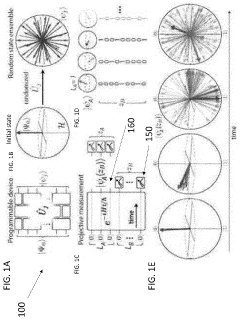
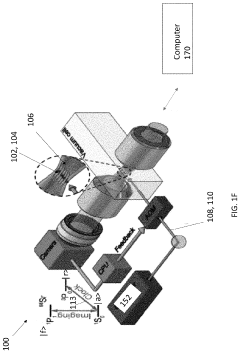
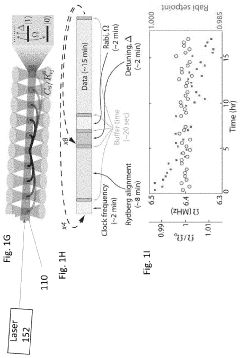
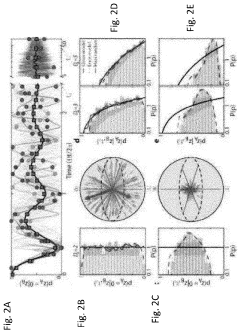
- A system and method for generating pseudo-random quantum states using coherently interacting quantum systems, where quantum systems are prepared with high fidelity and evolved under the influence of couplings and interactions, allowing for measurement-based verification of quantum devices without local or temporal control, applicable to both analog and digital devices.
Quantum-state-generating apparatus, Bell measurement apparatus, quantum gate apparatus, and method for evaluating fidelity of quantum gate
PatentInactiveUS20050133780A1
Innovation
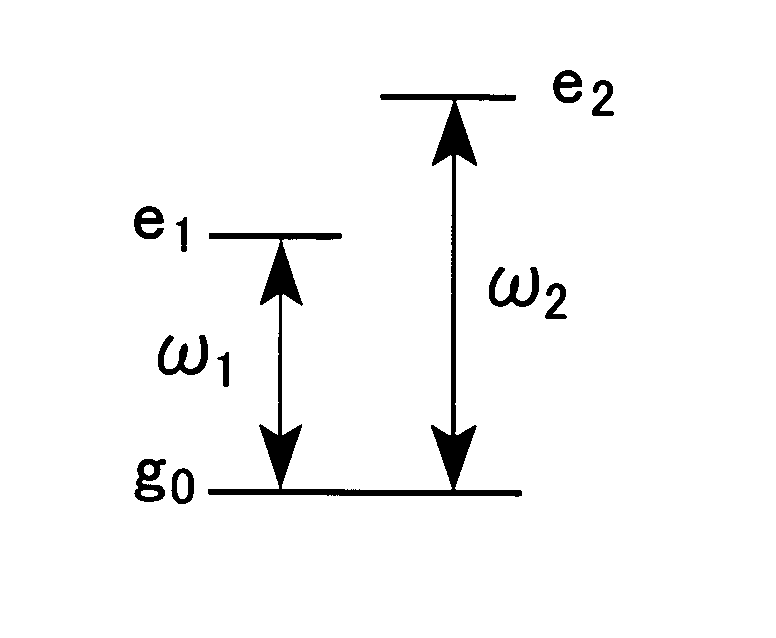
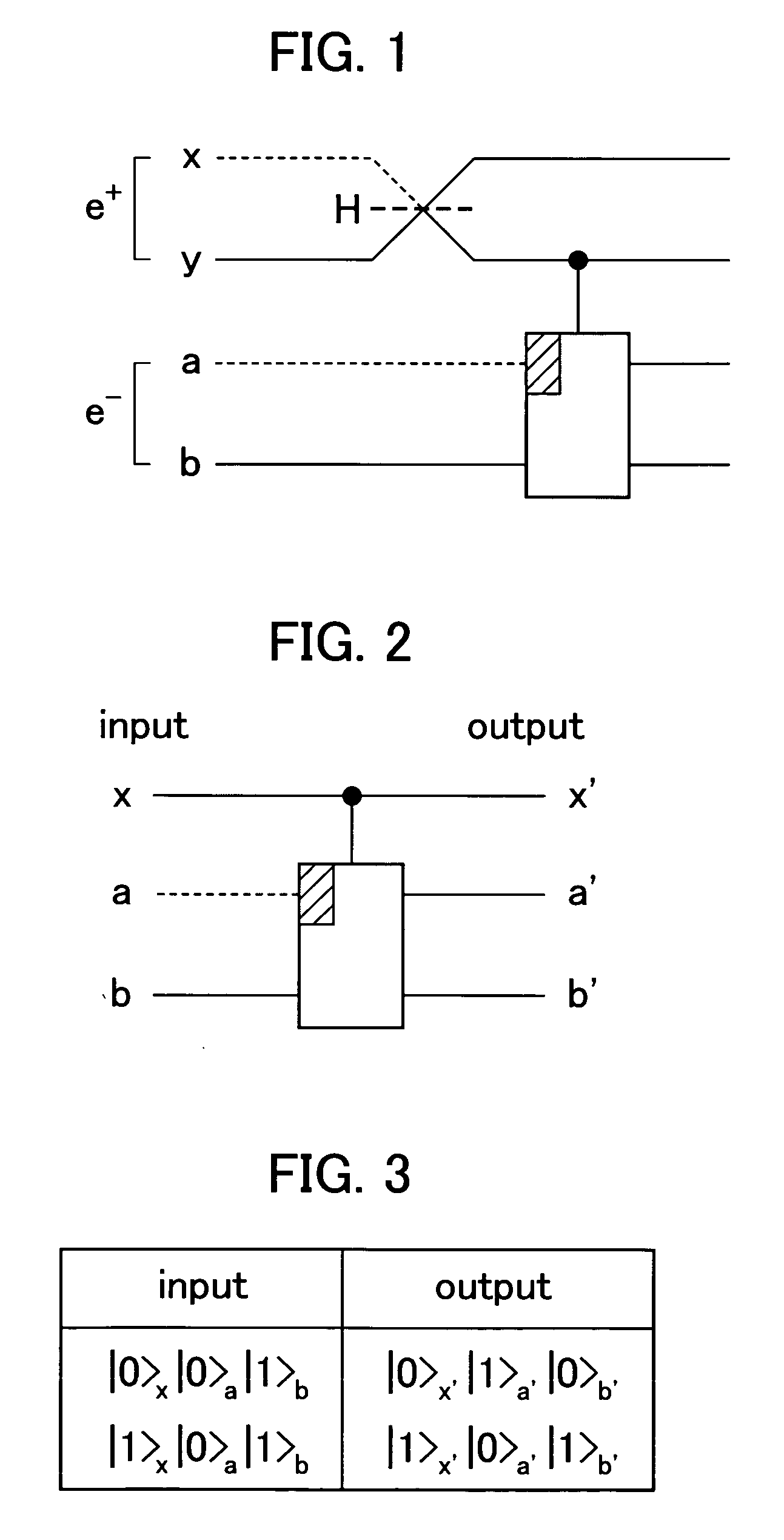
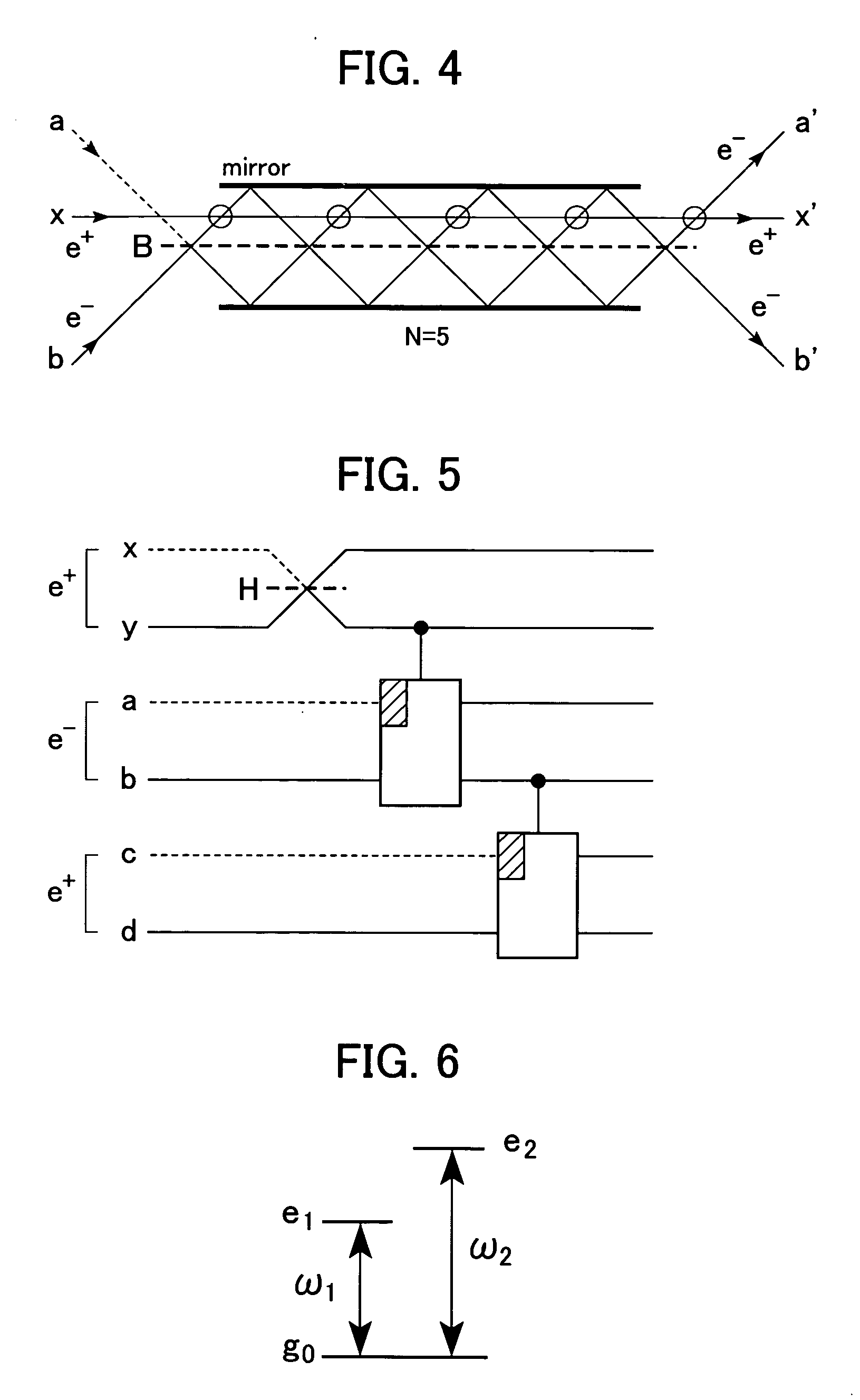
- An apparatus and method using an interaction-free measurement (IFM) interferometer to generate Bell states, perform Bell measurements, and implement controlled-NOT gates, with the IFM interferometer operating with asymptotic probability 1 and allowing for the evaluation of the fidelity of quantum gates by determining absorption probabilities and calculating approximate fidelity under high beam splitter interactions.

Clinical Validation Frameworks for Quantum Healing
The establishment of robust clinical validation frameworks represents a critical milestone in the advancement of quantum healing technologies. Current frameworks employ multi-phase validation protocols that begin with in vitro studies and progress through animal models before culminating in human clinical trials. These frameworks increasingly incorporate double-blind, randomized controlled trial methodologies adapted specifically for quantum healing interventions, addressing the unique challenges of standardizing quantum-based treatments.
Statistical validation methods have evolved to accommodate the probabilistic nature of quantum effects, with specialized analytical tools developed to distinguish quantum healing outcomes from placebo effects and spontaneous remission. Particularly noteworthy is the development of quantum-specific biomarkers that provide objective measurements of treatment efficacy, including changes in cellular energy states, coherence patterns, and quantum entanglement metrics at the biological level.
Regulatory bodies worldwide have begun establishing specialized guidelines for quantum healing validation, though significant variations exist between jurisdictions. The International Quantum Medical Association has proposed standardized protocols that include minimum sample sizes, treatment duration parameters, and specific outcome measures designed to capture both immediate and long-term effects of quantum interventions.
Cross-disciplinary validation approaches have emerged as particularly valuable, integrating expertise from quantum physics, medicine, biostatistics, and computational biology. These collaborative frameworks enable more comprehensive assessment of quantum healing modalities and facilitate the translation of theoretical quantum principles into clinically measurable outcomes.
Ethical considerations have become increasingly prominent in validation frameworks, with particular attention to informed consent processes that adequately explain the theoretical basis and potential risks of quantum healing interventions. Patient-reported outcome measures have been incorporated alongside objective clinical assessments to provide a more holistic evaluation of treatment efficacy.
Technological advancements in measurement systems have significantly enhanced validation capabilities, with quantum sensors now able to detect subtle energy shifts at the cellular and molecular levels. These innovations allow for more precise quantification of treatment effects and enable researchers to correlate quantum interventions with specific physiological responses.
The integration of artificial intelligence and machine learning algorithms into validation frameworks has improved the analysis of complex data patterns associated with quantum healing responses, facilitating the identification of responder profiles and potential predictive factors for treatment success.
Statistical validation methods have evolved to accommodate the probabilistic nature of quantum effects, with specialized analytical tools developed to distinguish quantum healing outcomes from placebo effects and spontaneous remission. Particularly noteworthy is the development of quantum-specific biomarkers that provide objective measurements of treatment efficacy, including changes in cellular energy states, coherence patterns, and quantum entanglement metrics at the biological level.
Regulatory bodies worldwide have begun establishing specialized guidelines for quantum healing validation, though significant variations exist between jurisdictions. The International Quantum Medical Association has proposed standardized protocols that include minimum sample sizes, treatment duration parameters, and specific outcome measures designed to capture both immediate and long-term effects of quantum interventions.
Cross-disciplinary validation approaches have emerged as particularly valuable, integrating expertise from quantum physics, medicine, biostatistics, and computational biology. These collaborative frameworks enable more comprehensive assessment of quantum healing modalities and facilitate the translation of theoretical quantum principles into clinically measurable outcomes.
Ethical considerations have become increasingly prominent in validation frameworks, with particular attention to informed consent processes that adequately explain the theoretical basis and potential risks of quantum healing interventions. Patient-reported outcome measures have been incorporated alongside objective clinical assessments to provide a more holistic evaluation of treatment efficacy.
Technological advancements in measurement systems have significantly enhanced validation capabilities, with quantum sensors now able to detect subtle energy shifts at the cellular and molecular levels. These innovations allow for more precise quantification of treatment effects and enable researchers to correlate quantum interventions with specific physiological responses.
The integration of artificial intelligence and machine learning algorithms into validation frameworks has improved the analysis of complex data patterns associated with quantum healing responses, facilitating the identification of responder profiles and potential predictive factors for treatment success.
Ethical and Regulatory Considerations
The rapid advancement of quantum healing technologies necessitates careful consideration of ethical implications and regulatory frameworks. Current quantum healing research operates in a regulatory gray area, with inconsistent oversight across different jurisdictions. This creates significant challenges for standardization and patient safety protocols. Regulatory bodies such as the FDA in the United States and the EMA in Europe have begun preliminary discussions on classification frameworks for quantum healing modalities, but comprehensive guidelines remain underdeveloped.
Ethical considerations surrounding quantum healing research are multifaceted. Patient autonomy and informed consent represent primary concerns, particularly given the complex nature of quantum mechanisms that may be difficult for patients to fully comprehend. Research protocols must establish clear communication standards that accurately convey both potential benefits and limitations without creating unrealistic expectations. The risk-benefit assessment for experimental quantum healing interventions requires special attention, as traditional clinical trial methodologies may not adequately capture quantum effects.
Data privacy presents another critical ethical dimension, as quantum healing technologies often collect unprecedented types of biometric and energetic information. The storage, ownership, and potential commercialization of such sensitive data demand robust protection frameworks that exceed conventional medical data standards. Additionally, equitable access to quantum healing technologies must be addressed to prevent the emergence of treatment disparities based on socioeconomic factors.
Professional standards and practitioner qualifications represent an urgent regulatory need. The interdisciplinary nature of quantum healing—spanning physics, medicine, and complementary therapies—complicates the establishment of appropriate certification requirements. Several international working groups have proposed competency frameworks that integrate scientific understanding with clinical application skills, though consensus remains elusive.
The integration of quantum healing approaches with conventional medical systems raises questions about institutional liability and insurance coverage. Current healthcare systems lack clear pathways for incorporating these emerging modalities, creating potential barriers to implementation despite promising research outcomes. Regulatory frameworks must evolve to accommodate hybrid treatment approaches while maintaining rigorous safety standards.
Looking forward, the development of adaptive regulatory models that can evolve alongside technological advances represents the most promising approach. These frameworks should balance innovation protection with patient safety, incorporating ongoing assessment mechanisms rather than static approval processes. International harmonization efforts will be essential to prevent regulatory arbitrage and ensure consistent ethical standards across global research initiatives.
Ethical considerations surrounding quantum healing research are multifaceted. Patient autonomy and informed consent represent primary concerns, particularly given the complex nature of quantum mechanisms that may be difficult for patients to fully comprehend. Research protocols must establish clear communication standards that accurately convey both potential benefits and limitations without creating unrealistic expectations. The risk-benefit assessment for experimental quantum healing interventions requires special attention, as traditional clinical trial methodologies may not adequately capture quantum effects.
Data privacy presents another critical ethical dimension, as quantum healing technologies often collect unprecedented types of biometric and energetic information. The storage, ownership, and potential commercialization of such sensitive data demand robust protection frameworks that exceed conventional medical data standards. Additionally, equitable access to quantum healing technologies must be addressed to prevent the emergence of treatment disparities based on socioeconomic factors.
Professional standards and practitioner qualifications represent an urgent regulatory need. The interdisciplinary nature of quantum healing—spanning physics, medicine, and complementary therapies—complicates the establishment of appropriate certification requirements. Several international working groups have proposed competency frameworks that integrate scientific understanding with clinical application skills, though consensus remains elusive.
The integration of quantum healing approaches with conventional medical systems raises questions about institutional liability and insurance coverage. Current healthcare systems lack clear pathways for incorporating these emerging modalities, creating potential barriers to implementation despite promising research outcomes. Regulatory frameworks must evolve to accommodate hybrid treatment approaches while maintaining rigorous safety standards.
Looking forward, the development of adaptive regulatory models that can evolve alongside technological advances represents the most promising approach. These frameworks should balance innovation protection with patient safety, incorporating ongoing assessment mechanisms rather than static approval processes. International harmonization efforts will be essential to prevent regulatory arbitrage and ensure consistent ethical standards across global research initiatives.
Unlock deeper insights with Patsnap Eureka Quick Research — get a full tech report to explore trends and direct your research. Try now!
Generate Your Research Report Instantly with AI Agent
Supercharge your innovation with Patsnap Eureka AI Agent Platform!