

BMS vs KNX Protocol: Data Throughput in Smart Building Networks
AUG 11, 20269 MIN READ
Generate Your Research Report Instantly with AI Agent
Patsnap Eureka helps you evaluate technical feasibility & market potential.
BMS and KNX Protocol Background and Objectives
Building Management Systems (BMS) and KNX protocol represent two distinct approaches to smart building automation, each with unique historical trajectories and technological foundations. BMS emerged in the 1980s as centralized control systems designed to manage large-scale commercial buildings, integrating HVAC, lighting, security, and energy management through proprietary architectures. These systems typically employ IP-based networks with protocols like BACnet, Modbus, or LonWorks, prioritizing comprehensive data collection and centralized processing capabilities.
KNX protocol, standardized in 1999 through the merger of three European home automation standards, represents a decentralized approach specifically engineered for building automation. As an ISO/IEC 14543 standard, KNX emphasizes interoperability and distributed intelligence, enabling devices from different manufacturers to communicate seamlessly. The protocol operates across multiple physical media including twisted pair, powerline, RF, and IP, demonstrating remarkable flexibility in deployment scenarios.
The fundamental technological objective driving current research centers on optimizing data throughput performance in increasingly complex smart building networks. Modern intelligent buildings generate exponential volumes of sensor data, control commands, and status updates, creating unprecedented demands on communication infrastructure. BMS architectures must handle high-bandwidth requirements for video surveillance, advanced analytics, and cloud integration, while maintaining real-time responsiveness for critical building functions.
KNX networks face distinct challenges related to their telegram-based communication structure, where data throughput is constrained by bus arbitration mechanisms and message prioritization schemes. The protocol's original design parameters, optimized for residential and light commercial applications, now encounter scalability limitations in large-scale deployments with thousands of data points requiring millisecond-level response times.
The convergence of IoT technologies, artificial intelligence, and edge computing has intensified the need for comparative analysis of these protocols' data handling capabilities. Understanding throughput characteristics, latency profiles, and scalability thresholds becomes essential for architects and engineers designing next-generation smart buildings. This technical investigation aims to establish quantitative benchmarks for data throughput performance, identify architectural bottlenecks, and propose optimization strategies that align protocol capabilities with evolving building automation requirements.
KNX protocol, standardized in 1999 through the merger of three European home automation standards, represents a decentralized approach specifically engineered for building automation. As an ISO/IEC 14543 standard, KNX emphasizes interoperability and distributed intelligence, enabling devices from different manufacturers to communicate seamlessly. The protocol operates across multiple physical media including twisted pair, powerline, RF, and IP, demonstrating remarkable flexibility in deployment scenarios.
The fundamental technological objective driving current research centers on optimizing data throughput performance in increasingly complex smart building networks. Modern intelligent buildings generate exponential volumes of sensor data, control commands, and status updates, creating unprecedented demands on communication infrastructure. BMS architectures must handle high-bandwidth requirements for video surveillance, advanced analytics, and cloud integration, while maintaining real-time responsiveness for critical building functions.
KNX networks face distinct challenges related to their telegram-based communication structure, where data throughput is constrained by bus arbitration mechanisms and message prioritization schemes. The protocol's original design parameters, optimized for residential and light commercial applications, now encounter scalability limitations in large-scale deployments with thousands of data points requiring millisecond-level response times.
The convergence of IoT technologies, artificial intelligence, and edge computing has intensified the need for comparative analysis of these protocols' data handling capabilities. Understanding throughput characteristics, latency profiles, and scalability thresholds becomes essential for architects and engineers designing next-generation smart buildings. This technical investigation aims to establish quantitative benchmarks for data throughput performance, identify architectural bottlenecks, and propose optimization strategies that align protocol capabilities with evolving building automation requirements.
Smart Building Network Market Demand Analysis
The global smart building market is experiencing robust expansion driven by increasing urbanization, stringent energy efficiency regulations, and growing demand for integrated building management solutions. Commercial real estate sectors, including office complexes, healthcare facilities, and educational institutions, represent primary demand drivers as building owners seek to reduce operational costs while enhancing occupant comfort and safety. The integration of IoT devices and intelligent automation systems has become essential rather than optional in modern construction projects.
Network protocol selection significantly impacts system performance and scalability in smart building deployments. Building owners and facility managers increasingly prioritize data throughput capabilities when evaluating communication protocols, as modern buildings generate substantial volumes of sensor data, control signals, and monitoring information. The ability to handle concurrent data streams from HVAC systems, lighting controls, security devices, and energy meters without latency or packet loss has emerged as a critical procurement criterion.
The market demonstrates distinct segmentation between retrofit projects and new construction applications. Retrofit scenarios often favor protocols with lower infrastructure requirements and backward compatibility, while greenfield developments show greater willingness to adopt higher-performance solutions despite increased initial investment. This dichotomy creates parallel demand streams for both established and emerging protocol technologies.
Energy management requirements constitute a major demand catalyst, particularly in regions with carbon reduction mandates and dynamic electricity pricing structures. Real-time data collection and responsive control capabilities enable predictive maintenance strategies and demand-response participation, generating measurable return on investment. Building operators increasingly require protocols capable of supporting advanced analytics and machine learning applications that depend on high-frequency data sampling.
The convergence of operational technology and information technology networks within buildings has intensified requirements for cybersecurity, interoperability, and data integrity. End users now evaluate protocols not only on throughput metrics but also on their ability to integrate with enterprise systems, cloud platforms, and third-party applications. This holistic approach to protocol selection reflects the evolving perception of building networks as critical infrastructure rather than isolated control systems.
Network protocol selection significantly impacts system performance and scalability in smart building deployments. Building owners and facility managers increasingly prioritize data throughput capabilities when evaluating communication protocols, as modern buildings generate substantial volumes of sensor data, control signals, and monitoring information. The ability to handle concurrent data streams from HVAC systems, lighting controls, security devices, and energy meters without latency or packet loss has emerged as a critical procurement criterion.
The market demonstrates distinct segmentation between retrofit projects and new construction applications. Retrofit scenarios often favor protocols with lower infrastructure requirements and backward compatibility, while greenfield developments show greater willingness to adopt higher-performance solutions despite increased initial investment. This dichotomy creates parallel demand streams for both established and emerging protocol technologies.
Energy management requirements constitute a major demand catalyst, particularly in regions with carbon reduction mandates and dynamic electricity pricing structures. Real-time data collection and responsive control capabilities enable predictive maintenance strategies and demand-response participation, generating measurable return on investment. Building operators increasingly require protocols capable of supporting advanced analytics and machine learning applications that depend on high-frequency data sampling.
The convergence of operational technology and information technology networks within buildings has intensified requirements for cybersecurity, interoperability, and data integrity. End users now evaluate protocols not only on throughput metrics but also on their ability to integrate with enterprise systems, cloud platforms, and third-party applications. This holistic approach to protocol selection reflects the evolving perception of building networks as critical infrastructure rather than isolated control systems.
Current Data Throughput Challenges in BMS vs KNX
The data throughput challenges facing Building Management Systems (BMS) and KNX protocols represent a critical bottleneck in modern smart building implementations. BMS architectures, typically built on IP-based networks using protocols like BACnet or Modbus, face scalability issues when managing thousands of data points across large commercial facilities. Network congestion becomes pronounced during peak operational periods when HVAC systems, lighting controls, security devices, and energy meters simultaneously transmit status updates and receive commands. The polling-based communication model employed by many BMS implementations creates inherent latency, with response times often exceeding acceptable thresholds for time-sensitive applications such as emergency lighting or security integration.
KNX protocol encounters distinct throughput limitations stemming from its twisted-pair physical layer constraints. Operating at 9600 baud on TP1 medium, KNX networks support maximum data rates of approximately 1200 bytes per second, which becomes restrictive in installations exceeding 200 devices per line segment. The telegram-based communication structure, while ensuring reliable delivery through acknowledgment mechanisms, introduces overhead that reduces effective payload throughput by approximately 30-40%. Multi-line and multi-area topologies require coupling devices that add processing delays ranging from 50 to 200 milliseconds per coupling layer, compounding latency issues in complex building infrastructures.
Both protocols struggle with real-time data streaming requirements emerging from advanced building analytics and IoT integration. BMS systems face challenges aggregating high-frequency sensor data for predictive maintenance algorithms, with typical sampling rates limited to 1-5 minute intervals due to network bandwidth constraints. KNX installations experience telegram collisions and bus arbitration delays when attempting to support dense sensor networks or multimedia applications such as IP camera integration for occupancy detection.
The convergence of operational technology and information technology in smart buildings has exposed fundamental architectural limitations. Legacy BMS deployments lack native support for edge computing paradigms, forcing centralized processing that creates communication bottlenecks. KNX's deterministic but bandwidth-limited approach proves inadequate for emerging applications requiring continuous data streams, such as real-time energy optimization or AI-driven building automation. These throughput constraints directly impact system responsiveness, data granularity for analytics, and the feasibility of implementing advanced smart building functionalities that depend on rapid, high-volume data exchange across heterogeneous building systems.
KNX protocol encounters distinct throughput limitations stemming from its twisted-pair physical layer constraints. Operating at 9600 baud on TP1 medium, KNX networks support maximum data rates of approximately 1200 bytes per second, which becomes restrictive in installations exceeding 200 devices per line segment. The telegram-based communication structure, while ensuring reliable delivery through acknowledgment mechanisms, introduces overhead that reduces effective payload throughput by approximately 30-40%. Multi-line and multi-area topologies require coupling devices that add processing delays ranging from 50 to 200 milliseconds per coupling layer, compounding latency issues in complex building infrastructures.
Both protocols struggle with real-time data streaming requirements emerging from advanced building analytics and IoT integration. BMS systems face challenges aggregating high-frequency sensor data for predictive maintenance algorithms, with typical sampling rates limited to 1-5 minute intervals due to network bandwidth constraints. KNX installations experience telegram collisions and bus arbitration delays when attempting to support dense sensor networks or multimedia applications such as IP camera integration for occupancy detection.
The convergence of operational technology and information technology in smart buildings has exposed fundamental architectural limitations. Legacy BMS deployments lack native support for edge computing paradigms, forcing centralized processing that creates communication bottlenecks. KNX's deterministic but bandwidth-limited approach proves inadequate for emerging applications requiring continuous data streams, such as real-time energy optimization or AI-driven building automation. These throughput constraints directly impact system responsiveness, data granularity for analytics, and the feasibility of implementing advanced smart building functionalities that depend on rapid, high-volume data exchange across heterogeneous building systems.
Existing Protocol Solutions for Data Throughput Optimization
01 Protocol conversion and gateway technology between BMS and KNX
Gateway devices and protocol conversion methods enable communication between Building Management Systems (BMS) and KNX protocol networks. These solutions implement bidirectional data exchange by converting protocol formats, allowing different building automation systems to interoperate. The conversion process handles data packet restructuring, address mapping, and command translation to ensure seamless integration between the two protocol standards.- Protocol conversion and gateway technology between BMS and KNX: Gateway devices and protocol conversion methods enable communication between Building Management Systems (BMS) and KNX protocol networks. These solutions implement bidirectional data exchange by converting protocol formats, allowing different building automation systems to interoperate. The conversion process handles data packet transformation, address mapping, and command translation to ensure seamless integration between heterogeneous protocols.
- Data throughput optimization through protocol encapsulation and transmission: Techniques for improving data throughput involve optimizing protocol encapsulation methods, data frame structures, and transmission mechanisms. These approaches enhance communication efficiency by reducing overhead, implementing efficient data packaging strategies, and optimizing the transmission layer. Methods include streamlined data formatting, priority-based transmission scheduling, and buffer management to maximize throughput while maintaining protocol compliance.
- Multi-protocol integration architecture for building automation systems: Integration architectures support multiple communication protocols simultaneously, enabling unified management of diverse building automation devices. These systems provide centralized control platforms that handle protocol translation, data aggregation, and device management across different protocol standards. The architecture typically includes middleware layers, unified data models, and standardized interfaces to facilitate interoperability between various building control protocols.
- Real-time data monitoring and transmission control mechanisms: Real-time monitoring systems implement mechanisms for controlling data flow and ensuring timely transmission in building automation networks. These solutions include data prioritization schemes, bandwidth allocation strategies, and quality-of-service management to maintain consistent throughput. The mechanisms handle congestion control, error detection and recovery, and adaptive transmission rate adjustment to optimize network performance under varying load conditions.
- Hardware interface and communication module design for protocol support: Specialized hardware interfaces and communication modules are designed to support BMS and KNX protocol communications with enhanced throughput capabilities. These designs incorporate dedicated communication processors, optimized circuit layouts, and high-speed data buses to facilitate efficient data transfer. The hardware solutions include interface adapters, communication controllers, and signal conditioning circuits that ensure reliable high-throughput data transmission while maintaining protocol timing requirements.
02 Data throughput optimization through protocol frame structure design
Optimizing the frame structure and data packaging methods of communication protocols can significantly improve data throughput performance. This includes designing efficient data frames, reducing protocol overhead, implementing data compression techniques, and optimizing transmission timing. These methods enhance the efficiency of data transmission while maintaining protocol compatibility and reliability in building automation networks.Expand Specific Solutions03 Multi-protocol integration architecture for building automation
Integration architectures that support multiple communication protocols simultaneously enable centralized management of diverse building automation devices. These systems provide unified interfaces for protocol translation, data aggregation, and device control across different protocol standards. The architecture typically includes middleware layers, protocol adapters, and centralized management platforms to handle concurrent multi-protocol communications.Expand Specific Solutions04 Real-time data transmission and buffering mechanisms
Implementing buffering strategies and real-time data transmission mechanisms ensures stable and efficient data flow in protocol communications. These techniques include queue management, priority-based scheduling, flow control algorithms, and buffer optimization to prevent data loss and reduce latency. Such mechanisms are critical for maintaining high throughput rates while ensuring data integrity in building management systems.Expand Specific Solutions05 Hardware interface design for protocol communication enhancement
Specialized hardware interfaces and communication modules are designed to support high-speed data transmission between different protocol systems. These include custom circuit designs, signal conditioning units, and dedicated communication chips that optimize physical layer performance. The hardware solutions focus on reducing transmission delays, increasing bandwidth utilization, and ensuring stable connections for protocol data exchange.Expand Specific Solutions
Major Players in BMS and KNX Ecosystem
The smart building network protocol landscape represents a mature yet evolving market, characterized by the coexistence of traditional BMS and standardized KNX systems competing on data throughput capabilities. The industry has reached a consolidation phase where established players like Honeywell International Technologies, Johnson Controls Technology, and Tyco Fire & Security dominate building automation infrastructure. Technology maturity varies significantly: while companies such as Huawei Technologies and Dell Products LP advance high-throughput BMS solutions leveraging enterprise IT architectures, KNX protocol adoption is driven by specialized integrators including Nanjing Tiansu Automation and Guangzhou Shisheng Intelligent Electric. Meanwhile, energy management players like LG Energy Solution and BYD contribute battery management expertise that influences protocol selection. The market shows moderate growth potential as smart building deployments accelerate, with technology readiness levels differing between proprietary BMS platforms and open KNX standards, creating distinct competitive segments based on throughput requirements and interoperability priorities.
Tyco Fire & Security GmbH
Technical Solution: Tyco's building automation solutions focus on integrated fire safety and security systems with BMS connectivity, supporting standard building automation protocols including BACnet for BMS integration. Their approach typically implements dedicated fire alarm networks operating on proprietary or standard protocols (such as RS-485 at 38.4-115.2 kbps) that interface with BMS supervisory systems through standardized gateways. While not primarily focused on KNX integration, their systems can interface with KNX-based building automation through third-party protocol converters. The architecture prioritizes life-safety data transmission with guaranteed delivery mechanisms and redundant communication paths. Their fire panels support network throughput sufficient for real-time alarm propagation across distributed building networks, typically achieving alarm notification latency under 2 seconds across integrated systems. The solution emphasizes deterministic communication for critical safety functions while allowing non-critical building automation data to utilize available bandwidth through priority-based arbitration.
Strengths: Uncompromising focus on life-safety system reliability and regulatory compliance, extensive certification portfolio for fire safety applications, proven performance in mission-critical environments. Weaknesses: Limited native support for KNX protocol requiring additional integration layers, primary focus on safety systems rather than comprehensive building automation, higher costs associated with safety-certified components.
Honeywell International Technologies Ltd.
Technical Solution: Honeywell's Enterprise Buildings Integrator (EBI) platform addresses BMS-KNX interoperability through multi-protocol controller architecture. The system supports native BACnet communication at standard throughput rates (up to 1 Mbps on BACnet/IP) while interfacing with KNX networks through certified gateways maintaining the KNX TP1 standard of 9.6 kbps. Their solution implements adaptive polling mechanisms that optimize data collection cycles based on point volatility, reducing unnecessary network traffic by approximately 40%. The platform features hierarchical data aggregation where KNX sensor data (lighting, shading, room automation) is consolidated at local controllers before transmission to the BMS supervisory layer, effectively managing the throughput differential between protocols. Honeywell's implementation includes Quality of Service (QoS) management ensuring time-critical data streams receive bandwidth priority, with typical end-to-end latency maintained below 500ms for alarm conditions across protocol boundaries.
Strengths: Strong legacy system integration capabilities, comprehensive analytics and visualization tools, excellent technical support infrastructure. Weaknesses: Proprietary elements may limit third-party integration flexibility, licensing costs can escalate with system expansion, firmware updates require careful coordination across protocol domains.
Core Technical Innovations in Protocol Data Transmission
Data conversion method and system based on knx protocol
PatentActiveCN113489686A
Innovation
- Establishes a preset index mapping table using protocol address and protocol data as unique keys to enable fast lookup of conversion rule lists between KNX protocol and target protocols.
- Implements customizable data conversion rules from third-party protocols to KNX protocol through preset configuration, supporting multiple conversion scenarios including mathematical operations and bit-level manipulations.
- Supports one-to-many address mapping where a single protocol address can correspond to multiple KNX protocol addresses through the indexing mechanism.


Adaptation system and method capable of being connected to multi-manufacturer equipment based on the KNX protocol
PatentActiveCN108123842A
Innovation
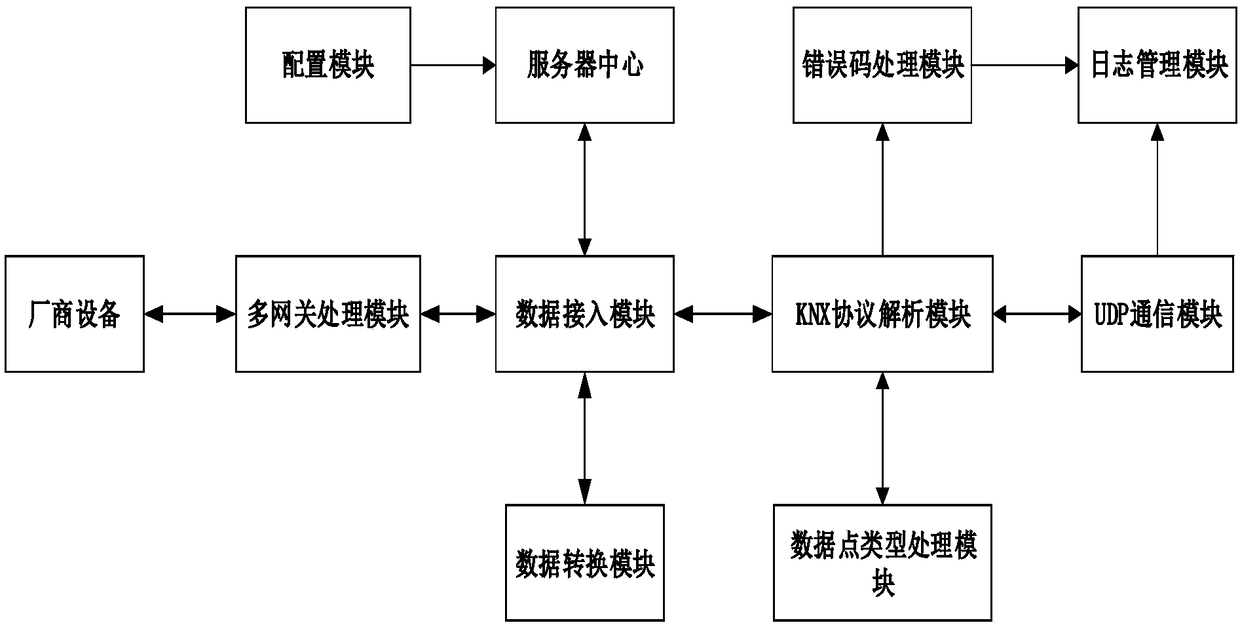
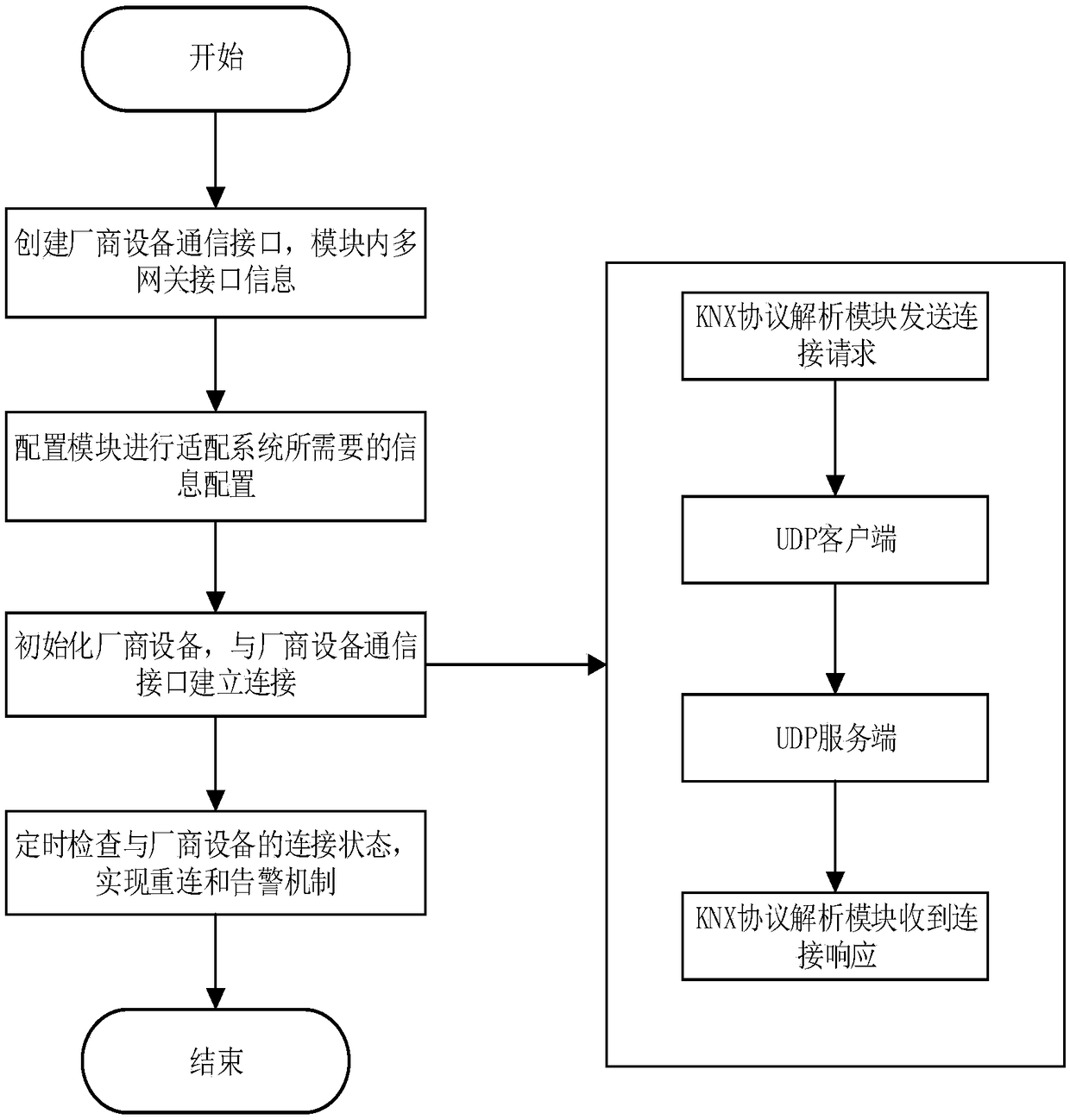
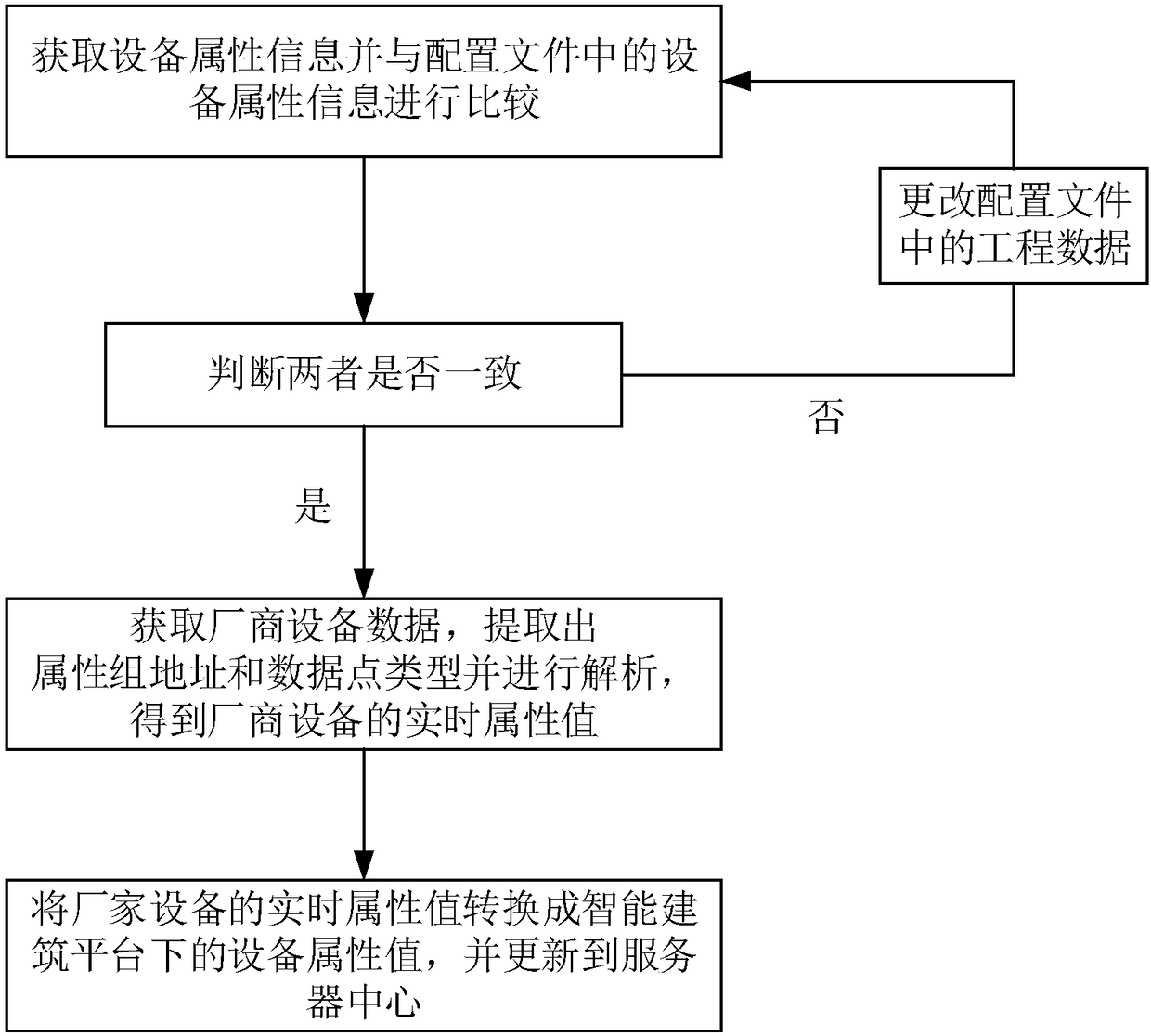
- An adaptation system based on the KNX protocol is adopted to realize format conversion of device data and multi-gateway configuration through UDP communication module, configuration module, server center, KNX protocol analysis module, data access module, data conversion module and multi-gateway processing module. Supports docking of devices from multiple manufacturers and unified conversion of KNX protocol data point types.

Energy Efficiency Standards and Building Codes Impact
Energy efficiency standards and building codes have become increasingly stringent worldwide, fundamentally reshaping the requirements for smart building network protocols. The European Union's Energy Performance of Buildings Directive (EPBD) mandates near-zero energy buildings for new constructions, while similar regulations in North America and Asia-Pacific regions enforce comprehensive energy monitoring and reporting capabilities. These regulatory frameworks directly influence the selection between BMS and KNX protocols, as compliance necessitates robust data collection, real-time monitoring, and automated control systems capable of optimizing energy consumption across multiple building subsystems.
The implementation of standards such as ISO 50001 for energy management systems and ASHRAE 90.1 for building energy efficiency creates specific technical requirements that impact protocol selection. BMS architectures traditionally excel in meeting these requirements through their centralized data aggregation capabilities, enabling comprehensive energy analytics and reporting functions. However, KNX's distributed intelligence model offers advantages in meeting decentralized control mandates specified in certain regional codes, particularly those emphasizing zone-level autonomy and fail-safe operations during network disruptions.
Building codes increasingly require interoperability between different building systems to achieve holistic energy optimization. The Energy Star certification program and LEED rating systems award credits for integrated building automation that demonstrates measurable energy savings. This regulatory push toward system integration affects data throughput requirements, as protocols must handle increased communication loads from cross-system data exchanges while maintaining response times necessary for real-time energy management decisions.
Emerging regulations focusing on grid-responsive buildings and demand response capabilities introduce additional protocol performance considerations. Smart grid integration requirements mandate bidirectional communication with utility systems, necessitating protocols capable of handling external data streams while maintaining internal building operations. The ability to process and respond to dynamic pricing signals and load curtailment requests within specified timeframes becomes a critical selection criterion, directly impacting the comparative evaluation of BMS and KNX data throughput capabilities in regulatory compliance scenarios.
The implementation of standards such as ISO 50001 for energy management systems and ASHRAE 90.1 for building energy efficiency creates specific technical requirements that impact protocol selection. BMS architectures traditionally excel in meeting these requirements through their centralized data aggregation capabilities, enabling comprehensive energy analytics and reporting functions. However, KNX's distributed intelligence model offers advantages in meeting decentralized control mandates specified in certain regional codes, particularly those emphasizing zone-level autonomy and fail-safe operations during network disruptions.
Building codes increasingly require interoperability between different building systems to achieve holistic energy optimization. The Energy Star certification program and LEED rating systems award credits for integrated building automation that demonstrates measurable energy savings. This regulatory push toward system integration affects data throughput requirements, as protocols must handle increased communication loads from cross-system data exchanges while maintaining response times necessary for real-time energy management decisions.
Emerging regulations focusing on grid-responsive buildings and demand response capabilities introduce additional protocol performance considerations. Smart grid integration requirements mandate bidirectional communication with utility systems, necessitating protocols capable of handling external data streams while maintaining internal building operations. The ability to process and respond to dynamic pricing signals and load curtailment requests within specified timeframes becomes a critical selection criterion, directly impacting the comparative evaluation of BMS and KNX data throughput capabilities in regulatory compliance scenarios.
Interoperability and Integration Architecture Strategies
The successful deployment of BMS and KNX protocols within smart building networks necessitates robust interoperability frameworks that enable seamless communication across heterogeneous systems. Given the fundamental architectural differences between these protocols—BMS typically operating on IP-based networks with centralized control structures, while KNX employs decentralized peer-to-peer communication over twisted pair, powerline, or wireless media—integration strategies must address protocol translation, data mapping, and semantic alignment challenges. Gateway solutions represent the most prevalent approach, functioning as middleware that performs real-time protocol conversion and data normalization between BMS and KNX domains.
Contemporary integration architectures increasingly leverage standardized communication frameworks such as BACnet/IP, OPC UA, and MQTT to establish common data exchange layers. These middleware platforms facilitate bidirectional communication by abstracting protocol-specific complexities and providing unified application programming interfaces. The adoption of semantic web technologies and ontology-based models further enhances interoperability by enabling context-aware data interpretation across disparate building automation subsystems.
Cloud-based integration platforms have emerged as scalable alternatives, offering centralized data aggregation and analytics capabilities while supporting edge computing paradigms for latency-sensitive control operations. These hybrid architectures balance the real-time responsiveness requirements of KNX field devices with the comprehensive monitoring and optimization functions characteristic of enterprise-level BMS implementations. API-driven microservices architectures provide additional flexibility, allowing modular integration of third-party systems and future-proofing against evolving protocol standards.
Security considerations remain paramount in integration design, requiring implementation of authentication mechanisms, encrypted communication channels, and network segmentation strategies to protect against unauthorized access and cyber threats. The integration architecture must also accommodate varying data throughput requirements, ensuring that high-frequency sensor data from KNX networks does not overwhelm BMS processing capabilities while maintaining sufficient bandwidth for supervisory control commands and alarm notifications. Successful interoperability ultimately depends on comprehensive system design that balances technical compatibility, operational efficiency, and long-term maintainability across the entire smart building ecosystem.
Contemporary integration architectures increasingly leverage standardized communication frameworks such as BACnet/IP, OPC UA, and MQTT to establish common data exchange layers. These middleware platforms facilitate bidirectional communication by abstracting protocol-specific complexities and providing unified application programming interfaces. The adoption of semantic web technologies and ontology-based models further enhances interoperability by enabling context-aware data interpretation across disparate building automation subsystems.
Cloud-based integration platforms have emerged as scalable alternatives, offering centralized data aggregation and analytics capabilities while supporting edge computing paradigms for latency-sensitive control operations. These hybrid architectures balance the real-time responsiveness requirements of KNX field devices with the comprehensive monitoring and optimization functions characteristic of enterprise-level BMS implementations. API-driven microservices architectures provide additional flexibility, allowing modular integration of third-party systems and future-proofing against evolving protocol standards.
Security considerations remain paramount in integration design, requiring implementation of authentication mechanisms, encrypted communication channels, and network segmentation strategies to protect against unauthorized access and cyber threats. The integration architecture must also accommodate varying data throughput requirements, ensuring that high-frequency sensor data from KNX networks does not overwhelm BMS processing capabilities while maintaining sufficient bandwidth for supervisory control commands and alarm notifications. Successful interoperability ultimately depends on comprehensive system design that balances technical compatibility, operational efficiency, and long-term maintainability across the entire smart building ecosystem.
Unlock deeper insights with Patsnap Eureka Quick Research — get a full tech report to explore trends and direct your research. Try now!
Generate Your Research Report Instantly with AI Agent
Supercharge your innovation with Patsnap Eureka AI Agent Platform!