

Capacitive Couplers vs Inductive Couplers: Signal Efficiency Comparison
MAY 15, 20269 MIN READ
Generate Your Research Report Instantly with AI Agent
PatSnap Eureka helps you evaluate technical feasibility & market potential.
Capacitive vs Inductive Coupling Technology Background and Goals
Capacitive and inductive coupling technologies represent two fundamental approaches to wireless signal transmission that have evolved significantly since the early 20th century. Capacitive coupling, first demonstrated in the 1890s, utilizes electric fields between conductive plates or electrodes to transfer energy and data across an insulating barrier. This technology gained prominence in applications requiring galvanic isolation, such as medical devices and industrial control systems. Inductive coupling, developed around the same period, employs magnetic fields generated by coils to achieve wireless power and data transfer, finding early applications in transformers and later expanding to wireless charging systems.
The evolution of both technologies has been driven by increasing demands for efficient, reliable, and safe wireless communication methods. Capacitive coupling has progressed from simple capacitor-based designs to sophisticated multi-layer structures incorporating advanced dielectric materials and optimized electrode geometries. Meanwhile, inductive coupling has advanced from basic transformer principles to highly efficient resonant systems utilizing ferrite cores, optimized coil designs, and advanced magnetic materials.
Current technological trends indicate a growing emphasis on maximizing signal efficiency while minimizing power losses and electromagnetic interference. The development trajectory shows increasing integration of both technologies into consumer electronics, automotive systems, and industrial automation platforms. Recent innovations focus on adaptive coupling mechanisms, multi-frequency operation, and hybrid systems that combine both coupling methods to optimize performance across different operating conditions.
The primary technical objectives driving current research include achieving higher data transmission rates, improving power transfer efficiency, reducing system complexity, and enhancing reliability in challenging environmental conditions. Signal efficiency comparison between capacitive and inductive couplers has become critical as applications demand higher performance standards while maintaining cost-effectiveness and regulatory compliance.
Modern applications span from near-field communication systems and wireless charging platforms to industrial sensor networks and medical implant communication systems. The technology landscape continues to evolve toward more sophisticated solutions that can dynamically adapt coupling mechanisms based on real-time performance requirements and environmental factors.
The evolution of both technologies has been driven by increasing demands for efficient, reliable, and safe wireless communication methods. Capacitive coupling has progressed from simple capacitor-based designs to sophisticated multi-layer structures incorporating advanced dielectric materials and optimized electrode geometries. Meanwhile, inductive coupling has advanced from basic transformer principles to highly efficient resonant systems utilizing ferrite cores, optimized coil designs, and advanced magnetic materials.
Current technological trends indicate a growing emphasis on maximizing signal efficiency while minimizing power losses and electromagnetic interference. The development trajectory shows increasing integration of both technologies into consumer electronics, automotive systems, and industrial automation platforms. Recent innovations focus on adaptive coupling mechanisms, multi-frequency operation, and hybrid systems that combine both coupling methods to optimize performance across different operating conditions.
The primary technical objectives driving current research include achieving higher data transmission rates, improving power transfer efficiency, reducing system complexity, and enhancing reliability in challenging environmental conditions. Signal efficiency comparison between capacitive and inductive couplers has become critical as applications demand higher performance standards while maintaining cost-effectiveness and regulatory compliance.
Modern applications span from near-field communication systems and wireless charging platforms to industrial sensor networks and medical implant communication systems. The technology landscape continues to evolve toward more sophisticated solutions that can dynamically adapt coupling mechanisms based on real-time performance requirements and environmental factors.
Market Demand Analysis for Wireless Power Transfer Solutions
The wireless power transfer market has experienced substantial growth driven by increasing consumer demand for convenient, cable-free charging solutions across multiple sectors. Consumer electronics represent the largest market segment, with smartphones, tablets, wearables, and laptops driving adoption of wireless charging technologies. The automotive industry has emerged as a significant growth driver, with electric vehicle manufacturers integrating wireless charging systems for both stationary and dynamic charging applications.
Healthcare applications demonstrate strong demand for wireless power transfer solutions, particularly in medical implants, surgical instruments, and patient monitoring devices where traditional wired connections pose infection risks or mobility constraints. Industrial automation sectors increasingly require wireless power solutions for robotic systems, sensors, and IoT devices operating in harsh environments where physical connectors may fail or require frequent maintenance.
The comparison between capacitive and inductive coupling technologies directly impacts market segmentation and adoption patterns. Inductive coupling currently dominates established markets due to mature technology standards and widespread infrastructure deployment. However, capacitive coupling solutions are gaining traction in applications requiring higher power density, better misalignment tolerance, and reduced electromagnetic interference.
Market demand varies significantly based on power transfer requirements and efficiency expectations. Low-power applications favor inductive solutions for their proven reliability and standardization, while high-power applications increasingly evaluate capacitive alternatives for their superior efficiency characteristics. The efficiency comparison between these technologies influences purchasing decisions, particularly in cost-sensitive markets where energy losses directly impact operational expenses.
Emerging applications in smart cities, renewable energy systems, and space technology are creating new market opportunities for both coupling technologies. The demand for underwater and harsh environment applications favors capacitive coupling due to its superior performance in challenging conditions. Geographic market distribution shows strong demand in Asia-Pacific regions for consumer electronics applications, while North American and European markets focus more on automotive and industrial implementations.
Market growth projections indicate continued expansion across all sectors, with efficiency improvements serving as a key differentiator in technology selection and market penetration strategies.
Healthcare applications demonstrate strong demand for wireless power transfer solutions, particularly in medical implants, surgical instruments, and patient monitoring devices where traditional wired connections pose infection risks or mobility constraints. Industrial automation sectors increasingly require wireless power solutions for robotic systems, sensors, and IoT devices operating in harsh environments where physical connectors may fail or require frequent maintenance.
The comparison between capacitive and inductive coupling technologies directly impacts market segmentation and adoption patterns. Inductive coupling currently dominates established markets due to mature technology standards and widespread infrastructure deployment. However, capacitive coupling solutions are gaining traction in applications requiring higher power density, better misalignment tolerance, and reduced electromagnetic interference.
Market demand varies significantly based on power transfer requirements and efficiency expectations. Low-power applications favor inductive solutions for their proven reliability and standardization, while high-power applications increasingly evaluate capacitive alternatives for their superior efficiency characteristics. The efficiency comparison between these technologies influences purchasing decisions, particularly in cost-sensitive markets where energy losses directly impact operational expenses.
Emerging applications in smart cities, renewable energy systems, and space technology are creating new market opportunities for both coupling technologies. The demand for underwater and harsh environment applications favors capacitive coupling due to its superior performance in challenging conditions. Geographic market distribution shows strong demand in Asia-Pacific regions for consumer electronics applications, while North American and European markets focus more on automotive and industrial implementations.
Market growth projections indicate continued expansion across all sectors, with efficiency improvements serving as a key differentiator in technology selection and market penetration strategies.
Current State and Challenges of Coupling Technologies
The coupling technology landscape has evolved significantly over the past decades, with both capacitive and inductive coupling methods establishing distinct positions in various applications. Currently, inductive coupling dominates wireless power transfer applications, particularly in consumer electronics and electric vehicle charging systems, due to its mature technology base and established manufacturing infrastructure. Major implementations include Qi wireless charging standards and automotive wireless charging systems, where inductive couplers achieve power transfer efficiencies ranging from 70% to 95% depending on alignment and distance parameters.
Capacitive coupling technology, while less commercially prevalent, has gained traction in specific niche applications where its unique characteristics provide advantages. Recent developments in capacitive power transfer have demonstrated promising results in applications requiring non-contact power delivery through dielectric barriers, such as biomedical implants and sealed electronic systems. However, capacitive coupling faces significant challenges in achieving comparable power transfer levels to inductive systems, typically operating at lower power ranges with efficiencies between 60% to 85%.
Signal transmission applications present a different technological landscape where both coupling methods compete more directly. Capacitive coupling excels in high-frequency signal transmission scenarios, offering superior bandwidth capabilities and reduced electromagnetic interference in certain configurations. Inductive coupling maintains advantages in robust signal transmission environments where immunity to capacitive loading effects is crucial.
The primary technical challenges facing both technologies center around efficiency optimization, alignment tolerance, and electromagnetic compatibility. Inductive coupling systems struggle with sensitivity to lateral misalignment and air gap variations, requiring sophisticated control systems to maintain optimal coupling coefficients. Capacitive coupling faces fundamental limitations in power handling capabilities and requires careful impedance matching to achieve acceptable efficiency levels.
Manufacturing scalability represents another critical challenge, particularly for capacitive coupling systems which require precise electrode geometries and specialized dielectric materials. Cost considerations favor inductive solutions due to established supply chains and standardized component availability, while capacitive systems often require custom solutions that increase implementation complexity and expense.
Regulatory compliance adds complexity to both technologies, with electromagnetic emission standards becoming increasingly stringent. Inductive systems must address magnetic field exposure limits, while capacitive systems face challenges related to electric field containment and harmonic distortion management.
Capacitive coupling technology, while less commercially prevalent, has gained traction in specific niche applications where its unique characteristics provide advantages. Recent developments in capacitive power transfer have demonstrated promising results in applications requiring non-contact power delivery through dielectric barriers, such as biomedical implants and sealed electronic systems. However, capacitive coupling faces significant challenges in achieving comparable power transfer levels to inductive systems, typically operating at lower power ranges with efficiencies between 60% to 85%.
Signal transmission applications present a different technological landscape where both coupling methods compete more directly. Capacitive coupling excels in high-frequency signal transmission scenarios, offering superior bandwidth capabilities and reduced electromagnetic interference in certain configurations. Inductive coupling maintains advantages in robust signal transmission environments where immunity to capacitive loading effects is crucial.
The primary technical challenges facing both technologies center around efficiency optimization, alignment tolerance, and electromagnetic compatibility. Inductive coupling systems struggle with sensitivity to lateral misalignment and air gap variations, requiring sophisticated control systems to maintain optimal coupling coefficients. Capacitive coupling faces fundamental limitations in power handling capabilities and requires careful impedance matching to achieve acceptable efficiency levels.
Manufacturing scalability represents another critical challenge, particularly for capacitive coupling systems which require precise electrode geometries and specialized dielectric materials. Cost considerations favor inductive solutions due to established supply chains and standardized component availability, while capacitive systems often require custom solutions that increase implementation complexity and expense.
Regulatory compliance adds complexity to both technologies, with electromagnetic emission standards becoming increasingly stringent. Inductive systems must address magnetic field exposure limits, while capacitive systems face challenges related to electric field containment and harmonic distortion management.
Current Technical Solutions for Signal Efficiency Optimization
01 Capacitive coupling design optimization for signal transmission
Various design approaches focus on optimizing capacitive coupling structures to enhance signal transmission efficiency. These methods involve adjusting electrode configurations, dielectric materials, and coupling distances to minimize signal loss and improve power transfer. The optimization includes considerations for frequency response, impedance matching, and electromagnetic field distribution to achieve maximum coupling efficiency.- Capacitive coupling design optimization for signal transmission: Capacitive couplers utilize electric field coupling between conductors separated by dielectric materials to transfer signals. The efficiency depends on factors such as electrode geometry, dielectric properties, coupling distance, and frequency characteristics. Optimized designs focus on maximizing capacitive coupling while minimizing signal loss and interference through proper electrode configuration and material selection.
- Inductive coupling mechanisms for enhanced signal efficiency: Inductive couplers employ magnetic field coupling through coils or transformers to achieve signal transmission. The coupling efficiency is influenced by coil design parameters including turns ratio, core materials, mutual inductance, and operating frequency. Advanced designs incorporate ferrite cores, optimized winding configurations, and resonant circuits to maximize power transfer and signal integrity.
- Frequency response characteristics and bandwidth optimization: Both capacitive and inductive couplers exhibit frequency-dependent behavior that affects signal efficiency across different operating ranges. Design considerations include impedance matching, resonant frequency tuning, and bandwidth optimization to achieve flat response characteristics. Compensation techniques and multi-stage coupling arrangements are employed to extend usable frequency ranges and maintain consistent signal quality.
- Signal isolation and noise reduction techniques: Coupling systems provide galvanic isolation while maintaining signal integrity through various noise reduction methods. These include shielding techniques, differential signaling, common-mode rejection, and filtering approaches. The isolation characteristics help prevent ground loops and electrical interference while preserving signal fidelity across the coupling interface.
- Power transfer efficiency and coupling factor enhancement: The coupling factor and power transfer efficiency are critical parameters that determine overall system performance. Enhancement techniques include optimized geometric arrangements, adaptive coupling control, impedance matching networks, and dynamic tuning systems. These approaches maximize energy transfer while minimizing losses due to misalignment, distance variations, and load impedance changes.
02 Inductive coupling enhancement techniques
Techniques for improving inductive coupling efficiency involve optimizing coil designs, core materials, and magnetic field configurations. These approaches focus on reducing losses through improved coil geometry, enhanced magnetic coupling coefficients, and minimized parasitic effects. The methods also address frequency tuning and resonance optimization to maximize power transfer between inductively coupled systems.Expand Specific Solutions03 Hybrid coupling systems combining capacitive and inductive methods
Advanced coupling systems integrate both capacitive and inductive coupling mechanisms to achieve superior signal efficiency. These hybrid approaches leverage the advantages of both coupling types while compensating for their individual limitations. The systems dynamically adjust between coupling modes based on operating conditions and signal requirements to maintain optimal performance across varying scenarios.Expand Specific Solutions04 Signal conditioning and processing for coupler efficiency
Signal processing techniques are employed to enhance the overall efficiency of both capacitive and inductive couplers. These methods include adaptive filtering, impedance compensation, and real-time signal optimization algorithms. The approaches focus on minimizing noise, reducing distortion, and maintaining signal integrity throughout the coupling process while maximizing power transfer efficiency.Expand Specific Solutions05 Frequency optimization and bandwidth management
Frequency-based optimization strategies are crucial for maximizing coupling efficiency in both capacitive and inductive systems. These techniques involve selecting optimal operating frequencies, managing bandwidth allocation, and implementing frequency tracking mechanisms. The methods address resonance tuning, harmonic suppression, and multi-frequency operation to ensure consistent high-efficiency performance across different operating conditions.Expand Specific Solutions
Major Players in Wireless Coupling Technology Industry
The capacitive versus inductive coupler technology landscape represents a mature yet evolving sector within the broader wireless power transfer and signal transmission markets. The industry has progressed beyond early-stage development, with established semiconductor giants like Intel, Qualcomm, Samsung Electronics, and NVIDIA driving standardization and commercial implementation. Market growth is fueled by increasing demand for contactless charging solutions in automotive, consumer electronics, and industrial applications. Technology maturity varies significantly across applications - inductive coupling dominates consumer wireless charging through established players like Samsung and Qualcomm, while capacitive coupling shows emerging potential in high-frequency applications. Research institutions including Keio University and Fudan University continue advancing fundamental coupling efficiency research. Companies like Mitsubishi Electric, Infineon Technologies, and Micron Technology are integrating these technologies into power management and semiconductor solutions, indicating strong commercial viability and continued innovation in signal efficiency optimization.
QUALCOMM, Inc.
Technical Solution: QUALCOMM has developed advanced capacitive coupling solutions for wireless power transfer and data communication systems. Their technology focuses on optimizing signal efficiency through adaptive impedance matching and multi-frequency operation. The company's capacitive couplers utilize proprietary algorithms to dynamically adjust coupling parameters based on load conditions and environmental factors. Their systems achieve signal efficiency rates of up to 85% in optimal conditions, with robust performance across varying gap distances. QUALCOMM's approach integrates both power and data transmission capabilities through the same capacitive interface, enabling simultaneous charging and communication in mobile devices and IoT applications.
Strengths: High integration capability, proven mobile device expertise, strong IP portfolio. Weaknesses: Limited high-power applications, primarily focused on consumer electronics market.
Infineon Technologies AG
Technical Solution: Infineon has developed comprehensive solutions for both capacitive and inductive coupling systems, with particular expertise in power semiconductor technologies that enhance signal efficiency. Their capacitive coupling solutions feature advanced gate driver circuits and power management ICs that optimize energy transfer efficiency up to 90% in industrial applications. The company's inductive coupling technology incorporates resonant circuit designs with precise frequency control, achieving efficiency rates exceeding 95% in close-proximity applications. Infineon's comparative analysis shows that their inductive solutions generally provide 10-15% higher efficiency than capacitive alternatives in power transfer applications, while capacitive systems offer better performance in high-frequency data transmission scenarios.
Strengths: Strong power semiconductor expertise, comprehensive product portfolio, excellent efficiency optimization. Weaknesses: Higher system complexity, requires specialized components for optimal performance.
Core Patents in High-Efficiency Coupling Design
Complementary capacitive-inductive data coupler for power line communications
PatentInactiveAU2011101421A4
Innovation
- A complementary capacitive-inductive coupler system that combines the strengths of both types, using inductive couplers as current couplers and capacitive couplers as voltage couplers, with signals from both types fed into a summing device to optimize signal reception across fluctuating impedance conditions, thereby minimizing power losses and maintaining performance.


Inductive coupling for communications equipment interface circuitry
PatentInactiveUS20090028320A1
Innovation
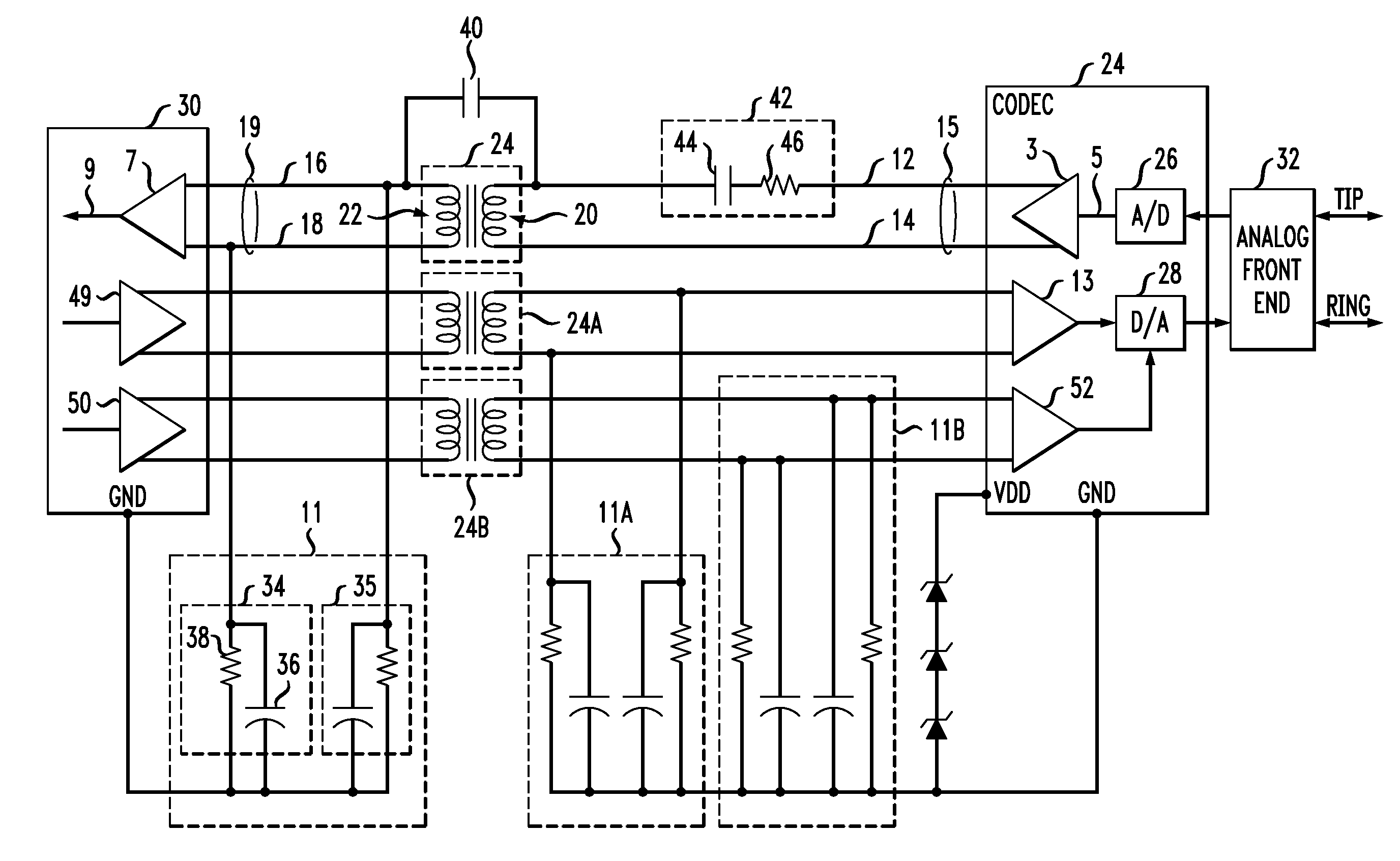
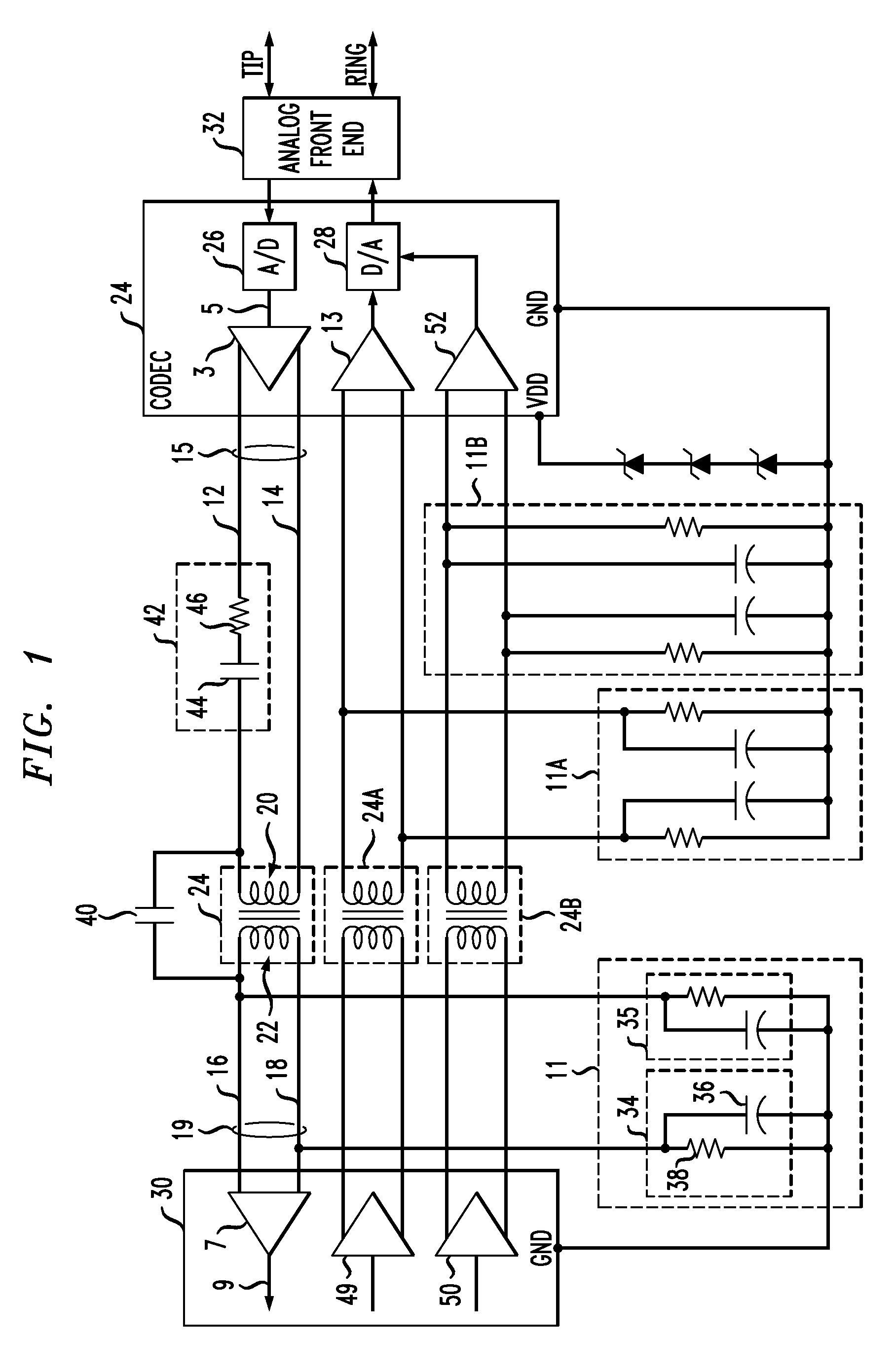
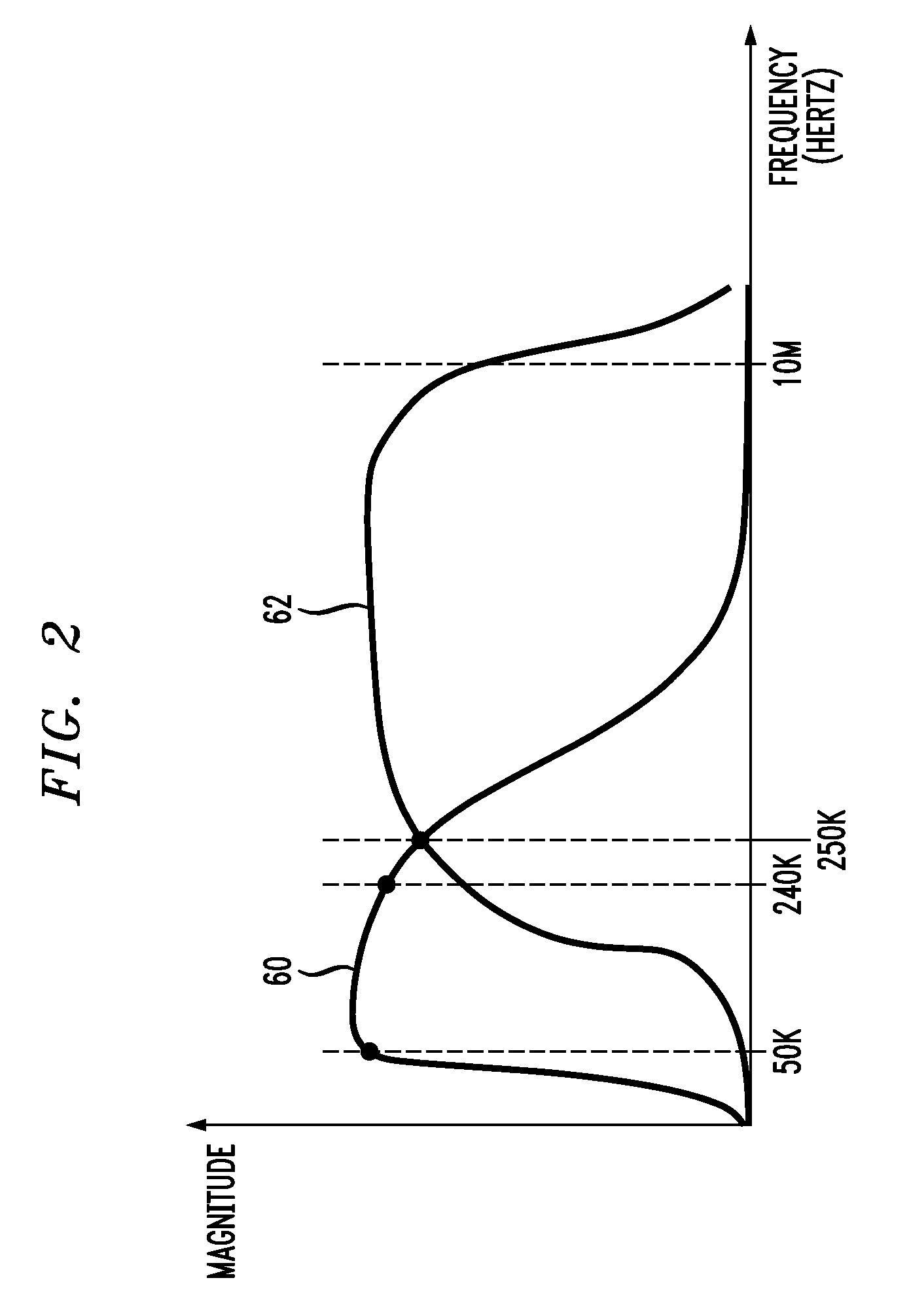
- The use of inductive coupling with primary and secondary inductors, along with filters, to attenuate common mode signals in a differential signal path, including a parasitic capacitor and high-pass and low-pass filters with overlapping cut-off frequencies to improve noise immunity.

EMC Standards and Safety Regulations for Coupling Systems
Electromagnetic compatibility (EMC) standards and safety regulations form the cornerstone of coupling system design and deployment, establishing critical parameters that directly influence the comparative performance of capacitive and inductive coupling technologies. These regulatory frameworks define emission limits, immunity requirements, and safety thresholds that both coupling methodologies must satisfy across various application domains.
International standards such as IEC 61000 series, CISPR publications, and FCC Part 15 regulations establish fundamental EMC requirements that significantly impact coupling system architecture. Capacitive couplers typically demonstrate superior performance in meeting conducted emission standards due to their inherent high-frequency filtering characteristics and reduced magnetic field generation. The dielectric isolation inherent in capacitive coupling naturally attenuates common-mode noise, facilitating compliance with stringent emission limits without extensive additional filtering components.
Inductive coupling systems face more complex regulatory challenges, particularly regarding radiated emissions and magnetic field exposure limits. Standards like IEC 62110 for inductive power transfer systems and SAR limitations defined in IEC 62209 impose strict constraints on magnetic field strength and frequency characteristics. These requirements often necessitate sophisticated shielding solutions and precise frequency control mechanisms, potentially impacting overall system efficiency and cost-effectiveness.
Safety regulations governing galvanic isolation present another critical consideration in coupling system selection. Medical device standards such as IEC 60601-1 and industrial safety standards like IEC 61010 mandate specific isolation voltage requirements and creepage distances. Capacitive couplers excel in meeting these isolation requirements through their inherent dielectric barrier, often achieving isolation voltages exceeding 10kV with minimal design complexity.
Automotive applications introduce additional regulatory complexity through standards like CISPR 25 and ISO 11452, which define electromagnetic compatibility requirements for vehicle systems. The harsh electromagnetic environment in automotive applications, combined with functional safety requirements under ISO 26262, creates unique challenges for both coupling technologies. Inductive systems may require additional filtering and shielding to meet automotive EMC requirements, while capacitive systems benefit from their natural immunity to magnetic interference.
Emerging regulations addressing wireless power transfer systems, including IEEE 2100 standards and regional frequency allocation requirements, are reshaping the regulatory landscape for coupling technologies. These evolving standards increasingly favor solutions that demonstrate minimal electromagnetic interference while maintaining high efficiency and safety margins.
International standards such as IEC 61000 series, CISPR publications, and FCC Part 15 regulations establish fundamental EMC requirements that significantly impact coupling system architecture. Capacitive couplers typically demonstrate superior performance in meeting conducted emission standards due to their inherent high-frequency filtering characteristics and reduced magnetic field generation. The dielectric isolation inherent in capacitive coupling naturally attenuates common-mode noise, facilitating compliance with stringent emission limits without extensive additional filtering components.
Inductive coupling systems face more complex regulatory challenges, particularly regarding radiated emissions and magnetic field exposure limits. Standards like IEC 62110 for inductive power transfer systems and SAR limitations defined in IEC 62209 impose strict constraints on magnetic field strength and frequency characteristics. These requirements often necessitate sophisticated shielding solutions and precise frequency control mechanisms, potentially impacting overall system efficiency and cost-effectiveness.
Safety regulations governing galvanic isolation present another critical consideration in coupling system selection. Medical device standards such as IEC 60601-1 and industrial safety standards like IEC 61010 mandate specific isolation voltage requirements and creepage distances. Capacitive couplers excel in meeting these isolation requirements through their inherent dielectric barrier, often achieving isolation voltages exceeding 10kV with minimal design complexity.
Automotive applications introduce additional regulatory complexity through standards like CISPR 25 and ISO 11452, which define electromagnetic compatibility requirements for vehicle systems. The harsh electromagnetic environment in automotive applications, combined with functional safety requirements under ISO 26262, creates unique challenges for both coupling technologies. Inductive systems may require additional filtering and shielding to meet automotive EMC requirements, while capacitive systems benefit from their natural immunity to magnetic interference.
Emerging regulations addressing wireless power transfer systems, including IEEE 2100 standards and regional frequency allocation requirements, are reshaping the regulatory landscape for coupling technologies. These evolving standards increasingly favor solutions that demonstrate minimal electromagnetic interference while maintaining high efficiency and safety margins.
Energy Efficiency Requirements and Environmental Impact Assessment
Energy efficiency requirements for capacitive and inductive couplers are fundamentally driven by regulatory standards and application-specific performance criteria. The IEEE 802.11 wireless power transfer standards mandate minimum efficiency thresholds of 70% for consumer electronics applications, while automotive wireless charging systems under SAE J2954 require sustained efficiency levels exceeding 85% across varying environmental conditions. These requirements directly influence coupler design parameters, with capacitive systems typically achieving 85-92% efficiency in optimal conditions, compared to inductive systems reaching 90-95% efficiency in well-aligned configurations.
Power loss mechanisms differ significantly between the two technologies, creating distinct environmental impact profiles. Capacitive couplers generate electromagnetic field emissions primarily in the near-field region, with minimal far-field radiation, resulting in lower electromagnetic interference concerns. However, their sensitivity to environmental factors such as humidity and contamination can lead to efficiency degradation and increased power consumption over operational lifespans.
Inductive couplers present different environmental considerations, particularly regarding magnetic field exposure and thermal management. The alternating magnetic fields generated during operation must comply with ICNIRP guidelines for human exposure limits, especially in consumer and medical applications. Additionally, ferrite core materials commonly used in inductive systems require rare earth elements, creating supply chain sustainability concerns and end-of-life recycling challenges.
Thermal efficiency represents a critical environmental factor affecting both technologies. Capacitive systems typically operate at lower temperatures due to reduced core losses, contributing to extended component lifespans and reduced cooling requirements. This translates to lower overall system energy consumption and reduced environmental footprint in temperature-controlled applications.
The manufacturing environmental impact varies considerably between technologies. Inductive couplers require ferrite cores and copper windings with higher material intensity, while capacitive systems utilize primarily semiconductor materials and metal plates. Life cycle assessments indicate that capacitive systems generally demonstrate 15-20% lower carbon footprints during manufacturing phases, though this advantage may be offset by potential efficiency losses in suboptimal operating conditions.
Regulatory compliance frameworks increasingly emphasize energy efficiency metrics as environmental performance indicators. The European Union's Ecodesign Directive and similar regulations worldwide are establishing stricter efficiency requirements that favor technologies demonstrating consistent performance across diverse operating conditions, influencing the comparative viability of capacitive versus inductive coupling solutions in various market segments.
Power loss mechanisms differ significantly between the two technologies, creating distinct environmental impact profiles. Capacitive couplers generate electromagnetic field emissions primarily in the near-field region, with minimal far-field radiation, resulting in lower electromagnetic interference concerns. However, their sensitivity to environmental factors such as humidity and contamination can lead to efficiency degradation and increased power consumption over operational lifespans.
Inductive couplers present different environmental considerations, particularly regarding magnetic field exposure and thermal management. The alternating magnetic fields generated during operation must comply with ICNIRP guidelines for human exposure limits, especially in consumer and medical applications. Additionally, ferrite core materials commonly used in inductive systems require rare earth elements, creating supply chain sustainability concerns and end-of-life recycling challenges.
Thermal efficiency represents a critical environmental factor affecting both technologies. Capacitive systems typically operate at lower temperatures due to reduced core losses, contributing to extended component lifespans and reduced cooling requirements. This translates to lower overall system energy consumption and reduced environmental footprint in temperature-controlled applications.
The manufacturing environmental impact varies considerably between technologies. Inductive couplers require ferrite cores and copper windings with higher material intensity, while capacitive systems utilize primarily semiconductor materials and metal plates. Life cycle assessments indicate that capacitive systems generally demonstrate 15-20% lower carbon footprints during manufacturing phases, though this advantage may be offset by potential efficiency losses in suboptimal operating conditions.
Regulatory compliance frameworks increasingly emphasize energy efficiency metrics as environmental performance indicators. The European Union's Ecodesign Directive and similar regulations worldwide are establishing stricter efficiency requirements that favor technologies demonstrating consistent performance across diverse operating conditions, influencing the comparative viability of capacitive versus inductive coupling solutions in various market segments.
Unlock deeper insights with PatSnap Eureka Quick Research — get a full tech report to explore trends and direct your research. Try now!
Generate Your Research Report Instantly with AI Agent
Supercharge your innovation with PatSnap Eureka AI Agent Platform!