

Choosing Ceramic Substrates Based On Outgassing Requirements
MAY 26, 20268 MIN READ
Generate Your Research Report Instantly with AI Agent
PatSnap Eureka helps you evaluate technical feasibility & market potential.
Ceramic Substrate Outgassing Background and Objectives
Ceramic substrates have emerged as critical components in high-performance electronic systems, particularly in applications where material purity and environmental stability are paramount. The phenomenon of outgassing, which refers to the release of trapped gases, volatile compounds, or adsorbed materials from solid surfaces under vacuum or elevated temperature conditions, has become increasingly significant as electronic devices operate in more demanding environments such as aerospace, satellite communications, and precision instrumentation.
The evolution of ceramic substrate technology has been driven by the semiconductor industry's relentless pursuit of miniaturization and performance enhancement. Early ceramic substrates, primarily based on alumina compositions, were developed in the 1960s to address thermal management challenges in electronic packaging. However, as applications expanded into vacuum environments and space-based systems, the outgassing characteristics of these materials became a critical design consideration.
Outgassing from ceramic substrates can lead to several detrimental effects in sensitive applications. In vacuum systems, released gases can compromise the vacuum integrity, leading to reduced system performance or complete failure. In optical systems, outgassing products can condense on sensitive surfaces, causing contamination that affects light transmission or reflection properties. Additionally, in semiconductor manufacturing environments, even trace amounts of outgassed materials can interfere with process chemistry or contaminate clean room environments.
The primary objective of selecting ceramic substrates based on outgassing requirements is to minimize the release of volatile materials while maintaining the essential electrical, thermal, and mechanical properties required for the application. This involves understanding the relationship between ceramic composition, processing methods, surface treatments, and outgassing behavior under specific operating conditions.
Modern ceramic substrate selection must consider multiple factors including the base ceramic material composition, sintering additives, surface finishes, and post-processing treatments. Advanced ceramics such as aluminum nitride, silicon carbide, and specialized low-outgassing alumina formulations have been developed to meet stringent outgassing specifications while delivering superior thermal conductivity and electrical performance.
The technical challenge lies in balancing outgassing performance with other critical substrate properties such as thermal expansion matching, dielectric properties, and manufacturing cost. This requires comprehensive characterization of outgassing behavior under application-relevant conditions and the development of predictive models to guide material selection and design optimization.
The evolution of ceramic substrate technology has been driven by the semiconductor industry's relentless pursuit of miniaturization and performance enhancement. Early ceramic substrates, primarily based on alumina compositions, were developed in the 1960s to address thermal management challenges in electronic packaging. However, as applications expanded into vacuum environments and space-based systems, the outgassing characteristics of these materials became a critical design consideration.
Outgassing from ceramic substrates can lead to several detrimental effects in sensitive applications. In vacuum systems, released gases can compromise the vacuum integrity, leading to reduced system performance or complete failure. In optical systems, outgassing products can condense on sensitive surfaces, causing contamination that affects light transmission or reflection properties. Additionally, in semiconductor manufacturing environments, even trace amounts of outgassed materials can interfere with process chemistry or contaminate clean room environments.
The primary objective of selecting ceramic substrates based on outgassing requirements is to minimize the release of volatile materials while maintaining the essential electrical, thermal, and mechanical properties required for the application. This involves understanding the relationship between ceramic composition, processing methods, surface treatments, and outgassing behavior under specific operating conditions.
Modern ceramic substrate selection must consider multiple factors including the base ceramic material composition, sintering additives, surface finishes, and post-processing treatments. Advanced ceramics such as aluminum nitride, silicon carbide, and specialized low-outgassing alumina formulations have been developed to meet stringent outgassing specifications while delivering superior thermal conductivity and electrical performance.
The technical challenge lies in balancing outgassing performance with other critical substrate properties such as thermal expansion matching, dielectric properties, and manufacturing cost. This requires comprehensive characterization of outgassing behavior under application-relevant conditions and the development of predictive models to guide material selection and design optimization.
Market Demand for Low-Outgassing Ceramic Solutions
The aerospace and defense sectors represent the primary driving force behind the demand for low-outgassing ceramic substrates. Satellite manufacturers require ceramic components that maintain structural integrity and electrical performance in the vacuum environment of space, where even minimal outgassing can contaminate sensitive optical instruments or interfere with thermal management systems. The increasing deployment of satellite constellations for communication and Earth observation has intensified requirements for reliable ceramic substrates with outgassing rates below specific thresholds.
Semiconductor manufacturing equipment constitutes another significant market segment demanding ultra-low outgassing ceramics. Advanced lithography systems, particularly those operating at extreme ultraviolet wavelengths, cannot tolerate contamination from substrate outgassing that could degrade optical components or affect wafer processing quality. The transition toward smaller process nodes has made contamination control increasingly critical, driving specifications for ceramic substrates with outgassing rates measured in nanograms per square centimeter.
High-energy physics research facilities and synchrotron installations require ceramic vacuum components that maintain ultra-high vacuum conditions over extended periods. These applications demand ceramic substrates with exceptional purity and minimal volatile content, as any outgassing can compromise beam quality or detector performance. The global expansion of research infrastructure has created sustained demand for specialized low-outgassing ceramic solutions.
Medical device manufacturing, particularly for implantable electronics and diagnostic equipment, increasingly specifies low-outgassing ceramics to ensure biocompatibility and long-term reliability. Sterilization processes and hermetic packaging requirements necessitate ceramic substrates that do not release harmful compounds under elevated temperatures or radiation exposure.
The automotive electronics sector has emerged as a growing market for low-outgassing ceramics, driven by the proliferation of advanced driver assistance systems and electric vehicle power electronics. These applications require ceramic substrates that maintain performance integrity under thermal cycling while minimizing contamination of sensitive sensors and optical components.
Market growth is further supported by stringent regulatory standards and quality certifications that mandate specific outgassing performance criteria across multiple industries, creating consistent demand for validated ceramic substrate solutions.
Semiconductor manufacturing equipment constitutes another significant market segment demanding ultra-low outgassing ceramics. Advanced lithography systems, particularly those operating at extreme ultraviolet wavelengths, cannot tolerate contamination from substrate outgassing that could degrade optical components or affect wafer processing quality. The transition toward smaller process nodes has made contamination control increasingly critical, driving specifications for ceramic substrates with outgassing rates measured in nanograms per square centimeter.
High-energy physics research facilities and synchrotron installations require ceramic vacuum components that maintain ultra-high vacuum conditions over extended periods. These applications demand ceramic substrates with exceptional purity and minimal volatile content, as any outgassing can compromise beam quality or detector performance. The global expansion of research infrastructure has created sustained demand for specialized low-outgassing ceramic solutions.
Medical device manufacturing, particularly for implantable electronics and diagnostic equipment, increasingly specifies low-outgassing ceramics to ensure biocompatibility and long-term reliability. Sterilization processes and hermetic packaging requirements necessitate ceramic substrates that do not release harmful compounds under elevated temperatures or radiation exposure.
The automotive electronics sector has emerged as a growing market for low-outgassing ceramics, driven by the proliferation of advanced driver assistance systems and electric vehicle power electronics. These applications require ceramic substrates that maintain performance integrity under thermal cycling while minimizing contamination of sensitive sensors and optical components.
Market growth is further supported by stringent regulatory standards and quality certifications that mandate specific outgassing performance criteria across multiple industries, creating consistent demand for validated ceramic substrate solutions.
Current Outgassing Challenges in Ceramic Substrates
Ceramic substrates face significant outgassing challenges that directly impact their performance in sensitive applications such as semiconductor manufacturing, aerospace systems, and high-vacuum environments. The primary concern stems from the release of volatile organic compounds, water vapor, and other gaseous species from the ceramic material structure, which can contaminate critical processes or degrade system performance.
Traditional ceramic substrates, particularly those containing organic binders or additives used during manufacturing, exhibit elevated outgassing rates that exceed acceptable thresholds for many applications. Alumina-based substrates, while widely used, often retain residual organic compounds from the sintering process, leading to hydrocarbon emissions that can interfere with sensitive electronic components or optical systems.
The challenge is further compounded by the porous nature of many ceramic materials, which can trap moisture and other contaminants during processing or storage. These trapped substances are subsequently released under vacuum conditions or elevated temperatures, creating unpredictable outgassing profiles that complicate system design and operation.
Current testing methodologies, while standardized through protocols like ASTM E595, often fail to capture the full spectrum of outgassing behavior under real-world operating conditions. The standard test conditions may not adequately simulate the specific temperature, pressure, and time profiles encountered in actual applications, leading to incomplete characterization of outgassing performance.
Manufacturing variability presents another significant challenge, as slight differences in raw material purity, processing parameters, or environmental conditions can result in substantial variations in outgassing characteristics between production batches. This inconsistency makes it difficult for engineers to reliably predict substrate performance and establish appropriate safety margins.
The interaction between different ceramic compositions and their outgassing behavior remains poorly understood, particularly for newer formulations incorporating advanced additives or novel processing techniques. Limited long-term data on outgassing stability further complicates material selection decisions, as initial low outgassing rates may not be maintained over extended operational periods.
Surface treatments and metallization processes add additional complexity, as these modifications can either mitigate or exacerbate outgassing issues depending on their compatibility with the base ceramic material and the specific application requirements.
Traditional ceramic substrates, particularly those containing organic binders or additives used during manufacturing, exhibit elevated outgassing rates that exceed acceptable thresholds for many applications. Alumina-based substrates, while widely used, often retain residual organic compounds from the sintering process, leading to hydrocarbon emissions that can interfere with sensitive electronic components or optical systems.
The challenge is further compounded by the porous nature of many ceramic materials, which can trap moisture and other contaminants during processing or storage. These trapped substances are subsequently released under vacuum conditions or elevated temperatures, creating unpredictable outgassing profiles that complicate system design and operation.
Current testing methodologies, while standardized through protocols like ASTM E595, often fail to capture the full spectrum of outgassing behavior under real-world operating conditions. The standard test conditions may not adequately simulate the specific temperature, pressure, and time profiles encountered in actual applications, leading to incomplete characterization of outgassing performance.
Manufacturing variability presents another significant challenge, as slight differences in raw material purity, processing parameters, or environmental conditions can result in substantial variations in outgassing characteristics between production batches. This inconsistency makes it difficult for engineers to reliably predict substrate performance and establish appropriate safety margins.
The interaction between different ceramic compositions and their outgassing behavior remains poorly understood, particularly for newer formulations incorporating advanced additives or novel processing techniques. Limited long-term data on outgassing stability further complicates material selection decisions, as initial low outgassing rates may not be maintained over extended operational periods.
Surface treatments and metallization processes add additional complexity, as these modifications can either mitigate or exacerbate outgassing issues depending on their compatibility with the base ceramic material and the specific application requirements.
Current Outgassing Testing and Selection Methods
01 Low outgassing ceramic substrate materials and compositions
Development of ceramic substrate materials with inherently low outgassing properties through specific material compositions and formulations. These materials are designed to minimize the release of volatile compounds under vacuum or high-temperature conditions, making them suitable for sensitive applications such as semiconductor manufacturing and space applications.- Low outgassing ceramic substrate materials and compositions: Development of ceramic substrate materials with inherently low outgassing properties through specific material compositions and formulations. These materials are designed to minimize the release of volatile compounds under vacuum or high-temperature conditions, making them suitable for sensitive applications such as semiconductor manufacturing and space applications.
- Surface treatment and coating methods for outgassing reduction: Application of specialized surface treatments, coatings, or barrier layers on ceramic substrates to prevent or minimize outgassing. These treatments create protective barriers that seal the substrate surface and prevent the escape of volatile materials during operation in vacuum or controlled environments.
- Manufacturing processes for controlling outgassing properties: Specific manufacturing techniques and processing methods designed to control and minimize outgassing in ceramic substrates. These processes include controlled sintering conditions, degassing procedures, and purification steps that remove volatile impurities during substrate production.
- Testing and measurement methods for outgassing characterization: Development of analytical methods and testing procedures to measure, quantify, and characterize outgassing behavior of ceramic substrates. These methods enable quality control and validation of outgassing performance for various applications requiring low contamination levels.
- Application-specific ceramic substrate designs for outgassing control: Specialized ceramic substrate designs tailored for specific applications where outgassing control is critical, such as electronic packaging, optical systems, and vacuum equipment. These designs incorporate structural features and material selections optimized for minimal outgassing in their intended operating environments.
02 Surface treatment and coating methods for outgassing reduction
Application of specialized surface treatments, coatings, or barrier layers to ceramic substrates to prevent or minimize outgassing. These treatments create protective barriers that seal the substrate surface and prevent the escape of volatile materials during processing or operation.Expand Specific Solutions03 Manufacturing process optimization for minimal outgassing
Optimization of ceramic substrate manufacturing processes including firing temperatures, atmosphere control, and curing procedures to reduce outgassing characteristics. These process modifications help eliminate or minimize volatile impurities and ensure proper densification of the ceramic material.Expand Specific Solutions04 Testing and measurement methods for outgassing characterization
Development of standardized testing procedures and measurement techniques to evaluate and quantify outgassing rates from ceramic substrates. These methods enable proper characterization of material performance and validation of outgassing specifications for various applications.Expand Specific Solutions05 Application-specific ceramic substrate designs for controlled environments
Design and engineering of ceramic substrates specifically tailored for applications requiring ultra-low outgassing performance, such as vacuum systems, clean rooms, and high-precision electronic devices. These designs consider both material selection and structural optimization to meet stringent outgassing requirements.Expand Specific Solutions
Key Players in Ceramic Substrate Manufacturing
The ceramic substrate market for outgassing-critical applications represents a mature yet evolving industry driven by stringent requirements in aerospace, semiconductor, and automotive sectors. The market demonstrates substantial growth potential, particularly in electric vehicle and 5G communication applications, with established players commanding significant market share through decades of technological refinement. Technology maturity varies considerably across the competitive landscape, with industry leaders like Corning, Kyocera, and SCHOTT AG leveraging advanced material science and manufacturing capabilities to deliver ultra-low outgassing solutions. Specialized manufacturers such as IBIDEN, Fujian Huaqing, and Rogers Germany focus on niche applications requiring precise outgassing control, while automotive giants like Volkswagen and Bosch drive demand through next-generation vehicle electrification initiatives. The competitive dynamics reflect a consolidation around companies possessing both advanced ceramic formulation expertise and sophisticated vacuum-compatible manufacturing processes.
Corning, Inc.
Technical Solution: Corning develops advanced ceramic substrates with ultra-low outgassing properties specifically designed for high-vacuum and space applications. Their proprietary glass-ceramic compositions utilize controlled crystallization processes to minimize volatile organic compounds and water vapor emission rates to less than 1×10^-8 torr·L/s·cm² at room temperature. The company employs specialized thermal treatment cycles and surface finishing techniques to achieve NASA-qualified outgassing standards, with total mass loss typically below 1.0% and collected volatile condensable materials under 0.1% when tested according to ASTM E595 protocols.
Strengths: Industry-leading low outgassing performance, extensive space heritage, rigorous quality control systems. Weaknesses: Higher cost compared to standard ceramics, longer lead times for custom formulations.
IBIDEN Co., Ltd.
Technical Solution: IBIDEN specializes in high-purity aluminum nitride and silicon nitride ceramic substrates engineered for stringent outgassing requirements in semiconductor and aerospace applications. Their manufacturing process incorporates high-temperature sintering in controlled atmospheres to eliminate residual organic binders and achieve outgassing rates below 5×10^-9 torr·L/s·cm². The company utilizes advanced material characterization techniques including thermal gravimetric analysis and mass spectrometry to validate outgassing performance, ensuring compliance with SEMI standards for semiconductor equipment and ESA requirements for space applications.
Strengths: Excellent thermal conductivity combined with low outgassing, strong semiconductor industry relationships, proven reliability. Weaknesses: Limited material options compared to competitors, higher thermal expansion mismatch with some applications.
Core Technologies in Low-Outgassing Ceramics
Ceramic base
PatentWO1980002343A1
Innovation
- A ceramic substrate composition with a weight ratio of 50:50 to 80:20 of Al2O3 to SiO2, combined with 0.5 to 5.0 weight% MgO, forming a cordierite-filled mullite structure, which reduces thermal expansion coefficient and dielectric constant, and allows for low-temperature firing.


System and Method for Fabricating Ceramic Substrates
PatentInactiveUS20100048374A1
Innovation
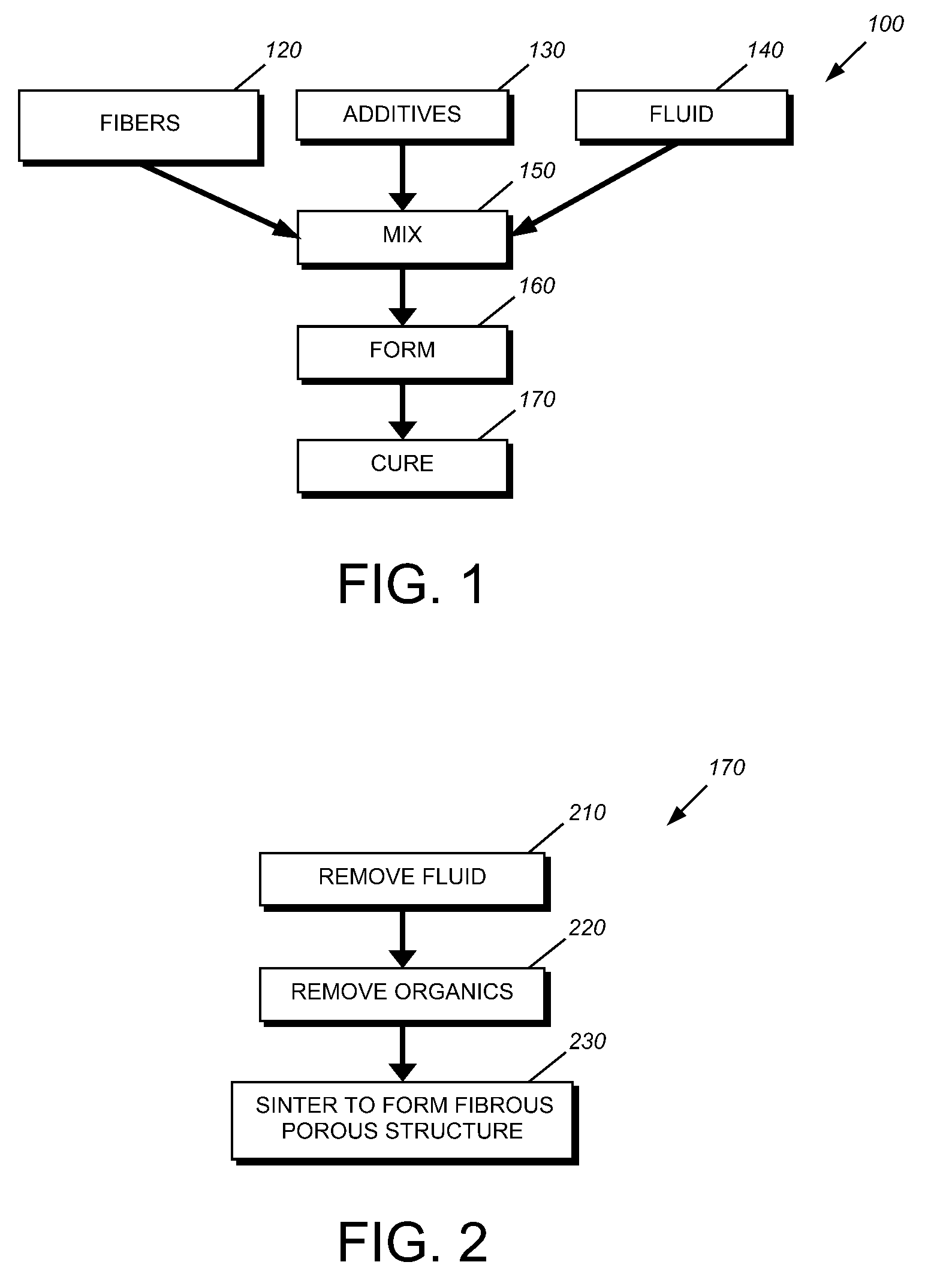
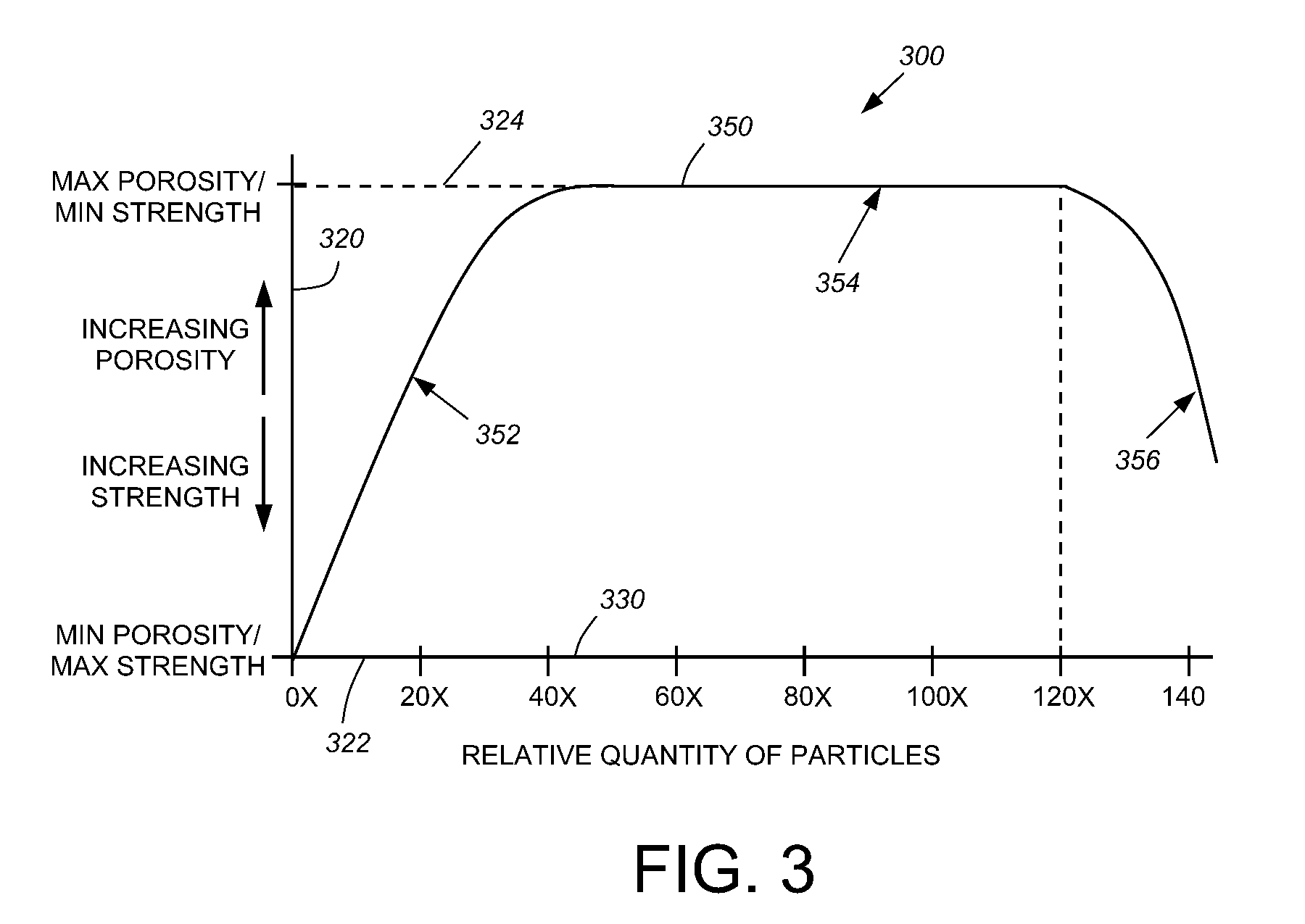
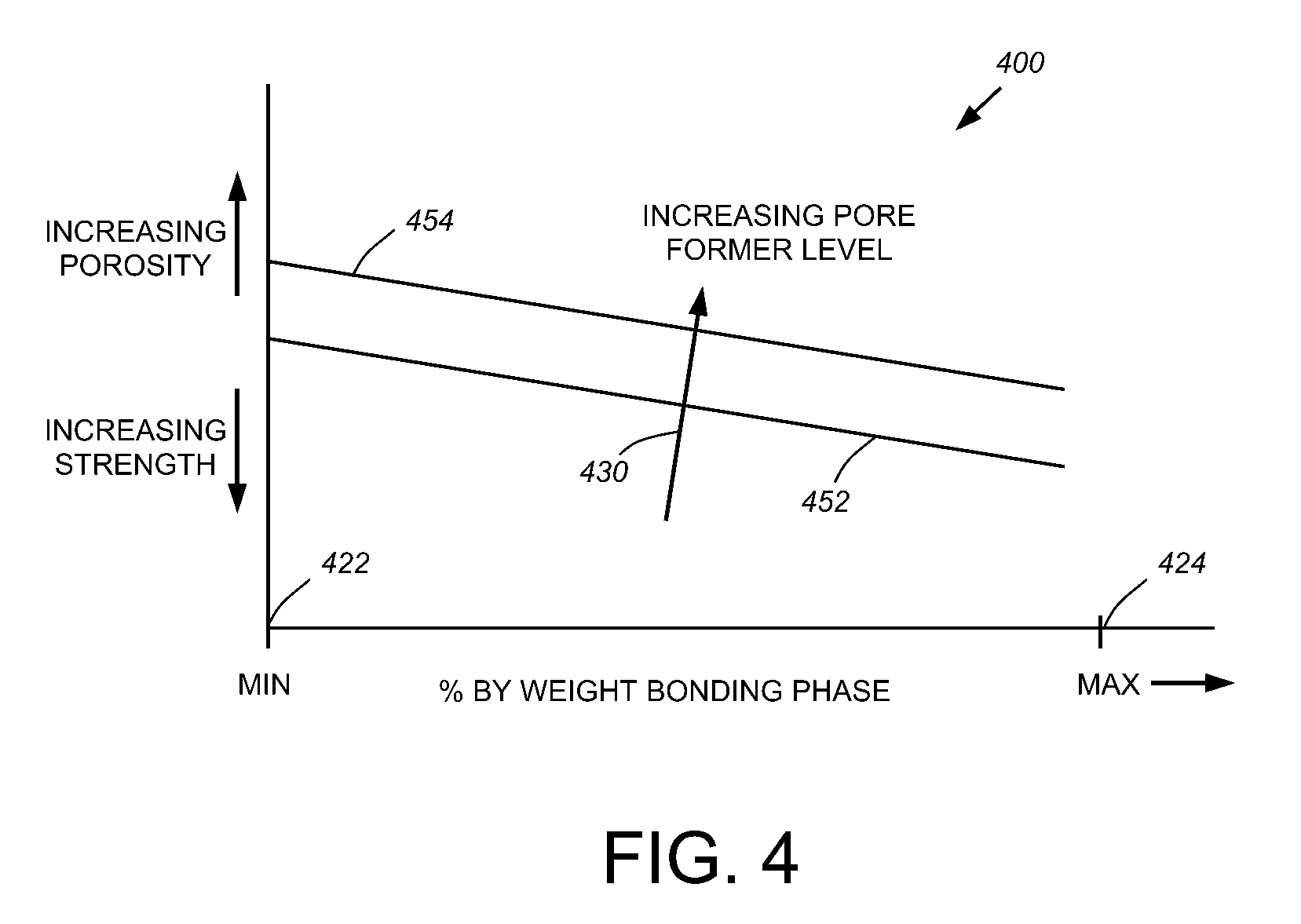
- A system and method for fabricating porous ceramic substrates by controlling the relative weight percentages of components such as ceramic fiber, organic binder, pore former, and inorganic bonding phase, allowing for variation of controllable factors to achieve optimized strength and porosity through a systematic approach rather than trial-and-error.

Space and Vacuum Industry Standards
The space and vacuum industry operates under stringent standards that directly impact ceramic substrate selection for outgassing-sensitive applications. These standards establish critical parameters for material qualification, testing protocols, and performance benchmarks that ensure reliable operation in extreme environments.
NASA-STD-6016 serves as the foundational standard for spacecraft materials and processes, establishing comprehensive outgassing requirements that ceramic substrates must meet. This standard mandates that materials exhibit total mass loss (TML) below 1.0% and collected volatile condensable materials (CVCM) below 0.1% when tested under standardized conditions. The standard also specifies testing procedures using thermogravimetric analysis at 125°C for 24 hours in vacuum conditions exceeding 10^-5 Torr.
European Space Agency standards, particularly ECSS-Q-ST-70-02C, complement NASA requirements while introducing additional considerations for long-duration missions. These standards emphasize molecular contamination control and establish acceptable outgassing rates for different mission phases. The ESA framework particularly addresses the cumulative effects of outgassing over extended operational periods, which is crucial for ceramic substrate selection in deep space applications.
Military and aerospace standards such as MIL-STD-1540 and ASTM E595 provide additional testing methodologies and acceptance criteria. These standards focus on kinetic outgassing rates and establish protocols for accelerated aging tests that simulate long-term exposure conditions. The integration of these standards ensures comprehensive evaluation of ceramic substrates across various operational scenarios.
Industry-specific standards from organizations like SEMI and IPC address vacuum processing equipment and electronic packaging applications respectively. These standards establish cleanliness requirements, handling procedures, and qualification testing that directly influence ceramic substrate manufacturing and selection processes. The convergence of these standards creates a comprehensive framework that guides material selection decisions while ensuring compatibility across different application domains and mission requirements.
NASA-STD-6016 serves as the foundational standard for spacecraft materials and processes, establishing comprehensive outgassing requirements that ceramic substrates must meet. This standard mandates that materials exhibit total mass loss (TML) below 1.0% and collected volatile condensable materials (CVCM) below 0.1% when tested under standardized conditions. The standard also specifies testing procedures using thermogravimetric analysis at 125°C for 24 hours in vacuum conditions exceeding 10^-5 Torr.
European Space Agency standards, particularly ECSS-Q-ST-70-02C, complement NASA requirements while introducing additional considerations for long-duration missions. These standards emphasize molecular contamination control and establish acceptable outgassing rates for different mission phases. The ESA framework particularly addresses the cumulative effects of outgassing over extended operational periods, which is crucial for ceramic substrate selection in deep space applications.
Military and aerospace standards such as MIL-STD-1540 and ASTM E595 provide additional testing methodologies and acceptance criteria. These standards focus on kinetic outgassing rates and establish protocols for accelerated aging tests that simulate long-term exposure conditions. The integration of these standards ensures comprehensive evaluation of ceramic substrates across various operational scenarios.
Industry-specific standards from organizations like SEMI and IPC address vacuum processing equipment and electronic packaging applications respectively. These standards establish cleanliness requirements, handling procedures, and qualification testing that directly influence ceramic substrate manufacturing and selection processes. The convergence of these standards creates a comprehensive framework that guides material selection decisions while ensuring compatibility across different application domains and mission requirements.
Material Certification and Quality Assurance
Material certification and quality assurance represent critical components in the selection and deployment of ceramic substrates for outgassing-sensitive applications. The certification process begins with comprehensive material characterization, where ceramic substrates undergo rigorous testing protocols to establish baseline outgassing profiles. These protocols typically follow established standards such as ASTM E595 or ESA-ECSS specifications, which quantify total mass loss (TML) and collected volatile condensable materials (CVCM) under controlled vacuum and temperature conditions.
Quality assurance frameworks for ceramic substrates encompass multiple verification stages throughout the manufacturing process. Raw material inspection ensures that ceramic powders and additives meet specified purity levels, as trace contaminants can significantly impact outgassing performance. During fabrication, process control measures monitor sintering temperatures, atmosphere composition, and cooling rates, all of which influence the final microstructure and volatile content of the ceramic substrate.
Batch-to-batch consistency verification requires statistical sampling and testing protocols that validate outgassing performance across production runs. This involves establishing control limits based on historical data and implementing corrective actions when deviations occur. Traceability systems document the complete material history from raw materials through final testing, enabling rapid identification and isolation of non-conforming products.
Third-party certification bodies play an essential role in validating manufacturer claims and providing independent verification of outgassing performance. These organizations maintain accredited testing facilities and issue certificates that specify outgassing rates, temperature ranges, and application-specific performance parameters. The certification process often includes witness testing, where customer representatives observe testing procedures to ensure compliance with their specific requirements.
Long-term stability assessment forms another crucial aspect of quality assurance, involving accelerated aging tests and periodic re-certification to verify that outgassing characteristics remain stable over the substrate's intended service life. This is particularly important for space applications where material replacement is not feasible and long-term reliability is paramount.
Quality assurance frameworks for ceramic substrates encompass multiple verification stages throughout the manufacturing process. Raw material inspection ensures that ceramic powders and additives meet specified purity levels, as trace contaminants can significantly impact outgassing performance. During fabrication, process control measures monitor sintering temperatures, atmosphere composition, and cooling rates, all of which influence the final microstructure and volatile content of the ceramic substrate.
Batch-to-batch consistency verification requires statistical sampling and testing protocols that validate outgassing performance across production runs. This involves establishing control limits based on historical data and implementing corrective actions when deviations occur. Traceability systems document the complete material history from raw materials through final testing, enabling rapid identification and isolation of non-conforming products.
Third-party certification bodies play an essential role in validating manufacturer claims and providing independent verification of outgassing performance. These organizations maintain accredited testing facilities and issue certificates that specify outgassing rates, temperature ranges, and application-specific performance parameters. The certification process often includes witness testing, where customer representatives observe testing procedures to ensure compliance with their specific requirements.
Long-term stability assessment forms another crucial aspect of quality assurance, involving accelerated aging tests and periodic re-certification to verify that outgassing characteristics remain stable over the substrate's intended service life. This is particularly important for space applications where material replacement is not feasible and long-term reliability is paramount.
Unlock deeper insights with PatSnap Eureka Quick Research — get a full tech report to explore trends and direct your research. Try now!
Generate Your Research Report Instantly with AI Agent
Supercharge your innovation with PatSnap Eureka AI Agent Platform!