Chrome Plating vs. Multiple Electroplated Layers: Comparison of Surface Properties
APR 8, 20269 MIN READ
Generate Your Research Report Instantly with AI Agent
PatSnap Eureka helps you evaluate technical feasibility & market potential.
Chrome Plating Technology Background and Objectives
Chrome plating technology emerged in the early 20th century as a revolutionary surface treatment method, fundamentally transforming industrial manufacturing and decorative applications. The electrochemical process involves depositing chromium onto metallic substrates through electrolytic reduction, creating surfaces with exceptional hardness, corrosion resistance, and aesthetic appeal. This technology has evolved from simple decorative applications to sophisticated industrial processes serving aerospace, automotive, and precision manufacturing sectors.
The historical development of chrome plating can be traced through several distinct phases. Initial developments in the 1920s focused on decorative applications, utilizing hexavalent chromium solutions to achieve mirror-like finishes on consumer products. The mid-century period witnessed significant advances in hard chrome plating, enabling the production of wear-resistant surfaces for industrial machinery and tooling applications. Contemporary developments have emphasized environmental compliance and process optimization, leading to innovations in trivalent chromium systems and alternative plating chemistries.
Multiple electroplated layer systems represent a parallel technological evolution, addressing limitations inherent in single-layer chrome deposits. These multi-layer approaches typically combine different metallic coatings to optimize specific surface properties, such as adhesion, corrosion protection, and mechanical performance. The technology leverages the synergistic effects of different materials, creating composite surface structures that exceed the capabilities of individual coating systems.
Current technological objectives in chrome plating focus on achieving superior surface properties while addressing environmental and regulatory constraints. Primary goals include developing hexavalent chromium alternatives that maintain performance standards, optimizing coating thickness uniformity, and enhancing adhesion characteristics. Advanced process control systems aim to minimize defect rates while maximizing coating consistency across complex geometries.
The comparative analysis between traditional chrome plating and multiple electroplated layer systems has become increasingly critical as industries demand enhanced performance specifications. Key objectives include evaluating surface hardness, wear resistance, corrosion protection, and aesthetic qualities across different coating architectures. Understanding the trade-offs between single-layer and multi-layer approaches enables informed decision-making for specific applications.
Future technological directions emphasize sustainable plating processes, advanced surface characterization techniques, and intelligent process monitoring systems. The integration of nanotechnology concepts and hybrid coating systems represents emerging frontiers in electroplating technology, promising enhanced surface properties and expanded application possibilities.
The historical development of chrome plating can be traced through several distinct phases. Initial developments in the 1920s focused on decorative applications, utilizing hexavalent chromium solutions to achieve mirror-like finishes on consumer products. The mid-century period witnessed significant advances in hard chrome plating, enabling the production of wear-resistant surfaces for industrial machinery and tooling applications. Contemporary developments have emphasized environmental compliance and process optimization, leading to innovations in trivalent chromium systems and alternative plating chemistries.
Multiple electroplated layer systems represent a parallel technological evolution, addressing limitations inherent in single-layer chrome deposits. These multi-layer approaches typically combine different metallic coatings to optimize specific surface properties, such as adhesion, corrosion protection, and mechanical performance. The technology leverages the synergistic effects of different materials, creating composite surface structures that exceed the capabilities of individual coating systems.
Current technological objectives in chrome plating focus on achieving superior surface properties while addressing environmental and regulatory constraints. Primary goals include developing hexavalent chromium alternatives that maintain performance standards, optimizing coating thickness uniformity, and enhancing adhesion characteristics. Advanced process control systems aim to minimize defect rates while maximizing coating consistency across complex geometries.
The comparative analysis between traditional chrome plating and multiple electroplated layer systems has become increasingly critical as industries demand enhanced performance specifications. Key objectives include evaluating surface hardness, wear resistance, corrosion protection, and aesthetic qualities across different coating architectures. Understanding the trade-offs between single-layer and multi-layer approaches enables informed decision-making for specific applications.
Future technological directions emphasize sustainable plating processes, advanced surface characterization techniques, and intelligent process monitoring systems. The integration of nanotechnology concepts and hybrid coating systems represents emerging frontiers in electroplating technology, promising enhanced surface properties and expanded application possibilities.
Market Demand for Advanced Electroplating Solutions
The global electroplating industry is experiencing unprecedented growth driven by expanding applications across automotive, electronics, aerospace, and medical device sectors. Traditional chrome plating has dominated surface treatment applications for decades, particularly in automotive components, decorative hardware, and industrial machinery. However, mounting environmental regulations and performance limitations are creating substantial market pressure for alternative solutions.
Multiple electroplated layer systems are emerging as a compelling response to these market demands. Industries requiring superior corrosion resistance, enhanced adhesion properties, and improved wear characteristics are increasingly adopting multi-layer approaches. The automotive sector, facing stringent environmental standards and durability requirements, represents a significant growth driver for advanced electroplating technologies.
Electronics manufacturing presents another substantial market opportunity, where miniaturization trends demand precise control over surface properties. Multi-layer electroplating enables tailored electrical conductivity, thermal management, and corrosion protection that single-layer chrome cannot achieve. The semiconductor industry's expansion, particularly in emerging markets, is fueling demand for sophisticated surface treatment solutions.
Aerospace applications are driving premium market segments, where weight reduction and performance optimization justify higher processing costs. Multi-layer systems offer superior fatigue resistance and environmental protection compared to traditional chrome plating, making them increasingly attractive for critical components.
Environmental compliance is reshaping market dynamics significantly. Hexavalent chromium restrictions in major markets are accelerating the transition toward alternative technologies. Companies are investing heavily in multi-layer electroplating capabilities to maintain market access while meeting regulatory requirements.
The medical device industry represents an emerging high-value market segment. Biocompatibility requirements and the need for precise surface characteristics are driving adoption of advanced electroplating solutions. Multi-layer systems enable customized surface properties that enhance device performance and patient safety.
Market demand is also influenced by sustainability considerations. Multi-layer electroplating often enables longer component lifecycles and reduced maintenance requirements, aligning with circular economy principles. This trend is particularly pronounced in industrial equipment and infrastructure applications where total cost of ownership considerations drive purchasing decisions.
Regional market dynamics vary significantly, with developed markets emphasizing environmental compliance and performance optimization, while emerging markets focus on cost-effectiveness and manufacturing capability development. This creates diverse opportunities for both traditional chrome plating and advanced multi-layer solutions across different geographic segments.
Multiple electroplated layer systems are emerging as a compelling response to these market demands. Industries requiring superior corrosion resistance, enhanced adhesion properties, and improved wear characteristics are increasingly adopting multi-layer approaches. The automotive sector, facing stringent environmental standards and durability requirements, represents a significant growth driver for advanced electroplating technologies.
Electronics manufacturing presents another substantial market opportunity, where miniaturization trends demand precise control over surface properties. Multi-layer electroplating enables tailored electrical conductivity, thermal management, and corrosion protection that single-layer chrome cannot achieve. The semiconductor industry's expansion, particularly in emerging markets, is fueling demand for sophisticated surface treatment solutions.
Aerospace applications are driving premium market segments, where weight reduction and performance optimization justify higher processing costs. Multi-layer systems offer superior fatigue resistance and environmental protection compared to traditional chrome plating, making them increasingly attractive for critical components.
Environmental compliance is reshaping market dynamics significantly. Hexavalent chromium restrictions in major markets are accelerating the transition toward alternative technologies. Companies are investing heavily in multi-layer electroplating capabilities to maintain market access while meeting regulatory requirements.
The medical device industry represents an emerging high-value market segment. Biocompatibility requirements and the need for precise surface characteristics are driving adoption of advanced electroplating solutions. Multi-layer systems enable customized surface properties that enhance device performance and patient safety.
Market demand is also influenced by sustainability considerations. Multi-layer electroplating often enables longer component lifecycles and reduced maintenance requirements, aligning with circular economy principles. This trend is particularly pronounced in industrial equipment and infrastructure applications where total cost of ownership considerations drive purchasing decisions.
Regional market dynamics vary significantly, with developed markets emphasizing environmental compliance and performance optimization, while emerging markets focus on cost-effectiveness and manufacturing capability development. This creates diverse opportunities for both traditional chrome plating and advanced multi-layer solutions across different geographic segments.
Current State of Chrome vs Multi-Layer Plating Technologies
Chrome plating technology has dominated the surface finishing industry for over a century, establishing itself as the gold standard for applications requiring exceptional hardness, wear resistance, and corrosion protection. Traditional hexavalent chromium plating processes deliver surface hardness values ranging from 850-1000 HV, making them indispensable for automotive components, hydraulic cylinders, and precision tooling applications.
However, environmental regulations and health concerns surrounding hexavalent chromium have catalyzed significant technological shifts. The European Union's RoHS directive and similar regulations worldwide have restricted chromium usage, forcing manufacturers to explore alternative solutions while maintaining performance standards.
Multi-layer electroplating technologies have emerged as a promising alternative, utilizing sequential deposition of different metallic layers to achieve desired surface properties. Current multi-layer systems typically employ combinations of nickel, copper, zinc, and trivalent chromium layers, each contributing specific functional characteristics to the final coating system.
Leading multi-layer approaches include nickel-copper-nickel sandwich structures for enhanced corrosion resistance, and zinc-nickel alloy systems with organic topcoats for automotive applications. These systems demonstrate comparable or superior corrosion protection while addressing environmental compliance requirements.
Contemporary chrome plating has evolved to incorporate trivalent chromium processes, which offer reduced environmental impact while maintaining acceptable performance levels. Modern trivalent chrome systems achieve hardness values of 400-600 HV, though still below traditional hexavalent chrome performance.
Advanced multi-layer technologies now integrate nanostructured coatings and pulse plating techniques to optimize layer interfaces and minimize defects. These innovations enable precise control over coating thickness, composition gradients, and residual stress distribution, resulting in enhanced adhesion and durability.
Current industrial implementations show multi-layer systems achieving coating thicknesses from 10-50 micrometers with controlled porosity levels below 0.1%. Surface roughness values comparable to traditional chrome plating (Ra 0.1-0.3 μm) are consistently achievable through optimized process parameters.
The technology landscape continues evolving with hybrid approaches combining physical vapor deposition with electroplating, offering enhanced surface properties while maintaining cost-effectiveness for high-volume manufacturing applications.
However, environmental regulations and health concerns surrounding hexavalent chromium have catalyzed significant technological shifts. The European Union's RoHS directive and similar regulations worldwide have restricted chromium usage, forcing manufacturers to explore alternative solutions while maintaining performance standards.
Multi-layer electroplating technologies have emerged as a promising alternative, utilizing sequential deposition of different metallic layers to achieve desired surface properties. Current multi-layer systems typically employ combinations of nickel, copper, zinc, and trivalent chromium layers, each contributing specific functional characteristics to the final coating system.
Leading multi-layer approaches include nickel-copper-nickel sandwich structures for enhanced corrosion resistance, and zinc-nickel alloy systems with organic topcoats for automotive applications. These systems demonstrate comparable or superior corrosion protection while addressing environmental compliance requirements.
Contemporary chrome plating has evolved to incorporate trivalent chromium processes, which offer reduced environmental impact while maintaining acceptable performance levels. Modern trivalent chrome systems achieve hardness values of 400-600 HV, though still below traditional hexavalent chrome performance.
Advanced multi-layer technologies now integrate nanostructured coatings and pulse plating techniques to optimize layer interfaces and minimize defects. These innovations enable precise control over coating thickness, composition gradients, and residual stress distribution, resulting in enhanced adhesion and durability.
Current industrial implementations show multi-layer systems achieving coating thicknesses from 10-50 micrometers with controlled porosity levels below 0.1%. Surface roughness values comparable to traditional chrome plating (Ra 0.1-0.3 μm) are consistently achievable through optimized process parameters.
The technology landscape continues evolving with hybrid approaches combining physical vapor deposition with electroplating, offering enhanced surface properties while maintaining cost-effectiveness for high-volume manufacturing applications.
Existing Chrome and Multi-Layer Plating Solutions
01 Surface roughness and texture control of electroplated layers
The surface properties of electroplated layers can be controlled by adjusting plating parameters to achieve desired roughness and texture characteristics. This includes controlling grain structure, surface morphology, and topographical features through optimization of current density, bath composition, and plating time. Surface texture modifications can enhance adhesion properties, wear resistance, and aesthetic appearance of the electroplated coating.- Surface roughness and texture control of electroplated layers: The surface properties of electroplated layers can be controlled by adjusting plating parameters to achieve desired roughness and texture characteristics. This includes controlling grain structure, surface morphology, and topographical features through optimization of current density, bath composition, and plating time. Surface texture modifications can enhance adhesion properties, reduce friction, and improve aesthetic appearance of the plated surface.
- Hardness and wear resistance enhancement: Electroplated layers can be engineered to exhibit superior hardness and wear resistance through specific alloy compositions and microstructural control. The mechanical properties of the plated surface can be optimized by incorporating hardening elements, controlling crystalline structure, and managing internal stress distribution. These modifications result in improved durability and extended service life of the coated components.
- Corrosion resistance and chemical stability: The protective properties of electroplated layers against corrosion and chemical attack can be enhanced through careful selection of plating materials and process optimization. Surface treatments and post-plating processes can further improve the barrier properties and chemical stability of the coating. These improvements ensure long-term protection of the substrate material in harsh environmental conditions.
- Adhesion strength and interfacial bonding: The adhesion between electroplated layers and substrate materials is critical for coating performance and can be improved through surface preparation techniques and interface engineering. Proper control of nucleation and growth mechanisms during electrodeposition ensures strong metallurgical bonding. Enhanced adhesion prevents delamination and ensures integrity of the coating under mechanical stress and thermal cycling.
- Electrical and thermal conductivity properties: Electroplated layers can be designed to provide specific electrical and thermal conductivity characteristics suitable for various applications. The conductive properties depend on the plating material selection, layer thickness, and microstructural uniformity. These properties are particularly important for electronic components, heat dissipation applications, and electromagnetic shielding purposes.
02 Hardness and mechanical properties enhancement
Electroplated layers can be engineered to exhibit improved hardness and mechanical strength through compositional control and microstructural optimization. The incorporation of specific alloying elements or the formation of composite coatings can significantly enhance wear resistance, scratch resistance, and durability. Post-plating treatments such as heat treatment or surface finishing can further improve the mechanical performance of the electroplated surface.Expand Specific Solutions03 Corrosion resistance and protective properties
The surface properties of electroplated layers play a crucial role in providing corrosion protection to substrate materials. By controlling the density, uniformity, and thickness of the electroplated coating, enhanced barrier properties against environmental degradation can be achieved. Multi-layer plating systems and the use of corrosion-resistant alloys can provide superior protection in harsh environments.Expand Specific Solutions04 Adhesion and bonding characteristics
The interfacial properties between electroplated layers and substrate materials are critical for ensuring long-term performance and reliability. Surface preparation techniques, intermediate layers, and activation treatments can significantly improve the adhesion strength of electroplated coatings. The bonding mechanism and interfacial structure can be optimized through control of plating conditions and surface chemistry.Expand Specific Solutions05 Electrical and thermal conductivity properties
Electroplated layers can be designed to provide specific electrical and thermal conductivity characteristics suitable for various applications. The selection of plating materials and control of layer thickness and uniformity directly influence the conductive properties of the surface. These properties are particularly important in electronic components, electrical contacts, and heat dissipation applications where consistent performance is required.Expand Specific Solutions
Major Players in Electroplating Industry Analysis
The chrome plating versus multiple electroplated layers technology represents a mature market segment within the broader surface finishing industry, currently valued at approximately $15 billion globally. The industry is in a consolidation phase, with established players like Atotech Deutschland, MacDermid Enthone, and Coventya SAS dominating chemical solutions, while equipment manufacturers such as Applied Materials and specialized coating companies like Vapor Tech Inc drive technological advancement. Technology maturity varies significantly across applications - traditional chrome plating remains well-established in automotive (Hyundai Motor, Robert Bosch) and industrial sectors, while advanced multi-layer electroplating techniques are emerging in electronics manufacturing through companies like Murata Manufacturing and Taiyo Yuden. Research institutions like Fraunhofer-Gesellschaft and University of Connecticut continue pushing innovation boundaries, particularly in environmental compliance and performance optimization, indicating ongoing technological evolution despite market maturity.
Atotech Deutschland GmbH & Co. KG
Technical Solution: Atotech specializes in advanced electroplating solutions that compare chrome plating with multiple electroplated layer systems. Their technology focuses on developing multi-layer nickel-chromium systems that provide superior corrosion resistance compared to traditional single-layer chrome plating. The company's approach involves applying sequential layers of different materials, including copper, nickel, and chromium, each optimized for specific surface properties. Their research demonstrates that multiple electroplated layers can achieve better adhesion, improved wear resistance, and enhanced aesthetic properties while reducing hexavalent chromium usage for environmental compliance.
Strengths: Industry-leading expertise in electroplating chemistry and multi-layer coating systems with strong environmental compliance solutions. Weaknesses: Higher process complexity and increased production costs compared to traditional chrome plating methods.
Arlington Plating Co.
Technical Solution: Arlington Plating specializes in comparative analysis and implementation of chrome plating versus multi-layer electroplating systems for industrial applications. Their technical approach involves optimizing electroplating bath chemistry and process parameters to achieve specific surface property requirements through either traditional chrome plating or sequential multi-layer deposition. The company focuses on practical implementation challenges, including adhesion optimization between layers, thickness control, and quality assurance methods. Their research demonstrates trade-offs between process complexity and surface property enhancement, providing guidelines for selecting appropriate coating systems based on application requirements and performance specifications.
Strengths: Practical industrial experience and proven process optimization capabilities for both chrome and multi-layer systems. Weaknesses: Limited research and development resources compared to larger technology companies, potentially slower innovation adoption.
Core Technologies in Surface Property Enhancement
Chrome plated articles of variable surface appearance
PatentInactiveUS20080173548A1
Innovation
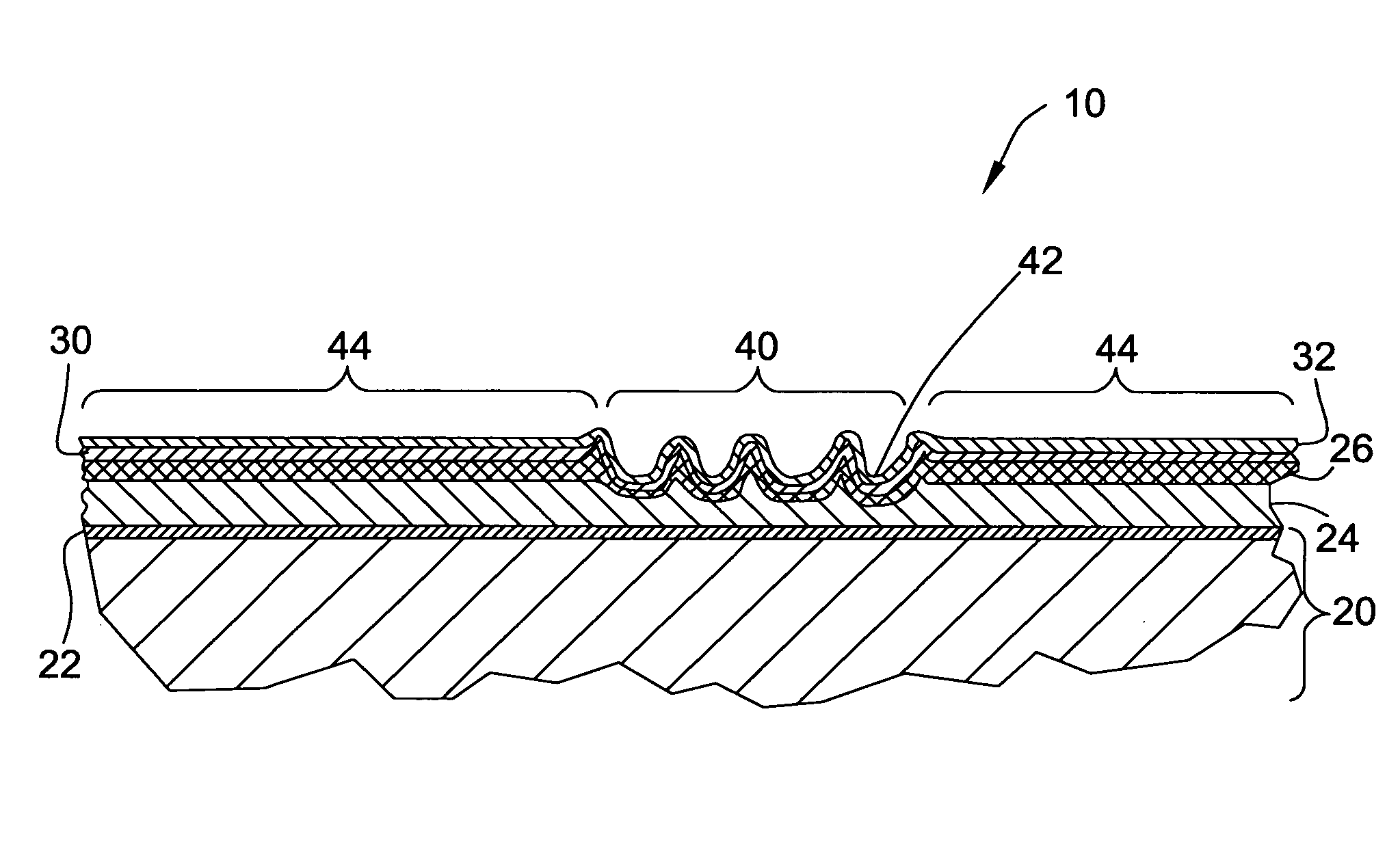
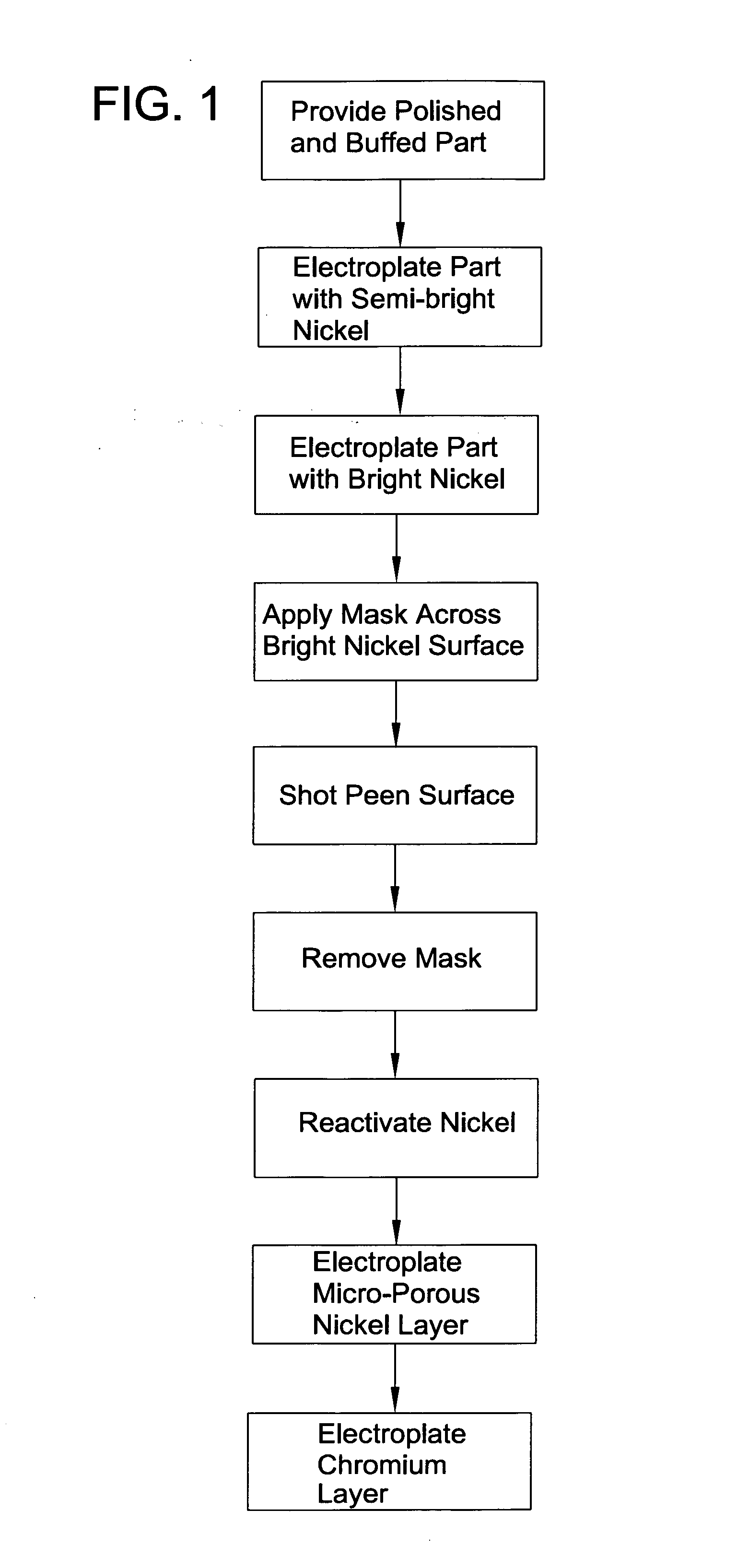
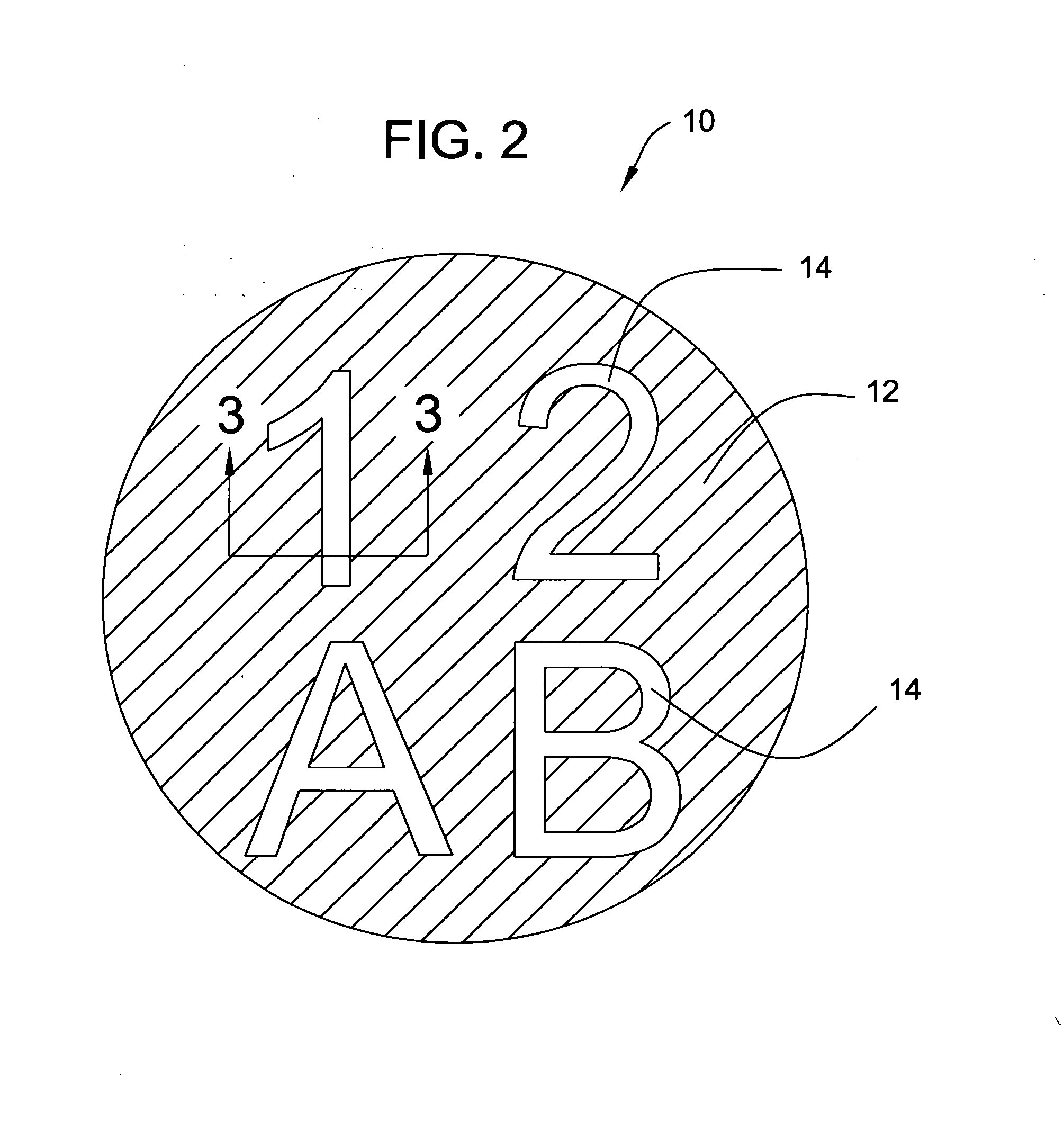
- A process involving electroplated layers of nickel and chromium combined with controlled shot-peening or dimpling treatments to create predefined differential reflectivity patterns on the surface, ensuring uniform oxidation and maintaining corrosion resistance by distributing oxidation across the entire surface.

Chrome plated parts and chrome plating method
PatentInactiveUSRE40386E1
Innovation
- A chrome plating method that forms a crack-free chrome layer with compressive residual stress of 100 MPa or more and a crystal grain size of 9 nm to 16 nm, using a two-step plating process with pulse and direct currents in a chrome plating bath containing organic sulfonic acid, and optionally includes intermediate layers or an oxide film for enhanced corrosion resistance.


Environmental Regulations for Electroplating Processes
The electroplating industry faces increasingly stringent environmental regulations worldwide, particularly concerning hexavalent chromium compounds used in traditional chrome plating processes. The European Union's REACH regulation and RoHS directive have established strict limits on chromium VI usage, while the United States EPA has implemented comprehensive air quality standards under the Clean Air Act, specifically targeting chromium emissions from electroplating facilities.
Traditional chrome plating operations generate significant environmental concerns due to the toxicity of hexavalent chromium, which is classified as a known carcinogen. Regulatory frameworks mandate sophisticated emission control systems, including fume scrubbers, ventilation systems, and wastewater treatment facilities. These requirements substantially increase operational costs and complexity for facilities utilizing conventional chrome plating processes.
Multiple electroplated layer systems present distinct regulatory advantages by potentially eliminating or reducing hexavalent chromium usage. Alternative coating systems utilizing nickel-chromium, zinc-nickel, or trivalent chromium formulations face less restrictive regulatory oversight. However, these alternatives must still comply with regulations governing nickel emissions, wastewater discharge standards, and worker safety protocols established by occupational health agencies.
Waste management regulations significantly impact both coating approaches. Chrome plating facilities must handle hazardous waste classification requirements, specialized disposal procedures, and comprehensive documentation protocols. The Resource Conservation and Recovery Act in the United States and similar legislation globally impose strict tracking and disposal requirements for chromium-containing waste streams.
Emerging regulations focus on lifecycle environmental impact assessment, pushing the industry toward more sustainable coating solutions. The trend toward extended producer responsibility and circular economy principles favors multiple layer systems that can incorporate recycled materials or enable easier end-of-life processing. Future regulatory developments are expected to further restrict hexavalent chromium usage while promoting alternative coating technologies that maintain performance standards while reducing environmental impact.
Compliance costs for traditional chrome plating continue escalating as regulations tighten, making multiple electroplated layer systems increasingly attractive from both environmental and economic perspectives.
Traditional chrome plating operations generate significant environmental concerns due to the toxicity of hexavalent chromium, which is classified as a known carcinogen. Regulatory frameworks mandate sophisticated emission control systems, including fume scrubbers, ventilation systems, and wastewater treatment facilities. These requirements substantially increase operational costs and complexity for facilities utilizing conventional chrome plating processes.
Multiple electroplated layer systems present distinct regulatory advantages by potentially eliminating or reducing hexavalent chromium usage. Alternative coating systems utilizing nickel-chromium, zinc-nickel, or trivalent chromium formulations face less restrictive regulatory oversight. However, these alternatives must still comply with regulations governing nickel emissions, wastewater discharge standards, and worker safety protocols established by occupational health agencies.
Waste management regulations significantly impact both coating approaches. Chrome plating facilities must handle hazardous waste classification requirements, specialized disposal procedures, and comprehensive documentation protocols. The Resource Conservation and Recovery Act in the United States and similar legislation globally impose strict tracking and disposal requirements for chromium-containing waste streams.
Emerging regulations focus on lifecycle environmental impact assessment, pushing the industry toward more sustainable coating solutions. The trend toward extended producer responsibility and circular economy principles favors multiple layer systems that can incorporate recycled materials or enable easier end-of-life processing. Future regulatory developments are expected to further restrict hexavalent chromium usage while promoting alternative coating technologies that maintain performance standards while reducing environmental impact.
Compliance costs for traditional chrome plating continue escalating as regulations tighten, making multiple electroplated layer systems increasingly attractive from both environmental and economic perspectives.
Cost-Benefit Analysis of Plating Technologies
The economic evaluation of chrome plating versus multiple electroplated layers reveals significant differences in initial investment requirements and operational expenditures. Chrome plating systems typically demand lower capital investment due to simpler equipment configurations and fewer processing stages. The infrastructure requirements include basic rectifiers, plating tanks, and ventilation systems, with estimated setup costs ranging from $50,000 to $200,000 for medium-scale operations.
Multiple electroplated layer systems require substantially higher initial investments, often 40-60% more than traditional chrome plating facilities. This increased cost stems from the need for multiple plating stations, sophisticated process control systems, and specialized equipment for each layer deposition. The complexity of managing sequential plating processes necessitates advanced automation and monitoring systems, driving up capital requirements.
Operational cost analysis reveals contrasting patterns between the two technologies. Chrome plating demonstrates higher chemical consumption costs due to the use of hexavalent chromium compounds and associated waste treatment requirements. Environmental compliance costs for chrome plating have escalated significantly, with waste disposal expenses reaching $3-5 per gallon of processed solution. Additionally, regulatory compliance demands specialized ventilation systems and worker protection equipment, adding 15-20% to operational overhead.
Multiple electroplated layer systems exhibit lower environmental compliance costs but higher labor and energy consumption. The multi-step process requires extended processing times, typically 30-50% longer than single-layer chrome plating, resulting in increased energy costs. However, the use of less hazardous chemicals reduces waste treatment expenses by approximately 40-60% compared to traditional chrome plating.
Long-term economic benefits favor multiple electroplated layer technologies despite higher initial investments. Enhanced corrosion resistance and extended component lifespan translate to reduced maintenance costs and longer replacement cycles for end-users. Industry data indicates that components treated with multiple electroplated layers demonstrate 25-40% longer service life, providing substantial value proposition for high-performance applications.
The return on investment analysis shows that multiple electroplated layer systems typically achieve payback within 3-4 years in high-volume production environments, primarily through reduced environmental compliance costs and premium pricing for superior surface properties. Chrome plating remains economically viable for low-volume, cost-sensitive applications where initial investment minimization takes precedence over long-term operational efficiency.
Multiple electroplated layer systems require substantially higher initial investments, often 40-60% more than traditional chrome plating facilities. This increased cost stems from the need for multiple plating stations, sophisticated process control systems, and specialized equipment for each layer deposition. The complexity of managing sequential plating processes necessitates advanced automation and monitoring systems, driving up capital requirements.
Operational cost analysis reveals contrasting patterns between the two technologies. Chrome plating demonstrates higher chemical consumption costs due to the use of hexavalent chromium compounds and associated waste treatment requirements. Environmental compliance costs for chrome plating have escalated significantly, with waste disposal expenses reaching $3-5 per gallon of processed solution. Additionally, regulatory compliance demands specialized ventilation systems and worker protection equipment, adding 15-20% to operational overhead.
Multiple electroplated layer systems exhibit lower environmental compliance costs but higher labor and energy consumption. The multi-step process requires extended processing times, typically 30-50% longer than single-layer chrome plating, resulting in increased energy costs. However, the use of less hazardous chemicals reduces waste treatment expenses by approximately 40-60% compared to traditional chrome plating.
Long-term economic benefits favor multiple electroplated layer technologies despite higher initial investments. Enhanced corrosion resistance and extended component lifespan translate to reduced maintenance costs and longer replacement cycles for end-users. Industry data indicates that components treated with multiple electroplated layers demonstrate 25-40% longer service life, providing substantial value proposition for high-performance applications.
The return on investment analysis shows that multiple electroplated layer systems typically achieve payback within 3-4 years in high-volume production environments, primarily through reduced environmental compliance costs and premium pricing for superior surface properties. Chrome plating remains economically viable for low-volume, cost-sensitive applications where initial investment minimization takes precedence over long-term operational efficiency.
Unlock deeper insights with PatSnap Eureka Quick Research — get a full tech report to explore trends and direct your research. Try now!
Generate Your Research Report Instantly with AI Agent
Supercharge your innovation with PatSnap Eureka AI Agent Platform!