Cold Plates in Conveyor Systems: Extending Component Lifespan
APR 22, 20269 MIN READ
Generate Your Research Report Instantly with AI Agent
PatSnap Eureka helps you evaluate technical feasibility & market potential.
Cold Plate Thermal Management Background and Objectives
Cold plate thermal management has emerged as a critical technology in modern industrial conveyor systems, where electronic components face increasingly demanding operational environments. The evolution of conveyor systems from simple mechanical transport mechanisms to sophisticated automated platforms has introduced complex thermal challenges that directly impact component reliability and operational efficiency. As conveyor systems integrate more advanced sensors, controllers, and power electronics, the heat generation density has increased exponentially, creating thermal hotspots that can significantly reduce component lifespan.
The historical development of thermal management in conveyor applications traces back to the early adoption of industrial automation in the 1970s, when basic heat sinks and passive cooling methods were sufficient for simple control systems. However, the transition to high-performance servo drives, intelligent sensors, and embedded computing platforms has fundamentally altered the thermal landscape. Modern conveyor systems operate in harsh environments including manufacturing floors, warehouses, and outdoor facilities where ambient temperatures can vary dramatically, further exacerbating thermal stress on critical components.
Current industry trends indicate a shift toward more compact and powerful electronic systems within conveyor platforms, driven by demands for higher throughput, precision control, and real-time data processing. This miniaturization paradox creates concentrated heat loads that traditional air cooling methods cannot adequately address. The integration of Industry 4.0 technologies, including IoT sensors and edge computing devices, has further intensified thermal management requirements while simultaneously reducing available space for cooling solutions.
The primary objective of implementing cold plate thermal management in conveyor systems centers on extending component operational lifespan through precise temperature control. Research indicates that every 10°C reduction in operating temperature can double the lifespan of semiconductor components, making effective thermal management a critical factor in total cost of ownership. The technology aims to maintain junction temperatures below critical thresholds while ensuring consistent performance across varying operational conditions.
Secondary objectives include improving system reliability, reducing maintenance costs, and enabling higher power density designs that support advanced conveyor functionalities. The ultimate goal is achieving thermal equilibrium that allows components to operate within their optimal temperature ranges throughout extended duty cycles, thereby maximizing return on investment and minimizing unplanned downtime in mission-critical conveyor applications.
The historical development of thermal management in conveyor applications traces back to the early adoption of industrial automation in the 1970s, when basic heat sinks and passive cooling methods were sufficient for simple control systems. However, the transition to high-performance servo drives, intelligent sensors, and embedded computing platforms has fundamentally altered the thermal landscape. Modern conveyor systems operate in harsh environments including manufacturing floors, warehouses, and outdoor facilities where ambient temperatures can vary dramatically, further exacerbating thermal stress on critical components.
Current industry trends indicate a shift toward more compact and powerful electronic systems within conveyor platforms, driven by demands for higher throughput, precision control, and real-time data processing. This miniaturization paradox creates concentrated heat loads that traditional air cooling methods cannot adequately address. The integration of Industry 4.0 technologies, including IoT sensors and edge computing devices, has further intensified thermal management requirements while simultaneously reducing available space for cooling solutions.
The primary objective of implementing cold plate thermal management in conveyor systems centers on extending component operational lifespan through precise temperature control. Research indicates that every 10°C reduction in operating temperature can double the lifespan of semiconductor components, making effective thermal management a critical factor in total cost of ownership. The technology aims to maintain junction temperatures below critical thresholds while ensuring consistent performance across varying operational conditions.
Secondary objectives include improving system reliability, reducing maintenance costs, and enabling higher power density designs that support advanced conveyor functionalities. The ultimate goal is achieving thermal equilibrium that allows components to operate within their optimal temperature ranges throughout extended duty cycles, thereby maximizing return on investment and minimizing unplanned downtime in mission-critical conveyor applications.
Market Demand for Enhanced Conveyor System Reliability
The global conveyor system market is experiencing unprecedented growth driven by increasing automation demands across manufacturing, logistics, and material handling sectors. Industrial facilities are recognizing that conveyor system reliability directly impacts operational efficiency, production throughput, and overall profitability. Unplanned downtime costs can reach thousands of dollars per hour in high-volume manufacturing environments, creating substantial economic pressure to enhance system reliability.
Manufacturing industries, particularly automotive, food processing, pharmaceuticals, and e-commerce fulfillment centers, are demanding conveyor systems with extended operational lifespans and reduced maintenance requirements. These sectors operate under stringent quality standards and tight production schedules, making system reliability a critical competitive advantage. The shift toward continuous operation models and just-in-time manufacturing has intensified the need for dependable conveyor infrastructure.
Thermal management challenges in conveyor systems have become increasingly prominent as operational speeds and loads continue to escalate. Components such as motors, drives, bearings, and control electronics generate significant heat during operation, leading to accelerated wear, reduced efficiency, and premature failure. Traditional cooling methods often prove inadequate for modern high-performance conveyor applications, creating a substantial market opportunity for advanced thermal management solutions.
The integration of cold plate technology represents a strategic response to these thermal challenges. Cold plates offer precise temperature control, enabling conveyor systems to maintain optimal operating conditions even under demanding industrial environments. This technology addresses the growing market demand for predictable maintenance schedules, reduced component replacement costs, and improved overall equipment effectiveness.
Market research indicates strong adoption potential across multiple industrial segments. Food processing facilities require temperature-controlled conveyor systems to maintain product quality and comply with safety regulations. Pharmaceutical manufacturing demands precise environmental control to ensure product integrity. Electronics assembly operations need thermal stability to prevent component damage during production processes.
The economic value proposition for enhanced conveyor reliability extends beyond immediate operational benefits. Companies are increasingly focused on total cost of ownership, including energy consumption, maintenance expenses, and productivity losses. Cold plate integration addresses these concerns by extending component lifecycles, reducing energy waste from overheating, and minimizing unexpected system failures that disrupt production schedules.
Manufacturing industries, particularly automotive, food processing, pharmaceuticals, and e-commerce fulfillment centers, are demanding conveyor systems with extended operational lifespans and reduced maintenance requirements. These sectors operate under stringent quality standards and tight production schedules, making system reliability a critical competitive advantage. The shift toward continuous operation models and just-in-time manufacturing has intensified the need for dependable conveyor infrastructure.
Thermal management challenges in conveyor systems have become increasingly prominent as operational speeds and loads continue to escalate. Components such as motors, drives, bearings, and control electronics generate significant heat during operation, leading to accelerated wear, reduced efficiency, and premature failure. Traditional cooling methods often prove inadequate for modern high-performance conveyor applications, creating a substantial market opportunity for advanced thermal management solutions.
The integration of cold plate technology represents a strategic response to these thermal challenges. Cold plates offer precise temperature control, enabling conveyor systems to maintain optimal operating conditions even under demanding industrial environments. This technology addresses the growing market demand for predictable maintenance schedules, reduced component replacement costs, and improved overall equipment effectiveness.
Market research indicates strong adoption potential across multiple industrial segments. Food processing facilities require temperature-controlled conveyor systems to maintain product quality and comply with safety regulations. Pharmaceutical manufacturing demands precise environmental control to ensure product integrity. Electronics assembly operations need thermal stability to prevent component damage during production processes.
The economic value proposition for enhanced conveyor reliability extends beyond immediate operational benefits. Companies are increasingly focused on total cost of ownership, including energy consumption, maintenance expenses, and productivity losses. Cold plate integration addresses these concerns by extending component lifecycles, reducing energy waste from overheating, and minimizing unexpected system failures that disrupt production schedules.
Current Thermal Challenges in Conveyor Component Degradation
Conveyor systems operating in industrial environments face significant thermal challenges that directly impact component longevity and operational efficiency. The primary thermal issue stems from excessive heat generation during continuous operation, particularly in high-speed applications where friction between moving parts creates substantial temperature increases. This heat accumulation leads to accelerated wear patterns, material degradation, and premature component failure across critical system elements.
Motor assemblies represent one of the most thermally vulnerable components in conveyor systems. Continuous operation generates substantial heat through electromagnetic losses and mechanical friction, with temperatures often exceeding optimal operating ranges. When motors operate above their designed thermal thresholds, insulation materials deteriorate rapidly, bearing lubricants break down, and magnetic properties of core materials degrade, resulting in reduced efficiency and shortened service life.
Bearing systems experience severe thermal stress due to their constant motion and load-bearing responsibilities. Elevated temperatures cause lubricant viscosity changes, leading to inadequate lubrication and increased metal-to-metal contact. This thermal degradation cycle accelerates bearing wear, increases noise levels, and ultimately results in catastrophic bearing failure that can halt entire production lines.
Drive components, including gears, chains, and belt systems, suffer from thermal expansion and contraction cycles that create dimensional instabilities. These temperature fluctuations cause misalignment issues, increased backlash in gear systems, and premature stretching or cracking in belt materials. The cumulative effect reduces power transmission efficiency and increases maintenance requirements.
Electronic control systems face unique thermal challenges as semiconductor components are particularly sensitive to temperature variations. Heat buildup in control cabinets and junction boxes can cause logic errors, component drift, and complete system failures. Variable frequency drives and servo controllers are especially vulnerable, with their performance degrading significantly as operating temperatures exceed manufacturer specifications.
Structural components also experience thermal stress through expansion and contraction cycles, leading to frame distortion, mounting point loosening, and alignment issues. These thermal effects compound over time, creating cascading failures throughout the conveyor system and requiring extensive maintenance interventions to restore proper operation.
Motor assemblies represent one of the most thermally vulnerable components in conveyor systems. Continuous operation generates substantial heat through electromagnetic losses and mechanical friction, with temperatures often exceeding optimal operating ranges. When motors operate above their designed thermal thresholds, insulation materials deteriorate rapidly, bearing lubricants break down, and magnetic properties of core materials degrade, resulting in reduced efficiency and shortened service life.
Bearing systems experience severe thermal stress due to their constant motion and load-bearing responsibilities. Elevated temperatures cause lubricant viscosity changes, leading to inadequate lubrication and increased metal-to-metal contact. This thermal degradation cycle accelerates bearing wear, increases noise levels, and ultimately results in catastrophic bearing failure that can halt entire production lines.
Drive components, including gears, chains, and belt systems, suffer from thermal expansion and contraction cycles that create dimensional instabilities. These temperature fluctuations cause misalignment issues, increased backlash in gear systems, and premature stretching or cracking in belt materials. The cumulative effect reduces power transmission efficiency and increases maintenance requirements.
Electronic control systems face unique thermal challenges as semiconductor components are particularly sensitive to temperature variations. Heat buildup in control cabinets and junction boxes can cause logic errors, component drift, and complete system failures. Variable frequency drives and servo controllers are especially vulnerable, with their performance degrading significantly as operating temperatures exceed manufacturer specifications.
Structural components also experience thermal stress through expansion and contraction cycles, leading to frame distortion, mounting point loosening, and alignment issues. These thermal effects compound over time, creating cascading failures throughout the conveyor system and requiring extensive maintenance interventions to restore proper operation.
Existing Cold Plate Solutions for Component Protection
01 Material selection and composition for enhanced durability
The lifespan of cold plates can be significantly extended through careful selection of materials with superior thermal and mechanical properties. Advanced alloys, composite materials, and corrosion-resistant coatings are employed to withstand thermal cycling, pressure variations, and chemical exposure. Material composition optimization focuses on reducing degradation mechanisms such as thermal fatigue, corrosion, and mechanical wear that typically limit component longevity.- Material selection and composition for enhanced durability: The lifespan of cold plates can be significantly improved through careful selection of materials with superior thermal and mechanical properties. Advanced alloys, composite materials, and corrosion-resistant coatings are employed to withstand thermal cycling, pressure variations, and chemical exposure. Material composition optimization focuses on reducing degradation mechanisms such as thermal fatigue, corrosion, and mechanical wear that typically limit component longevity.
- Thermal management design optimization: Enhanced thermal management designs extend cold plate lifespan by minimizing thermal stress concentrations and improving heat distribution uniformity. Innovative channel geometries, flow path configurations, and heat transfer enhancement features reduce localized overheating and thermal gradients. These design approaches prevent premature failure caused by thermal expansion mismatches and cyclic thermal loading.
- Protective coatings and surface treatments: Application of specialized protective coatings and surface treatments significantly increases cold plate component lifespan by preventing corrosion, erosion, and chemical degradation. Surface modification techniques enhance resistance to coolant-induced corrosion, particulate erosion, and biofouling. These protective layers maintain thermal performance while extending operational life under harsh environmental conditions.
- Structural reinforcement and stress reduction: Structural design improvements and stress reduction strategies enhance cold plate longevity by addressing mechanical failure modes. Reinforcement features, optimized joint designs, and stress-relief geometries minimize fatigue crack initiation and propagation. These structural enhancements accommodate thermal expansion, vibration, and mechanical loads while maintaining structural integrity throughout extended service life.
- Monitoring and predictive maintenance systems: Integration of monitoring systems and predictive maintenance capabilities extends cold plate lifespan through early detection of degradation and performance decline. Embedded sensors, diagnostic algorithms, and condition monitoring enable proactive maintenance interventions before critical failures occur. These systems track parameters such as thermal performance, pressure drop, and structural integrity to optimize replacement timing and prevent unexpected failures.
02 Thermal management design optimization
Enhanced thermal management designs contribute to extended component lifespan by minimizing thermal stress and improving heat dissipation efficiency. Innovative channel geometries, flow distribution patterns, and heat transfer enhancement features reduce localized hot spots and thermal gradients. These design improvements decrease thermal cycling stress and prevent premature failure modes associated with thermal expansion and contraction.Expand Specific Solutions03 Protective coatings and surface treatments
Application of specialized protective coatings and surface treatments significantly improves cold plate longevity by preventing corrosion, erosion, and fouling. Surface modification techniques enhance resistance to chemical attack from coolants and environmental factors. These treatments create barrier layers that protect base materials from degradation while maintaining thermal performance throughout the operational lifetime.Expand Specific Solutions04 Structural reinforcement and stress reduction
Structural design features that distribute mechanical loads and reduce stress concentrations are critical for extending cold plate lifespan. Reinforcement strategies include optimized wall thickness distribution, strategic placement of support structures, and stress-relief geometries. These approaches minimize fatigue crack initiation and propagation, particularly in high-stress regions subjected to pressure fluctuations and vibration.Expand Specific Solutions05 Monitoring and predictive maintenance systems
Integration of monitoring systems and predictive maintenance capabilities enables proactive management of cold plate health and extends operational lifespan. Sensors and diagnostic tools track performance parameters, detect early signs of degradation, and predict remaining useful life. These systems facilitate timely maintenance interventions before critical failures occur, optimizing replacement schedules and maximizing component utilization.Expand Specific Solutions
Key Players in Industrial Cooling and Conveyor Systems
The cold plates in conveyor systems market represents an emerging segment within the broader thermal management industry, currently in its early growth phase with significant expansion potential driven by increasing demands for component longevity and system reliability. The market size remains relatively modest but is experiencing rapid growth as industries recognize the critical importance of effective thermal management in extending equipment lifespan. Technology maturity varies significantly across market participants, with established players like MAHLE International GmbH and Infineon Technologies AG leveraging decades of thermal management expertise, while companies such as BYD Co., Ltd. and EVE Energy Co., Ltd. bring advanced battery cooling solutions from the electric vehicle sector. Meanwhile, specialized firms like Iceotope Group Ltd. and SMART Embedded Computing, Inc. are pioneering innovative liquid cooling technologies specifically designed for high-performance applications, creating a competitive landscape where traditional automotive suppliers compete alongside emerging technology specialists.
BYD Co., Ltd.
Technical Solution: BYD implements liquid cooling cold plate systems in their battery manufacturing and conveyor operations to extend component lifespan and maintain consistent performance. Their cold plate design features serpentine flow channels optimized for uniform heat distribution across critical components. The system integrates temperature sensors and automated flow control to adapt cooling capacity based on real-time thermal loads. BYD's cold plates are manufactured using aluminum alloy construction with specialized surface treatments to enhance heat transfer efficiency while preventing corrosion in industrial environments.
Strengths: Cost-effective manufacturing, integrated system approach with real-time monitoring. Weaknesses: Limited customization options, primarily focused on battery applications rather than general conveyor systems.
MAHLE International GmbH
Technical Solution: MAHLE develops advanced cold plate cooling systems specifically designed for electric vehicle battery thermal management and industrial conveyor applications. Their cold plate technology utilizes optimized channel geometries and high-performance heat transfer fluids to maintain component temperatures within optimal operating ranges. The system features modular design allowing integration into various conveyor configurations, with specialized mounting systems that accommodate thermal expansion while maintaining consistent cooling performance. Their cold plates incorporate corrosion-resistant materials and leak-proof connections to ensure long-term reliability in industrial environments.
Strengths: Extensive automotive thermal management expertise, proven reliability in harsh environments. Weaknesses: Higher initial cost, complex installation requirements for retrofit applications.
Core Innovations in Conveyor Thermal Management
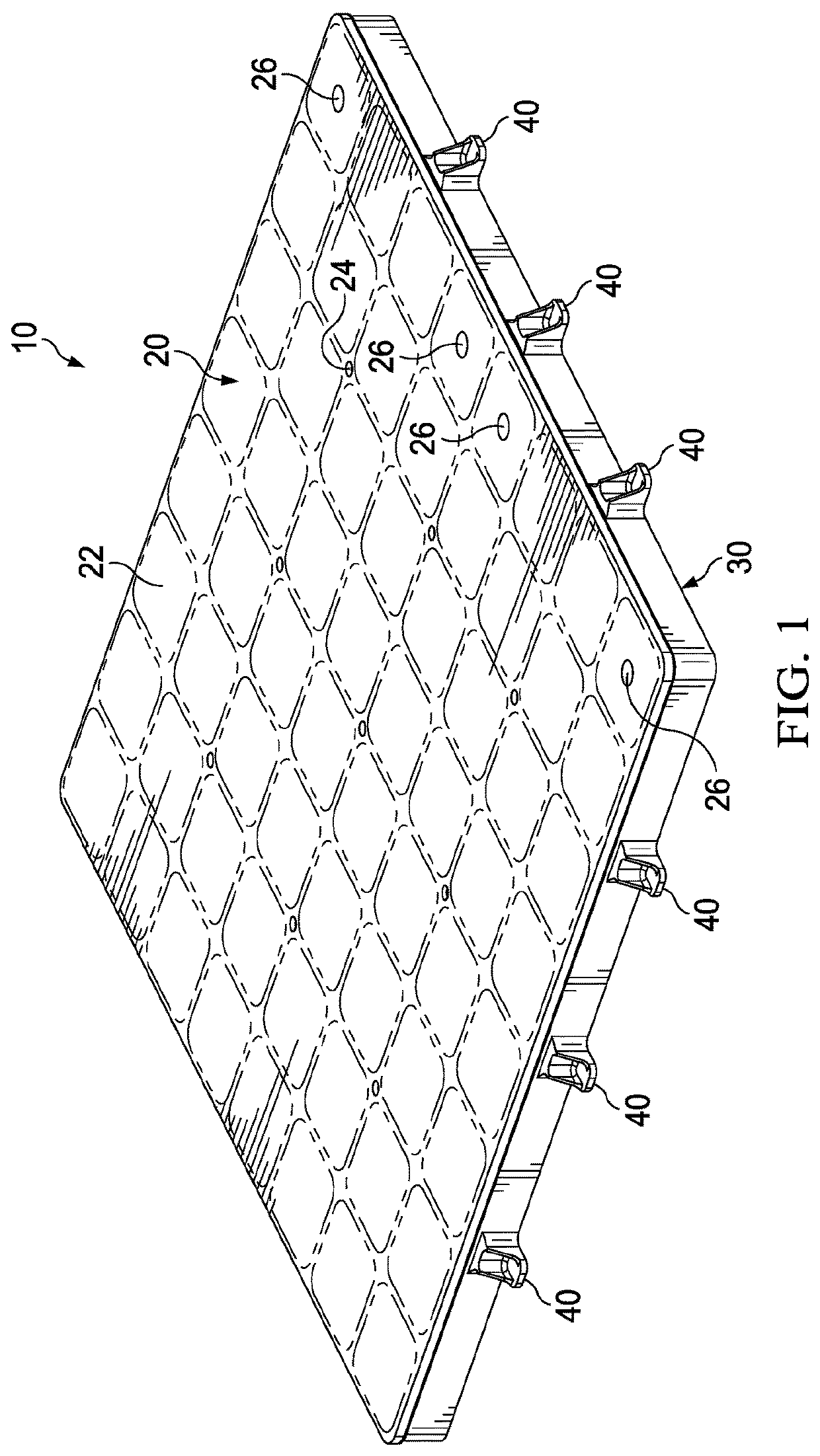
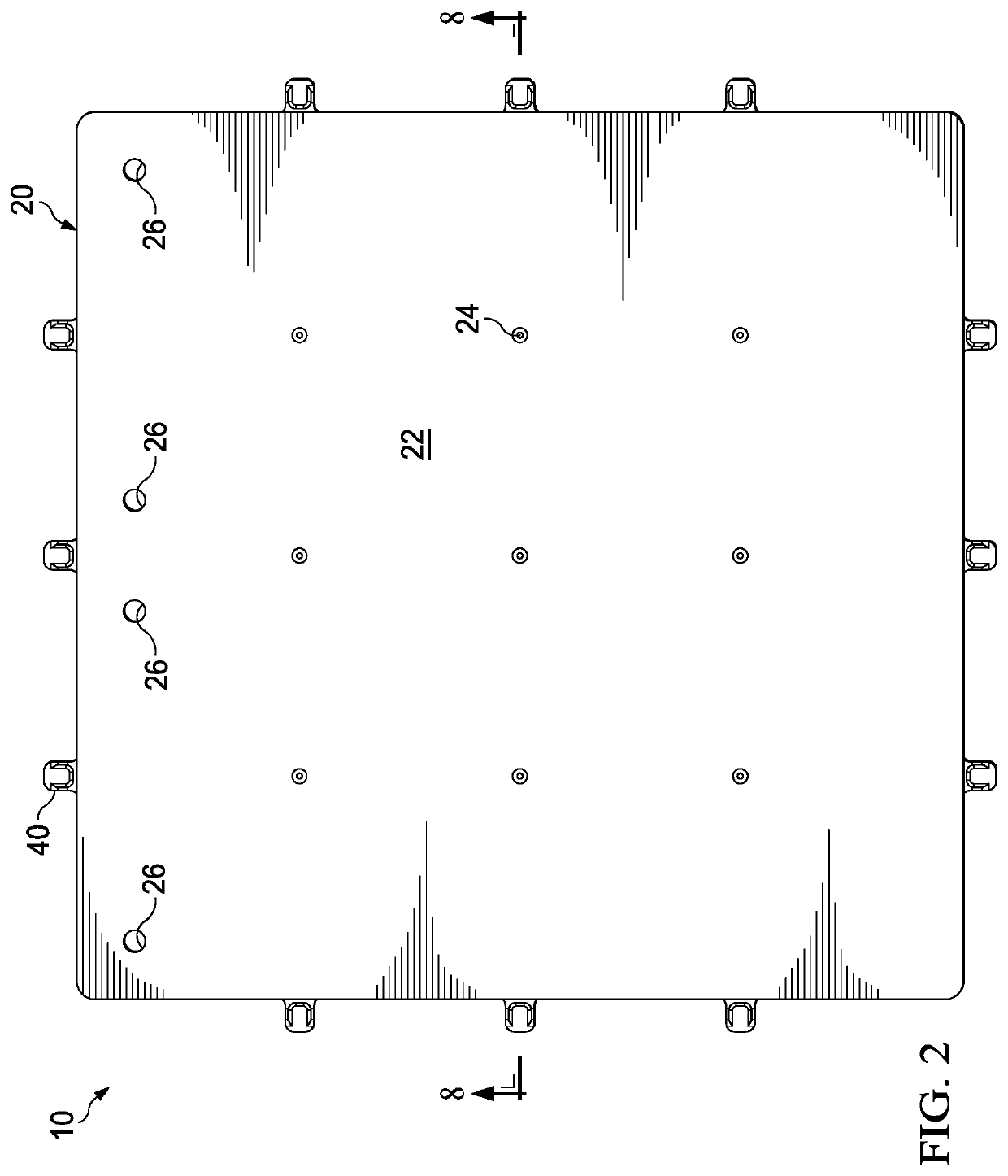
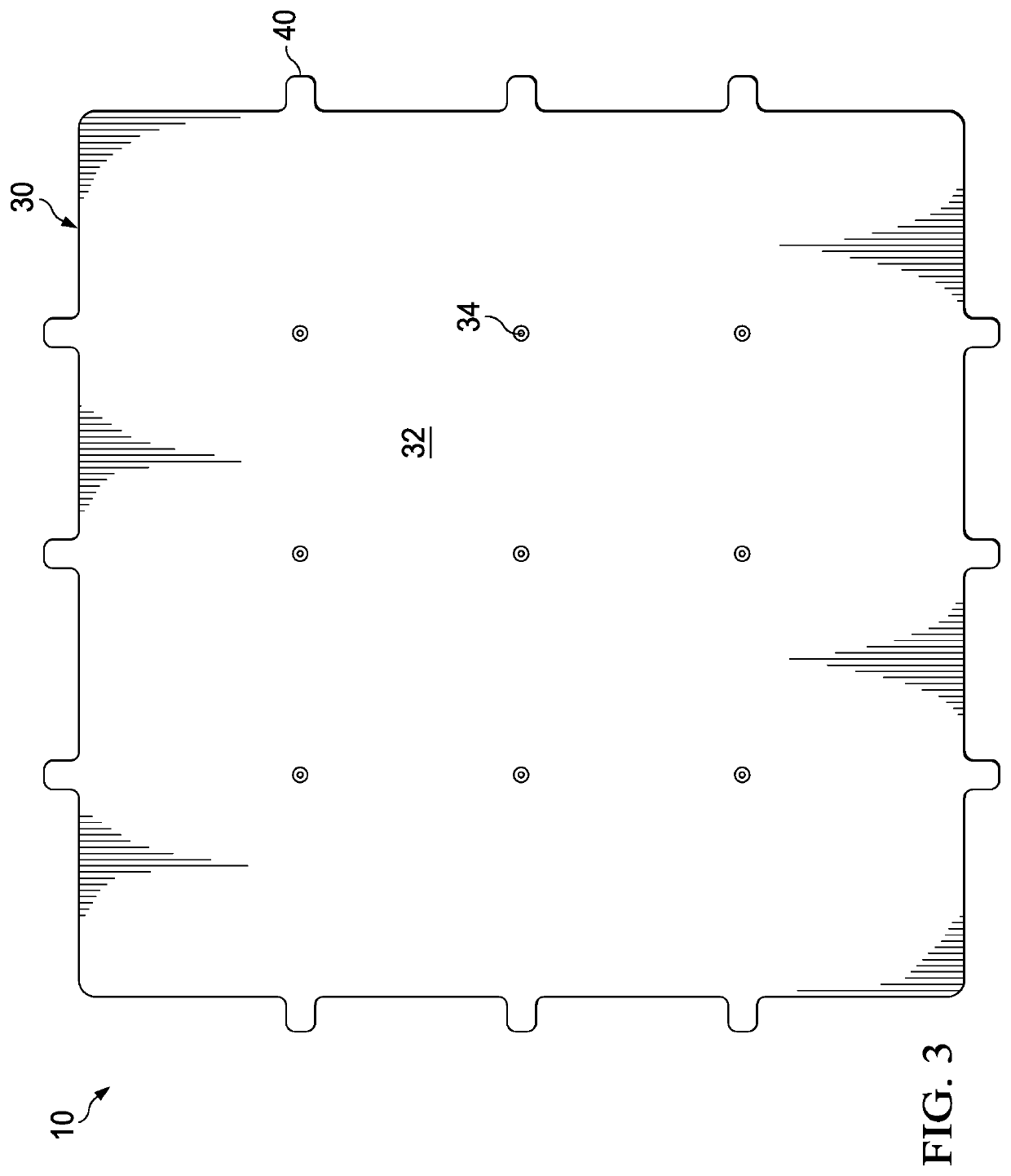
Battery Cold Plate and Chassis with Interlocking Joints
PatentActiveUS20220255160A1
Innovation
- A cold plate design featuring interlocking joints between thermally conductive top and bottom plates, which form a fluid-tight seal and provide structural support for the component, allowing for both efficient heat transfer and weight distribution, using recesses and ribs to secure the plates and prevent coolant leakage.

Integrated Thermal Inserts and Cold Plate
PatentActiveUS20170273219A1
Innovation
- An integrated cold plate system with a thermally conductive base unit and multiple cold plate members that are slidably received into cavities between heat-producing boards, ensuring direct contact with both sides of the boards for enhanced conductive cooling.


Energy Efficiency Standards for Industrial Cooling
Energy efficiency standards for industrial cooling systems have become increasingly stringent as global environmental regulations tighten and operational cost pressures mount. The implementation of cold plates in conveyor systems represents a critical intersection where these standards directly impact component longevity and system performance. Current international standards, including ISO 50001 and ASHRAE 90.1, establish baseline requirements for energy consumption metrics in industrial cooling applications, with specific provisions for continuous operation systems like conveyor-based manufacturing lines.
The European Union's Ecodesign Directive 2009/125/EC has established mandatory energy efficiency requirements for industrial cooling equipment, mandating minimum Coefficient of Performance (COP) values ranging from 2.5 to 4.0 depending on cooling capacity and application type. These standards directly influence cold plate design parameters, requiring manufacturers to optimize heat transfer efficiency while minimizing power consumption. For conveyor systems, the challenge intensifies due to the need for continuous operation and varying thermal loads across different production cycles.
Recent updates to ENERGY STAR specifications for commercial refrigeration have introduced dynamic efficiency metrics that better reflect real-world operating conditions. These standards now consider part-load performance ratios, which are particularly relevant for conveyor-mounted cold plates that experience fluctuating thermal demands. The new metrics require systems to maintain efficiency levels above 85% of peak performance even when operating at 25% capacity, directly impacting component design and control strategies.
Emerging regulatory frameworks in Asia-Pacific markets, particularly China's GB 19577-2015 standard and Japan's Top Runner Program, are pushing efficiency requirements beyond traditional static measurements. These standards emphasize lifecycle energy consumption and mandate predictive maintenance protocols that extend component operational life. For cold plate applications in conveyor systems, this translates to requirements for integrated monitoring systems and adaptive cooling algorithms.
The convergence of these standards is driving innovation in cold plate technology, particularly in areas of variable-speed compressor integration, advanced refrigerant selection, and intelligent thermal management systems. Compliance with these evolving standards while maintaining component longevity requires sophisticated engineering approaches that balance immediate energy efficiency gains with long-term operational reliability and maintenance cost optimization.
The European Union's Ecodesign Directive 2009/125/EC has established mandatory energy efficiency requirements for industrial cooling equipment, mandating minimum Coefficient of Performance (COP) values ranging from 2.5 to 4.0 depending on cooling capacity and application type. These standards directly influence cold plate design parameters, requiring manufacturers to optimize heat transfer efficiency while minimizing power consumption. For conveyor systems, the challenge intensifies due to the need for continuous operation and varying thermal loads across different production cycles.
Recent updates to ENERGY STAR specifications for commercial refrigeration have introduced dynamic efficiency metrics that better reflect real-world operating conditions. These standards now consider part-load performance ratios, which are particularly relevant for conveyor-mounted cold plates that experience fluctuating thermal demands. The new metrics require systems to maintain efficiency levels above 85% of peak performance even when operating at 25% capacity, directly impacting component design and control strategies.
Emerging regulatory frameworks in Asia-Pacific markets, particularly China's GB 19577-2015 standard and Japan's Top Runner Program, are pushing efficiency requirements beyond traditional static measurements. These standards emphasize lifecycle energy consumption and mandate predictive maintenance protocols that extend component operational life. For cold plate applications in conveyor systems, this translates to requirements for integrated monitoring systems and adaptive cooling algorithms.
The convergence of these standards is driving innovation in cold plate technology, particularly in areas of variable-speed compressor integration, advanced refrigerant selection, and intelligent thermal management systems. Compliance with these evolving standards while maintaining component longevity requires sophisticated engineering approaches that balance immediate energy efficiency gains with long-term operational reliability and maintenance cost optimization.
Maintenance Cost Reduction Through Thermal Control
Thermal control through cold plate technology represents a paradigm shift in conveyor system maintenance economics. Traditional maintenance approaches often rely on reactive strategies, addressing component failures after they occur. Cold plates fundamentally alter this dynamic by proactively managing operating temperatures, thereby preventing thermal-induced degradation that accounts for approximately 60-70% of premature component failures in industrial conveyor systems.
The economic impact of thermal control becomes evident when examining maintenance cost structures. Uncontrolled thermal cycling leads to accelerated wear in critical components such as bearings, motors, and electronic control systems. Cold plates maintain consistent operating temperatures, reducing thermal stress and extending mean time between failures (MTBF) by 40-60%. This translates directly into reduced replacement part costs, lower labor expenses for maintenance interventions, and decreased system downtime.
Predictive maintenance capabilities are significantly enhanced through thermal management systems. Cold plates equipped with temperature monitoring sensors provide real-time thermal data, enabling condition-based maintenance scheduling rather than time-based approaches. This optimization reduces unnecessary maintenance activities by 25-35% while preventing unexpected failures that typically cost 3-5 times more than planned maintenance events.
Energy efficiency improvements contribute substantially to operational cost reduction. Cold plates operating at optimal thermal conditions reduce friction losses and improve mechanical efficiency by 8-15%. Motor systems benefit particularly from thermal control, as elevated temperatures increase electrical resistance and reduce motor efficiency. Maintaining optimal operating temperatures through cold plate systems can reduce energy consumption by 10-20% in motor-driven conveyor applications.
The cumulative effect of these thermal control benefits creates a compelling return on investment profile. Initial cold plate system implementation costs are typically recovered within 18-24 months through reduced maintenance expenses, extended component lifecycles, and improved energy efficiency. Long-term operational savings often exceed 30-40% of traditional maintenance budgets, making thermal control a strategic investment in conveyor system reliability and cost management.
The economic impact of thermal control becomes evident when examining maintenance cost structures. Uncontrolled thermal cycling leads to accelerated wear in critical components such as bearings, motors, and electronic control systems. Cold plates maintain consistent operating temperatures, reducing thermal stress and extending mean time between failures (MTBF) by 40-60%. This translates directly into reduced replacement part costs, lower labor expenses for maintenance interventions, and decreased system downtime.
Predictive maintenance capabilities are significantly enhanced through thermal management systems. Cold plates equipped with temperature monitoring sensors provide real-time thermal data, enabling condition-based maintenance scheduling rather than time-based approaches. This optimization reduces unnecessary maintenance activities by 25-35% while preventing unexpected failures that typically cost 3-5 times more than planned maintenance events.
Energy efficiency improvements contribute substantially to operational cost reduction. Cold plates operating at optimal thermal conditions reduce friction losses and improve mechanical efficiency by 8-15%. Motor systems benefit particularly from thermal control, as elevated temperatures increase electrical resistance and reduce motor efficiency. Maintaining optimal operating temperatures through cold plate systems can reduce energy consumption by 10-20% in motor-driven conveyor applications.
The cumulative effect of these thermal control benefits creates a compelling return on investment profile. Initial cold plate system implementation costs are typically recovered within 18-24 months through reduced maintenance expenses, extended component lifecycles, and improved energy efficiency. Long-term operational savings often exceed 30-40% of traditional maintenance budgets, making thermal control a strategic investment in conveyor system reliability and cost management.
Unlock deeper insights with PatSnap Eureka Quick Research — get a full tech report to explore trends and direct your research. Try now!
Generate Your Research Report Instantly with AI Agent
Supercharge your innovation with PatSnap Eureka AI Agent Platform!