

Cold Plates in Robotics: Enhancing Operational Longevity
APR 22, 20269 MIN READ
Generate Your Research Report Instantly with AI Agent
PatSnap Eureka helps you evaluate technical feasibility & market potential.
Cold Plate Technology Background and Robotics Integration Goals
Cold plate technology represents a sophisticated thermal management solution that has evolved significantly since its inception in the 1960s for aerospace applications. Originally developed to address heat dissipation challenges in high-performance electronic systems, cold plates utilize liquid cooling principles to efficiently transfer heat away from critical components through embedded fluid channels within metallic substrates.
The fundamental operating principle involves circulating coolant through precisely engineered pathways within the plate structure, creating direct thermal contact with heat-generating components. This approach offers superior heat transfer coefficients compared to traditional air cooling methods, enabling more compact designs and enhanced thermal performance in demanding operational environments.
Modern robotics applications present unique thermal challenges that align perfectly with cold plate capabilities. As robotic systems incorporate increasingly powerful processors, high-density servo motors, and advanced sensor arrays, traditional cooling methods often prove inadequate. The confined spaces within robotic joints and chassis create additional constraints that favor liquid cooling solutions over bulky air-based systems.
The integration of cold plate technology into robotics serves multiple strategic objectives beyond basic thermal management. Primary goals include extending component lifespan through consistent temperature regulation, maintaining optimal performance under varying operational loads, and enabling higher power density designs that support advanced robotic capabilities.
Operational longevity enhancement represents the cornerstone objective of cold plate integration in robotics. By maintaining critical components within optimal temperature ranges, cold plates prevent thermal cycling stress, reduce semiconductor degradation, and minimize performance drift over extended operational periods. This thermal stability directly translates to improved reliability and reduced maintenance requirements.
Contemporary robotics applications demand continuous operation in diverse environments, from manufacturing floors to outdoor autonomous systems. Cold plate technology enables consistent performance across temperature variations while supporting the miniaturization trends essential for modern robotic design. The technology's scalability allows implementation across various robotic platforms, from precision surgical robots requiring ultra-stable thermal conditions to heavy-duty industrial robots operating under high thermal loads.
The convergence of advanced materials science, precision manufacturing, and fluid dynamics has positioned cold plate technology as a critical enabler for next-generation robotic systems, supporting the industry's evolution toward more capable, reliable, and long-lasting autonomous platforms.
The fundamental operating principle involves circulating coolant through precisely engineered pathways within the plate structure, creating direct thermal contact with heat-generating components. This approach offers superior heat transfer coefficients compared to traditional air cooling methods, enabling more compact designs and enhanced thermal performance in demanding operational environments.
Modern robotics applications present unique thermal challenges that align perfectly with cold plate capabilities. As robotic systems incorporate increasingly powerful processors, high-density servo motors, and advanced sensor arrays, traditional cooling methods often prove inadequate. The confined spaces within robotic joints and chassis create additional constraints that favor liquid cooling solutions over bulky air-based systems.
The integration of cold plate technology into robotics serves multiple strategic objectives beyond basic thermal management. Primary goals include extending component lifespan through consistent temperature regulation, maintaining optimal performance under varying operational loads, and enabling higher power density designs that support advanced robotic capabilities.
Operational longevity enhancement represents the cornerstone objective of cold plate integration in robotics. By maintaining critical components within optimal temperature ranges, cold plates prevent thermal cycling stress, reduce semiconductor degradation, and minimize performance drift over extended operational periods. This thermal stability directly translates to improved reliability and reduced maintenance requirements.
Contemporary robotics applications demand continuous operation in diverse environments, from manufacturing floors to outdoor autonomous systems. Cold plate technology enables consistent performance across temperature variations while supporting the miniaturization trends essential for modern robotic design. The technology's scalability allows implementation across various robotic platforms, from precision surgical robots requiring ultra-stable thermal conditions to heavy-duty industrial robots operating under high thermal loads.
The convergence of advanced materials science, precision manufacturing, and fluid dynamics has positioned cold plate technology as a critical enabler for next-generation robotic systems, supporting the industry's evolution toward more capable, reliable, and long-lasting autonomous platforms.
Market Demand for Enhanced Robotic Thermal Management Solutions
The global robotics industry is experiencing unprecedented growth, driven by increasing automation demands across manufacturing, logistics, healthcare, and service sectors. This expansion has created a critical need for advanced thermal management solutions, particularly cold plate technologies, to ensure sustained operational performance and extended equipment lifespan.
Industrial robotics applications represent the largest market segment for enhanced thermal management solutions. Manufacturing environments subject robotic systems to continuous operation cycles, often exceeding 16-20 hours daily. High-precision assembly robots, welding systems, and material handling equipment generate substantial heat loads that directly impact servo motor performance, control electronics reliability, and overall system accuracy. The demand for cold plate solutions in this sector stems from the need to maintain consistent operational parameters while minimizing unplanned downtime.
Collaborative robotics, or cobots, constitute a rapidly expanding market segment with unique thermal management requirements. These systems operate in close proximity to human workers, necessitating precise temperature control to ensure safety and comfort. The compact design constraints of cobots intensify thermal challenges, creating demand for miniaturized yet highly efficient cold plate solutions that can manage heat dissipation without compromising the robot's form factor or collaborative capabilities.
Autonomous mobile robots and automated guided vehicles present another significant market opportunity. These systems integrate multiple heat-generating components including navigation sensors, processing units, and drive motors within confined spaces. Extended operational periods without maintenance access amplify the importance of reliable thermal management, driving demand for robust cold plate technologies that can operate effectively across varying environmental conditions.
The medical and surgical robotics sector demonstrates particularly stringent thermal management requirements. Precision surgical systems demand exceptional temperature stability to maintain accuracy during critical procedures. The sterile operating environment and proximity to patients create additional constraints, necessitating cold plate solutions that meet medical-grade standards while delivering superior thermal performance.
Market drivers include increasing robot deployment density, rising performance expectations, and growing awareness of thermal-related failure modes. The shift toward higher power density components and more sophisticated control systems further intensifies thermal management challenges. Additionally, the trend toward predictive maintenance and Industry 4.0 integration creates demand for thermal management solutions with integrated monitoring capabilities.
Emerging applications in extreme environments, including space exploration, deep-sea operations, and hazardous material handling, represent specialized market segments with premium thermal management requirements. These applications demand cold plate solutions capable of operating reliably under extreme temperature variations and harsh conditions while maintaining consistent performance over extended mission durations.
Industrial robotics applications represent the largest market segment for enhanced thermal management solutions. Manufacturing environments subject robotic systems to continuous operation cycles, often exceeding 16-20 hours daily. High-precision assembly robots, welding systems, and material handling equipment generate substantial heat loads that directly impact servo motor performance, control electronics reliability, and overall system accuracy. The demand for cold plate solutions in this sector stems from the need to maintain consistent operational parameters while minimizing unplanned downtime.
Collaborative robotics, or cobots, constitute a rapidly expanding market segment with unique thermal management requirements. These systems operate in close proximity to human workers, necessitating precise temperature control to ensure safety and comfort. The compact design constraints of cobots intensify thermal challenges, creating demand for miniaturized yet highly efficient cold plate solutions that can manage heat dissipation without compromising the robot's form factor or collaborative capabilities.
Autonomous mobile robots and automated guided vehicles present another significant market opportunity. These systems integrate multiple heat-generating components including navigation sensors, processing units, and drive motors within confined spaces. Extended operational periods without maintenance access amplify the importance of reliable thermal management, driving demand for robust cold plate technologies that can operate effectively across varying environmental conditions.
The medical and surgical robotics sector demonstrates particularly stringent thermal management requirements. Precision surgical systems demand exceptional temperature stability to maintain accuracy during critical procedures. The sterile operating environment and proximity to patients create additional constraints, necessitating cold plate solutions that meet medical-grade standards while delivering superior thermal performance.
Market drivers include increasing robot deployment density, rising performance expectations, and growing awareness of thermal-related failure modes. The shift toward higher power density components and more sophisticated control systems further intensifies thermal management challenges. Additionally, the trend toward predictive maintenance and Industry 4.0 integration creates demand for thermal management solutions with integrated monitoring capabilities.
Emerging applications in extreme environments, including space exploration, deep-sea operations, and hazardous material handling, represent specialized market segments with premium thermal management requirements. These applications demand cold plate solutions capable of operating reliably under extreme temperature variations and harsh conditions while maintaining consistent performance over extended mission durations.
Current State and Thermal Challenges in Robotics Applications
Modern robotics applications face increasingly complex thermal management challenges as systems become more sophisticated and power-dense. Industrial robots, autonomous vehicles, and service robots now integrate high-performance processors, advanced sensors, and powerful actuators within compact form factors, generating substantial heat loads that must be effectively dissipated to maintain operational reliability.
Current thermal management approaches in robotics primarily rely on conventional air cooling systems, heat sinks, and basic thermal interface materials. However, these traditional solutions are proving inadequate for next-generation robotic systems. Air cooling systems struggle with the confined spaces typical in robotic designs, while passive heat sinks cannot handle the dynamic thermal loads generated during varying operational cycles.
The integration of artificial intelligence and machine learning capabilities has significantly amplified thermal challenges. GPU-accelerated computing modules and neural processing units generate concentrated heat loads exceeding 200W in spaces smaller than a smartphone. Simultaneously, precision sensors and actuators require stable operating temperatures to maintain accuracy, creating conflicting thermal requirements within the same system.
Robotic applications in harsh environments present additional thermal complexities. Outdoor autonomous vehicles must operate across temperature ranges from -40°C to +85°C, while maintaining internal component temperatures within narrow specifications. Industrial robots in manufacturing environments face similar challenges with ambient temperatures often exceeding 50°C and limited ventilation options.
Current thermal solutions exhibit several critical limitations. Air-cooled systems add unwanted noise and vibration, compromising sensor accuracy and stealth capabilities. Traditional heat pipes and vapor chambers lack the flexibility required for articulated robotic joints and moving assemblies. Thermal interface materials degrade under mechanical stress and vibration, leading to progressive thermal performance deterioration.
The reliability implications of inadequate thermal management are severe. Elevated operating temperatures accelerate component aging, reduce battery life, and increase failure rates. Studies indicate that every 10°C increase in semiconductor junction temperature can halve component lifespan, directly impacting operational longevity and maintenance costs.
Emerging applications such as humanoid robots and collaborative robots introduce additional constraints. These systems require silent operation, lightweight construction, and human-safe surface temperatures, further limiting traditional thermal management options. The convergence of these factors creates an urgent need for innovative thermal solutions specifically designed for robotic applications.
Current thermal management approaches in robotics primarily rely on conventional air cooling systems, heat sinks, and basic thermal interface materials. However, these traditional solutions are proving inadequate for next-generation robotic systems. Air cooling systems struggle with the confined spaces typical in robotic designs, while passive heat sinks cannot handle the dynamic thermal loads generated during varying operational cycles.
The integration of artificial intelligence and machine learning capabilities has significantly amplified thermal challenges. GPU-accelerated computing modules and neural processing units generate concentrated heat loads exceeding 200W in spaces smaller than a smartphone. Simultaneously, precision sensors and actuators require stable operating temperatures to maintain accuracy, creating conflicting thermal requirements within the same system.
Robotic applications in harsh environments present additional thermal complexities. Outdoor autonomous vehicles must operate across temperature ranges from -40°C to +85°C, while maintaining internal component temperatures within narrow specifications. Industrial robots in manufacturing environments face similar challenges with ambient temperatures often exceeding 50°C and limited ventilation options.
Current thermal solutions exhibit several critical limitations. Air-cooled systems add unwanted noise and vibration, compromising sensor accuracy and stealth capabilities. Traditional heat pipes and vapor chambers lack the flexibility required for articulated robotic joints and moving assemblies. Thermal interface materials degrade under mechanical stress and vibration, leading to progressive thermal performance deterioration.
The reliability implications of inadequate thermal management are severe. Elevated operating temperatures accelerate component aging, reduce battery life, and increase failure rates. Studies indicate that every 10°C increase in semiconductor junction temperature can halve component lifespan, directly impacting operational longevity and maintenance costs.
Emerging applications such as humanoid robots and collaborative robots introduce additional constraints. These systems require silent operation, lightweight construction, and human-safe surface temperatures, further limiting traditional thermal management options. The convergence of these factors creates an urgent need for innovative thermal solutions specifically designed for robotic applications.
Existing Cold Plate Solutions for Robotic System Cooling
01 Advanced thermal interface materials and coatings for cold plates
The operational longevity of cold plates can be enhanced through the use of advanced thermal interface materials and protective coatings. These materials improve heat transfer efficiency and protect against corrosion and degradation over time. Specialized coatings can prevent oxidation and chemical reactions that may compromise the cold plate's performance. The selection of appropriate thermal interface materials ensures consistent thermal conductivity throughout the operational lifetime.- Advanced thermal interface materials and coatings for cold plates: The operational longevity of cold plates can be enhanced through the use of advanced thermal interface materials and protective coatings. These materials improve heat transfer efficiency and protect against corrosion and degradation over time. Specialized coatings can prevent oxidation and chemical reactions that may compromise the cold plate's performance. The selection of appropriate thermal interface materials ensures consistent thermal conductivity throughout the operational lifetime.
- Structural design optimization for durability: Cold plate longevity can be significantly improved through optimized structural designs that minimize stress concentrations and thermal cycling fatigue. Enhanced channel geometries and flow path configurations reduce pressure drop and prevent erosion. Reinforced structural elements and strategic material selection at critical junction points help maintain mechanical integrity over extended operational periods. Design considerations for thermal expansion compatibility prevent delamination and cracking.
- Corrosion-resistant materials and surface treatments: The use of corrosion-resistant materials and specialized surface treatments extends cold plate operational life by preventing degradation from coolant exposure. Material selection strategies focus on compatibility with various coolant types and operating temperatures. Surface treatment processes create protective barriers that resist chemical attack and galvanic corrosion. These approaches maintain thermal performance and structural integrity throughout the service life.
- Integrated monitoring and predictive maintenance systems: Operational longevity is enhanced through integrated sensor systems that monitor cold plate performance parameters in real-time. These systems detect early signs of degradation, fouling, or performance decline, enabling proactive maintenance interventions. Predictive algorithms analyze operational data to forecast remaining useful life and optimize maintenance schedules. Continuous monitoring ensures that cold plates operate within optimal parameters, preventing accelerated wear and failure.
- Manufacturing processes for enhanced reliability: Advanced manufacturing techniques contribute to cold plate longevity by ensuring consistent quality and eliminating defects that could lead to premature failure. Precision fabrication methods create uniform channel dimensions and optimal surface finishes that resist fouling. Quality control processes verify bond integrity and leak-free construction. Manufacturing innovations such as additive manufacturing enable complex geometries that improve both performance and durability while reducing potential failure points.
02 Structural design optimization for durability
Cold plate longevity can be significantly improved through optimized structural designs that reduce mechanical stress and thermal cycling fatigue. Enhanced channel geometries and reinforced structural elements help prevent cracking and deformation during repeated thermal expansion and contraction cycles. Design considerations include material selection for compatibility with operating temperatures and pressures, as well as manufacturing techniques that minimize weak points and potential failure modes.Expand Specific Solutions03 Fluid management and anti-corrosion systems
The longevity of cold plates is heavily dependent on proper fluid management and corrosion prevention strategies. Implementation of anti-corrosive additives in cooling fluids and the use of corrosion-resistant materials in fluid channels can significantly extend operational life. Proper fluid flow design prevents stagnation zones where corrosion or deposits may accumulate. Regular monitoring systems can detect early signs of degradation and enable preventive maintenance.Expand Specific Solutions04 Modular and serviceable cold plate architectures
Modular cold plate designs that allow for component replacement and maintenance can significantly extend overall system longevity. Serviceable architectures enable the replacement of degraded components without requiring complete system replacement. Standardized interfaces and connection methods facilitate easier maintenance and upgrades. Design approaches that separate high-wear components from the main structure allow for targeted replacement and extended operational life.Expand Specific Solutions05 Manufacturing processes and quality control for enhanced reliability
Advanced manufacturing techniques and rigorous quality control measures are essential for ensuring cold plate longevity. Precision manufacturing processes such as vacuum brazing, friction stir welding, and additive manufacturing can produce cold plates with superior structural integrity and fewer defects. Quality control protocols including leak testing, thermal performance validation, and accelerated life testing help identify potential failure modes before deployment. Material purity and surface finish quality directly impact long-term performance and resistance to degradation.Expand Specific Solutions
Key Players in Cold Plate and Robotics Thermal Solutions
The cold plates in robotics market represents an emerging segment within the broader thermal management industry, currently in its early growth phase with significant expansion potential driven by increasing robot deployment across industrial and service sectors. The market demonstrates moderate technical maturity, with established players like Hitachi Ltd., ABB Ltd., and MAHLE International GmbH leveraging their thermal management expertise from automotive and industrial applications. Key contributors include diversified technology companies such as Seiko Epson Corp. and NIDEC Corp., which bring precision engineering capabilities, while materials specialists like NIPPON STEEL CORP. and ArcelorMittal SA provide advanced substrate solutions. The competitive landscape features a mix of established thermal management leaders and robotics specialists, with companies like Contemporary Amperex Technology contributing battery cooling expertise that translates well to robotic applications, indicating strong cross-industry technology transfer driving innovation and market development.
Hitachi Ltd.
Technical Solution: Hitachi has developed integrated cold plate cooling systems for their industrial robotics and automation equipment. Their approach combines precision-machined aluminum cold plates with intelligent thermal monitoring systems that provide real-time temperature feedback for predictive maintenance. The cold plates feature serpentine flow channels optimized through computational fluid dynamics modeling to maximize heat transfer while minimizing pressure drop. Hitachi's systems incorporate phase-change materials within the cold plate structure to provide thermal buffering during peak load conditions. Their cold plate technology is specifically designed for servo motors, power electronics, and control systems in robotic applications, with demonstrated capability to reduce operating temperatures by 25-30°C compared to air cooling methods.
Strengths: Integrated system approach, intelligent monitoring capabilities, proven industrial reliability. Weaknesses: Limited customization options, primarily focused on internal applications.
MAHLE International GmbH
Technical Solution: MAHLE has developed advanced cold plate technologies specifically for electric vehicle battery thermal management and industrial robotics applications. Their cold plate systems utilize optimized channel geometries with micro-fin structures to enhance heat transfer coefficients by up to 40% compared to conventional designs. The company's cold plates feature aluminum construction with integrated coolant distribution manifolds, enabling uniform temperature distribution across robotic components. Their thermal management solutions incorporate variable flow control systems that adapt cooling capacity based on operational demands, significantly extending component lifespan in high-duty cycle robotic applications. MAHLE's cold plates are designed to handle heat fluxes up to 50 W/cm² while maintaining component temperatures within optimal operating ranges.
Strengths: Proven automotive-grade reliability, advanced micro-channel technology, excellent heat dissipation performance. Weaknesses: Higher cost compared to standard cooling solutions, complex manufacturing requirements.
Core Innovations in Advanced Cold Plate Design for Robotics
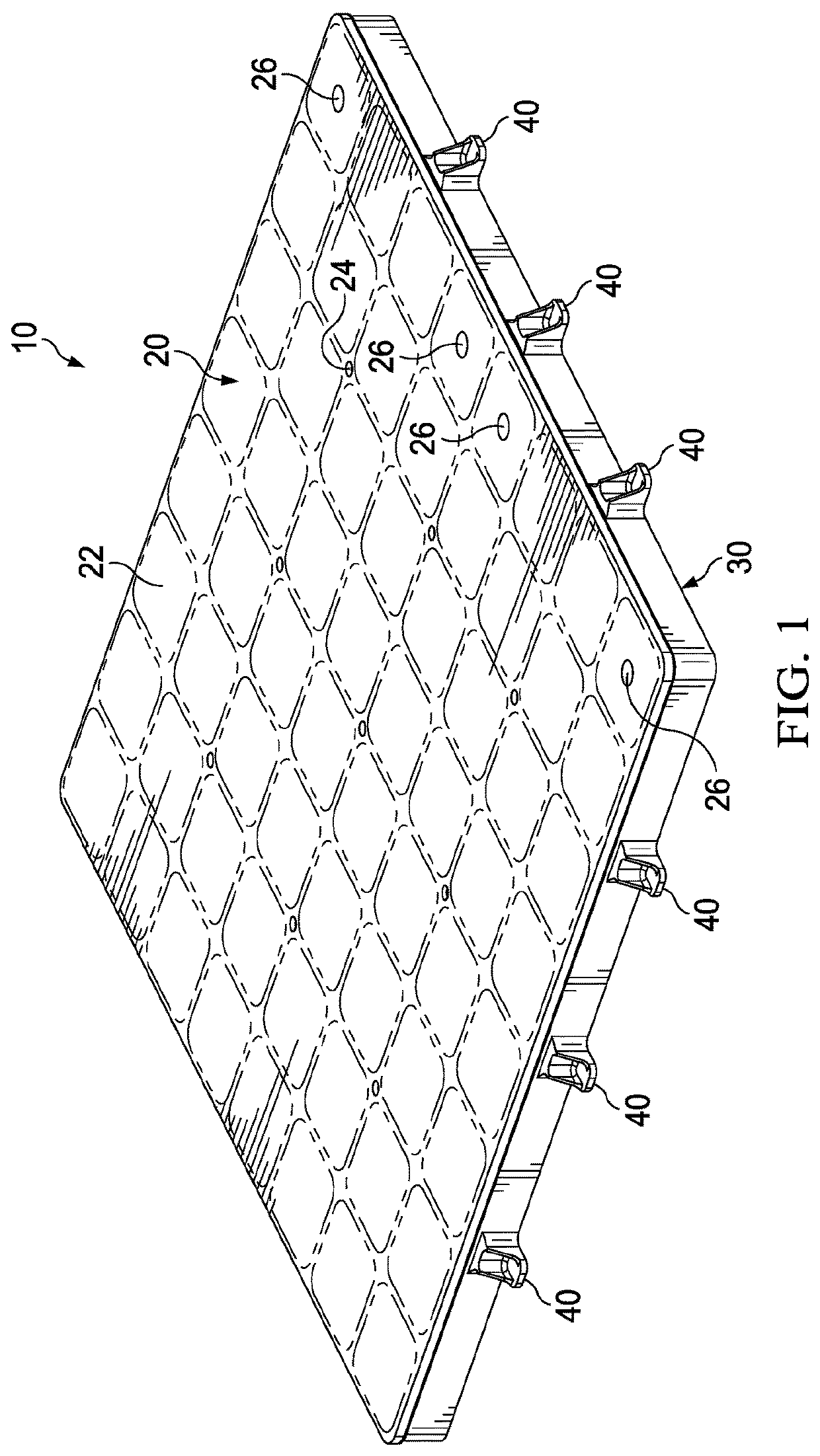
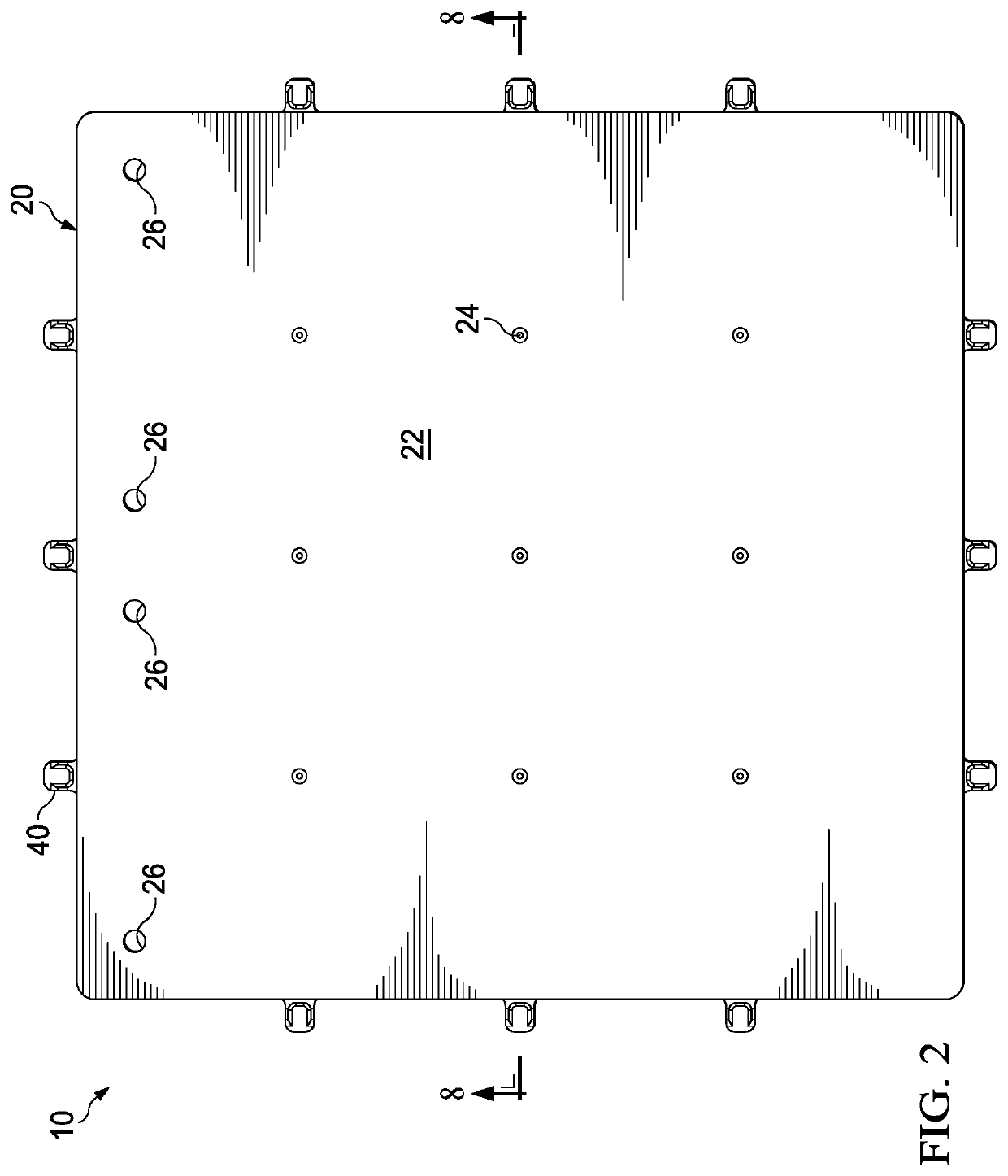
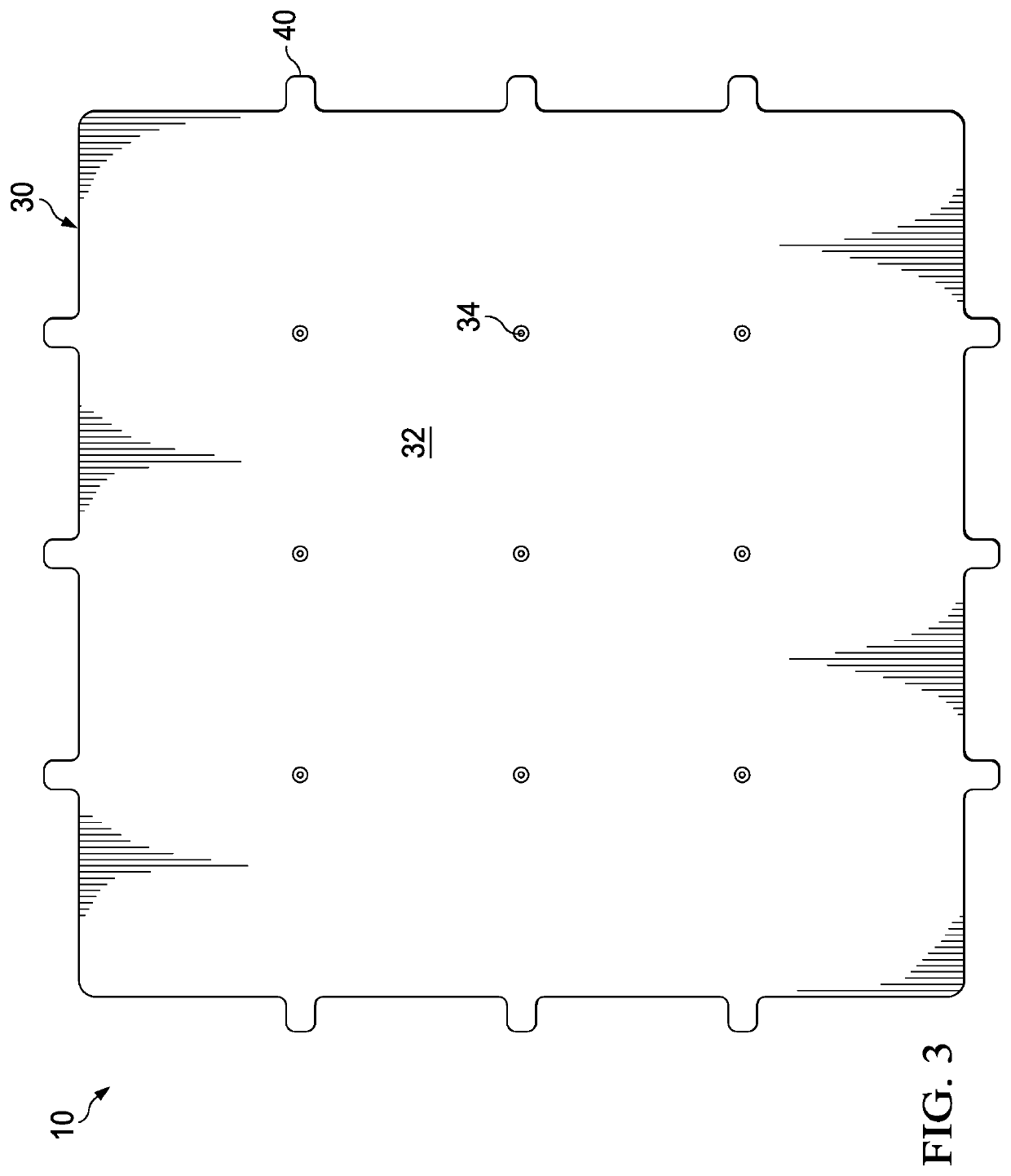
Battery Cold Plate and Chassis with Interlocking Joints
PatentActiveUS20220255160A1
Innovation
- A cold plate design featuring interlocking joints between thermally conductive top and bottom plates, which form a fluid-tight seal and provide structural support for the component, allowing for both efficient heat transfer and weight distribution, using recesses and ribs to secure the plates and prevent coolant leakage.

Mechanically flexible cold plates for low power components
PatentActiveUS20200221610A1
Innovation
- A mechanically flexible thermally conductive sheet is used to make thermal contact with both high and low power components, allowing a single fluid-cooled structure to efficiently cool all components by matching the topology of the circuit board and reducing the thickness of thermal interface materials required for low power components.


Safety Standards and Regulations for Robotic Thermal Systems
The regulatory landscape for robotic thermal systems, particularly those incorporating cold plates, is governed by a complex framework of international and national standards designed to ensure operational safety and reliability. The International Electrotechnical Commission (IEC) 61508 series provides fundamental functional safety requirements for electrical and electronic systems, while ISO 10218 specifically addresses industrial robot safety standards. These foundational regulations establish critical parameters for thermal management systems, including temperature monitoring, fail-safe mechanisms, and emergency shutdown procedures.
Thermal safety regulations mandate strict adherence to temperature thresholds and heat dissipation protocols. The Underwriters Laboratories (UL) 991 standard specifically addresses environmental safety requirements for robotic systems, including thermal management components. Cold plate systems must comply with maximum surface temperature limits, typically not exceeding 60°C for accessible surfaces, and incorporate redundant temperature monitoring systems. Additionally, the International Organization for Standardization (ISO) 13849 defines performance levels for safety-related control systems, requiring thermal management systems to maintain predetermined safety integrity levels.
Electrical safety standards play a crucial role in cold plate system design and implementation. The IEC 60204-1 standard governs electrical equipment safety in machinery, mandating proper insulation, grounding, and protection against electrical hazards in thermal management systems. Cold plate installations must incorporate ground fault circuit interrupters and maintain appropriate electrical isolation between cooling circuits and robotic control systems. The National Electrical Code (NEC) Article 670 provides specific requirements for industrial machinery electrical installations, including thermal management components.
Material safety regulations significantly impact cold plate design and coolant selection. The Restriction of Hazardous Substances (RoHS) directive limits the use of specific materials in electronic equipment, while the Registration, Evaluation, Authorization and Restriction of Chemicals (REACH) regulation governs coolant fluid selection. Cold plate manufacturers must ensure compliance with these regulations while maintaining optimal thermal performance characteristics.
Emerging regulatory trends focus on cybersecurity and environmental sustainability. The upcoming IEC 62443 series addresses industrial automation and control system security, requiring secure communication protocols for thermal monitoring systems. Environmental regulations increasingly mandate the use of low global warming potential coolants and energy-efficient thermal management solutions, driving innovation in cold plate technology while ensuring compliance with evolving safety standards.
Thermal safety regulations mandate strict adherence to temperature thresholds and heat dissipation protocols. The Underwriters Laboratories (UL) 991 standard specifically addresses environmental safety requirements for robotic systems, including thermal management components. Cold plate systems must comply with maximum surface temperature limits, typically not exceeding 60°C for accessible surfaces, and incorporate redundant temperature monitoring systems. Additionally, the International Organization for Standardization (ISO) 13849 defines performance levels for safety-related control systems, requiring thermal management systems to maintain predetermined safety integrity levels.
Electrical safety standards play a crucial role in cold plate system design and implementation. The IEC 60204-1 standard governs electrical equipment safety in machinery, mandating proper insulation, grounding, and protection against electrical hazards in thermal management systems. Cold plate installations must incorporate ground fault circuit interrupters and maintain appropriate electrical isolation between cooling circuits and robotic control systems. The National Electrical Code (NEC) Article 670 provides specific requirements for industrial machinery electrical installations, including thermal management components.
Material safety regulations significantly impact cold plate design and coolant selection. The Restriction of Hazardous Substances (RoHS) directive limits the use of specific materials in electronic equipment, while the Registration, Evaluation, Authorization and Restriction of Chemicals (REACH) regulation governs coolant fluid selection. Cold plate manufacturers must ensure compliance with these regulations while maintaining optimal thermal performance characteristics.
Emerging regulatory trends focus on cybersecurity and environmental sustainability. The upcoming IEC 62443 series addresses industrial automation and control system security, requiring secure communication protocols for thermal monitoring systems. Environmental regulations increasingly mandate the use of low global warming potential coolants and energy-efficient thermal management solutions, driving innovation in cold plate technology while ensuring compliance with evolving safety standards.
Sustainability Impact of Cold Plate Manufacturing and Operation
The manufacturing phase of cold plates for robotic applications presents significant environmental considerations that directly impact the technology's overall sustainability profile. Traditional manufacturing processes for aluminum and copper-based cold plates involve energy-intensive extraction and processing operations, contributing substantially to carbon emissions. The machining processes required for precision channel geometries and surface finishes typically generate considerable material waste, with conventional subtractive manufacturing methods achieving material utilization rates of only 60-70%.
Emerging additive manufacturing techniques, particularly selective laser melting and direct metal laser sintering, offer promising alternatives that can reduce material waste by up to 90% while enabling complex internal geometries previously impossible with traditional methods. However, these advanced manufacturing processes currently require higher energy consumption per unit, creating a trade-off between material efficiency and energy usage that manufacturers must carefully evaluate.
The operational sustainability impact of cold plates in robotics extends beyond their immediate cooling function to encompass the entire system lifecycle. Effective thermal management through cold plate implementation can reduce overall robot energy consumption by 15-25% by maintaining optimal operating temperatures for electronic components and preventing thermal throttling. This efficiency gain translates to reduced electricity demand and lower operational carbon footprints over the robot's service life.
Cold plate longevity directly correlates with sustainability outcomes, as extended operational periods reduce replacement frequency and associated manufacturing impacts. Advanced surface treatments and corrosion-resistant materials can extend cold plate service life from typical 5-7 years to 10-15 years, significantly improving the technology's environmental return on investment.
End-of-life considerations reveal both challenges and opportunities in cold plate sustainability. While aluminum and copper components offer excellent recyclability rates exceeding 95%, the integration of specialized coatings, embedded sensors, and multi-material assemblies complicates recycling processes. Design for disassembly principles are increasingly being incorporated to facilitate material recovery and reduce landfill contributions.
The sustainability equation is further influenced by coolant selection and management practices. Traditional glycol-based coolants present disposal challenges, while newer bio-based alternatives offer improved environmental profiles but may require more frequent replacement cycles, creating complex sustainability trade-offs that require comprehensive lifecycle assessment for optimization.
Emerging additive manufacturing techniques, particularly selective laser melting and direct metal laser sintering, offer promising alternatives that can reduce material waste by up to 90% while enabling complex internal geometries previously impossible with traditional methods. However, these advanced manufacturing processes currently require higher energy consumption per unit, creating a trade-off between material efficiency and energy usage that manufacturers must carefully evaluate.
The operational sustainability impact of cold plates in robotics extends beyond their immediate cooling function to encompass the entire system lifecycle. Effective thermal management through cold plate implementation can reduce overall robot energy consumption by 15-25% by maintaining optimal operating temperatures for electronic components and preventing thermal throttling. This efficiency gain translates to reduced electricity demand and lower operational carbon footprints over the robot's service life.
Cold plate longevity directly correlates with sustainability outcomes, as extended operational periods reduce replacement frequency and associated manufacturing impacts. Advanced surface treatments and corrosion-resistant materials can extend cold plate service life from typical 5-7 years to 10-15 years, significantly improving the technology's environmental return on investment.
End-of-life considerations reveal both challenges and opportunities in cold plate sustainability. While aluminum and copper components offer excellent recyclability rates exceeding 95%, the integration of specialized coatings, embedded sensors, and multi-material assemblies complicates recycling processes. Design for disassembly principles are increasingly being incorporated to facilitate material recovery and reduce landfill contributions.
The sustainability equation is further influenced by coolant selection and management practices. Traditional glycol-based coolants present disposal challenges, while newer bio-based alternatives offer improved environmental profiles but may require more frequent replacement cycles, creating complex sustainability trade-offs that require comprehensive lifecycle assessment for optimization.
Unlock deeper insights with PatSnap Eureka Quick Research — get a full tech report to explore trends and direct your research. Try now!
Generate Your Research Report Instantly with AI Agent
Supercharge your innovation with PatSnap Eureka AI Agent Platform!