

Compare CFC Refrigerants with Cascade Systems
MAR 13, 20269 MIN READ
Generate Your Research Report Instantly with AI Agent
Patsnap Eureka helps you evaluate technical feasibility & market potential.
CFC Refrigerants vs Cascade Systems Background and Objectives
The refrigeration industry has undergone significant transformation since the early 20th century, driven by evolving performance requirements, environmental regulations, and technological innovations. Chlorofluorocarbon (CFC) refrigerants dominated the market for decades due to their excellent thermodynamic properties and chemical stability, while cascade refrigeration systems emerged as specialized solutions for ultra-low temperature applications requiring temperatures below -40°C.
CFC refrigerants, including R-11, R-12, and R-502, were widely adopted from the 1930s through the 1980s across residential, commercial, and industrial refrigeration applications. These synthetic compounds offered superior heat transfer characteristics, non-toxicity, and non-flammability compared to earlier refrigerants like ammonia and sulfur dioxide. However, the discovery of ozone depletion potential led to the Montreal Protocol in 1987, initiating a global phase-out of CFCs.
Cascade refrigeration systems represent a fundamentally different approach, utilizing two or more separate refrigeration cycles operating at different temperature ranges. The high-temperature stage typically employs conventional refrigerants, while the low-temperature stage uses specialized refrigerants optimized for extreme conditions. This configuration enables efficient operation across wide temperature spans that would be impractical for single-stage systems.
The comparative analysis between these technologies addresses critical industry challenges including environmental impact, energy efficiency, system complexity, and application suitability. Understanding their respective advantages and limitations provides essential insights for selecting appropriate refrigeration solutions across diverse industrial sectors.
The primary objective of this technical comparison is to evaluate the performance characteristics, environmental implications, and operational considerations of CFC refrigerants versus cascade systems. This analysis aims to identify optimal application scenarios for each technology while considering regulatory constraints, energy consumption patterns, and long-term sustainability requirements that influence modern refrigeration system design and implementation strategies.
CFC refrigerants, including R-11, R-12, and R-502, were widely adopted from the 1930s through the 1980s across residential, commercial, and industrial refrigeration applications. These synthetic compounds offered superior heat transfer characteristics, non-toxicity, and non-flammability compared to earlier refrigerants like ammonia and sulfur dioxide. However, the discovery of ozone depletion potential led to the Montreal Protocol in 1987, initiating a global phase-out of CFCs.
Cascade refrigeration systems represent a fundamentally different approach, utilizing two or more separate refrigeration cycles operating at different temperature ranges. The high-temperature stage typically employs conventional refrigerants, while the low-temperature stage uses specialized refrigerants optimized for extreme conditions. This configuration enables efficient operation across wide temperature spans that would be impractical for single-stage systems.
The comparative analysis between these technologies addresses critical industry challenges including environmental impact, energy efficiency, system complexity, and application suitability. Understanding their respective advantages and limitations provides essential insights for selecting appropriate refrigeration solutions across diverse industrial sectors.
The primary objective of this technical comparison is to evaluate the performance characteristics, environmental implications, and operational considerations of CFC refrigerants versus cascade systems. This analysis aims to identify optimal application scenarios for each technology while considering regulatory constraints, energy consumption patterns, and long-term sustainability requirements that influence modern refrigeration system design and implementation strategies.
Market Demand Analysis for Advanced Refrigeration Technologies
The global refrigeration market is experiencing unprecedented transformation driven by environmental regulations and technological advancement. Traditional CFC refrigerants face complete phase-out under the Montreal Protocol, creating substantial demand for alternative cooling solutions. This regulatory pressure has accelerated market adoption of advanced refrigeration technologies, with cascade systems emerging as a prominent solution for industrial and commercial applications.
Industrial refrigeration represents the largest market segment demanding advanced cooling technologies. Food processing facilities, pharmaceutical manufacturing, and chemical plants require precise temperature control across multiple zones, driving adoption of sophisticated refrigeration systems. The growing cold chain logistics sector, particularly in emerging markets, creates additional demand for reliable, efficient cooling solutions that can operate across diverse temperature ranges.
Commercial refrigeration markets show increasing preference for environmentally sustainable technologies. Supermarket chains and food retailers are actively replacing CFC-based systems to comply with environmental standards and reduce operational costs. The hospitality industry, including hotels and restaurants, seeks advanced refrigeration solutions that offer superior performance while minimizing environmental impact.
Cascade refrigeration systems address specific market needs that traditional single-stage systems cannot efficiently serve. Applications requiring ultra-low temperatures, such as frozen food storage, medical equipment cooling, and scientific research facilities, represent high-value market segments. These systems provide enhanced energy efficiency for wide temperature differential applications, appealing to cost-conscious industrial operators.
The market demand is further amplified by energy efficiency requirements and sustainability mandates. Organizations seek refrigeration technologies that reduce energy consumption while maintaining operational reliability. Cascade systems offer superior coefficient of performance compared to single-stage systems in specific applications, making them attractive for energy-intensive operations.
Regional market dynamics vary significantly, with developed markets focusing on system upgrades and replacements, while emerging economies drive new installation demand. The Asia-Pacific region shows particularly strong growth in industrial refrigeration, supported by expanding manufacturing sectors and cold storage infrastructure development.
Market barriers include higher initial capital investment for cascade systems compared to conventional alternatives, and the need for specialized technical expertise for installation and maintenance. However, long-term operational benefits and regulatory compliance requirements continue to drive market acceptance of advanced refrigeration technologies.
Industrial refrigeration represents the largest market segment demanding advanced cooling technologies. Food processing facilities, pharmaceutical manufacturing, and chemical plants require precise temperature control across multiple zones, driving adoption of sophisticated refrigeration systems. The growing cold chain logistics sector, particularly in emerging markets, creates additional demand for reliable, efficient cooling solutions that can operate across diverse temperature ranges.
Commercial refrigeration markets show increasing preference for environmentally sustainable technologies. Supermarket chains and food retailers are actively replacing CFC-based systems to comply with environmental standards and reduce operational costs. The hospitality industry, including hotels and restaurants, seeks advanced refrigeration solutions that offer superior performance while minimizing environmental impact.
Cascade refrigeration systems address specific market needs that traditional single-stage systems cannot efficiently serve. Applications requiring ultra-low temperatures, such as frozen food storage, medical equipment cooling, and scientific research facilities, represent high-value market segments. These systems provide enhanced energy efficiency for wide temperature differential applications, appealing to cost-conscious industrial operators.
The market demand is further amplified by energy efficiency requirements and sustainability mandates. Organizations seek refrigeration technologies that reduce energy consumption while maintaining operational reliability. Cascade systems offer superior coefficient of performance compared to single-stage systems in specific applications, making them attractive for energy-intensive operations.
Regional market dynamics vary significantly, with developed markets focusing on system upgrades and replacements, while emerging economies drive new installation demand. The Asia-Pacific region shows particularly strong growth in industrial refrigeration, supported by expanding manufacturing sectors and cold storage infrastructure development.
Market barriers include higher initial capital investment for cascade systems compared to conventional alternatives, and the need for specialized technical expertise for installation and maintenance. However, long-term operational benefits and regulatory compliance requirements continue to drive market acceptance of advanced refrigeration technologies.
Current Status and Challenges of CFC and Cascade Refrigeration
CFC refrigerants, once dominant in industrial and commercial refrigeration applications, have faced significant regulatory restrictions due to their high ozone depletion potential. The Montreal Protocol's phaseout schedule has effectively eliminated CFC production in developed countries, with developing nations completing their transition by 2010. Despite their excellent thermodynamic properties and chemical stability, CFCs remain prohibited for new installations, creating substantial challenges for legacy system maintenance and replacement.
The current status of CFC technology presents a complex landscape of obsolescence and regulatory compliance. Existing CFC-based systems continue operating in some regions, particularly in older industrial facilities where complete system replacement remains economically challenging. However, the scarcity of virgin CFC refrigerants has driven prices to prohibitive levels, forcing operators to rely on reclaimed or recycled refrigerants of varying quality. This situation creates operational uncertainties and potential performance degradation issues.
Cascade refrigeration systems represent a mature but specialized technology primarily employed in ultra-low temperature applications ranging from -80°C to -150°C. These systems utilize two separate refrigeration circuits with different refrigerants optimized for specific temperature ranges. The high-temperature circuit typically employs conventional refrigerants like ammonia or CO2, while the low-temperature circuit uses specialized refrigerants such as ethane or propane. Current cascade systems demonstrate excellent energy efficiency and precise temperature control capabilities.
The primary challenge facing cascade systems lies in their inherent complexity and higher initial capital costs compared to single-stage systems. System design requires careful optimization of heat exchanger sizing, refrigerant selection, and control strategies to achieve optimal performance. Additionally, the dual-circuit configuration increases maintenance requirements and potential failure points, demanding specialized technical expertise for operation and servicing.
Both technologies face distinct operational challenges in today's regulatory environment. CFC systems struggle with refrigerant availability and environmental compliance, while cascade systems encounter complexity-related issues and higher operational costs. The transition from CFC-based systems often necessitates complete infrastructure overhaul, presenting significant capital investment challenges for industrial operators.
Energy efficiency considerations further complicate the current landscape. While CFCs offered excellent thermodynamic properties, their environmental impact overshadows performance benefits. Cascade systems, though energy-efficient for ultra-low temperature applications, may not justify their complexity for moderate cooling requirements where alternative single-stage systems using environmentally acceptable refrigerants can achieve comparable results with lower operational complexity and costs.
The current status of CFC technology presents a complex landscape of obsolescence and regulatory compliance. Existing CFC-based systems continue operating in some regions, particularly in older industrial facilities where complete system replacement remains economically challenging. However, the scarcity of virgin CFC refrigerants has driven prices to prohibitive levels, forcing operators to rely on reclaimed or recycled refrigerants of varying quality. This situation creates operational uncertainties and potential performance degradation issues.
Cascade refrigeration systems represent a mature but specialized technology primarily employed in ultra-low temperature applications ranging from -80°C to -150°C. These systems utilize two separate refrigeration circuits with different refrigerants optimized for specific temperature ranges. The high-temperature circuit typically employs conventional refrigerants like ammonia or CO2, while the low-temperature circuit uses specialized refrigerants such as ethane or propane. Current cascade systems demonstrate excellent energy efficiency and precise temperature control capabilities.
The primary challenge facing cascade systems lies in their inherent complexity and higher initial capital costs compared to single-stage systems. System design requires careful optimization of heat exchanger sizing, refrigerant selection, and control strategies to achieve optimal performance. Additionally, the dual-circuit configuration increases maintenance requirements and potential failure points, demanding specialized technical expertise for operation and servicing.
Both technologies face distinct operational challenges in today's regulatory environment. CFC systems struggle with refrigerant availability and environmental compliance, while cascade systems encounter complexity-related issues and higher operational costs. The transition from CFC-based systems often necessitates complete infrastructure overhaul, presenting significant capital investment challenges for industrial operators.
Energy efficiency considerations further complicate the current landscape. While CFCs offered excellent thermodynamic properties, their environmental impact overshadows performance benefits. Cascade systems, though energy-efficient for ultra-low temperature applications, may not justify their complexity for moderate cooling requirements where alternative single-stage systems using environmentally acceptable refrigerants can achieve comparable results with lower operational complexity and costs.
Current Technical Solutions for Industrial Refrigeration
01 CFC replacement refrigerants in cascade refrigeration systems
Development of alternative refrigerants to replace chlorofluorocarbons (CFCs) in cascade refrigeration systems due to environmental concerns. These alternatives include hydrofluorocarbons (HFCs), hydrocarbons, and other environmentally friendly refrigerants that maintain system efficiency while reducing ozone depletion potential and global warming impact. The cascade system utilizes multiple refrigeration circuits operating at different temperature levels to achieve ultra-low temperatures.- CFC refrigerant replacement and alternative refrigerants: Patents in this category focus on replacing chlorofluorocarbon (CFC) refrigerants with environmentally friendly alternatives due to ozone depletion concerns. These alternatives include hydrofluorocarbons (HFCs), hydrocarbons, and natural refrigerants that have lower global warming potential and zero ozone depletion potential. The technologies describe methods for retrofitting existing systems and formulating new refrigerant compositions that maintain or improve cooling efficiency while complying with environmental regulations.
- Cascade refrigeration system design and configuration: This category covers the design and operational principles of cascade refrigeration systems, which utilize multiple refrigeration cycles operating at different temperature levels. These systems are particularly effective for achieving ultra-low temperatures by connecting two or more refrigeration circuits in series. The patents describe various configurations, heat exchanger arrangements, and methods for optimizing the interface between cascade stages to improve overall system efficiency and reliability.
- Refrigerant charge optimization and system control: Patents in this group address methods for optimizing refrigerant charge levels and implementing advanced control strategies in refrigeration systems. These technologies include sensors, monitoring systems, and algorithms that ensure proper refrigerant distribution, prevent overcharging or undercharging, and maintain optimal operating conditions. The control methods also encompass adaptive strategies for varying load conditions and environmental factors to maximize energy efficiency.
- Heat exchanger technology for cascade systems: This category focuses on specialized heat exchanger designs used in cascade refrigeration systems, particularly the cascade condenser-evaporator that serves as the thermal interface between stages. The patents describe innovative configurations, materials, and geometries that enhance heat transfer efficiency, reduce temperature differences between stages, and minimize refrigerant charge requirements. These designs are critical for improving the overall coefficient of performance in cascade applications.
- Low-temperature and cryogenic applications: Patents in this category address cascade refrigeration systems designed for specialized low-temperature and cryogenic applications, including industrial freezing, liquefied gas production, and scientific research equipment. These systems often combine different refrigerant types optimized for specific temperature ranges and incorporate features such as multi-stage compression, enhanced insulation, and specialized components capable of operating reliably at extreme temperatures while maintaining energy efficiency.
02 Multi-stage cascade refrigeration system design and configuration
Technical solutions for designing and configuring multi-stage cascade refrigeration systems that optimize heat exchange between different refrigeration circuits. These systems typically employ two or more separate refrigeration loops with different refrigerants, where the condenser of the low-temperature stage is cooled by the evaporator of the high-temperature stage, enabling efficient operation across wide temperature ranges.Expand Specific Solutions03 Heat exchanger technology for cascade systems
Specialized heat exchanger designs and configurations for cascade refrigeration systems that facilitate efficient thermal energy transfer between different refrigeration stages. These heat exchangers serve as the critical interface where the high-temperature circuit rejects heat to the low-temperature circuit, optimizing overall system performance and energy efficiency.Expand Specific Solutions04 Control systems and optimization methods for cascade refrigeration
Advanced control strategies and optimization methods for managing cascade refrigeration systems, including temperature regulation, pressure control, and energy efficiency optimization. These systems employ sensors, controllers, and algorithms to maintain optimal operating conditions across multiple refrigeration stages while minimizing energy consumption and ensuring system stability.Expand Specific Solutions05 Low-temperature applications and industrial implementations
Applications of cascade refrigeration systems using non-CFC refrigerants in industrial settings requiring ultra-low temperatures, such as food processing, pharmaceutical storage, chemical processing, and scientific research. These implementations demonstrate practical solutions for achieving and maintaining temperatures significantly below what single-stage systems can achieve while complying with environmental regulations.Expand Specific Solutions
Major Players in Refrigeration and Cooling Industry
The refrigeration industry comparing CFC refrigerants with cascade systems is in a mature transition phase, driven by environmental regulations phasing out ozone-depleting CFCs in favor of advanced cascade technologies. The global market exceeds $200 billion, with significant growth in eco-friendly solutions. Technology maturity varies considerably across players: established giants like Honeywell International, Daikin Industries, and DuPont lead in advanced refrigerant chemistry and cascade system innovation, while companies such as Gree Electric, Mitsubishi Electric, and LG Electronics excel in manufacturing scalable systems. Chemical specialists including The Chemours Company and Sinochem Lantian focus on next-generation refrigerant development, whereas equipment manufacturers like Carrier Corp., Modine Manufacturing, and Sanden Corp. optimize cascade system efficiency. This competitive landscape reflects a industry balancing regulatory compliance with technological advancement.
Honeywell International Technologies Ltd.
Technical Solution: Honeywell has developed comprehensive refrigerant solutions transitioning from CFC systems to advanced cascade refrigeration technologies. Their approach focuses on low-GWP (Global Warming Potential) refrigerants like HFO-1234yf and HFO-1234ze as alternatives to traditional CFC refrigerants. For cascade systems, Honeywell implements dual-stage refrigeration cycles using natural refrigerants such as CO2 in the low-temperature circuit combined with HFC or HFO refrigerants in the high-temperature circuit. This configuration achieves temperature ranges from -80°C to -40°C efficiently. Their Solstice product line offers drop-in replacements for CFC systems while maintaining energy efficiency. The cascade design reduces system complexity compared to single-stage CFC systems operating at extreme conditions, providing better temperature control and reduced compressor work.
Strengths: Industry-leading low-GWP refrigerant technology, extensive regulatory compliance expertise, proven cascade system performance. Weaknesses: Higher initial system costs, complex installation requirements, dependency on specialized maintenance protocols.
DAIKIN INDUSTRIES Ltd.
Technical Solution: Daikin has pioneered the transition from CFC refrigerants to environmentally sustainable cascade refrigeration systems, particularly focusing on CO2-based solutions. Their cascade technology utilizes CO2 as the low-temperature refrigerant combined with R-410A or R-32 in the high-temperature circuit, eliminating ozone-depleting CFCs entirely. The system operates with CO2 transcritical cycles achieving temperatures down to -60°C while maintaining energy efficiency ratios 15-20% better than traditional CFC systems. Daikin's cascade design incorporates variable-speed compressors and advanced heat exchangers to optimize performance across varying load conditions. Their proprietary control algorithms manage the interface between cascade stages, ensuring optimal refrigerant flow and pressure management. The technology addresses CFC phase-out requirements while providing superior cooling capacity and reduced environmental impact through zero ozone depletion potential.
Strengths: Zero ozone depletion technology, superior energy efficiency, robust low-temperature performance capabilities. Weaknesses: Higher system complexity, increased maintenance requirements, limited technician expertise availability for cascade systems.
Core Technology Analysis of CFC and Cascade Systems
Converting a refrigerating system
PatentInactiveEP1391667A2
Innovation
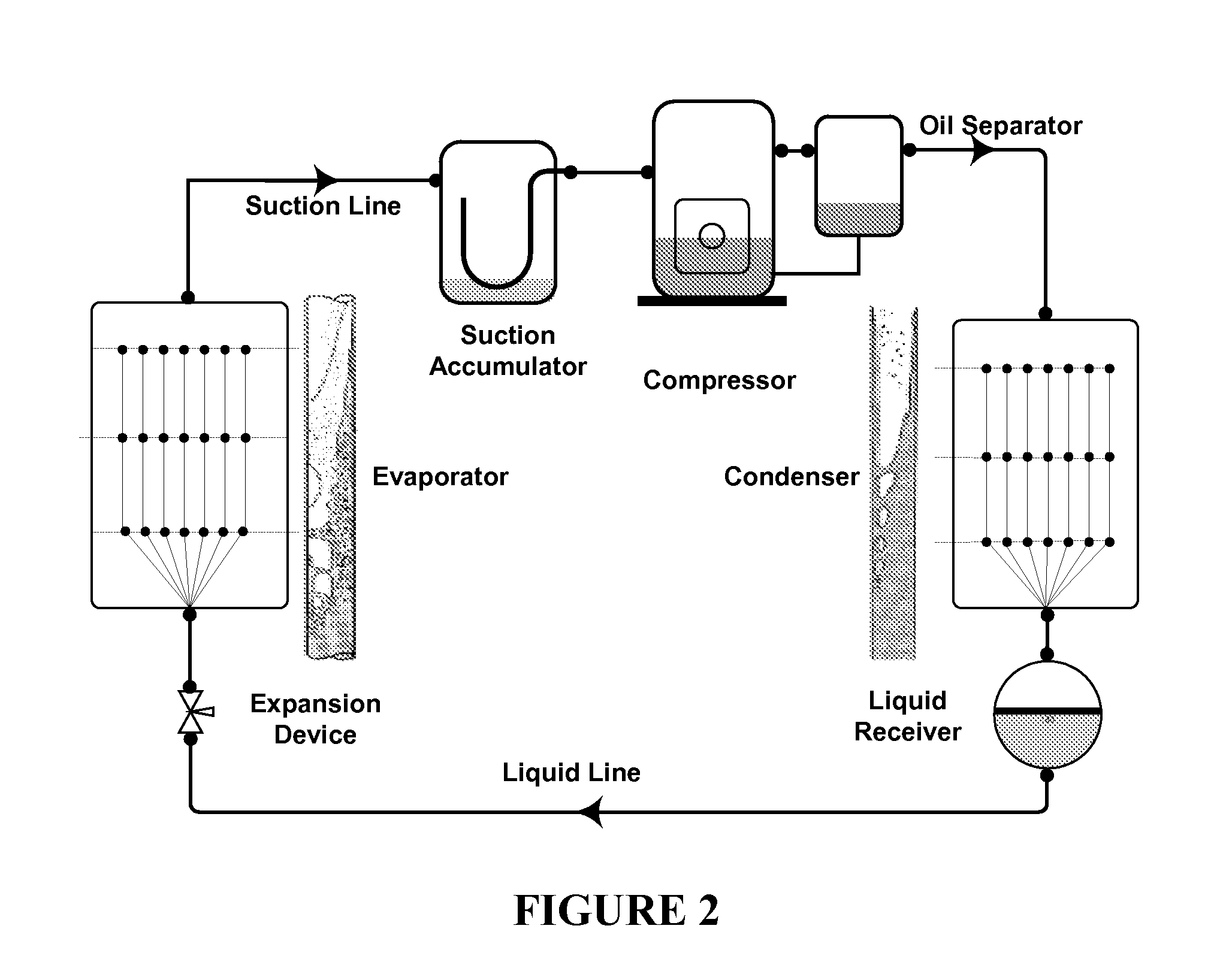
- The method involves replacing the heat source unit with a new unit using HFC refrigerant, incorporating an oil separation apparatus to separate refrigeration oil from the refrigerant and extraneous-matter trapping means to remove residual substances, allowing for the reuse of connecting pipes and eliminating the need for specialized cleaning solvents, thereby simplifying the conversion process and reducing environmental impact.


Hydrofluorocarbon/trifluoroiodomethane/ hydrocarbons refrigerant compositions
PatentActiveUS20090127497A1
Innovation
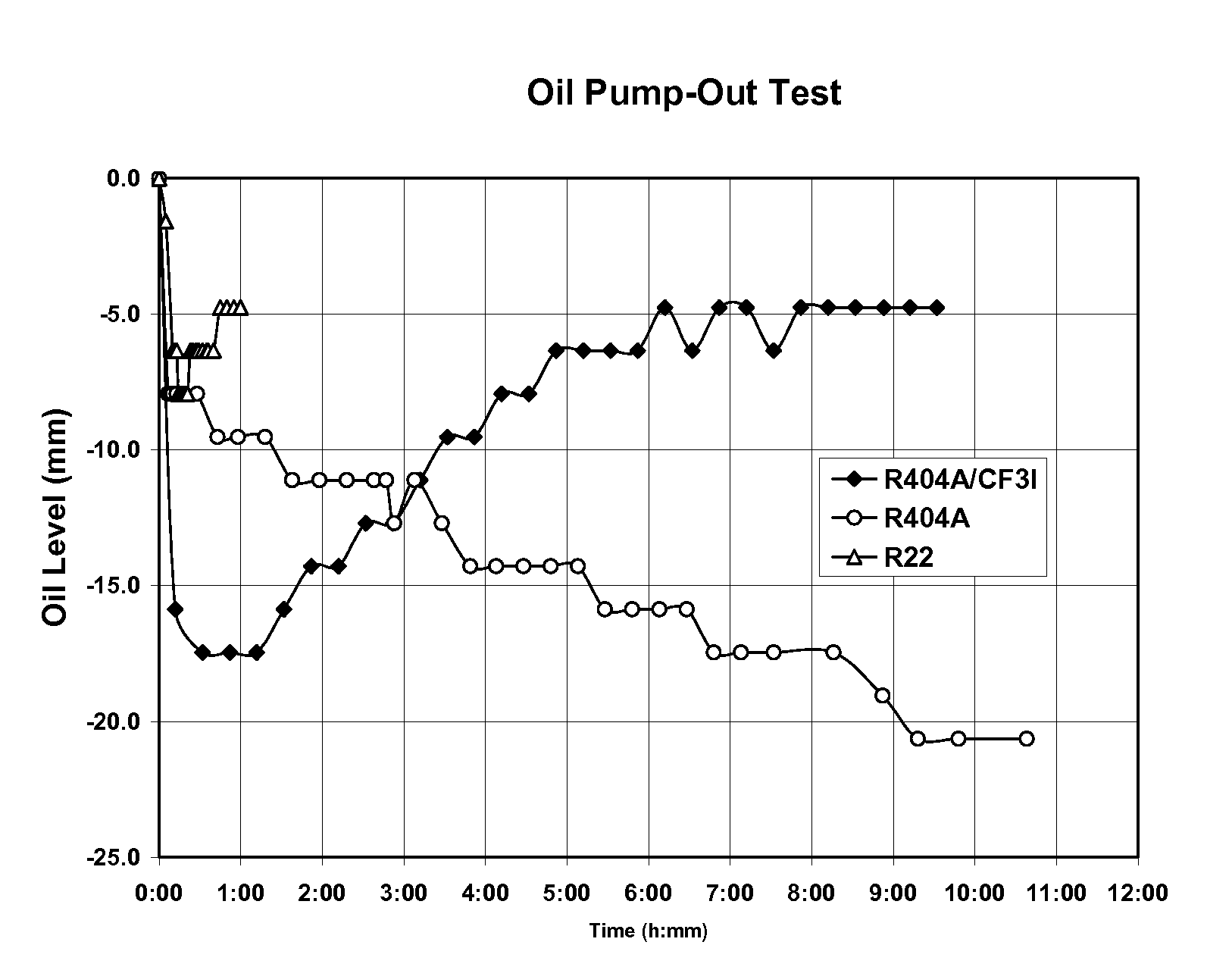
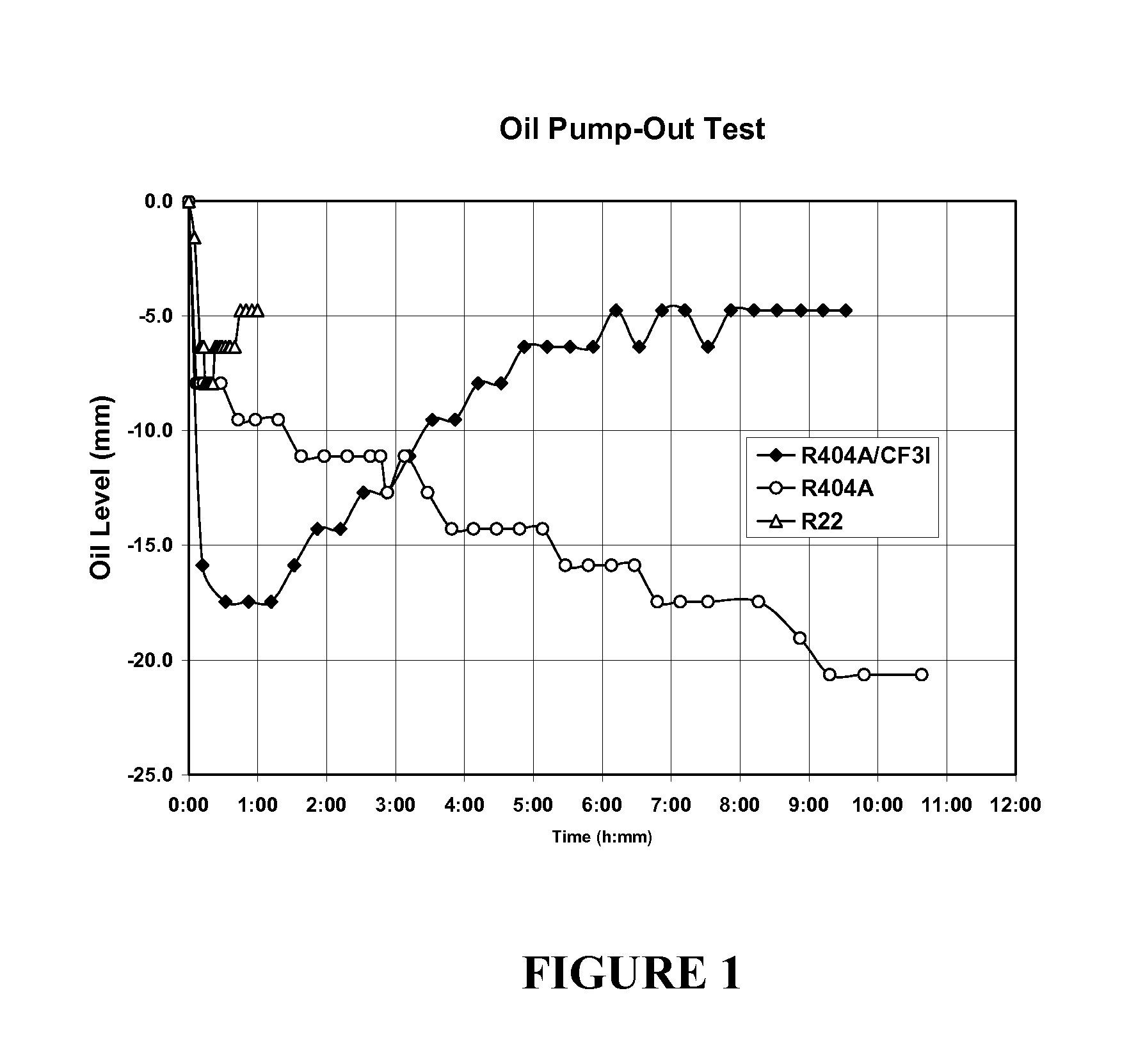
- Blending HFCs with trifluoroiodomethane (CF3I) and hydrocarbons (HCs) to enhance miscibility with common lubricant oils, allowing for the 'drop-in' replacement of chlorine-containing refrigerants without draining or replacing system lubricants, while maintaining important thermodynamic properties.

Environmental Regulations Impact on Refrigerant Selection
Environmental regulations have fundamentally transformed refrigerant selection criteria, creating a complex regulatory landscape that significantly impacts the choice between CFC refrigerants and cascade systems. The Montreal Protocol of 1987 marked the beginning of systematic CFC phase-out, establishing binding international commitments to eliminate ozone-depleting substances. This landmark agreement triggered a cascade of national and regional regulations that progressively restricted CFC production and consumption.
The European Union's F-Gas Regulation represents one of the most stringent regulatory frameworks, implementing a step-down approach that reduces the availability of high-GWP refrigerants by 79% between 2015 and 2030. This regulation directly affects refrigerant selection by imposing quotas on HFC imports and production, effectively making traditional single-stage systems using high-GWP refrigerants increasingly expensive and eventually unavailable.
In the United States, the EPA's SNAP program evaluates and lists acceptable alternatives to ozone-depleting substances, while recent AIM Act provisions establish HFC production and consumption baselines with mandatory reduction schedules. These regulations create compliance obligations that influence system design decisions, often favoring cascade systems using natural refrigerants over conventional CFC-based approaches.
Cascade systems have gained regulatory favor due to their ability to utilize low-GWP natural refrigerants like CO2 and ammonia in separate circuits, effectively compartmentalizing environmental risks while maintaining system efficiency. This design approach aligns with regulatory preferences for natural refrigerants, which typically face fewer restrictions and enjoy long-term regulatory stability.
The regulatory trend toward refrigerant reclaim and recovery requirements also impacts system selection. Cascade systems often simplify compliance with these mandates by segregating refrigerants into smaller, more manageable quantities within individual circuits. Additionally, emerging regulations focusing on leak detection and prevention favor cascade designs that can isolate potential leak sources more effectively than traditional single-refrigerant systems.
Regional variations in regulatory implementation create additional complexity, with some jurisdictions offering incentives for early adoption of low-GWP alternatives while others impose immediate bans on specific refrigerants. These regulatory differences necessitate careful consideration of geographic deployment strategies when selecting between CFC refrigerants and cascade systems for multi-regional applications.
The European Union's F-Gas Regulation represents one of the most stringent regulatory frameworks, implementing a step-down approach that reduces the availability of high-GWP refrigerants by 79% between 2015 and 2030. This regulation directly affects refrigerant selection by imposing quotas on HFC imports and production, effectively making traditional single-stage systems using high-GWP refrigerants increasingly expensive and eventually unavailable.
In the United States, the EPA's SNAP program evaluates and lists acceptable alternatives to ozone-depleting substances, while recent AIM Act provisions establish HFC production and consumption baselines with mandatory reduction schedules. These regulations create compliance obligations that influence system design decisions, often favoring cascade systems using natural refrigerants over conventional CFC-based approaches.
Cascade systems have gained regulatory favor due to their ability to utilize low-GWP natural refrigerants like CO2 and ammonia in separate circuits, effectively compartmentalizing environmental risks while maintaining system efficiency. This design approach aligns with regulatory preferences for natural refrigerants, which typically face fewer restrictions and enjoy long-term regulatory stability.
The regulatory trend toward refrigerant reclaim and recovery requirements also impacts system selection. Cascade systems often simplify compliance with these mandates by segregating refrigerants into smaller, more manageable quantities within individual circuits. Additionally, emerging regulations focusing on leak detection and prevention favor cascade designs that can isolate potential leak sources more effectively than traditional single-refrigerant systems.
Regional variations in regulatory implementation create additional complexity, with some jurisdictions offering incentives for early adoption of low-GWP alternatives while others impose immediate bans on specific refrigerants. These regulatory differences necessitate careful consideration of geographic deployment strategies when selecting between CFC refrigerants and cascade systems for multi-regional applications.
Energy Efficiency Standards for Industrial Cooling Systems
Energy efficiency standards for industrial cooling systems have become increasingly stringent as environmental regulations tighten and operational costs rise. When comparing CFC refrigerants with cascade systems, understanding these standards is crucial for making informed decisions about cooling technology implementation. Current international standards, including ASHRAE 90.1 and ISO 50001, establish minimum efficiency requirements that directly impact the viability of different cooling approaches.
CFC refrigerants, while historically effective, face significant challenges under modern efficiency standards. The Montreal Protocol's phase-out requirements have pushed manufacturers toward alternative refrigerants with lower ozone depletion potential. However, many CFC replacements demonstrate reduced thermodynamic efficiency, requiring larger compressors and increased energy consumption to achieve equivalent cooling capacity. This efficiency reduction often conflicts with energy performance standards that mandate specific coefficient of performance (COP) values.
Cascade refrigeration systems present a different efficiency profile under current standards. These systems utilize multiple refrigeration circuits operating at different temperature levels, allowing for optimized performance across varying load conditions. The staged approach enables better matching of refrigerant properties to specific temperature ranges, potentially achieving higher overall system efficiency compared to single-stage CFC systems.
Regional variations in efficiency standards significantly influence technology selection. European Union regulations under the F-Gas Regulation emphasize both energy efficiency and global warming potential, favoring cascade systems that can utilize natural refrigerants like ammonia and CO2. North American standards focus primarily on energy performance metrics, where cascade systems often demonstrate superior part-load efficiency characteristics.
Compliance measurement methodologies differ between refrigerant types and system configurations. CFC systems typically undergo standardized testing protocols that may not fully capture real-world performance variations. Cascade systems require more complex evaluation procedures due to their multi-stage nature, but often demonstrate better performance under dynamic operating conditions that reflect actual industrial applications.
Future efficiency standards are expected to become more comprehensive, incorporating lifecycle energy analysis and peak demand considerations. This evolution favors cascade systems' inherent flexibility and efficiency optimization capabilities over traditional CFC-based approaches, making cascade technology increasingly attractive for long-term industrial cooling investments.
CFC refrigerants, while historically effective, face significant challenges under modern efficiency standards. The Montreal Protocol's phase-out requirements have pushed manufacturers toward alternative refrigerants with lower ozone depletion potential. However, many CFC replacements demonstrate reduced thermodynamic efficiency, requiring larger compressors and increased energy consumption to achieve equivalent cooling capacity. This efficiency reduction often conflicts with energy performance standards that mandate specific coefficient of performance (COP) values.
Cascade refrigeration systems present a different efficiency profile under current standards. These systems utilize multiple refrigeration circuits operating at different temperature levels, allowing for optimized performance across varying load conditions. The staged approach enables better matching of refrigerant properties to specific temperature ranges, potentially achieving higher overall system efficiency compared to single-stage CFC systems.
Regional variations in efficiency standards significantly influence technology selection. European Union regulations under the F-Gas Regulation emphasize both energy efficiency and global warming potential, favoring cascade systems that can utilize natural refrigerants like ammonia and CO2. North American standards focus primarily on energy performance metrics, where cascade systems often demonstrate superior part-load efficiency characteristics.
Compliance measurement methodologies differ between refrigerant types and system configurations. CFC systems typically undergo standardized testing protocols that may not fully capture real-world performance variations. Cascade systems require more complex evaluation procedures due to their multi-stage nature, but often demonstrate better performance under dynamic operating conditions that reflect actual industrial applications.
Future efficiency standards are expected to become more comprehensive, incorporating lifecycle energy analysis and peak demand considerations. This evolution favors cascade systems' inherent flexibility and efficiency optimization capabilities over traditional CFC-based approaches, making cascade technology increasingly attractive for long-term industrial cooling investments.
Unlock deeper insights with Patsnap Eureka Quick Research — get a full tech report to explore trends and direct your research. Try now!
Generate Your Research Report Instantly with AI Agent
Supercharge your innovation with Patsnap Eureka AI Agent Platform!