

Compare Coherent Optics: Performance Under Varying Loads
APR 22, 20269 MIN READ
Generate Your Research Report Instantly with AI Agent
Patsnap Eureka helps you evaluate technical feasibility & market potential.
Coherent Optics Evolution and Performance Targets
Coherent optical communication technology has undergone remarkable evolution since its inception in the 1980s, transforming from laboratory curiosities to the backbone of modern high-capacity optical networks. The journey began with early coherent detection experiments that demonstrated superior receiver sensitivity compared to direct detection systems, though initial implementations were hampered by laser phase noise and complex electronic processing requirements.
The resurgence of coherent optics in the 2000s was catalyzed by advances in digital signal processing and high-speed analog-to-digital converters. This technological convergence enabled practical implementation of digital coherent receivers capable of compensating for transmission impairments in real-time. The introduction of polarization-division multiplexing further doubled spectral efficiency, establishing coherent detection as the preferred solution for long-haul and submarine transmission systems.
Modern coherent systems have evolved through multiple generations, progressing from 10 Gbps QPSK modulation to advanced formats supporting 400G and 800G line rates. Each evolutionary step has been driven by the relentless demand for higher capacity, improved spectral efficiency, and enhanced reach capabilities. The integration of probabilistic constellation shaping and advanced forward error correction has pushed performance closer to theoretical Shannon limits.
Current performance targets for coherent optical systems are increasingly ambitious, reflecting the exponential growth in data traffic and the need for cost-effective scaling. Primary objectives include achieving spectral efficiencies exceeding 6 bits per second per hertz while maintaining acceptable quality of transmission over distances of 1000 kilometers or more. Power consumption reduction has emerged as a critical target, with industry goals of reducing watts per gigabit by an order of magnitude compared to current implementations.
The challenge of maintaining consistent performance under varying network loads represents a fundamental shift in design philosophy. Traditional coherent systems were optimized for steady-state operation, but modern applications demand adaptive capabilities that can dynamically adjust modulation formats, symbol rates, and coding schemes based on real-time traffic patterns and channel conditions. This requirement has driven the development of software-defined optical networks and machine learning-enhanced optimization algorithms.
Future performance targets encompass not only raw capacity improvements but also enhanced flexibility and intelligence. The goal is to achieve seamless adaptation to varying loads while maintaining optimal power efficiency and signal quality across diverse operating conditions.
The resurgence of coherent optics in the 2000s was catalyzed by advances in digital signal processing and high-speed analog-to-digital converters. This technological convergence enabled practical implementation of digital coherent receivers capable of compensating for transmission impairments in real-time. The introduction of polarization-division multiplexing further doubled spectral efficiency, establishing coherent detection as the preferred solution for long-haul and submarine transmission systems.
Modern coherent systems have evolved through multiple generations, progressing from 10 Gbps QPSK modulation to advanced formats supporting 400G and 800G line rates. Each evolutionary step has been driven by the relentless demand for higher capacity, improved spectral efficiency, and enhanced reach capabilities. The integration of probabilistic constellation shaping and advanced forward error correction has pushed performance closer to theoretical Shannon limits.
Current performance targets for coherent optical systems are increasingly ambitious, reflecting the exponential growth in data traffic and the need for cost-effective scaling. Primary objectives include achieving spectral efficiencies exceeding 6 bits per second per hertz while maintaining acceptable quality of transmission over distances of 1000 kilometers or more. Power consumption reduction has emerged as a critical target, with industry goals of reducing watts per gigabit by an order of magnitude compared to current implementations.
The challenge of maintaining consistent performance under varying network loads represents a fundamental shift in design philosophy. Traditional coherent systems were optimized for steady-state operation, but modern applications demand adaptive capabilities that can dynamically adjust modulation formats, symbol rates, and coding schemes based on real-time traffic patterns and channel conditions. This requirement has driven the development of software-defined optical networks and machine learning-enhanced optimization algorithms.
Future performance targets encompass not only raw capacity improvements but also enhanced flexibility and intelligence. The goal is to achieve seamless adaptation to varying loads while maintaining optimal power efficiency and signal quality across diverse operating conditions.
Market Demand for Load-Adaptive Optical Networks
The telecommunications industry is experiencing unprecedented demand for network infrastructure capable of dynamically adapting to fluctuating traffic loads. Modern data centers, cloud computing platforms, and edge computing deployments require optical networks that can efficiently handle varying bandwidth requirements throughout different operational periods. This demand stems from the exponential growth in data consumption, driven by streaming services, IoT deployments, artificial intelligence applications, and remote work paradigms that have fundamentally altered network traffic patterns.
Service providers are increasingly seeking optical solutions that can optimize performance across diverse load conditions without requiring manual intervention or costly hardware replacements. The traditional approach of over-provisioning network capacity to handle peak loads has become economically unsustainable, particularly as bandwidth requirements continue to scale exponentially. Load-adaptive optical networks represent a critical evolution toward more intelligent, cost-effective infrastructure that can automatically adjust transmission parameters based on real-time traffic demands.
Enterprise customers are driving significant demand for coherent optical systems that maintain signal quality and minimize latency under varying operational conditions. Financial institutions, healthcare organizations, and manufacturing companies require guaranteed performance levels regardless of network load fluctuations. These sectors cannot tolerate service degradation during peak usage periods, making load-adaptive capabilities essential rather than optional features.
The hyperscale data center market represents the largest growth segment for load-adaptive optical technologies. Major cloud service providers are investing heavily in optical infrastructure that can dynamically allocate bandwidth resources across multiple services and geographic regions. These organizations require coherent optical systems capable of maintaining optimal performance while automatically scaling capacity up or down based on application demands and user traffic patterns.
Telecommunications operators face mounting pressure to deliver consistent quality of service while managing operational expenses. Load-adaptive optical networks enable these providers to maximize existing infrastructure utilization while reducing energy consumption during low-traffic periods. The ability to dynamically adjust transmission power, modulation formats, and error correction algorithms based on current load conditions directly impacts both service quality and operational profitability.
Emerging applications in autonomous vehicles, smart cities, and industrial automation are creating new market segments that demand ultra-reliable, low-latency optical connectivity with adaptive performance characteristics. These applications generate highly variable traffic patterns that require sophisticated load management capabilities to ensure consistent service delivery across diverse operational scenarios.
Service providers are increasingly seeking optical solutions that can optimize performance across diverse load conditions without requiring manual intervention or costly hardware replacements. The traditional approach of over-provisioning network capacity to handle peak loads has become economically unsustainable, particularly as bandwidth requirements continue to scale exponentially. Load-adaptive optical networks represent a critical evolution toward more intelligent, cost-effective infrastructure that can automatically adjust transmission parameters based on real-time traffic demands.
Enterprise customers are driving significant demand for coherent optical systems that maintain signal quality and minimize latency under varying operational conditions. Financial institutions, healthcare organizations, and manufacturing companies require guaranteed performance levels regardless of network load fluctuations. These sectors cannot tolerate service degradation during peak usage periods, making load-adaptive capabilities essential rather than optional features.
The hyperscale data center market represents the largest growth segment for load-adaptive optical technologies. Major cloud service providers are investing heavily in optical infrastructure that can dynamically allocate bandwidth resources across multiple services and geographic regions. These organizations require coherent optical systems capable of maintaining optimal performance while automatically scaling capacity up or down based on application demands and user traffic patterns.
Telecommunications operators face mounting pressure to deliver consistent quality of service while managing operational expenses. Load-adaptive optical networks enable these providers to maximize existing infrastructure utilization while reducing energy consumption during low-traffic periods. The ability to dynamically adjust transmission power, modulation formats, and error correction algorithms based on current load conditions directly impacts both service quality and operational profitability.
Emerging applications in autonomous vehicles, smart cities, and industrial automation are creating new market segments that demand ultra-reliable, low-latency optical connectivity with adaptive performance characteristics. These applications generate highly variable traffic patterns that require sophisticated load management capabilities to ensure consistent service delivery across diverse operational scenarios.
Current Coherent Optics Performance Under Load Variations
Current coherent optical systems demonstrate varying performance characteristics under different load conditions, with several key metrics serving as primary indicators of system stability and efficiency. Bit error rate (BER) performance typically degrades as traffic loads increase, with most commercial systems maintaining acceptable BER levels below 10^-12 under normal operating conditions but experiencing degradation to 10^-9 or higher during peak load scenarios.
Signal-to-noise ratio (SNR) measurements reveal significant variations across different load states. Under light traffic conditions, modern coherent systems achieve SNR values exceeding 20 dB, providing substantial margin for error correction algorithms. However, as network utilization approaches 80-90% capacity, SNR values commonly drop to 15-18 dB range, primarily due to increased crosstalk and amplifier noise accumulation.
Latency characteristics exhibit non-linear behavior under varying loads. Low-load conditions typically maintain sub-millisecond latency for short-haul applications, while high-load scenarios can introduce additional 2-5 milliseconds of processing delay due to buffer management and forward error correction overhead. Long-haul systems demonstrate more pronounced latency variations, with load-dependent increases ranging from 10-25 milliseconds.
Power consumption patterns show direct correlation with traffic loads, though not proportionally. Baseline power consumption for coherent transceivers remains relatively constant at 15-25 watts per channel, with load-dependent variations of 10-15% primarily attributed to digital signal processing intensity and thermal management requirements.
Spectral efficiency metrics reveal adaptive behavior in modern coherent systems. Advanced modulation formats like 64-QAM achieve peak spectral efficiency of 6-8 bits per second per hertz under optimal conditions, but automatically downgrade to more robust formats like QPSK (2 bits/s/Hz) when load-induced impairments exceed predetermined thresholds.
Reach performance demonstrates inverse relationship with load intensity. Maximum transmission distances decrease by 15-30% under heavy load conditions compared to light traffic scenarios, primarily due to accumulated nonlinear effects and reduced OSNR margins available for error correction processes.
Signal-to-noise ratio (SNR) measurements reveal significant variations across different load states. Under light traffic conditions, modern coherent systems achieve SNR values exceeding 20 dB, providing substantial margin for error correction algorithms. However, as network utilization approaches 80-90% capacity, SNR values commonly drop to 15-18 dB range, primarily due to increased crosstalk and amplifier noise accumulation.
Latency characteristics exhibit non-linear behavior under varying loads. Low-load conditions typically maintain sub-millisecond latency for short-haul applications, while high-load scenarios can introduce additional 2-5 milliseconds of processing delay due to buffer management and forward error correction overhead. Long-haul systems demonstrate more pronounced latency variations, with load-dependent increases ranging from 10-25 milliseconds.
Power consumption patterns show direct correlation with traffic loads, though not proportionally. Baseline power consumption for coherent transceivers remains relatively constant at 15-25 watts per channel, with load-dependent variations of 10-15% primarily attributed to digital signal processing intensity and thermal management requirements.
Spectral efficiency metrics reveal adaptive behavior in modern coherent systems. Advanced modulation formats like 64-QAM achieve peak spectral efficiency of 6-8 bits per second per hertz under optimal conditions, but automatically downgrade to more robust formats like QPSK (2 bits/s/Hz) when load-induced impairments exceed predetermined thresholds.
Reach performance demonstrates inverse relationship with load intensity. Maximum transmission distances decrease by 15-30% under heavy load conditions compared to light traffic scenarios, primarily due to accumulated nonlinear effects and reduced OSNR margins available for error correction processes.
Existing Load Management Solutions in Coherent Systems
01 Coherent optical signal processing and modulation techniques
Advanced signal processing methods are employed to enhance coherent optical systems, including digital signal processing algorithms, modulation format optimization, and adaptive equalization techniques. These methods improve signal quality, increase data transmission rates, and compensate for various impairments in optical communication channels. The implementation of sophisticated modulation schemes enables higher spectral efficiency and better performance in long-haul transmission systems.- Coherent optical transmission systems and signal processing: Technologies for improving coherent optical transmission performance through advanced signal processing techniques, including digital signal processing algorithms, equalization methods, and modulation schemes. These approaches enhance data transmission quality, reduce signal distortion, and improve overall system reliability in coherent optical communication networks.
- Optical performance monitoring and measurement: Methods and systems for monitoring and measuring the performance of coherent optical systems, including techniques for assessing signal quality, detecting impairments, and evaluating transmission parameters. These monitoring solutions enable real-time performance assessment and facilitate optimization of optical network operations.
- Coherent receiver architectures and components: Design and implementation of coherent optical receivers with improved performance characteristics, including receiver structures, photodetector configurations, and local oscillator integration. These architectures enhance sensitivity, increase detection accuracy, and enable higher data rates in coherent optical systems.
- Dispersion compensation and mitigation techniques: Approaches for compensating chromatic dispersion and polarization mode dispersion in coherent optical systems to improve transmission performance. These techniques include both hardware-based and software-based solutions that reduce signal degradation and extend transmission distances while maintaining signal integrity.
- Coherent optical network optimization and control: Systems and methods for optimizing the performance of coherent optical networks through intelligent control mechanisms, adaptive algorithms, and network management strategies. These solutions enable dynamic adjustment of transmission parameters, efficient resource allocation, and enhanced overall network performance under varying conditions.
02 Polarization management and control in coherent systems
Techniques for managing and controlling polarization states in coherent optical systems are critical for maintaining signal integrity. These include polarization multiplexing, polarization mode dispersion compensation, and polarization tracking algorithms. Proper polarization management enables dual-polarization transmission, effectively doubling the channel capacity while maintaining system performance and reducing signal degradation caused by polarization-related effects.Expand Specific Solutions03 Coherent detection and receiver architecture optimization
Coherent receiver designs incorporate advanced detection schemes and architectural improvements to maximize system performance. This includes balanced detection configurations, local oscillator optimization, phase recovery circuits, and integrated receiver components. These architectural enhancements enable better sensitivity, improved noise performance, and more efficient signal recovery, resulting in extended transmission distances and higher data rates.Expand Specific Solutions04 Dispersion compensation and impairment mitigation
Methods for compensating chromatic dispersion, nonlinear effects, and other transmission impairments in coherent optical systems are essential for maintaining signal quality. These techniques include electronic dispersion compensation, nonlinearity pre-compensation, and adaptive filtering algorithms. By effectively mitigating various impairments, these approaches enable longer transmission distances, higher power efficiency, and improved overall system performance without requiring extensive optical compensation components.Expand Specific Solutions05 Network integration and system monitoring for coherent optics
Integration of coherent optical systems into network architectures requires sophisticated monitoring, control, and management capabilities. This includes performance monitoring techniques, adaptive network control, quality of transmission estimation, and real-time system optimization. These capabilities enable dynamic network reconfiguration, proactive maintenance, and efficient resource allocation, ensuring optimal performance across diverse network conditions and traffic patterns.Expand Specific Solutions
Major Coherent Optics Equipment Vendors Analysis
The coherent optics market for performance under varying loads is experiencing rapid growth, driven by increasing demand for high-speed data transmission and network flexibility. The industry is in a mature expansion phase with significant market opportunities in telecommunications, data centers, and enterprise networks. Technology maturity varies considerably across market players, with established technology giants like Apple, Microsoft Technology Licensing, and Siemens AG leading in advanced optical solutions and system integration capabilities. Traditional optical specialists such as Canon and NEC Corp demonstrate strong foundational technologies, while companies like E Ink Corp and Excelitas Technologies Corp focus on specialized photonic applications. Research institutions including California Institute of Technology, National University of Singapore, and École Polytechnique Fédérale de Lausanne contribute cutting-edge innovations in coherent optical systems. The competitive landscape shows a mix of mature technologies from established players and emerging solutions from specialized firms, indicating a dynamic market with opportunities for both incremental improvements and breakthrough innovations in load-adaptive coherent optical systems.
Microsoft Technology Licensing LLC
Technical Solution: Microsoft has developed coherent optical technologies primarily for data center interconnects and cloud infrastructure, focusing on software-defined networking approaches to manage performance under varying loads. Their solutions leverage artificial intelligence and machine learning algorithms to dynamically optimize optical network parameters based on real-time traffic analysis and predictive modeling. The company's coherent systems feature programmable optical components and automated load balancing that can rapidly adapt to changing bandwidth demands while maintaining low latency and high reliability across distributed cloud environments.
Strengths: Advanced AI-driven optimization and excellent integration with cloud infrastructure. Weaknesses: Primarily focused on data center applications with limited experience in long-haul telecommunications networks.
Siemens AG
Technical Solution: Siemens has developed coherent optical solutions primarily focused on industrial and infrastructure applications, featuring robust performance under varying operational loads. Their systems incorporate adaptive power management and signal conditioning technologies that maintain optical coherence even under fluctuating environmental conditions and traffic demands. The company's coherent optics platform includes intelligent monitoring systems that continuously assess network performance and automatically adjust transmission parameters to optimize throughput and minimize latency across different load scenarios.
Strengths: Robust industrial-grade solutions with excellent environmental adaptability. Weaknesses: Limited focus on high-capacity telecommunications applications and potentially higher cost for specialized industrial features.
Key Patents in Dynamic Load Coherent Optics
Systems and methods for coherent optics interface
PatentActiveUS11855704B1
Innovation
- The implementation of coherent optics technology, specifically point-to-point (P2P) coherent optics with wavelength division multiplexing (WDM), to enhance signal-to-noise ratio and increase bandwidth capacity within the existing fiber infrastructure, allowing for more compact wavelength addition and cost savings by simplifying components.


Specially coherent optics
PatentActiveUS7697750B2
Innovation
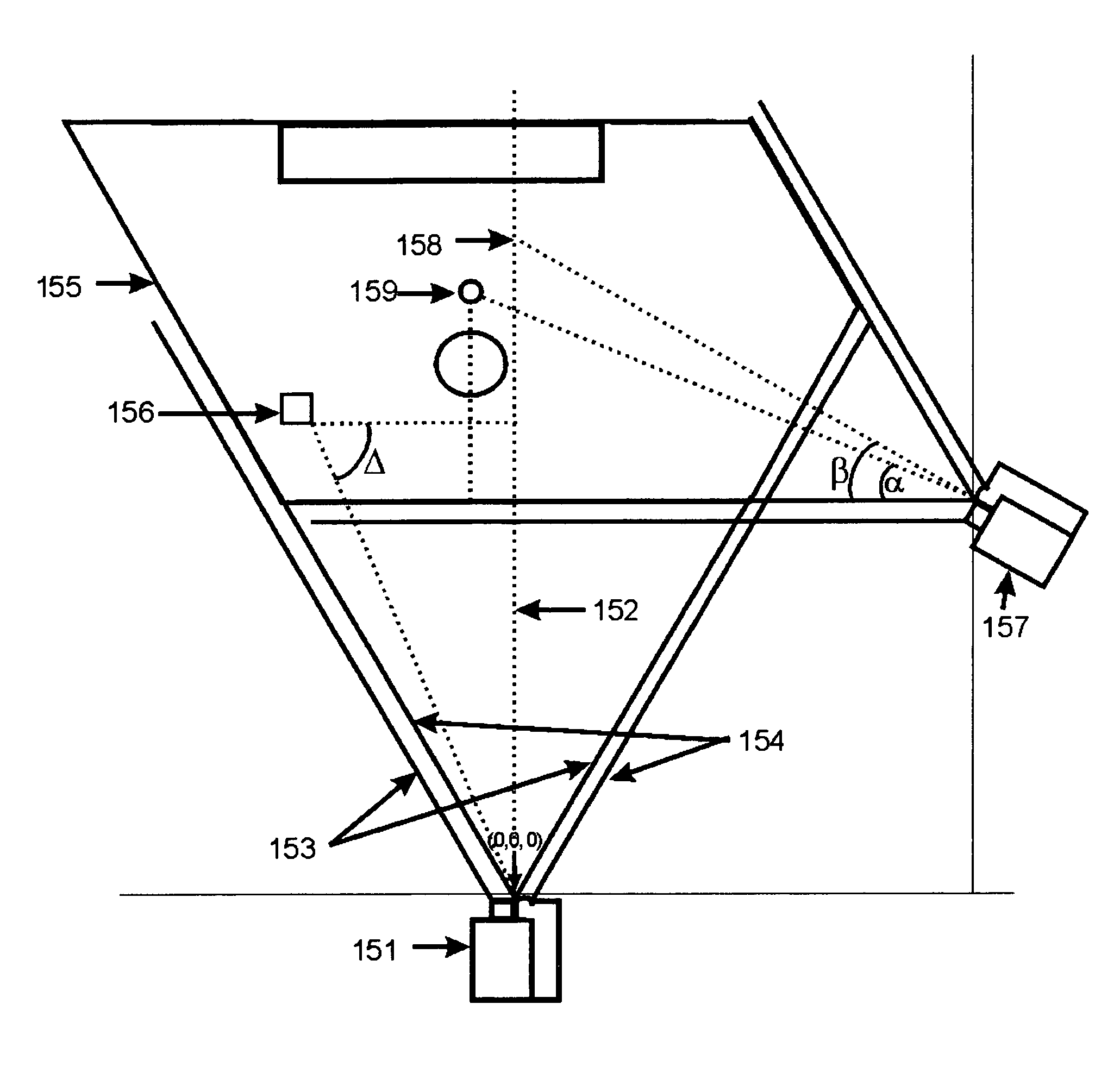
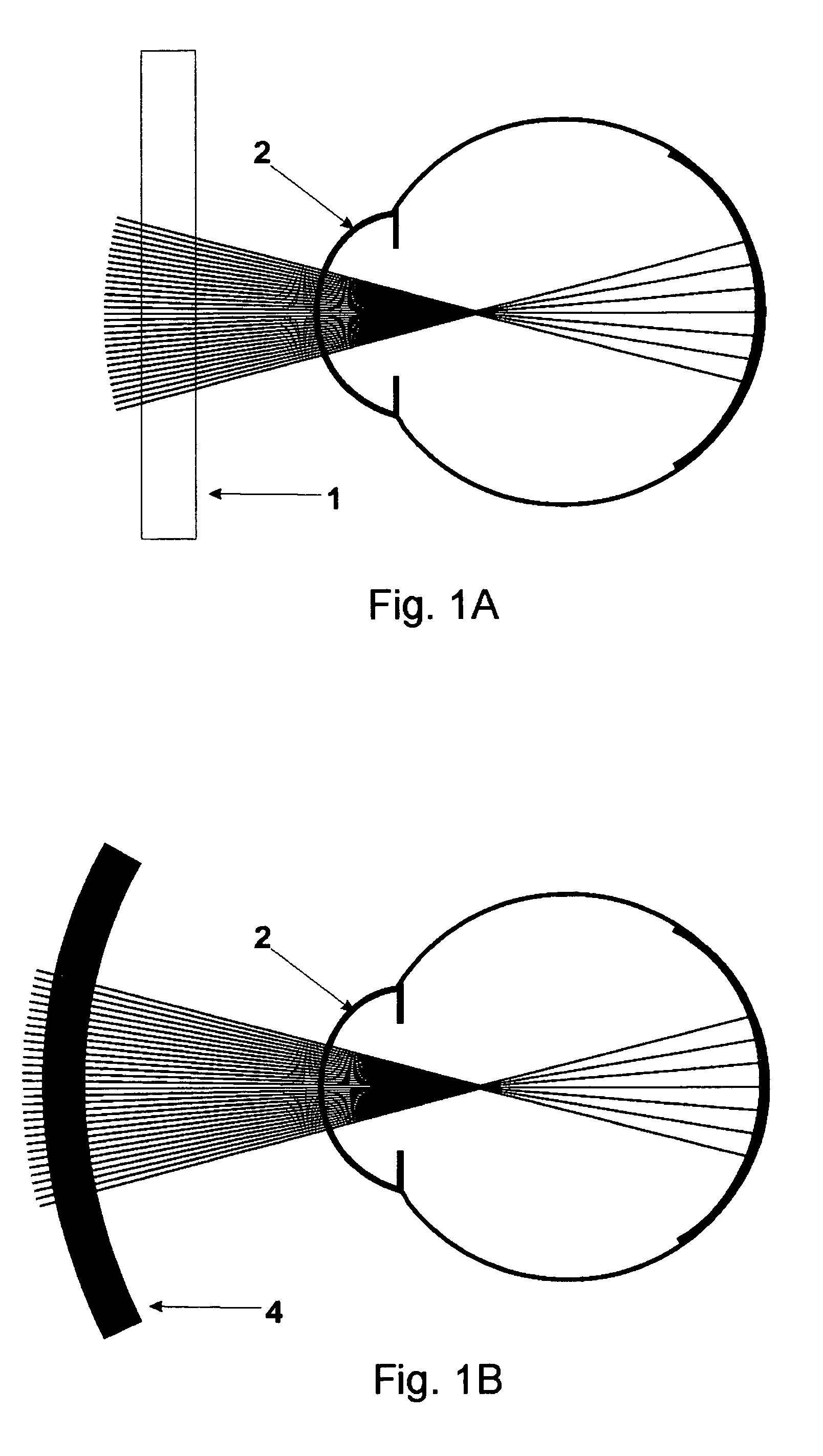
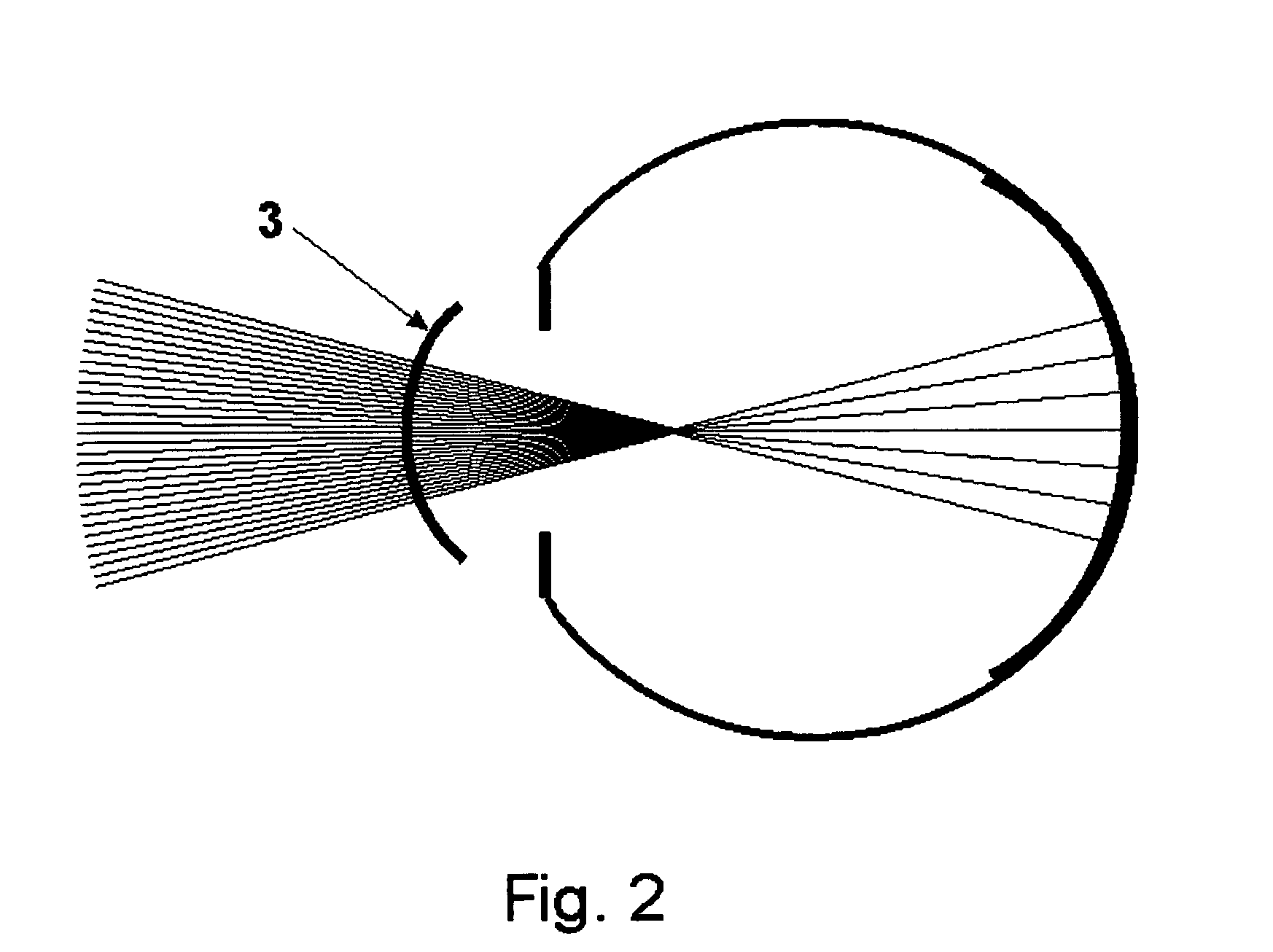
- Channel Mapped Optics (CMO) technology, which uses aligned arrays of channels to control and condition light, providing improved light transmission, reduced glare, increased depth of field, and enhanced peripheral vision by aligning apertures with the eye's rotational axis, allowing for more precise and efficient light capture and recapture.

Network Standards for Coherent Optical Performance
The standardization of coherent optical performance metrics has become increasingly critical as network operators deploy these technologies across diverse traffic scenarios. Current industry standards primarily focus on static performance benchmarks, yet the dynamic nature of modern network loads necessitates more comprehensive evaluation frameworks that account for real-world operational variations.
The International Telecommunication Union (ITU-T) has established fundamental guidelines through recommendations such as G.698.2 and G.959.1, which define basic performance parameters for coherent optical systems. These standards specify requirements for optical signal-to-noise ratio (OSNR), bit error rates, and chromatic dispersion tolerance under nominal conditions. However, these specifications often assume steady-state operations and may not adequately address performance degradation under fluctuating network loads.
IEEE 802.3 standards have evolved to incorporate coherent optics specifications, particularly for 100G, 400G, and emerging 800G applications. The standards define forward error correction (FEC) thresholds, modulation format requirements, and power consumption limits. Recent amendments have begun addressing adaptive modulation capabilities, recognizing the need for dynamic performance optimization based on real-time channel conditions and traffic demands.
The Optical Internetworking Forum (OIF) has contributed significantly through implementation agreements that bridge theoretical standards with practical deployment requirements. Their specifications for coherent optical modules include performance monitoring capabilities and adaptive control mechanisms that enable systems to maintain service quality under varying load conditions. These agreements emphasize the importance of real-time performance telemetry and automated optimization algorithms.
Emerging standardization efforts are focusing on machine learning-enabled performance optimization and predictive maintenance capabilities. Organizations like the Open Networking Foundation are developing standards for software-defined optical networks that can dynamically adjust coherent optical parameters based on traffic patterns and network conditions. These initiatives recognize that future coherent optical systems must be inherently adaptive to maintain optimal performance across diverse operational scenarios.
The convergence toward unified performance standards that encompass both static specifications and dynamic operational requirements represents a critical evolution in coherent optical technology standardization, ensuring consistent performance evaluation methodologies across varying network deployment scenarios.
The International Telecommunication Union (ITU-T) has established fundamental guidelines through recommendations such as G.698.2 and G.959.1, which define basic performance parameters for coherent optical systems. These standards specify requirements for optical signal-to-noise ratio (OSNR), bit error rates, and chromatic dispersion tolerance under nominal conditions. However, these specifications often assume steady-state operations and may not adequately address performance degradation under fluctuating network loads.
IEEE 802.3 standards have evolved to incorporate coherent optics specifications, particularly for 100G, 400G, and emerging 800G applications. The standards define forward error correction (FEC) thresholds, modulation format requirements, and power consumption limits. Recent amendments have begun addressing adaptive modulation capabilities, recognizing the need for dynamic performance optimization based on real-time channel conditions and traffic demands.
The Optical Internetworking Forum (OIF) has contributed significantly through implementation agreements that bridge theoretical standards with practical deployment requirements. Their specifications for coherent optical modules include performance monitoring capabilities and adaptive control mechanisms that enable systems to maintain service quality under varying load conditions. These agreements emphasize the importance of real-time performance telemetry and automated optimization algorithms.
Emerging standardization efforts are focusing on machine learning-enabled performance optimization and predictive maintenance capabilities. Organizations like the Open Networking Foundation are developing standards for software-defined optical networks that can dynamically adjust coherent optical parameters based on traffic patterns and network conditions. These initiatives recognize that future coherent optical systems must be inherently adaptive to maintain optimal performance across diverse operational scenarios.
The convergence toward unified performance standards that encompass both static specifications and dynamic operational requirements represents a critical evolution in coherent optical technology standardization, ensuring consistent performance evaluation methodologies across varying network deployment scenarios.
Energy Efficiency in Variable Load Coherent Systems
Energy efficiency in coherent optical systems under variable load conditions represents a critical performance metric that directly impacts operational costs and environmental sustainability. Traditional coherent systems often operate at fixed power consumption levels regardless of traffic demands, leading to significant energy waste during low-traffic periods. Modern coherent transceivers are increasingly incorporating dynamic power management capabilities to address this inefficiency.
The relationship between load variation and energy consumption in coherent systems follows a non-linear pattern. Digital signal processing components, which typically account for 60-70% of total transceiver power consumption, can be dynamically scaled based on traffic requirements. Advanced coherent systems now implement adaptive algorithms that adjust DSP complexity, modulation formats, and forward error correction overhead in real-time to optimize energy efficiency while maintaining required performance levels.
Power scaling techniques in variable load scenarios include dynamic voltage and frequency scaling of DSP chips, selective activation of processing cores, and adaptive modulation schemes that reduce computational complexity during low-demand periods. These approaches can achieve energy savings of 30-50% compared to static operation modes, with minimal impact on transmission quality.
Thermal management becomes increasingly important in variable load systems as frequent power transitions can create thermal cycling stress on optical components. Efficient thermal design must account for rapid temperature variations while maintaining stable laser operation and minimizing wavelength drift. Advanced thermal control systems now incorporate predictive algorithms that anticipate load changes and pre-adjust cooling systems accordingly.
Network-level energy optimization strategies leverage traffic prediction algorithms to coordinate power management across multiple coherent transceivers. By implementing intelligent sleep modes, traffic grooming, and dynamic bandwidth allocation, operators can achieve system-wide energy efficiency improvements of 40-60% during off-peak periods while maintaining service quality commitments and rapid response capabilities for traffic surges.
The relationship between load variation and energy consumption in coherent systems follows a non-linear pattern. Digital signal processing components, which typically account for 60-70% of total transceiver power consumption, can be dynamically scaled based on traffic requirements. Advanced coherent systems now implement adaptive algorithms that adjust DSP complexity, modulation formats, and forward error correction overhead in real-time to optimize energy efficiency while maintaining required performance levels.
Power scaling techniques in variable load scenarios include dynamic voltage and frequency scaling of DSP chips, selective activation of processing cores, and adaptive modulation schemes that reduce computational complexity during low-demand periods. These approaches can achieve energy savings of 30-50% compared to static operation modes, with minimal impact on transmission quality.
Thermal management becomes increasingly important in variable load systems as frequent power transitions can create thermal cycling stress on optical components. Efficient thermal design must account for rapid temperature variations while maintaining stable laser operation and minimizing wavelength drift. Advanced thermal control systems now incorporate predictive algorithms that anticipate load changes and pre-adjust cooling systems accordingly.
Network-level energy optimization strategies leverage traffic prediction algorithms to coordinate power management across multiple coherent transceivers. By implementing intelligent sleep modes, traffic grooming, and dynamic bandwidth allocation, operators can achieve system-wide energy efficiency improvements of 40-60% during off-peak periods while maintaining service quality commitments and rapid response capabilities for traffic surges.
Unlock deeper insights with Patsnap Eureka Quick Research — get a full tech report to explore trends and direct your research. Try now!
Generate Your Research Report Instantly with AI Agent
Supercharge your innovation with Patsnap Eureka AI Agent Platform!