
Compare Dodecyl Acid's Effects on Skin Barrier Function
MAR 19, 20269 MIN READ
Generate Your Research Report Instantly with AI Agent
Patsnap Eureka helps you evaluate technical feasibility & market potential.
Dodecyl Acid Research Background and Objectives
Dodecyl acid, also known as lauric acid, represents a medium-chain saturated fatty acid that has garnered significant attention in dermatological research due to its unique properties affecting skin barrier function. This twelve-carbon fatty acid occurs naturally in coconut oil, palm kernel oil, and human breast milk, positioning it as a biocompatible compound with established safety profiles for topical applications.
The skin barrier function serves as the body's primary defense mechanism against environmental stressors, pathogens, and transepidermal water loss. Comprising the stratum corneum with its intricate lipid matrix, this barrier system relies heavily on the delicate balance of ceramides, cholesterol, and fatty acids. Understanding how external fatty acids like dodecyl acid interact with this complex system has become increasingly crucial as the cosmetic and pharmaceutical industries seek effective, natural alternatives to synthetic barrier-enhancing agents.
Historical research into fatty acids and skin health dates back to the early 20th century, with initial studies focusing on essential fatty acid deficiencies and their dermatological manifestations. The evolution toward investigating specific medium-chain fatty acids gained momentum in the 1980s and 1990s, driven by growing interest in natural antimicrobial agents and barrier repair mechanisms. Dodecyl acid emerged as a compound of particular interest due to its dual functionality as both an antimicrobial agent and a potential barrier modulator.
Current research objectives center on establishing comprehensive comparative frameworks to evaluate dodecyl acid's multifaceted effects on skin barrier integrity. Primary goals include quantifying its impact on transepidermal water loss rates, assessing changes in stratum corneum lipid organization, and determining optimal concentration ranges for therapeutic applications. Secondary objectives encompass investigating the compound's influence on skin pH regulation, its interaction with existing barrier lipids, and its potential synergistic effects when combined with other barrier-supporting ingredients.
The technological advancement in skin barrier assessment methodologies has enabled more precise evaluation of dodecyl acid's effects. Modern techniques including confocal Raman spectroscopy, atomic force microscopy, and advanced transepidermal water loss measurement systems provide unprecedented insights into molecular-level interactions between dodecyl acid and skin barrier components. These technological capabilities drive current research toward establishing evidence-based protocols for dodecyl acid application in both therapeutic and cosmetic formulations.
Contemporary research initiatives aim to bridge the gap between fundamental understanding of dodecyl acid's mechanism of action and practical application strategies that optimize skin barrier enhancement while minimizing potential adverse effects.
The skin barrier function serves as the body's primary defense mechanism against environmental stressors, pathogens, and transepidermal water loss. Comprising the stratum corneum with its intricate lipid matrix, this barrier system relies heavily on the delicate balance of ceramides, cholesterol, and fatty acids. Understanding how external fatty acids like dodecyl acid interact with this complex system has become increasingly crucial as the cosmetic and pharmaceutical industries seek effective, natural alternatives to synthetic barrier-enhancing agents.
Historical research into fatty acids and skin health dates back to the early 20th century, with initial studies focusing on essential fatty acid deficiencies and their dermatological manifestations. The evolution toward investigating specific medium-chain fatty acids gained momentum in the 1980s and 1990s, driven by growing interest in natural antimicrobial agents and barrier repair mechanisms. Dodecyl acid emerged as a compound of particular interest due to its dual functionality as both an antimicrobial agent and a potential barrier modulator.
Current research objectives center on establishing comprehensive comparative frameworks to evaluate dodecyl acid's multifaceted effects on skin barrier integrity. Primary goals include quantifying its impact on transepidermal water loss rates, assessing changes in stratum corneum lipid organization, and determining optimal concentration ranges for therapeutic applications. Secondary objectives encompass investigating the compound's influence on skin pH regulation, its interaction with existing barrier lipids, and its potential synergistic effects when combined with other barrier-supporting ingredients.
The technological advancement in skin barrier assessment methodologies has enabled more precise evaluation of dodecyl acid's effects. Modern techniques including confocal Raman spectroscopy, atomic force microscopy, and advanced transepidermal water loss measurement systems provide unprecedented insights into molecular-level interactions between dodecyl acid and skin barrier components. These technological capabilities drive current research toward establishing evidence-based protocols for dodecyl acid application in both therapeutic and cosmetic formulations.
Contemporary research initiatives aim to bridge the gap between fundamental understanding of dodecyl acid's mechanism of action and practical application strategies that optimize skin barrier enhancement while minimizing potential adverse effects.
Market Demand for Skin Barrier Enhancement Solutions
The global skincare market has witnessed unprecedented growth in recent years, with consumers increasingly prioritizing skin health and barrier function enhancement. This surge in demand stems from growing awareness of environmental stressors, pollution exposure, and the critical role of the skin barrier in maintaining overall skin health. The market encompasses various product categories including moisturizers, serums, treatments, and specialized barrier repair formulations targeting diverse consumer segments from anti-aging to sensitive skin care.
Consumer behavior patterns reveal a significant shift toward ingredient-conscious purchasing decisions, with particular emphasis on scientifically-backed formulations that demonstrate measurable barrier enhancement effects. The rise of K-beauty and J-beauty trends has further amplified interest in barrier-focused skincare routines, creating substantial market opportunities for innovative ingredients like dodecyl acid that can provide documented barrier improvement benefits.
Professional dermatology and aesthetic medicine sectors represent high-value market segments demanding evidence-based solutions for compromised skin barriers. These markets require ingredients with clinical validation and proven efficacy in addressing conditions such as atopic dermatitis, post-procedure recovery, and age-related barrier dysfunction. The medical aesthetics industry particularly values ingredients that can accelerate healing and restore barrier integrity following invasive treatments.
The premium skincare segment demonstrates strong willingness to invest in advanced barrier enhancement technologies, creating opportunities for specialized formulations incorporating novel fatty acids and barrier-supporting compounds. This market segment values scientific innovation and is receptive to products featuring unique mechanisms of action for barrier repair and maintenance.
Emerging markets in Asia-Pacific and Latin America show rapidly expanding demand for barrier enhancement solutions, driven by increasing disposable income, urbanization-related skin concerns, and growing awareness of preventive skincare approaches. These regions present significant growth potential for companies developing targeted barrier enhancement products with culturally relevant positioning and accessible price points.
The professional skincare channel, including dermatologist offices and medical spas, represents a crucial distribution pathway for advanced barrier enhancement solutions. This channel demands rigorous scientific substantiation and clinical evidence supporting ingredient efficacy claims, making comprehensive research on compounds like dodecyl acid essential for market penetration and professional recommendation.
Consumer behavior patterns reveal a significant shift toward ingredient-conscious purchasing decisions, with particular emphasis on scientifically-backed formulations that demonstrate measurable barrier enhancement effects. The rise of K-beauty and J-beauty trends has further amplified interest in barrier-focused skincare routines, creating substantial market opportunities for innovative ingredients like dodecyl acid that can provide documented barrier improvement benefits.
Professional dermatology and aesthetic medicine sectors represent high-value market segments demanding evidence-based solutions for compromised skin barriers. These markets require ingredients with clinical validation and proven efficacy in addressing conditions such as atopic dermatitis, post-procedure recovery, and age-related barrier dysfunction. The medical aesthetics industry particularly values ingredients that can accelerate healing and restore barrier integrity following invasive treatments.
The premium skincare segment demonstrates strong willingness to invest in advanced barrier enhancement technologies, creating opportunities for specialized formulations incorporating novel fatty acids and barrier-supporting compounds. This market segment values scientific innovation and is receptive to products featuring unique mechanisms of action for barrier repair and maintenance.
Emerging markets in Asia-Pacific and Latin America show rapidly expanding demand for barrier enhancement solutions, driven by increasing disposable income, urbanization-related skin concerns, and growing awareness of preventive skincare approaches. These regions present significant growth potential for companies developing targeted barrier enhancement products with culturally relevant positioning and accessible price points.
The professional skincare channel, including dermatologist offices and medical spas, represents a crucial distribution pathway for advanced barrier enhancement solutions. This channel demands rigorous scientific substantiation and clinical evidence supporting ingredient efficacy claims, making comprehensive research on compounds like dodecyl acid essential for market penetration and professional recommendation.
Current Understanding of Dodecyl Acid Skin Effects
Dodecyl acid, also known as lauric acid, is a medium-chain saturated fatty acid that has garnered significant attention in dermatological research due to its multifaceted effects on skin barrier function. Current scientific understanding reveals that this twelve-carbon fatty acid exhibits both beneficial and potentially disruptive properties when interacting with the stratum corneum, the outermost layer of the epidermis responsible for maintaining skin barrier integrity.
Research has established that dodecyl acid possesses notable antimicrobial properties, particularly against gram-positive bacteria including Propionibacterium acnes and Staphylococcus epidermidis. These antimicrobial effects are attributed to the acid's ability to disrupt bacterial cell membranes through lipid bilayer destabilization. However, this same mechanism that provides antimicrobial benefits can also impact the skin's natural barrier function when applied at higher concentrations or frequencies.
Studies investigating dodecyl acid's interaction with skin lipids have demonstrated its capacity to integrate into the intercellular lipid matrix of the stratum corneum. This integration can alter the organization and fluidity of the lipid bilayers, potentially affecting transepidermal water loss and overall barrier permeability. The acid's amphiphilic nature allows it to interact with both hydrophilic and lipophilic components of the skin barrier, creating complex effects on barrier function.
Clinical observations have shown that dodecyl acid can exhibit concentration-dependent effects on skin irritation and barrier disruption. At lower concentrations, typically below 2%, the compound may provide moisturizing benefits and support barrier repair mechanisms. However, higher concentrations have been associated with increased skin irritation, erythema, and compromised barrier function, particularly in individuals with sensitive skin or pre-existing barrier dysfunction.
Recent research has also explored dodecyl acid's influence on skin pH and its interaction with the acid mantle. The compound's acidic nature can contribute to maintaining the skin's optimal pH range, which is crucial for proper barrier function and microbial balance. However, excessive application may disrupt the natural pH buffering capacity of the skin, potentially leading to barrier compromise and increased susceptibility to irritants and pathogens.
Research has established that dodecyl acid possesses notable antimicrobial properties, particularly against gram-positive bacteria including Propionibacterium acnes and Staphylococcus epidermidis. These antimicrobial effects are attributed to the acid's ability to disrupt bacterial cell membranes through lipid bilayer destabilization. However, this same mechanism that provides antimicrobial benefits can also impact the skin's natural barrier function when applied at higher concentrations or frequencies.
Studies investigating dodecyl acid's interaction with skin lipids have demonstrated its capacity to integrate into the intercellular lipid matrix of the stratum corneum. This integration can alter the organization and fluidity of the lipid bilayers, potentially affecting transepidermal water loss and overall barrier permeability. The acid's amphiphilic nature allows it to interact with both hydrophilic and lipophilic components of the skin barrier, creating complex effects on barrier function.
Clinical observations have shown that dodecyl acid can exhibit concentration-dependent effects on skin irritation and barrier disruption. At lower concentrations, typically below 2%, the compound may provide moisturizing benefits and support barrier repair mechanisms. However, higher concentrations have been associated with increased skin irritation, erythema, and compromised barrier function, particularly in individuals with sensitive skin or pre-existing barrier dysfunction.
Recent research has also explored dodecyl acid's influence on skin pH and its interaction with the acid mantle. The compound's acidic nature can contribute to maintaining the skin's optimal pH range, which is crucial for proper barrier function and microbial balance. However, excessive application may disrupt the natural pH buffering capacity of the skin, potentially leading to barrier compromise and increased susceptibility to irritants and pathogens.
Existing Methods for Skin Barrier Function Assessment
01 Dodecyl acid derivatives for enhancing skin barrier lipid structure
Dodecyl acid and its derivatives can be formulated to strengthen the skin barrier by promoting the formation and organization of lipid bilayers in the stratum corneum. These compounds help restore the natural lipid composition, including ceramides, cholesterol, and fatty acids, which are essential for maintaining skin barrier integrity. The incorporation of these ingredients improves transepidermal water loss and enhances the skin's protective function against environmental stressors.- Dodecyl acid derivatives for enhancing skin barrier lipid composition: Dodecyl acid and its derivatives can be formulated to enhance the lipid composition of the skin barrier. These compounds help restore and maintain the structural integrity of the stratum corneum by supplementing ceramides, fatty acids, and cholesterol ratios. The formulations improve skin barrier function by promoting lipid lamellae formation and reducing transepidermal water loss.
- Use of dodecyl acid in treating compromised skin barrier conditions: Dodecyl acid compounds can be incorporated into therapeutic formulations for treating various skin conditions associated with impaired barrier function, such as atopic dermatitis, eczema, and dry skin. These formulations work by reinforcing the skin's natural defense mechanisms and promoting the recovery of damaged barrier structures through enhanced lipid synthesis and organization.
- Dodecyl acid as penetration enhancer in transdermal delivery systems: Dodecyl acid can function as a penetration enhancer in topical and transdermal formulations while simultaneously supporting skin barrier function. The compound modulates the permeability of the stratum corneum to facilitate active ingredient delivery without causing long-term barrier disruption. This dual functionality makes it valuable in pharmaceutical and cosmetic applications.
- Combination of dodecyl acid with moisturizing agents for barrier repair: Formulations combining dodecyl acid with humectants, emollients, and other moisturizing agents demonstrate synergistic effects in barrier repair and hydration. These combinations enhance water retention capacity, improve skin elasticity, and accelerate the restoration of barrier function in compromised skin. The formulations are particularly effective in preventing moisture loss and protecting against environmental stressors.
- Dodecyl acid in anti-aging and skin protection formulations: Dodecyl acid can be incorporated into anti-aging formulations that target barrier function decline associated with aging skin. These formulations help maintain barrier integrity, reduce inflammation, and protect against oxidative stress. The compound supports the skin's natural repair processes and helps preserve barrier function against environmental damage and chronological aging effects.
02 Dodecyl acid compounds for improving skin hydration and moisture retention
Formulations containing dodecyl acid derivatives can enhance the skin's ability to retain moisture by reinforcing the barrier function. These compounds work by preventing water loss through the epidermis and improving the skin's natural moisturizing factors. The enhanced hydration leads to improved skin elasticity, smoothness, and overall appearance, making them valuable ingredients in moisturizing and barrier repair products.Expand Specific Solutions03 Use of dodecyl acid in treating compromised or damaged skin barriers
Dodecyl acid-based formulations can be specifically designed for therapeutic applications in treating skin conditions associated with impaired barrier function, such as atopic dermatitis, eczema, and dry skin conditions. These formulations help repair the damaged barrier by replenishing essential lipids and promoting the regeneration of healthy skin cells. The therapeutic benefits include reduced inflammation, decreased sensitivity, and accelerated healing of compromised skin.Expand Specific Solutions04 Dodecyl acid combinations with ceramides and other barrier-supporting ingredients
Synergistic formulations combining dodecyl acid with ceramides, cholesterol, and other skin-identical lipids can provide enhanced barrier repair benefits. These multi-component systems mimic the natural lipid composition of healthy skin and work together to restore barrier function more effectively than single ingredients. The combinations can be optimized for different skin types and conditions to maximize therapeutic efficacy.Expand Specific Solutions05 Delivery systems and formulation technologies for dodecyl acid in barrier function products
Advanced delivery systems such as liposomes, nanoparticles, and emulsion technologies can be employed to enhance the penetration and efficacy of dodecyl acid in skin barrier formulations. These technologies improve the stability of the active ingredients and facilitate their delivery to the target layers of the skin. The optimized delivery systems ensure better bioavailability and prolonged effects, resulting in superior barrier repair and maintenance outcomes.Expand Specific Solutions
Key Players in Cosmetic and Dermatological Industries
The dodecyl acid skin barrier research field represents an emerging segment within the broader dermocosmetics market, currently in early development stages with significant growth potential. Major beauty conglomerates including L'Oréal SA, Unilever IP Holdings BV, Beiersdorf AG, and Shiseido Co., Ltd. dominate the competitive landscape through extensive R&D investments and established market presence. Asian players like Amorepacific Corp. and specialized ingredient suppliers such as Symrise GmbH & Co. KG and Sytheon Ltd. contribute innovative formulations and active compounds. The technology remains in nascent phases, with academic institutions like Korea University Research & Business Foundation and Jiangnan University driving fundamental research. While the global skincare market exceeds $180 billion, dodecyl acid applications specifically represent a specialized niche requiring further clinical validation and regulatory approval before widespread commercialization.
Beiersdorf AG
Technical Solution: Beiersdorf has developed comprehensive research on dodecyl acid's impact on skin barrier function, focusing on its role as a penetration enhancer and emulsifier in topical formulations. Their studies demonstrate that dodecyl acid can modulate stratum corneum lipid organization, leading to increased transepidermal water loss (TEWL) in a dose-dependent manner. The company has investigated optimal concentrations ranging from 0.1% to 2% in various formulations, showing that lower concentrations (0.1-0.5%) provide mild barrier enhancement effects while higher concentrations may compromise barrier integrity. Their research indicates that dodecyl acid's medium-chain fatty acid structure allows for effective intercellular lipid disruption while maintaining acceptable safety profiles for cosmetic applications.
Strengths: Extensive clinical research database and established safety protocols for fatty acid derivatives. Weaknesses: Limited innovation in novel delivery systems compared to newer market entrants.
Unilever IP Holdings BV
Technical Solution: Unilever has conducted comprehensive studies on dodecyl acid's mechanism of action in skin barrier function, focusing on its role in enhancing the delivery of active ingredients in personal care products. Their research demonstrates that dodecyl acid works primarily through reversible disruption of intercellular lipid bilayers, creating temporary channels for enhanced molecular transport. Studies show that formulations containing 0.4-1.2% dodecyl acid can increase the penetration of hydrophilic actives by 180-250% while maintaining skin barrier recovery within 8-16 hours. Unilever's research emphasizes the importance of vehicle selection, showing that dodecyl acid's effectiveness is significantly enhanced in specific emulsion systems and gel formulations. Their work includes extensive consumer testing demonstrating that dodecyl acid-enhanced formulations provide improved product efficacy without compromising user experience or safety profiles.
Strengths: Extensive consumer testing capabilities and strong market application focus. Weaknesses: Less emphasis on fundamental mechanistic research compared to specialized cosmetic companies.
Core Research on Dodecyl Acid Barrier Mechanisms
Chemical compositions providing long-lasting skin ph control for improving skin-barrier function and treatment of skin-barrier disorders
PatentPendingUS20240000681A1
Innovation
- Topical formulations with optimized pH buffer capacity, specifically maintaining skin surface pH at around 4.7 for extended periods, utilizing acids like citric acid and sodium citrate, along with supporting compounds, to support key enzymatic reactions and skin microbiome health, preventing pH fluctuations and microbial growth.


Compositions and methods for treating or preventing skin inflammation via restoration of skin barrier function
PatentInactiveUS20080183250A1
Innovation
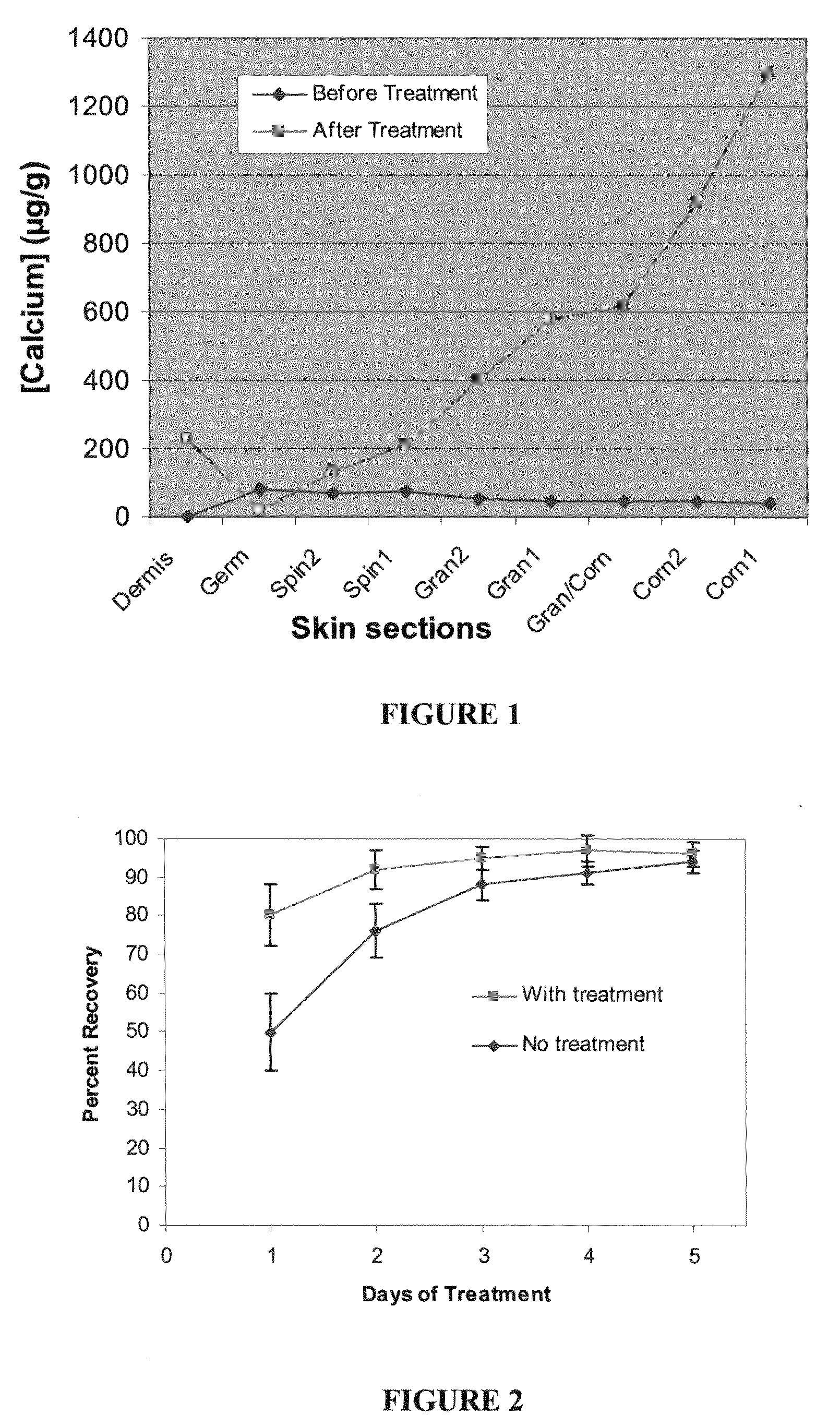
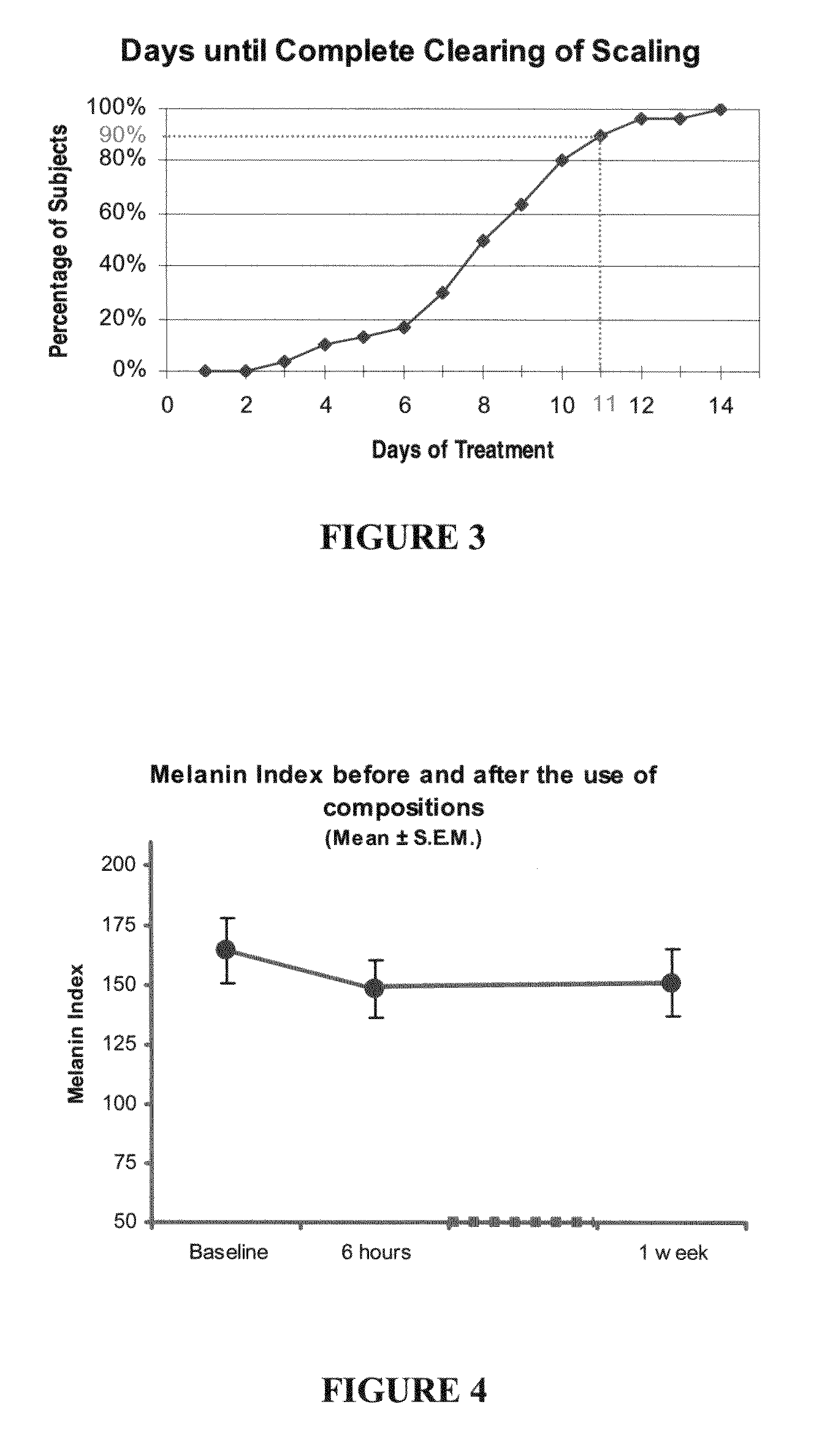
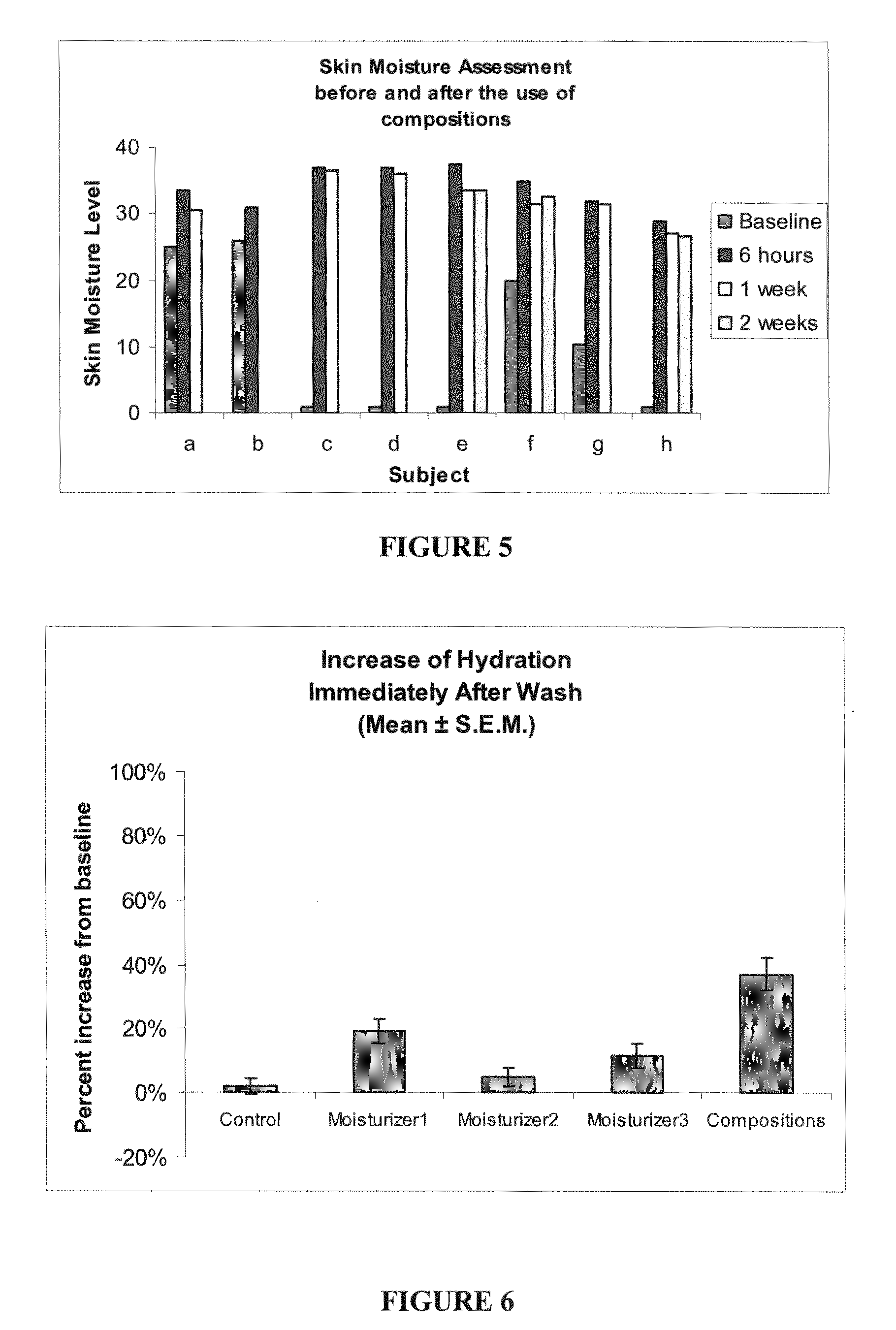
- Compositions and methods involving divalent cations like calcium and magnesium, balanced with monovalent cations like sodium and potassium, are applied topically to restore the skin's ion balance, promoting the regeneration of a normal skin barrier layer, thereby enhancing skin moisture, elasticity, and reducing inflammation and hyperpigmentation.

Safety Regulations for Topical Fatty Acid Products
The regulatory landscape for topical fatty acid products, including dodecyl acid formulations, is governed by comprehensive safety frameworks established by major international authorities. The U.S. Food and Drug Administration (FDA) classifies topical fatty acid products under cosmetic or over-the-counter drug categories depending on their intended use and claims. Products marketed for skin barrier enhancement or therapeutic benefits must comply with FDA's monograph requirements and undergo rigorous safety assessments.
The European Union's Cosmetic Products Regulation (CPR) provides stringent guidelines for fatty acid-containing formulations through the Scientific Committee on Consumer Safety (SCCS). Under EU regulations, dodecyl acid and related fatty acids must meet specific purity standards and concentration limits. The regulation mandates comprehensive safety dossiers including toxicological data, dermal absorption studies, and clinical evidence of skin compatibility.
Concentration thresholds represent critical regulatory parameters for topical fatty acid products. Most jurisdictions establish maximum allowable concentrations based on chain length and saturation levels. Dodecyl acid typically falls under medium-chain fatty acid classifications with concentration limits ranging from 0.1% to 5% depending on product category and intended application area. Leave-on products generally face stricter limitations compared to rinse-off formulations.
Safety testing requirements encompass multiple evaluation protocols including patch testing, cumulative irritation assessments, and photosensitization studies. Regulatory bodies mandate specific test methodologies such as the Human Repeat Insult Patch Test (HRIPT) and occlusive patch testing protocols. These assessments must demonstrate acceptable safety margins and absence of sensitization potential across diverse population groups.
Labeling and disclosure requirements mandate comprehensive ingredient listing using International Nomenclature of Cosmetic Ingredients (INCI) standards. Products containing dodecyl acid must clearly identify the ingredient and provide appropriate usage instructions. Additional warnings may be required for sensitive skin populations or specific application sites. Post-market surveillance obligations require manufacturers to monitor adverse events and report safety concerns to regulatory authorities, ensuring continuous safety evaluation throughout product lifecycle.
The European Union's Cosmetic Products Regulation (CPR) provides stringent guidelines for fatty acid-containing formulations through the Scientific Committee on Consumer Safety (SCCS). Under EU regulations, dodecyl acid and related fatty acids must meet specific purity standards and concentration limits. The regulation mandates comprehensive safety dossiers including toxicological data, dermal absorption studies, and clinical evidence of skin compatibility.
Concentration thresholds represent critical regulatory parameters for topical fatty acid products. Most jurisdictions establish maximum allowable concentrations based on chain length and saturation levels. Dodecyl acid typically falls under medium-chain fatty acid classifications with concentration limits ranging from 0.1% to 5% depending on product category and intended application area. Leave-on products generally face stricter limitations compared to rinse-off formulations.
Safety testing requirements encompass multiple evaluation protocols including patch testing, cumulative irritation assessments, and photosensitization studies. Regulatory bodies mandate specific test methodologies such as the Human Repeat Insult Patch Test (HRIPT) and occlusive patch testing protocols. These assessments must demonstrate acceptable safety margins and absence of sensitization potential across diverse population groups.
Labeling and disclosure requirements mandate comprehensive ingredient listing using International Nomenclature of Cosmetic Ingredients (INCI) standards. Products containing dodecyl acid must clearly identify the ingredient and provide appropriate usage instructions. Additional warnings may be required for sensitive skin populations or specific application sites. Post-market surveillance obligations require manufacturers to monitor adverse events and report safety concerns to regulatory authorities, ensuring continuous safety evaluation throughout product lifecycle.
Comparative Analysis Methodologies for Skin Studies
Comparative analysis methodologies for skin studies investigating dodecyl acid's effects on barrier function require standardized protocols to ensure reliable and reproducible results. The selection of appropriate analytical techniques depends on the specific aspects of barrier function being evaluated, ranging from structural integrity to functional performance metrics.
In vitro methodologies form the foundation of comparative skin barrier studies. Transepidermal water loss measurement using specialized evaporimeters provides quantitative assessment of barrier integrity under controlled conditions. Franz diffusion cell systems enable precise evaluation of permeability coefficients across skin samples treated with varying concentrations of dodecyl acid. These closed-chamber systems maintain consistent temperature and humidity while allowing real-time monitoring of substance penetration rates.
Electrical impedance spectroscopy offers non-invasive assessment of skin barrier properties by measuring resistance to electrical current flow. This technique proves particularly valuable for comparative studies as it provides immediate feedback on barrier disruption or enhancement following dodecyl acid application. Corneometer measurements complement impedance data by quantifying stratum corneum hydration levels, essential for understanding moisture retention capabilities.
Advanced imaging techniques enhance comparative analysis precision. Confocal laser scanning microscopy enables visualization of structural changes in skin architecture at cellular resolution. Optical coherence tomography provides cross-sectional imaging capabilities, allowing researchers to assess epidermal thickness variations and identify morphological alterations induced by dodecyl acid exposure.
Biochemical analysis methodologies focus on molecular-level changes affecting barrier function. Lipid extraction and chromatographic analysis reveal alterations in ceramide, cholesterol, and fatty acid compositions within the stratum corneum. Protein expression profiling through immunohistochemistry identifies changes in key barrier proteins such as filaggrin and involucrin following treatment protocols.
Statistical considerations are crucial for meaningful comparative analysis. Power analysis determines appropriate sample sizes for detecting significant differences between treatment groups. Paired comparison designs minimize inter-individual variability by using each subject as their own control. Multi-factorial analysis of variance accommodates multiple variables including concentration gradients, exposure duration, and individual skin characteristics, ensuring robust statistical interpretation of dodecyl acid's barrier function effects.
In vitro methodologies form the foundation of comparative skin barrier studies. Transepidermal water loss measurement using specialized evaporimeters provides quantitative assessment of barrier integrity under controlled conditions. Franz diffusion cell systems enable precise evaluation of permeability coefficients across skin samples treated with varying concentrations of dodecyl acid. These closed-chamber systems maintain consistent temperature and humidity while allowing real-time monitoring of substance penetration rates.
Electrical impedance spectroscopy offers non-invasive assessment of skin barrier properties by measuring resistance to electrical current flow. This technique proves particularly valuable for comparative studies as it provides immediate feedback on barrier disruption or enhancement following dodecyl acid application. Corneometer measurements complement impedance data by quantifying stratum corneum hydration levels, essential for understanding moisture retention capabilities.
Advanced imaging techniques enhance comparative analysis precision. Confocal laser scanning microscopy enables visualization of structural changes in skin architecture at cellular resolution. Optical coherence tomography provides cross-sectional imaging capabilities, allowing researchers to assess epidermal thickness variations and identify morphological alterations induced by dodecyl acid exposure.
Biochemical analysis methodologies focus on molecular-level changes affecting barrier function. Lipid extraction and chromatographic analysis reveal alterations in ceramide, cholesterol, and fatty acid compositions within the stratum corneum. Protein expression profiling through immunohistochemistry identifies changes in key barrier proteins such as filaggrin and involucrin following treatment protocols.
Statistical considerations are crucial for meaningful comparative analysis. Power analysis determines appropriate sample sizes for detecting significant differences between treatment groups. Paired comparison designs minimize inter-individual variability by using each subject as their own control. Multi-factorial analysis of variance accommodates multiple variables including concentration gradients, exposure duration, and individual skin characteristics, ensuring robust statistical interpretation of dodecyl acid's barrier function effects.
Unlock deeper insights with Patsnap Eureka Quick Research — get a full tech report to explore trends and direct your research. Try now!
Generate Your Research Report Instantly with AI Agent
Supercharge your innovation with Patsnap Eureka AI Agent Platform!