

Compare Sodium-Ion Capacitors vs Supercapacitors: Cost Efficiency
APR 20, 20269 MIN READ
Generate Your Research Report Instantly with AI Agent
PatSnap Eureka helps you evaluate technical feasibility & market potential.
Sodium-Ion Capacitor Technology Background and Cost Targets
Sodium-ion capacitors represent an emerging hybrid energy storage technology that combines the high power density characteristics of supercapacitors with the enhanced energy density potential of battery systems. This technology emerged from the need to address the fundamental limitations of conventional supercapacitors, particularly their relatively low energy density, while maintaining their superior power delivery capabilities and cycle life advantages.
The development of sodium-ion capacitors began gaining momentum in the early 2010s as researchers sought alternatives to lithium-based systems due to cost concerns and resource availability constraints. Unlike traditional electric double-layer capacitors that rely purely on electrostatic charge storage, sodium-ion capacitors employ a hybrid mechanism combining capacitive and faradaic processes. The technology utilizes sodium ion intercalation at the anode while maintaining capacitive charge storage at the cathode, creating a system that bridges the performance gap between supercapacitors and batteries.
The evolution of this technology has been driven by the increasing demand for cost-effective energy storage solutions in applications requiring both high power and reasonable energy density. Key developmental milestones include the optimization of electrode materials, particularly the development of hard carbon anodes capable of efficient sodium ion storage, and the advancement of electrolyte formulations that enable stable operation across wide voltage windows.
Current cost targets for sodium-ion capacitors focus on achieving manufacturing costs below $150 per kilowatt-hour at the cell level, representing a significant reduction compared to lithium-ion alternatives. The technology aims to deliver energy densities of 10-20 Wh/kg while maintaining power densities exceeding 1000 W/kg, positioning it as a cost-effective solution for applications such as grid stabilization, renewable energy integration, and automotive systems requiring frequent charge-discharge cycles.
The strategic importance of sodium-ion capacitors lies in their potential to utilize abundant sodium resources, eliminating supply chain vulnerabilities associated with lithium and reducing raw material costs by approximately 30-40% compared to lithium-based systems. Manufacturing scalability represents another critical advantage, as existing production infrastructure can be adapted with minimal modifications, reducing capital expenditure requirements for large-scale deployment.
The development of sodium-ion capacitors began gaining momentum in the early 2010s as researchers sought alternatives to lithium-based systems due to cost concerns and resource availability constraints. Unlike traditional electric double-layer capacitors that rely purely on electrostatic charge storage, sodium-ion capacitors employ a hybrid mechanism combining capacitive and faradaic processes. The technology utilizes sodium ion intercalation at the anode while maintaining capacitive charge storage at the cathode, creating a system that bridges the performance gap between supercapacitors and batteries.
The evolution of this technology has been driven by the increasing demand for cost-effective energy storage solutions in applications requiring both high power and reasonable energy density. Key developmental milestones include the optimization of electrode materials, particularly the development of hard carbon anodes capable of efficient sodium ion storage, and the advancement of electrolyte formulations that enable stable operation across wide voltage windows.
Current cost targets for sodium-ion capacitors focus on achieving manufacturing costs below $150 per kilowatt-hour at the cell level, representing a significant reduction compared to lithium-ion alternatives. The technology aims to deliver energy densities of 10-20 Wh/kg while maintaining power densities exceeding 1000 W/kg, positioning it as a cost-effective solution for applications such as grid stabilization, renewable energy integration, and automotive systems requiring frequent charge-discharge cycles.
The strategic importance of sodium-ion capacitors lies in their potential to utilize abundant sodium resources, eliminating supply chain vulnerabilities associated with lithium and reducing raw material costs by approximately 30-40% compared to lithium-based systems. Manufacturing scalability represents another critical advantage, as existing production infrastructure can be adapted with minimal modifications, reducing capital expenditure requirements for large-scale deployment.
Market Demand Analysis for Cost-Effective Energy Storage
The global energy storage market is experiencing unprecedented growth driven by the accelerating transition toward renewable energy systems and the increasing demand for grid stabilization solutions. Traditional lithium-ion batteries, while dominant in the market, face significant cost and supply chain challenges that create substantial opportunities for alternative energy storage technologies. The rising costs of lithium and cobalt, combined with geopolitical supply chain risks, have intensified the search for more cost-effective and sustainable energy storage solutions.
Sodium-ion capacitors and supercapacitors are emerging as compelling alternatives in specific market segments where cost efficiency is paramount. The industrial automation sector represents a significant demand driver, particularly for applications requiring rapid charge-discharge cycles and long operational lifespans. Manufacturing facilities, robotics systems, and automated production lines increasingly require energy storage solutions that can deliver consistent performance over millions of cycles while maintaining low total cost of ownership.
The renewable energy integration market presents another substantial opportunity, especially for short-duration energy storage applications. Wind and solar installations require cost-effective buffering solutions to smooth power output fluctuations and provide grid stability services. Current market analysis indicates that sodium-ion capacitors offer particular advantages in utility-scale applications where the lower energy density is offset by significantly reduced material costs and enhanced safety characteristics.
Transportation electrification continues to drive demand for cost-efficient energy storage, particularly in commercial vehicle applications where frequent charging cycles and operational durability are critical factors. Electric buses, delivery vehicles, and industrial equipment represent growing market segments where the superior cycle life and temperature stability of capacitor-based technologies provide compelling economic advantages over traditional battery systems.
Grid-scale energy storage markets are increasingly focused on cost optimization, with utilities and independent power producers seeking solutions that minimize levelized cost of storage. The ability of sodium-ion capacitors and supercapacitors to maintain performance across wide temperature ranges and deliver consistent power output over extended periods positions these technologies favorably for ancillary services markets, including frequency regulation and voltage support applications.
Emerging markets in developing economies present significant growth potential for cost-effective energy storage solutions. The emphasis on affordable electrification and grid modernization in these regions creates substantial demand for technologies that can deliver reliable performance at competitive price points while utilizing abundant and geographically distributed raw materials.
Sodium-ion capacitors and supercapacitors are emerging as compelling alternatives in specific market segments where cost efficiency is paramount. The industrial automation sector represents a significant demand driver, particularly for applications requiring rapid charge-discharge cycles and long operational lifespans. Manufacturing facilities, robotics systems, and automated production lines increasingly require energy storage solutions that can deliver consistent performance over millions of cycles while maintaining low total cost of ownership.
The renewable energy integration market presents another substantial opportunity, especially for short-duration energy storage applications. Wind and solar installations require cost-effective buffering solutions to smooth power output fluctuations and provide grid stability services. Current market analysis indicates that sodium-ion capacitors offer particular advantages in utility-scale applications where the lower energy density is offset by significantly reduced material costs and enhanced safety characteristics.
Transportation electrification continues to drive demand for cost-efficient energy storage, particularly in commercial vehicle applications where frequent charging cycles and operational durability are critical factors. Electric buses, delivery vehicles, and industrial equipment represent growing market segments where the superior cycle life and temperature stability of capacitor-based technologies provide compelling economic advantages over traditional battery systems.
Grid-scale energy storage markets are increasingly focused on cost optimization, with utilities and independent power producers seeking solutions that minimize levelized cost of storage. The ability of sodium-ion capacitors and supercapacitors to maintain performance across wide temperature ranges and deliver consistent power output over extended periods positions these technologies favorably for ancillary services markets, including frequency regulation and voltage support applications.
Emerging markets in developing economies present significant growth potential for cost-effective energy storage solutions. The emphasis on affordable electrification and grid modernization in these regions creates substantial demand for technologies that can deliver reliable performance at competitive price points while utilizing abundant and geographically distributed raw materials.
Current Cost Structure and Efficiency Challenges
The cost structure of sodium-ion capacitors presents a complex landscape dominated by material expenses, which typically account for 60-70% of total manufacturing costs. Electrode materials, particularly hard carbon anodes and layered oxide cathodes, represent the largest cost component due to specialized synthesis processes and relatively low production volumes. The sodium-based electrolytes, while utilizing abundant sodium resources, require sophisticated purification and formulation processes that maintain cost premiums compared to conventional electrolyte systems.
Manufacturing complexity introduces additional cost burdens through specialized equipment requirements and controlled atmosphere processing. The production lines demand precise humidity and oxygen control, necessitating significant capital investments in environmental management systems. Quality control processes are particularly stringent due to the sensitivity of sodium-ion materials to moisture and air exposure, resulting in higher operational overhead compared to traditional capacitor manufacturing.
Supercapacitors demonstrate a more mature cost structure with established supply chains and optimized manufacturing processes. Activated carbon electrodes benefit from well-developed production infrastructure and economies of scale, typically representing 40-50% of total costs. The organic electrolyte systems, while expensive, have achieved cost stability through standardized formulations and bulk procurement advantages.
Current efficiency challenges in sodium-ion capacitors stem from inherently lower energy density compared to supercapacitors, typically achieving 20-30 Wh/kg versus 5-10 Wh/kg for conventional supercapacitors. However, this apparent advantage is offset by higher manufacturing costs per unit energy, creating unfavorable cost-per-performance ratios. The technology faces significant challenges in cycle life optimization, with current systems achieving 3,000-5,000 cycles compared to over 1,000,000 cycles for supercapacitors.
Power density limitations represent another critical efficiency challenge for sodium-ion capacitors. While offering superior energy storage, the ionic conductivity constraints of sodium-based systems result in lower power output capabilities, limiting applications requiring rapid charge-discharge cycles. Temperature sensitivity further compounds efficiency challenges, with performance degradation at elevated temperatures affecting long-term reliability and operational costs.
The cost-efficiency gap becomes particularly pronounced when considering total cost of ownership. Supercapacitors' exceptional cycle life and minimal maintenance requirements often justify higher initial costs through extended operational lifespans. Sodium-ion capacitors must overcome both higher manufacturing costs and shorter operational lifetimes to achieve competitive cost-efficiency ratios in practical applications.
Manufacturing complexity introduces additional cost burdens through specialized equipment requirements and controlled atmosphere processing. The production lines demand precise humidity and oxygen control, necessitating significant capital investments in environmental management systems. Quality control processes are particularly stringent due to the sensitivity of sodium-ion materials to moisture and air exposure, resulting in higher operational overhead compared to traditional capacitor manufacturing.
Supercapacitors demonstrate a more mature cost structure with established supply chains and optimized manufacturing processes. Activated carbon electrodes benefit from well-developed production infrastructure and economies of scale, typically representing 40-50% of total costs. The organic electrolyte systems, while expensive, have achieved cost stability through standardized formulations and bulk procurement advantages.
Current efficiency challenges in sodium-ion capacitors stem from inherently lower energy density compared to supercapacitors, typically achieving 20-30 Wh/kg versus 5-10 Wh/kg for conventional supercapacitors. However, this apparent advantage is offset by higher manufacturing costs per unit energy, creating unfavorable cost-per-performance ratios. The technology faces significant challenges in cycle life optimization, with current systems achieving 3,000-5,000 cycles compared to over 1,000,000 cycles for supercapacitors.
Power density limitations represent another critical efficiency challenge for sodium-ion capacitors. While offering superior energy storage, the ionic conductivity constraints of sodium-based systems result in lower power output capabilities, limiting applications requiring rapid charge-discharge cycles. Temperature sensitivity further compounds efficiency challenges, with performance degradation at elevated temperatures affecting long-term reliability and operational costs.
The cost-efficiency gap becomes particularly pronounced when considering total cost of ownership. Supercapacitors' exceptional cycle life and minimal maintenance requirements often justify higher initial costs through extended operational lifespans. Sodium-ion capacitors must overcome both higher manufacturing costs and shorter operational lifetimes to achieve competitive cost-efficiency ratios in practical applications.
Existing Cost-Efficiency Solutions in Capacitor Design
01 Sodium-ion based electrode materials for cost reduction
Development of sodium-ion based electrode materials that utilize abundant and low-cost sodium resources instead of expensive lithium. These materials focus on optimizing the composition and structure of sodium-ion electrodes to achieve comparable performance to traditional supercapacitors while significantly reducing material costs. The use of earth-abundant sodium compounds enables mass production at lower prices, making energy storage more economically viable for large-scale applications.- Sodium-ion capacitor electrode materials and manufacturing cost optimization: Development of cost-effective electrode materials for sodium-ion capacitors focuses on using abundant and inexpensive raw materials. Manufacturing processes are optimized to reduce production costs while maintaining performance. Material selection emphasizes sodium-based compounds that are more economically viable than lithium alternatives. Process improvements include simplified synthesis methods and scalable production techniques that lower overall manufacturing expenses.
- Hybrid capacitor architectures combining sodium-ion and supercapacitor technologies: Hybrid energy storage devices integrate sodium-ion battery-type electrodes with supercapacitor-type electrodes to balance cost and performance. These architectures leverage the high energy density of sodium-ion systems with the high power density of supercapacitors. Design strategies focus on optimizing the mass ratio and configuration of different electrode types to achieve cost-effective energy storage solutions. The hybrid approach allows for reduced material costs while maintaining competitive electrochemical performance.
- Electrolyte formulation and cost reduction strategies: Development of low-cost electrolyte systems for sodium-ion capacitors utilizes inexpensive sodium salts and common organic solvents. Electrolyte optimization focuses on achieving adequate ionic conductivity and electrochemical stability while minimizing material costs. Alternative electrolyte compositions explore aqueous and gel-based systems that eliminate expensive components. Cost analysis compares different electrolyte formulations to identify the most economically viable options for large-scale production.
- Performance-to-cost ratio analysis and economic viability assessment: Comprehensive cost-benefit analysis evaluates the economic competitiveness of sodium-ion capacitors versus traditional supercapacitors. Assessment methodologies consider material costs, manufacturing expenses, cycle life, and performance metrics to determine overall cost efficiency. Economic models project the total cost of ownership including initial investment and operational expenses. Comparative studies identify application scenarios where sodium-ion capacitors offer superior cost-effectiveness compared to conventional energy storage technologies.
- Scalable manufacturing processes and industrial production optimization: Industrial-scale production methods for sodium-ion capacitors focus on process simplification and automation to reduce labor and equipment costs. Manufacturing optimization includes continuous production lines, reduced processing steps, and improved yield rates. Quality control systems are designed to minimize defects and material waste during large-scale production. Cost modeling evaluates the economics of different production scales to identify optimal manufacturing capacity for commercial viability.
02 Hybrid capacitor architectures combining battery and capacitor characteristics
Integration of battery-type electrodes with capacitor-type electrodes to create hybrid systems that balance energy density and power density. These architectures leverage the high energy storage capability of sodium-ion battery materials with the rapid charge-discharge characteristics of capacitive materials. The hybrid approach optimizes the trade-off between performance and cost, enabling more efficient utilization of materials and improved overall cost-effectiveness in energy storage applications.Expand Specific Solutions03 Low-cost carbon-based electrode materials
Utilization of inexpensive carbon materials such as activated carbon, graphene derivatives, and biomass-derived carbon as electrode materials for both sodium-ion capacitors and supercapacitors. These materials offer high surface area and good electrical conductivity while maintaining low production costs. The development focuses on scalable synthesis methods and optimization of pore structure to enhance ion storage capacity and rate performance without significantly increasing manufacturing expenses.Expand Specific Solutions04 Simplified manufacturing processes and scalable production methods
Development of streamlined fabrication techniques that reduce processing steps, energy consumption, and equipment requirements for producing sodium-ion capacitors and supercapacitors. These methods include roll-to-roll processing, simplified electrode preparation, and ambient condition assembly processes. The focus is on achieving industrial-scale production with minimal capital investment and operational costs while maintaining device performance and reliability.Expand Specific Solutions05 Electrolyte optimization for cost and performance balance
Development of cost-effective electrolyte systems that maintain high ionic conductivity and electrochemical stability while using less expensive salts and solvents. Research focuses on aqueous and non-aqueous electrolyte formulations that are compatible with sodium-ion systems and can operate safely across wide temperature ranges. The optimization includes reducing the amount of electrolyte required and extending the operational lifetime to improve overall economic efficiency.Expand Specific Solutions
Key Players in Sodium-Ion and Supercapacitor Markets
The sodium-ion capacitor versus supercapacitor cost efficiency landscape represents an emerging technology sector in early development stages, with significant market potential driven by growing energy storage demands. The market remains relatively nascent, with limited commercial deployment but substantial research investment from diverse players. Technology maturity varies considerably across participants, with established industrial giants like ABB Ltd., Samsung Electro-Mechanics, and Sharp Corp. leveraging manufacturing expertise, while specialized firms such as Global Graphene Group and Honeycomb Battery Co. focus on advanced materials innovation. Research institutions including Central South University, Harbin Institute of Technology, and Korea Institute of Energy Research contribute fundamental breakthroughs in electrode materials and electrolyte systems. The competitive dynamics show traditional electronics manufacturers competing against emerging battery technology companies, with cost efficiency improvements primarily driven by material innovations from graphene specialists like Nanotek Instruments and manufacturing scale optimization by semiconductor players like GLOBALFOUNDRIES and Micron Technology.
Nanotek Instruments, Inc.
Technical Solution: Nanotek has developed advanced electrode materials for both sodium-ion capacitors and supercapacitors, focusing on cost-effective manufacturing processes using graphene-enhanced materials. Their comparative analysis shows that sodium-ion capacitors utilizing their proprietary graphene-sodium composite electrodes achieve 60-70% of supercapacitor power density while providing 3-4 times higher energy density at 30-40% lower manufacturing costs. The company's approach emphasizes scalable production methods and material cost reduction through innovative synthesis techniques, targeting applications where both energy and power requirements must be balanced against strict cost constraints.
Strengths: Advanced material technology, focus on manufacturing cost reduction, scalable production processes. Weaknesses: Smaller market presence compared to major manufacturers, limited full-system integration capabilities.
ABB Ltd.
Technical Solution: ABB has developed comprehensive energy storage solutions comparing sodium-ion capacitors and supercapacitors for industrial applications. Their analysis focuses on total cost of ownership, including initial capital expenditure, operational efficiency, and lifecycle maintenance costs. ABB's systems integrate advanced power electronics with both technologies, demonstrating that sodium-ion capacitors offer 30-40% lower cost per kWh over 15-year operational periods in grid stabilization applications, while supercapacitors excel in high-frequency cycling applications despite higher initial costs. Their modular approach allows hybrid configurations optimizing both cost and performance.
Strengths: Extensive grid integration experience, comprehensive cost analysis capabilities, proven industrial deployment. Weaknesses: Focus primarily on large-scale applications, limited consumer market presence.
Core Cost-Reduction Innovations in Capacitor Technologies
Sodium-ion-type power storage device
PatentWO2011037250A1
Innovation
- A sodium ion-type electricity storage device is developed, comprising a positive electrode, a pre-doped negative electrode with sodium ions, and an electrolytic solution containing sodium ions and anions, using non-graphitized carbon materials for the negative electrode to enhance charge storage capacity and cycle characteristics.


Sodium ion-based internal hybrid electrochemical energy storage cell
PatentActiveUS20190109358A1
Innovation
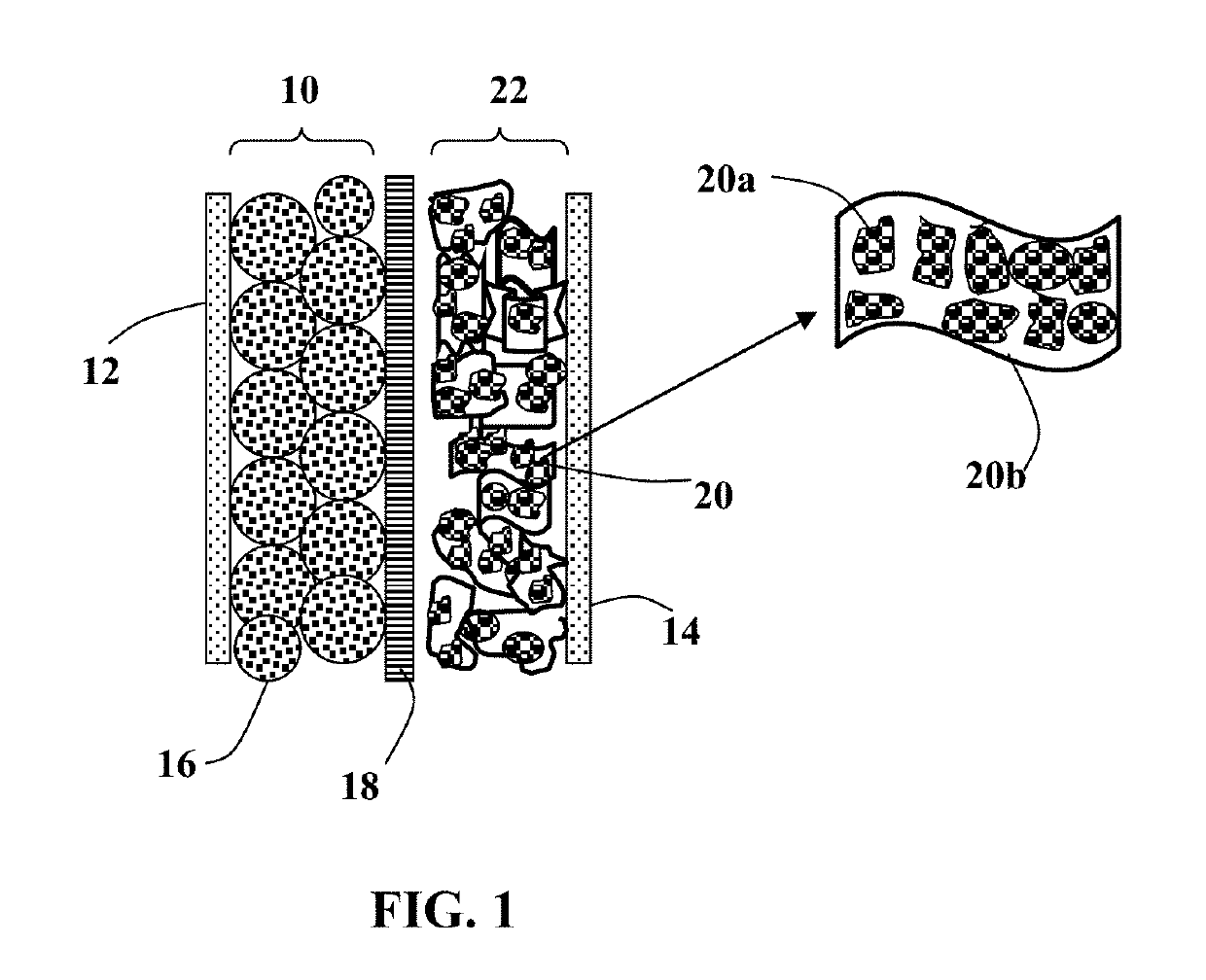
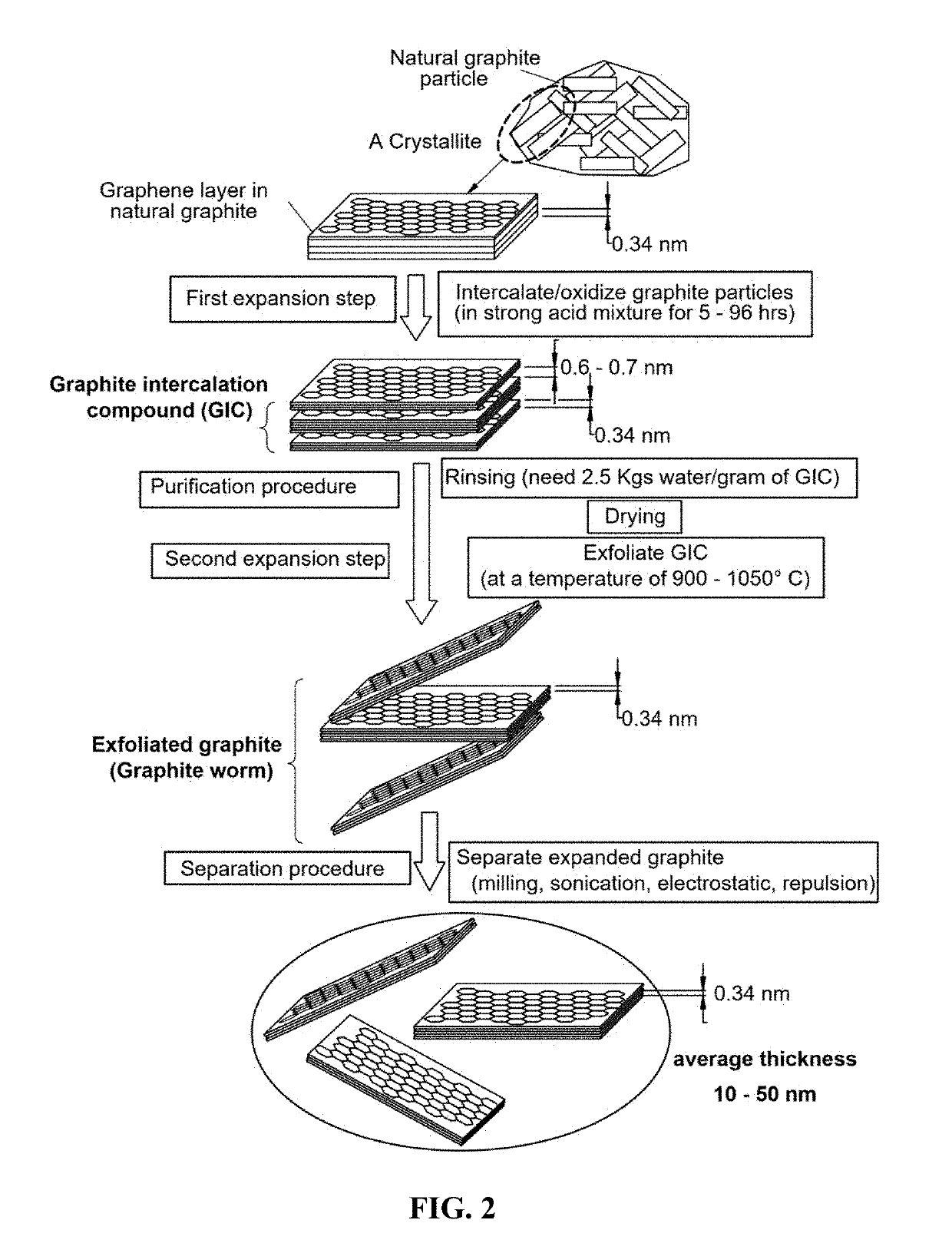
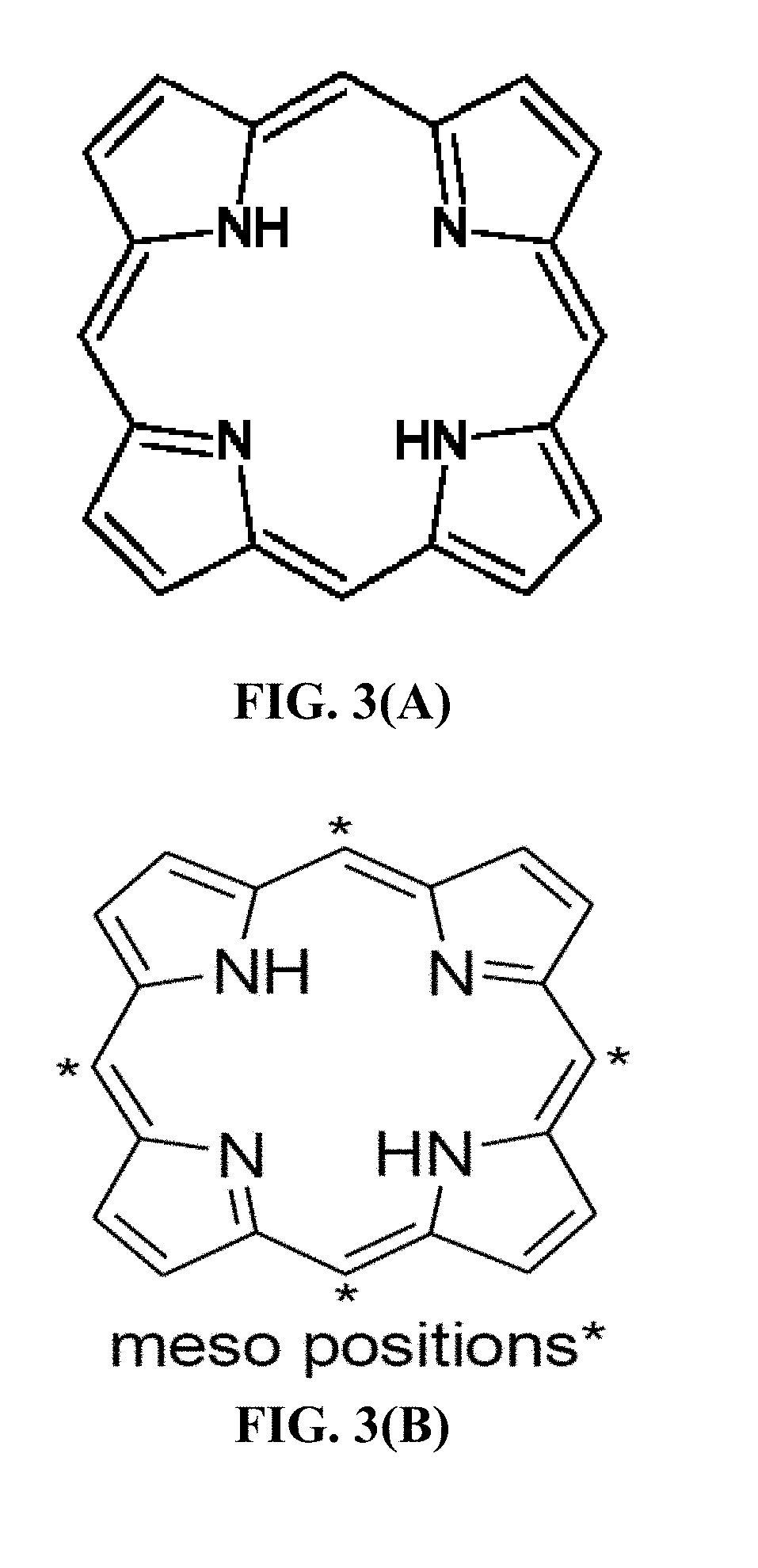
- An internal hybrid electrochemical energy storage device is developed, featuring a pseudocapacitance-like cathode with graphene sheets and a porphyrin compound, and a battery-like anode with sodium metal or intercalation compounds, utilizing a sodium-containing electrolyte to enhance energy and power density.

Supply Chain Impact on Capacitor Cost Efficiency
The supply chain dynamics significantly influence the cost efficiency comparison between sodium-ion capacitors and supercapacitors, with material sourcing representing the most critical factor. Sodium-ion capacitors benefit from abundant sodium resources, as sodium constitutes approximately 2.8% of the Earth's crust compared to lithium's 0.002%. This fundamental abundance translates into more stable pricing and reduced geopolitical supply risks, particularly important given the concentration of lithium resources in specific regions.
Raw material costs demonstrate substantial differences between the two technologies. Sodium-based electrode materials typically cost 60-70% less than their lithium counterparts, while the electrolyte systems show even more pronounced cost advantages. The sodium hexafluorophosphate electrolyte salt costs approximately 80% less than lithium hexafluorophosphate, creating significant material cost savings throughout the production process.
Manufacturing infrastructure requirements present contrasting supply chain implications. Supercapacitor production benefits from established manufacturing ecosystems and mature supplier networks, enabling economies of scale and optimized logistics. However, sodium-ion capacitor manufacturing can leverage existing lithium-ion battery production facilities with minimal modifications, reducing capital expenditure requirements and accelerating market entry timelines.
Geographic distribution of supply chains affects long-term cost stability differently for each technology. Supercapacitor supply chains face increasing pressure from lithium price volatility and mining concentration in politically sensitive regions. Conversely, sodium-ion capacitor supply chains can establish more diversified sourcing strategies, with sodium carbonate production facilities distributed globally across multiple continents.
Transportation and logistics costs favor sodium-ion capacitors due to reduced regulatory constraints associated with sodium-based materials. Unlike lithium compounds, sodium materials face fewer shipping restrictions and lower insurance costs, contributing to overall supply chain efficiency. Additionally, the potential for localized sodium sourcing reduces transportation distances and associated carbon footprints.
Quality control and supplier qualification processes impact cost structures differently across technologies. Established supercapacitor supply chains benefit from mature quality systems and proven supplier relationships, reducing procurement risks and associated costs. However, sodium-ion capacitor supply chains require initial investment in supplier development and qualification processes, though these costs decrease rapidly as the technology matures and supplier ecosystems develop.
Raw material costs demonstrate substantial differences between the two technologies. Sodium-based electrode materials typically cost 60-70% less than their lithium counterparts, while the electrolyte systems show even more pronounced cost advantages. The sodium hexafluorophosphate electrolyte salt costs approximately 80% less than lithium hexafluorophosphate, creating significant material cost savings throughout the production process.
Manufacturing infrastructure requirements present contrasting supply chain implications. Supercapacitor production benefits from established manufacturing ecosystems and mature supplier networks, enabling economies of scale and optimized logistics. However, sodium-ion capacitor manufacturing can leverage existing lithium-ion battery production facilities with minimal modifications, reducing capital expenditure requirements and accelerating market entry timelines.
Geographic distribution of supply chains affects long-term cost stability differently for each technology. Supercapacitor supply chains face increasing pressure from lithium price volatility and mining concentration in politically sensitive regions. Conversely, sodium-ion capacitor supply chains can establish more diversified sourcing strategies, with sodium carbonate production facilities distributed globally across multiple continents.
Transportation and logistics costs favor sodium-ion capacitors due to reduced regulatory constraints associated with sodium-based materials. Unlike lithium compounds, sodium materials face fewer shipping restrictions and lower insurance costs, contributing to overall supply chain efficiency. Additionally, the potential for localized sodium sourcing reduces transportation distances and associated carbon footprints.
Quality control and supplier qualification processes impact cost structures differently across technologies. Established supercapacitor supply chains benefit from mature quality systems and proven supplier relationships, reducing procurement risks and associated costs. However, sodium-ion capacitor supply chains require initial investment in supplier development and qualification processes, though these costs decrease rapidly as the technology matures and supplier ecosystems develop.
Sustainability Factors in Capacitor Cost Analysis
Sustainability considerations have become increasingly critical in evaluating the true cost efficiency of energy storage technologies, particularly when comparing sodium-ion capacitors and supercapacitors. The environmental impact assessment extends beyond initial manufacturing costs to encompass the entire lifecycle of these devices, fundamentally altering traditional cost-benefit calculations.
Material sourcing represents a primary sustainability differentiator between these technologies. Sodium-ion capacitors utilize abundant sodium resources, which are widely distributed globally and require less environmentally intensive extraction processes compared to lithium-based alternatives. Supercapacitors, depending on their electrode materials, may rely on activated carbon or more exotic materials like graphene, each carrying distinct environmental footprints. The carbon footprint associated with material extraction and processing significantly influences long-term cost projections when carbon pricing mechanisms are considered.
Manufacturing energy consumption patterns differ substantially between the two technologies. Sodium-ion capacitors typically require lower processing temperatures and less energy-intensive manufacturing protocols, translating to reduced operational costs and lower greenhouse gas emissions. This energy efficiency advantage becomes more pronounced as renewable energy adoption increases in manufacturing facilities, creating compounding sustainability benefits.
End-of-life management costs increasingly impact total ownership calculations as regulatory frameworks tighten around electronic waste disposal. Sodium-ion capacitors demonstrate superior recyclability characteristics, with sodium being easily recoverable and reusable in various applications. The recycling infrastructure for sodium-based systems is more established and cost-effective compared to specialized supercapacitor materials, reducing long-term disposal costs and creating potential revenue streams from material recovery.
Lifecycle durability directly correlates with sustainability metrics, as longer-lasting devices reduce replacement frequency and associated environmental impacts. While both technologies offer extended operational lifespans, their degradation patterns under various environmental conditions affect replacement schedules and cumulative environmental costs. The ability to maintain performance over extended periods reduces the total number of units required throughout a system's operational lifetime.
Regulatory compliance costs are increasingly influenced by sustainability mandates, with carbon reporting requirements and environmental impact assessments becoming standard practice. Organizations must factor these compliance costs into their technology selection criteria, as sustainability performance directly affects regulatory approval processes and potential carbon tax liabilities in various jurisdictions.
Material sourcing represents a primary sustainability differentiator between these technologies. Sodium-ion capacitors utilize abundant sodium resources, which are widely distributed globally and require less environmentally intensive extraction processes compared to lithium-based alternatives. Supercapacitors, depending on their electrode materials, may rely on activated carbon or more exotic materials like graphene, each carrying distinct environmental footprints. The carbon footprint associated with material extraction and processing significantly influences long-term cost projections when carbon pricing mechanisms are considered.
Manufacturing energy consumption patterns differ substantially between the two technologies. Sodium-ion capacitors typically require lower processing temperatures and less energy-intensive manufacturing protocols, translating to reduced operational costs and lower greenhouse gas emissions. This energy efficiency advantage becomes more pronounced as renewable energy adoption increases in manufacturing facilities, creating compounding sustainability benefits.
End-of-life management costs increasingly impact total ownership calculations as regulatory frameworks tighten around electronic waste disposal. Sodium-ion capacitors demonstrate superior recyclability characteristics, with sodium being easily recoverable and reusable in various applications. The recycling infrastructure for sodium-based systems is more established and cost-effective compared to specialized supercapacitor materials, reducing long-term disposal costs and creating potential revenue streams from material recovery.
Lifecycle durability directly correlates with sustainability metrics, as longer-lasting devices reduce replacement frequency and associated environmental impacts. While both technologies offer extended operational lifespans, their degradation patterns under various environmental conditions affect replacement schedules and cumulative environmental costs. The ability to maintain performance over extended periods reduces the total number of units required throughout a system's operational lifetime.
Regulatory compliance costs are increasingly influenced by sustainability mandates, with carbon reporting requirements and environmental impact assessments becoming standard practice. Organizations must factor these compliance costs into their technology selection criteria, as sustainability performance directly affects regulatory approval processes and potential carbon tax liabilities in various jurisdictions.
Unlock deeper insights with PatSnap Eureka Quick Research — get a full tech report to explore trends and direct your research. Try now!
Generate Your Research Report Instantly with AI Agent
Supercharge your innovation with PatSnap Eureka AI Agent Platform!