Compare Water Purification Efficiency in Mobile vs Fixed Units
JAN 19, 20269 MIN READ
Generate Your Research Report Instantly with AI Agent
PatSnap Eureka helps you evaluate technical feasibility & market potential.
Mobile vs Fixed Water Purification Technology Background and Objectives
Water purification technology has evolved significantly over the past century, driven by increasing global demand for clean drinking water and the need to address diverse application scenarios. The fundamental distinction between mobile and fixed water purification units emerged from varying operational requirements across different contexts. Fixed installations have traditionally served municipal water treatment facilities, industrial applications, and permanent residential communities, where infrastructure investment and long-term operational efficiency are prioritized. These systems typically feature large-scale processing capabilities, sophisticated multi-stage treatment processes, and centralized distribution networks.
In contrast, mobile water purification units developed primarily to address emergency response situations, military operations, remote area access, and temporary settlement needs. The evolution of portable purification technology accelerated during the mid-20th century, particularly driven by military requirements and humanitarian relief operations. Modern mobile units range from personal filtration devices to truck-mounted systems capable of serving hundreds of people, incorporating advances in membrane technology, UV disinfection, and compact filtration media.
The comparative analysis of purification efficiency between these two system types has gained prominence due to several converging factors. Climate change has increased the frequency of natural disasters requiring rapid deployment of water treatment solutions. Population growth in water-scarce regions demands flexible infrastructure approaches. Additionally, technological advances in materials science and energy systems have narrowed the performance gap between mobile and fixed installations, challenging traditional assumptions about their respective capabilities.
The primary objective of this technical investigation is to establish quantitative benchmarks for comparing purification efficiency across mobile and fixed platforms. This includes evaluating removal rates for key contaminants such as bacteria, viruses, heavy metals, and chemical pollutants, while considering operational parameters including throughput capacity, energy consumption, maintenance requirements, and water recovery rates. A secondary objective involves identifying the technological trade-offs inherent in each system type, particularly regarding scalability, adaptability to varying water quality conditions, and total cost of ownership.
Understanding these efficiency differentials enables informed decision-making for water infrastructure planning, emergency preparedness strategies, and technology development priorities. This analysis aims to provide actionable insights for organizations selecting appropriate purification solutions based on specific operational contexts, resource constraints, and performance requirements.
In contrast, mobile water purification units developed primarily to address emergency response situations, military operations, remote area access, and temporary settlement needs. The evolution of portable purification technology accelerated during the mid-20th century, particularly driven by military requirements and humanitarian relief operations. Modern mobile units range from personal filtration devices to truck-mounted systems capable of serving hundreds of people, incorporating advances in membrane technology, UV disinfection, and compact filtration media.
The comparative analysis of purification efficiency between these two system types has gained prominence due to several converging factors. Climate change has increased the frequency of natural disasters requiring rapid deployment of water treatment solutions. Population growth in water-scarce regions demands flexible infrastructure approaches. Additionally, technological advances in materials science and energy systems have narrowed the performance gap between mobile and fixed installations, challenging traditional assumptions about their respective capabilities.
The primary objective of this technical investigation is to establish quantitative benchmarks for comparing purification efficiency across mobile and fixed platforms. This includes evaluating removal rates for key contaminants such as bacteria, viruses, heavy metals, and chemical pollutants, while considering operational parameters including throughput capacity, energy consumption, maintenance requirements, and water recovery rates. A secondary objective involves identifying the technological trade-offs inherent in each system type, particularly regarding scalability, adaptability to varying water quality conditions, and total cost of ownership.
Understanding these efficiency differentials enables informed decision-making for water infrastructure planning, emergency preparedness strategies, and technology development priorities. This analysis aims to provide actionable insights for organizations selecting appropriate purification solutions based on specific operational contexts, resource constraints, and performance requirements.
Market Demand Analysis for Portable and Stationary Water Treatment
The global water treatment market is experiencing significant bifurcation between portable and stationary systems, driven by distinct user requirements and application scenarios. Stationary water treatment facilities continue to dominate municipal and industrial sectors, where large-scale purification capacity and consistent water quality standards are paramount. These fixed installations serve urban populations, manufacturing plants, and commercial establishments requiring continuous high-volume water supply. The market for stationary units benefits from established infrastructure investments and regulatory frameworks mandating centralized water treatment in developed regions.
Conversely, portable water treatment units are witnessing accelerated demand growth across multiple segments. Emergency response organizations and disaster relief agencies represent a critical market segment, requiring rapid deployment capabilities in crisis situations where existing infrastructure is compromised or non-existent. Military and field operations constitute another substantial demand driver, necessitating self-sufficient water purification solutions in remote or hostile environments. The outdoor recreation industry, including camping and expedition activities, has expanded the consumer market for compact purification devices.
Developing regions present a particularly dynamic market landscape for both technologies. Rural communities lacking centralized water infrastructure increasingly adopt small-scale stationary systems or community-level portable units as intermediate solutions. Healthcare facilities in underserved areas require reliable water purification regardless of grid connectivity, creating demand for mobile systems with flexible power options. Agricultural operations in water-scarce regions are exploring portable treatment units for irrigation water recycling and quality improvement.
The humanitarian sector has emerged as a significant market force, with international organizations procuring portable systems for refugee camps and temporary settlements. These applications demand rapid scalability and ease of maintenance without specialized technical expertise. Industrial applications are also diversifying, with construction sites, mining operations, and temporary facilities requiring mobile purification capacity that can relocate with project progression. The market trajectory indicates sustained growth for both categories, with portable systems experiencing higher percentage increases due to expanding application diversity and technological miniaturization enabling new use cases previously dominated by fixed installations.
Conversely, portable water treatment units are witnessing accelerated demand growth across multiple segments. Emergency response organizations and disaster relief agencies represent a critical market segment, requiring rapid deployment capabilities in crisis situations where existing infrastructure is compromised or non-existent. Military and field operations constitute another substantial demand driver, necessitating self-sufficient water purification solutions in remote or hostile environments. The outdoor recreation industry, including camping and expedition activities, has expanded the consumer market for compact purification devices.
Developing regions present a particularly dynamic market landscape for both technologies. Rural communities lacking centralized water infrastructure increasingly adopt small-scale stationary systems or community-level portable units as intermediate solutions. Healthcare facilities in underserved areas require reliable water purification regardless of grid connectivity, creating demand for mobile systems with flexible power options. Agricultural operations in water-scarce regions are exploring portable treatment units for irrigation water recycling and quality improvement.
The humanitarian sector has emerged as a significant market force, with international organizations procuring portable systems for refugee camps and temporary settlements. These applications demand rapid scalability and ease of maintenance without specialized technical expertise. Industrial applications are also diversifying, with construction sites, mining operations, and temporary facilities requiring mobile purification capacity that can relocate with project progression. The market trajectory indicates sustained growth for both categories, with portable systems experiencing higher percentage increases due to expanding application diversity and technological miniaturization enabling new use cases previously dominated by fixed installations.
Current Efficiency Challenges in Mobile and Fixed Purification Systems
Mobile water purification units face distinct efficiency challenges stemming from their inherent design constraints and operational requirements. The primary limitation involves energy availability, as portable systems typically rely on battery power, solar panels, or manual operation, which restricts the intensity and duration of treatment processes. This energy constraint directly impacts flow rates, with mobile units generally processing between 1-10 liters per hour compared to fixed systems that can handle hundreds or thousands of liters hourly. The compact form factor necessitates smaller filtration membranes and reduced contact time between water and treatment media, potentially compromising removal efficiency for certain contaminants.
Fixed purification systems encounter different but equally significant efficiency obstacles. Scale formation and membrane fouling represent persistent challenges, particularly in regions with high mineral content water sources. These systems require regular maintenance and chemical cleaning cycles that temporarily reduce operational capacity. The infrastructure dependency creates vulnerability to power grid instabilities and supply chain disruptions for replacement components. Additionally, fixed installations often struggle with efficiency optimization across varying source water quality conditions, as they are typically designed for specific contamination profiles.
Both system types confront common technical barriers that limit purification efficiency. Temperature fluctuations significantly affect membrane permeability and chemical reaction rates, with performance degradation observed outside optimal operating ranges of 15-25 degrees Celsius. Biological fouling remains problematic across both platforms, requiring pre-treatment stages that consume additional energy and reduce overall system efficiency. The challenge of balancing treatment thoroughness against flow rate persists universally, as more comprehensive purification inherently requires longer contact times and multiple treatment stages.
Energy consumption per liter of purified water emerges as a critical efficiency metric distinguishing the two approaches. Mobile units typically consume 0.02-0.05 kWh per liter due to lower pressure requirements and smaller volumes, while fixed systems average 0.001-0.01 kWh per liter through economies of scale. However, this apparent advantage for fixed systems diminishes when accounting for distribution losses and infrastructure maintenance energy costs. The efficiency gap narrows considerably in decentralized application scenarios where mobile units eliminate transmission losses entirely.
Fixed purification systems encounter different but equally significant efficiency obstacles. Scale formation and membrane fouling represent persistent challenges, particularly in regions with high mineral content water sources. These systems require regular maintenance and chemical cleaning cycles that temporarily reduce operational capacity. The infrastructure dependency creates vulnerability to power grid instabilities and supply chain disruptions for replacement components. Additionally, fixed installations often struggle with efficiency optimization across varying source water quality conditions, as they are typically designed for specific contamination profiles.
Both system types confront common technical barriers that limit purification efficiency. Temperature fluctuations significantly affect membrane permeability and chemical reaction rates, with performance degradation observed outside optimal operating ranges of 15-25 degrees Celsius. Biological fouling remains problematic across both platforms, requiring pre-treatment stages that consume additional energy and reduce overall system efficiency. The challenge of balancing treatment thoroughness against flow rate persists universally, as more comprehensive purification inherently requires longer contact times and multiple treatment stages.
Energy consumption per liter of purified water emerges as a critical efficiency metric distinguishing the two approaches. Mobile units typically consume 0.02-0.05 kWh per liter due to lower pressure requirements and smaller volumes, while fixed systems average 0.001-0.01 kWh per liter through economies of scale. However, this apparent advantage for fixed systems diminishes when accounting for distribution losses and infrastructure maintenance energy costs. The efficiency gap narrows considerably in decentralized application scenarios where mobile units eliminate transmission losses entirely.
Current Technical Solutions for Efficiency Optimization
01 Advanced filtration membrane technology
Water purification units utilize advanced filtration membrane technologies such as ultrafiltration, nanofiltration, and reverse osmosis membranes to enhance purification efficiency. These membrane systems can effectively remove contaminants, particles, bacteria, and dissolved solids from water. The membrane structure and material composition are optimized to achieve higher flux rates while maintaining excellent rejection rates for various pollutants.- Advanced filtration membrane technology: Water purification units utilize advanced filtration membrane technologies such as ultrafiltration, nanofiltration, and reverse osmosis membranes to enhance purification efficiency. These membrane systems can effectively remove contaminants, particles, bacteria, and dissolved solids from water. The membrane structure and material composition are optimized to achieve higher flux rates while maintaining excellent rejection rates for various pollutants.
- Multi-stage purification systems: Implementation of multi-stage purification processes significantly improves overall water treatment efficiency. These systems combine different purification methods in sequence, such as pre-filtration, activated carbon adsorption, membrane filtration, and post-treatment stages. Each stage targets specific contaminants, resulting in comprehensive water purification with enhanced removal efficiency for a broader range of impurities.
- Electrochemical and catalytic purification methods: Electrochemical oxidation and catalytic processes are employed to improve purification efficiency by degrading organic pollutants and disinfecting water. These methods utilize electrode systems or catalytic materials to generate reactive species that break down contaminants. The technology offers advantages in terms of energy efficiency and the ability to treat complex pollutants that are difficult to remove by conventional methods.
- Smart monitoring and control systems: Integration of intelligent monitoring and automated control systems enhances purification efficiency by optimizing operational parameters in real-time. These systems utilize sensors to continuously monitor water quality parameters and adjust treatment processes accordingly. The smart control mechanisms ensure optimal performance, reduce energy consumption, and extend the lifespan of purification components while maintaining consistent output quality.
- Novel adsorbent and filter media: Development and application of novel adsorbent materials and filter media improve contaminant removal efficiency in water purification units. These materials include modified activated carbon, zeolites, metal-organic frameworks, and composite materials with enhanced adsorption capacity. The optimized surface properties and pore structures of these media enable more effective capture of specific pollutants, heavy metals, and organic compounds.
02 Multi-stage purification systems
Implementation of multi-stage purification processes significantly improves overall water treatment efficiency. These systems combine different purification methods in sequence, such as pre-filtration, activated carbon adsorption, membrane filtration, and post-treatment stages. Each stage targets specific contaminants, resulting in comprehensive water purification and higher quality output water.Expand Specific Solutions03 Optimization of flow dynamics and hydraulic design
Enhanced purification efficiency is achieved through optimized flow dynamics and hydraulic design of water purification units. This includes improved inlet and outlet configurations, optimized flow distribution systems, and reduced dead zones within the purification chamber. These design improvements ensure uniform water treatment, minimize bypass flows, and maximize contact time between water and purification media.Expand Specific Solutions04 Integration of monitoring and control systems
Water purification units incorporate advanced monitoring and control systems to maintain optimal purification efficiency. These systems include real-time sensors for water quality parameters, automated control mechanisms for flow rates and pressure, and feedback loops for process optimization. The integration enables continuous performance monitoring and automatic adjustments to maintain consistent purification efficiency under varying conditions.Expand Specific Solutions05 Novel purification media and catalytic materials
The use of novel purification media and catalytic materials enhances the efficiency of water purification units. These materials include advanced adsorbents, photocatalytic materials, and ion exchange resins with improved capacity and selectivity. The enhanced surface properties and reactivity of these materials enable more effective removal of contaminants, including organic compounds, heavy metals, and microorganisms, thereby improving overall purification performance.Expand Specific Solutions
Major Players in Mobile and Fixed Water Purification Markets
The water purification technology sector demonstrates a mature yet evolving competitive landscape, characterized by distinct market segmentation between mobile and fixed-unit solutions. The industry has reached commercial maturity with established players like COWAY and Kobelco Eco-Solutions dominating fixed installations, while specialized providers such as Much More Water A/S, International Water Company, and WaterFleet LLC focus on mobile purification systems. Market dynamics reveal growing demand driven by emergency response needs, industrial applications, and infrastructure development. Technology maturity varies significantly: companies like NGK Insulators and Seiko Epson leverage advanced materials and membrane technologies for fixed systems, whereas mobile solutions from Innovative Water Technologies and Much More Water emphasize portability and renewable energy integration. The competitive landscape includes diversified industrial conglomerates (China Petroleum & Chemical Corp., Kobe Steel), specialized water treatment firms (VWS UK, Livinguard AG), and research institutions advancing next-generation purification methods, indicating robust innovation pipelines alongside established commercial offerings.
NGK Insulators, Ltd.
Technical Solution: NGK Insulators has developed ceramic membrane-based water purification technology suitable for both mobile and stationary applications, leveraging their advanced ceramics expertise. Their systems utilize alumina and silicon carbide ceramic membranes with pore sizes ranging from 0.1 to 10 microns, offering superior chemical and thermal resistance compared to polymer membranes. Mobile units are configured in compact skid-mounted designs processing 20-200 m³/day, featuring automated cleaning cycles and operating pressures of 1-5 bar. The ceramic membranes demonstrate exceptional durability with operational lifespans exceeding 10 years versus 3-5 years for polymer alternatives, and can withstand pH ranges of 0-14 and temperatures up to 90°C. Fixed installations incorporate larger membrane arrays with capacities up to 5,000 m³/day, integrated with pre-treatment systems for industrial wastewater and municipal water treatment. The technology achieves consistent flux rates with minimal fouling, reducing cleaning frequency by 60% and chemical consumption by 50% compared to conventional membrane systems.
Strengths: Exceptional membrane durability and chemical resistance, low maintenance requirements, suitable for harsh industrial environments and high-temperature applications. Weaknesses: Higher upfront costs due to ceramic material expenses, limited flexibility in pore size modification, heavier weight impacts mobile unit portability compared to polymer-based systems.
Veolia Nuclear Solutions, Inc.
Technical Solution: Veolia has developed comprehensive water purification solutions for both mobile and fixed installations, with particular expertise in nuclear and industrial applications. Their mobile units utilize modular membrane filtration systems capable of processing 50-500 m³/day, featuring reverse osmosis and ultrafiltration technologies that achieve 99.9% contaminant removal rates. Fixed installations employ multi-stage treatment processes including coagulation, sedimentation, advanced oxidation, and membrane bioreactors, with capacities ranging from 1,000 to 100,000 m³/day. The mobile systems are designed for rapid deployment within 24-48 hours and can operate in remote locations with minimal infrastructure. Their fixed units integrate SCADA monitoring systems for real-time optimization and predictive maintenance, achieving energy efficiency improvements of 30-40% compared to conventional systems through variable frequency drives and energy recovery devices.
Strengths: Extensive global deployment experience, proven reliability in critical applications, comprehensive service network. Weaknesses: Higher initial capital costs compared to competitors, complex maintenance requirements for mobile units, longer procurement cycles for customized solutions.
Core Patents in High-Efficiency Purification Technologies
Mobile water purification system
PatentInactiveEP2694445A1
Innovation
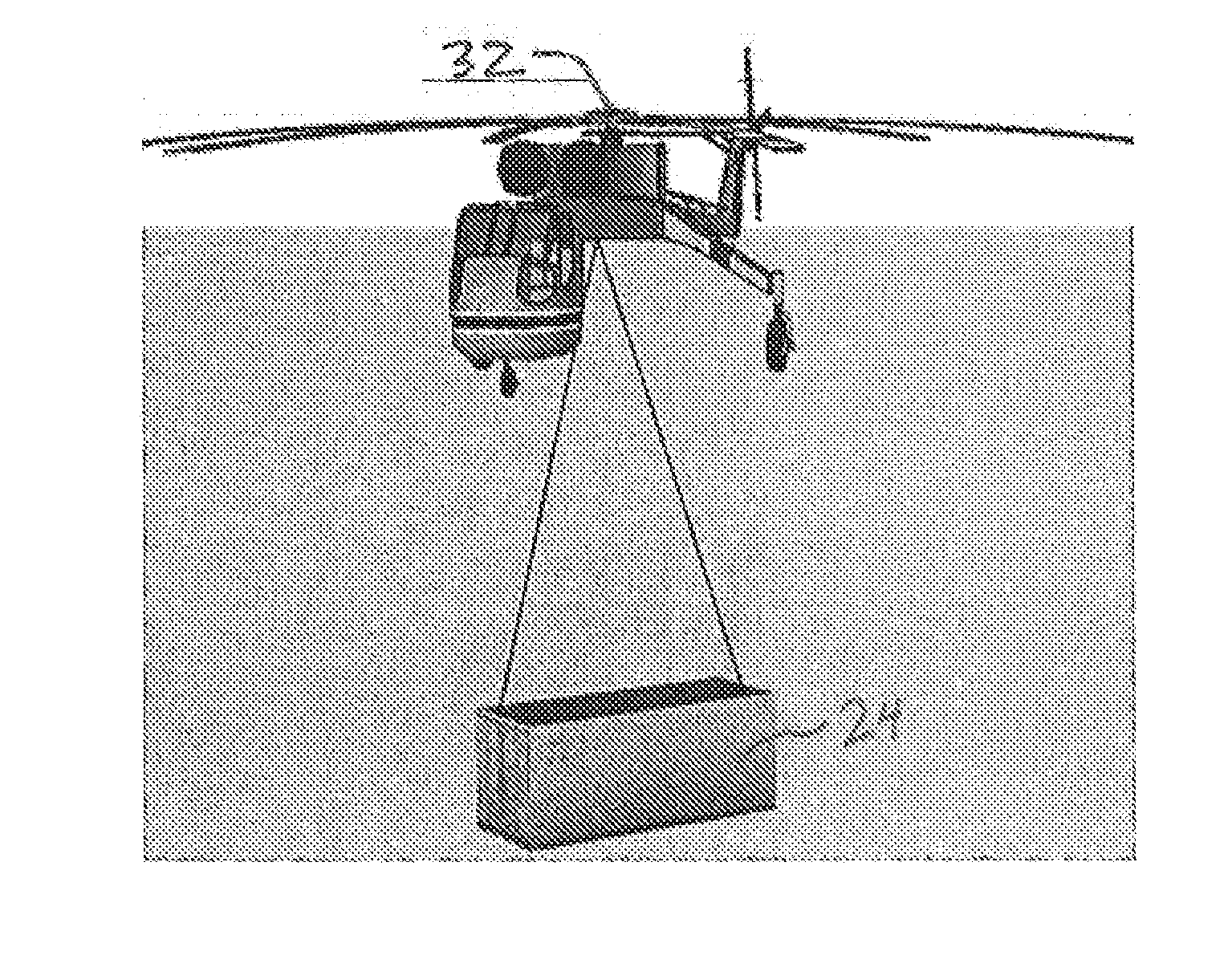
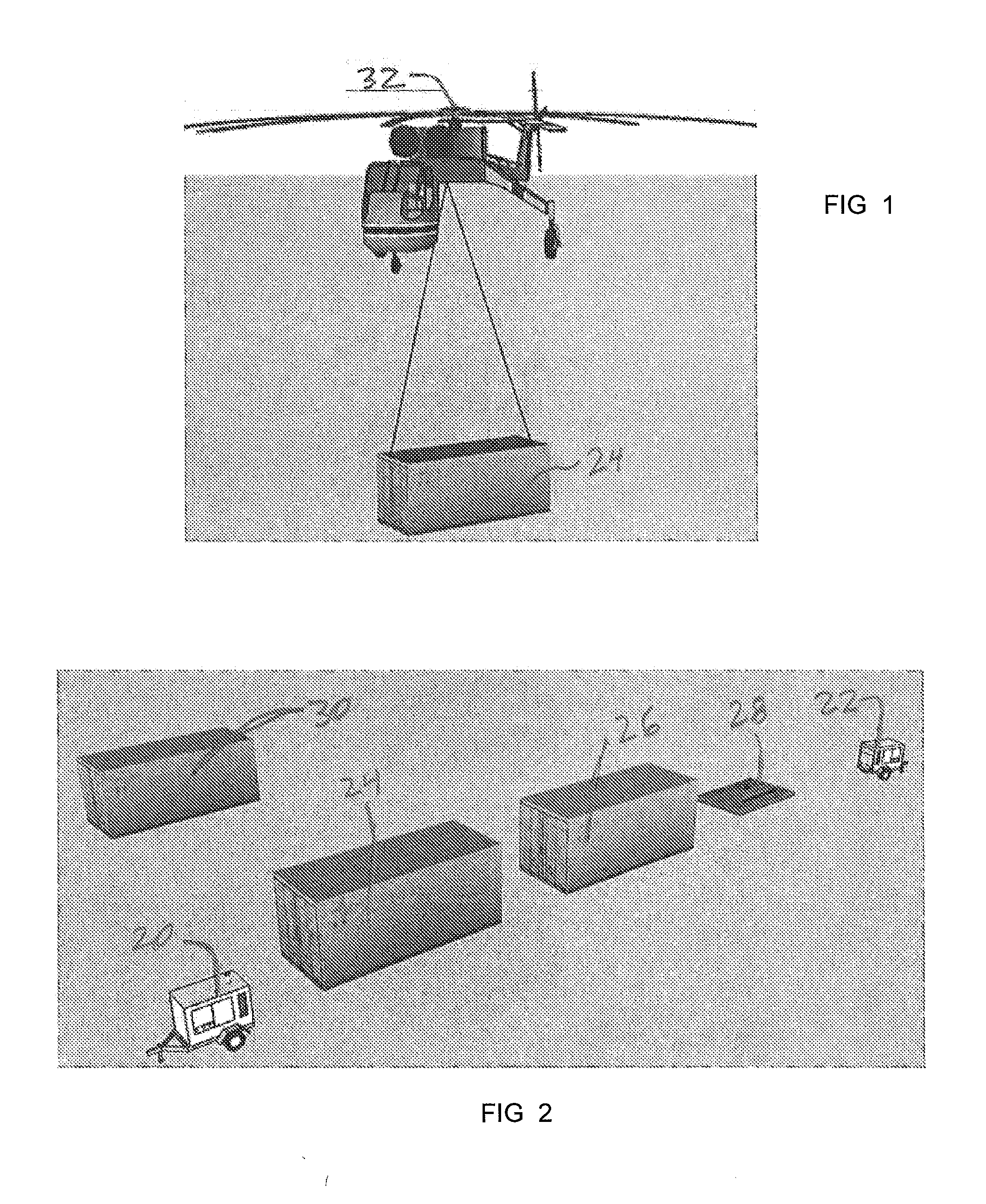
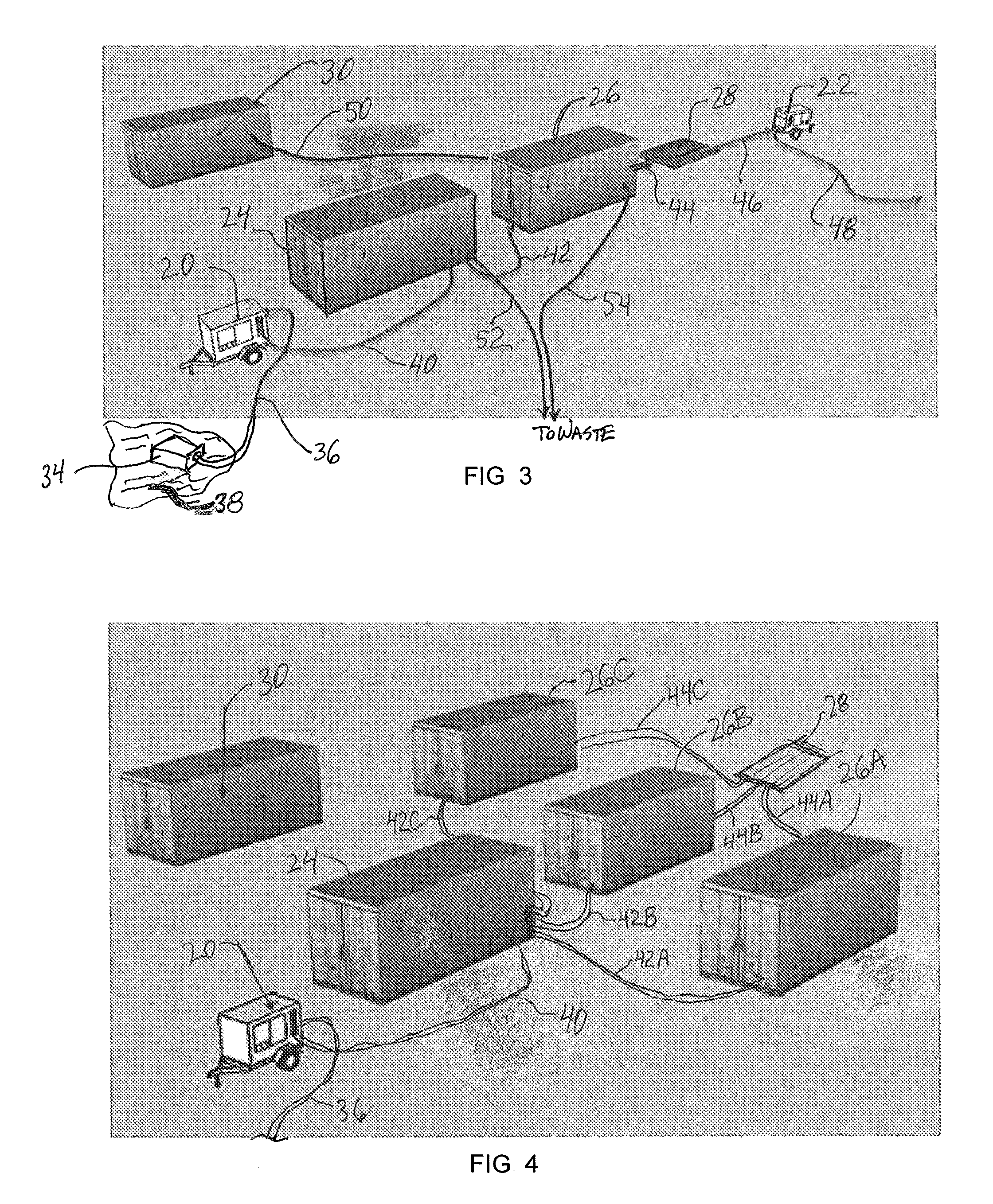
- A mobile water purification system with a reconfigurable design that includes a housing, pump unit, and piping system, featuring a pre-filtration unit, crossflow filtration unit, and disinfection unit, with multiple parallel and sequential membrane filters, allowing for high output and flexibility by bypassing the crossflow filtration unit when necessary, and incorporating features like activated carbon filtration and UV sterilization.
Mobile water purification system and method
PatentInactiveUS20150166385A1
Innovation
- A mobile water purification system comprising a pre-treatment module with a centrifugal separator and advanced oxidation unit, followed by filtration modules with ultrafiltration and reverse osmosis units, which can be airlifted and configured to automatically assess and adapt to water quality, using sensors and control systems to optimize contaminant removal and minimize downtime through staggered backwashing and bypassing of reverse osmosis when not required.

Energy Consumption and Sustainability Factors
Energy consumption represents a critical differentiator between mobile and fixed water purification units, directly impacting their operational viability and environmental footprint. Fixed installations typically demonstrate superior energy efficiency due to economies of scale and optimized infrastructure integration. These systems can leverage grid connectivity with stable power supply, enabling the deployment of energy-intensive but highly efficient technologies such as reverse osmosis and ultraviolet disinfection. Average energy consumption for fixed units ranges from 0.5 to 3 kWh per cubic meter of treated water, depending on source water quality and treatment complexity.
Mobile purification units face inherent energy constraints that fundamentally shape their design philosophy and operational parameters. Portability requirements necessitate reliance on batteries, solar panels, or portable generators, which impose strict power budgets typically ranging from 50 to 500 watts. This limitation often restricts mobile systems to less energy-intensive methods like ceramic filtration, activated carbon adsorption, and chemical disinfection. Consequently, mobile units consume approximately 0.1 to 0.8 kWh per cubic meter, though their actual throughput capacity remains significantly lower than fixed counterparts.
Sustainability considerations extend beyond immediate energy consumption to encompass lifecycle environmental impacts. Fixed systems benefit from centralized maintenance, longer operational lifespans exceeding 15 years, and reduced material waste through component replacement rather than complete unit disposal. However, their construction involves substantial carbon footprints from infrastructure development and permanent land use alteration.
Mobile units present a complex sustainability profile characterized by shorter replacement cycles, typically 3 to 7 years, generating increased electronic waste concerns. Nevertheless, their deployment flexibility enables targeted intervention in crisis situations, potentially reducing overall resource consumption by eliminating unnecessary continuous operation. The integration of renewable energy sources, particularly photovoltaic systems, has emerged as a pivotal factor in enhancing mobile unit sustainability, with recent innovations achieving 60-80% solar power dependency in optimal conditions.
Mobile purification units face inherent energy constraints that fundamentally shape their design philosophy and operational parameters. Portability requirements necessitate reliance on batteries, solar panels, or portable generators, which impose strict power budgets typically ranging from 50 to 500 watts. This limitation often restricts mobile systems to less energy-intensive methods like ceramic filtration, activated carbon adsorption, and chemical disinfection. Consequently, mobile units consume approximately 0.1 to 0.8 kWh per cubic meter, though their actual throughput capacity remains significantly lower than fixed counterparts.
Sustainability considerations extend beyond immediate energy consumption to encompass lifecycle environmental impacts. Fixed systems benefit from centralized maintenance, longer operational lifespans exceeding 15 years, and reduced material waste through component replacement rather than complete unit disposal. However, their construction involves substantial carbon footprints from infrastructure development and permanent land use alteration.
Mobile units present a complex sustainability profile characterized by shorter replacement cycles, typically 3 to 7 years, generating increased electronic waste concerns. Nevertheless, their deployment flexibility enables targeted intervention in crisis situations, potentially reducing overall resource consumption by eliminating unnecessary continuous operation. The integration of renewable energy sources, particularly photovoltaic systems, has emerged as a pivotal factor in enhancing mobile unit sustainability, with recent innovations achieving 60-80% solar power dependency in optimal conditions.
Comparative Cost-Benefit Analysis of Deployment Models
The deployment of water purification systems requires careful economic evaluation to determine the most viable approach for different operational contexts. Mobile and fixed purification units present distinct cost structures and benefit profiles that significantly influence investment decisions and long-term sustainability. Understanding these economic dimensions is essential for organizations seeking to optimize resource allocation while maximizing water treatment outcomes.
Initial capital expenditure represents a fundamental differentiator between deployment models. Fixed installations typically demand substantial upfront investment in infrastructure development, including permanent structures, extensive piping networks, and grid-connected power systems. Conversely, mobile units require lower initial capital outlay, with costs concentrated in the equipment itself and transportation vehicles. However, this apparent advantage must be weighed against the per-unit treatment cost, as mobile systems often exhibit higher operational expenses due to fuel consumption, frequent relocation logistics, and accelerated equipment depreciation from transportation stress.
Operational cost analysis reveals nuanced trade-offs between the two models. Fixed units benefit from economies of scale, achieving lower per-liter treatment costs when operating at designed capacity levels. Their connection to stable power grids and centralized maintenance facilities reduces energy and servicing expenses. Mobile units, while offering deployment flexibility, incur recurring transportation costs, higher energy consumption from diesel generators, and increased maintenance frequency due to variable operating conditions. Personnel costs also differ, with mobile operations requiring specialized logistics coordination alongside technical expertise.
The benefit dimension extends beyond pure treatment volume to encompass service accessibility and response capability. Mobile units deliver value through rapid deployment to underserved areas, emergency response capabilities, and the ability to address temporary demand spikes without permanent infrastructure investment. Fixed installations provide consistent service reliability, community integration, and potential for capacity expansion. The economic value of these benefits varies substantially based on geographic context, population density, and water security challenges.
Return on investment calculations must incorporate utilization rates and service lifespan projections. Fixed systems achieve optimal cost-effectiveness in stable demand environments with sufficient population density to ensure continuous high-capacity operation. Mobile units demonstrate superior economic performance in scenarios requiring flexible coverage, seasonal demand variation, or phased infrastructure development. The break-even analysis between models depends critically on deployment duration, treatment volume requirements, and the economic value assigned to service flexibility and emergency preparedness capabilities.
Initial capital expenditure represents a fundamental differentiator between deployment models. Fixed installations typically demand substantial upfront investment in infrastructure development, including permanent structures, extensive piping networks, and grid-connected power systems. Conversely, mobile units require lower initial capital outlay, with costs concentrated in the equipment itself and transportation vehicles. However, this apparent advantage must be weighed against the per-unit treatment cost, as mobile systems often exhibit higher operational expenses due to fuel consumption, frequent relocation logistics, and accelerated equipment depreciation from transportation stress.
Operational cost analysis reveals nuanced trade-offs between the two models. Fixed units benefit from economies of scale, achieving lower per-liter treatment costs when operating at designed capacity levels. Their connection to stable power grids and centralized maintenance facilities reduces energy and servicing expenses. Mobile units, while offering deployment flexibility, incur recurring transportation costs, higher energy consumption from diesel generators, and increased maintenance frequency due to variable operating conditions. Personnel costs also differ, with mobile operations requiring specialized logistics coordination alongside technical expertise.
The benefit dimension extends beyond pure treatment volume to encompass service accessibility and response capability. Mobile units deliver value through rapid deployment to underserved areas, emergency response capabilities, and the ability to address temporary demand spikes without permanent infrastructure investment. Fixed installations provide consistent service reliability, community integration, and potential for capacity expansion. The economic value of these benefits varies substantially based on geographic context, population density, and water security challenges.
Return on investment calculations must incorporate utilization rates and service lifespan projections. Fixed systems achieve optimal cost-effectiveness in stable demand environments with sufficient population density to ensure continuous high-capacity operation. Mobile units demonstrate superior economic performance in scenarios requiring flexible coverage, seasonal demand variation, or phased infrastructure development. The break-even analysis between models depends critically on deployment duration, treatment volume requirements, and the economic value assigned to service flexibility and emergency preparedness capabilities.
Unlock deeper insights with PatSnap Eureka Quick Research — get a full tech report to explore trends and direct your research. Try now!
Generate Your Research Report Instantly with AI Agent
Supercharge your innovation with PatSnap Eureka AI Agent Platform!