

Comparing Capture Techniques for Harvesting Energy
FEB 12, 20268 MIN READ
Generate Your Research Report Instantly with AI Agent
PatSnap Eureka helps you evaluate technical feasibility & market potential.
Energy Harvesting Background and Objectives
Energy harvesting represents a transformative paradigm in power generation, enabling autonomous electronic systems to operate indefinitely by converting ambient energy into usable electrical power. This technology addresses the fundamental limitation of battery-dependent devices, which require periodic replacement or recharging, particularly in remote, inaccessible, or large-scale deployment scenarios. The evolution of energy harvesting has been driven by advances in materials science, microelectronics, and power management circuits, making it increasingly viable for applications ranging from wireless sensor networks to wearable devices and Internet of Things ecosystems.
The historical development of energy harvesting traces back to early photovoltaic cells and thermoelectric generators, but recent decades have witnessed exponential growth in both the diversity of capture techniques and their efficiency levels. Modern energy harvesting encompasses multiple physical phenomena including solar radiation, thermal gradients, mechanical vibrations, electromagnetic fields, and biochemical processes. Each capture mechanism presents distinct advantages and limitations depending on environmental conditions, power requirements, and application constraints.
The primary objective of comparing various energy harvesting capture techniques is to establish a comprehensive framework for technology selection and optimization. This involves evaluating power density, conversion efficiency, reliability, scalability, and cost-effectiveness across different harvesting modalities. Understanding the comparative performance of piezoelectric, electromagnetic, triboelectric, photovoltaic, thermoelectric, and radio frequency harvesting methods enables informed decision-making for specific application contexts.
Furthermore, this technical investigation aims to identify synergistic opportunities through hybrid harvesting systems that combine multiple capture techniques to maximize energy availability and system resilience. The ultimate goal is to advance toward self-sustaining electronic systems that eliminate maintenance burdens while enabling new applications previously constrained by power limitations. This research direction supports the broader transition toward sustainable technology ecosystems and energy-autonomous infrastructure.
The historical development of energy harvesting traces back to early photovoltaic cells and thermoelectric generators, but recent decades have witnessed exponential growth in both the diversity of capture techniques and their efficiency levels. Modern energy harvesting encompasses multiple physical phenomena including solar radiation, thermal gradients, mechanical vibrations, electromagnetic fields, and biochemical processes. Each capture mechanism presents distinct advantages and limitations depending on environmental conditions, power requirements, and application constraints.
The primary objective of comparing various energy harvesting capture techniques is to establish a comprehensive framework for technology selection and optimization. This involves evaluating power density, conversion efficiency, reliability, scalability, and cost-effectiveness across different harvesting modalities. Understanding the comparative performance of piezoelectric, electromagnetic, triboelectric, photovoltaic, thermoelectric, and radio frequency harvesting methods enables informed decision-making for specific application contexts.
Furthermore, this technical investigation aims to identify synergistic opportunities through hybrid harvesting systems that combine multiple capture techniques to maximize energy availability and system resilience. The ultimate goal is to advance toward self-sustaining electronic systems that eliminate maintenance burdens while enabling new applications previously constrained by power limitations. This research direction supports the broader transition toward sustainable technology ecosystems and energy-autonomous infrastructure.
Market Analysis for Energy Harvesting Applications
The energy harvesting market has experienced substantial growth driven by the proliferation of Internet of Things devices, wireless sensor networks, and the global push toward sustainable energy solutions. Industrial automation, smart buildings, and wearable electronics represent the largest application segments, where battery replacement costs and maintenance challenges create strong demand for self-powered systems. The automotive sector has emerged as a significant growth area, particularly for tire pressure monitoring systems and structural health monitoring applications that benefit from vibration and thermal energy harvesting technologies.
Healthcare and medical devices constitute another critical market segment, where energy harvesting enables continuous patient monitoring without frequent battery changes. Implantable medical devices and remote health monitoring systems increasingly incorporate piezoelectric and thermoelectric harvesting solutions to extend operational lifespans and improve patient comfort. The defense and aerospace industries also demonstrate growing interest, particularly for remote sensing applications and autonomous systems deployed in challenging environments where conventional power sources prove impractical.
Geographically, North America and Europe currently dominate the energy harvesting market due to advanced industrial infrastructure and strong regulatory support for energy efficiency initiatives. However, Asia-Pacific regions show the fastest growth trajectory, fueled by rapid industrialization, smart city development projects, and substantial investments in IoT infrastructure. China, Japan, and South Korea lead regional adoption, particularly in consumer electronics and industrial monitoring applications.
Market barriers include relatively high initial implementation costs compared to traditional battery solutions, limited power output capabilities that restrict certain applications, and lack of standardization across different harvesting technologies. Additionally, end-user awareness remains limited in many sectors, requiring significant educational efforts to demonstrate long-term cost benefits and operational advantages. Despite these challenges, market analysts project continued expansion as technology maturation reduces costs and improves efficiency, while regulatory pressures for sustainable solutions and the exponential growth of connected devices create expanding opportunities across diverse application domains.
Healthcare and medical devices constitute another critical market segment, where energy harvesting enables continuous patient monitoring without frequent battery changes. Implantable medical devices and remote health monitoring systems increasingly incorporate piezoelectric and thermoelectric harvesting solutions to extend operational lifespans and improve patient comfort. The defense and aerospace industries also demonstrate growing interest, particularly for remote sensing applications and autonomous systems deployed in challenging environments where conventional power sources prove impractical.
Geographically, North America and Europe currently dominate the energy harvesting market due to advanced industrial infrastructure and strong regulatory support for energy efficiency initiatives. However, Asia-Pacific regions show the fastest growth trajectory, fueled by rapid industrialization, smart city development projects, and substantial investments in IoT infrastructure. China, Japan, and South Korea lead regional adoption, particularly in consumer electronics and industrial monitoring applications.
Market barriers include relatively high initial implementation costs compared to traditional battery solutions, limited power output capabilities that restrict certain applications, and lack of standardization across different harvesting technologies. Additionally, end-user awareness remains limited in many sectors, requiring significant educational efforts to demonstrate long-term cost benefits and operational advantages. Despite these challenges, market analysts project continued expansion as technology maturation reduces costs and improves efficiency, while regulatory pressures for sustainable solutions and the exponential growth of connected devices create expanding opportunities across diverse application domains.
Current Status and Challenges in Capture Techniques
Energy harvesting capture techniques have evolved significantly over the past two decades, with multiple approaches demonstrating varying degrees of maturity and commercial viability. Photovoltaic systems currently dominate the renewable energy landscape, achieving conversion efficiencies exceeding 26% in commercial silicon-based modules and reaching up to 47% in multi-junction concentrator cells under laboratory conditions. Piezoelectric and thermoelectric harvesting technologies have progressed from niche applications to broader implementation scenarios, though their power densities remain substantially lower than solar alternatives.
The geographical distribution of technological advancement reveals distinct patterns. North America and Europe lead in fundamental research and patent filings for emerging capture techniques, particularly in triboelectric and pyroelectric domains. Asia, especially China, Japan, and South Korea, demonstrates strength in manufacturing scalability and cost reduction for established technologies like photovoltaics and electromagnetic generators. Developing regions increasingly focus on hybrid systems that combine multiple capture mechanisms to address intermittency challenges.
Despite substantial progress, several critical challenges constrain widespread adoption and optimization of energy harvesting systems. Efficiency limitations persist across most capture techniques, with piezoelectric devices typically converting less than 5% of mechanical energy and thermoelectric generators operating below 10% efficiency at temperature differentials under 100°C. Material degradation under prolonged operational stress remains problematic, particularly for flexible and wearable energy harvesters exposed to mechanical fatigue and environmental factors.
Integration complexity presents another significant barrier. Matching impedance between energy capture devices and storage or load systems requires sophisticated power management circuits that often consume substantial portions of harvested energy, especially in low-power applications. Miniaturization efforts face fundamental physical constraints, as reduced device dimensions generally correlate with decreased power output, limiting applicability in micro-scale autonomous systems.
Economic viability continues to challenge market penetration. While photovoltaic costs have declined dramatically, emerging techniques like triboelectric nanogenerators and radio frequency harvesting struggle with unfavorable cost-to-power ratios. Standardization gaps further complicate technology assessment and comparison, as inconsistent testing protocols and performance metrics hinder objective evaluation across different capture methodologies. Environmental dependencies, including variations in solar irradiance, thermal gradients, and mechanical vibration availability, create reliability concerns that must be addressed through intelligent system design and energy storage integration.
The geographical distribution of technological advancement reveals distinct patterns. North America and Europe lead in fundamental research and patent filings for emerging capture techniques, particularly in triboelectric and pyroelectric domains. Asia, especially China, Japan, and South Korea, demonstrates strength in manufacturing scalability and cost reduction for established technologies like photovoltaics and electromagnetic generators. Developing regions increasingly focus on hybrid systems that combine multiple capture mechanisms to address intermittency challenges.
Despite substantial progress, several critical challenges constrain widespread adoption and optimization of energy harvesting systems. Efficiency limitations persist across most capture techniques, with piezoelectric devices typically converting less than 5% of mechanical energy and thermoelectric generators operating below 10% efficiency at temperature differentials under 100°C. Material degradation under prolonged operational stress remains problematic, particularly for flexible and wearable energy harvesters exposed to mechanical fatigue and environmental factors.
Integration complexity presents another significant barrier. Matching impedance between energy capture devices and storage or load systems requires sophisticated power management circuits that often consume substantial portions of harvested energy, especially in low-power applications. Miniaturization efforts face fundamental physical constraints, as reduced device dimensions generally correlate with decreased power output, limiting applicability in micro-scale autonomous systems.
Economic viability continues to challenge market penetration. While photovoltaic costs have declined dramatically, emerging techniques like triboelectric nanogenerators and radio frequency harvesting struggle with unfavorable cost-to-power ratios. Standardization gaps further complicate technology assessment and comparison, as inconsistent testing protocols and performance metrics hinder objective evaluation across different capture methodologies. Environmental dependencies, including variations in solar irradiance, thermal gradients, and mechanical vibration availability, create reliability concerns that must be addressed through intelligent system design and energy storage integration.
Mainstream Capture Technique Solutions
01 Piezoelectric energy harvesting techniques
Piezoelectric materials can convert mechanical stress, vibrations, or pressure into electrical energy. These techniques utilize piezoelectric transducers and resonators to capture ambient mechanical energy from sources such as human motion, structural vibrations, or environmental movements. The efficiency can be enhanced through optimized material selection, resonance frequency tuning, and impedance matching circuits to maximize power output from mechanical energy sources.- Piezoelectric energy harvesting techniques: Piezoelectric materials can convert mechanical stress, vibrations, or pressure into electrical energy. These techniques utilize piezoelectric transducers and resonators to capture ambient mechanical energy from sources such as human motion, structural vibrations, or environmental movements. The efficiency can be enhanced through optimized material selection, resonance frequency tuning, and impedance matching circuits to maximize power output from mechanical energy sources.
- Electromagnetic and inductive energy harvesting systems: Electromagnetic induction principles are employed to harvest energy from magnetic field variations and motion. These systems use coils, magnets, and magnetic flux changes to generate electrical current. The harvesting efficiency is improved through optimized coil design, magnetic circuit configuration, and power management electronics. Applications include capturing energy from rotating machinery, linear motion, and electromagnetic radiation in the environment.
- Thermal and thermoelectric energy harvesting methods: Thermoelectric generators convert temperature gradients into electrical energy using the Seebeck effect. These techniques capture waste heat from industrial processes, electronic devices, or environmental temperature differences. Efficiency improvements are achieved through advanced thermoelectric materials with high figure of merit, thermal management systems, and optimized heat sink designs to maintain temperature differentials across the thermoelectric elements.
- Radio frequency and wireless energy harvesting technologies: RF energy harvesting captures electromagnetic waves from ambient radio frequency sources including WiFi, cellular networks, and broadcast signals. These systems employ rectenna arrays, impedance matching networks, and efficient rectification circuits to convert RF signals into usable DC power. Enhancement techniques include multi-band antennas, adaptive impedance matching, and power management circuits to maximize energy capture from varying RF environments and signal strengths.
- Hybrid and multi-source energy harvesting architectures: Hybrid energy harvesting systems combine multiple energy capture techniques to improve overall efficiency and reliability. These architectures integrate various energy sources such as solar, vibration, thermal, and RF harvesting with intelligent power management and energy storage systems. Advanced control algorithms, maximum power point tracking, and adaptive switching between energy sources optimize the total energy capture and ensure continuous power supply under varying environmental conditions.
02 Electromagnetic and inductive energy harvesting systems
Electromagnetic energy harvesting captures energy from magnetic field variations and electromagnetic radiation. These systems employ coils, magnets, and inductive coupling mechanisms to convert electromagnetic energy into usable electrical power. Efficiency improvements are achieved through optimized coil design, magnetic flux concentration, and power management circuits that can harvest energy from wireless signals, electromagnetic interference, or motion-induced magnetic field changes.Expand Specific Solutions03 Thermoelectric energy harvesting methods
Thermoelectric generators convert temperature gradients into electrical energy using the Seebeck effect. These techniques capture waste heat from industrial processes, electronic devices, or environmental temperature differences. Enhanced efficiency is achieved through advanced thermoelectric materials with high figure of merit, optimized thermal interface design, and heat sink configurations that maximize temperature differential across the thermoelectric elements.Expand Specific Solutions04 Photovoltaic and solar energy capture optimization
Advanced photovoltaic systems improve solar energy harvesting efficiency through innovative cell architectures, light-trapping structures, and multi-junction designs. These techniques include maximum power point tracking algorithms, anti-reflective coatings, and spectral conversion layers that enhance light absorption across broader wavelengths. System-level optimizations incorporate energy storage integration and smart power management to maximize overall energy capture and utilization efficiency.Expand Specific Solutions05 Hybrid and multi-source energy harvesting architectures
Hybrid energy harvesting systems combine multiple energy capture techniques to improve overall efficiency and reliability. These architectures integrate various energy sources such as solar, vibration, thermal, and radio frequency energy through unified power management and energy storage systems. Advanced control algorithms and power conditioning circuits optimize energy extraction from multiple sources simultaneously, providing continuous power supply even when individual sources are intermittent or weak.Expand Specific Solutions
Major Players in Energy Harvesting Sector
The energy harvesting capture techniques field exhibits a maturing competitive landscape characterized by substantial research investment and emerging commercialization efforts. The market demonstrates significant growth potential driven by increasing demand for sustainable energy solutions across industrial and consumer applications. Key players span diverse institutional types, with prominent contributions from Chinese research universities including Zhejiang University of Technology, Southeast University, and Sichuan University, alongside Korean government research institutes such as Korea Institute of Energy Research and Korea Electronics Technology Institute. Technology maturity varies considerably, with established corporations like Intel Corp., Lockheed Martin Corp., and ZTE Corp. advancing commercial-scale implementations, while emerging innovators like AirJoule Technologies LLC pioneer novel atmospheric energy harvesting approaches. Chinese state-owned energy enterprises including CHN Energy Investment Group and National Institute of Clean & Low Carbon Energy demonstrate strong governmental support for clean energy technology development, complemented by international academic institutions like Nanyang Technological University contributing fundamental research breakthroughs.
P Tech LLC
Technical Solution: P Tech LLC has developed advanced piezoelectric energy harvesting systems that convert mechanical vibrations and stress into electrical energy. Their technology utilizes optimized piezoelectric materials with enhanced electromechanical coupling coefficients, achieving energy conversion efficiency of up to 60% in laboratory conditions. The system incorporates impedance matching circuits and power management modules to maximize energy extraction from ambient vibrations across frequencies ranging from 10Hz to 1kHz. Their solutions are particularly designed for wireless sensor networks and IoT devices, providing self-powered operation in industrial monitoring applications where battery replacement is impractical.
Strengths: High energy conversion efficiency, wide frequency response range, maintenance-free operation. Weaknesses: Limited power output for high-energy applications, performance degradation under extreme temperatures, relatively high initial cost.
Korea Institute of Energy Research
Technical Solution: Korea Institute of Energy Research has developed comprehensive energy harvesting solutions focusing on thermoelectric and photovoltaic hybrid systems. Their research demonstrates integrated capture techniques combining solar radiation harvesting with waste heat recovery using advanced thermoelectric generators. The hybrid system achieves overall energy conversion efficiency improvements of 18-22% compared to standalone photovoltaic systems by utilizing temperature gradients created during solar panel operation. Their technology incorporates nanostructured thermoelectric materials with figure of merit (ZT) values exceeding 1.5, enabling effective low-grade heat conversion. The institute has successfully demonstrated applications in building-integrated energy systems and automotive waste heat recovery.
Strengths: Synergistic energy capture from multiple sources, improved overall system efficiency, proven scalability. Weaknesses: Complex thermal management requirements, higher manufacturing costs due to specialized materials, performance variation with seasonal changes.
Core Patents in Energy Capture Methods
Method and system for energy reclamation and reuse
PatentInactiveUS20050186994A1
Innovation
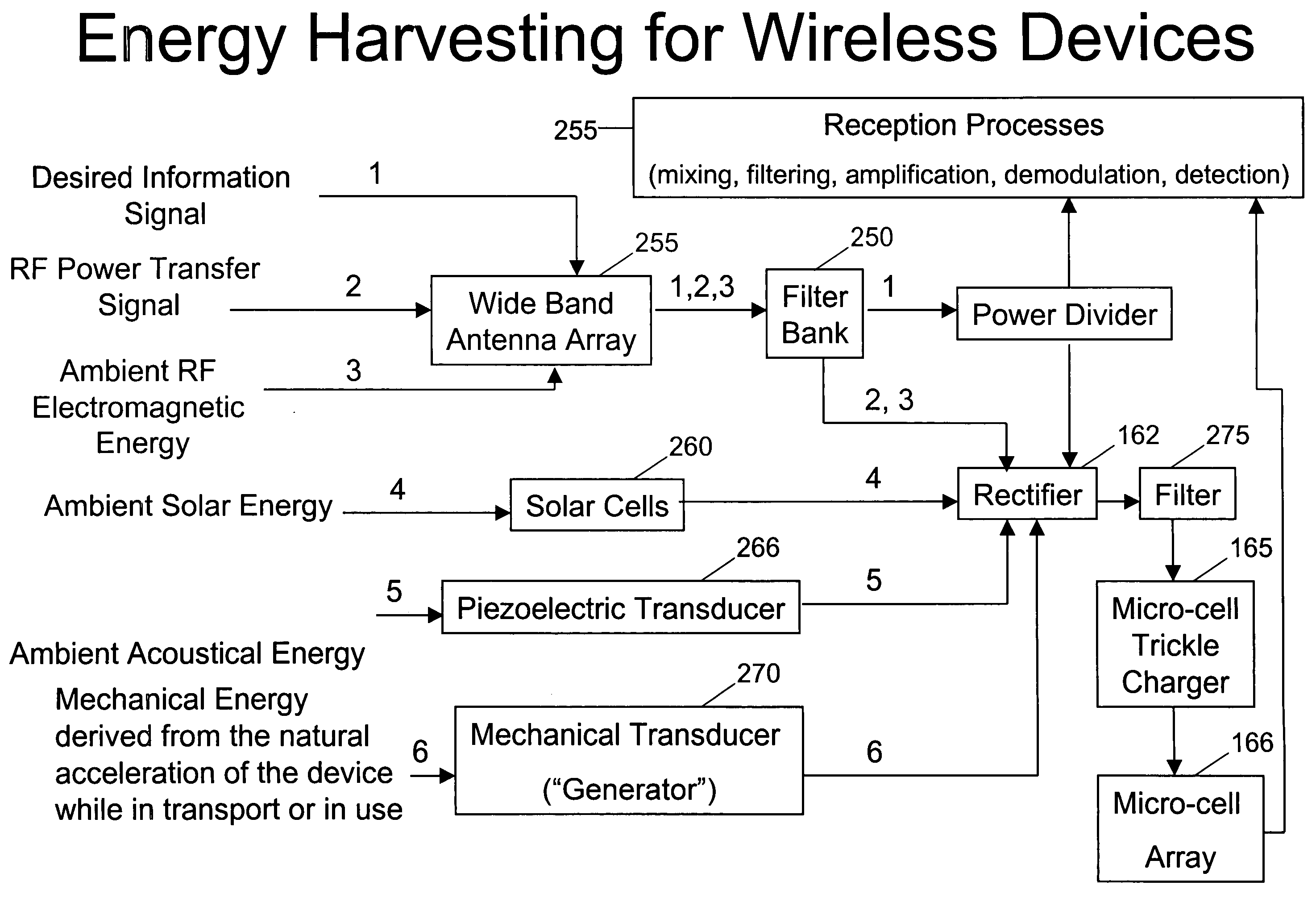
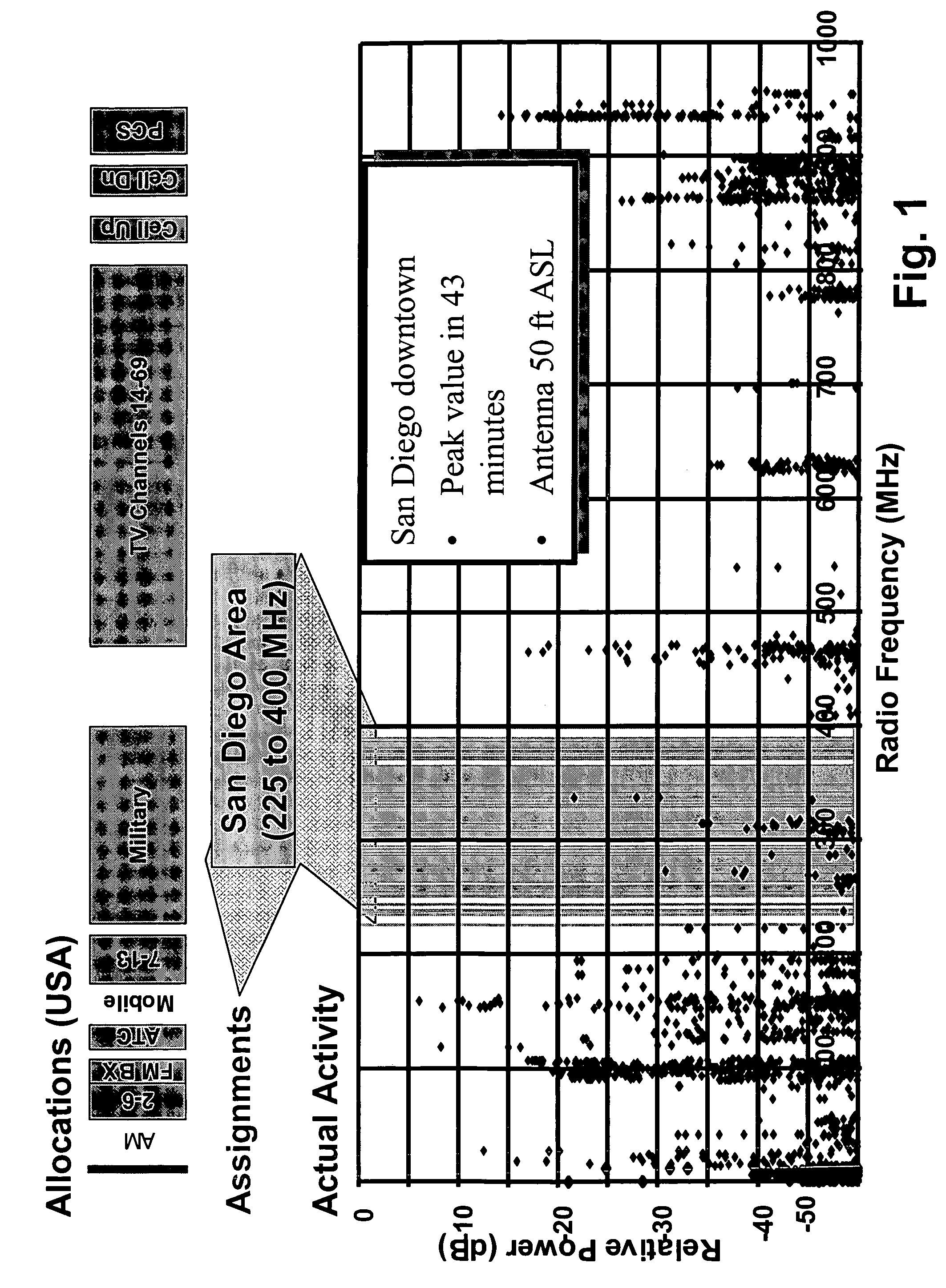
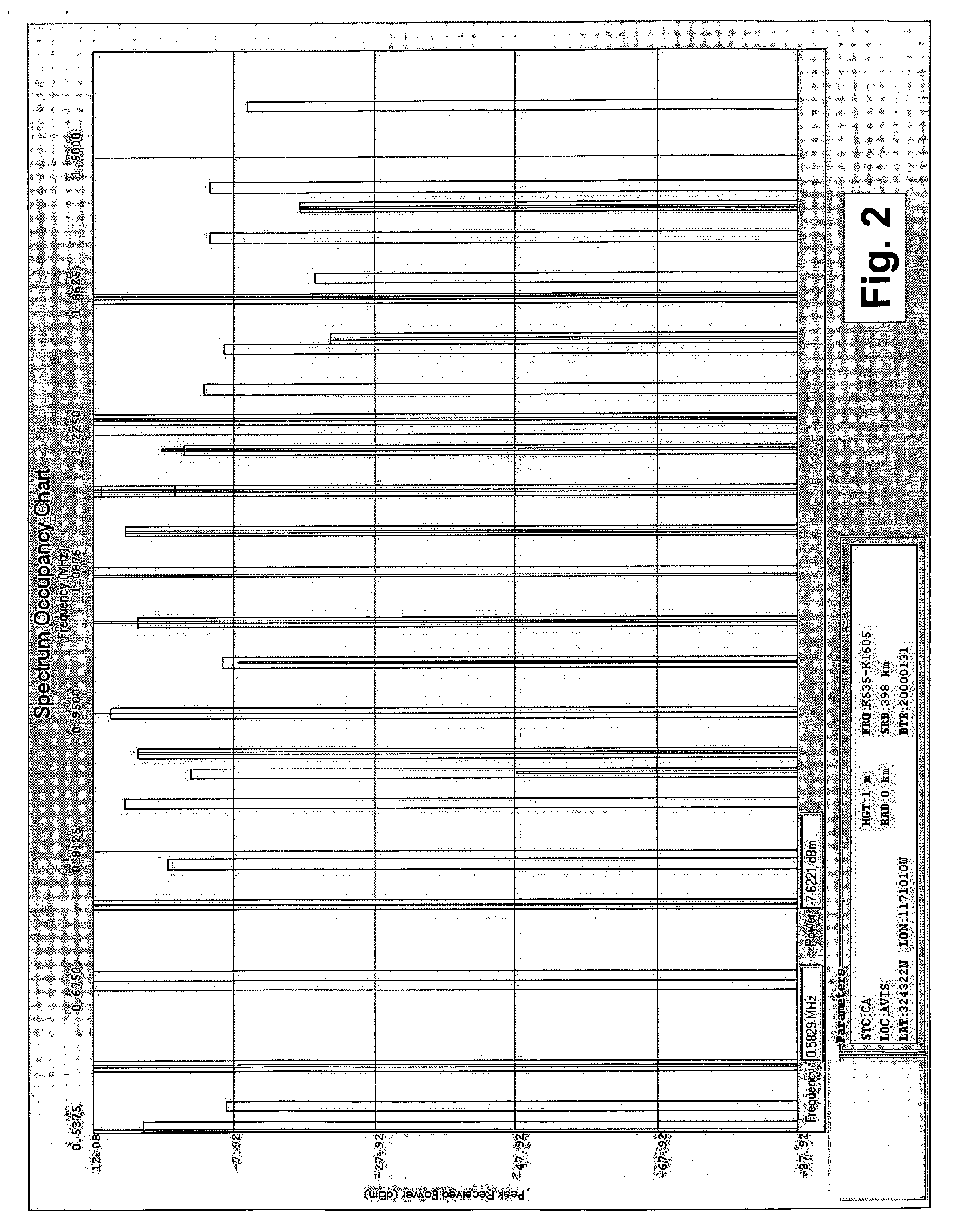
- Integration of classical antenna designs with semiconductor and microprocessor technology to create an antenna structure that can transform ambient RF energy into usable DC power, enabling the collection and storage of RF energy for powering electronic devices without the need for traditional batteries.

Multi-source optimal reconfigurable energy harvester
PatentWO2013112596A1
Innovation
- A multifunctional, reconfigurable energy harvesting device that integrates broadband antennas for RF energy, solar cells for solar energy, and low-temperature thermophotovoltaic layers for thermal heat, allowing for simultaneous energy capture and adaptation to changing energy source availability, with electrical interconnection and Ge ring structures for enhanced spectral response.

Efficiency Comparison of Capture Techniques
Energy harvesting efficiency varies significantly across different capture techniques, with each method demonstrating distinct performance characteristics under specific operational conditions. Photovoltaic systems typically achieve conversion efficiencies ranging from 15% to 22% for commercial silicon-based cells, while advanced multi-junction cells can reach up to 47% under concentrated sunlight. However, these figures represent peak performance under optimal conditions, and real-world efficiency often drops by 20-30% due to environmental factors such as temperature variations, shading, and dust accumulation.
Thermoelectric generators exhibit relatively modest conversion efficiencies, typically between 5% and 8% for commercial applications, though recent advances in nanostructured materials have pushed laboratory demonstrations beyond 15%. The primary limitation stems from the Carnot efficiency constraint and material properties that govern the figure of merit. Despite lower efficiency, thermoelectric systems offer advantages in reliability and maintenance-free operation for waste heat recovery applications.
Piezoelectric energy harvesting demonstrates highly variable efficiency depending on mechanical input characteristics, with power conversion efficiencies ranging from 20% to 70% under resonant conditions. The challenge lies in matching the mechanical excitation frequency with the device's natural frequency, which significantly impacts overall system efficiency. Non-resonant operation typically yields efficiencies below 10%, limiting practical applications.
Electromagnetic induction-based harvesters achieve efficiencies between 30% and 60% for large-scale applications such as wind turbines, benefiting from mature technology and optimized designs. Miniaturized electromagnetic generators for vibration harvesting show lower efficiencies, typically 10-25%, due to scaling limitations and increased relative losses in smaller devices.
Triboelectric nanogenerators represent an emerging technology with reported instantaneous conversion efficiencies exceeding 50% in laboratory settings, though sustained power output efficiency remains lower at 3-15% due to charge saturation and impedance matching challenges. The technology shows promise for low-frequency mechanical energy harvesting where other techniques prove less effective.
Thermoelectric generators exhibit relatively modest conversion efficiencies, typically between 5% and 8% for commercial applications, though recent advances in nanostructured materials have pushed laboratory demonstrations beyond 15%. The primary limitation stems from the Carnot efficiency constraint and material properties that govern the figure of merit. Despite lower efficiency, thermoelectric systems offer advantages in reliability and maintenance-free operation for waste heat recovery applications.
Piezoelectric energy harvesting demonstrates highly variable efficiency depending on mechanical input characteristics, with power conversion efficiencies ranging from 20% to 70% under resonant conditions. The challenge lies in matching the mechanical excitation frequency with the device's natural frequency, which significantly impacts overall system efficiency. Non-resonant operation typically yields efficiencies below 10%, limiting practical applications.
Electromagnetic induction-based harvesters achieve efficiencies between 30% and 60% for large-scale applications such as wind turbines, benefiting from mature technology and optimized designs. Miniaturized electromagnetic generators for vibration harvesting show lower efficiencies, typically 10-25%, due to scaling limitations and increased relative losses in smaller devices.
Triboelectric nanogenerators represent an emerging technology with reported instantaneous conversion efficiencies exceeding 50% in laboratory settings, though sustained power output efficiency remains lower at 3-15% due to charge saturation and impedance matching challenges. The technology shows promise for low-frequency mechanical energy harvesting where other techniques prove less effective.
Integration Strategies for Hybrid Harvesting
The integration of multiple energy harvesting technologies into hybrid systems represents a critical advancement in maximizing power generation efficiency and reliability. Hybrid harvesting systems combine two or more energy capture techniques to overcome the limitations inherent in single-source approaches, such as intermittent availability and environmental dependency. The strategic integration of these diverse technologies requires careful consideration of electrical compatibility, power management architectures, and system-level optimization to achieve synergistic performance gains.
Electrical integration strategies typically employ either parallel or series configurations, depending on the voltage and current characteristics of individual harvesters. Parallel integration is commonly used when combining sources with similar voltage outputs, such as multiple photovoltaic cells or thermoelectric generators, enabling current summation while maintaining voltage stability. Series configurations prove advantageous when voltage boosting is required, particularly when integrating low-voltage sources like piezoelectric or triboelectric generators with higher-voltage systems. Advanced power management integrated circuits have emerged as essential components, featuring multiple input channels with independent maximum power point tracking capabilities to optimize each harvesting source simultaneously.
Temporal complementarity represents another crucial integration consideration, where different harvesting technologies are selected based on their operational time profiles. For instance, combining solar harvesting with vibration or thermal energy capture ensures continuous power availability across varying environmental conditions. This approach proves particularly valuable in applications where energy demand remains constant while individual sources exhibit temporal fluctuations. The integration controller must intelligently switch between sources or blend their outputs based on real-time availability and load requirements.
Energy storage integration forms the backbone of hybrid harvesting systems, requiring sophisticated charge management algorithms to handle multiple input sources with varying characteristics. Supercapacitors and rechargeable batteries serve as buffer elements, smoothing power delivery and accommodating load transients. The storage subsystem must be designed to accept charging from multiple sources simultaneously while preventing reverse current flow and ensuring balanced charging cycles. Advanced implementations incorporate predictive algorithms that anticipate energy availability patterns and adjust storage strategies accordingly, maximizing overall system efficiency and longevity.
Electrical integration strategies typically employ either parallel or series configurations, depending on the voltage and current characteristics of individual harvesters. Parallel integration is commonly used when combining sources with similar voltage outputs, such as multiple photovoltaic cells or thermoelectric generators, enabling current summation while maintaining voltage stability. Series configurations prove advantageous when voltage boosting is required, particularly when integrating low-voltage sources like piezoelectric or triboelectric generators with higher-voltage systems. Advanced power management integrated circuits have emerged as essential components, featuring multiple input channels with independent maximum power point tracking capabilities to optimize each harvesting source simultaneously.
Temporal complementarity represents another crucial integration consideration, where different harvesting technologies are selected based on their operational time profiles. For instance, combining solar harvesting with vibration or thermal energy capture ensures continuous power availability across varying environmental conditions. This approach proves particularly valuable in applications where energy demand remains constant while individual sources exhibit temporal fluctuations. The integration controller must intelligently switch between sources or blend their outputs based on real-time availability and load requirements.
Energy storage integration forms the backbone of hybrid harvesting systems, requiring sophisticated charge management algorithms to handle multiple input sources with varying characteristics. Supercapacitors and rechargeable batteries serve as buffer elements, smoothing power delivery and accommodating load transients. The storage subsystem must be designed to accept charging from multiple sources simultaneously while preventing reverse current flow and ensuring balanced charging cycles. Advanced implementations incorporate predictive algorithms that anticipate energy availability patterns and adjust storage strategies accordingly, maximizing overall system efficiency and longevity.
Unlock deeper insights with PatSnap Eureka Quick Research — get a full tech report to explore trends and direct your research. Try now!
Generate Your Research Report Instantly with AI Agent
Supercharge your innovation with PatSnap Eureka AI Agent Platform!