
Comparing Commutator Brush Designs: Lifetime Analysis
MAR 16, 20269 MIN READ
Generate Your Research Report Instantly with AI Agent
Patsnap Eureka helps you evaluate technical feasibility & market potential.
Commutator Brush Technology Background and Objectives
Commutator brush technology represents a fundamental component in rotating electrical machines, serving as the critical interface between stationary and rotating elements in DC motors and generators. The commutator brush system enables electrical current transfer while maintaining mechanical contact with the rotating commutator segments, making it essential for proper machine operation across diverse industrial applications.
The evolution of commutator brush technology spans over a century, beginning with simple carbon-based materials and progressing to sophisticated composite designs incorporating metal powders, synthetic resins, and advanced binding agents. Early brush designs prioritized basic conductivity and mechanical durability, while modern iterations focus on optimizing the complex interplay between electrical performance, mechanical wear characteristics, and operational longevity.
Contemporary brush technology faces increasing demands driven by industrial automation, renewable energy systems, and electric vehicle applications. These sectors require enhanced reliability, extended operational lifespans, and reduced maintenance intervals, pushing the boundaries of traditional brush design paradigms. The challenge lies in balancing competing requirements: superior electrical conductivity, minimal friction losses, optimal wear rates, and consistent performance across varying environmental conditions.
Current technological objectives center on developing predictive lifetime models that accurately forecast brush performance under specific operational parameters. This involves understanding the intricate relationships between material composition, contact pressure, current density, rotational speed, and environmental factors such as temperature and humidity. Advanced characterization techniques now enable precise analysis of wear mechanisms, including abrasive wear, electrical erosion, and chemical degradation processes.
The primary goal of comparative lifetime analysis is establishing standardized methodologies for evaluating different brush designs under controlled conditions. This encompasses developing accelerated testing protocols that correlate with real-world performance, creating mathematical models for wear prediction, and identifying optimal material combinations for specific applications. Such analysis enables manufacturers to make informed design decisions while providing end-users with reliable performance expectations.
Modern research objectives also emphasize sustainability considerations, including the development of environmentally friendly materials, recyclable components, and designs that minimize waste generation throughout the product lifecycle. These goals align with broader industrial trends toward sustainable manufacturing practices and circular economy principles.
Market Demand for Extended Brush Lifetime Solutions
The global market for extended brush lifetime solutions is experiencing significant growth driven by increasing demands for operational efficiency and reduced maintenance costs across multiple industrial sectors. Electric motor applications in manufacturing, automotive, aerospace, and renewable energy industries are pushing for longer-lasting commutator brush designs that can withstand harsh operating conditions while maintaining consistent performance over extended periods.
Industrial automation and robotics sectors represent particularly strong demand drivers, where unplanned downtime due to brush failure can result in substantial production losses. Manufacturing facilities operating continuous production lines require brush systems capable of extended operational cycles, often exceeding traditional replacement intervals by factors of two to three times. This demand is further amplified by the growing adoption of Industry 4.0 principles, where predictive maintenance strategies necessitate more reliable component performance data.
The automotive industry's transition toward electric and hybrid vehicles has created new market segments demanding specialized brush solutions. Electric vehicle manufacturers require commutator brushes that can handle high-frequency switching operations while maintaining efficiency standards throughout the vehicle's operational lifetime. Similarly, the expanding electric public transportation sector, including electric buses and rail systems, demands robust brush designs capable of handling intensive duty cycles with minimal maintenance interventions.
Renewable energy applications, particularly wind turbine generators and solar tracking systems, present unique market opportunities for extended-life brush solutions. These installations often operate in remote locations where maintenance access is challenging and costly, making brush longevity a critical performance parameter. The market demand in this sector emphasizes not only extended operational life but also consistent performance under varying environmental conditions.
Cost reduction pressures across industries are driving procurement decisions toward solutions that offer lower total cost of ownership rather than simply lower initial purchase prices. Maintenance teams increasingly evaluate brush solutions based on comprehensive lifecycle cost analyses, including replacement frequency, labor costs, and system downtime expenses. This shift in purchasing criteria has created substantial market opportunities for premium brush designs that demonstrate superior longevity characteristics.
The growing emphasis on sustainability and environmental responsibility is also influencing market demand patterns. Organizations are seeking brush solutions that reduce material consumption through extended service life, aligning with corporate sustainability goals and regulatory requirements for waste reduction in industrial operations.
Current Brush Design Limitations and Wear Challenges
Current commutator brush designs face significant operational limitations that directly impact their service life and overall system reliability. Traditional carbon-graphite brushes, while widely adopted due to their favorable electrical conductivity and self-lubricating properties, exhibit inherent structural weaknesses that accelerate wear under demanding operating conditions. The porous nature of carbon-graphite materials makes them susceptible to moisture absorption, leading to dimensional instability and increased electrical resistance over time.
Mechanical wear represents the most critical challenge in contemporary brush designs. The sliding contact interface between brush and commutator generates continuous friction, resulting in progressive material loss through abrasive and adhesive wear mechanisms. This wear process is exacerbated by factors such as high current density, elevated operating temperatures, and inadequate lubrication. The non-uniform contact pressure distribution across the brush face creates localized hot spots, accelerating thermal degradation and reducing overall brush lifespan.
Electrical erosion poses another significant limitation in current brush technologies. Arc formation during commutation creates localized high-temperature zones that cause material vaporization and surface pitting. This phenomenon is particularly pronounced in high-speed applications where rapid current switching generates intense electromagnetic fields. The resulting surface irregularities further compromise contact quality, creating a cascading effect that accelerates both electrical and mechanical degradation.
Environmental factors compound these inherent design limitations. Dust accumulation, humidity variations, and chemical contamination alter the tribological properties of the brush-commutator interface. Carbon dust generated from brush wear can create conductive paths between commutator segments, leading to flashover events and catastrophic failure. Additionally, oxidation of copper commutator surfaces increases contact resistance, forcing brushes to operate under higher stress conditions.
Current brush holder designs also contribute to premature wear through inadequate spring tension control and misalignment issues. Insufficient contact pressure results in poor electrical contact and increased arcing, while excessive pressure accelerates mechanical wear. The inability to maintain optimal contact pressure throughout the brush's service life represents a fundamental design constraint that limits operational efficiency and reliability in modern rotating electrical machines.
Existing Brush Design Solutions and Configurations
01 Brush material composition and design
The lifetime of commutator brushes can be significantly extended through the use of advanced material compositions. This includes the incorporation of specific carbon grades, metal additives, and composite materials that provide improved wear resistance and electrical conductivity. The physical design of the brush, including its geometry and structural features, also plays a crucial role in determining its operational lifespan by affecting contact pressure distribution and heat dissipation.- Brush material composition and design: The lifetime of commutator brushes can be significantly extended through the use of advanced material compositions. This includes the incorporation of specific carbon grades, metal additives, and composite materials that provide improved wear resistance and electrical conductivity. The physical design of the brush, including its geometry and structural features, also plays a crucial role in determining its operational lifespan by optimizing contact pressure distribution and reducing friction.
- Commutator surface treatment and conditioning: Proper surface treatment and conditioning of the commutator can substantially improve brush lifetime. This involves techniques such as surface coating, polishing, and the application of protective films that reduce wear and improve electrical contact. The maintenance of optimal commutator surface conditions through regular conditioning processes helps minimize brush degradation and extends operational life.
- Brush pressure and contact force optimization: The contact pressure between the brush and commutator is a critical factor affecting brush lifetime. Optimal spring tension and pressure distribution mechanisms ensure consistent electrical contact while minimizing excessive wear. Advanced designs incorporate adjustable pressure systems and force monitoring capabilities to maintain ideal operating conditions throughout the brush's service life.
- Environmental and operational condition management: Brush lifetime is significantly influenced by environmental factors such as temperature, humidity, and contamination. Protective measures including sealed housings, ventilation systems, and filtration mechanisms help maintain optimal operating conditions. Additionally, controlling operational parameters such as speed, current density, and duty cycles can prevent premature brush wear and extend service life.
- Monitoring and predictive maintenance systems: Advanced monitoring systems enable real-time assessment of brush condition and prediction of remaining useful life. These systems utilize sensors to measure parameters such as brush wear, temperature, vibration, and electrical resistance. Predictive algorithms analyze this data to optimize maintenance schedules and prevent unexpected failures, thereby maximizing overall brush lifetime and system reliability.
02 Lubrication and surface treatment methods
Applying specialized lubrication systems and surface treatments to commutator brushes can substantially increase their service life. These methods reduce friction between the brush and commutator surface, minimize wear, and prevent excessive heat generation. Surface coatings and treatments can also provide protection against oxidation and corrosion, which are common factors that degrade brush performance over time.Expand Specific Solutions03 Monitoring and diagnostic systems
Implementation of real-time monitoring and diagnostic systems enables predictive maintenance and extends brush lifetime. These systems track various parameters such as brush wear rate, contact resistance, temperature, and vibration patterns. By detecting anomalies early, maintenance can be scheduled proactively before catastrophic failure occurs, thereby maximizing the effective service life of the brushes.Expand Specific Solutions04 Commutator surface optimization
The condition and characteristics of the commutator surface directly impact brush lifetime. Techniques for optimizing the commutator include precision machining to achieve optimal surface finish, application of protective coatings, and periodic maintenance procedures such as resurfacing and cleaning. Proper commutator design features, including segment configuration and material selection, also contribute to reduced brush wear and extended operational life.Expand Specific Solutions05 Operating condition control and environmental factors
Controlling operating conditions and environmental factors is essential for maximizing commutator brush lifetime. This includes managing current density, rotational speed, ambient temperature, and humidity levels. Proper cooling systems, dust protection, and vibration dampening measures help create optimal operating conditions. Additionally, implementing soft-start mechanisms and avoiding overload conditions can prevent premature brush degradation and extend service intervals.Expand Specific Solutions
Key Players in Brush Manufacturing and Motor Industry
The commutator brush design technology sector is experiencing a mature development phase, characterized by established market dynamics and incremental innovations focused on lifetime optimization. The market demonstrates substantial scale driven by automotive electrification trends and industrial automation demands. Technology maturity varies significantly among key players, with established automotive suppliers like Robert Bosch GmbH, DENSO Corp., and Continental Automotive GmbH leading advanced brush design innovations through decades of R&D investment. Japanese manufacturers including Mitsubishi Electric Corp., Panasonic Holdings Corp., and Mitsuba Corp. demonstrate strong technical capabilities in precision manufacturing and materials science. European players such as Valeo Équipements Électriques Moteur SAS and ZF Friedrichshafen AG focus on high-performance applications, while specialized companies like Friedrich Nettelhoff GmbH & Co. KG concentrate on niche commutator technologies. The competitive landscape reflects a consolidation trend where established players leverage extensive patent portfolios and manufacturing expertise to maintain market positions against emerging cost-competitive manufacturers from Asia.
Robert Bosch GmbH
Technical Solution: Bosch has developed advanced commutator brush designs utilizing copper-graphite composite materials with optimized spring tension systems. Their brushes incorporate multi-layered carbon structures that provide consistent contact pressure throughout the operational lifetime. The company employs predictive wear modeling algorithms to estimate brush life based on operating conditions, achieving typical lifespans of 1000-2000 hours in automotive applications. Their brush holders feature self-adjusting mechanisms that maintain optimal contact force as brushes wear down, reducing electrical noise and extending motor life. Bosch also implements specialized surface treatments on brush materials to minimize friction and improve conductivity.
Strengths: Industry-leading expertise in automotive applications, extensive R&D capabilities, proven reliability in harsh environments. Weaknesses: Higher cost compared to standard solutions, complex manufacturing processes requiring specialized equipment.
DENSO Corp.
Technical Solution: DENSO focuses on high-performance commutator brush systems for automotive starter motors and alternators. Their design incorporates silver-copper composite brushes with enhanced thermal conductivity properties, enabling operation at temperatures up to 180°C. The company has developed proprietary brush geometry optimization techniques that reduce contact resistance by 15-20% compared to conventional designs. Their lifetime analysis methodology includes accelerated aging tests under various environmental conditions, with typical brush life exceeding 150,000 start cycles. DENSO's brushes feature graduated hardness profiles that adapt wear characteristics to different operational phases, maximizing both initial performance and long-term durability.
Strengths: Strong automotive market presence, excellent thermal management capabilities, comprehensive testing protocols. Weaknesses: Limited application scope outside automotive sector, dependency on specific motor designs for optimal performance.
Core Innovations in Brush Material and Structure Design
Brush wear indicator
PatentActiveUS20170149189A1
Innovation
- An electric machine configuration that increases resistance between the brush and commutator when the brush is near the end of its service life, using an interrupter made of a more durable material than the brush body, which causes a detectable voltage drop when it contacts the commutator, allowing for timely replacement and reducing the risk of machine failure.


Brush, commutator, and commutator device
PatentInactiveUS7586230B2
Innovation
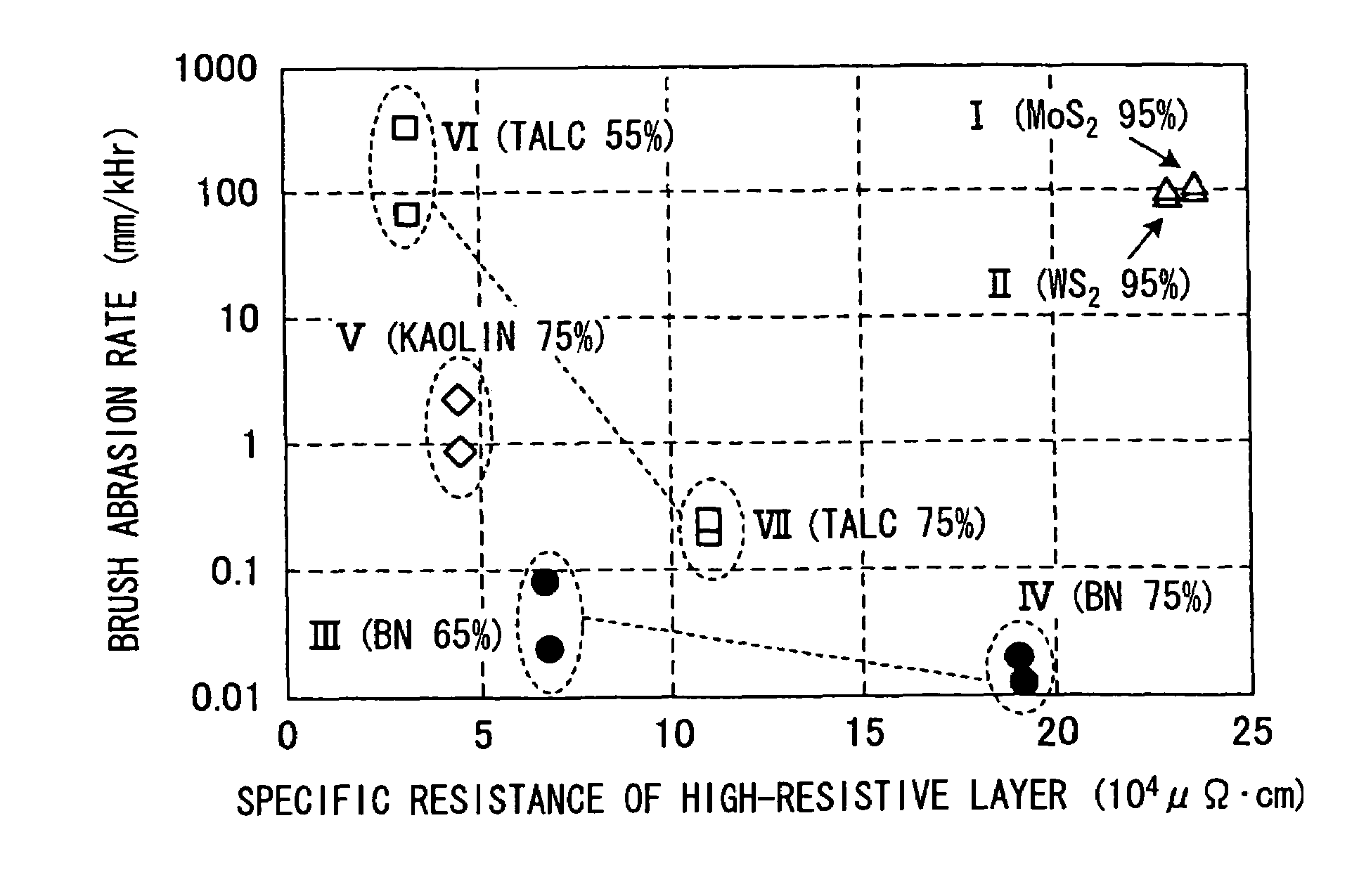
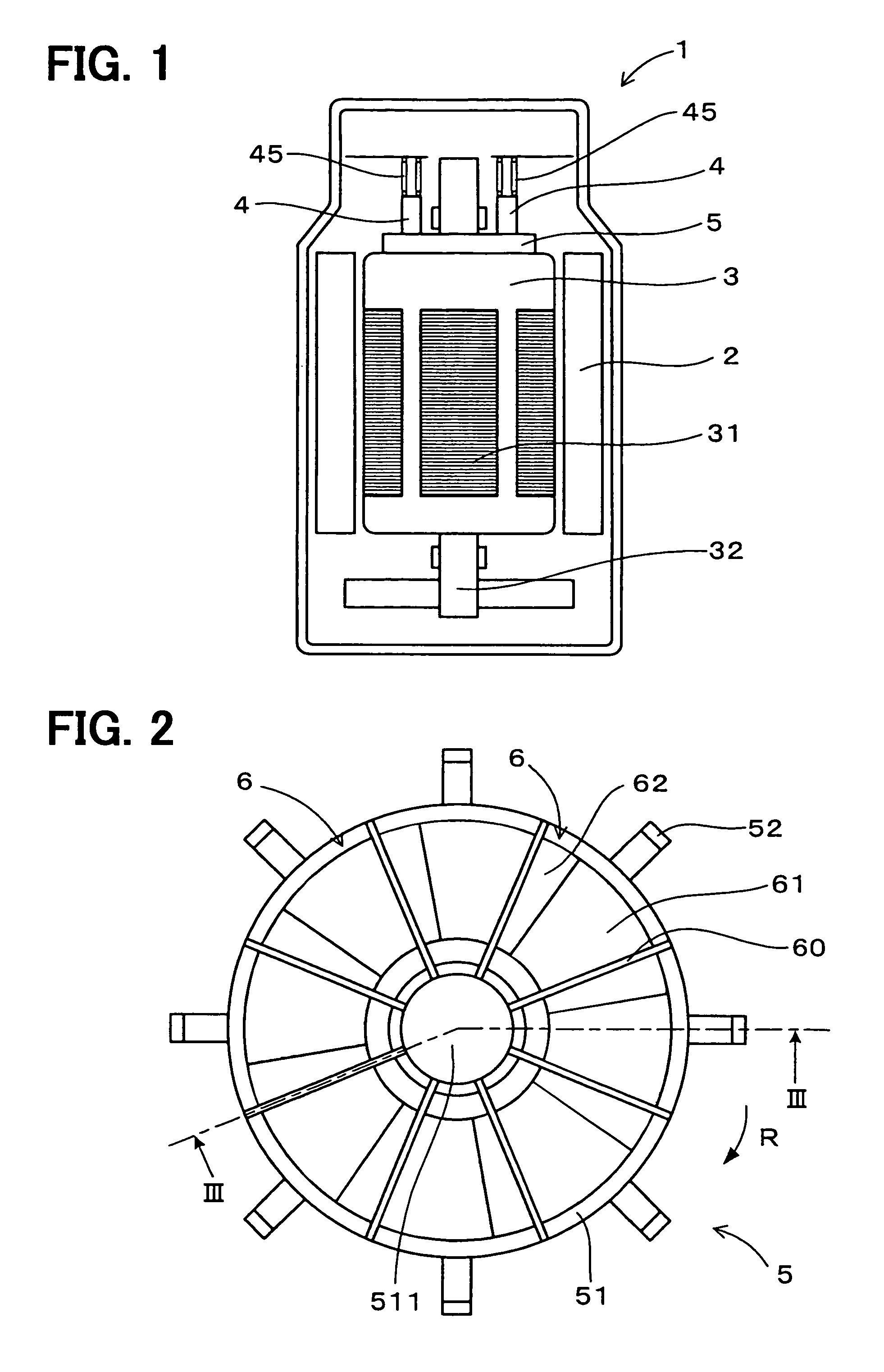
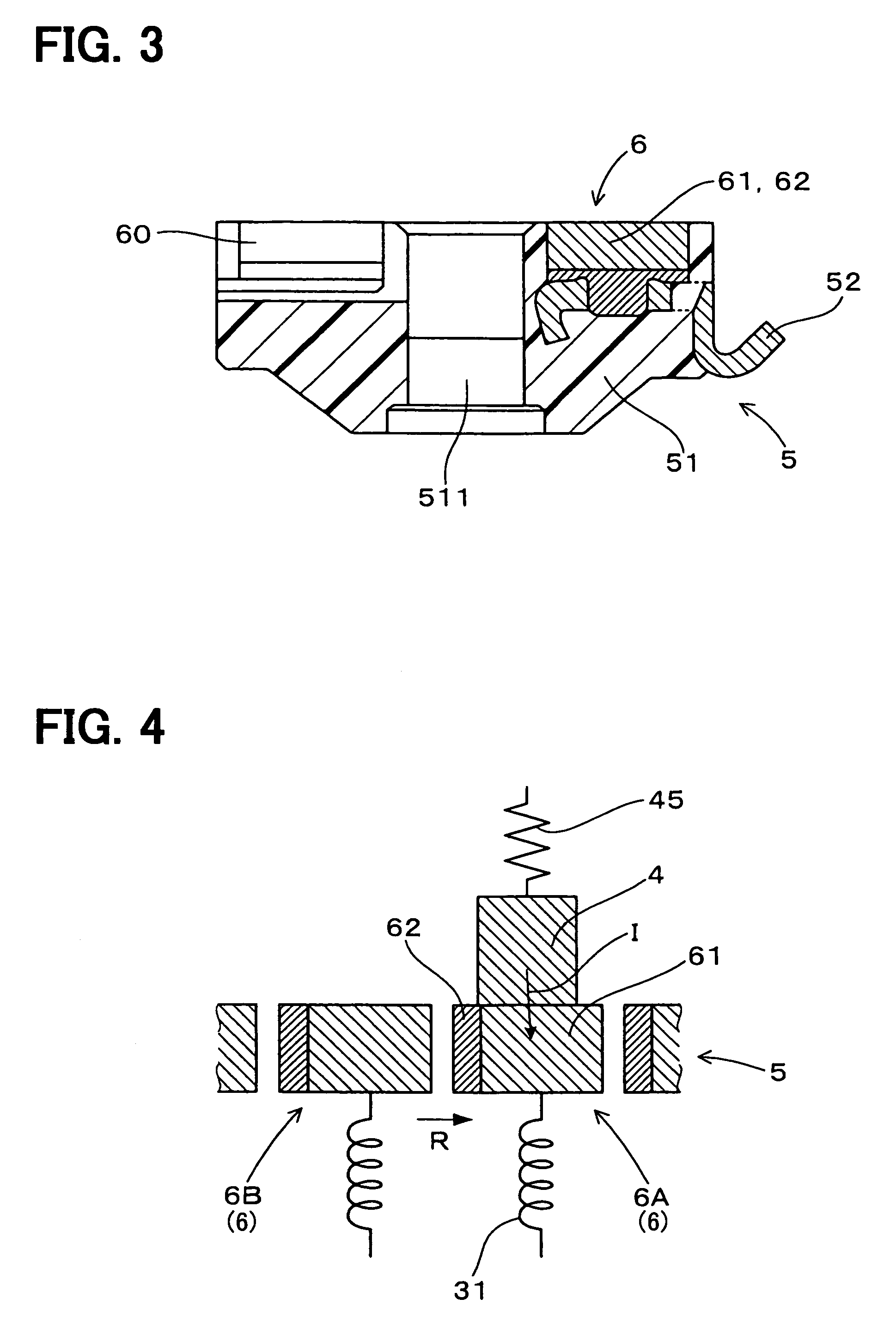
- The implementation of a brush and commutator design with low-resistive and high-resistive layers, where the high-resistive layer contains an inorganic substance with a specific resistance higher than 20 wt % of the total weight, intentionally deteriorating conductivity to reduce discharge phenomena and enhance durability and rectification.

Environmental Impact of Brush Materials and Disposal
The environmental implications of commutator brush materials represent a critical consideration in modern electrical machine design, extending far beyond traditional performance metrics. As industries increasingly prioritize sustainability, the selection of brush materials must balance operational efficiency with ecological responsibility throughout the entire product lifecycle.
Carbon-based brush materials, while offering excellent electrical conductivity and self-lubricating properties, present significant environmental challenges. Traditional carbon brushes contain graphite and various binding agents that can release particulate matter during operation. These carbon particles, though generally considered less toxic than metallic alternatives, contribute to air quality concerns in enclosed industrial environments. The manufacturing process of carbon brushes also involves high-temperature treatment and chemical binders that generate carbon emissions and potentially hazardous byproducts.
Metal-graphite composite brushes introduce additional environmental complexities through their copper, silver, or other metallic components. These materials require energy-intensive mining and refining processes, contributing to substantial carbon footprints before reaching the manufacturing stage. During operation, metallic brush wear generates particles that may contain heavy metals, posing potential contamination risks to surrounding environments and requiring specialized handling procedures.
The disposal phase presents the most significant environmental challenge across all brush material categories. Carbon brushes, while theoretically biodegradable over extended periods, often contain synthetic binders and additives that resist natural decomposition. Current disposal practices frequently involve landfilling or incineration, neither of which optimizes material recovery or minimizes environmental impact.
Metal-containing brushes require specialized recycling processes to recover valuable materials like copper and silver. However, the composite nature of these components complicates separation procedures, often resulting in suboptimal recovery rates. Many facilities lack the specialized equipment necessary for efficient processing, leading to improper disposal practices that waste valuable resources and potentially introduce contaminants into soil and groundwater systems.
Emerging sustainable alternatives include bio-based binding agents and recyclable composite designs that facilitate material separation at end-of-life. Advanced manufacturing techniques are also reducing waste generation during production, while improved brush designs extend operational lifetimes, thereby reducing overall material consumption and disposal frequency across industrial applications.
Predictive Maintenance Technologies for Brush Systems
Predictive maintenance technologies have emerged as critical enablers for optimizing brush system performance and extending operational lifespans in rotating electrical machinery. These advanced monitoring and diagnostic systems leverage real-time data collection, sophisticated algorithms, and machine learning techniques to anticipate maintenance needs before catastrophic failures occur. The integration of predictive maintenance approaches specifically addresses the inherent challenges in brush system management, where traditional reactive maintenance strategies often result in unexpected downtime and costly repairs.
Modern predictive maintenance frameworks for brush systems incorporate multiple sensing modalities to capture comprehensive operational data. Vibration sensors detect mechanical irregularities and misalignments that can accelerate brush wear, while thermal imaging systems monitor temperature distributions across commutator surfaces to identify hotspots indicative of poor contact or excessive resistance. Current signature analysis provides insights into electrical performance degradation, revealing patterns associated with brush material deterioration or commutator surface roughening.
Advanced data analytics platforms process these multi-dimensional datasets using machine learning algorithms trained on historical failure patterns and operational parameters. These systems establish baseline performance profiles for different brush designs and operating conditions, enabling the detection of subtle deviations that precede significant performance degradation. Anomaly detection algorithms continuously monitor key performance indicators, triggering maintenance alerts when predetermined thresholds are exceeded or when trending analysis indicates impending failures.
Digital twin technologies represent a significant advancement in predictive maintenance capabilities for brush systems. These virtual replicas of physical brush assemblies incorporate real-time operational data with physics-based models to simulate wear progression and predict remaining useful life. The digital twin approach enables scenario analysis and optimization of maintenance schedules based on actual operating conditions rather than fixed time intervals.
Wireless sensor networks and Internet of Things platforms facilitate continuous monitoring of distributed brush systems across industrial facilities. These technologies enable centralized monitoring dashboards that provide maintenance teams with comprehensive visibility into fleet-wide brush performance, supporting data-driven decision-making and resource allocation. Cloud-based analytics platforms offer scalable processing capabilities for handling large volumes of sensor data from multiple installations.
The implementation of predictive maintenance technologies for brush systems delivers substantial operational benefits, including reduced unplanned downtime, optimized maintenance intervals, and improved overall equipment effectiveness. These systems enable condition-based maintenance strategies that maximize brush utilization while minimizing the risk of unexpected failures, ultimately supporting more reliable and cost-effective operations.
Unlock deeper insights with Patsnap Eureka Quick Research — get a full tech report to explore trends and direct your research. Try now!
Generate Your Research Report Instantly with AI Agent
Supercharge your innovation with Patsnap Eureka AI Agent Platform!