

Comparing CRT vs PDP: Power Consumption Analysis
MAR 2, 20269 MIN READ
Generate Your Research Report Instantly with AI Agent
PatSnap Eureka helps you evaluate technical feasibility & market potential.
CRT vs PDP Display Technology Background and Objectives
Cathode Ray Tube (CRT) and Plasma Display Panel (PDP) technologies represent two distinct approaches to electronic display systems that dominated different eras of visual display evolution. CRT technology, developed in the early 20th century, became the cornerstone of television and computer monitor displays for over seven decades. This technology utilizes electron beams directed at phosphor-coated screens to generate images through controlled electron bombardment.
PDP technology emerged as a flat-panel alternative in the late 20th century, gaining commercial prominence in the 1990s and early 2000s. Unlike CRT's single electron gun approach, PDP employs thousands of tiny gas-filled cells that emit ultraviolet light when electrically stimulated, subsequently exciting phosphors to produce visible light. This fundamental difference in light generation mechanisms creates distinct power consumption characteristics between the two technologies.
The evolution from CRT to PDP represented a significant shift in display paradigms, driven by consumer demands for larger screen sizes, reduced depth profiles, and improved image quality. CRT displays faced inherent limitations in scaling beyond certain dimensions due to the exponential increase in tube depth and weight. PDP technology addressed these constraints by offering large-screen capabilities in relatively thin form factors.
Power consumption analysis between these technologies has become increasingly relevant as energy efficiency standards tighten globally and environmental consciousness drives technological choices. The fundamental operational differences between CRT's continuous electron beam scanning and PDP's selective cell activation create vastly different power consumption profiles under various usage scenarios.
The primary objective of this comparative analysis focuses on quantifying and understanding the power consumption characteristics of both technologies across different operational parameters. This includes examining idle power consumption, peak power demands during various content types, and efficiency variations with screen brightness and size scaling. Additionally, the analysis aims to identify the underlying technological factors that contribute to power consumption differences.
Understanding these power consumption patterns provides critical insights for applications where energy efficiency is paramount, such as commercial installations, energy-conscious consumer applications, and environments with limited power availability. The analysis also serves to inform historical technology transition decisions and provides reference data for evaluating modern display technologies against these established benchmarks.
PDP technology emerged as a flat-panel alternative in the late 20th century, gaining commercial prominence in the 1990s and early 2000s. Unlike CRT's single electron gun approach, PDP employs thousands of tiny gas-filled cells that emit ultraviolet light when electrically stimulated, subsequently exciting phosphors to produce visible light. This fundamental difference in light generation mechanisms creates distinct power consumption characteristics between the two technologies.
The evolution from CRT to PDP represented a significant shift in display paradigms, driven by consumer demands for larger screen sizes, reduced depth profiles, and improved image quality. CRT displays faced inherent limitations in scaling beyond certain dimensions due to the exponential increase in tube depth and weight. PDP technology addressed these constraints by offering large-screen capabilities in relatively thin form factors.
Power consumption analysis between these technologies has become increasingly relevant as energy efficiency standards tighten globally and environmental consciousness drives technological choices. The fundamental operational differences between CRT's continuous electron beam scanning and PDP's selective cell activation create vastly different power consumption profiles under various usage scenarios.
The primary objective of this comparative analysis focuses on quantifying and understanding the power consumption characteristics of both technologies across different operational parameters. This includes examining idle power consumption, peak power demands during various content types, and efficiency variations with screen brightness and size scaling. Additionally, the analysis aims to identify the underlying technological factors that contribute to power consumption differences.
Understanding these power consumption patterns provides critical insights for applications where energy efficiency is paramount, such as commercial installations, energy-conscious consumer applications, and environments with limited power availability. The analysis also serves to inform historical technology transition decisions and provides reference data for evaluating modern display technologies against these established benchmarks.
Market Demand Analysis for Power-Efficient Display Technologies
The global display technology market is experiencing a fundamental shift driven by increasing environmental consciousness and stringent energy efficiency regulations. Power consumption has emerged as a critical differentiator in display technology selection, particularly as organizations seek to reduce operational costs and meet sustainability targets. This transformation is reshaping procurement decisions across multiple sectors, from consumer electronics to enterprise applications.
Enterprise markets demonstrate particularly strong demand for power-efficient display solutions. Corporate buyers increasingly prioritize total cost of ownership calculations that factor in long-term energy expenses alongside initial purchase prices. Data centers, digital signage networks, and office environments are actively seeking display technologies that minimize power draw while maintaining performance standards. The growing emphasis on corporate sustainability reporting has further amplified this trend, as companies seek measurable reductions in energy consumption.
Consumer awareness regarding energy efficiency has reached unprecedented levels, influenced by rising electricity costs and environmental concerns. Modern consumers actively compare power consumption specifications when purchasing televisions, monitors, and other display devices. This behavioral shift has created substantial market pressure for manufacturers to develop and promote energy-efficient alternatives to traditional display technologies.
Regulatory frameworks worldwide are establishing increasingly stringent energy efficiency standards for electronic displays. These regulations directly impact market viability for high-power consumption technologies, creating compliance challenges that influence both manufacturing strategies and consumer adoption patterns. The regulatory landscape continues evolving toward more restrictive power consumption limits, fundamentally altering competitive dynamics within the display industry.
The commercial display sector, encompassing retail, hospitality, and public information systems, represents a significant growth opportunity for power-efficient technologies. Extended operational hours in these applications amplify the economic impact of power consumption differences, making energy efficiency a primary selection criterion. Organizations operating large-scale display deployments are particularly sensitive to power consumption variations, as small efficiency improvements translate into substantial cost savings across their entire infrastructure.
Emerging applications in automotive displays, portable devices, and IoT-enabled systems are creating new market segments where power efficiency directly impacts product viability. Battery-powered applications especially demand ultra-low power consumption, driving innovation in display technology development and creating premium market opportunities for efficient solutions.
Enterprise markets demonstrate particularly strong demand for power-efficient display solutions. Corporate buyers increasingly prioritize total cost of ownership calculations that factor in long-term energy expenses alongside initial purchase prices. Data centers, digital signage networks, and office environments are actively seeking display technologies that minimize power draw while maintaining performance standards. The growing emphasis on corporate sustainability reporting has further amplified this trend, as companies seek measurable reductions in energy consumption.
Consumer awareness regarding energy efficiency has reached unprecedented levels, influenced by rising electricity costs and environmental concerns. Modern consumers actively compare power consumption specifications when purchasing televisions, monitors, and other display devices. This behavioral shift has created substantial market pressure for manufacturers to develop and promote energy-efficient alternatives to traditional display technologies.
Regulatory frameworks worldwide are establishing increasingly stringent energy efficiency standards for electronic displays. These regulations directly impact market viability for high-power consumption technologies, creating compliance challenges that influence both manufacturing strategies and consumer adoption patterns. The regulatory landscape continues evolving toward more restrictive power consumption limits, fundamentally altering competitive dynamics within the display industry.
The commercial display sector, encompassing retail, hospitality, and public information systems, represents a significant growth opportunity for power-efficient technologies. Extended operational hours in these applications amplify the economic impact of power consumption differences, making energy efficiency a primary selection criterion. Organizations operating large-scale display deployments are particularly sensitive to power consumption variations, as small efficiency improvements translate into substantial cost savings across their entire infrastructure.
Emerging applications in automotive displays, portable devices, and IoT-enabled systems are creating new market segments where power efficiency directly impacts product viability. Battery-powered applications especially demand ultra-low power consumption, driving innovation in display technology development and creating premium market opportunities for efficient solutions.
Current Power Consumption Status and Challenges in CRT vs PDP
CRT displays typically consume between 60-120 watts for standard desktop monitors ranging from 15 to 21 inches, with power consumption scaling significantly with screen size. The electron gun technology requires substantial energy to generate and accelerate electron beams, while the deflection systems demand continuous power to maintain proper beam positioning across the phosphor-coated screen.
PDP technology exhibits considerably higher power consumption, typically ranging from 150-400 watts for comparable screen sizes. The plasma discharge process requires substantial electrical energy to ionize gas mixtures within millions of microscopic cells, with power consumption directly correlating to display brightness levels and content being displayed.
Current power efficiency measurements reveal that CRT displays achieve approximately 0.8-1.2 lumens per watt, while PDP displays typically deliver 0.3-0.6 lumens per watt under standard operating conditions. This disparity becomes more pronounced during extended usage periods, particularly in commercial and professional applications where displays operate continuously.
The primary challenge in CRT power management stems from the inherent inefficiency of electron beam generation and magnetic deflection systems. High-voltage requirements for cathode ray tube operation result in significant energy losses through heat dissipation, particularly in the flyback transformer and deflection circuits.
PDP displays face distinct power consumption challenges related to sustain discharge requirements and address discharge power management. The need to maintain plasma states across all active cells creates baseline power consumption that remains relatively constant regardless of displayed content, unlike other display technologies where black pixels consume minimal power.
Thermal management represents a critical challenge for both technologies, as excessive heat generation not only reduces energy efficiency but also impacts component longevity and display performance. CRT displays generate substantial heat through electron bombardment of phosphors, while PDP displays produce heat through plasma discharge processes.
Standby power consumption presents additional challenges, with CRT displays typically consuming 3-8 watts in standby mode due to power supply and deflection circuit requirements. PDP displays often exhibit higher standby consumption, ranging from 5-15 watts, primarily due to control electronics and gas mixture maintenance systems.
Manufacturing variations and aging effects significantly impact power consumption patterns in both technologies. CRT displays experience gradual increases in power requirements as cathode efficiency degrades over time, while PDP displays may exhibit power consumption variations due to gas mixture changes and electrode degradation.
PDP technology exhibits considerably higher power consumption, typically ranging from 150-400 watts for comparable screen sizes. The plasma discharge process requires substantial electrical energy to ionize gas mixtures within millions of microscopic cells, with power consumption directly correlating to display brightness levels and content being displayed.
Current power efficiency measurements reveal that CRT displays achieve approximately 0.8-1.2 lumens per watt, while PDP displays typically deliver 0.3-0.6 lumens per watt under standard operating conditions. This disparity becomes more pronounced during extended usage periods, particularly in commercial and professional applications where displays operate continuously.
The primary challenge in CRT power management stems from the inherent inefficiency of electron beam generation and magnetic deflection systems. High-voltage requirements for cathode ray tube operation result in significant energy losses through heat dissipation, particularly in the flyback transformer and deflection circuits.
PDP displays face distinct power consumption challenges related to sustain discharge requirements and address discharge power management. The need to maintain plasma states across all active cells creates baseline power consumption that remains relatively constant regardless of displayed content, unlike other display technologies where black pixels consume minimal power.
Thermal management represents a critical challenge for both technologies, as excessive heat generation not only reduces energy efficiency but also impacts component longevity and display performance. CRT displays generate substantial heat through electron bombardment of phosphors, while PDP displays produce heat through plasma discharge processes.
Standby power consumption presents additional challenges, with CRT displays typically consuming 3-8 watts in standby mode due to power supply and deflection circuit requirements. PDP displays often exhibit higher standby consumption, ranging from 5-15 watts, primarily due to control electronics and gas mixture maintenance systems.
Manufacturing variations and aging effects significantly impact power consumption patterns in both technologies. CRT displays experience gradual increases in power requirements as cathode efficiency degrades over time, while PDP displays may exhibit power consumption variations due to gas mixture changes and electrode degradation.
Current Power Management Solutions for CRT and PDP Displays
01 Power supply circuit design for CRT displays
CRT displays utilize specific power supply circuit designs to manage their energy consumption. These circuits are designed to efficiently convert and distribute electrical power to various components of the CRT, including the electron gun, deflection coils, and high voltage systems. The power supply design focuses on reducing standby power consumption and improving overall energy efficiency through optimized transformer designs and switching power supply technologies.- Power supply circuit design for CRT displays: CRT displays utilize specific power supply circuit designs to manage their power consumption. These circuits are designed to efficiently convert and distribute electrical power to various components of the CRT, including the electron gun, deflection coils, and high voltage systems. The power supply design focuses on reducing energy waste through optimized transformer configurations and voltage regulation circuits.
- Power consumption reduction in PDP through discharge control: Plasma display panels employ discharge control techniques to minimize power consumption. These methods involve optimizing the timing and intensity of gas discharge events within the display cells. By controlling the discharge patterns and reducing unnecessary plasma generation, the overall power requirements can be significantly decreased while maintaining display quality.
- Standby power management systems: Both display technologies implement standby power management systems to reduce energy consumption when the display is not actively in use. These systems include power-saving modes that reduce or shut down non-essential circuits, intelligent detection of user activity, and gradual power reduction schemes. The management systems can automatically transition between different power states based on usage patterns.
- Drive circuit efficiency optimization: Advanced drive circuit designs are employed to improve the overall power efficiency of display systems. These circuits utilize switching mode power supplies, resonant converters, and adaptive voltage scaling techniques to minimize power losses during operation. The optimization focuses on reducing heat generation and improving the conversion efficiency of electrical power to light output.
- Comparative power measurement and monitoring systems: Specialized measurement and monitoring systems have been developed to accurately compare and analyze the power consumption characteristics of different display technologies. These systems track real-time power usage, measure efficiency under various operating conditions, and provide data for optimizing power management strategies. The monitoring capabilities enable detailed analysis of power consumption patterns across different display modes and content types.
02 Power management systems for PDP displays
Plasma display panels employ specialized power management systems to control their energy usage. These systems regulate the power delivered to the discharge cells and address circuitry, implementing techniques such as dynamic power adjustment based on image content and brightness levels. The power management approach includes methods for reducing power consumption during low-brightness scenes and optimizing the efficiency of the sustain and address discharge operations.Expand Specific Solutions03 Comparative power consumption measurement methods
Various measurement and testing methodologies have been developed to accurately compare the power consumption characteristics between different display technologies. These methods establish standardized testing conditions and procedures for evaluating energy usage across different operational modes, including active display, standby, and sleep modes. The measurement techniques account for factors such as screen size, brightness settings, and content type to provide fair comparisons.Expand Specific Solutions04 Energy-saving drive circuits and control methods
Advanced drive circuits and control methods have been developed to reduce power consumption in both display technologies. These innovations include pulse width modulation techniques, adaptive voltage scaling, and intelligent brightness control systems that adjust power delivery based on displayed content. The control methods optimize the timing and magnitude of electrical signals to minimize unnecessary power usage while maintaining display quality.Expand Specific Solutions05 Standby and power-off mode optimization
Specific technologies have been developed to minimize power consumption during standby and power-off modes for both display types. These include quick start-up circuits that reduce the need for continuous power draw, improved power switching mechanisms, and low-power monitoring circuits. The optimization focuses on reducing phantom power consumption while maintaining the ability to quickly resume normal operation when needed.Expand Specific Solutions
Major Players in CRT and PDP Display Manufacturing Industry
The CRT vs PDP power consumption analysis represents a mature technology comparison within the legacy display market, which has largely transitioned to LCD and OLED technologies. The market for both CRT and PDP displays has significantly contracted, with most production ceased by major manufacturers. Technology maturity is complete for both technologies, with companies like Samsung SDI, LG Electronics, Samsung Electronics, Panasonic Holdings, and Sharp Corp having previously dominated PDP manufacturing, while traditional CRT production involved players like Hitachi, Philips, and various Chinese manufacturers including BOE Technology Group and TCL. The competitive landscape now focuses primarily on specialized applications, replacement parts, and legacy system maintenance, as both technologies have been superseded by more energy-efficient alternatives in mainstream consumer and commercial markets.
Samsung Electronics Co., Ltd.
Technical Solution: Samsung developed advanced power management systems for both CRT and PDP displays, implementing dynamic brightness control and standby power optimization. Their CRT monitors achieved power consumption of 65-85W during operation with less than 2W in standby mode. For PDP technology, Samsung created efficient phosphor materials and improved drive circuits that reduced power consumption by approximately 30% compared to early PDP models, achieving 150-200W for 42-inch displays. The company also integrated smart power scaling algorithms that adjust consumption based on content brightness and ambient lighting conditions.
Strengths: Comprehensive power optimization across both technologies, strong R&D capabilities in display materials. Weaknesses: Limited focus on PDP technology in later years, higher manufacturing costs for advanced power management features.
Panasonic Holdings Corp.
Technical Solution: Panasonic developed comprehensive power consumption analysis methodologies comparing CRT and PDP technologies across different screen sizes and usage scenarios. Their research demonstrated that while CRT displays consumed 60-120W depending on size, their PDP panels achieved significant improvements through advanced drive circuit design and optimized gas mixture compositions. Panasonic's NeoPDP technology reduced power consumption by up to 50% compared to first-generation PDP displays, achieving 0.7W per inch for large screen applications. The company also developed standardized testing protocols for accurate power measurement across different display technologies.
Strengths: Extensive research in power optimization, industry-leading PDP efficiency improvements, comprehensive testing methodologies. Weaknesses: Limited market presence in CRT technology, high development costs for advanced PDP power management systems.
Core Power Optimization Patents in CRT and PDP Technologies
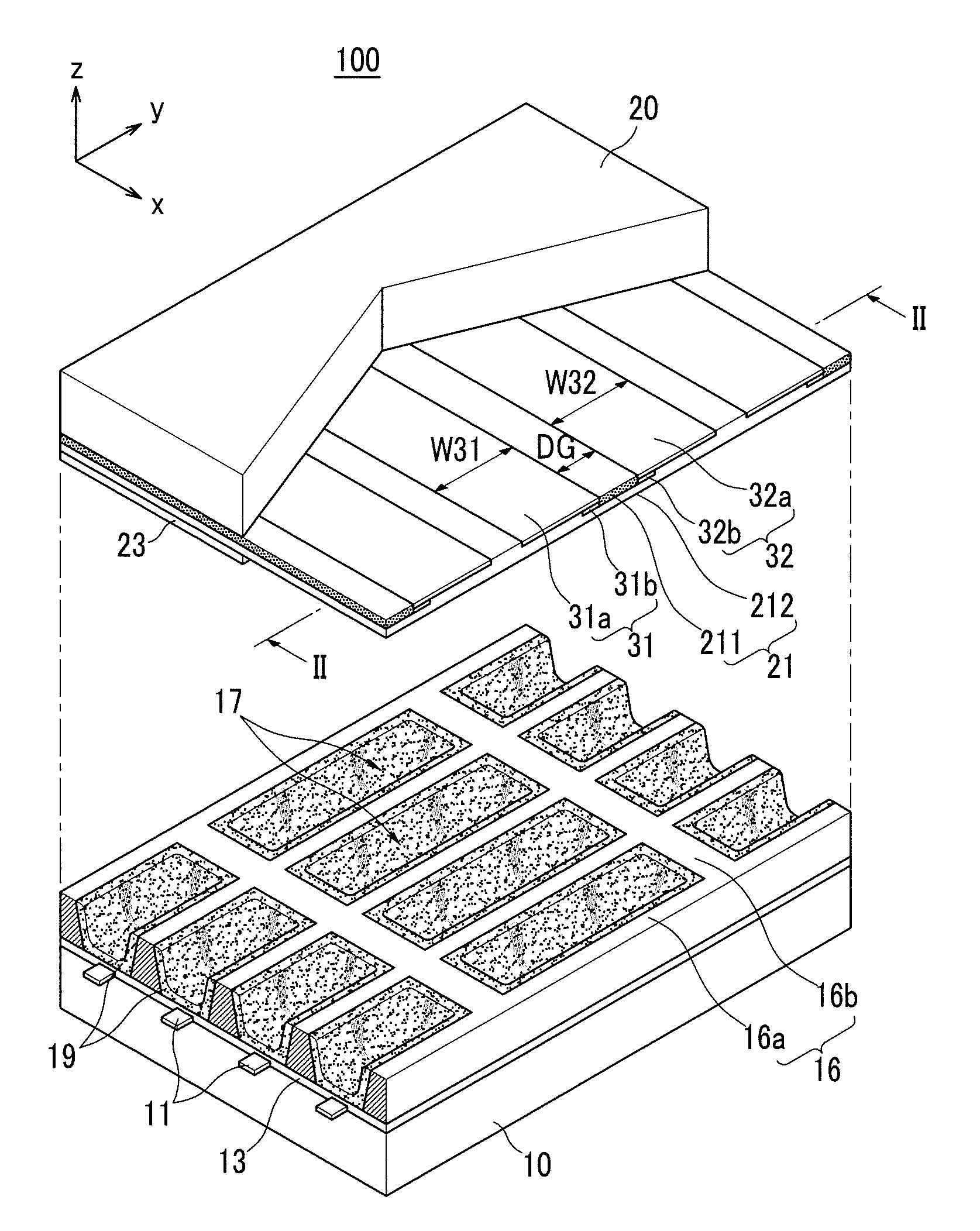
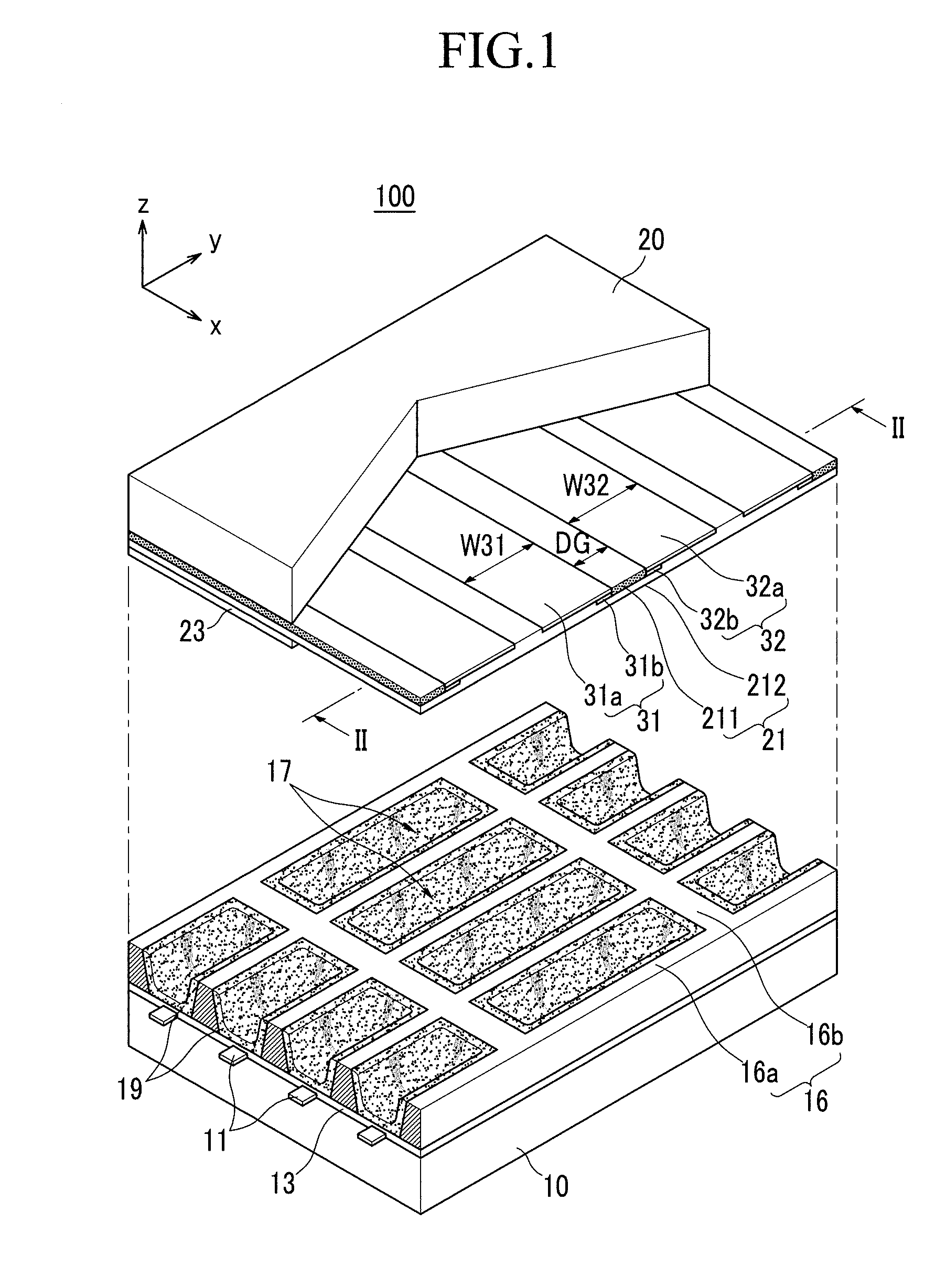
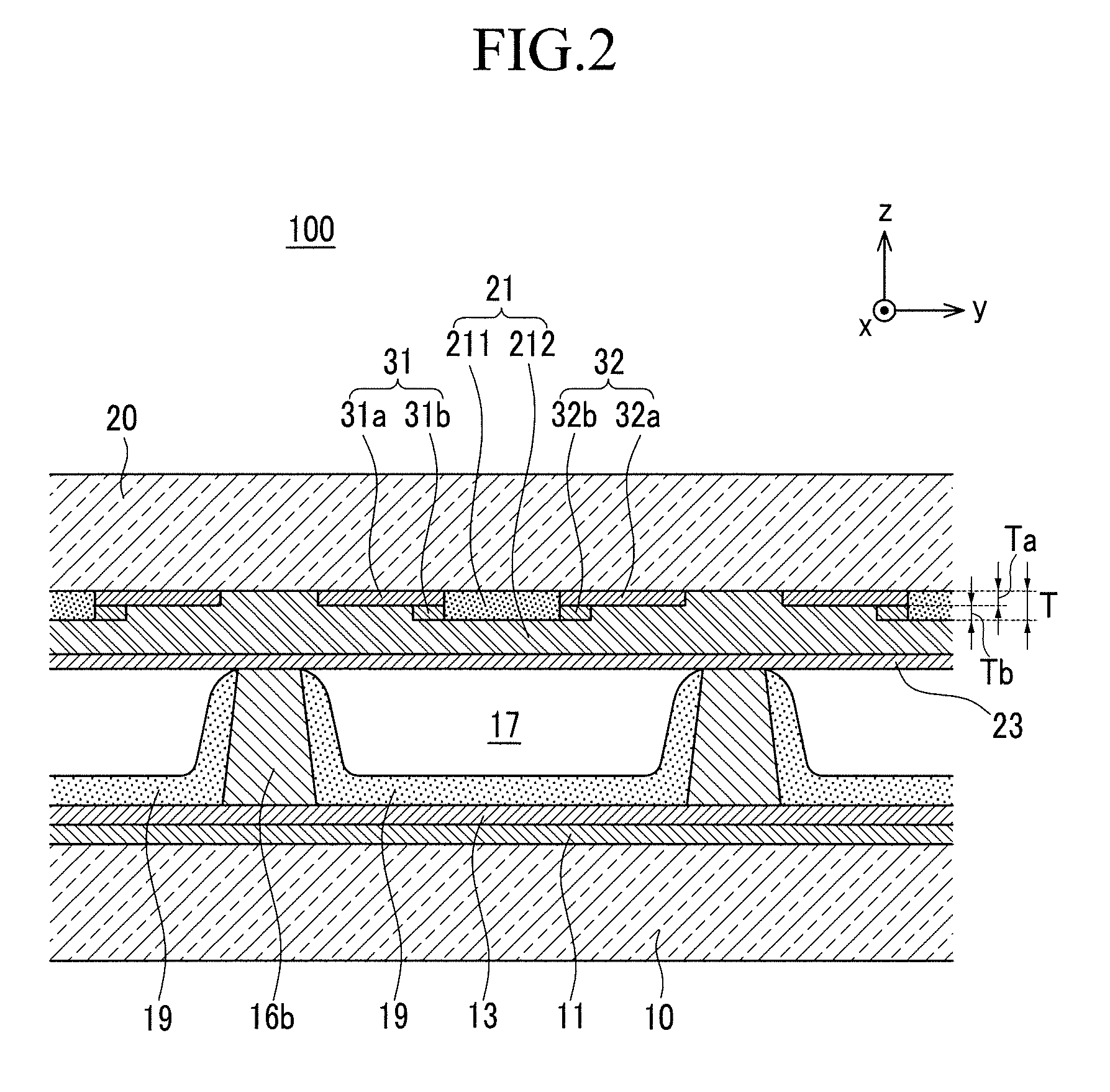
Plasma display device
PatentInactiveUS20100123392A1
Innovation
- A plasma display panel design featuring a dielectric layer with a low dielectric constant between display electrodes, comprising a first dielectric layer section and a second dielectric layer section with different dielectric constants, strategically positioned to reduce capacitance and reactive power consumption.

Driver for plasma display panel
PatentInactiveUS20110007051A1
Innovation
- A driver for plasma display panels that utilizes power conversion switching and resonance between the transformer's inductance and the panel's capacitance to absorb surplus power, eliminating the need for an energy recovery circuit by forming an LC resonance path through the switching of Y and X electrode switches.


Environmental Regulations Impact on Display Power Standards
Environmental regulations have fundamentally transformed display power consumption standards, creating a regulatory framework that directly impacts the comparative analysis between CRT and PDP technologies. The Energy Star program, initiated by the EPA in 1992, established the first comprehensive power efficiency standards for electronic displays, setting maximum power consumption thresholds that favored emerging flat-panel technologies over traditional CRT displays.
The European Union's EcoDesign Directive 2009/125/EC introduced mandatory energy efficiency requirements for televisions and monitors, establishing specific power consumption limits based on screen size and display technology. These regulations created a tiered approach where CRT displays, typically consuming 80-150 watts for comparable screen sizes, faced increasingly stringent compliance requirements compared to PDP displays operating at 200-400 watts but offering larger screen formats that justified higher absolute consumption under size-adjusted metrics.
California's Title 20 Appliance Efficiency Regulations, implemented in 2011, introduced the most restrictive display power standards in North America. The regulation established maximum power consumption formulas that account for screen area, resolution, and technology type, creating distinct pathways for different display technologies. Under these standards, CRT displays benefit from lower baseline power requirements, while PDP displays must demonstrate enhanced efficiency features such as automatic brightness control and power management systems to achieve compliance.
The ENERGY STAR 8.0 specification, effective from 2019, introduced dynamic power measurement protocols that evaluate displays under various operational scenarios including typical viewing conditions, bright room environments, and standby modes. This comprehensive approach revealed that while CRT displays maintain consistent power consumption across different brightness levels, PDP displays exhibit significant power variation based on content and ambient light conditions, affecting their regulatory compliance strategies.
International harmonization efforts through the IEC 62087 standard have established global testing methodologies for display power consumption, enabling consistent regulatory enforcement across different markets. These standards require manufacturers to report power consumption data using standardized test patterns and measurement conditions, providing regulators with comparable data for establishing technology-neutral efficiency requirements that impact both CRT and PDP market positioning.
The European Union's EcoDesign Directive 2009/125/EC introduced mandatory energy efficiency requirements for televisions and monitors, establishing specific power consumption limits based on screen size and display technology. These regulations created a tiered approach where CRT displays, typically consuming 80-150 watts for comparable screen sizes, faced increasingly stringent compliance requirements compared to PDP displays operating at 200-400 watts but offering larger screen formats that justified higher absolute consumption under size-adjusted metrics.
California's Title 20 Appliance Efficiency Regulations, implemented in 2011, introduced the most restrictive display power standards in North America. The regulation established maximum power consumption formulas that account for screen area, resolution, and technology type, creating distinct pathways for different display technologies. Under these standards, CRT displays benefit from lower baseline power requirements, while PDP displays must demonstrate enhanced efficiency features such as automatic brightness control and power management systems to achieve compliance.
The ENERGY STAR 8.0 specification, effective from 2019, introduced dynamic power measurement protocols that evaluate displays under various operational scenarios including typical viewing conditions, bright room environments, and standby modes. This comprehensive approach revealed that while CRT displays maintain consistent power consumption across different brightness levels, PDP displays exhibit significant power variation based on content and ambient light conditions, affecting their regulatory compliance strategies.
International harmonization efforts through the IEC 62087 standard have established global testing methodologies for display power consumption, enabling consistent regulatory enforcement across different markets. These standards require manufacturers to report power consumption data using standardized test patterns and measurement conditions, providing regulators with comparable data for establishing technology-neutral efficiency requirements that impact both CRT and PDP market positioning.
Energy Efficiency Standards and Certification Requirements
Energy efficiency standards for display technologies have evolved significantly since the introduction of CRT and PDP systems, establishing comprehensive frameworks that directly impact power consumption requirements. The Energy Star program, initiated by the EPA in 1992, became the primary certification mechanism for display devices, setting progressive efficiency thresholds that both CRT and PDP manufacturers must meet to qualify for energy-efficient product labeling.
International standards organizations have developed specific testing protocols for measuring display power consumption, including IEC 62087 and ENERGY STAR specifications. These standards define standardized measurement conditions, including ambient temperature, test patterns, and operational modes that ensure consistent evaluation across different display technologies. The certification process requires manufacturers to submit detailed power consumption data under various operational scenarios, including active mode, standby mode, and sleep mode measurements.
CRT displays typically face more stringent certification challenges due to their inherently higher power consumption characteristics, particularly in larger screen sizes where power draw can exceed 150 watts. The certification requirements mandate specific power management features, including automatic brightness adjustment and power-down capabilities after predetermined idle periods. Many CRT manufacturers have implemented advanced power supply designs and improved phosphor efficiency to meet these evolving standards.
PDP technology encounters unique certification considerations related to its variable power consumption patterns, where power draw fluctuates significantly based on displayed content brightness and color distribution. Certification standards account for this variability by requiring average power measurements across standardized test patterns that represent typical viewing scenarios. The dynamic power characteristics of PDP displays necessitate sophisticated power management algorithms to maintain compliance with efficiency thresholds.
Regional certification requirements vary substantially, with European Union's ErP Directive establishing more aggressive efficiency targets compared to North American standards. These regulatory differences create complex compliance landscapes for manufacturers targeting global markets, often requiring technology-specific optimizations to meet diverse regional requirements while maintaining competitive power consumption profiles across both CRT and PDP product lines.
International standards organizations have developed specific testing protocols for measuring display power consumption, including IEC 62087 and ENERGY STAR specifications. These standards define standardized measurement conditions, including ambient temperature, test patterns, and operational modes that ensure consistent evaluation across different display technologies. The certification process requires manufacturers to submit detailed power consumption data under various operational scenarios, including active mode, standby mode, and sleep mode measurements.
CRT displays typically face more stringent certification challenges due to their inherently higher power consumption characteristics, particularly in larger screen sizes where power draw can exceed 150 watts. The certification requirements mandate specific power management features, including automatic brightness adjustment and power-down capabilities after predetermined idle periods. Many CRT manufacturers have implemented advanced power supply designs and improved phosphor efficiency to meet these evolving standards.
PDP technology encounters unique certification considerations related to its variable power consumption patterns, where power draw fluctuates significantly based on displayed content brightness and color distribution. Certification standards account for this variability by requiring average power measurements across standardized test patterns that represent typical viewing scenarios. The dynamic power characteristics of PDP displays necessitate sophisticated power management algorithms to maintain compliance with efficiency thresholds.
Regional certification requirements vary substantially, with European Union's ErP Directive establishing more aggressive efficiency targets compared to North American standards. These regulatory differences create complex compliance landscapes for manufacturers targeting global markets, often requiring technology-specific optimizations to meet diverse regional requirements while maintaining competitive power consumption profiles across both CRT and PDP product lines.
Unlock deeper insights with PatSnap Eureka Quick Research — get a full tech report to explore trends and direct your research. Try now!
Generate Your Research Report Instantly with AI Agent
Supercharge your innovation with PatSnap Eureka AI Agent Platform!