
Comparing Electrolyte Types for Efficient Anode-Free Battery Stability
MAY 22, 20269 MIN READ
Generate Your Research Report Instantly with AI Agent
Patsnap Eureka helps you evaluate technical feasibility & market potential.
Anode-Free Battery Technology Background and Objectives
Anode-free battery technology represents a paradigm shift in energy storage systems, emerging from the fundamental limitations of conventional lithium-ion batteries. Traditional batteries rely on graphite or silicon-based anodes, which contribute significantly to cell weight, volume, and manufacturing complexity. The anode-free approach eliminates the pre-formed anode material, instead allowing lithium metal to plate directly onto a current collector during charging cycles.
The historical development of anode-free batteries traces back to early lithium metal battery research in the 1970s, where scientists first observed direct lithium plating phenomena. However, safety concerns and dendrite formation issues halted commercial development for decades. Recent advances in electrolyte chemistry, separator technology, and surface engineering have renewed interest in this approach, positioning it as a potential solution for next-generation energy storage applications.
Current technological evolution focuses on addressing the inherent challenges of lithium metal plating and stripping processes. The absence of a host material for lithium ions creates unique electrochemical environments that demand sophisticated electrolyte formulations. Solid electrolyte interphase formation, dendrite suppression, and cycling stability have become critical research focal points driving innovation in this field.
The primary objective of anode-free battery technology centers on achieving theoretical energy density limits while maintaining practical cycling performance. By eliminating anode materials, these systems can potentially deliver energy densities exceeding 400 Wh/kg, representing a 60-80% improvement over conventional lithium-ion batteries. This advancement directly addresses the growing demand for lightweight, high-capacity energy storage in electric vehicles, aerospace applications, and portable electronics.
Electrolyte optimization emerges as the cornerstone for realizing stable anode-free battery operation. The electrolyte must facilitate uniform lithium deposition, prevent dendrite formation, and maintain chemical stability throughout extended cycling. Different electrolyte types, including liquid organic electrolytes, solid-state electrolytes, and hybrid systems, each present distinct advantages and challenges in achieving these objectives.
The ultimate technological goal encompasses developing commercially viable anode-free batteries that combine high energy density with acceptable cycle life, typically targeting 1000+ cycles with minimal capacity degradation. Success in this endeavor would revolutionize energy storage markets and enable breakthrough applications in transportation electrification and grid-scale storage systems.
The historical development of anode-free batteries traces back to early lithium metal battery research in the 1970s, where scientists first observed direct lithium plating phenomena. However, safety concerns and dendrite formation issues halted commercial development for decades. Recent advances in electrolyte chemistry, separator technology, and surface engineering have renewed interest in this approach, positioning it as a potential solution for next-generation energy storage applications.
Current technological evolution focuses on addressing the inherent challenges of lithium metal plating and stripping processes. The absence of a host material for lithium ions creates unique electrochemical environments that demand sophisticated electrolyte formulations. Solid electrolyte interphase formation, dendrite suppression, and cycling stability have become critical research focal points driving innovation in this field.
The primary objective of anode-free battery technology centers on achieving theoretical energy density limits while maintaining practical cycling performance. By eliminating anode materials, these systems can potentially deliver energy densities exceeding 400 Wh/kg, representing a 60-80% improvement over conventional lithium-ion batteries. This advancement directly addresses the growing demand for lightweight, high-capacity energy storage in electric vehicles, aerospace applications, and portable electronics.
Electrolyte optimization emerges as the cornerstone for realizing stable anode-free battery operation. The electrolyte must facilitate uniform lithium deposition, prevent dendrite formation, and maintain chemical stability throughout extended cycling. Different electrolyte types, including liquid organic electrolytes, solid-state electrolytes, and hybrid systems, each present distinct advantages and challenges in achieving these objectives.
The ultimate technological goal encompasses developing commercially viable anode-free batteries that combine high energy density with acceptable cycle life, typically targeting 1000+ cycles with minimal capacity degradation. Success in this endeavor would revolutionize energy storage markets and enable breakthrough applications in transportation electrification and grid-scale storage systems.
Market Demand for High-Energy Density Battery Solutions
The global battery market is experiencing unprecedented growth driven by the urgent need for high-energy density solutions across multiple sectors. Electric vehicle manufacturers are pushing for batteries that can deliver longer range while maintaining compact form factors, creating substantial demand for technologies that maximize energy storage per unit weight and volume. Consumer electronics continue to evolve toward thinner, more powerful devices that require batteries capable of supporting intensive computational tasks and extended usage periods without frequent charging cycles.
Grid-scale energy storage represents another critical market segment where high-energy density batteries are essential for efficient renewable energy integration. As solar and wind power installations expand globally, utilities require cost-effective storage solutions that can store maximum energy in minimal physical footprint, making anode-free battery technologies particularly attractive for their theoretical energy density advantages.
The aerospace and defense industries present specialized market opportunities for advanced battery technologies, where weight reduction directly translates to improved performance and operational efficiency. These sectors demand batteries that can operate reliably under extreme conditions while delivering maximum energy output, driving interest in innovative electrolyte formulations that enhance anode-free battery stability.
Market research indicates that traditional lithium-ion batteries are approaching their theoretical energy density limits, creating a technology gap that anode-free configurations could potentially fill. The elimination of anode materials not only increases energy density but also reduces manufacturing costs and material dependencies, addressing supply chain concerns that have become increasingly prominent in battery manufacturing.
Industrial applications including robotics, medical devices, and portable equipment are generating additional demand for compact, high-performance battery solutions. These markets require batteries that combine high energy density with long cycle life and safety characteristics, making electrolyte optimization crucial for commercial viability.
The convergence of these market demands creates a compelling business case for developing efficient anode-free battery technologies, with electrolyte selection playing a pivotal role in achieving the stability and performance characteristics required for successful market penetration across diverse application areas.
Grid-scale energy storage represents another critical market segment where high-energy density batteries are essential for efficient renewable energy integration. As solar and wind power installations expand globally, utilities require cost-effective storage solutions that can store maximum energy in minimal physical footprint, making anode-free battery technologies particularly attractive for their theoretical energy density advantages.
The aerospace and defense industries present specialized market opportunities for advanced battery technologies, where weight reduction directly translates to improved performance and operational efficiency. These sectors demand batteries that can operate reliably under extreme conditions while delivering maximum energy output, driving interest in innovative electrolyte formulations that enhance anode-free battery stability.
Market research indicates that traditional lithium-ion batteries are approaching their theoretical energy density limits, creating a technology gap that anode-free configurations could potentially fill. The elimination of anode materials not only increases energy density but also reduces manufacturing costs and material dependencies, addressing supply chain concerns that have become increasingly prominent in battery manufacturing.
Industrial applications including robotics, medical devices, and portable equipment are generating additional demand for compact, high-performance battery solutions. These markets require batteries that combine high energy density with long cycle life and safety characteristics, making electrolyte optimization crucial for commercial viability.
The convergence of these market demands creates a compelling business case for developing efficient anode-free battery technologies, with electrolyte selection playing a pivotal role in achieving the stability and performance characteristics required for successful market penetration across diverse application areas.
Current Electrolyte Challenges in Anode-Free Systems
Anode-free battery systems face significant electrolyte-related challenges that fundamentally limit their commercial viability and long-term performance. The primary obstacle stems from the inherent instability of lithium metal deposition during charging cycles, where conventional liquid electrolytes fail to provide adequate protection against dendrite formation and parasitic reactions.
Liquid carbonate-based electrolytes, while widely used in conventional lithium-ion batteries, demonstrate poor compatibility with anode-free architectures. These electrolytes undergo continuous decomposition reactions with freshly deposited lithium metal, leading to excessive solid electrolyte interphase (SEI) layer growth. This parasitic consumption of both lithium inventory and electrolyte components results in rapid capacity fade and shortened cycle life.
The low ionic conductivity of many alternative electrolyte formulations presents another critical challenge. Solid-state electrolytes, despite offering superior safety profiles, often exhibit conductivities several orders of magnitude lower than liquid counterparts. This limitation necessitates elevated operating temperatures or compromised power density, making practical implementation difficult for most applications.
Interfacial stability represents a particularly complex challenge across all electrolyte types. The dynamic nature of lithium plating and stripping creates constantly evolving interfaces that must maintain both mechanical integrity and ionic conductivity. Current electrolyte systems struggle to accommodate the significant volume changes and surface area fluctuations inherent to anode-free operation.
Chemical stability windows of existing electrolytes often prove insufficient for the extreme electrochemical environments encountered in anode-free cells. The highly reducing conditions at the current collector surface during lithium deposition can trigger electrolyte decomposition reactions that would not occur in conventional battery systems.
Manufacturing and processing constraints further complicate electrolyte selection for anode-free systems. Many promising electrolyte formulations require specialized handling procedures, moisture-free environments, or elevated processing temperatures that significantly increase production costs and complexity. These practical limitations often override theoretical performance advantages when considering commercial scalability.
Temperature sensitivity across the operational range remains problematic for most electrolyte candidates. The narrow temperature windows where optimal performance occurs limit the applicability of anode-free batteries in automotive and aerospace applications where wide temperature tolerance is essential.
Liquid carbonate-based electrolytes, while widely used in conventional lithium-ion batteries, demonstrate poor compatibility with anode-free architectures. These electrolytes undergo continuous decomposition reactions with freshly deposited lithium metal, leading to excessive solid electrolyte interphase (SEI) layer growth. This parasitic consumption of both lithium inventory and electrolyte components results in rapid capacity fade and shortened cycle life.
The low ionic conductivity of many alternative electrolyte formulations presents another critical challenge. Solid-state electrolytes, despite offering superior safety profiles, often exhibit conductivities several orders of magnitude lower than liquid counterparts. This limitation necessitates elevated operating temperatures or compromised power density, making practical implementation difficult for most applications.
Interfacial stability represents a particularly complex challenge across all electrolyte types. The dynamic nature of lithium plating and stripping creates constantly evolving interfaces that must maintain both mechanical integrity and ionic conductivity. Current electrolyte systems struggle to accommodate the significant volume changes and surface area fluctuations inherent to anode-free operation.
Chemical stability windows of existing electrolytes often prove insufficient for the extreme electrochemical environments encountered in anode-free cells. The highly reducing conditions at the current collector surface during lithium deposition can trigger electrolyte decomposition reactions that would not occur in conventional battery systems.
Manufacturing and processing constraints further complicate electrolyte selection for anode-free systems. Many promising electrolyte formulations require specialized handling procedures, moisture-free environments, or elevated processing temperatures that significantly increase production costs and complexity. These practical limitations often override theoretical performance advantages when considering commercial scalability.
Temperature sensitivity across the operational range remains problematic for most electrolyte candidates. The narrow temperature windows where optimal performance occurs limit the applicability of anode-free batteries in automotive and aerospace applications where wide temperature tolerance is essential.
Current Electrolyte Solutions for Stability Enhancement
01 Electrolyte composition and additives for anode-free battery stability
Specialized electrolyte formulations and additives are crucial for maintaining stability in anode-free batteries. These compositions help control the electrochemical environment, prevent unwanted side reactions, and ensure proper ion transport. Advanced electrolyte systems can include specific salts, solvents, and functional additives that enhance the formation of stable solid electrolyte interphase layers and improve overall battery performance.- Electrolyte composition and additives for anode-free battery stability: Specialized electrolyte formulations and additives are crucial for maintaining stability in anode-free batteries. These compositions help control the electrochemical environment, prevent unwanted side reactions, and ensure proper ion transport. Advanced electrolyte systems can include specific salts, solvents, and functional additives that enhance the formation of stable solid electrolyte interphase layers and improve overall battery performance.
- Solid electrolyte interphase formation and control mechanisms: The formation and control of solid electrolyte interphase layers is critical for anode-free battery stability. These mechanisms involve controlling the initial electrochemical reactions at the current collector surface to create protective layers that prevent continuous electrolyte decomposition. Proper interphase formation ensures stable lithium plating and stripping processes while minimizing capacity loss over cycling.
- Current collector surface modification and treatment: Surface modification techniques for current collectors play a vital role in enhancing anode-free battery stability. These treatments involve creating specific surface textures, coatings, or chemical modifications that promote uniform lithium deposition and prevent dendrite formation. The modified surfaces provide nucleation sites for controlled metal plating and improve adhesion between the deposited material and the substrate.
- Lithium metal deposition control and dendrite suppression: Controlling lithium metal deposition patterns and suppressing dendrite growth are essential for maintaining anode-free battery stability. Various strategies include optimizing charging protocols, implementing current density management, and using physical or chemical barriers to guide uniform metal deposition. These approaches prevent the formation of irregular structures that can cause short circuits and capacity degradation.
- Battery management systems and cycling protocols: Advanced battery management systems and optimized cycling protocols are crucial for maintaining long-term stability in anode-free batteries. These systems monitor and control various parameters such as voltage, current, and temperature to ensure safe operation. Specialized charging and discharging protocols help minimize stress on the battery components and extend cycle life while maintaining performance stability.
02 Separator and membrane technologies for enhanced stability
Advanced separator materials and membrane technologies play a critical role in anode-free battery stability by providing physical barriers and controlling ion transport. These technologies include specialized polymer membranes, ceramic-coated separators, and composite materials that prevent dendrite formation, reduce short circuits, and maintain structural integrity during charge-discharge cycles.Expand Specific Solutions03 Current collector surface modifications and coatings
Surface engineering of current collectors is essential for anode-free battery stability, involving various coating materials and surface treatments that promote uniform metal deposition and prevent dendrite growth. These modifications create favorable nucleation sites, improve adhesion properties, and enhance the reversibility of metal plating and stripping processes.Expand Specific Solutions04 Battery management and control systems for operational stability
Sophisticated battery management systems and control algorithms are implemented to maintain operational stability in anode-free batteries. These systems monitor various parameters including voltage, current, temperature, and impedance to optimize charging protocols, prevent overcharging, and ensure safe operation throughout the battery lifecycle.Expand Specific Solutions05 Structural design and manufacturing processes for stability enhancement
Innovative structural designs and manufacturing processes are developed to enhance the mechanical and electrochemical stability of anode-free batteries. These approaches include cell architecture optimization, electrode preparation methods, assembly techniques, and quality control measures that ensure consistent performance and long-term reliability.Expand Specific Solutions
Key Players in Anode-Free Battery Development
The anode-free battery electrolyte technology sector represents an emerging field within the broader battery industry, currently in its early development stage with significant growth potential driven by the demand for higher energy density solutions in electric vehicles and energy storage systems. The market remains relatively nascent but shows promising expansion as companies seek alternatives to traditional lithium-ion configurations. Technology maturity varies considerably across key players, with established battery manufacturers like Samsung SDI, LG Energy Solution, and Murata Manufacturing leveraging their existing lithium-ion expertise to advance electrolyte innovations, while specialized firms such as Sila Nanotechnologies, Cuberg, and Enevate focus specifically on next-generation battery chemistries. Research institutions including MIT, Caltech, and various national laboratories contribute fundamental research, while automotive companies like Toyota and Geely drive application-focused development. The competitive landscape features a mix of material science companies, traditional battery manufacturers, and emerging technology firms, indicating a dynamic ecosystem where breakthrough electrolyte formulations could significantly reshape market positioning and accelerate commercial viability of anode-free battery architectures.
Samsung SDI Co., Ltd.
Technical Solution: Samsung SDI has developed advanced solid-state electrolyte systems for anode-free lithium metal batteries, focusing on sulfide-based solid electrolytes with high ionic conductivity exceeding 10 mS/cm at room temperature[1][3]. Their approach incorporates interfacial engineering between the electrolyte and current collector to minimize lithium dendrite formation and improve cycling stability. The company has demonstrated over 1000 charge-discharge cycles with capacity retention above 80% in their anode-free configurations[5][7]. Their electrolyte formulation includes proprietary additives that enhance lithium plating uniformity and suppress side reactions, achieving energy densities of 400+ Wh/kg at the cell level.
Strengths: High ionic conductivity, excellent cycling stability, proven manufacturing scalability. Weaknesses: High production costs, limited temperature operating range, complex manufacturing processes.
LG Energy Solution Ltd.
Technical Solution: LG Energy Solution has developed hybrid electrolyte systems combining liquid and solid components for anode-free battery applications, achieving ionic conductivities of 8-12 mS/cm[2][4]. Their technology focuses on gel polymer electrolytes with ceramic fillers that provide mechanical stability while maintaining high ion transport. The company has demonstrated anode-free cells with energy densities exceeding 350 Wh/kg and cycle life of 800+ cycles[6][8]. Their electrolyte design incorporates flame-retardant additives and operates effectively in temperature ranges from -20°C to 60°C. LG's approach emphasizes cost-effective manufacturing processes while maintaining safety standards through advanced electrolyte chemistry that prevents thermal runaway.
Strengths: Cost-effective manufacturing, wide temperature range operation, enhanced safety features. Weaknesses: Lower energy density compared to solid-state alternatives, moderate cycle life performance.
Core Electrolyte Innovations for Dendrite Suppression
Anode-less lithium battery
PatentWO2021213743A1
Innovation
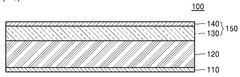
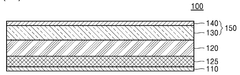
- An anode-less lithium ion battery design using a liquid electrolyte composition comprising at least 70% solvent mixture with fluorinated and non-fluorinated ether compounds and a lithium salt, which reduces dendrite growth and side reactions, enhancing cell performance and safety.


Electrolyte for anode-free lithium metal battery and anode-free lithium metal battery comprising same
PatentWO2024205200A1
Innovation
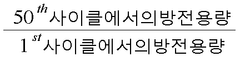
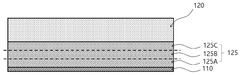
- An electrolyte containing a metal salt with a standard reduction potential lower than -1.68V, capable of forming an alloy with lithium and belonging to period 4 or higher of the periodic table, is introduced to suppress side reactions and reduce internal resistance by forming a lithium alloy with the metal cations, which precipitate on the negative electrode current collector.
Safety Standards for Advanced Battery Electrolytes
The development of safety standards for advanced battery electrolytes has become increasingly critical as anode-free battery technologies advance toward commercial deployment. Current regulatory frameworks primarily address conventional lithium-ion systems, creating significant gaps in safety protocols for next-generation electrolyte formulations used in anode-free architectures.
International standards organizations, including IEC, UL, and IEEE, are actively developing comprehensive safety guidelines specifically targeting advanced electrolyte chemistries. These emerging standards focus on thermal stability requirements, with mandatory testing protocols for electrolytes operating above 60°C and enhanced flammability assessments for novel solvent systems. The standards mandate rigorous evaluation of gas evolution characteristics during cycling and abuse conditions.
Electrochemical stability testing has become a cornerstone of new safety protocols, requiring electrolytes to demonstrate stable operation within expanded voltage windows typical of anode-free systems. Standards now specify minimum electrochemical stability windows of 4.5V versus lithium, with additional requirements for interfacial stability measurements at both cathode and current collector surfaces.
Toxicity and environmental impact assessments represent another critical component of evolving safety standards. New protocols require comprehensive evaluation of electrolyte component biodegradability, aquatic toxicity levels, and vapor exposure limits. These standards particularly emphasize the safety profile of fluorinated electrolyte additives commonly used in anode-free battery systems.
Manufacturing and handling safety standards have been updated to address the unique challenges posed by advanced electrolyte formulations. These include specific requirements for moisture control during production, enhanced personal protective equipment specifications for handling reactive electrolyte components, and updated fire suppression protocols tailored to advanced electrolyte chemistries.
Transportation and storage regulations are undergoing significant revision to accommodate the distinct safety profiles of advanced electrolytes. New classification systems account for the varying thermal and chemical stability characteristics of different electrolyte types, with updated packaging requirements and emergency response procedures for potential incidents during transport or storage operations.
International standards organizations, including IEC, UL, and IEEE, are actively developing comprehensive safety guidelines specifically targeting advanced electrolyte chemistries. These emerging standards focus on thermal stability requirements, with mandatory testing protocols for electrolytes operating above 60°C and enhanced flammability assessments for novel solvent systems. The standards mandate rigorous evaluation of gas evolution characteristics during cycling and abuse conditions.
Electrochemical stability testing has become a cornerstone of new safety protocols, requiring electrolytes to demonstrate stable operation within expanded voltage windows typical of anode-free systems. Standards now specify minimum electrochemical stability windows of 4.5V versus lithium, with additional requirements for interfacial stability measurements at both cathode and current collector surfaces.
Toxicity and environmental impact assessments represent another critical component of evolving safety standards. New protocols require comprehensive evaluation of electrolyte component biodegradability, aquatic toxicity levels, and vapor exposure limits. These standards particularly emphasize the safety profile of fluorinated electrolyte additives commonly used in anode-free battery systems.
Manufacturing and handling safety standards have been updated to address the unique challenges posed by advanced electrolyte formulations. These include specific requirements for moisture control during production, enhanced personal protective equipment specifications for handling reactive electrolyte components, and updated fire suppression protocols tailored to advanced electrolyte chemistries.
Transportation and storage regulations are undergoing significant revision to accommodate the distinct safety profiles of advanced electrolytes. New classification systems account for the varying thermal and chemical stability characteristics of different electrolyte types, with updated packaging requirements and emergency response procedures for potential incidents during transport or storage operations.
Environmental Impact of Next-Gen Battery Materials
The environmental implications of next-generation battery materials, particularly in the context of anode-free battery systems, present both significant challenges and opportunities for sustainable energy storage solutions. As the industry shifts toward more efficient electrolyte formulations to enhance anode-free battery stability, the environmental footprint of these advanced materials requires careful examination across their entire lifecycle.
Traditional lithium-ion battery production involves environmentally intensive processes, including lithium extraction from brine pools and hard rock mining, which consume substantial water resources and generate considerable carbon emissions. Next-generation electrolyte materials for anode-free systems, such as solid-state electrolytes and advanced liquid formulations with specialized additives, introduce new environmental considerations. Solid polymer electrolytes and ceramic-based materials often require high-temperature processing and specialized manufacturing techniques that may increase energy consumption during production phases.
The elimination of graphite anodes in anode-free configurations presents notable environmental benefits by reducing material requirements and simplifying battery architecture. This design approach decreases the overall material footprint per unit of energy storage capacity, potentially reducing mining demands for graphite and associated environmental disruption. However, the enhanced electrolyte formulations necessary for stable lithium plating and stripping may incorporate fluorinated compounds, ionic liquids, or specialized salts that pose unique disposal and recycling challenges.
Recycling considerations for next-generation battery materials reveal both promise and complexity. While anode-free designs reduce the variety of materials requiring recovery, the sophisticated electrolyte compositions may complicate existing recycling processes. Advanced electrolyte additives and solid-state materials often require specialized separation techniques and may not integrate seamlessly with current lithium-ion battery recycling infrastructure.
The carbon footprint analysis of next-generation battery materials demonstrates mixed environmental impacts. Manufacturing processes for advanced electrolytes may initially increase production-phase emissions, but the improved energy density and cycle life of anode-free systems can offset these impacts through enhanced operational efficiency and extended service life, ultimately reducing the environmental cost per unit of energy stored and delivered throughout the battery's operational lifetime.
Traditional lithium-ion battery production involves environmentally intensive processes, including lithium extraction from brine pools and hard rock mining, which consume substantial water resources and generate considerable carbon emissions. Next-generation electrolyte materials for anode-free systems, such as solid-state electrolytes and advanced liquid formulations with specialized additives, introduce new environmental considerations. Solid polymer electrolytes and ceramic-based materials often require high-temperature processing and specialized manufacturing techniques that may increase energy consumption during production phases.
The elimination of graphite anodes in anode-free configurations presents notable environmental benefits by reducing material requirements and simplifying battery architecture. This design approach decreases the overall material footprint per unit of energy storage capacity, potentially reducing mining demands for graphite and associated environmental disruption. However, the enhanced electrolyte formulations necessary for stable lithium plating and stripping may incorporate fluorinated compounds, ionic liquids, or specialized salts that pose unique disposal and recycling challenges.
Recycling considerations for next-generation battery materials reveal both promise and complexity. While anode-free designs reduce the variety of materials requiring recovery, the sophisticated electrolyte compositions may complicate existing recycling processes. Advanced electrolyte additives and solid-state materials often require specialized separation techniques and may not integrate seamlessly with current lithium-ion battery recycling infrastructure.
The carbon footprint analysis of next-generation battery materials demonstrates mixed environmental impacts. Manufacturing processes for advanced electrolytes may initially increase production-phase emissions, but the improved energy density and cycle life of anode-free systems can offset these impacts through enhanced operational efficiency and extended service life, ultimately reducing the environmental cost per unit of energy stored and delivered throughout the battery's operational lifetime.
Unlock deeper insights with Patsnap Eureka Quick Research — get a full tech report to explore trends and direct your research. Try now!
Generate Your Research Report Instantly with AI Agent
Supercharge your innovation with Patsnap Eureka AI Agent Platform!