

Comparing Electrorefining Vs Solvent Extraction Efficiency
MAY 21, 20269 MIN READ
Generate Your Research Report Instantly with AI Agent
Patsnap Eureka helps you evaluate technical feasibility & market potential.
Electrorefining vs Solvent Extraction Background and Objectives
Metal refining and purification technologies have undergone significant evolution throughout industrial history, with electrorefining and solvent extraction emerging as two dominant methodologies for achieving high-purity metal recovery. These processes have become cornerstone technologies in the metallurgical industry, each offering distinct advantages and addressing specific operational requirements across various metal production scenarios.
Electrorefining represents one of the earliest industrial-scale purification methods, tracing its origins to the late 19th century when copper refineries first implemented electrochemical processes. This technology leverages electrochemical principles to selectively dissolve and redeposit metals, achieving exceptional purity levels often exceeding 99.99%. The process has continuously evolved with advances in electrode materials, electrolyte chemistry, and process control systems.
Solvent extraction, alternatively known as liquid-liquid extraction, gained prominence in the mid-20th century as hydrometallurgical processes became more sophisticated. This chemical separation technique utilizes selective organic extractants to separate target metals from aqueous solutions, offering remarkable flexibility in handling complex ore compositions and enabling the processing of low-grade materials that were previously considered uneconomical.
The technological evolution of both methods reflects the industry's persistent pursuit of higher efficiency, reduced environmental impact, and improved economic viability. Modern electrorefining facilities incorporate advanced automation systems, optimized cell designs, and sophisticated electrolyte management protocols. Similarly, contemporary solvent extraction operations feature enhanced extractant chemistry, improved phase separation technologies, and integrated process optimization systems.
Current market demands emphasize sustainable metal production practices, energy efficiency optimization, and the ability to process increasingly complex ore bodies. The depletion of high-grade ore deposits has intensified the need for technologies capable of economically extracting metals from lower-grade sources while maintaining environmental compliance standards.
The primary objective of comparing these technologies centers on establishing comprehensive efficiency metrics that encompass multiple performance dimensions. Energy consumption analysis forms a critical evaluation parameter, as both processes exhibit distinct energy profiles that significantly impact operational costs and environmental footprints. Recovery rate optimization represents another fundamental objective, particularly when processing materials with varying metal concentrations and impurity profiles.
Economic efficiency assessment constitutes a paramount objective, requiring detailed analysis of capital expenditure requirements, operational costs, throughput capabilities, and long-term maintenance considerations. Environmental impact evaluation has become increasingly important, encompassing waste generation patterns, chemical consumption rates, and overall sustainability metrics.
Process flexibility and adaptability objectives focus on each technology's capability to handle diverse feedstock compositions, scale variations, and changing market requirements. This includes assessment of startup and shutdown procedures, process control complexity, and operational reliability under varying conditions.
Electrorefining represents one of the earliest industrial-scale purification methods, tracing its origins to the late 19th century when copper refineries first implemented electrochemical processes. This technology leverages electrochemical principles to selectively dissolve and redeposit metals, achieving exceptional purity levels often exceeding 99.99%. The process has continuously evolved with advances in electrode materials, electrolyte chemistry, and process control systems.
Solvent extraction, alternatively known as liquid-liquid extraction, gained prominence in the mid-20th century as hydrometallurgical processes became more sophisticated. This chemical separation technique utilizes selective organic extractants to separate target metals from aqueous solutions, offering remarkable flexibility in handling complex ore compositions and enabling the processing of low-grade materials that were previously considered uneconomical.
The technological evolution of both methods reflects the industry's persistent pursuit of higher efficiency, reduced environmental impact, and improved economic viability. Modern electrorefining facilities incorporate advanced automation systems, optimized cell designs, and sophisticated electrolyte management protocols. Similarly, contemporary solvent extraction operations feature enhanced extractant chemistry, improved phase separation technologies, and integrated process optimization systems.
Current market demands emphasize sustainable metal production practices, energy efficiency optimization, and the ability to process increasingly complex ore bodies. The depletion of high-grade ore deposits has intensified the need for technologies capable of economically extracting metals from lower-grade sources while maintaining environmental compliance standards.
The primary objective of comparing these technologies centers on establishing comprehensive efficiency metrics that encompass multiple performance dimensions. Energy consumption analysis forms a critical evaluation parameter, as both processes exhibit distinct energy profiles that significantly impact operational costs and environmental footprints. Recovery rate optimization represents another fundamental objective, particularly when processing materials with varying metal concentrations and impurity profiles.
Economic efficiency assessment constitutes a paramount objective, requiring detailed analysis of capital expenditure requirements, operational costs, throughput capabilities, and long-term maintenance considerations. Environmental impact evaluation has become increasingly important, encompassing waste generation patterns, chemical consumption rates, and overall sustainability metrics.
Process flexibility and adaptability objectives focus on each technology's capability to handle diverse feedstock compositions, scale variations, and changing market requirements. This includes assessment of startup and shutdown procedures, process control complexity, and operational reliability under varying conditions.
Market Demand for Metal Purification Technologies
The global metal purification industry is experiencing unprecedented growth driven by the increasing demand for high-purity metals across multiple sectors. Electronics manufacturing represents the largest consumer segment, requiring ultra-pure copper, silver, and precious metals for semiconductor fabrication, printed circuit boards, and advanced electronic components. The automotive industry's transition toward electric vehicles has intensified demand for refined lithium, cobalt, nickel, and rare earth elements essential for battery production and electric motor manufacturing.
Renewable energy infrastructure development has created substantial market opportunities for metal purification technologies. Solar panel manufacturing requires high-purity silicon and silver, while wind turbine production demands refined rare earth elements for permanent magnets. The aerospace and defense sectors continue to drive demand for purified titanium, aluminum alloys, and specialty metals that meet stringent quality specifications for critical applications.
Mining companies and metal producers are increasingly investing in advanced purification technologies to maximize resource recovery and meet evolving quality standards. The growing emphasis on sustainable mining practices and circular economy principles has heightened interest in efficient metal recovery from secondary sources, including electronic waste recycling and industrial byproducts. This trend has created new market segments focused on urban mining and waste-to-resource conversion processes.
Regulatory pressures regarding environmental compliance and product quality standards are reshaping market dynamics. Stricter regulations on heavy metal contamination in consumer products and industrial applications have elevated the importance of achieving consistent purification results. Industries are seeking purification technologies that can deliver superior metal quality while minimizing environmental impact and operational costs.
The pharmaceutical and medical device industries represent emerging high-value market segments requiring ultra-pure metals for implants, diagnostic equipment, and drug manufacturing. These applications demand exceptional purity levels and consistent quality control, creating opportunities for advanced purification technologies that can meet stringent regulatory requirements.
Geographic market expansion in developing economies, particularly in Asia-Pacific regions, has increased global demand for metal purification capabilities. Local manufacturing growth and infrastructure development projects are driving regional investments in purification facilities, creating opportunities for technology providers to establish market presence in these emerging markets.
Renewable energy infrastructure development has created substantial market opportunities for metal purification technologies. Solar panel manufacturing requires high-purity silicon and silver, while wind turbine production demands refined rare earth elements for permanent magnets. The aerospace and defense sectors continue to drive demand for purified titanium, aluminum alloys, and specialty metals that meet stringent quality specifications for critical applications.
Mining companies and metal producers are increasingly investing in advanced purification technologies to maximize resource recovery and meet evolving quality standards. The growing emphasis on sustainable mining practices and circular economy principles has heightened interest in efficient metal recovery from secondary sources, including electronic waste recycling and industrial byproducts. This trend has created new market segments focused on urban mining and waste-to-resource conversion processes.
Regulatory pressures regarding environmental compliance and product quality standards are reshaping market dynamics. Stricter regulations on heavy metal contamination in consumer products and industrial applications have elevated the importance of achieving consistent purification results. Industries are seeking purification technologies that can deliver superior metal quality while minimizing environmental impact and operational costs.
The pharmaceutical and medical device industries represent emerging high-value market segments requiring ultra-pure metals for implants, diagnostic equipment, and drug manufacturing. These applications demand exceptional purity levels and consistent quality control, creating opportunities for advanced purification technologies that can meet stringent regulatory requirements.
Geographic market expansion in developing economies, particularly in Asia-Pacific regions, has increased global demand for metal purification capabilities. Local manufacturing growth and infrastructure development projects are driving regional investments in purification facilities, creating opportunities for technology providers to establish market presence in these emerging markets.
Current State and Challenges in Metal Refining Processes
Metal refining processes currently face significant technological and economic challenges as industries demand higher purity standards while maintaining cost-effectiveness. The global metal refining sector operates through two primary methodologies: electrorefining and solvent extraction, each presenting distinct advantages and limitations in different operational contexts.
Electrorefining technology has achieved substantial maturity in copper, nickel, and precious metal processing, with modern facilities achieving purity levels exceeding 99.99%. However, this process encounters significant energy consumption challenges, with electrical costs representing 15-25% of total operational expenses. The technology also faces scalability limitations when processing complex ore compositions containing multiple metal species, requiring extensive pre-treatment stages that increase overall processing time and costs.
Solvent extraction processes have demonstrated superior flexibility in handling diverse feed materials and complex metal matrices. Current hydrometallurgical operations can process low-grade ores economically, making previously unviable deposits commercially attractive. Nevertheless, solvent extraction faces persistent challenges related to solvent degradation, environmental compliance, and reagent recovery efficiency. Modern facilities struggle with solvent losses ranging from 0.1-0.5 kg per ton of processed material, significantly impacting operational economics.
The integration of both technologies presents emerging opportunities but also introduces operational complexity. Hybrid processing routes combining solvent extraction for initial concentration followed by electrorefining for final purification show promising results in pilot-scale operations. However, these integrated approaches require sophisticated process control systems and present challenges in maintaining optimal conditions across different processing stages.
Environmental regulations increasingly constrain both technologies, with stricter discharge standards for electrorefining effluents and enhanced requirements for organic solvent management in extraction processes. These regulatory pressures drive innovation toward more sustainable processing methods while simultaneously increasing compliance costs and operational complexity.
Current technological gaps include limited automation capabilities in solvent extraction circuits, insufficient real-time monitoring systems for electrorefining cell performance, and inadequate predictive maintenance protocols for both processes. These limitations result in suboptimal efficiency and increased operational risks across the metal refining industry.
Electrorefining technology has achieved substantial maturity in copper, nickel, and precious metal processing, with modern facilities achieving purity levels exceeding 99.99%. However, this process encounters significant energy consumption challenges, with electrical costs representing 15-25% of total operational expenses. The technology also faces scalability limitations when processing complex ore compositions containing multiple metal species, requiring extensive pre-treatment stages that increase overall processing time and costs.
Solvent extraction processes have demonstrated superior flexibility in handling diverse feed materials and complex metal matrices. Current hydrometallurgical operations can process low-grade ores economically, making previously unviable deposits commercially attractive. Nevertheless, solvent extraction faces persistent challenges related to solvent degradation, environmental compliance, and reagent recovery efficiency. Modern facilities struggle with solvent losses ranging from 0.1-0.5 kg per ton of processed material, significantly impacting operational economics.
The integration of both technologies presents emerging opportunities but also introduces operational complexity. Hybrid processing routes combining solvent extraction for initial concentration followed by electrorefining for final purification show promising results in pilot-scale operations. However, these integrated approaches require sophisticated process control systems and present challenges in maintaining optimal conditions across different processing stages.
Environmental regulations increasingly constrain both technologies, with stricter discharge standards for electrorefining effluents and enhanced requirements for organic solvent management in extraction processes. These regulatory pressures drive innovation toward more sustainable processing methods while simultaneously increasing compliance costs and operational complexity.
Current technological gaps include limited automation capabilities in solvent extraction circuits, insufficient real-time monitoring systems for electrorefining cell performance, and inadequate predictive maintenance protocols for both processes. These limitations result in suboptimal efficiency and increased operational risks across the metal refining industry.
Existing Efficiency Comparison Solutions
01 Electrorefining process optimization and electrode design
Advanced electrode configurations and process parameters can significantly improve electrorefining efficiency. This includes optimizing current density, electrolyte composition, and electrode materials to enhance metal recovery rates and reduce energy consumption. Specialized electrode designs and cell configurations help achieve better mass transfer and uniform current distribution during the electrorefining process.- Electrorefining process optimization and electrode design: Advanced electrode configurations and process parameter optimization techniques are employed to enhance the efficiency of electrorefining operations. This includes the development of specialized electrode materials, current density optimization, and electrolyte composition adjustments to improve metal recovery rates and reduce energy consumption during the electrorefining process.
- Solvent extraction systems and extractant development: Novel solvent extraction methodologies focus on the development of highly selective extractants and optimized extraction systems. These approaches involve the use of specialized organic solvents and extractant compounds that demonstrate improved selectivity and efficiency in separating target metals from complex solutions, leading to enhanced overall process performance.
- Combined electrorefining and solvent extraction processes: Integrated processing techniques that combine electrorefining and solvent extraction methods to achieve superior metal recovery and purification efficiency. These hybrid approaches leverage the advantages of both processes to minimize waste generation, reduce processing time, and improve the overall economics of metal extraction and purification operations.
- Electrolyte and solution chemistry optimization: Advanced electrolyte formulations and solution chemistry modifications designed to enhance the performance of both electrorefining and solvent extraction processes. This includes the development of specialized electrolyte compositions, pH control systems, and additive compounds that improve metal ion mobility, reduce impurity levels, and increase overall process efficiency.
- Process monitoring and efficiency enhancement technologies: Implementation of advanced monitoring systems and process control technologies to optimize electrorefining and solvent extraction efficiency. These technologies include real-time process monitoring, automated control systems, and analytical techniques that enable precise control of operating parameters and continuous optimization of extraction and refining processes.
02 Solvent extraction systems and extractant selection
The choice of appropriate extractants and solvent systems is crucial for maximizing extraction efficiency. Different organic solvents and extractant compounds can be selected based on the target metals and their chemical properties. The optimization of phase ratios, contact time, and extraction stages helps achieve higher selectivity and recovery rates in solvent extraction processes.Expand Specific Solutions03 Combined electrorefining and solvent extraction processes
Integration of electrorefining with solvent extraction techniques creates synergistic effects that improve overall metal recovery efficiency. This combined approach allows for better purification of metals by utilizing the advantages of both processes. The sequential or simultaneous application of these methods can handle complex metal mixtures more effectively than individual processes.Expand Specific Solutions04 Electrolyte composition and additives for enhanced performance
The formulation of electrolytes with specific additives and modifiers can dramatically improve electrorefining efficiency. Various chemical additives help control grain structure, reduce impurities, and enhance current efficiency. The proper balance of electrolyte components ensures optimal metal deposition and minimizes side reactions that could reduce process efficiency.Expand Specific Solutions05 Process monitoring and control systems for efficiency optimization
Advanced monitoring and control systems enable real-time optimization of both electrorefining and solvent extraction processes. These systems track key parameters such as current efficiency, metal concentrations, and extraction ratios to maintain optimal operating conditions. Automated control mechanisms help maintain consistent performance and maximize overall process efficiency while reducing operational costs.Expand Specific Solutions
Key Players in Metal Refining Industry
The electrorefining versus solvent extraction efficiency comparison represents a mature technological landscape within the metals processing and hydrometallurgy sector. The industry is in an advanced development stage, with established market players demonstrating significant technological capabilities. Major corporations like Freeport-McMoRan, BASF SE, and China Petroleum & Chemical Corp. lead commercial applications, while research institutions including Columbia University, Beijing University of Chemical Technology, and University of Science & Technology Beijing drive innovation. The market shows substantial scale, particularly in copper refining and rare earth processing, with companies like Indian Oil Corp. and Saudi Arabian Oil Co. integrating these technologies into broader industrial operations. Technology maturity varies by application, with electrorefining being well-established in copper production while advanced solvent extraction methods continue evolving for complex metal separations and recycling applications.
Freeport-McMoRan, Inc.
Technical Solution: Freeport-McMoRan employs advanced electrorefining technology for copper production, utilizing high-current density electrorefining cells that achieve 99.99% copper purity with energy consumption of approximately 250-300 kWh per ton of cathode copper. Their Bagdad and Morenci operations integrate electrorefining with solvent extraction-electrowinning (SX-EW) processes to optimize metal recovery from low-grade ores. The company has developed proprietary electrolyte management systems that maintain optimal copper sulfate concentrations while minimizing impurity buildup, achieving production rates exceeding 400,000 tons annually across their facilities.
Strengths: Proven large-scale implementation, high purity output, integrated process optimization. Weaknesses: High energy consumption, significant capital investment requirements, limited flexibility for varying ore compositions.
Atotech Deutschland GmbH & Co. KG
Technical Solution: Atotech Deutschland focuses on electrorefining and electroplating technologies with emphasis on process efficiency and environmental sustainability. Their electrorefining systems incorporate advanced rectifier technology and automated process control to optimize current efficiency and reduce energy consumption by 15-20% compared to conventional systems. The company has developed proprietary electrolyte additives that improve deposit quality and reduce processing time. Their integrated solutions combine electrorefining with upstream solvent extraction processes for comprehensive metal recovery, particularly in electronics and automotive applications where high purity requirements are critical.
Strengths: Energy efficiency improvements, automated process control, integrated solutions approach. Weaknesses: Specialized application focus, technology complexity, maintenance requirements for advanced systems.
Core Technologies in Process Efficiency Analysis
Metal-electrowinning or -electrorefining process comprising the application of an electrical power signal formed of an alternating current superimposed on a direct current
PatentWO2015056121A1
Innovation
- Applying an alternating current superimposed on a direct current in the electrowinning and electrorefining processes, with specific frequency and amplitude ranges, and adjusting operating conditions such as temperature and additive dosages to reduce energy consumption and improve cathode quality without requiring changes in cell technology or equipment.


Method for recovering copper from copper-containing materials using direct electrowinning
PatentInactiveUS20060196313A1
Innovation
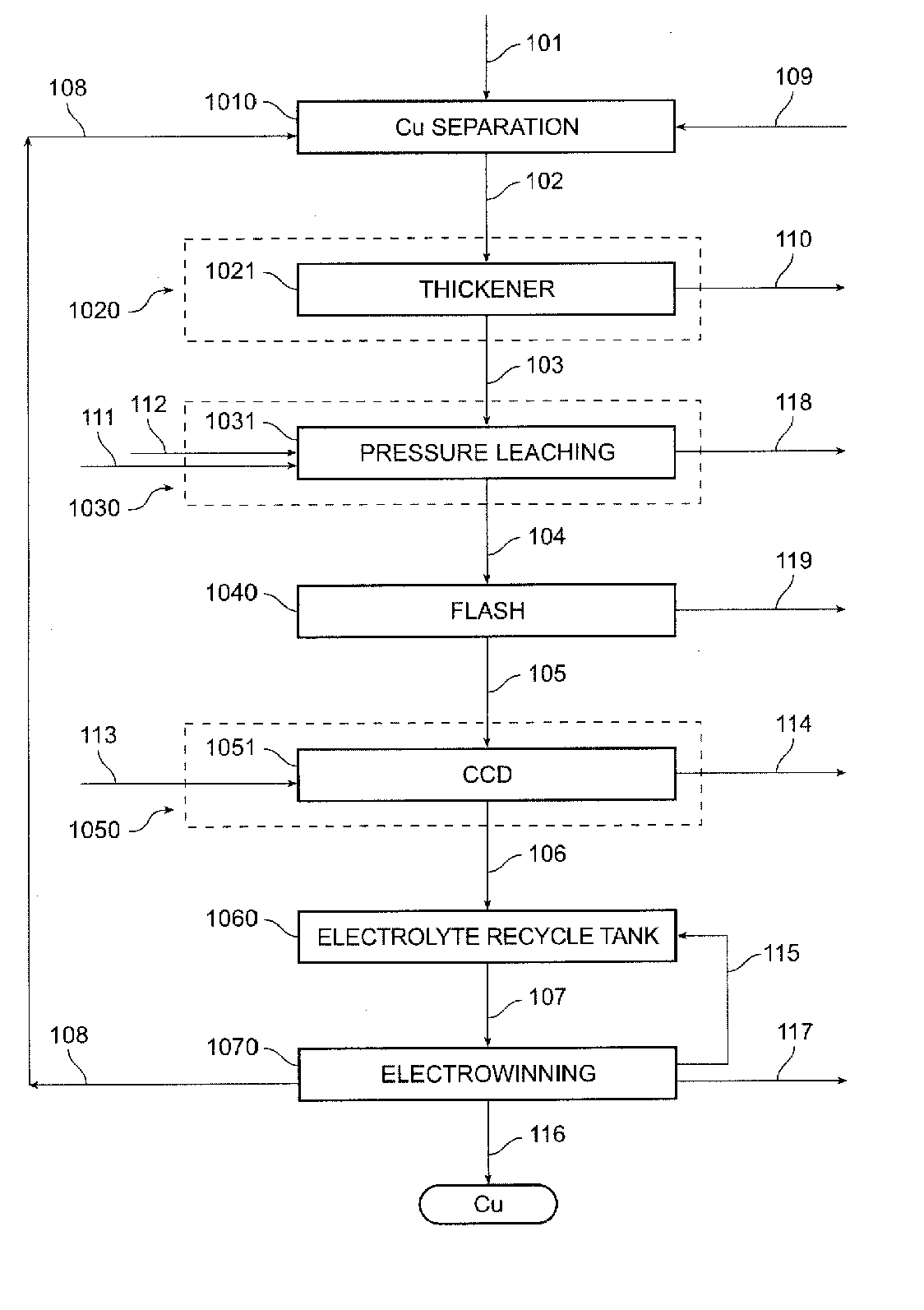
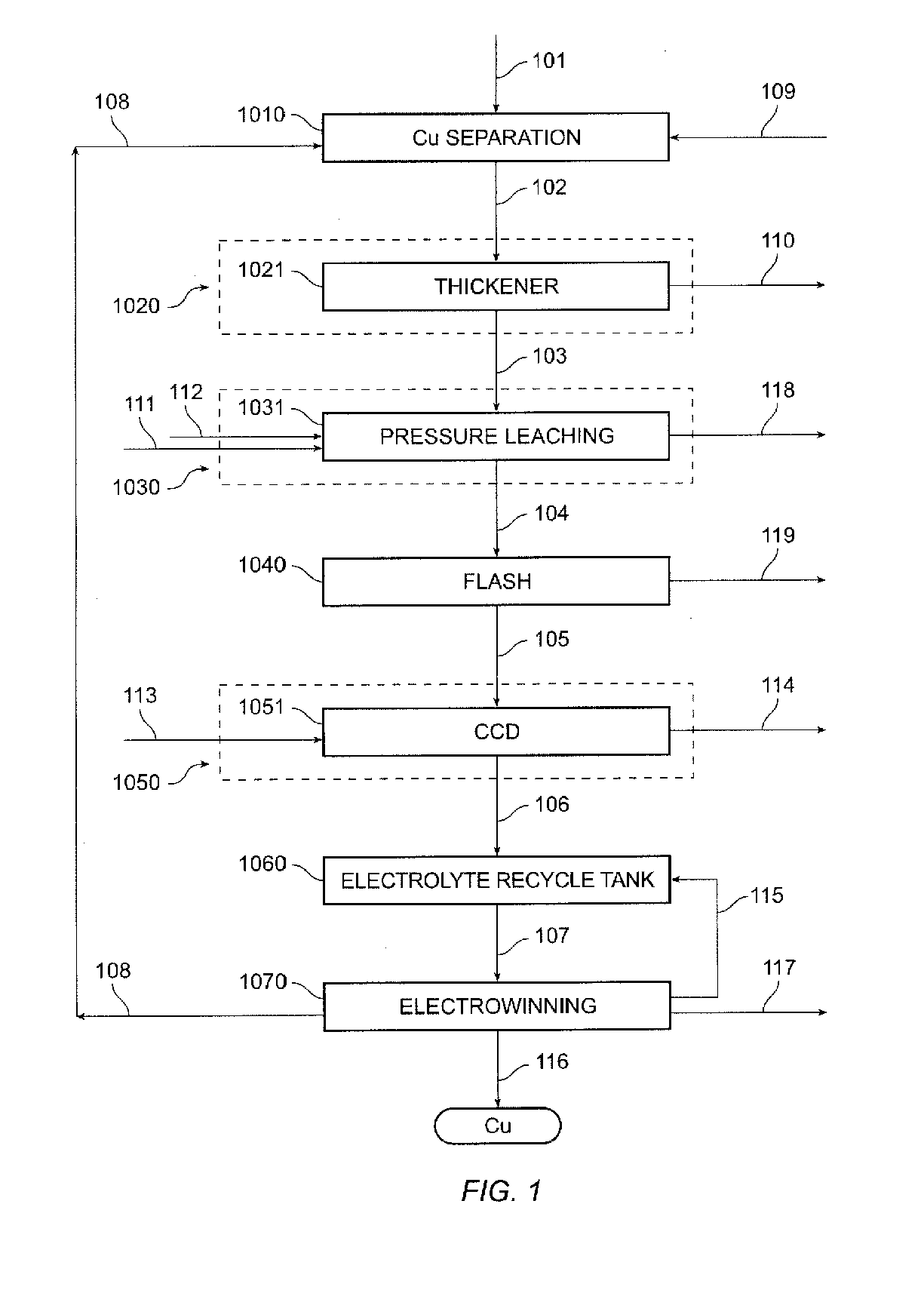
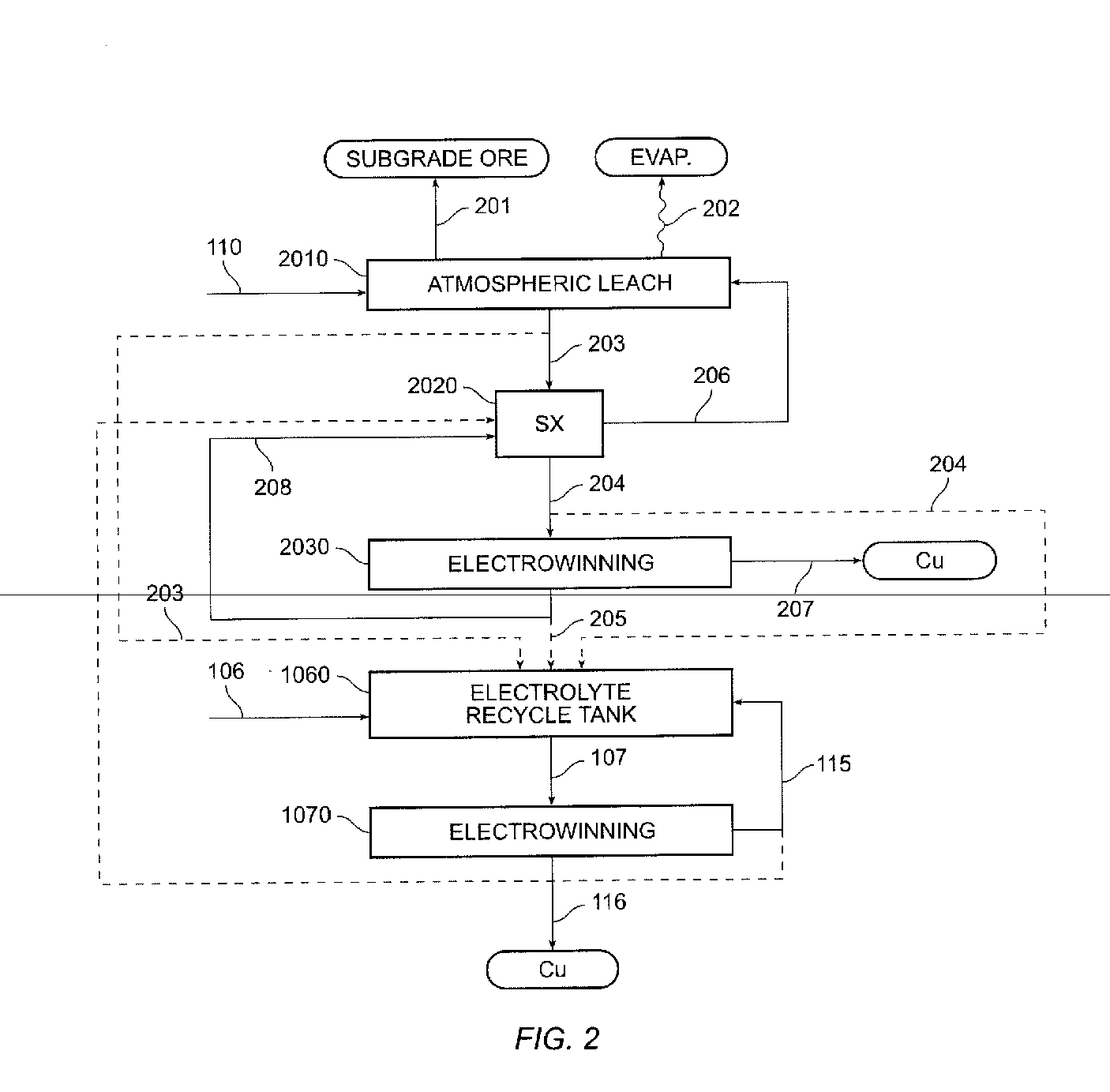
- A process that directly electrowins copper from a copper-containing solution obtained through atmospheric or pressure leaching, without solvent extraction, allowing for the separation of copper from acid and control of solution composition to produce high-quality cathode copper, thereby reducing costs and eliminating the need for specialized reagents and equipment.
Environmental Regulations for Metal Processing
Environmental regulations governing metal processing operations have become increasingly stringent worldwide, significantly impacting the choice between electrorefining and solvent extraction technologies. The regulatory landscape encompasses multiple jurisdictions with varying requirements for emissions control, waste management, and environmental protection standards.
In the United States, the Environmental Protection Agency (EPA) enforces comprehensive regulations under the Clean Air Act and Clean Water Act, establishing strict limits on sulfur dioxide emissions, particulate matter, and heavy metal discharge. The Resource Conservation and Recovery Act (RCRA) governs hazardous waste management, directly affecting both electrorefining and solvent extraction facilities. European Union regulations, particularly the Industrial Emissions Directive (IED), mandate Best Available Techniques (BAT) implementation and require continuous monitoring of environmental parameters.
Electrorefining operations face specific regulatory challenges related to electrolyte management and energy consumption reporting. The process generates acidic solutions containing dissolved metals, requiring specialized treatment systems to meet discharge standards. Regulations mandate secondary containment systems, air emission controls for acid mists, and comprehensive monitoring protocols for groundwater protection.
Solvent extraction facilities encounter distinct regulatory requirements concerning organic solvent handling and volatile organic compound (VOC) emissions. The Montreal Protocol and subsequent amendments restrict certain extraction solvents, while occupational safety regulations mandate extensive ventilation systems and worker protection measures. Solvent recovery and recycling requirements add operational complexity but align with circular economy principles.
Recent regulatory trends emphasize carbon footprint reduction and lifecycle environmental impact assessment. The European Green Deal and similar initiatives worldwide are driving stricter greenhouse gas emission limits, favoring energy-efficient processes. Additionally, emerging regulations on critical raw materials and supply chain sustainability are influencing technology selection criteria for metal processing operations.
Compliance costs vary significantly between technologies, with electrorefining typically requiring higher capital investment for environmental control systems but potentially lower ongoing monitoring expenses. Solvent extraction operations may face escalating compliance costs due to evolving organic compound regulations and increasing solvent disposal restrictions.
In the United States, the Environmental Protection Agency (EPA) enforces comprehensive regulations under the Clean Air Act and Clean Water Act, establishing strict limits on sulfur dioxide emissions, particulate matter, and heavy metal discharge. The Resource Conservation and Recovery Act (RCRA) governs hazardous waste management, directly affecting both electrorefining and solvent extraction facilities. European Union regulations, particularly the Industrial Emissions Directive (IED), mandate Best Available Techniques (BAT) implementation and require continuous monitoring of environmental parameters.
Electrorefining operations face specific regulatory challenges related to electrolyte management and energy consumption reporting. The process generates acidic solutions containing dissolved metals, requiring specialized treatment systems to meet discharge standards. Regulations mandate secondary containment systems, air emission controls for acid mists, and comprehensive monitoring protocols for groundwater protection.
Solvent extraction facilities encounter distinct regulatory requirements concerning organic solvent handling and volatile organic compound (VOC) emissions. The Montreal Protocol and subsequent amendments restrict certain extraction solvents, while occupational safety regulations mandate extensive ventilation systems and worker protection measures. Solvent recovery and recycling requirements add operational complexity but align with circular economy principles.
Recent regulatory trends emphasize carbon footprint reduction and lifecycle environmental impact assessment. The European Green Deal and similar initiatives worldwide are driving stricter greenhouse gas emission limits, favoring energy-efficient processes. Additionally, emerging regulations on critical raw materials and supply chain sustainability are influencing technology selection criteria for metal processing operations.
Compliance costs vary significantly between technologies, with electrorefining typically requiring higher capital investment for environmental control systems but potentially lower ongoing monitoring expenses. Solvent extraction operations may face escalating compliance costs due to evolving organic compound regulations and increasing solvent disposal restrictions.
Economic Feasibility Assessment Framework
The economic feasibility assessment framework for comparing electrorefining versus solvent extraction efficiency requires a comprehensive multi-dimensional evaluation approach that considers both direct and indirect cost factors. This framework establishes standardized metrics and methodologies to enable objective comparison between these two metal recovery technologies across different operational scales and market conditions.
Capital expenditure analysis forms the foundation of this assessment framework, encompassing equipment costs, facility construction, and infrastructure requirements. Electrorefining systems typically demand substantial initial investments in specialized electrochemical equipment, power supply systems, and controlled atmosphere facilities. Solvent extraction operations require different capital allocations, focusing on mixing-settling equipment, solvent recovery systems, and chemical handling infrastructure. The framework incorporates depreciation schedules, financing costs, and technology-specific risk premiums to provide accurate capital cost comparisons.
Operating expenditure evaluation constitutes the second critical component, addressing energy consumption patterns, consumable materials, labor requirements, and maintenance costs. Electrorefining processes exhibit high electricity consumption but lower chemical reagent costs, while solvent extraction demonstrates inverse characteristics with significant solvent and chemical expenses but reduced energy requirements. The framework standardizes these cost calculations using industry-accepted accounting principles and regional cost variations.
Revenue optimization analysis examines product quality differentials, recovery rates, and market premium opportunities. Electrorefining typically produces higher purity metals commanding premium prices, whereas solvent extraction offers superior selectivity for complex ore compositions. The framework quantifies these quality-price relationships and incorporates market volatility factors to assess long-term revenue sustainability.
Risk assessment integration addresses technology-specific uncertainties, including regulatory compliance costs, environmental liability exposure, and operational reliability factors. The framework employs Monte Carlo simulation techniques to model various scenarios and their probability distributions, enabling robust decision-making under uncertainty conditions.
Return on investment calculations synthesize all cost and revenue components using discounted cash flow methodologies, sensitivity analysis, and break-even assessments. This comprehensive approach ensures stakeholders can make informed technology selection decisions based on quantifiable economic criteria rather than purely technical considerations.
Capital expenditure analysis forms the foundation of this assessment framework, encompassing equipment costs, facility construction, and infrastructure requirements. Electrorefining systems typically demand substantial initial investments in specialized electrochemical equipment, power supply systems, and controlled atmosphere facilities. Solvent extraction operations require different capital allocations, focusing on mixing-settling equipment, solvent recovery systems, and chemical handling infrastructure. The framework incorporates depreciation schedules, financing costs, and technology-specific risk premiums to provide accurate capital cost comparisons.
Operating expenditure evaluation constitutes the second critical component, addressing energy consumption patterns, consumable materials, labor requirements, and maintenance costs. Electrorefining processes exhibit high electricity consumption but lower chemical reagent costs, while solvent extraction demonstrates inverse characteristics with significant solvent and chemical expenses but reduced energy requirements. The framework standardizes these cost calculations using industry-accepted accounting principles and regional cost variations.
Revenue optimization analysis examines product quality differentials, recovery rates, and market premium opportunities. Electrorefining typically produces higher purity metals commanding premium prices, whereas solvent extraction offers superior selectivity for complex ore compositions. The framework quantifies these quality-price relationships and incorporates market volatility factors to assess long-term revenue sustainability.
Risk assessment integration addresses technology-specific uncertainties, including regulatory compliance costs, environmental liability exposure, and operational reliability factors. The framework employs Monte Carlo simulation techniques to model various scenarios and their probability distributions, enabling robust decision-making under uncertainty conditions.
Return on investment calculations synthesize all cost and revenue components using discounted cash flow methodologies, sensitivity analysis, and break-even assessments. This comprehensive approach ensures stakeholders can make informed technology selection decisions based on quantifiable economic criteria rather than purely technical considerations.
Unlock deeper insights with Patsnap Eureka Quick Research — get a full tech report to explore trends and direct your research. Try now!
Generate Your Research Report Instantly with AI Agent
Supercharge your innovation with Patsnap Eureka AI Agent Platform!