

Comparing Emission Reduction Techniques for Incomplete Combustion
JUN 8, 20269 MIN READ
Generate Your Research Report Instantly with AI Agent
PatSnap Eureka helps you evaluate technical feasibility & market potential.
Combustion Emission Control Background and Objectives
Incomplete combustion represents a persistent challenge in industrial processes, power generation, and transportation sectors, where insufficient oxygen supply or suboptimal operating conditions prevent complete fuel oxidation. This phenomenon results in the formation of harmful pollutants including carbon monoxide, unburned hydrocarbons, particulate matter, and various nitrogen compounds that pose significant environmental and health risks.
The historical evolution of combustion emission control began in the 1950s with basic mechanical separation techniques, progressing through the implementation of catalytic converters in the 1970s, and advancing to sophisticated multi-stage treatment systems in recent decades. Early approaches focused primarily on end-of-pipe solutions, while modern strategies emphasize integrated combustion optimization and real-time emission monitoring.
Current regulatory frameworks worldwide have established increasingly stringent emission standards, driving technological innovation in combustion systems. The European Union's Industrial Emissions Directive, the United States Clean Air Act, and similar regulations in Asia-Pacific regions mandate substantial reductions in pollutant emissions, creating urgent demand for effective emission control technologies.
The primary technical objectives center on achieving maximum pollutant conversion efficiency while maintaining energy performance and economic viability. Key targets include reducing carbon monoxide emissions by 90-95%, minimizing unburned hydrocarbon concentrations below 50 ppm, and controlling particulate matter formation to meet PM2.5 standards.
Advanced emission reduction techniques now encompass multiple approaches including combustion parameter optimization, fuel staging, selective catalytic reduction, thermal oxidation, and hybrid treatment systems. These technologies must address varying fuel compositions, fluctuating operating conditions, and diverse industrial applications while ensuring long-term reliability and cost-effectiveness.
The integration of digital monitoring systems and artificial intelligence has emerged as a critical objective, enabling predictive maintenance, real-time optimization, and adaptive control strategies. This technological convergence aims to achieve consistent emission performance across varying operational scenarios while minimizing energy consumption and operational costs.
The historical evolution of combustion emission control began in the 1950s with basic mechanical separation techniques, progressing through the implementation of catalytic converters in the 1970s, and advancing to sophisticated multi-stage treatment systems in recent decades. Early approaches focused primarily on end-of-pipe solutions, while modern strategies emphasize integrated combustion optimization and real-time emission monitoring.
Current regulatory frameworks worldwide have established increasingly stringent emission standards, driving technological innovation in combustion systems. The European Union's Industrial Emissions Directive, the United States Clean Air Act, and similar regulations in Asia-Pacific regions mandate substantial reductions in pollutant emissions, creating urgent demand for effective emission control technologies.
The primary technical objectives center on achieving maximum pollutant conversion efficiency while maintaining energy performance and economic viability. Key targets include reducing carbon monoxide emissions by 90-95%, minimizing unburned hydrocarbon concentrations below 50 ppm, and controlling particulate matter formation to meet PM2.5 standards.
Advanced emission reduction techniques now encompass multiple approaches including combustion parameter optimization, fuel staging, selective catalytic reduction, thermal oxidation, and hybrid treatment systems. These technologies must address varying fuel compositions, fluctuating operating conditions, and diverse industrial applications while ensuring long-term reliability and cost-effectiveness.
The integration of digital monitoring systems and artificial intelligence has emerged as a critical objective, enabling predictive maintenance, real-time optimization, and adaptive control strategies. This technological convergence aims to achieve consistent emission performance across varying operational scenarios while minimizing energy consumption and operational costs.
Market Demand for Clean Combustion Technologies
The global market for clean combustion technologies has experienced substantial growth driven by increasingly stringent environmental regulations and rising awareness of air quality impacts. Industrial sectors including power generation, manufacturing, and transportation face mounting pressure to reduce emissions from incomplete combustion processes, creating significant demand for advanced emission reduction solutions.
Regulatory frameworks worldwide have established progressively tighter emission standards for nitrogen oxides, carbon monoxide, particulate matter, and unburned hydrocarbons. The European Union's Industrial Emissions Directive, China's Ultra-Low Emission standards, and similar regulations in North America have mandated substantial reductions in combustion-related pollutants. These regulatory drivers have created a compelling business case for adopting advanced emission control technologies across multiple industries.
The power generation sector represents the largest market segment for clean combustion technologies, with coal-fired and natural gas plants requiring sophisticated solutions to meet emission limits while maintaining operational efficiency. Industrial boilers, furnaces, and process heaters constitute another significant market segment, particularly in steel, cement, petrochemical, and refining industries where incomplete combustion issues are prevalent.
Market demand is increasingly focused on integrated solutions that address multiple emission reduction challenges simultaneously. End users seek technologies that can effectively reduce nitrogen oxide formation, minimize carbon monoxide emissions, control particulate matter, and improve overall combustion efficiency. This has driven development of comprehensive emission reduction systems combining multiple techniques such as staged combustion, selective catalytic reduction, and advanced burner designs.
The automotive and transportation sectors have generated substantial demand for clean combustion technologies, particularly for heavy-duty vehicles and marine applications where incomplete combustion remains a significant challenge. Fleet operators and manufacturers are actively seeking solutions that can meet upcoming emission standards while maintaining fuel efficiency and operational reliability.
Emerging markets in Asia-Pacific and Latin America represent high-growth opportunities as industrialization accelerates and environmental regulations become more stringent. These regions show increasing adoption of clean combustion technologies driven by both regulatory compliance requirements and corporate sustainability commitments.
The market demonstrates strong preference for proven, reliable technologies with demonstrated performance records and established supplier support networks. End users prioritize solutions offering favorable return on investment through reduced fuel consumption, lower maintenance requirements, and avoided regulatory penalties.
Regulatory frameworks worldwide have established progressively tighter emission standards for nitrogen oxides, carbon monoxide, particulate matter, and unburned hydrocarbons. The European Union's Industrial Emissions Directive, China's Ultra-Low Emission standards, and similar regulations in North America have mandated substantial reductions in combustion-related pollutants. These regulatory drivers have created a compelling business case for adopting advanced emission control technologies across multiple industries.
The power generation sector represents the largest market segment for clean combustion technologies, with coal-fired and natural gas plants requiring sophisticated solutions to meet emission limits while maintaining operational efficiency. Industrial boilers, furnaces, and process heaters constitute another significant market segment, particularly in steel, cement, petrochemical, and refining industries where incomplete combustion issues are prevalent.
Market demand is increasingly focused on integrated solutions that address multiple emission reduction challenges simultaneously. End users seek technologies that can effectively reduce nitrogen oxide formation, minimize carbon monoxide emissions, control particulate matter, and improve overall combustion efficiency. This has driven development of comprehensive emission reduction systems combining multiple techniques such as staged combustion, selective catalytic reduction, and advanced burner designs.
The automotive and transportation sectors have generated substantial demand for clean combustion technologies, particularly for heavy-duty vehicles and marine applications where incomplete combustion remains a significant challenge. Fleet operators and manufacturers are actively seeking solutions that can meet upcoming emission standards while maintaining fuel efficiency and operational reliability.
Emerging markets in Asia-Pacific and Latin America represent high-growth opportunities as industrialization accelerates and environmental regulations become more stringent. These regions show increasing adoption of clean combustion technologies driven by both regulatory compliance requirements and corporate sustainability commitments.
The market demonstrates strong preference for proven, reliable technologies with demonstrated performance records and established supplier support networks. End users prioritize solutions offering favorable return on investment through reduced fuel consumption, lower maintenance requirements, and avoided regulatory penalties.
Current State of Incomplete Combustion Emission Issues
Incomplete combustion represents a persistent challenge across multiple industrial sectors, generating significant environmental and health concerns through the release of harmful pollutants. This phenomenon occurs when insufficient oxygen is available during the combustion process, or when mixing between fuel and oxidizer is inadequate, resulting in the formation of carbon monoxide, unburned hydrocarbons, particulate matter, and other toxic compounds instead of complete oxidation to carbon dioxide and water.
The power generation industry faces substantial incomplete combustion issues, particularly in coal-fired power plants where complex fuel compositions and varying operational conditions contribute to emission challenges. These facilities frequently struggle with nitrogen oxides formation, particulate emissions, and unburned carbon in fly ash, directly impacting air quality in surrounding communities and contributing to regional smog formation.
Transportation sectors continue to grapple with incomplete combustion emissions from internal combustion engines, especially during cold starts, idling conditions, and high-load operations. Diesel engines present particular challenges with particulate matter and nitrogen oxide emissions, while gasoline engines contribute significantly to carbon monoxide and volatile organic compound releases in urban environments.
Industrial manufacturing processes, including cement production, steel manufacturing, and chemical processing, generate substantial incomplete combustion emissions through various thermal processes. These industries often operate large-scale furnaces and kilns where maintaining optimal combustion conditions across varying load demands proves technically challenging and economically constraining.
Residential and commercial heating systems represent another significant source, particularly in developing regions where traditional biomass burning and inefficient heating appliances contribute disproportionately to local air pollution. Wood-burning stoves, coal heating systems, and older natural gas appliances frequently operate under suboptimal conditions, generating elevated levels of particulate matter and toxic gases.
Current regulatory frameworks worldwide are tightening emission standards, creating increasing pressure on industries to address incomplete combustion issues. The European Union's Industrial Emissions Directive, the United States Clean Air Act amendments, and emerging regulations in Asia-Pacific regions are driving technological innovation and implementation of advanced emission control systems.
The economic implications of incomplete combustion extend beyond regulatory compliance costs, encompassing fuel efficiency losses, equipment maintenance expenses, and potential health-related liabilities. Industries are increasingly recognizing that addressing incomplete combustion not only meets environmental obligations but also improves operational efficiency and reduces long-term operational costs through enhanced fuel utilization and reduced equipment degradation.
The power generation industry faces substantial incomplete combustion issues, particularly in coal-fired power plants where complex fuel compositions and varying operational conditions contribute to emission challenges. These facilities frequently struggle with nitrogen oxides formation, particulate emissions, and unburned carbon in fly ash, directly impacting air quality in surrounding communities and contributing to regional smog formation.
Transportation sectors continue to grapple with incomplete combustion emissions from internal combustion engines, especially during cold starts, idling conditions, and high-load operations. Diesel engines present particular challenges with particulate matter and nitrogen oxide emissions, while gasoline engines contribute significantly to carbon monoxide and volatile organic compound releases in urban environments.
Industrial manufacturing processes, including cement production, steel manufacturing, and chemical processing, generate substantial incomplete combustion emissions through various thermal processes. These industries often operate large-scale furnaces and kilns where maintaining optimal combustion conditions across varying load demands proves technically challenging and economically constraining.
Residential and commercial heating systems represent another significant source, particularly in developing regions where traditional biomass burning and inefficient heating appliances contribute disproportionately to local air pollution. Wood-burning stoves, coal heating systems, and older natural gas appliances frequently operate under suboptimal conditions, generating elevated levels of particulate matter and toxic gases.
Current regulatory frameworks worldwide are tightening emission standards, creating increasing pressure on industries to address incomplete combustion issues. The European Union's Industrial Emissions Directive, the United States Clean Air Act amendments, and emerging regulations in Asia-Pacific regions are driving technological innovation and implementation of advanced emission control systems.
The economic implications of incomplete combustion extend beyond regulatory compliance costs, encompassing fuel efficiency losses, equipment maintenance expenses, and potential health-related liabilities. Industries are increasingly recognizing that addressing incomplete combustion not only meets environmental obligations but also improves operational efficiency and reduces long-term operational costs through enhanced fuel utilization and reduced equipment degradation.
Existing Emission Reduction Solutions Comparison
01 Catalytic emission reduction systems
Advanced catalytic systems are employed to reduce harmful emissions through chemical conversion processes. These systems utilize various catalyst materials and configurations to convert pollutants into less harmful substances. The technology focuses on optimizing catalyst composition, surface area, and reaction conditions to maximize emission reduction efficiency across different operating temperatures and conditions.- Catalytic emission reduction systems: Advanced catalytic systems are employed to reduce harmful emissions through chemical conversion processes. These systems utilize various catalyst materials and configurations to convert pollutants into less harmful substances. The technology focuses on optimizing catalyst composition, surface area, and reaction conditions to maximize emission reduction efficiency across different operating temperatures and conditions.
- Exhaust gas treatment and filtration: Comprehensive exhaust gas treatment systems incorporate multiple filtration and purification stages to remove particulates and gaseous pollutants. These systems combine physical filtration, chemical absorption, and thermal treatment methods to achieve significant emission reductions. The approach includes optimized flow dynamics and multi-stage processing to handle various types of emissions effectively.
- Combustion optimization and control: Advanced combustion control technologies focus on optimizing fuel-air mixing, ignition timing, and combustion chamber design to minimize emission formation at the source. These methods include precise fuel injection systems, advanced ignition control, and real-time monitoring to maintain optimal combustion conditions that inherently produce fewer pollutants.
- Alternative fuel and energy systems: Implementation of alternative fuel technologies and hybrid energy systems to reduce overall emissions through cleaner energy sources. These approaches include the development and integration of renewable energy sources, alternative fuel formulations, and energy recovery systems that minimize environmental impact while maintaining operational efficiency.
- Monitoring and control systems: Sophisticated monitoring and automated control systems that continuously track emission levels and adjust operational parameters in real-time to maintain optimal emission reduction performance. These systems incorporate sensors, data analytics, and feedback control mechanisms to ensure consistent compliance with emission standards and maximize reduction efficiency.
02 Exhaust gas treatment and filtration
Comprehensive exhaust gas treatment systems incorporate multiple filtration and purification stages to remove particulates and gaseous pollutants. These systems combine physical filtration, chemical absorption, and thermal treatment methods to achieve significant emission reductions. The approach includes optimized flow dynamics and multi-stage processing to handle various types of emissions effectively.Expand Specific Solutions03 Combustion optimization and control
Advanced combustion control technologies focus on optimizing fuel-air mixing, ignition timing, and combustion chamber design to minimize emission formation at the source. These techniques employ sophisticated monitoring and control systems to maintain optimal combustion conditions, reducing the production of nitrogen oxides, carbon monoxide, and particulate matter during the combustion process.Expand Specific Solutions04 Selective reduction and injection systems
Selective reduction technologies utilize targeted injection of reducing agents to convert specific pollutants into harmless compounds. These systems employ precise dosing and injection strategies, often incorporating urea or ammonia-based solutions, to achieve selective reduction of nitrogen oxides and other targeted emissions while maintaining system efficiency and minimizing secondary pollutant formation.Expand Specific Solutions05 Integrated emission monitoring and feedback control
Comprehensive emission monitoring systems provide real-time feedback for dynamic control of emission reduction processes. These integrated systems combine advanced sensors, data analytics, and automated control mechanisms to continuously optimize emission reduction performance. The technology enables adaptive responses to varying operating conditions and ensures consistent compliance with emission standards.Expand Specific Solutions
Key Players in Combustion Emission Control Industry
The emission reduction techniques for incomplete combustion market represents a mature technological landscape driven by stringent environmental regulations and automotive industry transformation. The sector is experiencing significant growth as companies transition toward cleaner combustion technologies and alternative fuel systems. Major automotive manufacturers including Toyota Motor Corp., Ford Global Technologies LLC, Hyundai Motor Co., AUDI AG, Renault SA, and Volkswagen AG are leading innovation in engine optimization and emission control systems. Technology suppliers like Robert Bosch GmbH and specialized firms such as MWI Micro Wave Ignition AG are developing advanced ignition and combustion enhancement solutions. Industrial players including Caterpillar Inc., MAN Truck & Bus SE, and energy companies like Shell Oil Co. and TotalEnergies OneTech SAS are implementing comprehensive emission reduction strategies across heavy-duty applications, while research institutions like Tianjin University and Central South University contribute fundamental research advancing next-generation clean combustion technologies.
Robert Bosch GmbH
Technical Solution: Bosch has developed advanced engine management systems incorporating selective catalytic reduction (SCR) technology and exhaust gas recirculation (EGR) systems to reduce incomplete combustion emissions. Their approach combines precise fuel injection timing, optimized air-fuel mixture control, and advanced sensor technologies to minimize unburned hydrocarbons and carbon monoxide emissions. The company's DeNOx systems utilize urea injection and sophisticated catalyst materials to convert harmful nitrogen oxides into harmless nitrogen and water vapor, achieving up to 95% NOx reduction efficiency in diesel engines.
Strengths: Market-leading sensor technology and precise control systems, extensive automotive industry partnerships. Weaknesses: High system complexity and cost, dependency on consumables like urea for SCR systems.
Toyota Motor Corp.
Technical Solution: Toyota employs a multi-faceted approach combining lean-burn combustion technology with advanced three-way catalytic converters and hybrid powertrain systems. Their Atkinson cycle engines operate at optimized compression ratios to ensure more complete fuel combustion, while their Toyota Hybrid System (THS) reduces engine load during low-efficiency operating conditions. The company has also developed advanced particulate filters and oxidation catalysts that can reduce particulate matter emissions by over 90% and significantly decrease hydrocarbon and carbon monoxide levels from incomplete combustion.
Strengths: Proven hybrid technology leadership, comprehensive emission control integration across vehicle platforms. Weaknesses: Higher initial vehicle costs, limited effectiveness in cold-start conditions where incomplete combustion is most problematic.
Core Technologies for Incomplete Combustion Control
Low-pollution combustion method using individual co and NOX control method
PatentWO2014061943A1
Innovation
- A low-emission combustion method involving a three-stage combustion process with premixed fuel and auxiliary gases, where the equivalence ratio is controlled between 1.0 and 2.0, and temperatures in the secondary combustion zone are maintained between 600°C and 800°C to suppress NOx generation and ensure complete combustion of unburned components.


NOx reduction compositions for use in FCC processes
PatentInactiveUS7030055B2
Innovation
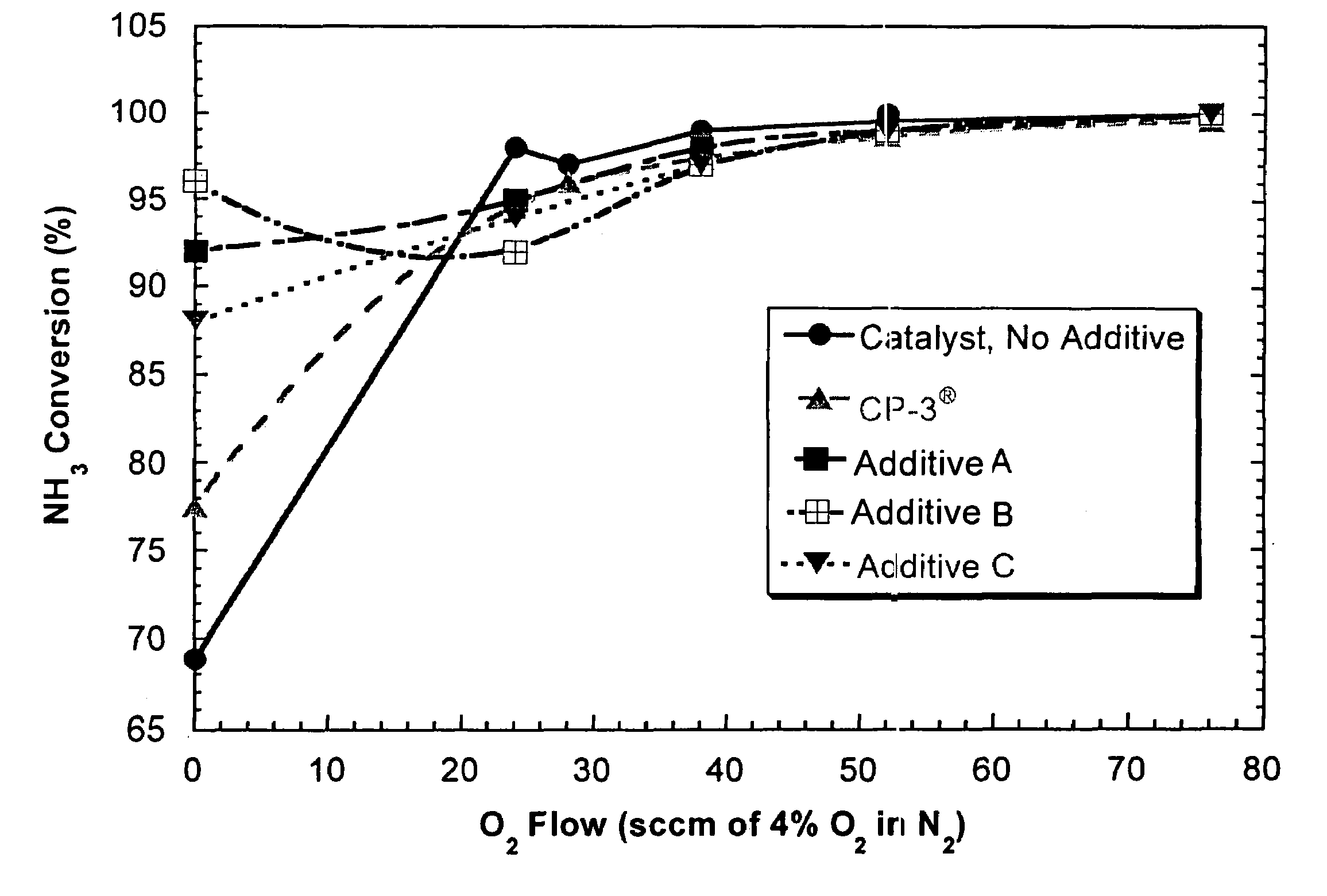
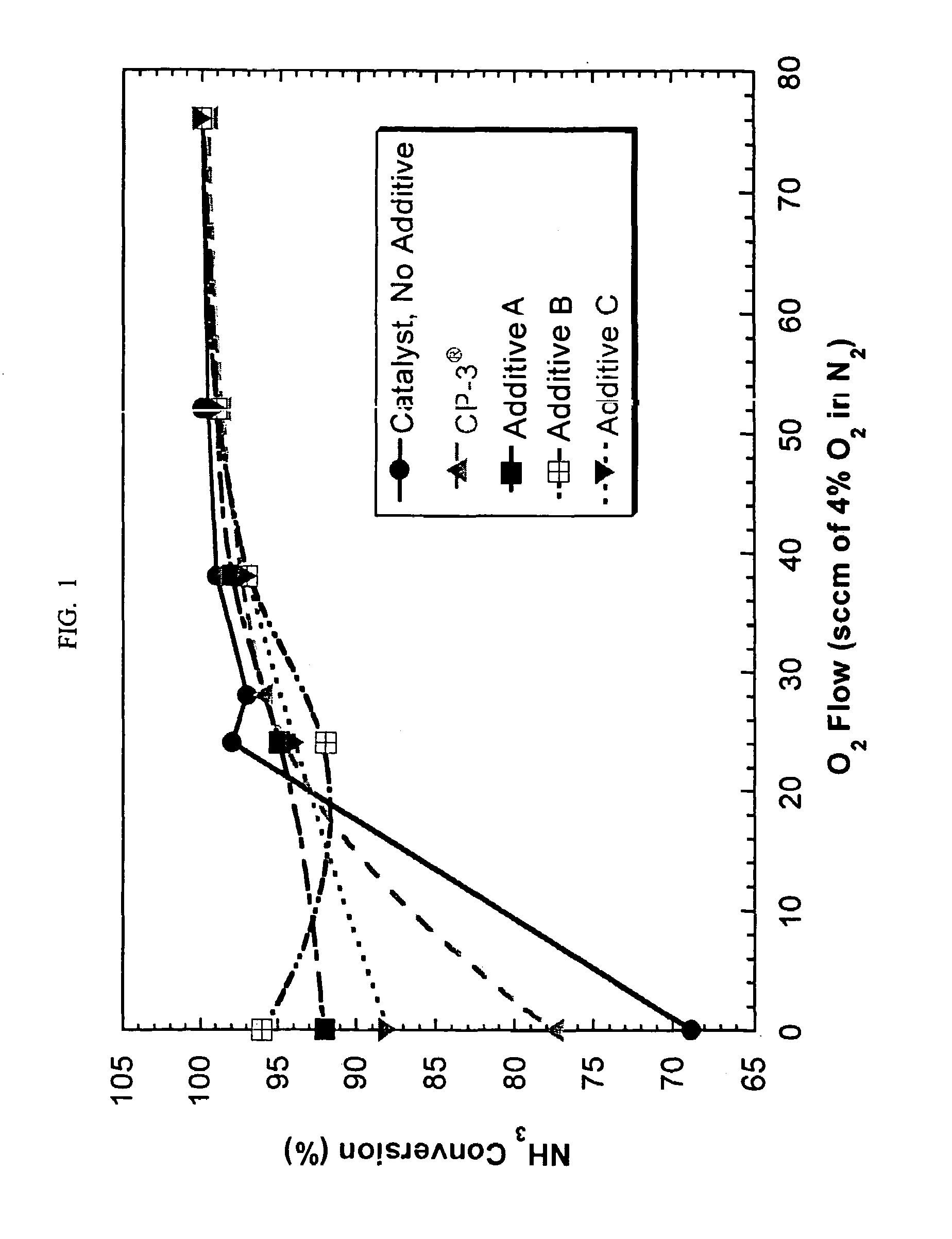
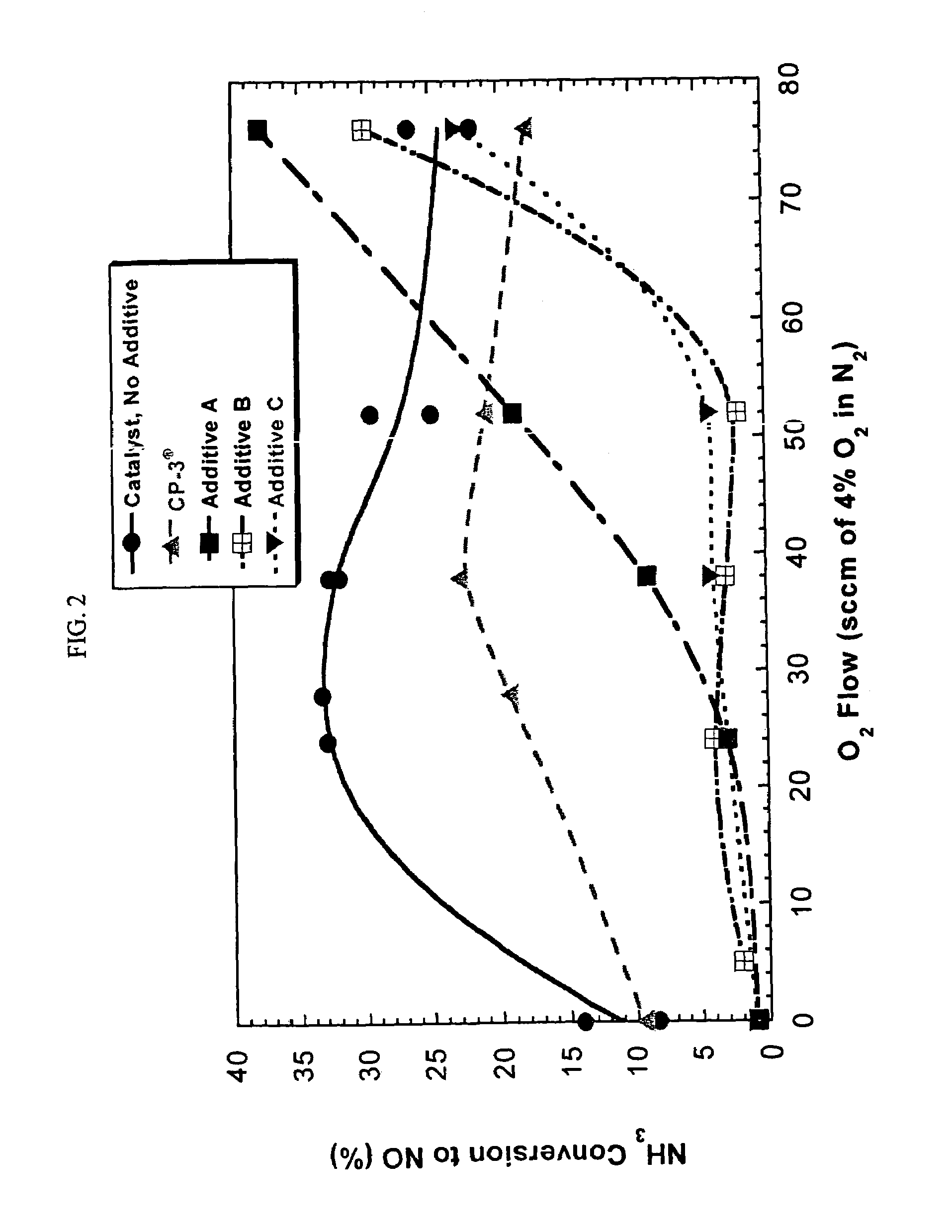
- A particulate composition comprising an acidic metal oxide, an alkali or alkaline earth metal, an oxygen storage component, and a noble metal, such as platinum or rhodium, is circulated with the catalyst inventory to oxidize gas phase reduced nitrogen species to molecular nitrogen, reducing NOx emissions by catalyzing reactions with reductants like CO and hydrocarbons.

Environmental Regulations for Emission Standards
Environmental regulations for emission standards have evolved significantly over the past decades, driven by growing awareness of air quality impacts and climate change concerns. The regulatory landscape for incomplete combustion emissions encompasses multiple jurisdictions, each establishing specific limits for pollutants such as carbon monoxide, unburned hydrocarbons, particulate matter, and nitrogen oxides. These standards directly influence the development and implementation of emission reduction techniques across various industries.
The United States Environmental Protection Agency (EPA) has established comprehensive emission standards under the Clean Air Act, including National Ambient Air Quality Standards (NAAQS) and New Source Performance Standards (NSPS). These regulations set specific limits for stationary sources and mobile sources, with particular attention to incomplete combustion byproducts. The EPA's Tier 4 standards for non-road diesel engines and the latest automotive emission standards represent some of the most stringent requirements globally.
European Union regulations, particularly the Industrial Emissions Directive (IED) and the Euro emission standards for vehicles, have set equally rigorous benchmarks. The EU's approach emphasizes Best Available Techniques (BAT) reference documents, which provide detailed guidance on emission reduction methods for specific industrial sectors. These regulations often serve as global benchmarks, influencing standards development in other regions.
China's increasingly stringent emission standards, including the National VI vehicle emission standards and ultra-low emission requirements for power plants, reflect the country's commitment to air quality improvement. The Chinese standards often incorporate lessons learned from European and American regulatory frameworks while addressing specific regional challenges related to incomplete combustion emissions.
Regulatory compliance requirements vary significantly across different combustion applications. Power generation facilities face different standards compared to industrial boilers, internal combustion engines, or waste incineration systems. These sector-specific regulations drive the selection and optimization of emission reduction techniques, influencing technology development priorities and market adoption patterns.
The regulatory trend toward more stringent emission limits continues to accelerate, with many jurisdictions implementing phased reductions over time. This progressive tightening of standards creates ongoing pressure for technological innovation and drives investment in advanced emission control technologies. Future regulatory developments are expected to address emerging pollutants and incorporate real-world emission performance requirements, further shaping the landscape for incomplete combustion emission reduction techniques.
The United States Environmental Protection Agency (EPA) has established comprehensive emission standards under the Clean Air Act, including National Ambient Air Quality Standards (NAAQS) and New Source Performance Standards (NSPS). These regulations set specific limits for stationary sources and mobile sources, with particular attention to incomplete combustion byproducts. The EPA's Tier 4 standards for non-road diesel engines and the latest automotive emission standards represent some of the most stringent requirements globally.
European Union regulations, particularly the Industrial Emissions Directive (IED) and the Euro emission standards for vehicles, have set equally rigorous benchmarks. The EU's approach emphasizes Best Available Techniques (BAT) reference documents, which provide detailed guidance on emission reduction methods for specific industrial sectors. These regulations often serve as global benchmarks, influencing standards development in other regions.
China's increasingly stringent emission standards, including the National VI vehicle emission standards and ultra-low emission requirements for power plants, reflect the country's commitment to air quality improvement. The Chinese standards often incorporate lessons learned from European and American regulatory frameworks while addressing specific regional challenges related to incomplete combustion emissions.
Regulatory compliance requirements vary significantly across different combustion applications. Power generation facilities face different standards compared to industrial boilers, internal combustion engines, or waste incineration systems. These sector-specific regulations drive the selection and optimization of emission reduction techniques, influencing technology development priorities and market adoption patterns.
The regulatory trend toward more stringent emission limits continues to accelerate, with many jurisdictions implementing phased reductions over time. This progressive tightening of standards creates ongoing pressure for technological innovation and drives investment in advanced emission control technologies. Future regulatory developments are expected to address emerging pollutants and incorporate real-world emission performance requirements, further shaping the landscape for incomplete combustion emission reduction techniques.
Economic Analysis of Emission Reduction Implementation
The economic viability of emission reduction techniques for incomplete combustion varies significantly across different implementation scales and industrial contexts. Initial capital expenditure represents the most substantial financial barrier, with advanced catalytic oxidation systems requiring investments ranging from $500,000 to $2 million for medium-scale industrial applications. Thermal oxidizers typically demand lower upfront costs but consume considerably more energy, resulting in higher operational expenses over the system lifecycle.
Operating cost analysis reveals distinct patterns among various emission control technologies. Regenerative thermal oxidizers demonstrate superior long-term economics due to heat recovery capabilities, achieving operational cost reductions of 30-40% compared to conventional thermal systems. However, catalytic systems often provide the most favorable total cost of ownership when processing streams with consistent pollutant concentrations, despite higher initial catalyst replacement costs averaging $50,000-150,000 annually for industrial-scale operations.
Return on investment calculations must incorporate regulatory compliance benefits and potential carbon credit revenues. Companies implementing comprehensive emission reduction strategies report payback periods ranging from 3-7 years, with faster returns achieved in regions with stringent environmental regulations or carbon pricing mechanisms. The economic attractiveness increases substantially when factoring avoided penalty costs, which can exceed $10,000 per ton of excess emissions in certain jurisdictions.
Maintenance and replacement costs constitute significant ongoing expenses that vary dramatically between technologies. Baghouse filtration systems require filter replacement every 2-3 years at costs of $100,000-300,000, while scrubber systems demand continuous chemical replenishment and wastewater treatment expenses. Advanced monitoring and control systems, though requiring additional investment of $200,000-500,000, typically reduce overall operational costs through optimized performance and predictive maintenance capabilities.
The economic landscape is further influenced by emerging financing mechanisms and government incentives. Tax credits, grants, and low-interest loans can reduce effective implementation costs by 20-50%, significantly improving project economics. Additionally, the growing emphasis on environmental, social, and governance criteria among investors creates indirect economic benefits through improved access to capital and enhanced corporate valuation for companies demonstrating strong emission reduction performance.
Operating cost analysis reveals distinct patterns among various emission control technologies. Regenerative thermal oxidizers demonstrate superior long-term economics due to heat recovery capabilities, achieving operational cost reductions of 30-40% compared to conventional thermal systems. However, catalytic systems often provide the most favorable total cost of ownership when processing streams with consistent pollutant concentrations, despite higher initial catalyst replacement costs averaging $50,000-150,000 annually for industrial-scale operations.
Return on investment calculations must incorporate regulatory compliance benefits and potential carbon credit revenues. Companies implementing comprehensive emission reduction strategies report payback periods ranging from 3-7 years, with faster returns achieved in regions with stringent environmental regulations or carbon pricing mechanisms. The economic attractiveness increases substantially when factoring avoided penalty costs, which can exceed $10,000 per ton of excess emissions in certain jurisdictions.
Maintenance and replacement costs constitute significant ongoing expenses that vary dramatically between technologies. Baghouse filtration systems require filter replacement every 2-3 years at costs of $100,000-300,000, while scrubber systems demand continuous chemical replenishment and wastewater treatment expenses. Advanced monitoring and control systems, though requiring additional investment of $200,000-500,000, typically reduce overall operational costs through optimized performance and predictive maintenance capabilities.
The economic landscape is further influenced by emerging financing mechanisms and government incentives. Tax credits, grants, and low-interest loans can reduce effective implementation costs by 20-50%, significantly improving project economics. Additionally, the growing emphasis on environmental, social, and governance criteria among investors creates indirect economic benefits through improved access to capital and enhanced corporate valuation for companies demonstrating strong emission reduction performance.
Unlock deeper insights with PatSnap Eureka Quick Research — get a full tech report to explore trends and direct your research. Try now!
Generate Your Research Report Instantly with AI Agent
Supercharge your innovation with PatSnap Eureka AI Agent Platform!