

Comparing Fuel Efficiency With Advanced Polymer Electrolyte Membranes
JUN 12, 20269 MIN READ
Generate Your Research Report Instantly with AI Agent
Patsnap Eureka helps you evaluate technical feasibility & market potential.
Advanced PEM Fuel Cell Technology Background and Objectives
Polymer Electrolyte Membrane (PEM) fuel cells represent a pivotal clean energy technology that has evolved significantly since their initial development in the 1960s for NASA's Gemini space program. Originally designed to provide reliable power in zero-gravity environments, PEM fuel cells have undergone substantial technological advancement to become viable solutions for terrestrial applications including automotive, stationary power generation, and portable electronics.
The fundamental principle of PEM fuel cells involves the electrochemical conversion of hydrogen and oxygen into electricity, with water and heat as the only byproducts. This process occurs through a sophisticated membrane electrode assembly where the polymer electrolyte membrane serves as both a proton conductor and a barrier to prevent gas crossover between the anode and cathode compartments.
Historical development milestones include the transition from expensive perfluorosulfonic acid membranes in the 1970s to more cost-effective alternatives in the 1990s, followed by the introduction of advanced composite membranes and nanostructured materials in the 2000s. Recent decades have witnessed remarkable improvements in membrane durability, proton conductivity, and operating temperature ranges, directly correlating with enhanced fuel efficiency performance.
The evolution toward advanced polymer electrolyte membranes has been driven by the critical need to optimize fuel utilization efficiency while maintaining system reliability and reducing operational costs. Traditional Nafion-based membranes, while demonstrating excellent proton conductivity, presented limitations in terms of fuel crossover, water management, and high-temperature operation that directly impacted overall fuel efficiency.
Contemporary research focuses on developing next-generation membranes incorporating novel polymer architectures, hybrid organic-inorganic composites, and advanced surface modifications. These innovations aim to achieve superior fuel efficiency through reduced hydrogen crossover rates, enhanced proton transport, and improved water balance management across varying operational conditions.
The primary objective of advancing PEM fuel cell technology centers on achieving commercially viable fuel efficiency levels that can compete with conventional energy conversion systems. Specific targets include minimizing fuel losses through membrane crossover, optimizing catalyst utilization, and extending operational lifespans while maintaining consistent performance metrics.
Strategic goals encompass the development of membranes capable of operating efficiently across broader temperature and humidity ranges, thereby expanding application possibilities and improving overall system efficiency. Additionally, the integration of smart materials and adaptive membrane technologies represents a frontier objective for achieving dynamic optimization of fuel utilization based on real-time operational demands.
The fundamental principle of PEM fuel cells involves the electrochemical conversion of hydrogen and oxygen into electricity, with water and heat as the only byproducts. This process occurs through a sophisticated membrane electrode assembly where the polymer electrolyte membrane serves as both a proton conductor and a barrier to prevent gas crossover between the anode and cathode compartments.
Historical development milestones include the transition from expensive perfluorosulfonic acid membranes in the 1970s to more cost-effective alternatives in the 1990s, followed by the introduction of advanced composite membranes and nanostructured materials in the 2000s. Recent decades have witnessed remarkable improvements in membrane durability, proton conductivity, and operating temperature ranges, directly correlating with enhanced fuel efficiency performance.
The evolution toward advanced polymer electrolyte membranes has been driven by the critical need to optimize fuel utilization efficiency while maintaining system reliability and reducing operational costs. Traditional Nafion-based membranes, while demonstrating excellent proton conductivity, presented limitations in terms of fuel crossover, water management, and high-temperature operation that directly impacted overall fuel efficiency.
Contemporary research focuses on developing next-generation membranes incorporating novel polymer architectures, hybrid organic-inorganic composites, and advanced surface modifications. These innovations aim to achieve superior fuel efficiency through reduced hydrogen crossover rates, enhanced proton transport, and improved water balance management across varying operational conditions.
The primary objective of advancing PEM fuel cell technology centers on achieving commercially viable fuel efficiency levels that can compete with conventional energy conversion systems. Specific targets include minimizing fuel losses through membrane crossover, optimizing catalyst utilization, and extending operational lifespans while maintaining consistent performance metrics.
Strategic goals encompass the development of membranes capable of operating efficiently across broader temperature and humidity ranges, thereby expanding application possibilities and improving overall system efficiency. Additionally, the integration of smart materials and adaptive membrane technologies represents a frontier objective for achieving dynamic optimization of fuel utilization based on real-time operational demands.
Market Demand Analysis for High-Efficiency Fuel Cell Systems
The global fuel cell market is experiencing unprecedented growth driven by the urgent need for clean energy solutions and decarbonization initiatives across multiple sectors. Transportation applications, particularly in heavy-duty vehicles, buses, and emerging passenger car segments, represent the largest demand driver for high-efficiency fuel cell systems. The automotive industry's shift toward zero-emission vehicles has created substantial market opportunities, with commercial vehicle manufacturers increasingly adopting fuel cell technology for long-haul applications where battery electric solutions face range and charging time limitations.
Industrial applications constitute another significant demand segment, with fuel cells gaining traction in stationary power generation, backup power systems, and material handling equipment. Data centers, telecommunications infrastructure, and critical facilities require reliable, clean power sources, positioning advanced fuel cell systems as attractive alternatives to traditional diesel generators and grid-dependent solutions.
The maritime and aerospace sectors are emerging as high-potential markets for fuel cell technology. Shipping companies face increasing regulatory pressure to reduce emissions, while the aviation industry explores hydrogen fuel cells for regional aircraft and urban air mobility applications. These sectors demand exceptionally high fuel efficiency and power density, driving requirements for advanced polymer electrolyte membrane technologies.
Market demand is significantly influenced by government policies and regulatory frameworks promoting hydrogen economy development. Carbon pricing mechanisms, emission reduction mandates, and renewable energy targets create favorable conditions for fuel cell adoption. Infrastructure development, including hydrogen production and distribution networks, directly impacts market growth potential and technology deployment rates.
Cost competitiveness remains a critical demand factor, with end-users requiring fuel cell systems that deliver superior total cost of ownership compared to conventional alternatives. Efficiency improvements through advanced membrane technologies directly address this requirement by reducing hydrogen consumption and operational costs. The growing availability of green hydrogen production capacity further enhances the value proposition of high-efficiency fuel cell systems across all application segments.
Industrial applications constitute another significant demand segment, with fuel cells gaining traction in stationary power generation, backup power systems, and material handling equipment. Data centers, telecommunications infrastructure, and critical facilities require reliable, clean power sources, positioning advanced fuel cell systems as attractive alternatives to traditional diesel generators and grid-dependent solutions.
The maritime and aerospace sectors are emerging as high-potential markets for fuel cell technology. Shipping companies face increasing regulatory pressure to reduce emissions, while the aviation industry explores hydrogen fuel cells for regional aircraft and urban air mobility applications. These sectors demand exceptionally high fuel efficiency and power density, driving requirements for advanced polymer electrolyte membrane technologies.
Market demand is significantly influenced by government policies and regulatory frameworks promoting hydrogen economy development. Carbon pricing mechanisms, emission reduction mandates, and renewable energy targets create favorable conditions for fuel cell adoption. Infrastructure development, including hydrogen production and distribution networks, directly impacts market growth potential and technology deployment rates.
Cost competitiveness remains a critical demand factor, with end-users requiring fuel cell systems that deliver superior total cost of ownership compared to conventional alternatives. Efficiency improvements through advanced membrane technologies directly address this requirement by reducing hydrogen consumption and operational costs. The growing availability of green hydrogen production capacity further enhances the value proposition of high-efficiency fuel cell systems across all application segments.
Current Status and Challenges in PEM Fuel Efficiency
Polymer electrolyte membrane fuel cells have achieved significant technological maturity over the past two decades, with current commercial systems demonstrating fuel efficiency rates ranging from 40% to 60% under optimal operating conditions. Leading manufacturers such as Toyota, Hyundai, and Ballard Power Systems have successfully deployed PEM fuel cell systems in automotive and stationary applications, achieving power densities exceeding 3 kW/L and specific power outputs of 2-4 kW/kg.
The current state of PEM fuel efficiency is primarily constrained by several interconnected factors that limit overall system performance. Membrane conductivity remains a critical bottleneck, with conventional Nafion-based membranes exhibiting proton conductivity of approximately 0.1 S/cm at 80°C and 100% relative humidity. However, this performance degrades significantly under low humidity conditions, dropping to less than 0.01 S/cm at 30% relative humidity, severely impacting fuel utilization efficiency.
Catalyst layer optimization represents another major challenge affecting fuel efficiency in current PEM systems. Platinum loading requirements typically range from 0.2 to 0.4 mg/cm² for automotive applications, contributing to both cost and efficiency limitations. The catalyst utilization efficiency in conventional membrane electrode assemblies rarely exceeds 30%, meaning that a substantial portion of the expensive platinum catalyst remains electrochemically inactive during operation.
Water management issues continue to plague PEM fuel cell efficiency, particularly in dynamic operating conditions. Flooding at the cathode can reduce oxygen transport efficiency by up to 40%, while membrane dehydration leads to increased ohmic resistance and reduced proton conductivity. Current water management strategies, including gas diffusion layer design and flow field optimization, have achieved only partial success in addressing these competing requirements.
Temperature limitations impose additional constraints on PEM fuel efficiency. Most current systems operate below 90°C to maintain adequate membrane hydration, but this temperature range limits reaction kinetics and requires larger heat exchangers for thermal management. Higher temperature operation could improve efficiency but requires advanced membrane materials that maintain conductivity and durability under reduced humidity conditions.
Durability challenges significantly impact the long-term fuel efficiency of PEM systems. Membrane degradation through chemical and mechanical stress leads to progressive efficiency losses, with typical automotive fuel cells experiencing 5-10% efficiency degradation over 5,000 hours of operation. Catalyst dissolution and carbon support corrosion further contribute to performance decay, particularly during start-stop cycling conditions.
Current manufacturing processes for advanced PEM components remain costly and complex, limiting widespread adoption of high-efficiency membrane technologies. The transition from laboratory-scale advanced membranes to commercial production faces significant scaling challenges, including maintaining uniform properties across large membrane areas and achieving consistent catalyst layer deposition.
The current state of PEM fuel efficiency is primarily constrained by several interconnected factors that limit overall system performance. Membrane conductivity remains a critical bottleneck, with conventional Nafion-based membranes exhibiting proton conductivity of approximately 0.1 S/cm at 80°C and 100% relative humidity. However, this performance degrades significantly under low humidity conditions, dropping to less than 0.01 S/cm at 30% relative humidity, severely impacting fuel utilization efficiency.
Catalyst layer optimization represents another major challenge affecting fuel efficiency in current PEM systems. Platinum loading requirements typically range from 0.2 to 0.4 mg/cm² for automotive applications, contributing to both cost and efficiency limitations. The catalyst utilization efficiency in conventional membrane electrode assemblies rarely exceeds 30%, meaning that a substantial portion of the expensive platinum catalyst remains electrochemically inactive during operation.
Water management issues continue to plague PEM fuel cell efficiency, particularly in dynamic operating conditions. Flooding at the cathode can reduce oxygen transport efficiency by up to 40%, while membrane dehydration leads to increased ohmic resistance and reduced proton conductivity. Current water management strategies, including gas diffusion layer design and flow field optimization, have achieved only partial success in addressing these competing requirements.
Temperature limitations impose additional constraints on PEM fuel efficiency. Most current systems operate below 90°C to maintain adequate membrane hydration, but this temperature range limits reaction kinetics and requires larger heat exchangers for thermal management. Higher temperature operation could improve efficiency but requires advanced membrane materials that maintain conductivity and durability under reduced humidity conditions.
Durability challenges significantly impact the long-term fuel efficiency of PEM systems. Membrane degradation through chemical and mechanical stress leads to progressive efficiency losses, with typical automotive fuel cells experiencing 5-10% efficiency degradation over 5,000 hours of operation. Catalyst dissolution and carbon support corrosion further contribute to performance decay, particularly during start-stop cycling conditions.
Current manufacturing processes for advanced PEM components remain costly and complex, limiting widespread adoption of high-efficiency membrane technologies. The transition from laboratory-scale advanced membranes to commercial production faces significant scaling challenges, including maintaining uniform properties across large membrane areas and achieving consistent catalyst layer deposition.
Current Technical Solutions for PEM Fuel Efficiency Enhancement
01 Membrane composition and polymer structure optimization
Advanced polymer electrolyte membranes utilize optimized polymer structures and compositions to enhance fuel efficiency. These membranes incorporate specific polymer chains and molecular architectures that improve proton conductivity while maintaining mechanical stability. The optimization of polymer backbone structures and side chain modifications contributes to better performance characteristics and reduced energy losses in fuel cell systems.- Membrane composition and polymer structure optimization: Advanced polymer electrolyte membranes utilize optimized polymer structures and compositions to enhance fuel efficiency. These membranes incorporate specific polymer chains and cross-linking mechanisms that improve proton conductivity while maintaining mechanical stability. The optimization of polymer backbone structures and side chain modifications contributes to better performance in fuel cell applications.
- Proton conductivity enhancement techniques: Various techniques are employed to enhance proton conductivity in polymer electrolyte membranes, which directly impacts fuel efficiency. These methods include the incorporation of conductive additives, modification of membrane microstructure, and optimization of hydration levels. Enhanced proton transport reduces internal resistance and improves overall fuel cell performance.
- Membrane durability and stability improvements: Improving the durability and chemical stability of polymer electrolyte membranes is crucial for maintaining fuel efficiency over extended operating periods. These improvements involve developing membranes with enhanced resistance to degradation, better thermal stability, and improved mechanical properties under fuel cell operating conditions.
- Water management and humidity control: Effective water management within polymer electrolyte membranes is essential for optimal fuel efficiency. This involves controlling membrane hydration levels, managing water transport, and preventing flooding or dehydration conditions that can negatively impact performance. Proper humidity control ensures consistent proton conductivity and prevents membrane degradation.
- Manufacturing processes and membrane fabrication: Advanced manufacturing processes and fabrication techniques play a critical role in producing high-efficiency polymer electrolyte membranes. These processes include controlled casting methods, surface treatment techniques, and quality control measures that ensure consistent membrane properties. Optimized fabrication processes result in membranes with improved uniformity and performance characteristics.
02 Proton conductivity enhancement techniques
Various techniques are employed to enhance proton conductivity in polymer electrolyte membranes, leading to improved fuel efficiency. These methods include the incorporation of conductive additives, modification of membrane microstructure, and optimization of hydration levels. Enhanced proton transport reduces internal resistance and increases overall fuel cell performance.Expand Specific Solutions03 Membrane durability and stability improvements
Durability enhancements in polymer electrolyte membranes contribute to sustained fuel efficiency over extended operational periods. These improvements involve chemical stabilization, mechanical reinforcement, and resistance to degradation under operating conditions. Enhanced membrane longevity ensures consistent performance and reduces the need for frequent replacements.Expand Specific Solutions04 Water management and hydration control
Effective water management systems in polymer electrolyte membranes optimize hydration levels to maximize fuel efficiency. These systems control water uptake, retention, and transport within the membrane structure. Proper hydration balance ensures optimal proton conductivity while preventing flooding or dehydration that could reduce performance.Expand Specific Solutions05 Manufacturing processes and membrane fabrication
Advanced manufacturing processes and fabrication techniques are crucial for producing high-efficiency polymer electrolyte membranes. These processes include controlled casting, thermal treatment, and surface modification methods that optimize membrane properties. Improved fabrication techniques result in membranes with enhanced uniformity, reduced defects, and superior fuel efficiency characteristics.Expand Specific Solutions
Major Players in Advanced PEM and Fuel Cell Industry
The advanced polymer electrolyte membrane technology for fuel efficiency enhancement represents a rapidly evolving sector within the broader fuel cell and energy storage industry. The market is experiencing significant growth driven by automotive electrification and clean energy transitions, with major automotive manufacturers like Toyota Motor Corp. and Hyundai Motor Co. leading commercialization efforts alongside established chemical giants such as Asahi Kasei Corp., Toray Industries, and LG Chem Ltd. Technology maturity varies significantly across applications, with companies like Samsung SDI Co., Ltd. and Panasonic Holdings Corp. demonstrating advanced manufacturing capabilities, while specialized firms like HyAxiom, Inc. and research institutions including Korea Advanced Institute of Science & Technology continue pushing technological boundaries. The competitive landscape shows strong Asian dominance, particularly from Japanese and Korean companies, with established players like 3M Innovative Properties Co. and W. L. Gore & Associates providing critical materials expertise for next-generation membrane technologies.
Toyota Motor Corp.
Technical Solution: Toyota has developed polymer electrolyte membranes specifically optimized for automotive fuel cell applications, focusing on enhanced durability and fuel efficiency under dynamic operating conditions. Their membrane technology utilizes modified PFSA polymers with improved gas barrier properties and reduced hydrogen crossover rates below 2 mA/cm² at 0.1 MPa differential pressure. The company's approach integrates membrane development with system-level optimization, achieving fuel efficiency improvements of 15-20% through reduced parasitic losses and enhanced water management. Their membranes are designed to operate effectively across wide temperature ranges (-30°C to 90°C) while maintaining consistent performance for automotive duty cycles exceeding 5000 hours of operation.
Strengths: Automotive-grade durability, wide operating temperature range, system integration expertise. Weaknesses: High development costs, limited availability for non-automotive applications, complex manufacturing requirements.
Toray Industries, Inc.
Technical Solution: Toray has developed advanced polymer electrolyte membranes using perfluorosulfonic acid (PFSA) technology with enhanced proton conductivity and reduced membrane thickness to 10-15 micrometers. Their membranes incorporate reinforced structures with expanded PTFE substrates, achieving improved mechanical durability while maintaining high ionic conductivity of 0.1-0.2 S/cm at 80°C. The company's membrane technology focuses on optimizing the balance between proton transport and fuel crossover resistance, utilizing proprietary polymer chemistry to enhance fuel efficiency in both hydrogen and direct methanol fuel cells.
Strengths: Excellent mechanical durability, high proton conductivity, proven commercial track record. Weaknesses: Higher cost compared to hydrocarbon-based alternatives, limited operating temperature range.
Core Patent Analysis in Advanced Polymer Membrane Innovation
Polymer electrolyte, and polymer electrolyte membrane, membrane-electrode assembly and fuel cell that are using the polymer electrolyte
PatentInactiveUS20090117438A1
Innovation
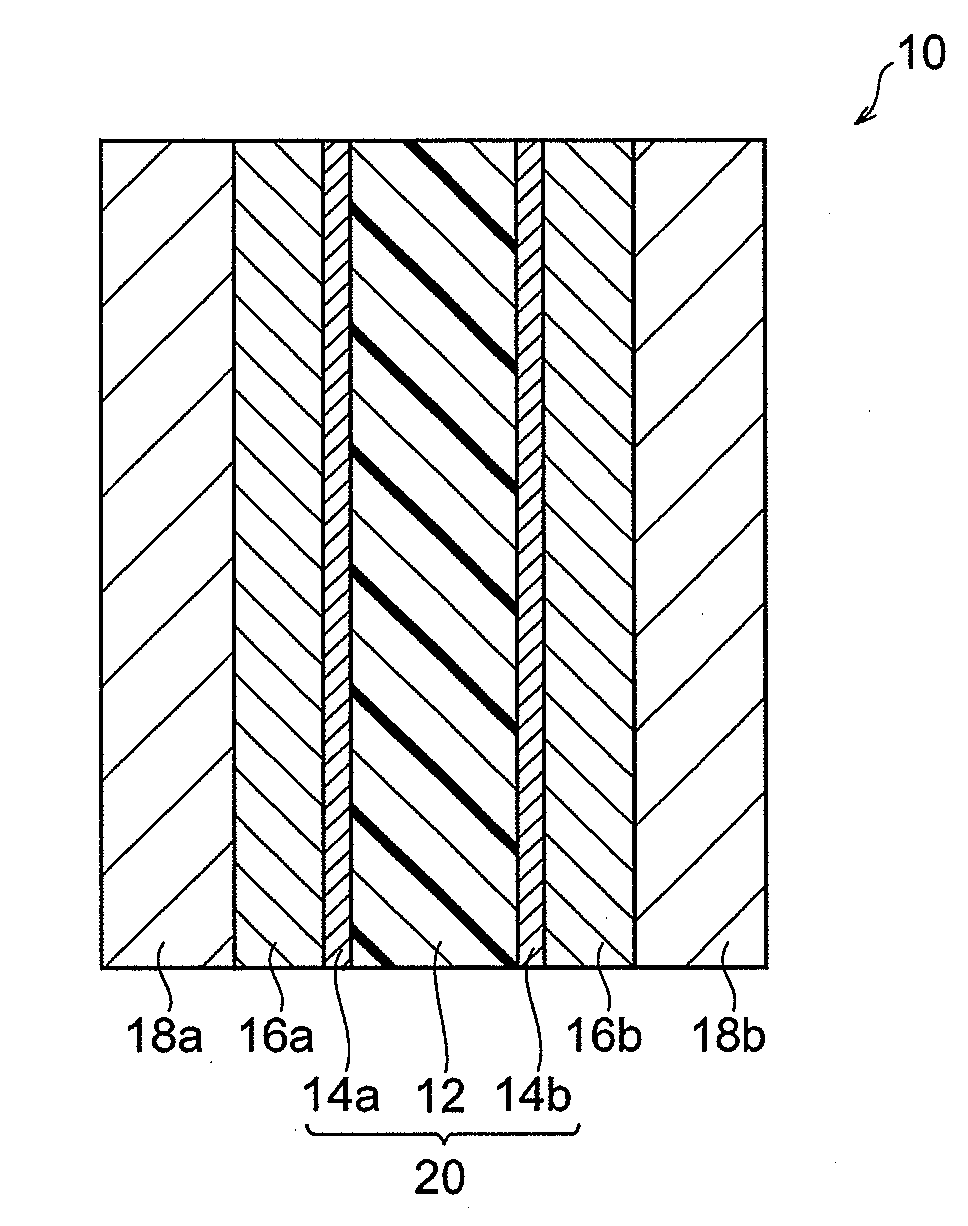
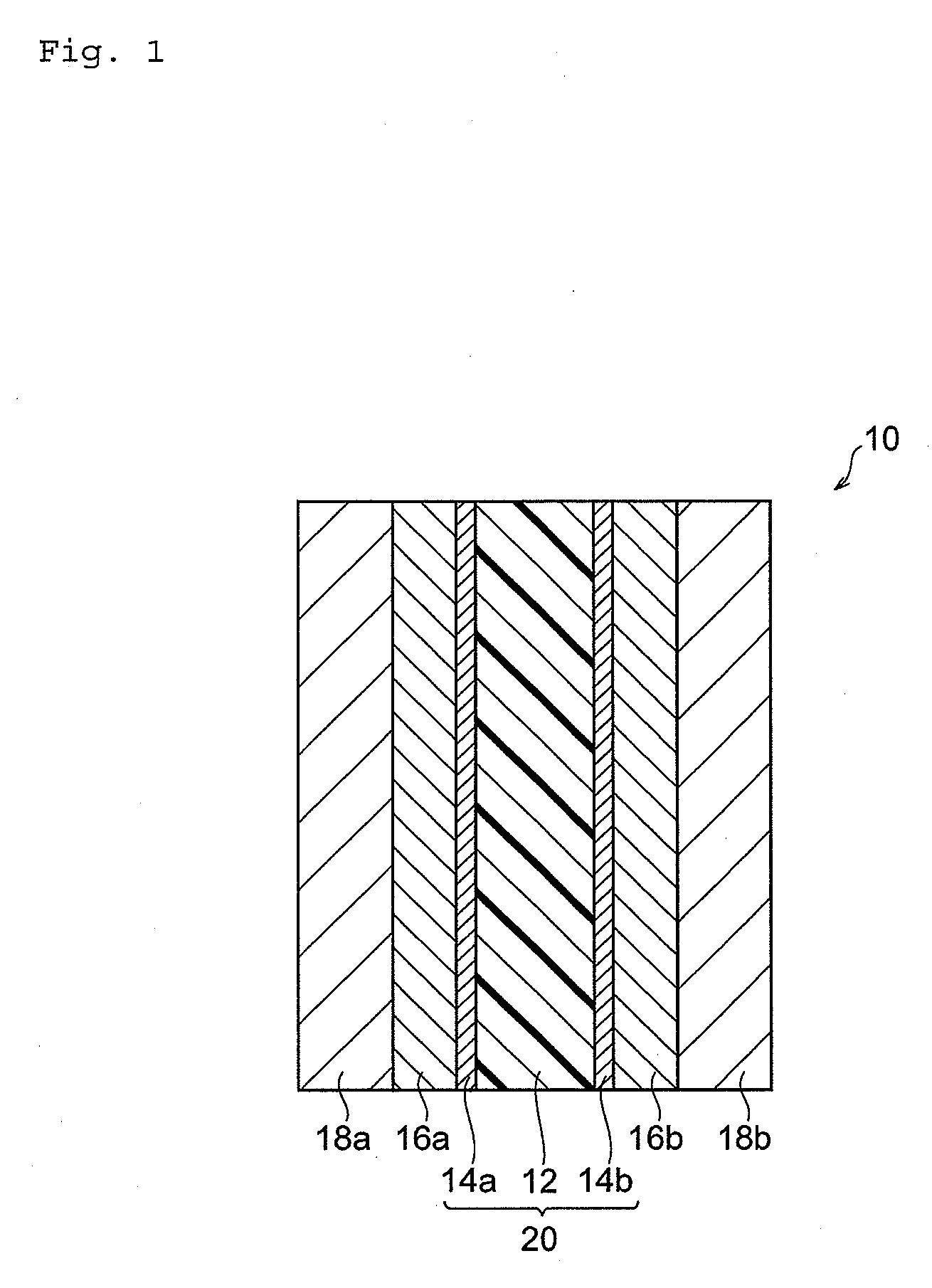
- A polymer electrolyte with an ion-exchange capacity of 1.7 meq/g or more and reduced viscosity of 160 mL/g or more at 40°C, incorporating a block copolymer with a segment having an ion-exchange group and another segment with no ion-exchange group, which forms a membrane with low resistance in both surface and thickness directions, allowing for stable operation in low humidity conditions.


Electrode for polymer electrolyte membrane fuel cell comprising antioxidant and membrane-electrode assembly comprising same
PatentActiveUS11799089B2
Innovation
- The introduction of cerium hydrogen phosphate in the form of nanofibers as a radical scavenger in the electrode catalyst slurry, which enhances mechanical strength and chemical stability, and is stable under strong acidity, preventing radical-induced degradation and maintaining proton conductivity.


Environmental Regulations Impact on Clean Energy Technologies
Environmental regulations have emerged as a primary catalyst driving the development and adoption of advanced polymer electrolyte membrane (PEM) technologies in fuel cell applications. The increasingly stringent emission standards worldwide, particularly the European Union's Euro 7 regulations and California's Zero Emission Vehicle mandate, have created unprecedented pressure on automotive manufacturers to transition toward cleaner propulsion systems. These regulatory frameworks directly influence the comparative fuel efficiency metrics of PEM-based fuel cells, as they establish performance benchmarks that traditional combustion engines struggle to meet.
The implementation of carbon pricing mechanisms and emission trading systems across major economies has fundamentally altered the economic landscape for clean energy technologies. Advanced PEM fuel cells benefit significantly from these regulatory structures, as their superior fuel efficiency translates directly into reduced carbon footprints and lower compliance costs. The European Green Deal's target of carbon neutrality by 2050 has accelerated investment in PEM research, particularly focusing on membrane durability and proton conductivity improvements that enhance overall system efficiency.
Regulatory incentives for clean energy adoption have created favorable market conditions for advanced PEM technologies. Tax credits, subsidies, and preferential treatment for zero-emission vehicles have improved the total cost of ownership calculations for fuel cell systems. These policies effectively amplify the value proposition of higher fuel efficiency achieved through advanced membrane materials, making previously marginal efficiency gains economically significant.
International harmonization of environmental standards is driving convergence toward common performance metrics for clean energy technologies. The International Organization for Standardization's development of unified testing protocols for fuel cell efficiency has enabled more accurate cross-platform comparisons of PEM performance. This standardization effort supports technology transfer and accelerates the global deployment of the most efficient membrane solutions.
Emerging regulations targeting lifecycle environmental impact are expanding the scope of fuel efficiency considerations beyond operational performance. Advanced PEM membranes must now demonstrate superior efficiency while meeting stringent requirements for recyclability and sustainable manufacturing processes, creating new technical challenges and innovation opportunities in membrane design and production methodologies.
The implementation of carbon pricing mechanisms and emission trading systems across major economies has fundamentally altered the economic landscape for clean energy technologies. Advanced PEM fuel cells benefit significantly from these regulatory structures, as their superior fuel efficiency translates directly into reduced carbon footprints and lower compliance costs. The European Green Deal's target of carbon neutrality by 2050 has accelerated investment in PEM research, particularly focusing on membrane durability and proton conductivity improvements that enhance overall system efficiency.
Regulatory incentives for clean energy adoption have created favorable market conditions for advanced PEM technologies. Tax credits, subsidies, and preferential treatment for zero-emission vehicles have improved the total cost of ownership calculations for fuel cell systems. These policies effectively amplify the value proposition of higher fuel efficiency achieved through advanced membrane materials, making previously marginal efficiency gains economically significant.
International harmonization of environmental standards is driving convergence toward common performance metrics for clean energy technologies. The International Organization for Standardization's development of unified testing protocols for fuel cell efficiency has enabled more accurate cross-platform comparisons of PEM performance. This standardization effort supports technology transfer and accelerates the global deployment of the most efficient membrane solutions.
Emerging regulations targeting lifecycle environmental impact are expanding the scope of fuel efficiency considerations beyond operational performance. Advanced PEM membranes must now demonstrate superior efficiency while meeting stringent requirements for recyclability and sustainable manufacturing processes, creating new technical challenges and innovation opportunities in membrane design and production methodologies.
Cost-Performance Trade-offs in Advanced PEM Development
The development of advanced polymer electrolyte membranes presents a complex landscape of cost-performance trade-offs that significantly impact their commercial viability in fuel cell applications. Traditional perfluorosulfonic acid membranes like Nafion, while offering excellent proton conductivity and chemical stability, command premium prices ranging from $500-800 per square meter, creating substantial barriers for widespread adoption in automotive and stationary power applications.
Emerging hydrocarbon-based membranes represent a promising alternative, offering manufacturing costs potentially 60-70% lower than fluorinated counterparts. However, these materials often exhibit reduced durability under harsh operating conditions, with lifespans typically 20-30% shorter than established PFSA membranes. The trade-off becomes particularly evident in automotive applications where membrane replacement costs must be weighed against initial material savings.
Composite membrane architectures introduce additional complexity to the cost-performance equation. While reinforced membranes with PTFE or polyimide substrates demonstrate enhanced mechanical properties and reduced gas crossover, manufacturing complexity increases production costs by 15-25%. The improved performance characteristics, including reduced hydrogen permeability and enhanced dimensional stability, often justify these additional expenses in high-performance applications.
Thickness optimization presents another critical trade-off dimension. Thinner membranes below 20 micrometers offer reduced ohmic resistance and improved power density but require more sophisticated manufacturing processes and quality control measures. The resulting 10-15% increase in production costs must be balanced against the enhanced fuel efficiency and system performance benefits.
Manufacturing scalability significantly influences the cost-performance relationship. Current pilot-scale production of advanced PEM materials results in costs 3-4 times higher than projected high-volume manufacturing scenarios. Investment in specialized coating equipment and process optimization can reduce unit costs by 40-50% at production volumes exceeding 100,000 square meters annually.
The integration of novel ionomer chemistries, such as multi-block copolymers or crosslinked structures, introduces development costs ranging from $2-5 million per formulation. While these materials may offer superior performance metrics, the extended development timelines and regulatory approval processes create additional financial considerations that impact overall cost-effectiveness in competitive markets.
Emerging hydrocarbon-based membranes represent a promising alternative, offering manufacturing costs potentially 60-70% lower than fluorinated counterparts. However, these materials often exhibit reduced durability under harsh operating conditions, with lifespans typically 20-30% shorter than established PFSA membranes. The trade-off becomes particularly evident in automotive applications where membrane replacement costs must be weighed against initial material savings.
Composite membrane architectures introduce additional complexity to the cost-performance equation. While reinforced membranes with PTFE or polyimide substrates demonstrate enhanced mechanical properties and reduced gas crossover, manufacturing complexity increases production costs by 15-25%. The improved performance characteristics, including reduced hydrogen permeability and enhanced dimensional stability, often justify these additional expenses in high-performance applications.
Thickness optimization presents another critical trade-off dimension. Thinner membranes below 20 micrometers offer reduced ohmic resistance and improved power density but require more sophisticated manufacturing processes and quality control measures. The resulting 10-15% increase in production costs must be balanced against the enhanced fuel efficiency and system performance benefits.
Manufacturing scalability significantly influences the cost-performance relationship. Current pilot-scale production of advanced PEM materials results in costs 3-4 times higher than projected high-volume manufacturing scenarios. Investment in specialized coating equipment and process optimization can reduce unit costs by 40-50% at production volumes exceeding 100,000 square meters annually.
The integration of novel ionomer chemistries, such as multi-block copolymers or crosslinked structures, introduces development costs ranging from $2-5 million per formulation. While these materials may offer superior performance metrics, the extended development timelines and regulatory approval processes create additional financial considerations that impact overall cost-effectiveness in competitive markets.
Unlock deeper insights with Patsnap Eureka Quick Research — get a full tech report to explore trends and direct your research. Try now!
Generate Your Research Report Instantly with AI Agent
Supercharge your innovation with Patsnap Eureka AI Agent Platform!