

Comparing Solar Integration vs Wind Integration with Energy Storage
MAY 18, 20269 MIN READ
Generate Your Research Report Instantly with AI Agent
PatSnap Eureka helps you evaluate technical feasibility & market potential.
Solar vs Wind Integration Background and Objectives
The integration of renewable energy sources with energy storage systems has emerged as a critical component of modern power grid infrastructure, driven by the urgent need to decarbonize electricity generation and enhance energy security. Solar photovoltaic and wind power technologies represent the two dominant renewable energy sources globally, each presenting unique characteristics in terms of generation patterns, grid integration requirements, and storage system compatibility.
Solar energy integration exhibits predictable diurnal patterns with peak generation typically occurring during midday hours when solar irradiance is highest. This generation profile often aligns reasonably well with daytime electricity demand patterns in many regions, though seasonal variations and weather-dependent fluctuations create significant challenges for grid operators. The relatively smooth and predictable nature of solar output transitions makes it conducive to integration with various energy storage technologies.
Wind energy integration presents distinctly different characteristics, with generation patterns that are less predictable and more variable across different time scales. Wind resources often exhibit stronger generation during nighttime hours and seasonal peaks that may not correlate directly with electricity demand patterns. The intermittent and sometimes rapidly fluctuating nature of wind power output creates unique challenges for grid stability and requires sophisticated forecasting and control systems.
The primary objective of comparing these two integration approaches centers on optimizing the overall system performance, cost-effectiveness, and grid stability. Key technical objectives include minimizing curtailment of renewable energy, maximizing storage system utilization efficiency, and ensuring reliable power supply during periods of low renewable generation. Economic objectives focus on reducing the levelized cost of electricity while maintaining acceptable return on investment for storage infrastructure.
Grid integration objectives encompass maintaining power quality, frequency stability, and voltage regulation while accommodating increasing penetration levels of variable renewable energy sources. The comparative analysis aims to identify optimal storage sizing, technology selection, and operational strategies that best complement each renewable energy source's inherent characteristics.
Understanding the synergistic relationships between solar or wind generation profiles and various energy storage technologies enables the development of more effective hybrid renewable energy systems that can provide dispatchable, reliable power while maximizing the utilization of clean energy resources.
Solar energy integration exhibits predictable diurnal patterns with peak generation typically occurring during midday hours when solar irradiance is highest. This generation profile often aligns reasonably well with daytime electricity demand patterns in many regions, though seasonal variations and weather-dependent fluctuations create significant challenges for grid operators. The relatively smooth and predictable nature of solar output transitions makes it conducive to integration with various energy storage technologies.
Wind energy integration presents distinctly different characteristics, with generation patterns that are less predictable and more variable across different time scales. Wind resources often exhibit stronger generation during nighttime hours and seasonal peaks that may not correlate directly with electricity demand patterns. The intermittent and sometimes rapidly fluctuating nature of wind power output creates unique challenges for grid stability and requires sophisticated forecasting and control systems.
The primary objective of comparing these two integration approaches centers on optimizing the overall system performance, cost-effectiveness, and grid stability. Key technical objectives include minimizing curtailment of renewable energy, maximizing storage system utilization efficiency, and ensuring reliable power supply during periods of low renewable generation. Economic objectives focus on reducing the levelized cost of electricity while maintaining acceptable return on investment for storage infrastructure.
Grid integration objectives encompass maintaining power quality, frequency stability, and voltage regulation while accommodating increasing penetration levels of variable renewable energy sources. The comparative analysis aims to identify optimal storage sizing, technology selection, and operational strategies that best complement each renewable energy source's inherent characteristics.
Understanding the synergistic relationships between solar or wind generation profiles and various energy storage technologies enables the development of more effective hybrid renewable energy systems that can provide dispatchable, reliable power while maximizing the utilization of clean energy resources.
Market Demand for Renewable Energy Storage Solutions
The global renewable energy storage market is experiencing unprecedented growth driven by the urgent need to decarbonize energy systems and achieve climate targets. Governments worldwide have implemented ambitious renewable energy mandates, with many countries targeting carbon neutrality by 2050. This regulatory push creates substantial demand for energy storage solutions that can effectively integrate intermittent renewable sources like solar and wind into existing grid infrastructure.
Solar integration with energy storage represents a rapidly expanding market segment, particularly in distributed energy applications. Residential and commercial solar-plus-storage systems are gaining traction as battery costs decline and grid reliability concerns increase. The demand is especially pronounced in regions with high solar irradiance and favorable net metering policies, where consumers seek energy independence and backup power capabilities during outages.
Wind integration with energy storage addresses different market dynamics, primarily focusing on utility-scale applications. Large wind farms require sophisticated storage solutions to smooth output variability and provide grid services such as frequency regulation and voltage support. The market demand is strongest in regions with abundant wind resources and established transmission infrastructure, where utilities need to maximize wind energy utilization while maintaining grid stability.
The commercial and industrial sector represents a significant growth driver for both solar and wind storage integration. Businesses are increasingly adopting renewable energy storage to reduce electricity costs, meet sustainability goals, and ensure operational continuity. Peak demand management and time-of-use optimization create compelling economic incentives for storage deployment across various industry verticals.
Grid modernization initiatives are creating additional market opportunities for renewable energy storage solutions. Aging electrical infrastructure requires upgrades to accommodate bidirectional power flows and distributed generation. Storage systems provide essential grid services including load balancing, reactive power support, and black-start capabilities, making them integral components of smart grid development.
Emerging markets in developing countries present substantial growth potential for renewable energy storage. Off-grid and mini-grid applications in remote areas drive demand for reliable, cost-effective storage solutions that can support rural electrification and economic development. These markets often favor modular, scalable systems that can grow with increasing energy demands.
The transportation electrification trend is creating synergies between renewable energy storage and electric vehicle charging infrastructure. Vehicle-to-grid technologies and charging station energy management systems require integrated storage solutions that can optimize renewable energy utilization while supporting grid stability during peak charging periods.
Solar integration with energy storage represents a rapidly expanding market segment, particularly in distributed energy applications. Residential and commercial solar-plus-storage systems are gaining traction as battery costs decline and grid reliability concerns increase. The demand is especially pronounced in regions with high solar irradiance and favorable net metering policies, where consumers seek energy independence and backup power capabilities during outages.
Wind integration with energy storage addresses different market dynamics, primarily focusing on utility-scale applications. Large wind farms require sophisticated storage solutions to smooth output variability and provide grid services such as frequency regulation and voltage support. The market demand is strongest in regions with abundant wind resources and established transmission infrastructure, where utilities need to maximize wind energy utilization while maintaining grid stability.
The commercial and industrial sector represents a significant growth driver for both solar and wind storage integration. Businesses are increasingly adopting renewable energy storage to reduce electricity costs, meet sustainability goals, and ensure operational continuity. Peak demand management and time-of-use optimization create compelling economic incentives for storage deployment across various industry verticals.
Grid modernization initiatives are creating additional market opportunities for renewable energy storage solutions. Aging electrical infrastructure requires upgrades to accommodate bidirectional power flows and distributed generation. Storage systems provide essential grid services including load balancing, reactive power support, and black-start capabilities, making them integral components of smart grid development.
Emerging markets in developing countries present substantial growth potential for renewable energy storage. Off-grid and mini-grid applications in remote areas drive demand for reliable, cost-effective storage solutions that can support rural electrification and economic development. These markets often favor modular, scalable systems that can grow with increasing energy demands.
The transportation electrification trend is creating synergies between renewable energy storage and electric vehicle charging infrastructure. Vehicle-to-grid technologies and charging station energy management systems require integrated storage solutions that can optimize renewable energy utilization while supporting grid stability during peak charging periods.
Current State of Solar and Wind Storage Integration
The integration of solar and wind energy with storage systems has reached a critical juncture in global energy infrastructure development. Currently, both technologies demonstrate varying degrees of maturity and deployment success across different geographical regions and market segments.
Solar-plus-storage integration has achieved significant commercial viability, particularly in utility-scale installations. Leading markets including California, Australia, and Germany have deployed numerous projects exceeding 100 MW capacity. The technology benefits from declining photovoltaic costs and improved lithium-ion battery economics, with system costs dropping approximately 70% since 2015. Current installations typically utilize DC-coupled configurations for higher efficiency, though AC-coupled systems remain prevalent for retrofit applications.
Wind-plus-storage integration faces distinct technical challenges compared to solar applications. The variable and less predictable nature of wind resources creates more complex storage dispatch requirements. However, recent deployments in Texas, Denmark, and offshore installations demonstrate growing feasibility. Wind storage projects often employ larger-scale, longer-duration storage solutions, including emerging technologies like compressed air energy storage and advanced battery chemistries.
Grid integration capabilities differ substantially between the two approaches. Solar storage systems excel at providing rapid frequency response and peak shaving services due to their predictable daily generation patterns. Wind storage systems offer superior capacity factor utilization but require more sophisticated forecasting and control systems to optimize storage cycling.
Current deployment statistics reveal solar storage leading in project numbers with over 2,500 operational installations globally, while wind storage accounts for approximately 400 projects. However, average project sizes for wind storage exceed solar storage by roughly 40%, reflecting different market positioning strategies.
Regulatory frameworks increasingly favor hybrid renewable-storage projects through enhanced grid services compensation and capacity market participation. Recent policy developments in key markets have established technology-neutral storage incentives, though solar storage continues benefiting from more mature interconnection procedures and standardized equipment specifications.
The technological readiness levels indicate solar storage achieving commercial maturity across most applications, while wind storage approaches full commercialization with ongoing optimization in control systems and storage sizing methodologies.
Solar-plus-storage integration has achieved significant commercial viability, particularly in utility-scale installations. Leading markets including California, Australia, and Germany have deployed numerous projects exceeding 100 MW capacity. The technology benefits from declining photovoltaic costs and improved lithium-ion battery economics, with system costs dropping approximately 70% since 2015. Current installations typically utilize DC-coupled configurations for higher efficiency, though AC-coupled systems remain prevalent for retrofit applications.
Wind-plus-storage integration faces distinct technical challenges compared to solar applications. The variable and less predictable nature of wind resources creates more complex storage dispatch requirements. However, recent deployments in Texas, Denmark, and offshore installations demonstrate growing feasibility. Wind storage projects often employ larger-scale, longer-duration storage solutions, including emerging technologies like compressed air energy storage and advanced battery chemistries.
Grid integration capabilities differ substantially between the two approaches. Solar storage systems excel at providing rapid frequency response and peak shaving services due to their predictable daily generation patterns. Wind storage systems offer superior capacity factor utilization but require more sophisticated forecasting and control systems to optimize storage cycling.
Current deployment statistics reveal solar storage leading in project numbers with over 2,500 operational installations globally, while wind storage accounts for approximately 400 projects. However, average project sizes for wind storage exceed solar storage by roughly 40%, reflecting different market positioning strategies.
Regulatory frameworks increasingly favor hybrid renewable-storage projects through enhanced grid services compensation and capacity market participation. Recent policy developments in key markets have established technology-neutral storage incentives, though solar storage continues benefiting from more mature interconnection procedures and standardized equipment specifications.
The technological readiness levels indicate solar storage achieving commercial maturity across most applications, while wind storage approaches full commercialization with ongoing optimization in control systems and storage sizing methodologies.
Existing Solar and Wind Storage Integration Solutions
01 Hybrid renewable energy systems with integrated storage
Systems that combine solar and wind energy generation with energy storage capabilities to create comprehensive renewable energy solutions. These hybrid systems optimize energy production by leveraging complementary characteristics of different renewable sources and provide continuous power supply through integrated storage mechanisms.- Hybrid renewable energy systems with integrated storage: Systems that combine solar and wind energy generation with energy storage capabilities to create comprehensive renewable energy solutions. These hybrid systems optimize energy production by leveraging complementary characteristics of different renewable sources and provide continuous power supply through integrated storage mechanisms.
- Grid integration and power management systems: Technologies focused on connecting renewable energy sources with energy storage to electrical grids, including power conditioning, load balancing, and grid stabilization methods. These systems manage the intermittent nature of renewable sources and ensure stable power delivery to the grid infrastructure.
- Energy storage control and optimization algorithms: Advanced control systems and algorithms designed to optimize the charging and discharging cycles of energy storage systems in renewable energy applications. These methods improve efficiency, extend battery life, and maximize energy utilization from solar and wind sources.
- Distributed energy storage architectures: Decentralized energy storage configurations that work with distributed solar and wind generation systems. These architectures enable local energy management, reduce transmission losses, and provide resilient power solutions for various applications from residential to industrial scales.
- Battery management and monitoring systems: Specialized systems for monitoring, controlling, and maintaining battery storage units in renewable energy applications. These technologies ensure safe operation, optimal performance, and longevity of energy storage components while providing real-time status information and predictive maintenance capabilities.
02 Grid integration and power management systems
Technologies focused on connecting renewable energy sources with energy storage to electrical grids, including power conditioning, load balancing, and grid stabilization mechanisms. These systems manage the intermittent nature of renewable sources and ensure stable power delivery to the grid infrastructure.Expand Specific Solutions03 Energy storage control and optimization algorithms
Advanced control systems and algorithms designed to optimize the charging and discharging cycles of energy storage systems in renewable energy applications. These technologies maximize efficiency, extend battery life, and improve overall system performance through intelligent energy management strategies.Expand Specific Solutions04 Distributed energy storage architectures
Decentralized energy storage solutions that can be deployed across multiple locations to support renewable energy integration. These architectures provide scalable storage capacity and enhance system reliability through distributed deployment strategies and modular design approaches.Expand Specific Solutions05 Battery management and monitoring systems
Specialized systems for monitoring, controlling, and maintaining energy storage batteries in renewable energy applications. These technologies ensure safe operation, optimize performance, and provide real-time monitoring of battery health and status in solar and wind energy storage systems.Expand Specific Solutions
Key Players in Solar Wind Storage Integration Market
The renewable energy integration landscape is experiencing rapid maturation, driven by escalating global energy demands and decarbonization imperatives. The market demonstrates substantial growth potential, with solar and wind integration technologies reaching commercial viability across diverse geographical markets. Technology maturity varies significantly among key players: established giants like GE Grid Solutions, Vestas Wind Systems, and Siemens Gamesa lead wind integration solutions, while Enphase Energy and HANWHA SOLUTIONS dominate solar integration markets. Energy storage leaders including LG Energy Solution and emerging specialists like Hypnetic are advancing hybrid integration capabilities. Asian manufacturers such as NARI Technology and LS Electric are rapidly expanding market presence, while innovative companies like KK Wind Solutions focus on specialized turbine control systems, indicating a competitive landscape transitioning from early adoption to mainstream deployment phases.
GE Grid Solutions LLC
Technical Solution: GE Grid Solutions develops comprehensive grid integration solutions for both solar and wind energy systems with advanced energy storage capabilities. Their technology portfolio includes intelligent inverters, grid-forming capabilities, and sophisticated energy management systems that optimize the integration of renewable sources. The company's solutions feature advanced power electronics that can handle the variability of both solar and wind resources, with energy storage systems providing grid stabilization services including frequency regulation, voltage support, and peak shaving. Their integrated approach allows for seamless switching between solar and wind inputs while maintaining grid stability through battery storage systems that can respond within milliseconds to grid disturbances.
Strengths: Comprehensive grid integration expertise with proven track record in large-scale deployments, advanced power electronics technology. Weaknesses: Higher initial capital costs, complex system integration requirements.
Vestas Wind Systems A/S
Technical Solution: Vestas has developed integrated wind-plus-storage solutions that combine their wind turbines with battery energy storage systems to create more predictable and dispatchable renewable energy. Their approach focuses on co-locating wind farms with large-scale battery storage to smooth output variability and provide grid services. The company's energy storage integration includes advanced forecasting algorithms that predict wind patterns and optimize battery charging/discharging cycles accordingly. Their solutions enable wind farms to participate in ancillary services markets while reducing curtailment during high wind periods. Vestas also offers hybrid renewable solutions that can integrate both wind and solar resources with shared storage infrastructure, maximizing capacity factors and grid value.
Strengths: Deep wind energy expertise, proven hybrid renewable integration capabilities, strong global market presence. Weaknesses: Primary focus on wind may limit solar integration optimization, dependency on third-party battery suppliers.
Core Technologies in Renewable Energy Storage Systems
Integrated energy storage systems for renewable energy
PatentActiveUS11705777B2
Innovation
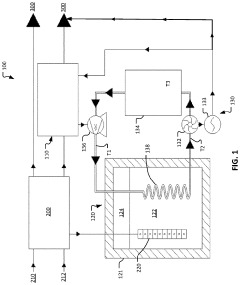
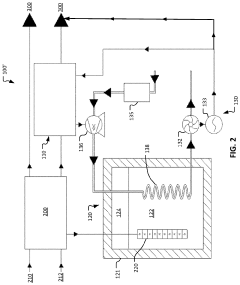
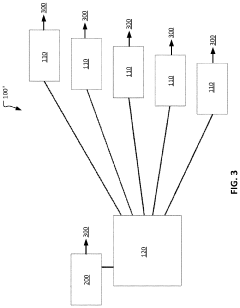
- An integrated hybrid energy storage system (YKESS) combining FESS and MSESS, where FESS delivers instant power and MSESS stores energy as heat, synergistically enhancing strengths and minimizing weaknesses of both systems. This system includes flywheels for rapid energy delivery and molten salt for long-term storage, with the MSESS powering the FESS when energy levels are low, ensuring continuous and efficient energy supply.
Solar and wind energy integration system for hybrid vehicles
PatentPendingIN202341076351A
Innovation
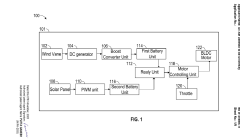
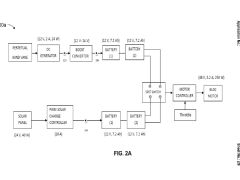
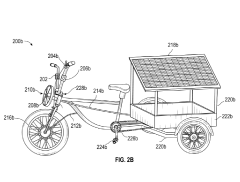
- A hybrid vehicle system integrating onboard solar and wind energy generation, using photovoltaic cells and wind vanes to charge rechargeable batteries, which power a Brushless Direct Current (BLDC) motor, enabling continuous operation and reducing reliance on fossil fuels, with a sophisticated battery management and throttle control system.

Policy Framework for Renewable Energy Integration
The policy framework for renewable energy integration represents a critical foundation that determines the success of both solar and wind energy deployment with storage systems. Regulatory environments significantly influence the economic viability, technical implementation, and long-term sustainability of these renewable technologies.
Grid interconnection standards form the cornerstone of renewable integration policies. Solar integration benefits from standardized inverter requirements and anti-islanding protections, while wind integration requires more complex grid codes addressing voltage ride-through capabilities and frequency response. Energy storage systems face evolving regulations that vary significantly across jurisdictions, with some regions implementing specific safety standards for battery installations and others focusing on grid services compensation mechanisms.
Financial incentive structures demonstrate distinct approaches for solar versus wind integration. Feed-in tariffs traditionally favor solar installations due to predictable generation patterns, while production tax credits often benefit wind projects with higher capacity factors. Storage-specific incentives, such as investment tax credits and capacity payments, create additional complexity in policy design. Time-of-use pricing mechanisms particularly advantage solar-plus-storage systems that can shift peak generation to evening demand periods.
Market participation rules increasingly recognize the unique characteristics of renewable-plus-storage hybrid systems. Wholesale electricity markets are adapting to accommodate the dual nature of these assets as both generators and consumers. Ancillary services markets present opportunities for storage systems paired with renewables to provide frequency regulation and spinning reserves, though participation requirements often differ between solar and wind installations.
Environmental permitting processes reflect the distinct impacts of each technology. Solar projects typically face streamlined permitting for distributed installations but encounter land-use concerns for utility-scale developments. Wind projects navigate more complex environmental assessments related to wildlife impacts and noise regulations. Storage systems introduce additional considerations regarding battery disposal and recycling requirements.
Interconnection queue management policies significantly affect deployment timelines. Solar projects generally experience faster interconnection processes due to lower individual capacity and established technical standards. Wind projects often face longer queue times due to transmission upgrade requirements and higher individual project capacities. Storage additions to existing renewable facilities sometimes benefit from expedited interconnection procedures.
The regulatory treatment of hybrid renewable-storage systems continues evolving, with policies increasingly recognizing these installations as integrated resources rather than separate generation and storage components. This shift influences everything from capacity market participation to resource adequacy planning methodologies.
Grid interconnection standards form the cornerstone of renewable integration policies. Solar integration benefits from standardized inverter requirements and anti-islanding protections, while wind integration requires more complex grid codes addressing voltage ride-through capabilities and frequency response. Energy storage systems face evolving regulations that vary significantly across jurisdictions, with some regions implementing specific safety standards for battery installations and others focusing on grid services compensation mechanisms.
Financial incentive structures demonstrate distinct approaches for solar versus wind integration. Feed-in tariffs traditionally favor solar installations due to predictable generation patterns, while production tax credits often benefit wind projects with higher capacity factors. Storage-specific incentives, such as investment tax credits and capacity payments, create additional complexity in policy design. Time-of-use pricing mechanisms particularly advantage solar-plus-storage systems that can shift peak generation to evening demand periods.
Market participation rules increasingly recognize the unique characteristics of renewable-plus-storage hybrid systems. Wholesale electricity markets are adapting to accommodate the dual nature of these assets as both generators and consumers. Ancillary services markets present opportunities for storage systems paired with renewables to provide frequency regulation and spinning reserves, though participation requirements often differ between solar and wind installations.
Environmental permitting processes reflect the distinct impacts of each technology. Solar projects typically face streamlined permitting for distributed installations but encounter land-use concerns for utility-scale developments. Wind projects navigate more complex environmental assessments related to wildlife impacts and noise regulations. Storage systems introduce additional considerations regarding battery disposal and recycling requirements.
Interconnection queue management policies significantly affect deployment timelines. Solar projects generally experience faster interconnection processes due to lower individual capacity and established technical standards. Wind projects often face longer queue times due to transmission upgrade requirements and higher individual project capacities. Storage additions to existing renewable facilities sometimes benefit from expedited interconnection procedures.
The regulatory treatment of hybrid renewable-storage systems continues evolving, with policies increasingly recognizing these installations as integrated resources rather than separate generation and storage components. This shift influences everything from capacity market participation to resource adequacy planning methodologies.
Grid Stability and Storage System Performance Metrics
Grid stability represents a fundamental challenge when integrating renewable energy sources with storage systems, as both solar and wind power exhibit distinct characteristics that affect system performance differently. Solar integration typically demonstrates more predictable diurnal patterns, creating relatively stable grid conditions during peak generation hours, while wind integration introduces higher variability and unpredictability that can stress grid infrastructure through rapid power fluctuations.
The frequency regulation capabilities of energy storage systems vary significantly between solar and wind integration scenarios. Solar-plus-storage configurations generally provide more consistent frequency response due to the smoother power output transitions, particularly during cloud transients. Wind-plus-storage systems face greater challenges in maintaining frequency stability, as wind turbines can experience sudden output changes that require faster storage system response times and higher power ratings to maintain grid frequency within acceptable limits.
Voltage stability metrics reveal contrasting performance profiles between the two integration approaches. Solar installations often contribute to voltage rise issues during peak generation periods, requiring storage systems to absorb excess power and maintain voltage regulation. Wind farms, conversely, may cause voltage fluctuations due to their variable output nature, necessitating storage systems with rapid voltage support capabilities and reactive power compensation functions.
Storage system cycling patterns differ substantially between solar and wind applications, directly impacting performance longevity and efficiency metrics. Solar-coupled storage typically follows predictable daily charge-discharge cycles with relatively consistent depth of discharge patterns. Wind-integrated storage experiences more irregular cycling with frequent partial charges and discharges, leading to increased wear and potentially reduced battery life expectancy.
Power quality metrics demonstrate varying impacts on grid stability depending on the renewable source. Solar integration with storage generally maintains better power quality due to DC coupling advantages and smoother power delivery profiles. Wind integration may introduce harmonic distortions and power factor variations that require sophisticated storage control systems to mitigate grid stability impacts.
Response time requirements for storage systems differ markedly between applications. Wind integration demands faster response capabilities, typically requiring sub-second reaction times to counteract sudden wind speed changes. Solar integration allows for more gradual storage responses, though rapid cloud cover changes still necessitate quick storage system activation to maintain grid stability and power quality standards.
The frequency regulation capabilities of energy storage systems vary significantly between solar and wind integration scenarios. Solar-plus-storage configurations generally provide more consistent frequency response due to the smoother power output transitions, particularly during cloud transients. Wind-plus-storage systems face greater challenges in maintaining frequency stability, as wind turbines can experience sudden output changes that require faster storage system response times and higher power ratings to maintain grid frequency within acceptable limits.
Voltage stability metrics reveal contrasting performance profiles between the two integration approaches. Solar installations often contribute to voltage rise issues during peak generation periods, requiring storage systems to absorb excess power and maintain voltage regulation. Wind farms, conversely, may cause voltage fluctuations due to their variable output nature, necessitating storage systems with rapid voltage support capabilities and reactive power compensation functions.
Storage system cycling patterns differ substantially between solar and wind applications, directly impacting performance longevity and efficiency metrics. Solar-coupled storage typically follows predictable daily charge-discharge cycles with relatively consistent depth of discharge patterns. Wind-integrated storage experiences more irregular cycling with frequent partial charges and discharges, leading to increased wear and potentially reduced battery life expectancy.
Power quality metrics demonstrate varying impacts on grid stability depending on the renewable source. Solar integration with storage generally maintains better power quality due to DC coupling advantages and smoother power delivery profiles. Wind integration may introduce harmonic distortions and power factor variations that require sophisticated storage control systems to mitigate grid stability impacts.
Response time requirements for storage systems differ markedly between applications. Wind integration demands faster response capabilities, typically requiring sub-second reaction times to counteract sudden wind speed changes. Solar integration allows for more gradual storage responses, though rapid cloud cover changes still necessitate quick storage system activation to maintain grid stability and power quality standards.
Unlock deeper insights with PatSnap Eureka Quick Research — get a full tech report to explore trends and direct your research. Try now!
Generate Your Research Report Instantly with AI Agent
Supercharge your innovation with PatSnap Eureka AI Agent Platform!