

Comparing Ultracapacitor Applicability for Mobile Charging Devices
MAY 21, 20269 MIN READ
Generate Your Research Report Instantly with AI Agent
Patsnap Eureka helps you evaluate technical feasibility & market potential.
Ultracapacitor Mobile Charging Background and Objectives
Ultracapacitors, also known as supercapacitors or electrochemical double-layer capacitors (EDLCs), represent a critical energy storage technology that bridges the gap between conventional capacitors and batteries. These devices store energy through electrostatic charge accumulation at the electrode-electrolyte interface, enabling rapid charge and discharge cycles that far exceed traditional battery capabilities. The technology has evolved significantly since its initial development in the 1950s, with modern ultracapacitors achieving energy densities approaching 10-15 Wh/kg and power densities exceeding 10,000 W/kg.
The mobile device ecosystem has undergone dramatic transformation over the past two decades, with smartphones, tablets, and wearable devices becoming ubiquitous in daily life. Current mobile charging infrastructure relies predominantly on lithium-ion battery technology, which faces inherent limitations including charging time constraints, cycle life degradation, and thermal management challenges. As mobile devices become increasingly power-hungry with advanced processors, high-resolution displays, and 5G connectivity, the demand for faster, more efficient charging solutions has intensified.
The convergence of ultracapacitor technology with mobile charging applications presents compelling opportunities to address existing limitations in portable power delivery. Unlike conventional batteries that require hours for complete charging, ultracapacitors can achieve full charge capacity within seconds to minutes, fundamentally altering user expectations and device utilization patterns. This rapid charging capability, combined with exceptional cycle life exceeding one million charge-discharge cycles, positions ultracapacitors as potentially transformative components in next-generation mobile charging architectures.
The primary objective of investigating ultracapacitor applicability in mobile charging devices centers on evaluating their potential to enhance charging speed, extend operational lifespan, and improve overall user experience. Key technical goals include assessing energy density improvements, power delivery optimization, thermal management benefits, and integration feasibility within existing mobile device form factors. Additionally, the research aims to identify optimal hybrid configurations that leverage both ultracapacitor and battery technologies to maximize performance while minimizing trade-offs in energy storage capacity and device portability.
The mobile device ecosystem has undergone dramatic transformation over the past two decades, with smartphones, tablets, and wearable devices becoming ubiquitous in daily life. Current mobile charging infrastructure relies predominantly on lithium-ion battery technology, which faces inherent limitations including charging time constraints, cycle life degradation, and thermal management challenges. As mobile devices become increasingly power-hungry with advanced processors, high-resolution displays, and 5G connectivity, the demand for faster, more efficient charging solutions has intensified.
The convergence of ultracapacitor technology with mobile charging applications presents compelling opportunities to address existing limitations in portable power delivery. Unlike conventional batteries that require hours for complete charging, ultracapacitors can achieve full charge capacity within seconds to minutes, fundamentally altering user expectations and device utilization patterns. This rapid charging capability, combined with exceptional cycle life exceeding one million charge-discharge cycles, positions ultracapacitors as potentially transformative components in next-generation mobile charging architectures.
The primary objective of investigating ultracapacitor applicability in mobile charging devices centers on evaluating their potential to enhance charging speed, extend operational lifespan, and improve overall user experience. Key technical goals include assessing energy density improvements, power delivery optimization, thermal management benefits, and integration feasibility within existing mobile device form factors. Additionally, the research aims to identify optimal hybrid configurations that leverage both ultracapacitor and battery technologies to maximize performance while minimizing trade-offs in energy storage capacity and device portability.
Market Demand for Fast Mobile Charging Solutions
The global mobile device market continues to experience unprecedented growth, with smartphone penetration rates reaching saturation levels in developed markets while emerging economies drive substantial volume increases. This expansion directly correlates with escalating consumer expectations for charging performance, particularly regarding speed and convenience. Modern smartphone users increasingly demand charging solutions that can deliver substantial battery capacity within minutes rather than hours, fundamentally shifting the market dynamics from traditional charging paradigms.
Consumer behavior studies reveal that charging anxiety has become a significant pain point, with users frequently experiencing frustration when devices require extended charging periods during critical usage scenarios. This behavioral shift has created substantial market pressure for manufacturers to develop ultra-fast charging technologies that can accommodate increasingly power-hungry applications, including high-resolution displays, advanced camera systems, and intensive gaming experiences.
The portable charging device segment has witnessed remarkable expansion, driven by the proliferation of mobile professionals, digital nomads, and consumers with multiple connected devices. Power banks and portable chargers have evolved from niche accessories to essential daily-carry items, with market demand increasingly favoring solutions that combine high capacity with rapid charging capabilities. This trend has intensified focus on advanced energy storage technologies beyond conventional lithium-ion batteries.
Enterprise and commercial sectors represent another significant demand driver, particularly in industries requiring reliable mobile device operation throughout extended work periods. Field service technicians, healthcare professionals, and logistics personnel require charging solutions that minimize downtime while maintaining operational efficiency. These professional use cases often prioritize charging speed over total capacity, creating specific market niches for ultra-fast charging technologies.
The automotive and transportation industries have emerged as substantial growth vectors, with electric vehicle adoption spurring parallel demand for high-performance mobile charging solutions. Consumers increasingly expect their mobile devices to charge as rapidly as their vehicles, creating cross-industry technological convergence opportunities. This trend has accelerated investment in supercapacitor and hybrid energy storage systems that can deliver automotive-grade charging performance in portable form factors.
Market research indicates that premium consumer segments demonstrate strong willingness to pay substantial price premiums for charging solutions offering significantly reduced charging times, even when total energy capacity remains comparable to conventional alternatives.
Consumer behavior studies reveal that charging anxiety has become a significant pain point, with users frequently experiencing frustration when devices require extended charging periods during critical usage scenarios. This behavioral shift has created substantial market pressure for manufacturers to develop ultra-fast charging technologies that can accommodate increasingly power-hungry applications, including high-resolution displays, advanced camera systems, and intensive gaming experiences.
The portable charging device segment has witnessed remarkable expansion, driven by the proliferation of mobile professionals, digital nomads, and consumers with multiple connected devices. Power banks and portable chargers have evolved from niche accessories to essential daily-carry items, with market demand increasingly favoring solutions that combine high capacity with rapid charging capabilities. This trend has intensified focus on advanced energy storage technologies beyond conventional lithium-ion batteries.
Enterprise and commercial sectors represent another significant demand driver, particularly in industries requiring reliable mobile device operation throughout extended work periods. Field service technicians, healthcare professionals, and logistics personnel require charging solutions that minimize downtime while maintaining operational efficiency. These professional use cases often prioritize charging speed over total capacity, creating specific market niches for ultra-fast charging technologies.
The automotive and transportation industries have emerged as substantial growth vectors, with electric vehicle adoption spurring parallel demand for high-performance mobile charging solutions. Consumers increasingly expect their mobile devices to charge as rapidly as their vehicles, creating cross-industry technological convergence opportunities. This trend has accelerated investment in supercapacitor and hybrid energy storage systems that can deliver automotive-grade charging performance in portable form factors.
Market research indicates that premium consumer segments demonstrate strong willingness to pay substantial price premiums for charging solutions offering significantly reduced charging times, even when total energy capacity remains comparable to conventional alternatives.
Current State of Ultracapacitor Technology Challenges
Ultracapacitor technology faces several significant challenges that limit its widespread adoption in mobile charging applications. Energy density remains the most critical constraint, with current ultracapacitors achieving only 5-10 Wh/kg compared to lithium-ion batteries' 150-250 Wh/kg. This fundamental limitation restricts the total energy storage capacity available for mobile device charging, requiring users to accept shorter charging durations or carry larger, heavier power banks.
Cost barriers present another substantial challenge for market penetration. Manufacturing ultracapacitors involves expensive materials such as activated carbon electrodes and specialized electrolytes, resulting in costs 3-5 times higher than equivalent lithium-ion solutions. The complex production processes, including precise electrode preparation and electrolyte purification, further contribute to elevated manufacturing expenses that impact consumer adoption rates.
Voltage regulation complexity poses technical implementation challenges for mobile charging systems. Ultracapacitors exhibit linear voltage discharge characteristics, dropping from maximum to minimum voltage throughout the discharge cycle. This behavior necessitates sophisticated power management circuits and DC-DC converters to maintain stable output voltages required by mobile devices, adding system complexity and potential efficiency losses.
Temperature sensitivity affects ultracapacitor performance across varying environmental conditions. Capacitance values can decrease by 20-30% at low temperatures, while high temperatures accelerate electrolyte degradation and reduce operational lifespan. Mobile charging applications require consistent performance across diverse climate conditions, making temperature compensation mechanisms essential but technically challenging to implement effectively.
Self-discharge rates present practical limitations for mobile charging applications. Ultracapacitors typically lose 10-20% of stored energy within 24-48 hours, significantly higher than battery technologies. This characteristic makes ultracapacitors unsuitable for long-term energy storage applications and requires frequent recharging cycles to maintain usable energy levels.
Standardization gaps hinder widespread industry adoption. Unlike battery technologies with established form factors and interface standards, ultracapacitor integration lacks unified specifications for mobile applications. This absence of standardization complicates device design, increases development costs, and creates compatibility issues across different manufacturer ecosystems, slowing overall market acceptance and technological advancement.
Cost barriers present another substantial challenge for market penetration. Manufacturing ultracapacitors involves expensive materials such as activated carbon electrodes and specialized electrolytes, resulting in costs 3-5 times higher than equivalent lithium-ion solutions. The complex production processes, including precise electrode preparation and electrolyte purification, further contribute to elevated manufacturing expenses that impact consumer adoption rates.
Voltage regulation complexity poses technical implementation challenges for mobile charging systems. Ultracapacitors exhibit linear voltage discharge characteristics, dropping from maximum to minimum voltage throughout the discharge cycle. This behavior necessitates sophisticated power management circuits and DC-DC converters to maintain stable output voltages required by mobile devices, adding system complexity and potential efficiency losses.
Temperature sensitivity affects ultracapacitor performance across varying environmental conditions. Capacitance values can decrease by 20-30% at low temperatures, while high temperatures accelerate electrolyte degradation and reduce operational lifespan. Mobile charging applications require consistent performance across diverse climate conditions, making temperature compensation mechanisms essential but technically challenging to implement effectively.
Self-discharge rates present practical limitations for mobile charging applications. Ultracapacitors typically lose 10-20% of stored energy within 24-48 hours, significantly higher than battery technologies. This characteristic makes ultracapacitors unsuitable for long-term energy storage applications and requires frequent recharging cycles to maintain usable energy levels.
Standardization gaps hinder widespread industry adoption. Unlike battery technologies with established form factors and interface standards, ultracapacitor integration lacks unified specifications for mobile applications. This absence of standardization complicates device design, increases development costs, and creates compatibility issues across different manufacturer ecosystems, slowing overall market acceptance and technological advancement.
Existing Ultracapacitor Integration Solutions
01 Ultracapacitor electrode materials and structures
Advanced electrode materials and structural designs are crucial for improving ultracapacitor performance. This includes the development of novel carbon-based materials, nanostructured electrodes, and composite materials that enhance surface area and conductivity. These innovations focus on optimizing the electrode-electrolyte interface to maximize energy storage capacity and improve charge-discharge efficiency.- Ultracapacitor electrode materials and structures: Advanced electrode materials and structural designs are crucial for improving ultracapacitor performance. This includes the development of novel carbon-based materials, nanostructured electrodes, and composite materials that enhance surface area and conductivity. These innovations focus on optimizing the electrode-electrolyte interface to maximize energy storage capacity and power density.
- Electrolyte systems for ultracapacitors: The development of advanced electrolyte systems plays a critical role in ultracapacitor functionality. This encompasses aqueous, organic, and ionic liquid electrolytes that provide optimal ionic conductivity and voltage stability. The electrolyte selection directly impacts the operating voltage range, temperature stability, and overall energy density of the ultracapacitor system.
- Ultracapacitor manufacturing processes and assembly: Manufacturing techniques and assembly methods are essential for producing reliable ultracapacitors. This includes cell construction methods, separator technologies, packaging solutions, and quality control processes. These manufacturing approaches ensure consistent performance, long-term reliability, and cost-effective production of ultracapacitor devices.
- Hybrid energy storage systems integration: Integration of ultracapacitors with other energy storage technologies creates hybrid systems that combine the advantages of different storage mechanisms. These systems optimize power and energy characteristics by pairing ultracapacitors with batteries or other storage devices, enabling applications that require both high power delivery and sustained energy output.
- Application-specific ultracapacitor designs: Specialized ultracapacitor configurations are developed for specific applications such as automotive, renewable energy, and portable electronics. These designs consider factors like form factor, operating conditions, power requirements, and integration constraints. Application-specific optimization ensures optimal performance in targeted use cases while meeting industry standards and requirements.
02 Energy storage systems integration
Ultracapacitors are increasingly integrated into hybrid energy storage systems for various applications including automotive, renewable energy, and grid stabilization. These systems combine ultracapacitors with batteries or other energy storage devices to leverage the high power density and fast charging capabilities of ultracapacitors while maintaining energy density requirements.Expand Specific Solutions03 Electrolyte formulations and ionic conductivity
The development of advanced electrolyte systems is essential for ultracapacitor performance optimization. This includes aqueous, organic, and ionic liquid electrolytes with enhanced ionic conductivity, wider operating voltage windows, and improved thermal stability. These formulations directly impact the power density, energy density, and operational lifespan of ultracapacitors.Expand Specific Solutions04 Manufacturing processes and scalability
Industrial manufacturing techniques for ultracapacitor production focus on cost-effective and scalable processes. This encompasses electrode fabrication methods, cell assembly techniques, and quality control measures that ensure consistent performance while reducing production costs. These processes are critical for commercial viability and mass market adoption.Expand Specific Solutions05 Application-specific ultracapacitor designs
Specialized ultracapacitor configurations are developed for specific applications such as automotive systems, portable electronics, and industrial equipment. These designs optimize parameters like form factor, operating temperature range, and power delivery characteristics to meet the unique requirements of different end-use applications while ensuring reliability and safety.Expand Specific Solutions
Key Players in Ultracapacitor and Mobile Charging Industry
The ultracapacitor market for mobile charging devices is in a growth phase, driven by increasing demand for rapid charging solutions and energy storage applications. The market demonstrates significant potential with diverse applications spanning from consumer electronics to electric vehicles, though it remains relatively niche compared to traditional battery technologies. Technology maturity varies considerably across market players, with established companies like Maxwell Technologies, Tesla, and Eaton leading in commercialization and system integration capabilities. Chinese manufacturers including Shanghai Aowei Technology and Shenzhen TIG Technology are advancing rapidly in production scale and cost optimization. Research institutions such as Central South University and Industrial Technology Research Institute contribute to fundamental technology development, while companies like StoreDot focus on breakthrough charging technologies. The competitive landscape shows a mix of mature industrial players and emerging specialists, indicating the technology is transitioning from early adoption to broader commercial deployment across multiple sectors.
Maxwell Technologies, Inc.
Technical Solution: Maxwell Technologies specializes in ultracapacitor technology with their BOOSTCAP series designed for mobile applications. Their ultracapacitors offer rapid charge/discharge cycles within seconds, delivering high power density up to 10,000 W/kg for mobile charging devices. The technology enables over 1 million charge cycles with minimal degradation, making it ideal for frequent charging scenarios. Their hybrid energy storage solutions combine ultracapacitors with traditional batteries to optimize both power delivery and energy storage capacity for portable electronics and mobile charging stations.
Strengths: Industry-leading cycle life and power density, proven reliability in mobile applications. Weaknesses: Higher cost per unit energy storage compared to conventional batteries, requires sophisticated power management systems.
Eaton Corp.
Technical Solution: Eaton Corporation develops ultracapacitor-based power management solutions for mobile and portable charging devices through their Energy Storage division. Their XLR-48 ultracapacitor modules provide 165F capacitance with operating voltage up to 48V, specifically designed for mobile charging applications. The technology offers 95% energy efficiency and can operate in temperature ranges from -40°C to +65°C, making it suitable for outdoor mobile charging stations. Eaton's ultracapacitor systems support rapid charging protocols and can deliver consistent power output even under varying load conditions, with maintenance-free operation for up to 15 years.
Strengths: Robust industrial-grade design, excellent temperature tolerance and long operational life. Weaknesses: Lower energy density compared to advanced battery technologies, higher initial investment costs.
Core Patents in Ultracapacitor Mobile Charging Tech
Rapid charger for ultracapacitors
PatentInactiveUS7170260B2
Innovation
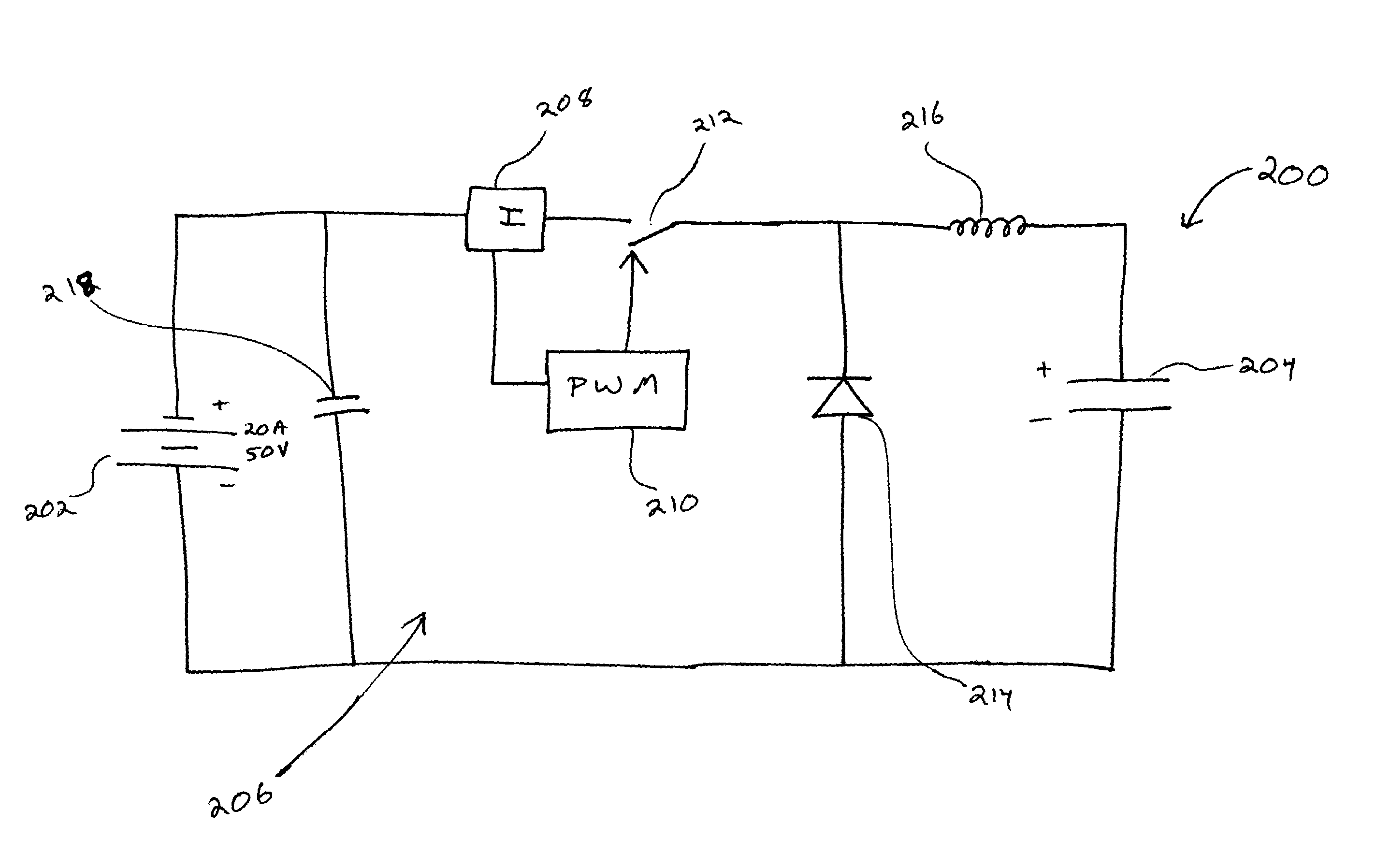
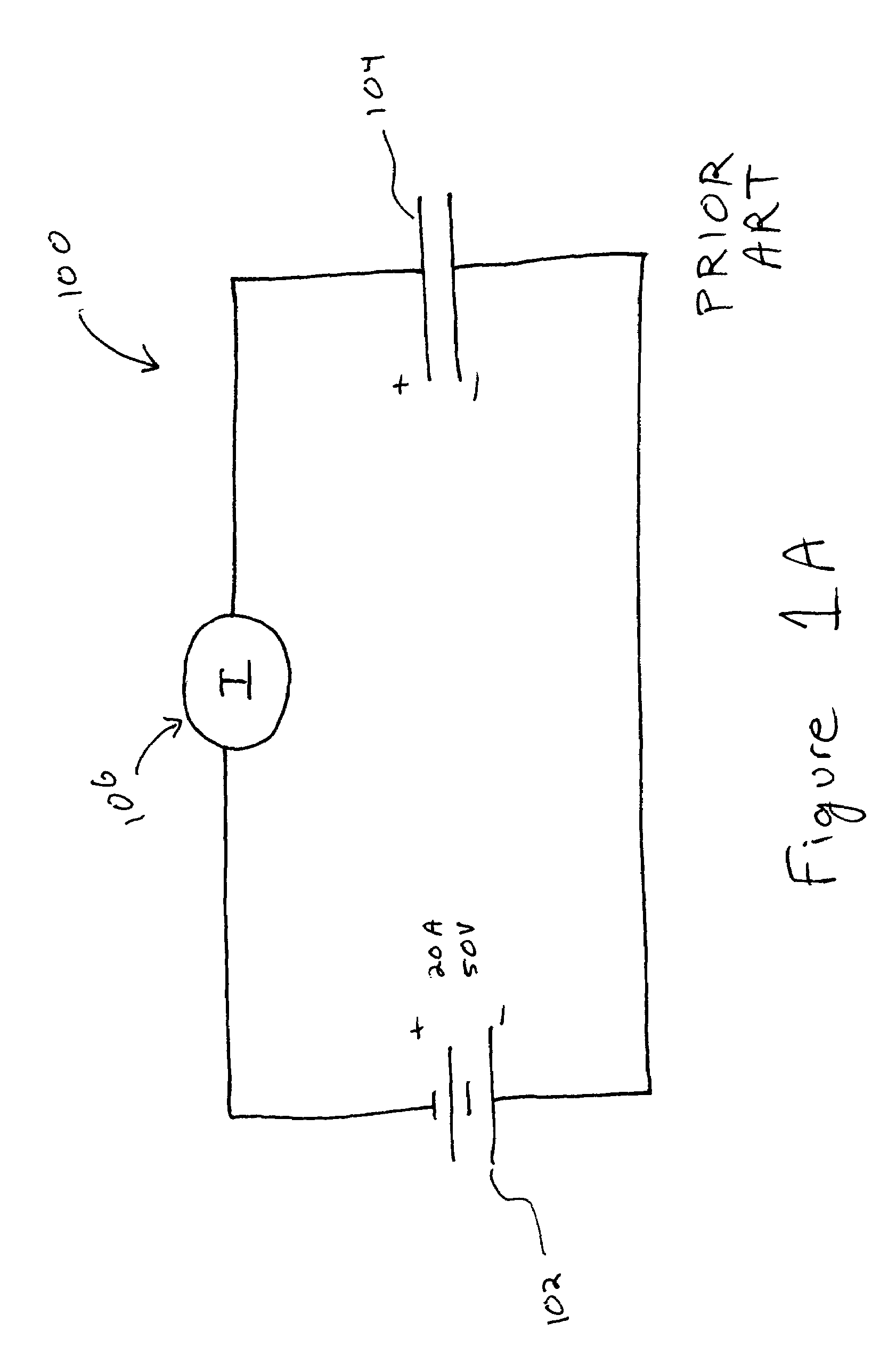
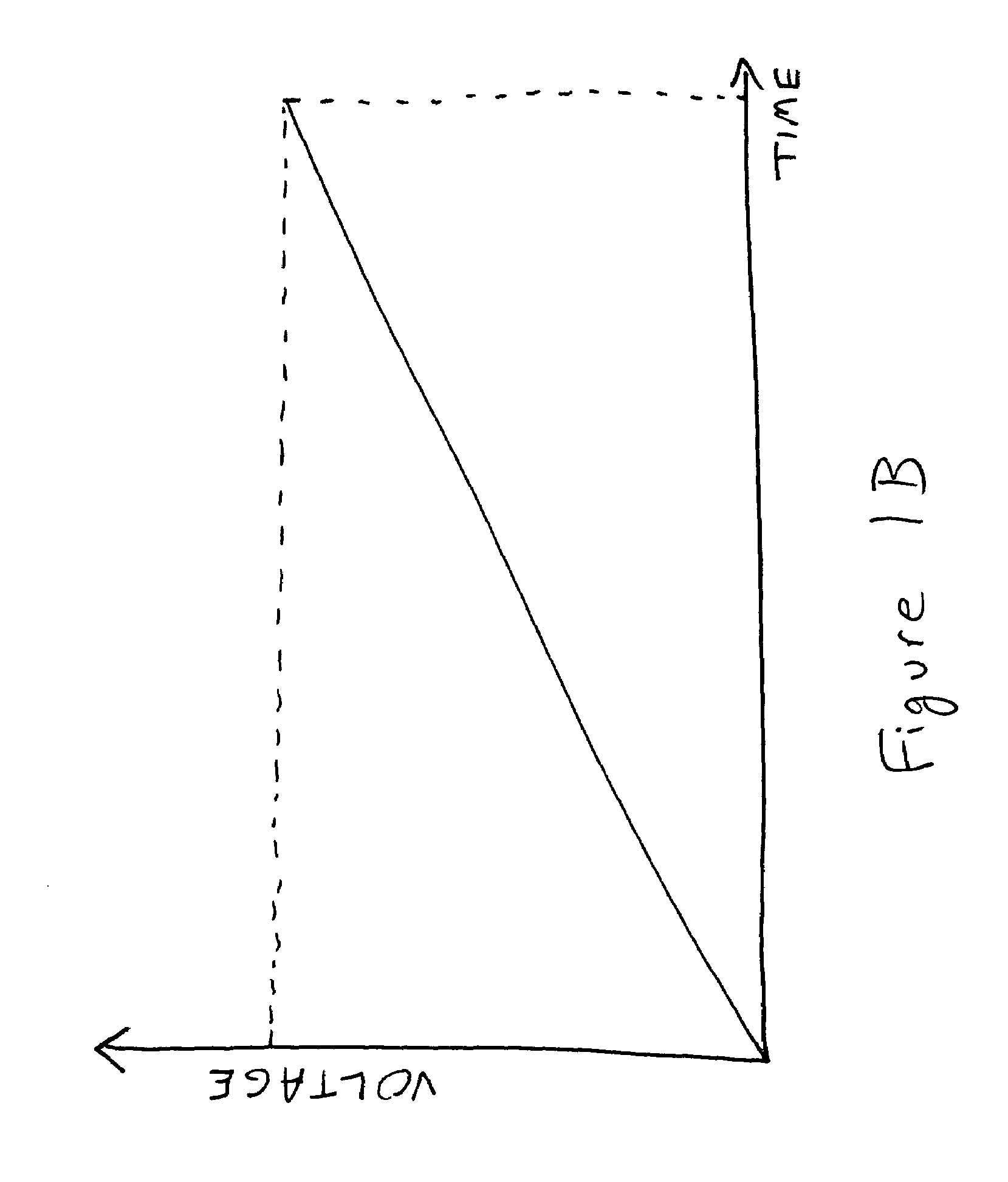
- A constant-power charging system using a pulse-width modulator and inductor arrangement that controls the current level through the ultracapacitor power module, allowing for increased current during charging periods, thereby overcoming the limitations of constant current recharging.

Rechargeable power source for mobile devices which includes an ultracapacitor
PatentActiveUS20180342357A1
Innovation
- A rechargeable power source utilizing an ultracapacitor with a composite structure featuring a metal foil, a metal oxide layer less than 100 nm thick, and carbon nanotubes attached to the oxide layer, which enables rapid charging by increasing energy density and power density.


Safety Standards for Mobile Energy Storage Devices
The safety standards for mobile energy storage devices incorporating ultracapacitors are governed by multiple international and regional regulatory frameworks. The International Electrotechnical Commission (IEC) provides fundamental guidelines through IEC 62391 series, which specifically addresses fixed electric double-layer capacitors for use in electronic equipment. These standards establish baseline requirements for electrical, mechanical, and environmental performance parameters that directly impact ultracapacitor integration in mobile charging applications.
Battery safety standards such as IEC 62133 and UN 38.3 transportation regulations significantly influence ultracapacitor-based mobile devices, particularly in hybrid energy storage systems. While ultracapacitors are not batteries, devices combining both technologies must comply with the most stringent applicable standards. The UN 38.3 testing requirements for lithium batteries often extend to hybrid systems, necessitating comprehensive thermal, vibration, and impact testing protocols.
Regional certification requirements vary substantially across major markets. The Federal Communications Commission (FCC) in the United States mandates electromagnetic compatibility testing for mobile charging devices, while the European Union's CE marking requires compliance with the Low Voltage Directive and Electromagnetic Compatibility Directive. China's Compulsory Certification (CCC) system imposes additional safety verification requirements for energy storage devices entering the Chinese market.
Thermal management standards represent a critical safety consideration for ultracapacitor mobile applications. IEC 60068 environmental testing standards define temperature cycling, humidity, and thermal shock requirements that ultracapacitor-based devices must withstand. The rapid charge-discharge capabilities of ultracapacitors can generate significant heat, requiring adherence to thermal safety margins typically more stringent than conventional battery systems.
Emerging safety standards specifically address portable energy storage systems. The Underwriters Laboratories (UL) 2089 standard for portable power banks and the recently developed IEC 62620 for secondary lithium cells and batteries are being adapted to encompass ultracapacitor technologies. These evolving standards recognize the unique safety characteristics of ultracapacitors, including their lower fire risk but higher voltage sensitivity compared to traditional electrochemical batteries.
Battery safety standards such as IEC 62133 and UN 38.3 transportation regulations significantly influence ultracapacitor-based mobile devices, particularly in hybrid energy storage systems. While ultracapacitors are not batteries, devices combining both technologies must comply with the most stringent applicable standards. The UN 38.3 testing requirements for lithium batteries often extend to hybrid systems, necessitating comprehensive thermal, vibration, and impact testing protocols.
Regional certification requirements vary substantially across major markets. The Federal Communications Commission (FCC) in the United States mandates electromagnetic compatibility testing for mobile charging devices, while the European Union's CE marking requires compliance with the Low Voltage Directive and Electromagnetic Compatibility Directive. China's Compulsory Certification (CCC) system imposes additional safety verification requirements for energy storage devices entering the Chinese market.
Thermal management standards represent a critical safety consideration for ultracapacitor mobile applications. IEC 60068 environmental testing standards define temperature cycling, humidity, and thermal shock requirements that ultracapacitor-based devices must withstand. The rapid charge-discharge capabilities of ultracapacitors can generate significant heat, requiring adherence to thermal safety margins typically more stringent than conventional battery systems.
Emerging safety standards specifically address portable energy storage systems. The Underwriters Laboratories (UL) 2089 standard for portable power banks and the recently developed IEC 62620 for secondary lithium cells and batteries are being adapted to encompass ultracapacitor technologies. These evolving standards recognize the unique safety characteristics of ultracapacitors, including their lower fire risk but higher voltage sensitivity compared to traditional electrochemical batteries.
Environmental Impact of Ultracapacitor Manufacturing
The manufacturing of ultracapacitors for mobile charging applications presents significant environmental considerations that must be evaluated alongside their performance benefits. The production process involves several environmentally intensive stages, from raw material extraction to final assembly, each contributing to the overall ecological footprint of these energy storage devices.
Raw material extraction represents the most environmentally impactful phase of ultracapacitor manufacturing. The production requires specialized materials including activated carbon, conductive polymers, and various metal compounds for electrodes and current collectors. Activated carbon production typically involves high-temperature carbonization processes that consume substantial energy and may release volatile organic compounds. Additionally, the extraction of aluminum for current collectors and other metallic components requires energy-intensive mining and refining operations.
The electrode manufacturing process involves chemical activation and surface treatment procedures that utilize various solvents and chemical agents. These processes generate wastewater containing organic compounds and metal residues that require specialized treatment before disposal. The electrolyte preparation stage involves handling organic solvents and ionic compounds, some of which may pose environmental risks if not properly managed during production.
Energy consumption during manufacturing constitutes another critical environmental factor. Ultracapacitor production requires controlled atmosphere conditions, precision coating processes, and extensive quality testing procedures. The vacuum drying and assembly stages demand significant electrical energy, contributing to the carbon footprint of the final product. Manufacturing facilities typically require clean room environments with continuous air filtration and climate control systems.
Waste generation during production includes solvent vapors, defective components, and packaging materials. The semiconductor-grade manufacturing standards required for ultracapacitors result in relatively high rejection rates during quality control processes. However, many waste materials can be recycled or reprocessed, particularly metal components and certain organic materials.
Comparative analysis with traditional lithium-ion battery manufacturing reveals that ultracapacitors generally have lower environmental impact per unit due to the absence of toxic heavy metals like cobalt and lithium. The manufacturing process avoids the complex chemical synthesis required for battery cathode materials, reducing both energy consumption and hazardous waste generation.
End-of-life considerations favor ultracapacitors significantly, as their components are largely recyclable and do not contain the toxic materials found in conventional batteries. The carbon-based electrodes can be reprocessed, and metal components retain their material value for recycling applications.
Raw material extraction represents the most environmentally impactful phase of ultracapacitor manufacturing. The production requires specialized materials including activated carbon, conductive polymers, and various metal compounds for electrodes and current collectors. Activated carbon production typically involves high-temperature carbonization processes that consume substantial energy and may release volatile organic compounds. Additionally, the extraction of aluminum for current collectors and other metallic components requires energy-intensive mining and refining operations.
The electrode manufacturing process involves chemical activation and surface treatment procedures that utilize various solvents and chemical agents. These processes generate wastewater containing organic compounds and metal residues that require specialized treatment before disposal. The electrolyte preparation stage involves handling organic solvents and ionic compounds, some of which may pose environmental risks if not properly managed during production.
Energy consumption during manufacturing constitutes another critical environmental factor. Ultracapacitor production requires controlled atmosphere conditions, precision coating processes, and extensive quality testing procedures. The vacuum drying and assembly stages demand significant electrical energy, contributing to the carbon footprint of the final product. Manufacturing facilities typically require clean room environments with continuous air filtration and climate control systems.
Waste generation during production includes solvent vapors, defective components, and packaging materials. The semiconductor-grade manufacturing standards required for ultracapacitors result in relatively high rejection rates during quality control processes. However, many waste materials can be recycled or reprocessed, particularly metal components and certain organic materials.
Comparative analysis with traditional lithium-ion battery manufacturing reveals that ultracapacitors generally have lower environmental impact per unit due to the absence of toxic heavy metals like cobalt and lithium. The manufacturing process avoids the complex chemical synthesis required for battery cathode materials, reducing both energy consumption and hazardous waste generation.
End-of-life considerations favor ultracapacitors significantly, as their components are largely recyclable and do not contain the toxic materials found in conventional batteries. The carbon-based electrodes can be reprocessed, and metal components retain their material value for recycling applications.
Unlock deeper insights with Patsnap Eureka Quick Research — get a full tech report to explore trends and direct your research. Try now!
Generate Your Research Report Instantly with AI Agent
Supercharge your innovation with Patsnap Eureka AI Agent Platform!