

Comparing Wafer Bonding Techniques: Plasma vs Anodic
APR 13, 20269 MIN READ
Generate Your Research Report Instantly with AI Agent
Patsnap Eureka helps you evaluate technical feasibility & market potential.
Wafer Bonding Technology Background and Objectives
Wafer bonding technology has emerged as a fundamental enabling technique in modern semiconductor manufacturing and microelectromechanical systems (MEMS) fabrication. This critical process involves permanently joining two or more wafers at the atomic or molecular level to create complex three-dimensional structures that cannot be achieved through conventional single-wafer processing methods. The technology has evolved significantly since its initial development in the 1980s, driven by the relentless demand for miniaturization, enhanced functionality, and improved performance in electronic devices.
The historical development of wafer bonding can be traced back to early silicon-on-insulator (SOI) substrate fabrication, where researchers first recognized the potential of permanently joining silicon wafers. Initially, thermal fusion bonding dominated the field, but limitations in processing temperatures and material compatibility drove the development of alternative approaches. The introduction of anodic bonding in the late 1980s marked a significant milestone, enabling the integration of silicon with glass substrates at relatively low temperatures through electrostatic forces.
The subsequent emergence of plasma-activated bonding in the 1990s represented another evolutionary leap, offering room-temperature processing capabilities and expanded material compatibility. This technique leverages plasma treatment to activate wafer surfaces, creating reactive sites that facilitate strong covalent bonds upon contact. The plasma approach addressed many limitations of traditional thermal and anodic methods, particularly in applications requiring temperature-sensitive materials or heterogeneous material integration.
Current technological objectives in wafer bonding focus on achieving ultra-high bond strength while maintaining precise dimensional control and minimizing thermal budget requirements. The industry seeks to enable seamless integration of diverse materials including III-V semiconductors, piezoelectric materials, and advanced dielectrics with silicon platforms. Key performance targets include achieving void-free bonding across entire wafer surfaces, maintaining sub-nanometer interface roughness, and ensuring long-term reliability under extreme operating conditions.
The primary technical goals driving current research efforts encompass expanding the range of bondable material combinations, reducing processing temperatures to preserve device functionality, and improving throughput for commercial viability. Additionally, there is significant emphasis on developing bonding techniques that can accommodate increasingly stringent alignment tolerances required for advanced packaging applications and heterogeneous integration schemes.
Modern wafer bonding objectives also prioritize environmental sustainability and cost-effectiveness, pushing toward processes that minimize chemical consumption, reduce energy requirements, and eliminate hazardous materials. The technology aims to support next-generation applications including quantum computing devices, advanced sensors, and high-performance computing platforms that demand unprecedented levels of integration density and functional complexity.
The historical development of wafer bonding can be traced back to early silicon-on-insulator (SOI) substrate fabrication, where researchers first recognized the potential of permanently joining silicon wafers. Initially, thermal fusion bonding dominated the field, but limitations in processing temperatures and material compatibility drove the development of alternative approaches. The introduction of anodic bonding in the late 1980s marked a significant milestone, enabling the integration of silicon with glass substrates at relatively low temperatures through electrostatic forces.
The subsequent emergence of plasma-activated bonding in the 1990s represented another evolutionary leap, offering room-temperature processing capabilities and expanded material compatibility. This technique leverages plasma treatment to activate wafer surfaces, creating reactive sites that facilitate strong covalent bonds upon contact. The plasma approach addressed many limitations of traditional thermal and anodic methods, particularly in applications requiring temperature-sensitive materials or heterogeneous material integration.
Current technological objectives in wafer bonding focus on achieving ultra-high bond strength while maintaining precise dimensional control and minimizing thermal budget requirements. The industry seeks to enable seamless integration of diverse materials including III-V semiconductors, piezoelectric materials, and advanced dielectrics with silicon platforms. Key performance targets include achieving void-free bonding across entire wafer surfaces, maintaining sub-nanometer interface roughness, and ensuring long-term reliability under extreme operating conditions.
The primary technical goals driving current research efforts encompass expanding the range of bondable material combinations, reducing processing temperatures to preserve device functionality, and improving throughput for commercial viability. Additionally, there is significant emphasis on developing bonding techniques that can accommodate increasingly stringent alignment tolerances required for advanced packaging applications and heterogeneous integration schemes.
Modern wafer bonding objectives also prioritize environmental sustainability and cost-effectiveness, pushing toward processes that minimize chemical consumption, reduce energy requirements, and eliminate hazardous materials. The technology aims to support next-generation applications including quantum computing devices, advanced sensors, and high-performance computing platforms that demand unprecedented levels of integration density and functional complexity.
Market Demand for Advanced Wafer Bonding Solutions
The semiconductor industry's relentless pursuit of miniaturization and enhanced device performance has created substantial market demand for advanced wafer bonding solutions. As device architectures become increasingly complex, particularly in three-dimensional integration and heterogeneous packaging applications, the need for precise and reliable wafer bonding techniques has intensified significantly.
Market drivers for advanced wafer bonding technologies stem primarily from the proliferation of MEMS devices, power semiconductors, and advanced packaging solutions. The automotive sector's transition toward electric vehicles and autonomous driving systems has generated unprecedented demand for high-performance sensors and power management devices, all requiring sophisticated wafer bonding capabilities. Similarly, the expansion of Internet of Things applications and edge computing devices necessitates compact, multi-functional semiconductor solutions that rely heavily on wafer-level bonding processes.
The telecommunications infrastructure evolution, particularly the deployment of 5G networks and preparation for 6G technologies, has created substantial opportunities for wafer bonding solution providers. These applications demand high-frequency components with superior electrical performance and thermal management characteristics, driving the need for advanced bonding techniques that can maintain signal integrity while providing robust mechanical connections.
Consumer electronics markets continue to push boundaries in device miniaturization and functionality integration. Smartphones, wearable devices, and portable electronics require increasingly sophisticated packaging solutions that combine multiple functionalities within constrained form factors. This trend has elevated the importance of wafer bonding technologies that can achieve high bond strength while maintaining precise alignment and minimal thermal budget requirements.
The emerging quantum computing and photonics sectors represent significant growth opportunities for specialized wafer bonding applications. These cutting-edge technologies require ultra-precise bonding processes with exceptional cleanliness standards and minimal interface contamination, creating demand for advanced plasma and anodic bonding solutions with enhanced process control capabilities.
Industrial automation and smart manufacturing initiatives have further expanded market opportunities, as these sectors increasingly rely on sophisticated sensor arrays and power management systems. The growing emphasis on energy efficiency and sustainable manufacturing processes has also driven demand for bonding solutions that minimize material waste and energy consumption while maintaining high throughput and yield rates.
Regional market dynamics show particularly strong growth in Asia-Pacific regions, driven by concentrated semiconductor manufacturing activities and increasing investment in advanced packaging facilities. North American and European markets demonstrate steady demand growth, particularly in specialized applications requiring high-performance bonding solutions with stringent quality and reliability requirements.
Market drivers for advanced wafer bonding technologies stem primarily from the proliferation of MEMS devices, power semiconductors, and advanced packaging solutions. The automotive sector's transition toward electric vehicles and autonomous driving systems has generated unprecedented demand for high-performance sensors and power management devices, all requiring sophisticated wafer bonding capabilities. Similarly, the expansion of Internet of Things applications and edge computing devices necessitates compact, multi-functional semiconductor solutions that rely heavily on wafer-level bonding processes.
The telecommunications infrastructure evolution, particularly the deployment of 5G networks and preparation for 6G technologies, has created substantial opportunities for wafer bonding solution providers. These applications demand high-frequency components with superior electrical performance and thermal management characteristics, driving the need for advanced bonding techniques that can maintain signal integrity while providing robust mechanical connections.
Consumer electronics markets continue to push boundaries in device miniaturization and functionality integration. Smartphones, wearable devices, and portable electronics require increasingly sophisticated packaging solutions that combine multiple functionalities within constrained form factors. This trend has elevated the importance of wafer bonding technologies that can achieve high bond strength while maintaining precise alignment and minimal thermal budget requirements.
The emerging quantum computing and photonics sectors represent significant growth opportunities for specialized wafer bonding applications. These cutting-edge technologies require ultra-precise bonding processes with exceptional cleanliness standards and minimal interface contamination, creating demand for advanced plasma and anodic bonding solutions with enhanced process control capabilities.
Industrial automation and smart manufacturing initiatives have further expanded market opportunities, as these sectors increasingly rely on sophisticated sensor arrays and power management systems. The growing emphasis on energy efficiency and sustainable manufacturing processes has also driven demand for bonding solutions that minimize material waste and energy consumption while maintaining high throughput and yield rates.
Regional market dynamics show particularly strong growth in Asia-Pacific regions, driven by concentrated semiconductor manufacturing activities and increasing investment in advanced packaging facilities. North American and European markets demonstrate steady demand growth, particularly in specialized applications requiring high-performance bonding solutions with stringent quality and reliability requirements.
Current Status and Challenges in Wafer Bonding Methods
Wafer bonding technology has reached a mature stage in semiconductor manufacturing, with plasma-activated bonding and anodic bonding representing two dominant approaches for heterogeneous integration. Both techniques have established themselves as reliable methods for creating permanent bonds between different materials, yet each faces distinct technical limitations that constrain their broader adoption in advanced applications.
Plasma-activated bonding currently dominates high-volume manufacturing due to its versatility and compatibility with various substrate materials. The technique achieves bond strengths exceeding 2 J/m² through surface activation using oxygen or nitrogen plasma, enabling room-temperature bonding followed by thermal annealing. However, the method struggles with surface roughness sensitivity, requiring sub-nanometer surface quality for optimal results. Particle contamination remains a critical challenge, as even minimal surface debris can create voids that compromise bond integrity across large wafer areas.
Anodic bonding demonstrates superior performance in specific material combinations, particularly silicon-to-glass interfaces, achieving bond strengths up to 20 J/m². The electrostatic field-assisted process operates at elevated temperatures between 300-500°C, creating strong ionic bonds at the interface. Despite its robustness, anodic bonding faces significant material limitations, restricting its application primarily to alkali-containing glasses and limiting substrate thickness due to thermal expansion mismatches.
Temperature management presents ongoing challenges for both techniques. Plasma bonding requires precise thermal budget control during post-bond annealing to avoid damaging temperature-sensitive devices, while anodic bonding must manage thermal stress from high-temperature processing. These thermal constraints become increasingly problematic as device geometries shrink and material combinations become more complex.
Interface quality control represents another critical challenge affecting both methods. Plasma bonding suffers from hydrophilic surface requirements that demand stringent environmental controls, while anodic bonding requires careful management of ion migration to prevent electrical interference in sensitive circuits. Both techniques struggle with void formation, though through different mechanisms - plasma bonding through incomplete surface contact and anodic bonding through gas evolution during the electrochemical process.
Scalability issues persist as wafer sizes increase and device requirements become more stringent. Plasma bonding faces uniformity challenges across large wafer areas, while anodic bonding encounters difficulties in maintaining consistent electric field distribution. These limitations become more pronounced in advanced packaging applications requiring precise alignment and minimal process-induced stress.
Plasma-activated bonding currently dominates high-volume manufacturing due to its versatility and compatibility with various substrate materials. The technique achieves bond strengths exceeding 2 J/m² through surface activation using oxygen or nitrogen plasma, enabling room-temperature bonding followed by thermal annealing. However, the method struggles with surface roughness sensitivity, requiring sub-nanometer surface quality for optimal results. Particle contamination remains a critical challenge, as even minimal surface debris can create voids that compromise bond integrity across large wafer areas.
Anodic bonding demonstrates superior performance in specific material combinations, particularly silicon-to-glass interfaces, achieving bond strengths up to 20 J/m². The electrostatic field-assisted process operates at elevated temperatures between 300-500°C, creating strong ionic bonds at the interface. Despite its robustness, anodic bonding faces significant material limitations, restricting its application primarily to alkali-containing glasses and limiting substrate thickness due to thermal expansion mismatches.
Temperature management presents ongoing challenges for both techniques. Plasma bonding requires precise thermal budget control during post-bond annealing to avoid damaging temperature-sensitive devices, while anodic bonding must manage thermal stress from high-temperature processing. These thermal constraints become increasingly problematic as device geometries shrink and material combinations become more complex.
Interface quality control represents another critical challenge affecting both methods. Plasma bonding suffers from hydrophilic surface requirements that demand stringent environmental controls, while anodic bonding requires careful management of ion migration to prevent electrical interference in sensitive circuits. Both techniques struggle with void formation, though through different mechanisms - plasma bonding through incomplete surface contact and anodic bonding through gas evolution during the electrochemical process.
Scalability issues persist as wafer sizes increase and device requirements become more stringent. Plasma bonding faces uniformity challenges across large wafer areas, while anodic bonding encounters difficulties in maintaining consistent electric field distribution. These limitations become more pronounced in advanced packaging applications requiring precise alignment and minimal process-induced stress.
Existing Plasma vs Anodic Bonding Solutions
01 Direct bonding techniques for wafer-to-wafer attachment
Direct bonding methods involve bringing two wafer surfaces into intimate contact without intermediate adhesive layers. These techniques rely on surface activation, cleaning, and precise alignment to achieve strong bonds through van der Waals forces, hydrogen bonding, or covalent bonding. The process typically includes surface preparation steps such as plasma treatment or chemical cleaning to enhance bonding quality. Direct bonding is particularly suitable for applications requiring high thermal and electrical conductivity between bonded wafers.- Direct bonding techniques for wafer-to-wafer attachment: Direct bonding methods involve joining two wafer surfaces without intermediate layers by utilizing surface activation, plasma treatment, or chemical cleaning to achieve atomic-level bonding. These techniques enable strong bonds through van der Waals forces, covalent bonds, or hydrogen bonds formed between activated surfaces. The process typically requires ultra-clean surfaces and controlled environments to ensure high bond strength and uniformity across the wafer area.
- Adhesive-based wafer bonding methods: Adhesive bonding utilizes intermediate polymer layers, such as benzocyclobutene or epoxy-based materials, to join wafers together. This approach offers advantages including lower processing temperatures, tolerance for surface roughness, and stress compensation between different materials. The adhesive layer can be spin-coated or laminated onto one or both wafer surfaces before bonding, providing flexibility in bonding dissimilar materials and accommodating topography variations.
- Anodic bonding for silicon and glass substrates: Anodic bonding is an electrochemical process that creates permanent bonds between silicon wafers and glass substrates containing mobile ions. The technique applies high voltage and elevated temperature to drive ionic species toward the bonding interface, creating a strong electrostatic attraction and chemical bonds. This method is particularly suitable for MEMS devices and sensor applications requiring hermetic sealing and optical transparency.
- Fusion bonding with thermal treatment: Fusion bonding employs high-temperature annealing to create covalent bonds between hydrophilic wafer surfaces. The process begins with surface hydrophilization followed by room-temperature pre-bonding and subsequent thermal treatment at elevated temperatures to strengthen the bond through siloxane bridge formation. This technique produces bonds with strength comparable to the bulk material and is widely used in silicon-on-insulator wafer fabrication.
- Hybrid bonding combining multiple bonding mechanisms: Hybrid bonding integrates multiple bonding techniques to achieve simultaneous electrical and mechanical connections at the wafer level. This advanced approach combines metal-to-metal bonding with dielectric-to-dielectric bonding in a single process step, enabling high-density interconnects for three-dimensional integration. The method requires precise surface planarization and alignment to ensure both mechanical strength and electrical conductivity across the bonded interface.
02 Adhesive-based wafer bonding methods
Adhesive bonding utilizes intermediate polymer or organic materials to join wafers together. This approach offers advantages in terms of lower processing temperatures and tolerance for surface roughness variations. Various adhesive materials including benzocyclobutene, polyimide, and epoxy-based compounds can be employed depending on the application requirements. The technique is particularly useful for bonding wafers with different coefficients of thermal expansion or when temporary bonding is required for processing steps.Expand Specific Solutions03 Anodic bonding for silicon-glass wafer integration
Anodic bonding is an electrochemical process that creates strong bonds between silicon wafers and glass substrates by applying voltage at elevated temperatures. This technique exploits the migration of mobile ions in glass to form a depletion layer at the interface, resulting in electrostatic attraction and subsequent chemical bonding. The method is widely used in MEMS device fabrication and sensor applications where hermetic sealing and optical transparency are required.Expand Specific Solutions04 Fusion bonding with thermal treatment
Fusion bonding involves joining wafers through high-temperature annealing processes that promote atomic diffusion and formation of strong covalent bonds across the interface. The technique requires extremely smooth and clean surfaces to achieve successful bonding. Various surface preparation methods including chemical mechanical polishing and hydrophilic or hydrophobic treatments are employed to optimize bond strength. This approach is commonly used in silicon-on-insulator wafer fabrication and three-dimensional integrated circuit manufacturing.Expand Specific Solutions05 Hybrid bonding combining multiple bonding mechanisms
Hybrid bonding techniques integrate multiple bonding mechanisms to achieve superior bond quality and functionality. These methods may combine metal-to-metal bonding with dielectric bonding, or incorporate intermediate layers that facilitate bonding while providing specific electrical or mechanical properties. Advanced hybrid approaches enable fine-pitch interconnections and heterogeneous integration of different materials and device types. The technique addresses challenges in advanced packaging and three-dimensional integration applications.Expand Specific Solutions
Major Players in Wafer Bonding Equipment Industry
The wafer bonding technology sector represents a mature yet evolving market within the semiconductor manufacturing ecosystem, currently experiencing steady growth driven by advanced packaging demands and 3D integration requirements. The competitive landscape spans established semiconductor equipment manufacturers like Tokyo Electron Ltd. and major foundries including Taiwan Semiconductor Manufacturing Co., Ltd. and Samsung Electronics Co., Ltd., alongside specialized materials companies such as Corning, Inc. Technology maturity varies significantly between plasma and anodic bonding approaches, with plasma bonding gaining traction through companies like Agilent Technologies and research institutions, while anodic bonding remains well-established through traditional players like Infineon Technologies AG and Robert Bosch GmbH. The market demonstrates strong regional concentration in Asia-Pacific, with emerging players like Beijing U-PRECISION TECH Co., Ltd. and established research centers contributing to technological advancement, indicating a competitive environment where both innovation and manufacturing scale determine market positioning.
Tokyo Electron Ltd.
Technical Solution: Tokyo Electron provides advanced wafer bonding equipment supporting both plasma-activated and anodic bonding processes. Their plasma bonding systems feature precise plasma parameter control including RF power (100-2000W), gas flow rates, and chamber pressure optimization for various substrate materials. The equipment achieves surface activation with minimal damage while maintaining uniformity across 300mm wafers. For anodic bonding applications, TEL's systems offer temperature control from 200-500°C with voltage regulation up to 2000V DC, ensuring consistent bond formation. Their proprietary alignment technology enables sub-micron accuracy positioning during the bonding process, critical for advanced semiconductor packaging and MEMS device fabrication.
Strengths: Leading equipment technology with excellent process uniformity and repeatability. Weaknesses: High equipment costs and complex maintenance requirements for advanced systems.
Samsung Electronics Co., Ltd.
Technical Solution: Samsung utilizes both plasma and anodic bonding techniques for MEMS sensors and advanced packaging applications. Their plasma bonding approach involves Ar/O2 plasma surface activation followed by thermal compression at temperatures ranging from 150-300°C, achieving bond energies of 1.5-2.5 J/m². For anodic bonding, Samsung employs borosilicate glass wafers with silicon substrates at 300-450°C under 500-1500V DC voltage, creating hermetic seals for pressure sensors and accelerometers. The company has developed hybrid bonding processes combining both techniques to optimize performance for specific device requirements including low outgassing and high mechanical strength.
Strengths: Comprehensive material science expertise, strong R&D capabilities in multiple bonding technologies. Weaknesses: Complex process integration challenges, higher thermal budget requirements for some applications.
Core Patents in Advanced Wafer Bonding Techniques
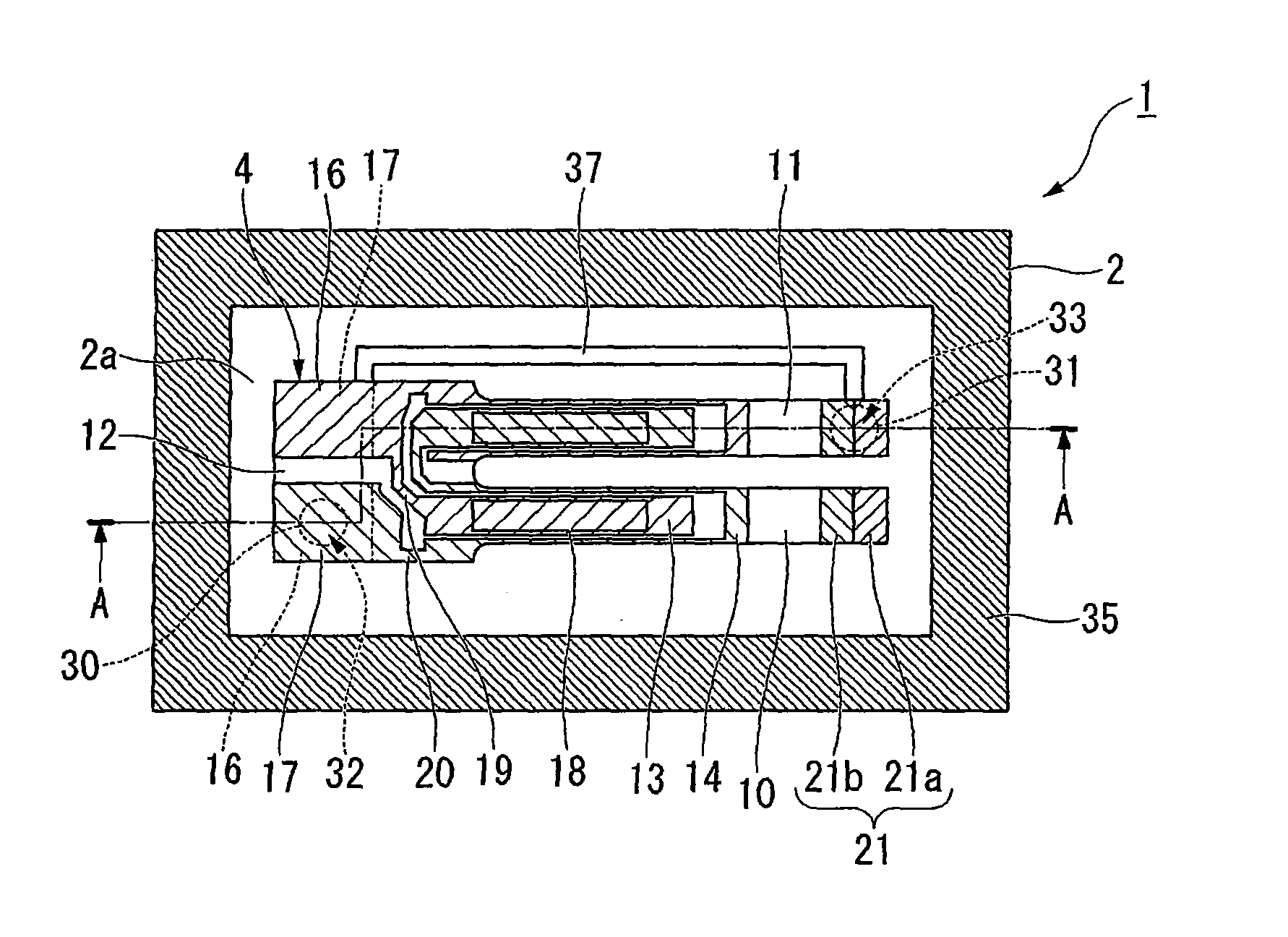
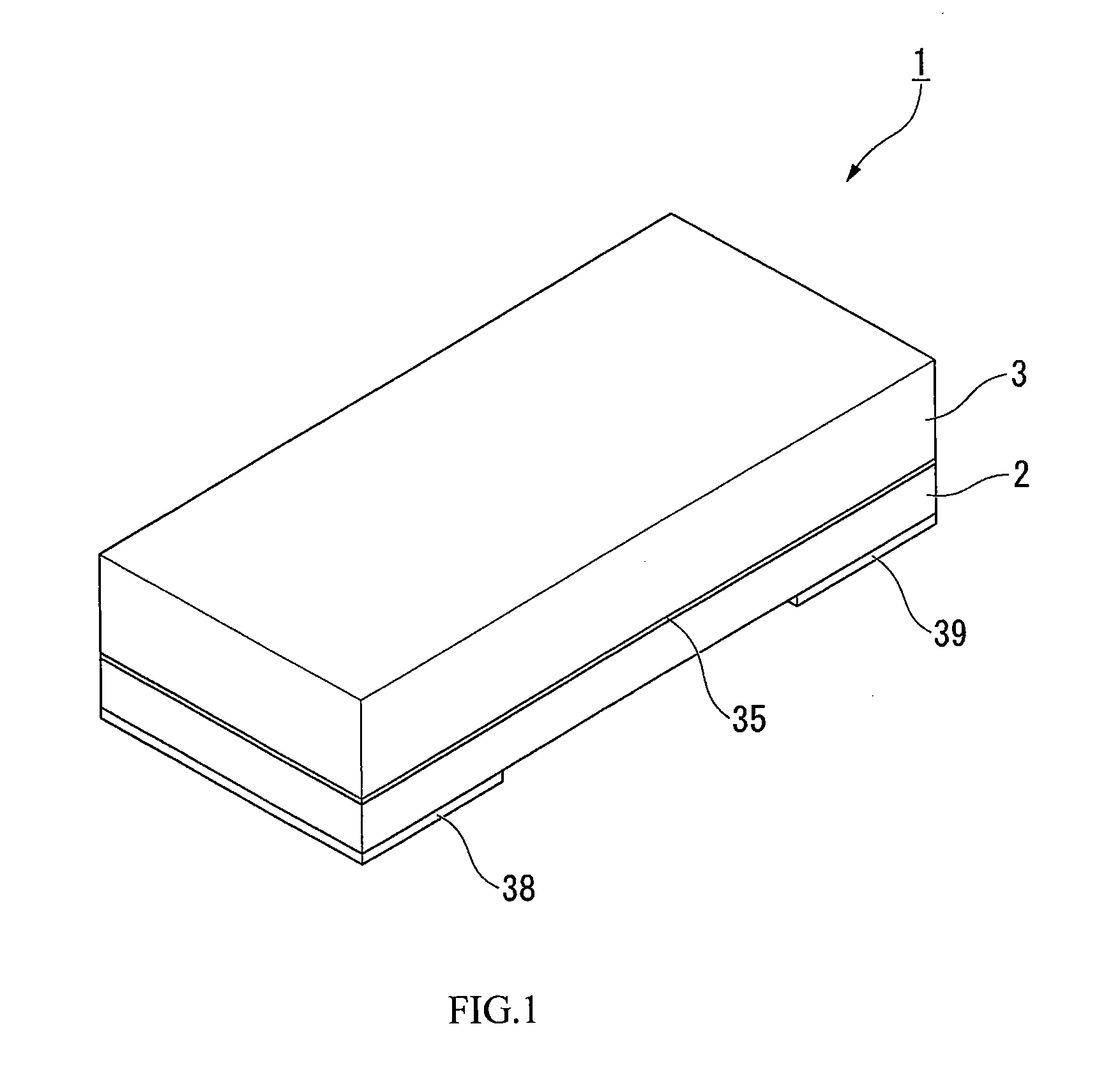
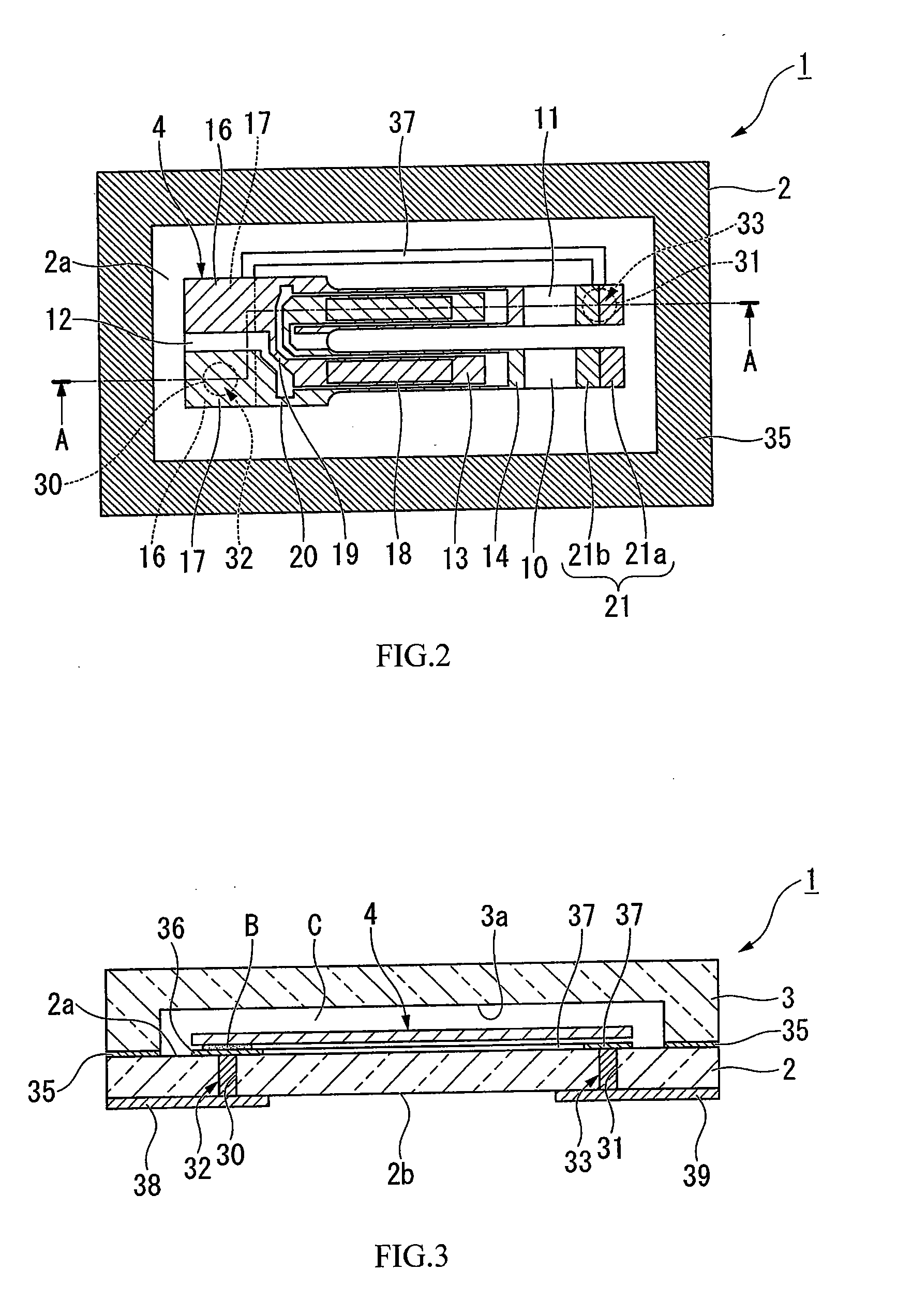
Anodic wafer bonding method, method of manufacturing packages, method of manufacturing piezoelectric vibrators, oscillator, electronic apparatus, and radio clock
PatentInactiveUS20110285245A1
Innovation
- Applying voltage to the bonding film from multiple points, particularly at circumferentially equidistant points on the center portion of the substrates, reduces current density and ensures uniform bonding conditions, preventing film damage and enhancing reliability regardless of substrate size.

Plasma processing apparatus, wafer to wafer bonding system and wafer to wafer bonding method
PatentPendingUS20240038536A1
Innovation
- A plasma processing apparatus with a load lock chamber switchable between atmospheric and vacuum pressure states, incorporating a steam supply to maintain moisture levels by supplying water vapor into the plasma chamber before or during plasma generation, ensuring a consistent level of OH radical generation and enhanced bonding strength.


Quality Standards for Semiconductor Bonding Processes
Quality standards for semiconductor bonding processes represent a critical framework that ensures the reliability, performance, and manufacturability of bonded wafer structures. These standards encompass multiple dimensions of process control, material specifications, and performance metrics that must be consistently achieved across different bonding techniques.
The fundamental quality parameters for wafer bonding include bond strength, void density, surface roughness, and interfacial uniformity. Bond strength measurements typically require minimum values of 1-2 J/m² for most applications, with high-performance devices demanding strengths exceeding 3 J/m². Void density standards generally specify maximum allowable void areas of less than 1% of the total bonded surface, with individual void sizes restricted to prevent electrical or mechanical failures.
Surface preparation standards mandate specific cleanliness levels and surface treatments prior to bonding. Particle contamination must be minimized to fewer than 0.1 particles per cm² for particles larger than 0.2 μm. Surface roughness requirements typically specify RMS values below 0.5 nm for direct bonding applications, ensuring optimal interfacial contact and bond formation.
Temperature uniformity during bonding processes must be maintained within ±2°C across the wafer surface to prevent thermal stress and ensure consistent bond quality. Pressure distribution standards require uniformity within ±5% to avoid localized stress concentrations that could compromise bond integrity.
Electrical performance standards for bonded structures include specific requirements for interfacial resistance, breakdown voltage, and leakage current. These parameters vary significantly depending on the application, with power devices requiring different specifications compared to MEMS or optical components.
Process repeatability standards mandate statistical process control with Cpk values exceeding 1.33 for critical parameters. This ensures consistent quality across production batches and enables reliable yield predictions. Documentation requirements include comprehensive process monitoring, traceability records, and failure analysis protocols to maintain quality assurance throughout the manufacturing lifecycle.
The fundamental quality parameters for wafer bonding include bond strength, void density, surface roughness, and interfacial uniformity. Bond strength measurements typically require minimum values of 1-2 J/m² for most applications, with high-performance devices demanding strengths exceeding 3 J/m². Void density standards generally specify maximum allowable void areas of less than 1% of the total bonded surface, with individual void sizes restricted to prevent electrical or mechanical failures.
Surface preparation standards mandate specific cleanliness levels and surface treatments prior to bonding. Particle contamination must be minimized to fewer than 0.1 particles per cm² for particles larger than 0.2 μm. Surface roughness requirements typically specify RMS values below 0.5 nm for direct bonding applications, ensuring optimal interfacial contact and bond formation.
Temperature uniformity during bonding processes must be maintained within ±2°C across the wafer surface to prevent thermal stress and ensure consistent bond quality. Pressure distribution standards require uniformity within ±5% to avoid localized stress concentrations that could compromise bond integrity.
Electrical performance standards for bonded structures include specific requirements for interfacial resistance, breakdown voltage, and leakage current. These parameters vary significantly depending on the application, with power devices requiring different specifications compared to MEMS or optical components.
Process repeatability standards mandate statistical process control with Cpk values exceeding 1.33 for critical parameters. This ensures consistent quality across production batches and enables reliable yield predictions. Documentation requirements include comprehensive process monitoring, traceability records, and failure analysis protocols to maintain quality assurance throughout the manufacturing lifecycle.
Cost-Performance Analysis of Bonding Methods
The cost-performance analysis of plasma and anodic wafer bonding techniques reveals significant differences in both initial investment requirements and operational efficiency. Plasma bonding systems typically demand higher capital expenditure, with equipment costs ranging from $500,000 to $2 million depending on chamber size and automation level. The sophisticated plasma generation systems, vacuum chambers, and precise control mechanisms contribute to this elevated initial investment. Additionally, plasma bonding requires specialized gas supplies and regular maintenance of RF generators, adding to operational costs.
Anodic bonding presents a more cost-effective entry point, with equipment costs generally 30-50% lower than plasma systems. The simpler setup requirements, utilizing basic heating elements and voltage sources, reduce both initial capital and maintenance expenses. However, material constraints limit anodic bonding to specific substrate combinations, potentially increasing material costs when specialized glass wafers are required.
Performance metrics demonstrate distinct advantages for each technique across different applications. Plasma bonding achieves superior bond strength, typically exceeding 20 MPa, with excellent uniformity across large wafer surfaces. The room-temperature processing capability eliminates thermal stress concerns, resulting in higher yield rates for temperature-sensitive devices. Processing throughput ranges from 10-30 wafers per hour, depending on activation time and chamber configuration.
Anodic bonding offers faster processing cycles, completing bonds within 5-15 minutes at temperatures between 300-500°C. The direct electrical contact method ensures reliable hermetic sealing, making it particularly cost-effective for MEMS applications requiring vacuum packaging. Bond strengths typically reach 15-25 MPa with minimal interface contamination.
Long-term operational costs favor plasma bonding for high-volume production due to reduced material restrictions and lower defect rates. The technique's compatibility with various material combinations eliminates the need for specialized substrates, reducing per-unit material costs by 15-25%. Energy consumption patterns show plasma systems requiring 2-3 kWh per wafer compared to anodic bonding's 1.5-2 kWh per wafer, though plasma's higher yield rates often offset this difference.
Return on investment calculations indicate that plasma bonding systems typically achieve payback within 18-24 months for facilities processing over 1000 wafers monthly, while anodic bonding remains more economical for lower-volume specialized applications.
Anodic bonding presents a more cost-effective entry point, with equipment costs generally 30-50% lower than plasma systems. The simpler setup requirements, utilizing basic heating elements and voltage sources, reduce both initial capital and maintenance expenses. However, material constraints limit anodic bonding to specific substrate combinations, potentially increasing material costs when specialized glass wafers are required.
Performance metrics demonstrate distinct advantages for each technique across different applications. Plasma bonding achieves superior bond strength, typically exceeding 20 MPa, with excellent uniformity across large wafer surfaces. The room-temperature processing capability eliminates thermal stress concerns, resulting in higher yield rates for temperature-sensitive devices. Processing throughput ranges from 10-30 wafers per hour, depending on activation time and chamber configuration.
Anodic bonding offers faster processing cycles, completing bonds within 5-15 minutes at temperatures between 300-500°C. The direct electrical contact method ensures reliable hermetic sealing, making it particularly cost-effective for MEMS applications requiring vacuum packaging. Bond strengths typically reach 15-25 MPa with minimal interface contamination.
Long-term operational costs favor plasma bonding for high-volume production due to reduced material restrictions and lower defect rates. The technique's compatibility with various material combinations eliminates the need for specialized substrates, reducing per-unit material costs by 15-25%. Energy consumption patterns show plasma systems requiring 2-3 kWh per wafer compared to anodic bonding's 1.5-2 kWh per wafer, though plasma's higher yield rates often offset this difference.
Return on investment calculations indicate that plasma bonding systems typically achieve payback within 18-24 months for facilities processing over 1000 wafers monthly, while anodic bonding remains more economical for lower-volume specialized applications.
Unlock deeper insights with Patsnap Eureka Quick Research — get a full tech report to explore trends and direct your research. Try now!
Generate Your Research Report Instantly with AI Agent
Supercharge your innovation with Patsnap Eureka AI Agent Platform!