CRT Screen Burn-In Prevention: Effective Techniques
MAR 2, 20269 MIN READ
Generate Your Research Report Instantly with AI Agent
PatSnap Eureka helps you evaluate technical feasibility & market potential.
CRT Display Burn-In Background and Prevention Goals
Cathode Ray Tube (CRT) technology dominated display markets from the 1950s through the early 2000s, serving as the primary visual interface for televisions, computer monitors, and professional display systems. Despite being largely superseded by LCD and OLED technologies, CRT displays remain relevant in specialized applications including vintage computing, retro gaming, professional broadcast monitoring, and industrial control systems where their unique characteristics provide distinct advantages.
The fundamental challenge of screen burn-in emerged as a critical limitation affecting CRT longevity and performance. This phenomenon occurs when static images remain displayed for extended periods, causing permanent phosphor degradation that creates visible ghost images or discolored areas on the screen. The underlying mechanism involves the continuous bombardment of specific phosphor regions by electron beams, leading to chemical breakdown and reduced luminescence efficiency in those areas.
Historical development of CRT technology witnessed continuous evolution in phosphor chemistry, electron gun design, and deflection systems. Early monochrome CRTs utilized simple phosphor coatings, while color CRT development introduced complex tri-phosphor arrangements requiring precise electron beam alignment. Manufacturing improvements throughout the 1970s and 1980s enhanced phosphor stability and uniformity, yet burn-in susceptibility remained an inherent characteristic requiring active management strategies.
The primary technical objective centers on developing comprehensive prevention methodologies that maintain image quality while extending CRT operational lifespan. This encompasses both hardware-level solutions integrated during manufacturing and software-based approaches implemented during operation. Prevention strategies must balance effectiveness against cost considerations, user experience impact, and compatibility with existing systems.
Secondary goals include establishing standardized testing protocols for burn-in susceptibility assessment, developing predictive models for phosphor degradation patterns, and creating adaptive display management systems that automatically adjust parameters based on content analysis. These objectives support broader industry requirements for reliable long-term display performance in mission-critical applications where CRT replacement remains impractical or economically unfeasible.
Contemporary research focuses on hybrid approaches combining multiple prevention techniques, leveraging advances in digital signal processing and intelligent content management to minimize static display elements while maintaining functional requirements across diverse application domains.
The fundamental challenge of screen burn-in emerged as a critical limitation affecting CRT longevity and performance. This phenomenon occurs when static images remain displayed for extended periods, causing permanent phosphor degradation that creates visible ghost images or discolored areas on the screen. The underlying mechanism involves the continuous bombardment of specific phosphor regions by electron beams, leading to chemical breakdown and reduced luminescence efficiency in those areas.
Historical development of CRT technology witnessed continuous evolution in phosphor chemistry, electron gun design, and deflection systems. Early monochrome CRTs utilized simple phosphor coatings, while color CRT development introduced complex tri-phosphor arrangements requiring precise electron beam alignment. Manufacturing improvements throughout the 1970s and 1980s enhanced phosphor stability and uniformity, yet burn-in susceptibility remained an inherent characteristic requiring active management strategies.
The primary technical objective centers on developing comprehensive prevention methodologies that maintain image quality while extending CRT operational lifespan. This encompasses both hardware-level solutions integrated during manufacturing and software-based approaches implemented during operation. Prevention strategies must balance effectiveness against cost considerations, user experience impact, and compatibility with existing systems.
Secondary goals include establishing standardized testing protocols for burn-in susceptibility assessment, developing predictive models for phosphor degradation patterns, and creating adaptive display management systems that automatically adjust parameters based on content analysis. These objectives support broader industry requirements for reliable long-term display performance in mission-critical applications where CRT replacement remains impractical or economically unfeasible.
Contemporary research focuses on hybrid approaches combining multiple prevention techniques, leveraging advances in digital signal processing and intelligent content management to minimize static display elements while maintaining functional requirements across diverse application domains.
Market Demand for CRT Burn-In Solutions
The market demand for CRT burn-in prevention solutions has evolved significantly over the past decades, driven by the widespread adoption of CRT displays across multiple industries and applications. During the peak era of CRT technology, from the 1980s through early 2000s, the demand was particularly robust in professional environments where displays operated continuously for extended periods.
Healthcare facilities represented one of the most critical market segments, with medical imaging equipment, patient monitoring systems, and diagnostic workstations requiring reliable burn-in prevention. Hospitals and clinics faced substantial replacement costs when CRT monitors developed permanent image retention, making prevention solutions economically attractive. The medical sector's stringent reliability requirements created a premium market willing to invest in advanced burn-in mitigation technologies.
Industrial control systems and manufacturing environments constituted another significant demand driver. Process control rooms, power plant monitoring stations, and automated manufacturing interfaces relied heavily on CRT displays for critical operations. These applications often displayed static interface elements for hours or days, creating ideal conditions for burn-in development. The potential operational disruptions and safety implications of display failures generated strong demand for preventive solutions.
The gaming and entertainment industry also contributed substantially to market demand. Arcade operators, casino gaming floors, and early home gaming enthusiasts required solutions to protect their CRT investments from the repetitive display patterns common in gaming applications. This sector drove innovation in both hardware-based and software-based prevention techniques.
Financial trading floors and air traffic control centers represented specialized high-value market segments. These environments combined long operational hours with mission-critical display requirements, creating demand for the most sophisticated burn-in prevention technologies available. The cost of display downtime in these applications often exceeded the investment in prevention solutions by significant margins.
The transition to LCD and other flat-panel technologies beginning in the early 2000s fundamentally altered market dynamics. While new CRT installations declined rapidly, a substantial installed base continued operating, particularly in specialized applications where CRT technology offered specific advantages such as superior color accuracy or response times.
Today's market demand primarily centers on legacy system maintenance and specialized applications where CRT technology remains preferred. Vintage computing enthusiasts, retro gaming communities, and certain scientific instruments maintain niche but persistent demand for burn-in prevention solutions. This residual market, while smaller in volume, often commands premium pricing due to the specialized nature of remaining applications and limited supplier base.
Healthcare facilities represented one of the most critical market segments, with medical imaging equipment, patient monitoring systems, and diagnostic workstations requiring reliable burn-in prevention. Hospitals and clinics faced substantial replacement costs when CRT monitors developed permanent image retention, making prevention solutions economically attractive. The medical sector's stringent reliability requirements created a premium market willing to invest in advanced burn-in mitigation technologies.
Industrial control systems and manufacturing environments constituted another significant demand driver. Process control rooms, power plant monitoring stations, and automated manufacturing interfaces relied heavily on CRT displays for critical operations. These applications often displayed static interface elements for hours or days, creating ideal conditions for burn-in development. The potential operational disruptions and safety implications of display failures generated strong demand for preventive solutions.
The gaming and entertainment industry also contributed substantially to market demand. Arcade operators, casino gaming floors, and early home gaming enthusiasts required solutions to protect their CRT investments from the repetitive display patterns common in gaming applications. This sector drove innovation in both hardware-based and software-based prevention techniques.
Financial trading floors and air traffic control centers represented specialized high-value market segments. These environments combined long operational hours with mission-critical display requirements, creating demand for the most sophisticated burn-in prevention technologies available. The cost of display downtime in these applications often exceeded the investment in prevention solutions by significant margins.
The transition to LCD and other flat-panel technologies beginning in the early 2000s fundamentally altered market dynamics. While new CRT installations declined rapidly, a substantial installed base continued operating, particularly in specialized applications where CRT technology offered specific advantages such as superior color accuracy or response times.
Today's market demand primarily centers on legacy system maintenance and specialized applications where CRT technology remains preferred. Vintage computing enthusiasts, retro gaming communities, and certain scientific instruments maintain niche but persistent demand for burn-in prevention solutions. This residual market, while smaller in volume, often commands premium pricing due to the specialized nature of remaining applications and limited supplier base.
Current CRT Burn-In Issues and Technical Challenges
CRT displays continue to face significant burn-in challenges despite decades of technological advancement. The fundamental issue stems from the phosphor coating degradation that occurs when static images remain displayed for extended periods. This degradation manifests as permanent ghost images or discolored areas that persist even when different content is displayed, severely compromising display quality and usability.
The primary technical challenge lies in the uneven aging of phosphor materials across the screen surface. Red, green, and blue phosphors degrade at different rates under continuous electron beam bombardment, with blue phosphors typically showing the fastest deterioration. This differential aging creates color imbalances and brightness variations that become increasingly pronounced over time, particularly in areas displaying static elements like taskbars, logos, or user interface components.
Current CRT technology faces inherent limitations in phosphor chemistry and electron gun design that make complete burn-in prevention extremely difficult. The electron beam intensity required for adequate brightness levels inevitably causes phosphor degradation, creating a fundamental trade-off between display performance and longevity. Additionally, the thermal stress generated by continuous operation accelerates the chemical breakdown of phosphor compounds, particularly in high-brightness applications.
Manufacturing variations in phosphor coating thickness and composition further complicate burn-in prevention efforts. Even minor inconsistencies in the phosphor layer can create localized weak points where burn-in occurs more rapidly. The electron gun alignment and focus characteristics also contribute to uneven wear patterns, as slight beam convergence errors can concentrate energy in specific screen regions.
Modern CRT displays still struggle with legacy design constraints that limit the implementation of advanced burn-in prevention techniques. The analog nature of CRT technology makes it challenging to implement sophisticated pixel-level compensation algorithms that are common in digital display technologies. Furthermore, the high voltage requirements and electromagnetic interference considerations restrict the integration of complex control circuitry needed for advanced burn-in mitigation strategies.
The economic pressures in CRT manufacturing have also limited investment in advanced phosphor research and burn-in prevention technologies. As the industry has shifted focus toward LCD and OLED technologies, fewer resources are allocated to solving fundamental CRT burn-in challenges, leaving existing technical limitations largely unaddressed in current production models.
The primary technical challenge lies in the uneven aging of phosphor materials across the screen surface. Red, green, and blue phosphors degrade at different rates under continuous electron beam bombardment, with blue phosphors typically showing the fastest deterioration. This differential aging creates color imbalances and brightness variations that become increasingly pronounced over time, particularly in areas displaying static elements like taskbars, logos, or user interface components.
Current CRT technology faces inherent limitations in phosphor chemistry and electron gun design that make complete burn-in prevention extremely difficult. The electron beam intensity required for adequate brightness levels inevitably causes phosphor degradation, creating a fundamental trade-off between display performance and longevity. Additionally, the thermal stress generated by continuous operation accelerates the chemical breakdown of phosphor compounds, particularly in high-brightness applications.
Manufacturing variations in phosphor coating thickness and composition further complicate burn-in prevention efforts. Even minor inconsistencies in the phosphor layer can create localized weak points where burn-in occurs more rapidly. The electron gun alignment and focus characteristics also contribute to uneven wear patterns, as slight beam convergence errors can concentrate energy in specific screen regions.
Modern CRT displays still struggle with legacy design constraints that limit the implementation of advanced burn-in prevention techniques. The analog nature of CRT technology makes it challenging to implement sophisticated pixel-level compensation algorithms that are common in digital display technologies. Furthermore, the high voltage requirements and electromagnetic interference considerations restrict the integration of complex control circuitry needed for advanced burn-in mitigation strategies.
The economic pressures in CRT manufacturing have also limited investment in advanced phosphor research and burn-in prevention technologies. As the industry has shifted focus toward LCD and OLED technologies, fewer resources are allocated to solving fundamental CRT burn-in challenges, leaving existing technical limitations largely unaddressed in current production models.
Existing CRT Burn-In Prevention Solutions
01 Automatic brightness control and adjustment methods
CRT screen burn-in can be prevented by implementing automatic brightness control systems that adjust the display intensity based on usage patterns. These methods involve dynamically modifying the brightness levels of the display to prevent static images from causing permanent phosphor degradation. The systems can detect prolonged display of static content and automatically reduce brightness or shift the image position to distribute phosphor wear evenly across the screen.- Automatic brightness control and adjustment methods: CRT screen burn-in can be prevented by implementing automatic brightness control systems that adjust the display intensity based on usage patterns. These methods involve dynamically modifying the brightness levels of the display to prevent static images from causing permanent phosphor degradation. The systems can detect prolonged display of static content and automatically reduce brightness or shift the image position to distribute phosphor wear evenly across the screen.
- Screen saver and image shifting techniques: Prevention of burn-in through the use of screen savers and periodic image shifting mechanisms. These techniques involve displaying moving patterns or blank screens during periods of inactivity, or systematically shifting the displayed content by small amounts to prevent any single area of the phosphor coating from being continuously excited. This approach distributes the electron beam exposure across different phosphor regions, extending the overall lifespan of the display.
- Phosphor coating composition and manufacturing improvements: Enhanced phosphor materials and coating techniques that are more resistant to burn-in effects. These improvements involve developing phosphor compositions with better stability and resistance to degradation from prolonged electron beam exposure. Manufacturing processes are optimized to create more uniform phosphor layers with improved heat dissipation properties, reducing the likelihood of localized degradation that leads to burn-in patterns.
- Electron beam control and scanning optimization: Methods for controlling electron beam intensity and scanning patterns to minimize burn-in risk. These techniques involve optimizing the electron gun operation and deflection systems to ensure more uniform phosphor excitation. The approaches include varying beam current, implementing non-linear scanning patterns, and using pulse-width modulation to control brightness while reducing sustained high-intensity exposure to specific screen areas.
- Burn-in detection and compensation circuits: Electronic circuits and systems designed to detect early signs of burn-in and apply corrective measures. These systems monitor display usage patterns and phosphor aging characteristics, then implement compensation algorithms to adjust drive signals for affected areas. The circuits can measure phosphor efficiency degradation and automatically increase drive levels in worn areas or decrease them in less-used regions to maintain uniform display brightness and prevent visible burn-in patterns.
02 Screen saver and image shifting techniques
Prevention of burn-in through the use of screen savers and periodic image shifting mechanisms. These techniques involve displaying moving patterns or blank screens during periods of inactivity, or systematically shifting the displayed image by small increments to prevent any single area of the phosphor coating from being continuously excited. The methods can be implemented through software or hardware control circuits that monitor display activity and trigger protective measures.Expand Specific Solutions03 Phosphor coating composition and manufacturing improvements
Enhanced phosphor materials and coating techniques that provide greater resistance to burn-in effects. These improvements involve the development of phosphor compositions with better stability and longer operational lifetimes, as well as manufacturing processes that create more uniform and durable phosphor layers. The enhanced materials maintain their luminescent properties more consistently over extended periods of use, reducing the likelihood of uneven aging that leads to visible burn-in patterns.Expand Specific Solutions04 Electron beam control and scanning optimization
Methods for controlling electron beam intensity and scanning patterns to minimize burn-in risk. These approaches involve optimizing the electron beam current, focus, and deflection characteristics to reduce excessive excitation of phosphor materials. Techniques include varying the beam intensity based on content type, implementing non-uniform scanning patterns, and using feedback systems to monitor and adjust beam parameters in real-time to prevent localized phosphor degradation.Expand Specific Solutions05 Burn-in detection and compensation circuits
Electronic circuits and systems designed to detect existing burn-in patterns and compensate for their visual effects. These solutions involve measuring the luminance output across different screen regions, identifying areas with reduced phosphor efficiency, and applying corrective adjustments to the video signal or beam intensity to equalize the display output. Some implementations use memory to store compensation data and apply inverse corrections that counteract the effects of phosphor aging, making burn-in patterns less visible to users.Expand Specific Solutions
Key Players in CRT and Display Protection Industry
The CRT screen burn-in prevention technology market represents a mature, niche segment within the broader display industry, currently in its decline phase as CRT technology has been largely superseded by LCD, OLED, and other modern display technologies. The market size has contracted significantly over the past two decades, with limited growth potential due to the obsolescence of CRT displays in mainstream applications. However, specialized markets including vintage gaming, professional broadcasting, and industrial applications maintain modest demand. Technology maturity is exceptionally high, with established players like Sony Group Corp., Samsung Electronics, Canon Inc., Sharp Corp., and Philips having developed comprehensive burn-in prevention solutions including screensavers, pixel shifting, and automatic brightness adjustment. Legacy companies such as Pioneer Corp., Thomson Licensing, and SANYO Electric contributed foundational patents, while current innovation focuses primarily on software-based solutions and retrofitting existing CRT systems rather than hardware development.
Samsung Electronics Co., Ltd.
Technical Solution: Samsung developed advanced CRT screen burn-in prevention techniques including dynamic pixel shifting algorithms that continuously move static elements by 1-2 pixels to prevent permanent image retention. Their technology incorporates automatic brightness adjustment systems that reduce luminance in areas displaying static content for extended periods. The company also implemented sophisticated screensaver activation protocols that engage after detecting static images for more than 10 minutes, combined with periodic full-screen refresh cycles that help redistribute phosphor wear patterns across the entire display surface.
Strengths: Comprehensive multi-layered approach with real-time monitoring capabilities and industry-leading pixel shifting precision. Weaknesses: Higher power consumption due to continuous processing and potential slight image blur during shifting operations.
Sharp Corp.
Technical Solution: Sharp implemented a multi-faceted CRT burn-in prevention approach utilizing dynamic contrast adjustment technology that continuously monitors static content areas and gradually reduces local contrast to minimize phosphor stress. Their system features advanced screensaver integration with customizable activation timers and pattern-based refresh sequences designed to exercise all phosphor areas uniformly. The technology includes real-time image analysis capabilities that can detect potential burn-in risks within seconds and automatically apply countermeasures such as subtle image inversion or brightness modulation in affected regions while maintaining overall viewing experience quality.
Strengths: Fast detection capabilities with real-time response and effective contrast-based protection methods that maintain image quality. Weaknesses: Limited effectiveness against high-contrast static elements and requires regular calibration to maintain optimal performance levels.
Core Patents in CRT Burn-In Prevention Tech
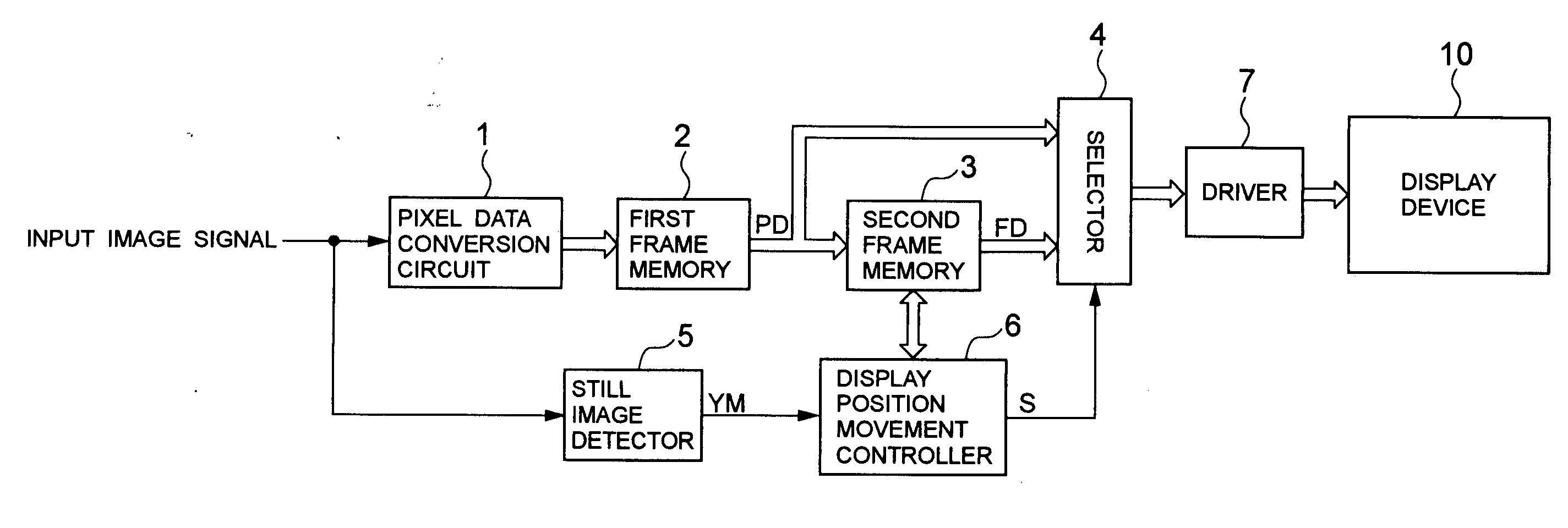
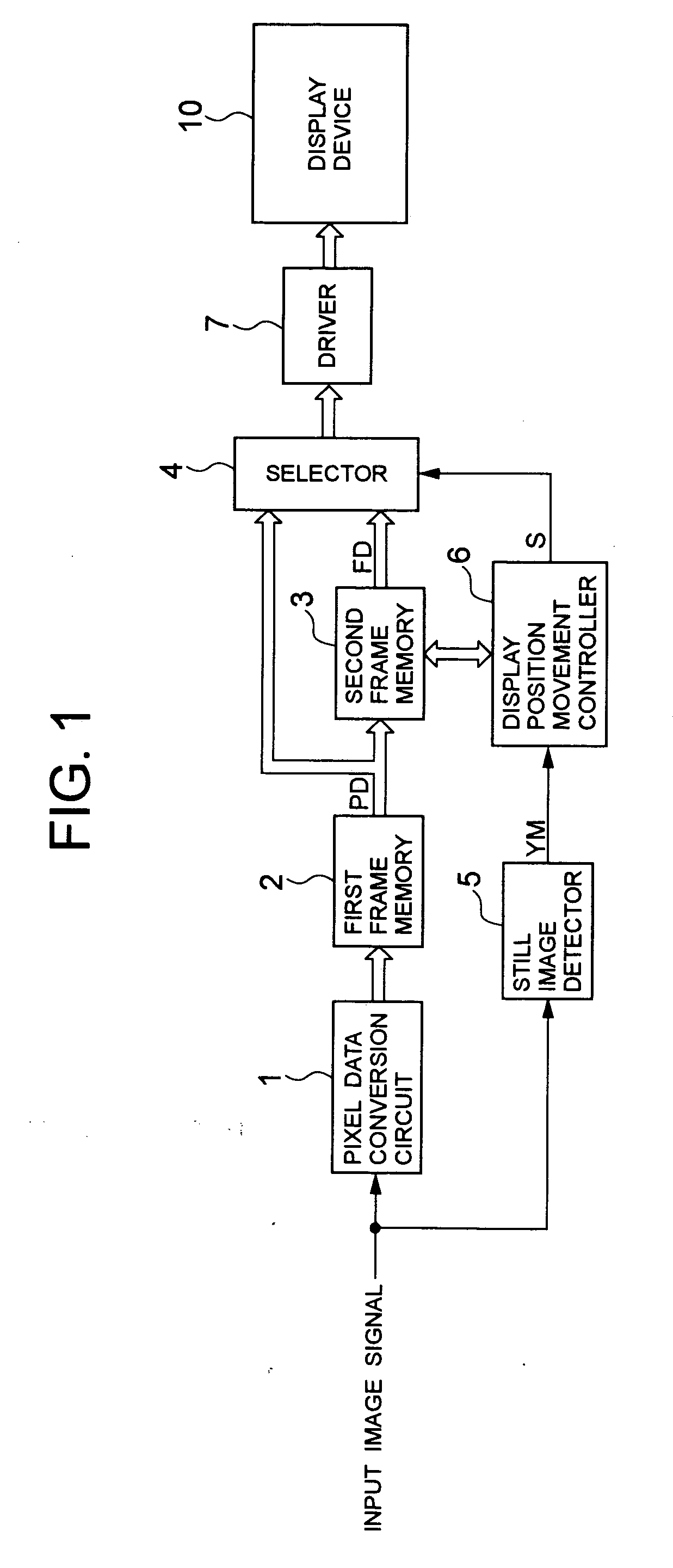
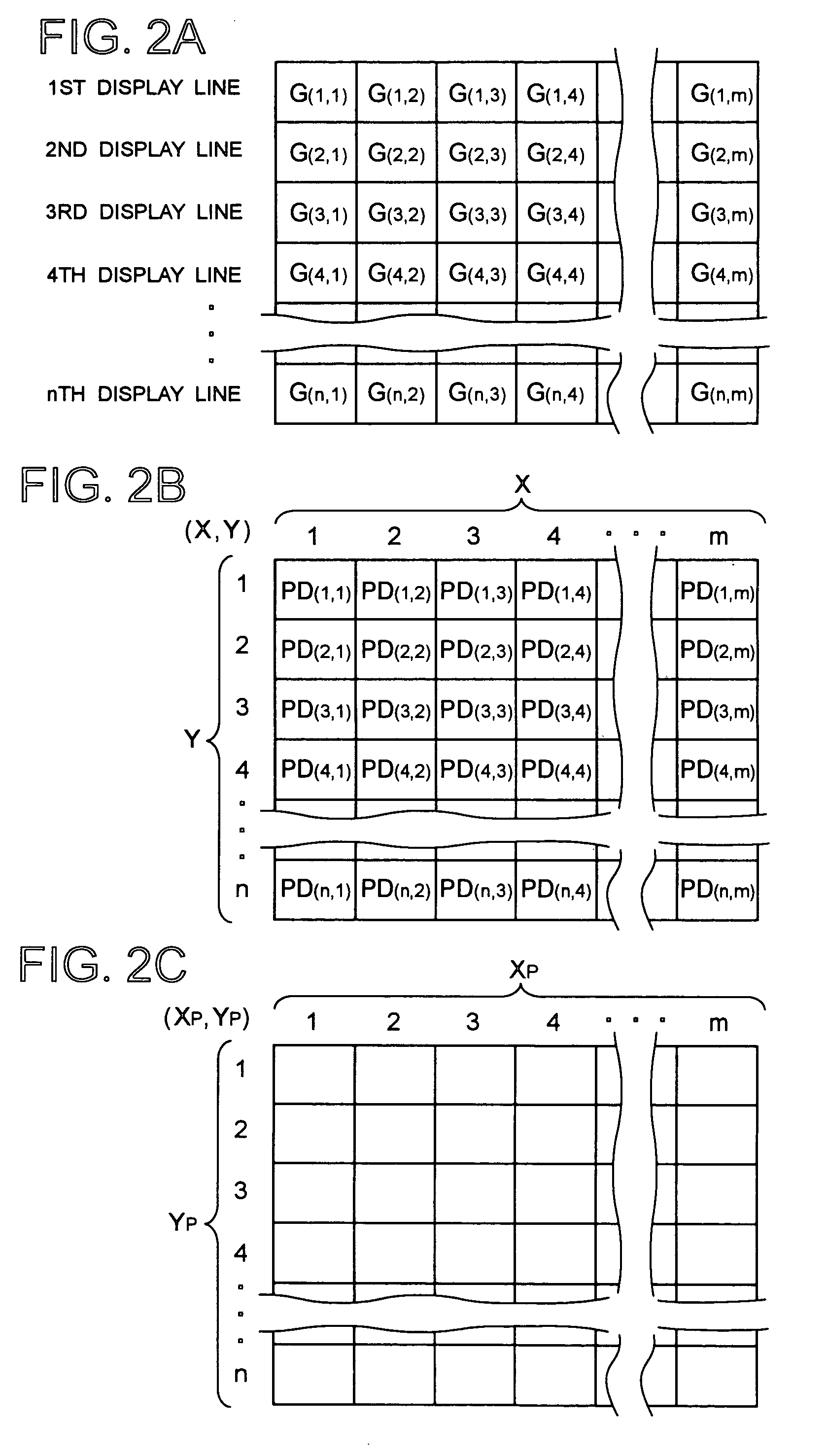
Display screen burn prevention method
PatentInactiveUS20050204313A1
Innovation
- A method that applies a unique display position moving process, where the image is moved spirally or in a helical pattern by one pixel at predetermined intervals, ensuring that even horizontal and vertical ruled lines continuously move, preventing screen burn.

Display signal control apparatus, and display signal control method
PatentInactiveEP1819154A2
Innovation
- A display signal control apparatus and method that subtly shifts the display position of broadcast programs and graphic user interface images within the effective video data area, using attribute information and metadata to detect program changes and adjust the extraction and scaling of video data, minimizing perceivable shifts and addressing burn-in without discomfort.


Environmental Impact of CRT Display Lifecycle
The environmental impact of CRT display lifecycle encompasses multiple phases from raw material extraction through manufacturing, usage, and end-of-life disposal. CRT monitors contain significant quantities of lead, barium, and other heavy metals primarily concentrated in the funnel glass, which constitutes approximately 20-25% of the total CRT weight. The manufacturing process requires substantial energy consumption, with glass melting operations demanding temperatures exceeding 1500°C, contributing to considerable carbon emissions.
During the production phase, CRT manufacturing facilities generate various environmental concerns including air emissions from glass furnaces, wastewater containing heavy metals from screen coating processes, and solid waste from rejected components. The phosphor coating application process introduces additional environmental considerations due to the use of rare earth elements and potential toxic compounds. Manufacturing a single 17-inch CRT monitor typically requires 240-280 kg of raw materials and generates approximately 15-20 kg of manufacturing waste.
The operational phase environmental impact primarily stems from energy consumption patterns. CRT displays consume significantly more electricity compared to modern LCD or LED alternatives, with typical power consumption ranging from 80-150 watts for desktop monitors. Over a standard 5-7 year operational lifespan, this translates to substantial cumulative energy usage and associated carbon footprint. Additionally, CRT displays generate considerable heat output, often requiring additional cooling in commercial environments, further increasing indirect energy consumption.
End-of-life management presents the most critical environmental challenge in the CRT lifecycle. The lead content in CRT glass, ranging from 18-25% by weight in funnel glass, classifies these devices as hazardous waste in most jurisdictions. Improper disposal through landfilling poses groundwater contamination risks, while incineration can release toxic compounds into the atmosphere. The complex material composition makes recycling economically challenging, requiring specialized facilities capable of separating lead glass from panel glass and recovering valuable metals from electron guns and deflection systems.
Recycling processes have evolved to address these environmental concerns through lead glass recovery and reprocessing. However, the declining CRT market has reduced the economic viability of lead glass reuse in new CRT production, necessitating alternative applications such as lead-based radiation shielding materials or specialized industrial applications.
During the production phase, CRT manufacturing facilities generate various environmental concerns including air emissions from glass furnaces, wastewater containing heavy metals from screen coating processes, and solid waste from rejected components. The phosphor coating application process introduces additional environmental considerations due to the use of rare earth elements and potential toxic compounds. Manufacturing a single 17-inch CRT monitor typically requires 240-280 kg of raw materials and generates approximately 15-20 kg of manufacturing waste.
The operational phase environmental impact primarily stems from energy consumption patterns. CRT displays consume significantly more electricity compared to modern LCD or LED alternatives, with typical power consumption ranging from 80-150 watts for desktop monitors. Over a standard 5-7 year operational lifespan, this translates to substantial cumulative energy usage and associated carbon footprint. Additionally, CRT displays generate considerable heat output, often requiring additional cooling in commercial environments, further increasing indirect energy consumption.
End-of-life management presents the most critical environmental challenge in the CRT lifecycle. The lead content in CRT glass, ranging from 18-25% by weight in funnel glass, classifies these devices as hazardous waste in most jurisdictions. Improper disposal through landfilling poses groundwater contamination risks, while incineration can release toxic compounds into the atmosphere. The complex material composition makes recycling economically challenging, requiring specialized facilities capable of separating lead glass from panel glass and recovering valuable metals from electron guns and deflection systems.
Recycling processes have evolved to address these environmental concerns through lead glass recovery and reprocessing. However, the declining CRT market has reduced the economic viability of lead glass reuse in new CRT production, necessitating alternative applications such as lead-based radiation shielding materials or specialized industrial applications.
Legacy System Maintenance and Support Strategies
Legacy CRT systems continue to operate in numerous critical applications across industries, from medical equipment to industrial control systems, making effective maintenance and support strategies essential for preventing screen burn-in while ensuring operational continuity. Organizations maintaining these systems face unique challenges as original manufacturers have discontinued support, spare parts become increasingly scarce, and technical expertise diminishes over time.
The foundation of successful legacy CRT maintenance lies in establishing comprehensive documentation protocols that capture both hardware specifications and operational parameters specific to burn-in prevention. This includes maintaining detailed records of screen usage patterns, brightness settings, and environmental conditions that contribute to phosphor degradation. Organizations must develop internal knowledge bases that preserve institutional memory about optimal operating procedures, as external support resources continue to dwindle.
Proactive maintenance scheduling represents a critical component of legacy system support, particularly for burn-in prevention. Regular calibration of brightness and contrast settings, systematic rotation of display content, and periodic assessment of phosphor health help extend CRT lifespan significantly. Maintenance teams should implement standardized checklists that include burn-in specific inspections, ensuring consistent application of preventive measures across all legacy installations.
Strategic parts inventory management becomes increasingly crucial as CRT components reach end-of-life status. Organizations should maintain stockpiles of critical components including replacement tubes, deflection circuits, and high-voltage power supplies. Establishing relationships with specialized refurbishment services and component-level repair facilities provides alternative support channels when new parts become unavailable.
Training and knowledge transfer programs ensure continuity of specialized CRT maintenance capabilities within organizations. As experienced technicians retire, structured apprenticeship programs and detailed procedural documentation become essential for preserving burn-in prevention expertise. Cross-training initiatives help distribute critical knowledge across multiple team members, reducing dependency on individual specialists.
Migration planning represents the ultimate long-term strategy for legacy CRT systems, though immediate replacement may not always be feasible due to cost constraints or integration complexities. Organizations should develop phased replacement roadmaps that prioritize systems based on criticality, burn-in susceptibility, and availability of suitable modern alternatives while maintaining current systems through effective preventive maintenance protocols.
The foundation of successful legacy CRT maintenance lies in establishing comprehensive documentation protocols that capture both hardware specifications and operational parameters specific to burn-in prevention. This includes maintaining detailed records of screen usage patterns, brightness settings, and environmental conditions that contribute to phosphor degradation. Organizations must develop internal knowledge bases that preserve institutional memory about optimal operating procedures, as external support resources continue to dwindle.
Proactive maintenance scheduling represents a critical component of legacy system support, particularly for burn-in prevention. Regular calibration of brightness and contrast settings, systematic rotation of display content, and periodic assessment of phosphor health help extend CRT lifespan significantly. Maintenance teams should implement standardized checklists that include burn-in specific inspections, ensuring consistent application of preventive measures across all legacy installations.
Strategic parts inventory management becomes increasingly crucial as CRT components reach end-of-life status. Organizations should maintain stockpiles of critical components including replacement tubes, deflection circuits, and high-voltage power supplies. Establishing relationships with specialized refurbishment services and component-level repair facilities provides alternative support channels when new parts become unavailable.
Training and knowledge transfer programs ensure continuity of specialized CRT maintenance capabilities within organizations. As experienced technicians retire, structured apprenticeship programs and detailed procedural documentation become essential for preserving burn-in prevention expertise. Cross-training initiatives help distribute critical knowledge across multiple team members, reducing dependency on individual specialists.
Migration planning represents the ultimate long-term strategy for legacy CRT systems, though immediate replacement may not always be feasible due to cost constraints or integration complexities. Organizations should develop phased replacement roadmaps that prioritize systems based on criticality, burn-in susceptibility, and availability of suitable modern alternatives while maintaining current systems through effective preventive maintenance protocols.
Unlock deeper insights with PatSnap Eureka Quick Research — get a full tech report to explore trends and direct your research. Try now!
Generate Your Research Report Instantly with AI Agent
Supercharge your innovation with PatSnap Eureka AI Agent Platform!