
Data-Driven Optimization of Abrasive Strength During Grind Machining
JUN 11, 20269 MIN READ
Generate Your Research Report Instantly with AI Agent
Patsnap Eureka helps you evaluate technical feasibility & market potential.
Data-Driven Grinding Optimization Background and Objectives
Grinding machining has evolved from a purely empirical process to a sophisticated manufacturing technique requiring precise control of multiple parameters. Historically, operators relied on experience and trial-and-error approaches to optimize grinding operations, often resulting in inconsistent quality and suboptimal performance. The advent of digital manufacturing and Industry 4.0 has fundamentally transformed this landscape, introducing data-driven methodologies that enable real-time monitoring and optimization of grinding processes.
The evolution of grinding technology has been marked by several key milestones, beginning with the introduction of computer numerical control systems in the 1970s, followed by the integration of sensor technologies in the 1990s, and culminating in today's smart manufacturing environments. Modern grinding systems now incorporate advanced sensors, machine learning algorithms, and real-time data analytics to achieve unprecedented levels of precision and efficiency.
Abrasive strength optimization represents a critical frontier in grinding technology, as it directly impacts surface quality, dimensional accuracy, and tool life. Traditional approaches to abrasive selection and parameter optimization have been largely based on manufacturer recommendations and operator expertise, leaving significant room for improvement through systematic data analysis and optimization techniques.
The primary objective of data-driven grinding optimization is to establish predictive models that can determine optimal abrasive characteristics and process parameters based on real-time machining conditions. This involves developing comprehensive understanding of the relationships between abrasive properties, cutting forces, material removal rates, and surface integrity parameters.
Contemporary manufacturing demands require grinding processes that can adapt dynamically to varying workpiece materials, geometric complexities, and quality requirements. The integration of artificial intelligence and machine learning technologies offers unprecedented opportunities to achieve these objectives through continuous learning and process adaptation.
The ultimate goal extends beyond simple parameter optimization to encompass predictive maintenance, quality assurance, and autonomous process control. By leveraging big data analytics and advanced modeling techniques, manufacturers can achieve consistent, high-quality results while minimizing waste, reducing cycle times, and extending tool life across diverse grinding applications.
The evolution of grinding technology has been marked by several key milestones, beginning with the introduction of computer numerical control systems in the 1970s, followed by the integration of sensor technologies in the 1990s, and culminating in today's smart manufacturing environments. Modern grinding systems now incorporate advanced sensors, machine learning algorithms, and real-time data analytics to achieve unprecedented levels of precision and efficiency.
Abrasive strength optimization represents a critical frontier in grinding technology, as it directly impacts surface quality, dimensional accuracy, and tool life. Traditional approaches to abrasive selection and parameter optimization have been largely based on manufacturer recommendations and operator expertise, leaving significant room for improvement through systematic data analysis and optimization techniques.
The primary objective of data-driven grinding optimization is to establish predictive models that can determine optimal abrasive characteristics and process parameters based on real-time machining conditions. This involves developing comprehensive understanding of the relationships between abrasive properties, cutting forces, material removal rates, and surface integrity parameters.
Contemporary manufacturing demands require grinding processes that can adapt dynamically to varying workpiece materials, geometric complexities, and quality requirements. The integration of artificial intelligence and machine learning technologies offers unprecedented opportunities to achieve these objectives through continuous learning and process adaptation.
The ultimate goal extends beyond simple parameter optimization to encompass predictive maintenance, quality assurance, and autonomous process control. By leveraging big data analytics and advanced modeling techniques, manufacturers can achieve consistent, high-quality results while minimizing waste, reducing cycle times, and extending tool life across diverse grinding applications.
Market Demand for Smart Abrasive Manufacturing Solutions
The global grinding industry is experiencing unprecedented transformation driven by the convergence of digital technologies and advanced manufacturing requirements. Manufacturing enterprises across automotive, aerospace, medical devices, and precision tooling sectors are increasingly demanding intelligent abrasive solutions that can adapt to varying material properties and machining conditions in real-time.
Traditional grinding operations rely heavily on operator experience and static process parameters, leading to inconsistent surface quality, unpredictable tool life, and suboptimal material removal rates. The emergence of Industry 4.0 principles has created substantial market pull for smart abrasive manufacturing solutions that integrate sensor technologies, machine learning algorithms, and adaptive control systems to optimize grinding performance dynamically.
Automotive manufacturers represent a particularly significant market segment, where precision grinding of engine components, transmission parts, and safety-critical systems requires consistent quality while maintaining high throughput. The shift toward electric vehicle production has intensified demands for ultra-precise grinding of battery components, electric motor parts, and lightweight materials, creating new opportunities for data-driven abrasive optimization technologies.
Aerospace applications present another high-value market opportunity, where grinding of turbine blades, structural components, and specialized alloys demands exceptional precision and reliability. The stringent quality requirements and material traceability needs in this sector drive strong demand for intelligent grinding solutions that can provide real-time process monitoring and predictive maintenance capabilities.
The medical device manufacturing sector increasingly requires grinding solutions capable of processing biocompatible materials, miniaturized components, and complex geometries with nanometer-level precision. Smart abrasive systems that can automatically adjust parameters based on material feedback and quality requirements are becoming essential for maintaining competitive advantage in this rapidly growing market.
Market research indicates growing adoption of connected manufacturing technologies, with grinding equipment manufacturers actively seeking partnerships with abrasive suppliers who can provide integrated smart solutions. The demand extends beyond traditional abrasive products to comprehensive systems that include embedded sensors, data analytics platforms, and optimization algorithms that can reduce cycle times while improving surface finish quality and dimensional accuracy.
Traditional grinding operations rely heavily on operator experience and static process parameters, leading to inconsistent surface quality, unpredictable tool life, and suboptimal material removal rates. The emergence of Industry 4.0 principles has created substantial market pull for smart abrasive manufacturing solutions that integrate sensor technologies, machine learning algorithms, and adaptive control systems to optimize grinding performance dynamically.
Automotive manufacturers represent a particularly significant market segment, where precision grinding of engine components, transmission parts, and safety-critical systems requires consistent quality while maintaining high throughput. The shift toward electric vehicle production has intensified demands for ultra-precise grinding of battery components, electric motor parts, and lightweight materials, creating new opportunities for data-driven abrasive optimization technologies.
Aerospace applications present another high-value market opportunity, where grinding of turbine blades, structural components, and specialized alloys demands exceptional precision and reliability. The stringent quality requirements and material traceability needs in this sector drive strong demand for intelligent grinding solutions that can provide real-time process monitoring and predictive maintenance capabilities.
The medical device manufacturing sector increasingly requires grinding solutions capable of processing biocompatible materials, miniaturized components, and complex geometries with nanometer-level precision. Smart abrasive systems that can automatically adjust parameters based on material feedback and quality requirements are becoming essential for maintaining competitive advantage in this rapidly growing market.
Market research indicates growing adoption of connected manufacturing technologies, with grinding equipment manufacturers actively seeking partnerships with abrasive suppliers who can provide integrated smart solutions. The demand extends beyond traditional abrasive products to comprehensive systems that include embedded sensors, data analytics platforms, and optimization algorithms that can reduce cycle times while improving surface finish quality and dimensional accuracy.
Current Challenges in Abrasive Strength Monitoring Systems
The monitoring of abrasive strength during grinding operations faces significant technological barriers that limit the effectiveness of current data-driven optimization approaches. Traditional monitoring systems rely heavily on indirect measurement techniques, such as vibration analysis, acoustic emission monitoring, and power consumption tracking, which provide only secondary indicators of abrasive performance rather than direct strength measurements.
Real-time data acquisition presents substantial challenges due to the harsh operating environment of grinding processes. High temperatures, metal debris, coolant fluids, and electromagnetic interference from grinding equipment create hostile conditions for sensor deployment. Conventional sensors often fail to maintain accuracy and reliability under these extreme conditions, leading to inconsistent data quality that undermines optimization algorithms.
The integration of multiple sensor modalities creates complex data fusion problems. Current systems struggle to effectively combine information from force sensors, temperature monitors, surface roughness measurements, and wheel wear detection systems. The lack of standardized data formats and communication protocols between different monitoring components results in fragmented datasets that are difficult to process coherently.
Signal processing limitations significantly impact the quality of abrasive strength assessment. The dynamic nature of grinding operations generates high-frequency noise that masks critical strength-related signals. Existing filtering and signal conditioning techniques often introduce delays or remove important information, creating a trade-off between data clarity and real-time responsiveness that current systems cannot adequately resolve.
Machine learning model development faces constraints due to limited training datasets and the complexity of grinding parameter relationships. The non-linear interactions between abrasive properties, workpiece materials, grinding conditions, and resulting strength characteristics create modeling challenges that exceed the capabilities of conventional analytical approaches. Current predictive models often lack the sophistication needed to capture these complex interdependencies.
Calibration and validation procedures for abrasive strength monitoring systems remain inadequate. The absence of standardized reference methods for measuring abrasive strength in operational conditions makes it difficult to establish baseline performance metrics. This limitation prevents accurate assessment of monitoring system effectiveness and hinders the development of reliable optimization strategies.
Cost considerations and implementation complexity further constrain the adoption of advanced monitoring technologies. Many existing solutions require significant capital investment and specialized expertise for installation and maintenance, making them impractical for widespread industrial deployment. The economic justification for sophisticated monitoring systems often cannot be established without clear evidence of performance improvements and return on investment.
Real-time data acquisition presents substantial challenges due to the harsh operating environment of grinding processes. High temperatures, metal debris, coolant fluids, and electromagnetic interference from grinding equipment create hostile conditions for sensor deployment. Conventional sensors often fail to maintain accuracy and reliability under these extreme conditions, leading to inconsistent data quality that undermines optimization algorithms.
The integration of multiple sensor modalities creates complex data fusion problems. Current systems struggle to effectively combine information from force sensors, temperature monitors, surface roughness measurements, and wheel wear detection systems. The lack of standardized data formats and communication protocols between different monitoring components results in fragmented datasets that are difficult to process coherently.
Signal processing limitations significantly impact the quality of abrasive strength assessment. The dynamic nature of grinding operations generates high-frequency noise that masks critical strength-related signals. Existing filtering and signal conditioning techniques often introduce delays or remove important information, creating a trade-off between data clarity and real-time responsiveness that current systems cannot adequately resolve.
Machine learning model development faces constraints due to limited training datasets and the complexity of grinding parameter relationships. The non-linear interactions between abrasive properties, workpiece materials, grinding conditions, and resulting strength characteristics create modeling challenges that exceed the capabilities of conventional analytical approaches. Current predictive models often lack the sophistication needed to capture these complex interdependencies.
Calibration and validation procedures for abrasive strength monitoring systems remain inadequate. The absence of standardized reference methods for measuring abrasive strength in operational conditions makes it difficult to establish baseline performance metrics. This limitation prevents accurate assessment of monitoring system effectiveness and hinders the development of reliable optimization strategies.
Cost considerations and implementation complexity further constrain the adoption of advanced monitoring technologies. Many existing solutions require significant capital investment and specialized expertise for installation and maintenance, making them impractical for widespread industrial deployment. The economic justification for sophisticated monitoring systems often cannot be established without clear evidence of performance improvements and return on investment.
Existing Data Analytics Solutions for Abrasive Optimization
01 Abrasive material composition and formulation
Development of specialized abrasive compositions involving the selection and combination of different abrasive particles, binding agents, and additives to achieve optimal abrasive strength. The formulation focuses on particle size distribution, hardness characteristics, and chemical compatibility to enhance overall performance in various applications.- Abrasive material composition and formulation: Development of specific abrasive compositions involving the selection and combination of various abrasive particles, binding agents, and additives to achieve desired abrasive strength characteristics. The formulation focuses on optimizing particle size distribution, hardness levels, and chemical compatibility to enhance overall abrasive performance and durability.
- Testing and measurement methods for abrasive strength: Standardized testing procedures and apparatus designed to evaluate and quantify abrasive strength properties. These methods include mechanical testing equipment, measurement protocols, and analytical techniques to assess wear resistance, cutting efficiency, and material removal rates under controlled conditions.
- Surface treatment and coating technologies: Advanced surface modification techniques applied to abrasive materials to enhance their strength and performance characteristics. These treatments involve chemical processes, physical vapor deposition, or specialized coating applications that improve adhesion, reduce wear, and extend operational lifespan.
- Manufacturing processes for high-strength abrasives: Industrial production methods and manufacturing techniques specifically designed to create abrasive products with enhanced strength properties. These processes include sintering, bonding, pressing, and quality control measures that ensure consistent performance and structural integrity of the final abrasive products.
- Applications and tooling systems utilizing abrasive strength: Practical implementations and specialized tooling systems that leverage enhanced abrasive strength for specific industrial applications. These systems are designed for precision machining, surface finishing, and material processing operations where superior abrasive performance and longevity are critical requirements.
02 Testing methods and measurement techniques for abrasive strength
Standardized testing procedures and measurement methodologies for evaluating abrasive strength properties. These methods include mechanical testing apparatus, wear resistance evaluation, and durability assessment protocols to quantify the performance characteristics of abrasive materials under controlled conditions.Expand Specific Solutions03 Surface treatment and coating technologies
Advanced surface modification techniques and coating applications designed to enhance abrasive strength properties. These technologies involve chemical treatments, physical vapor deposition, and specialized coating processes that improve wear resistance and extend operational lifespan of abrasive tools and components.Expand Specific Solutions04 Manufacturing processes and production methods
Industrial manufacturing techniques and production methodologies for creating high-strength abrasive products. These processes encompass molding, sintering, pressing, and quality control procedures that ensure consistent abrasive strength characteristics throughout the manufacturing cycle.Expand Specific Solutions05 Application-specific abrasive strength optimization
Tailored approaches for optimizing abrasive strength based on specific industrial applications and operational requirements. This includes customization of abrasive properties for different materials, working conditions, and performance specifications to achieve maximum efficiency in targeted use cases.Expand Specific Solutions
Key Players in Smart Manufacturing and Grinding Industry
The data-driven optimization of abrasive strength during grind machining represents a rapidly evolving field at the intersection of advanced manufacturing and artificial intelligence. The industry is currently in a growth phase, driven by increasing demand for precision manufacturing across automotive, aerospace, and industrial sectors. Market expansion is fueled by the need for enhanced surface quality and reduced production costs. Technology maturity varies significantly across players, with established abrasive manufacturers like Saint-Gobain Abrasives and August Rüggeberg leading in traditional grinding solutions, while companies such as Intellisense.io and TCS are pioneering AI-driven optimization approaches. Academic institutions including Huazhong University of Science & Technology, Xi'an Jiaotong University, and Northwestern Polytechnical University are advancing fundamental research in grinding mechanics and data analytics. Industrial giants like BMW, JTEKT, and OMRON are integrating smart manufacturing technologies, while specialized firms like Salvagnini Italia focus on automated grinding systems. The competitive landscape shows a clear division between traditional abrasive expertise and emerging digital optimization capabilities.
Huazhong University of Science & Technology
Technical Solution: The university has developed comprehensive research programs focusing on data-driven optimization of abrasive strength in grinding processes. Their research encompasses machine learning-based models for predicting grinding wheel performance, optimization algorithms for abrasive grain selection, and real-time monitoring systems for grinding force analysis. The institution has published extensive studies on correlating grinding parameters with abrasive wear mechanisms and has developed novel approaches for optimizing grinding wheel composition based on workpiece material properties and desired surface characteristics through statistical modeling and experimental validation.
Strengths: Strong theoretical foundation with extensive research publications and advanced analytical capabilities in grinding technology. Weaknesses: Limited commercial implementation experience and challenges in translating research findings into practical industrial applications.
JTEKT Corp.
Technical Solution: JTEKT has implemented sophisticated data-driven optimization frameworks for grinding operations, particularly focusing on automotive component manufacturing. Their system employs advanced sensor networks to collect real-time data on grinding forces, wheel wear patterns, and thermal conditions during machining processes. The company utilizes artificial intelligence and statistical process control methods to analyze grinding wheel performance characteristics and optimize abrasive strength parameters. Their approach includes predictive maintenance algorithms that forecast grinding wheel degradation and automatically adjust machining parameters to maintain consistent surface quality and dimensional accuracy throughout production cycles.
Strengths: Strong automotive industry expertise with proven manufacturing integration capabilities and robust quality control systems. Weaknesses: Limited application scope primarily focused on automotive sector with less flexibility for diverse industrial applications.
Core Innovations in Real-Time Abrasive Strength Sensing
Abrasive grain and method for producing it, grinding tool and method for producing it, grindstone for grinding and method for producing it, and grinding apparatus
PatentInactiveUS20040040216A1
Innovation
- The development of an abrasive grain with a porous particle material formed by growing primary particles into secondary particles with heat treatment, creating gaps and loose bonds, allowing for controlled abrasion and continuous cutting blade formation, optimizing bonding strength and surface quality.


Intelligent optimization method and system therefor
PatentActiveUS20120191235A1
Innovation
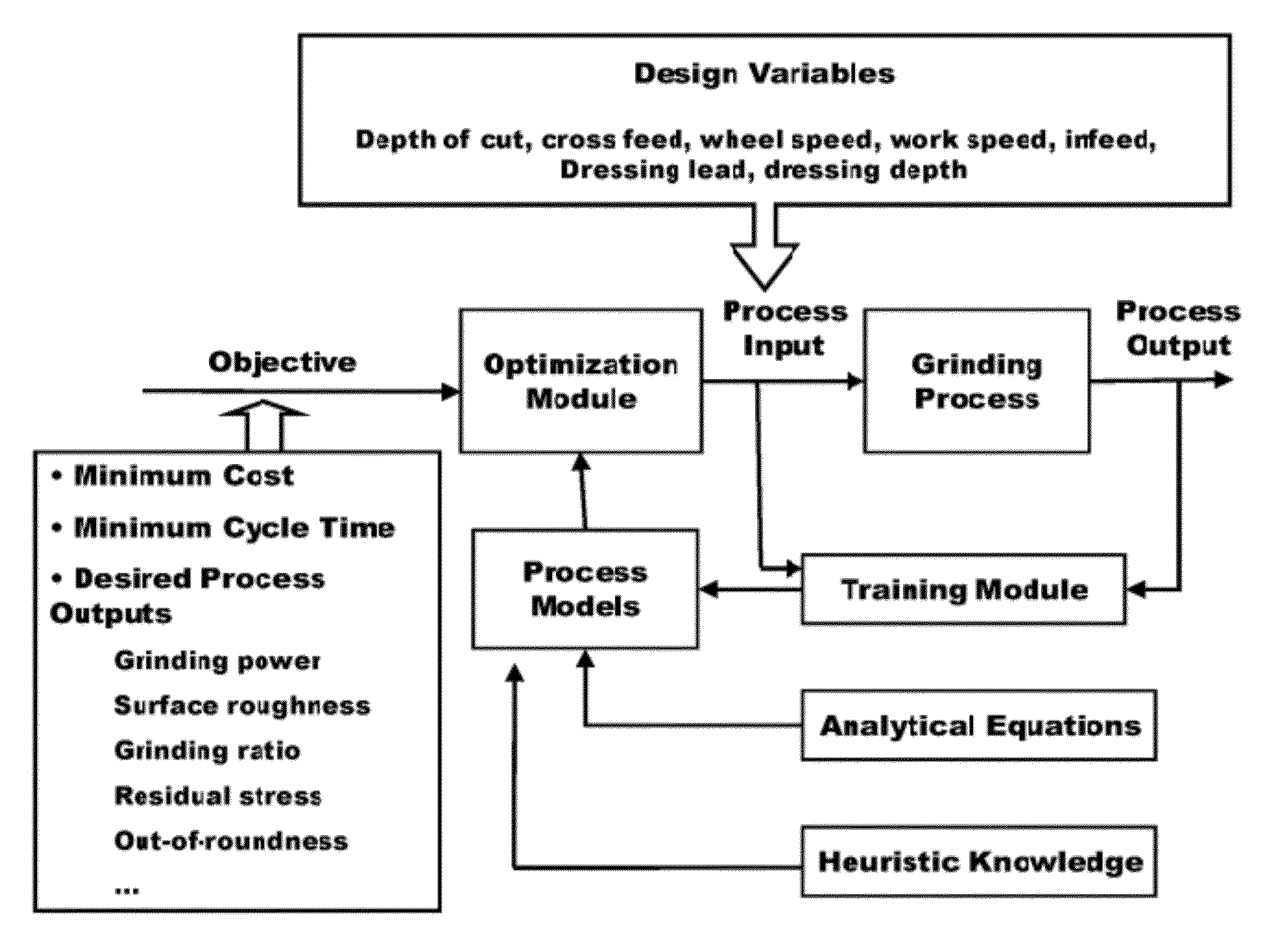
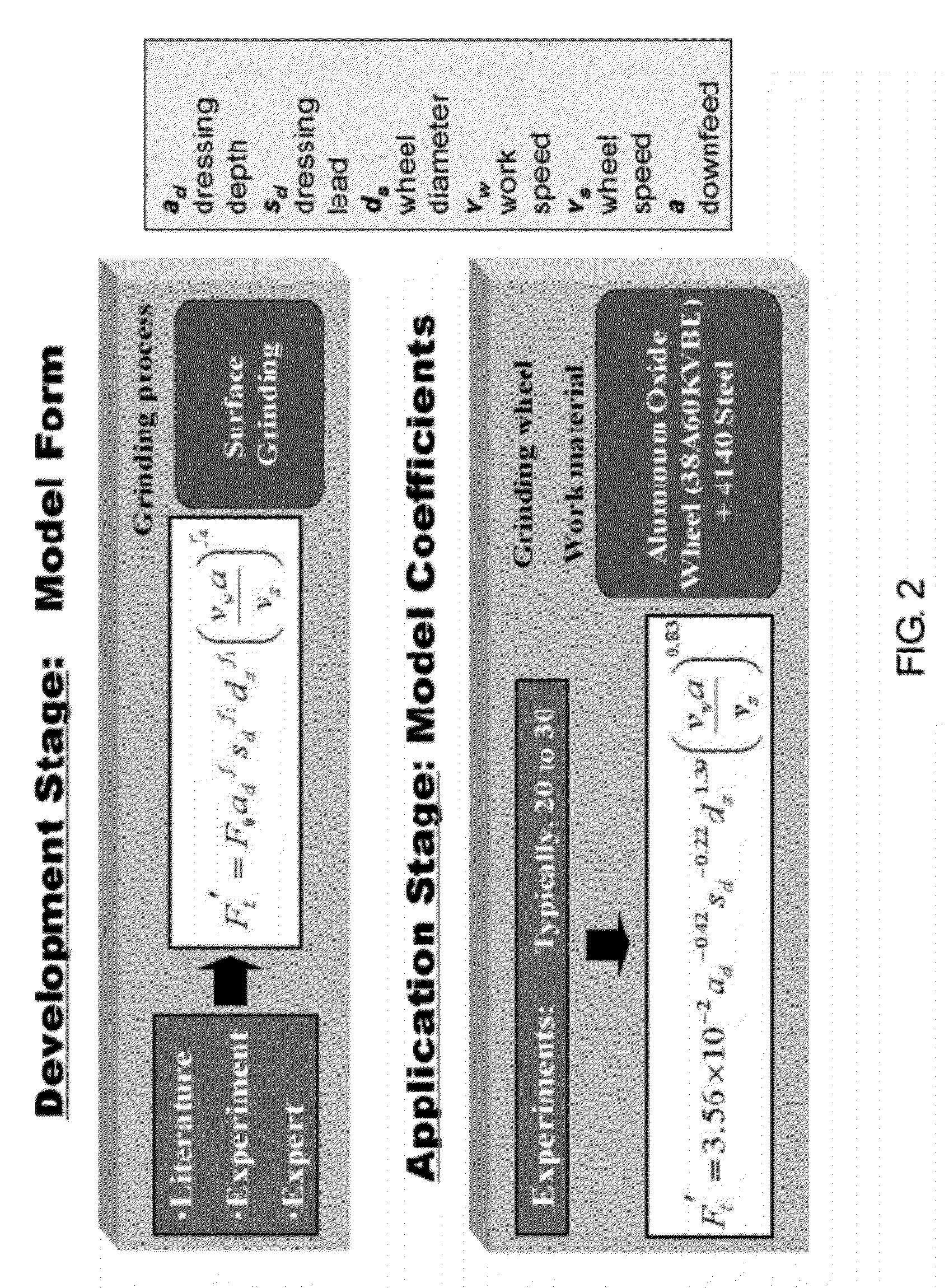
- A model-based optimization method using a soft computing technique with a self-learning scheme, capable of handling mixed integer problems and combining analytical models, empirical data, and heuristic knowledge to achieve global optimal solutions, employing a Generalized Intelligent Grinding Advisory System (GIGAS) with Fuzzy Basis Function Networks (FBFN) and radial basis function networks (RBFN) for autonomous learning.

Industrial Safety Standards for Automated Grinding Systems
Industrial safety standards for automated grinding systems represent a critical framework governing the implementation of data-driven optimization technologies in abrasive machining environments. These standards encompass comprehensive guidelines that address both traditional mechanical safety concerns and emerging risks associated with intelligent automation systems that optimize abrasive strength parameters in real-time.
The foundational safety requirements center on machine guarding and operator protection protocols. Automated grinding systems must incorporate advanced safety interlocks that prevent unauthorized access during operation while maintaining compatibility with data collection sensors and monitoring equipment. Emergency stop systems require integration with optimization algorithms to ensure immediate cessation of all machining operations without compromising data integrity or causing system instability.
Electrical safety standards mandate specific protocols for data acquisition systems and sensor networks used in abrasive strength optimization. These include proper grounding of measurement equipment, electromagnetic interference shielding for sensitive monitoring devices, and fail-safe mechanisms that default to conservative grinding parameters when sensor malfunctions occur. Power isolation requirements extend to both mechanical components and digital control systems managing optimization algorithms.
Environmental safety considerations address dust control, ventilation requirements, and noise management specific to automated grinding operations. Standards specify minimum air filtration capacities and monitoring systems that can detect hazardous particle concentrations while maintaining optimal conditions for accurate data collection. Noise level regulations account for both mechanical grinding sounds and audible alerts from automated monitoring systems.
Cybersecurity standards have become increasingly prominent as grinding systems integrate with enterprise networks for data sharing and remote optimization. These requirements include secure data transmission protocols, access control mechanisms for optimization parameters, and protection against unauthorized modification of safety-critical control algorithms. Regular security audits and vulnerability assessments are mandated for systems handling sensitive production data.
Training and certification requirements ensure operators understand both traditional grinding safety practices and new protocols specific to data-driven optimization systems. This includes competency in interpreting real-time monitoring displays, responding to automated alerts, and safely overriding optimization algorithms when necessary. Documentation standards require comprehensive logging of all safety-related events and system modifications.
The foundational safety requirements center on machine guarding and operator protection protocols. Automated grinding systems must incorporate advanced safety interlocks that prevent unauthorized access during operation while maintaining compatibility with data collection sensors and monitoring equipment. Emergency stop systems require integration with optimization algorithms to ensure immediate cessation of all machining operations without compromising data integrity or causing system instability.
Electrical safety standards mandate specific protocols for data acquisition systems and sensor networks used in abrasive strength optimization. These include proper grounding of measurement equipment, electromagnetic interference shielding for sensitive monitoring devices, and fail-safe mechanisms that default to conservative grinding parameters when sensor malfunctions occur. Power isolation requirements extend to both mechanical components and digital control systems managing optimization algorithms.
Environmental safety considerations address dust control, ventilation requirements, and noise management specific to automated grinding operations. Standards specify minimum air filtration capacities and monitoring systems that can detect hazardous particle concentrations while maintaining optimal conditions for accurate data collection. Noise level regulations account for both mechanical grinding sounds and audible alerts from automated monitoring systems.
Cybersecurity standards have become increasingly prominent as grinding systems integrate with enterprise networks for data sharing and remote optimization. These requirements include secure data transmission protocols, access control mechanisms for optimization parameters, and protection against unauthorized modification of safety-critical control algorithms. Regular security audits and vulnerability assessments are mandated for systems handling sensitive production data.
Training and certification requirements ensure operators understand both traditional grinding safety practices and new protocols specific to data-driven optimization systems. This includes competency in interpreting real-time monitoring displays, responding to automated alerts, and safely overriding optimization algorithms when necessary. Documentation standards require comprehensive logging of all safety-related events and system modifications.
Sustainability Impact of Optimized Abrasive Usage
The implementation of data-driven optimization in abrasive strength management during grinding operations presents significant opportunities for advancing manufacturing sustainability. By leveraging real-time monitoring systems and predictive analytics, manufacturers can achieve precise control over abrasive consumption, directly reducing material waste and extending tool life cycles. This optimization approach enables the identification of optimal grinding parameters that minimize abrasive degradation while maintaining surface quality standards.
Resource conservation emerges as a primary sustainability benefit through optimized abrasive usage. Traditional grinding processes often rely on conservative safety margins, leading to premature abrasive replacement and excessive material consumption. Data-driven optimization eliminates this inefficiency by providing accurate predictions of abrasive performance degradation, allowing operators to utilize grinding wheels to their full potential. This approach can reduce abrasive consumption by 15-25% while maintaining consistent machining quality.
Energy efficiency improvements represent another crucial sustainability dimension. Optimized abrasive strength management reduces grinding forces and heat generation, subsequently decreasing power consumption during machining operations. The correlation between abrasive condition and energy requirements enables predictive systems to maintain optimal cutting conditions, reducing overall energy consumption by approximately 10-18% compared to conventional approaches.
Waste reduction extends beyond direct abrasive savings to encompass secondary environmental benefits. Optimized grinding processes generate fewer defective parts due to improved process stability and predictability. This reduction in scrap rates contributes to overall material efficiency and reduces the environmental footprint associated with rework and disposal. Additionally, extended abrasive life cycles reduce packaging waste and transportation-related emissions from frequent tool replacements.
The circular economy principles find practical application through data-driven abrasive management. Advanced monitoring systems can identify opportunities for abrasive reconditioning and reuse, extending product lifecycles beyond traditional disposal points. This approach supports sustainable manufacturing practices by maximizing resource utilization and minimizing waste generation throughout the grinding process lifecycle.
Resource conservation emerges as a primary sustainability benefit through optimized abrasive usage. Traditional grinding processes often rely on conservative safety margins, leading to premature abrasive replacement and excessive material consumption. Data-driven optimization eliminates this inefficiency by providing accurate predictions of abrasive performance degradation, allowing operators to utilize grinding wheels to their full potential. This approach can reduce abrasive consumption by 15-25% while maintaining consistent machining quality.
Energy efficiency improvements represent another crucial sustainability dimension. Optimized abrasive strength management reduces grinding forces and heat generation, subsequently decreasing power consumption during machining operations. The correlation between abrasive condition and energy requirements enables predictive systems to maintain optimal cutting conditions, reducing overall energy consumption by approximately 10-18% compared to conventional approaches.
Waste reduction extends beyond direct abrasive savings to encompass secondary environmental benefits. Optimized grinding processes generate fewer defective parts due to improved process stability and predictability. This reduction in scrap rates contributes to overall material efficiency and reduces the environmental footprint associated with rework and disposal. Additionally, extended abrasive life cycles reduce packaging waste and transportation-related emissions from frequent tool replacements.
The circular economy principles find practical application through data-driven abrasive management. Advanced monitoring systems can identify opportunities for abrasive reconditioning and reuse, extending product lifecycles beyond traditional disposal points. This approach supports sustainable manufacturing practices by maximizing resource utilization and minimizing waste generation throughout the grinding process lifecycle.
Unlock deeper insights with Patsnap Eureka Quick Research — get a full tech report to explore trends and direct your research. Try now!
Generate Your Research Report Instantly with AI Agent
Supercharge your innovation with Patsnap Eureka AI Agent Platform!