

Design Optimization for Hydrothermal Circulation Systems
MAR 5, 20269 MIN READ
Generate Your Research Report Instantly with AI Agent
Patsnap Eureka helps you evaluate technical feasibility & market potential.
Hydrothermal System Design Background and Objectives
Hydrothermal circulation systems represent a critical technology at the intersection of geothermal energy utilization, industrial heat management, and sustainable energy solutions. These systems harness the natural or artificially enhanced circulation of heated fluids to extract thermal energy from subsurface reservoirs or facilitate controlled heat transfer processes in various applications. The fundamental principle involves the continuous movement of working fluids through heated zones, creating efficient thermal energy conversion pathways.
The evolution of hydrothermal circulation systems has been driven by increasing global energy demands and the urgent need for renewable energy alternatives. Early developments focused primarily on natural geothermal exploitation, but modern applications have expanded to include enhanced geothermal systems, industrial waste heat recovery, and advanced thermal management solutions for high-performance computing and manufacturing processes.
Current design optimization challenges stem from the complex interplay between fluid dynamics, heat transfer mechanisms, and system efficiency requirements. Traditional approaches often result in suboptimal performance due to inadequate consideration of multi-phase flow behaviors, thermal losses, and dynamic operating conditions. The need for improved system reliability, reduced maintenance costs, and enhanced energy conversion efficiency has intensified research efforts toward comprehensive design optimization methodologies.
The primary objective of hydrothermal circulation system optimization is to maximize thermal energy extraction while minimizing operational costs and environmental impact. This involves optimizing flow patterns, heat exchanger configurations, pump placement, and control strategies to achieve peak system performance across varying operational conditions. Advanced computational modeling and simulation techniques are increasingly employed to predict system behavior and identify optimal design parameters.
Key technical goals include developing predictive models for fluid circulation patterns, optimizing heat transfer surface geometries, implementing intelligent control systems for dynamic load management, and integrating renewable energy sources for system operation. The ultimate aim is to create self-sustaining, highly efficient hydrothermal systems capable of delivering consistent thermal energy output while adapting to changing environmental and operational demands.
The evolution of hydrothermal circulation systems has been driven by increasing global energy demands and the urgent need for renewable energy alternatives. Early developments focused primarily on natural geothermal exploitation, but modern applications have expanded to include enhanced geothermal systems, industrial waste heat recovery, and advanced thermal management solutions for high-performance computing and manufacturing processes.
Current design optimization challenges stem from the complex interplay between fluid dynamics, heat transfer mechanisms, and system efficiency requirements. Traditional approaches often result in suboptimal performance due to inadequate consideration of multi-phase flow behaviors, thermal losses, and dynamic operating conditions. The need for improved system reliability, reduced maintenance costs, and enhanced energy conversion efficiency has intensified research efforts toward comprehensive design optimization methodologies.
The primary objective of hydrothermal circulation system optimization is to maximize thermal energy extraction while minimizing operational costs and environmental impact. This involves optimizing flow patterns, heat exchanger configurations, pump placement, and control strategies to achieve peak system performance across varying operational conditions. Advanced computational modeling and simulation techniques are increasingly employed to predict system behavior and identify optimal design parameters.
Key technical goals include developing predictive models for fluid circulation patterns, optimizing heat transfer surface geometries, implementing intelligent control systems for dynamic load management, and integrating renewable energy sources for system operation. The ultimate aim is to create self-sustaining, highly efficient hydrothermal systems capable of delivering consistent thermal energy output while adapting to changing environmental and operational demands.
Market Demand for Efficient Hydrothermal Circulation
The global energy transition toward renewable sources has intensified market demand for efficient hydrothermal circulation systems across multiple sectors. Geothermal energy applications represent the largest market segment, where enhanced geothermal systems require optimized circulation designs to maximize heat extraction from underground reservoirs. Industrial process heating applications constitute another significant demand driver, particularly in chemical manufacturing, food processing, and pharmaceutical industries seeking sustainable thermal management solutions.
District heating networks in northern European countries and parts of Asia demonstrate substantial market appetite for advanced hydrothermal circulation technologies. These systems require sophisticated design optimization to minimize thermal losses during long-distance heat transport while maintaining economic viability. The integration of smart grid technologies with hydrothermal systems has created additional market opportunities for intelligent circulation control mechanisms.
The building sector presents expanding demand for efficient hydrothermal circulation in both residential and commercial applications. Ground-source heat pump systems increasingly rely on optimized circulation designs to achieve higher coefficients of performance and reduce operational costs. Data centers represent an emerging high-growth market segment, where hydrothermal circulation systems offer sustainable cooling solutions for managing increasing computational heat loads.
Agricultural applications, including greenhouse heating and aquaculture systems, demonstrate growing market interest in cost-effective hydrothermal circulation solutions. These applications require specialized design considerations for seasonal load variations and temperature-sensitive operations. The market demand extends to hybrid systems that combine hydrothermal circulation with other renewable technologies such as solar thermal and biomass heating.
Regional market dynamics vary significantly, with Scandinavian countries leading adoption due to favorable geological conditions and supportive policy frameworks. North American markets show increasing interest driven by carbon reduction mandates and energy security concerns. Asian markets, particularly in Japan and South Korea, demonstrate strong demand for compact, high-efficiency hydrothermal systems suitable for dense urban environments.
Market drivers include stringent environmental regulations, rising fossil fuel costs, and corporate sustainability commitments. The demand for system reliability and reduced maintenance requirements has pushed market preferences toward advanced circulation designs incorporating predictive maintenance capabilities and automated optimization features.
District heating networks in northern European countries and parts of Asia demonstrate substantial market appetite for advanced hydrothermal circulation technologies. These systems require sophisticated design optimization to minimize thermal losses during long-distance heat transport while maintaining economic viability. The integration of smart grid technologies with hydrothermal systems has created additional market opportunities for intelligent circulation control mechanisms.
The building sector presents expanding demand for efficient hydrothermal circulation in both residential and commercial applications. Ground-source heat pump systems increasingly rely on optimized circulation designs to achieve higher coefficients of performance and reduce operational costs. Data centers represent an emerging high-growth market segment, where hydrothermal circulation systems offer sustainable cooling solutions for managing increasing computational heat loads.
Agricultural applications, including greenhouse heating and aquaculture systems, demonstrate growing market interest in cost-effective hydrothermal circulation solutions. These applications require specialized design considerations for seasonal load variations and temperature-sensitive operations. The market demand extends to hybrid systems that combine hydrothermal circulation with other renewable technologies such as solar thermal and biomass heating.
Regional market dynamics vary significantly, with Scandinavian countries leading adoption due to favorable geological conditions and supportive policy frameworks. North American markets show increasing interest driven by carbon reduction mandates and energy security concerns. Asian markets, particularly in Japan and South Korea, demonstrate strong demand for compact, high-efficiency hydrothermal systems suitable for dense urban environments.
Market drivers include stringent environmental regulations, rising fossil fuel costs, and corporate sustainability commitments. The demand for system reliability and reduced maintenance requirements has pushed market preferences toward advanced circulation designs incorporating predictive maintenance capabilities and automated optimization features.
Current Challenges in Hydrothermal System Optimization
Hydrothermal circulation systems face significant optimization challenges that stem from the inherent complexity of multi-phase flow dynamics and heat transfer mechanisms. The primary technical constraint lies in accurately modeling the coupled thermal-hydraulic behavior within geothermal reservoirs, where fluid properties change dramatically with temperature and pressure variations. Current computational models struggle to capture the non-linear interactions between fluid flow patterns, rock permeability changes, and thermal gradients, leading to suboptimal system designs.
Heat exchanger efficiency represents another critical bottleneck in hydrothermal system optimization. Traditional heat exchanger designs often suffer from fouling, corrosion, and thermal stress-induced failures when exposed to high-temperature geothermal fluids containing dissolved minerals and gases. The challenge intensifies when attempting to maximize heat recovery while maintaining system reliability and minimizing maintenance requirements.
Fluid circulation control presents substantial difficulties due to the dynamic nature of geothermal reservoirs. Pressure drops, flow rate fluctuations, and temperature variations create complex feedback loops that are difficult to predict and control. Existing control algorithms frequently fail to adapt to changing reservoir conditions, resulting in reduced system efficiency and potential equipment damage.
Material selection and component durability constitute major technical hurdles in hydrothermal system design. High-temperature, corrosive environments demand specialized materials that can withstand thermal cycling, chemical attack, and mechanical stress. However, these materials often come with significant cost penalties and manufacturing constraints that limit design flexibility.
Energy conversion efficiency optimization remains constrained by thermodynamic limitations and component inefficiencies. Current organic Rankine cycle systems and binary power generation technologies struggle to achieve optimal performance across varying operating conditions. The challenge is compounded by the need to balance power output maximization with system longevity and economic viability.
Integration challenges arise when attempting to optimize hydrothermal systems as part of larger energy networks. Coordinating multiple subsystems, managing variable renewable energy inputs, and ensuring grid stability while maximizing overall system efficiency requires sophisticated control strategies that current technologies cannot fully address.
Heat exchanger efficiency represents another critical bottleneck in hydrothermal system optimization. Traditional heat exchanger designs often suffer from fouling, corrosion, and thermal stress-induced failures when exposed to high-temperature geothermal fluids containing dissolved minerals and gases. The challenge intensifies when attempting to maximize heat recovery while maintaining system reliability and minimizing maintenance requirements.
Fluid circulation control presents substantial difficulties due to the dynamic nature of geothermal reservoirs. Pressure drops, flow rate fluctuations, and temperature variations create complex feedback loops that are difficult to predict and control. Existing control algorithms frequently fail to adapt to changing reservoir conditions, resulting in reduced system efficiency and potential equipment damage.
Material selection and component durability constitute major technical hurdles in hydrothermal system design. High-temperature, corrosive environments demand specialized materials that can withstand thermal cycling, chemical attack, and mechanical stress. However, these materials often come with significant cost penalties and manufacturing constraints that limit design flexibility.
Energy conversion efficiency optimization remains constrained by thermodynamic limitations and component inefficiencies. Current organic Rankine cycle systems and binary power generation technologies struggle to achieve optimal performance across varying operating conditions. The challenge is compounded by the need to balance power output maximization with system longevity and economic viability.
Integration challenges arise when attempting to optimize hydrothermal systems as part of larger energy networks. Coordinating multiple subsystems, managing variable renewable energy inputs, and ensuring grid stability while maximizing overall system efficiency requires sophisticated control strategies that current technologies cannot fully address.
Existing Hydrothermal Design Solutions
01 Hydrothermal circulation systems for geothermal energy extraction
Systems designed to extract geothermal energy through hydrothermal circulation involve the use of heat exchangers and circulation loops to transfer thermal energy from underground sources. These systems typically include injection and production wells that facilitate the movement of heated fluids through subsurface formations. The technology enables efficient heat recovery and can be applied in power generation and direct heating applications.- Hydrothermal circulation systems for geothermal energy extraction: Systems designed to extract geothermal energy through hydrothermal circulation involve the use of heat exchangers and circulation loops to transfer thermal energy from underground sources. These systems typically include injection and production wells that facilitate the movement of heated fluids through subsurface formations. The technology enables efficient heat recovery and can be applied in various geological settings for power generation or direct heating applications.
- Closed-loop hydrothermal circulation configurations: Closed-loop systems utilize sealed circulation paths where working fluids are continuously recycled without direct contact with groundwater or geological formations. These configurations often employ specialized piping networks and heat exchange mechanisms to maintain system pressure and temperature. The closed-loop approach minimizes environmental impact and reduces the risk of contamination while maximizing thermal efficiency through controlled fluid dynamics.
- Enhanced heat transfer mechanisms in hydrothermal systems: Advanced heat transfer technologies incorporate specialized surface treatments, turbulence-inducing structures, and optimized flow patterns to improve thermal exchange efficiency. These mechanisms may include finned tubes, spiral configurations, or porous media that increase contact area and residence time. The enhanced designs allow for greater energy extraction rates and improved overall system performance in various temperature and pressure conditions.
- Modular and compact hydrothermal circulation units: Compact system designs feature integrated components and modular construction that facilitate installation and maintenance in space-constrained environments. These units often combine pumps, heat exchangers, and control systems in pre-assembled packages that can be rapidly deployed. The modular approach enables scalability and flexibility for different application requirements while reducing installation complexity and costs.
- Control and monitoring systems for hydrothermal circulation: Automated control systems integrate sensors, valves, and processing units to regulate flow rates, temperatures, and pressures throughout the circulation network. These systems employ real-time monitoring and feedback mechanisms to optimize performance and prevent operational issues. Advanced implementations may include predictive algorithms and remote management capabilities that enhance reliability and enable proactive maintenance scheduling.
02 Closed-loop hydrothermal circulation configurations
Closed-loop systems utilize sealed circulation paths where working fluids are continuously recycled without direct contact with geothermal reservoirs. These configurations employ heat exchange mechanisms to transfer thermal energy while maintaining system integrity and preventing fluid loss. The design minimizes environmental impact and allows for operation in various geological conditions where open systems may not be feasible.Expand Specific Solutions03 Enhanced heat transfer components in hydrothermal systems
Advanced heat transfer components including specialized heat exchangers, thermal conductors, and flow distribution devices are integrated to maximize energy extraction efficiency. These components are designed to optimize fluid dynamics and thermal contact between the working fluid and heat source. Material selection and geometric configurations are critical factors in achieving high performance and longevity in harsh hydrothermal environments.Expand Specific Solutions04 Hydrothermal circulation systems with pressure management
Pressure control mechanisms are essential for maintaining optimal operating conditions in hydrothermal circulation systems. These systems incorporate pressure regulation devices, safety valves, and monitoring equipment to ensure stable fluid circulation and prevent system failures. Proper pressure management enhances heat transfer efficiency and extends the operational lifespan of system components.Expand Specific Solutions05 Modular and scalable hydrothermal circulation designs
Modular system architectures allow for flexible deployment and scalability of hydrothermal circulation installations. These designs feature standardized components that can be assembled in various configurations to match specific site requirements and energy demands. The modular approach facilitates easier maintenance, system expansion, and adaptation to different geological and operational conditions.Expand Specific Solutions
Major Players in Hydrothermal System Industry
The hydrothermal circulation systems design optimization field represents a mature yet evolving market characterized by diverse technological approaches and established industrial applications. The industry spans multiple development stages, from research-intensive academic exploration to commercial deployment across HVAC, energy, and industrial sectors. Market participants include major multinational corporations like Honda Motor Co., Mitsubishi Electric Corp., and Trane International, alongside specialized firms such as Kyung Dong Navien and Vensum Power Oy, indicating substantial market scale and commercial viability. Technology maturity varies significantly across applications, with companies like SUPCON Technology and SINOPEC Engineering demonstrating advanced industrial automation capabilities, while research institutions including Delft University of Technology, Tongji University, and Tufts University continue advancing fundamental optimization methodologies. The competitive landscape reflects a hybrid ecosystem where established HVAC manufacturers, energy technology specialists, and petrochemical engineering firms collaborate with academic institutions to drive innovation in thermal management, heat pump technologies, and integrated energy systems, suggesting robust market demand and continued technological advancement opportunities.
NTT Facilities, Inc.
Technical Solution: NTT Facilities specializes in intelligent building management systems that optimize hydrothermal circulation through IoT-enabled monitoring and control networks. Their solution combines distributed sensor arrays with machine learning algorithms to predict thermal loads and preemptively adjust circulation parameters. The system features modular heat exchanger designs with variable flow control valves that respond to real-time demand fluctuations. Their cloud-based analytics platform processes thermal performance data to continuously refine circulation patterns, resulting in energy savings of 20-35% while ensuring optimal comfort conditions.
Strengths: Advanced IoT integration and data analytics capabilities. Weaknesses: Dependency on network connectivity and potential cybersecurity vulnerabilities.
SUPCON Technology Co., Ltd.
Technical Solution: SUPCON develops industrial process control systems specifically designed for large-scale hydrothermal circulation optimization in petrochemical and power generation facilities. Their solution integrates distributed control systems with advanced process modeling software that simulates thermal dynamics and optimizes circulation parameters in real-time. The technology features redundant control loops, high-precision flow measurement devices, and automated valve control systems that maintain optimal heat transfer efficiency under varying operational conditions. Their proprietary algorithms can reduce thermal losses by 18-28% while improving system reliability and reducing maintenance costs.
Strengths: Robust industrial automation expertise and proven reliability in harsh environments. Weaknesses: Limited applicability to smaller-scale commercial applications and high implementation complexity.
Core Patents in Circulation Optimization
Reactor for the hydrothermal oxidation treatment of an organic material in a reaction medium
PatentWO2019239069A1
Innovation
- A reactor design with a system for forced circulation of the oxidizing fluid and separate cold and hot external circulation loops to control heat transfer and turbulence, along with a cooling system creating a temperature gradient in the introduction channel to improve the introduction of organic matter and control reaction conditions independently of flow rates.


Integral optimization technology of circulating cooling water system
PatentActiveCN103791672A
Innovation
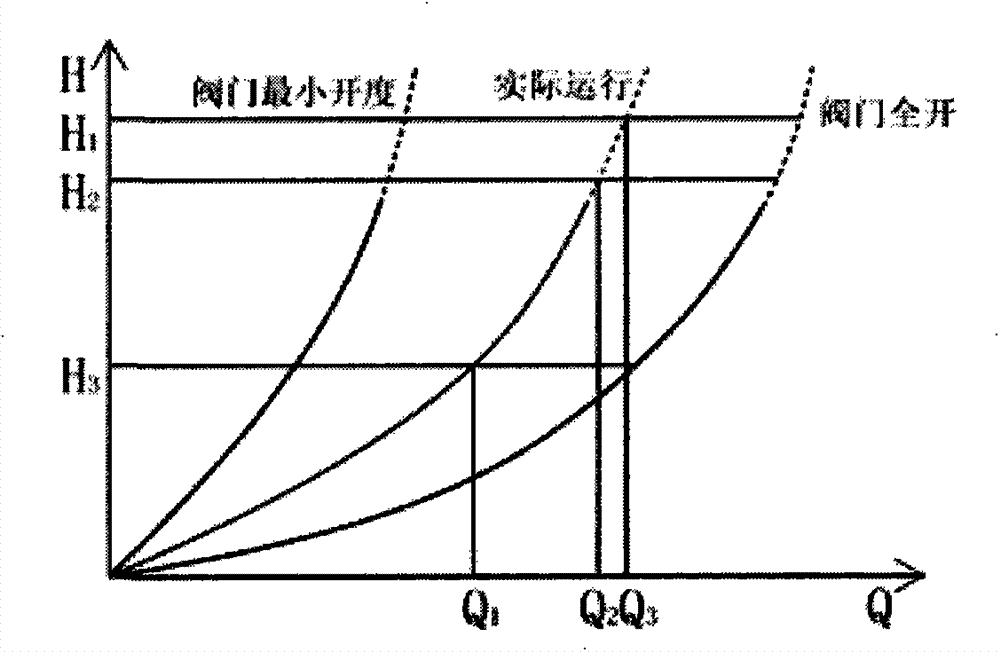
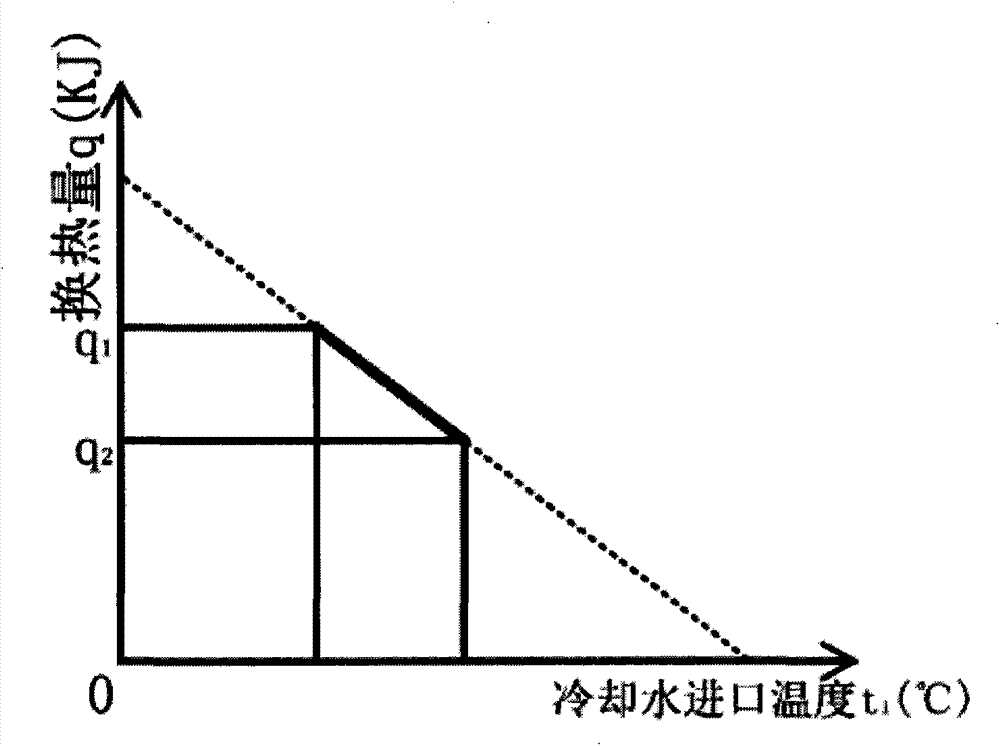
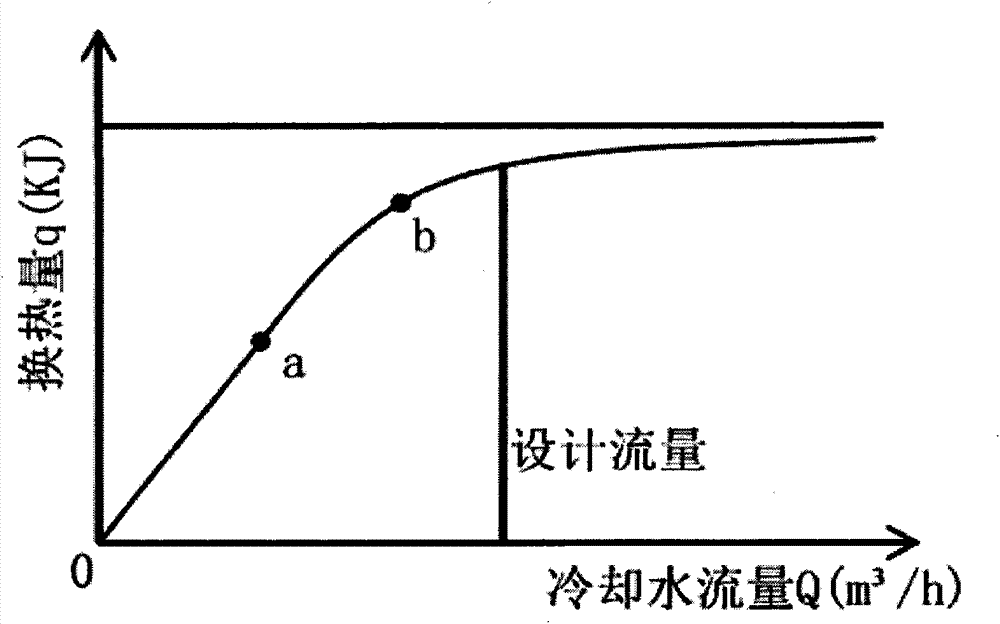
- By testing heat exchanger efficiency, collecting circulating water data, predicting fouling coefficient changes, simulating and analyzing temperature and flow changes, determine the optimal operating parameters of the system, optimize the pipe network and thermal system, adjust water pump design and pipeline configuration, and achieve online pressure and Traffic adjustment.

Environmental Impact Assessment
Environmental impact assessment for hydrothermal circulation systems represents a critical evaluation framework that examines the ecological consequences of implementing these renewable energy technologies. The assessment encompasses multiple environmental dimensions, including atmospheric emissions, water resource utilization, land use modifications, and ecosystem disruption patterns. Unlike conventional fossil fuel-based energy systems, hydrothermal circulation systems present unique environmental considerations that require specialized evaluation methodologies.
The primary environmental benefit of hydrothermal circulation systems lies in their minimal greenhouse gas emissions during operational phases. These systems typically produce 90-95% fewer carbon emissions compared to coal-fired power plants, contributing significantly to climate change mitigation efforts. However, the construction phase involves substantial material extraction and transportation, which generates temporary increases in carbon footprint that must be quantified within lifecycle assessments.
Water resource impact constitutes another crucial assessment parameter, as hydrothermal systems require continuous fluid circulation for heat exchange processes. The evaluation must consider both water consumption rates and potential contamination risks from heat transfer fluids. Closed-loop systems demonstrate superior environmental performance by minimizing water loss and preventing groundwater contamination, while open-loop configurations require more stringent monitoring protocols.
Land use implications vary significantly depending on system scale and installation type. Residential applications typically involve minimal surface disruption, whereas large-scale commercial installations may require extensive excavation and infrastructure development. The assessment must evaluate habitat fragmentation, soil stability changes, and potential impacts on local wildlife migration patterns.
Noise pollution assessment becomes particularly relevant for systems utilizing mechanical circulation pumps and heat exchangers. Sound level measurements during different operational phases help determine compliance with local environmental regulations and community acceptance thresholds. Advanced system designs incorporating noise reduction technologies demonstrate measurably lower environmental impact scores.
Long-term environmental monitoring protocols establish baseline measurements for key indicators including soil temperature variations, groundwater quality parameters, and vegetation health metrics. These monitoring frameworks enable adaptive management strategies that can mitigate unforeseen environmental consequences while optimizing system performance for sustainable operation.
The primary environmental benefit of hydrothermal circulation systems lies in their minimal greenhouse gas emissions during operational phases. These systems typically produce 90-95% fewer carbon emissions compared to coal-fired power plants, contributing significantly to climate change mitigation efforts. However, the construction phase involves substantial material extraction and transportation, which generates temporary increases in carbon footprint that must be quantified within lifecycle assessments.
Water resource impact constitutes another crucial assessment parameter, as hydrothermal systems require continuous fluid circulation for heat exchange processes. The evaluation must consider both water consumption rates and potential contamination risks from heat transfer fluids. Closed-loop systems demonstrate superior environmental performance by minimizing water loss and preventing groundwater contamination, while open-loop configurations require more stringent monitoring protocols.
Land use implications vary significantly depending on system scale and installation type. Residential applications typically involve minimal surface disruption, whereas large-scale commercial installations may require extensive excavation and infrastructure development. The assessment must evaluate habitat fragmentation, soil stability changes, and potential impacts on local wildlife migration patterns.
Noise pollution assessment becomes particularly relevant for systems utilizing mechanical circulation pumps and heat exchangers. Sound level measurements during different operational phases help determine compliance with local environmental regulations and community acceptance thresholds. Advanced system designs incorporating noise reduction technologies demonstrate measurably lower environmental impact scores.
Long-term environmental monitoring protocols establish baseline measurements for key indicators including soil temperature variations, groundwater quality parameters, and vegetation health metrics. These monitoring frameworks enable adaptive management strategies that can mitigate unforeseen environmental consequences while optimizing system performance for sustainable operation.
Energy Efficiency Standards and Regulations
Energy efficiency standards and regulations for hydrothermal circulation systems have evolved significantly over the past decade, driven by global climate commitments and rising energy costs. The regulatory landscape encompasses multiple jurisdictions, with the European Union's Ecodesign Directive setting stringent efficiency requirements for heating systems, while the United States implements standards through the Department of Energy's appliance efficiency programs. These frameworks establish minimum performance thresholds that directly impact system design parameters and operational characteristics.
Current regulatory frameworks primarily focus on seasonal performance metrics rather than instantaneous efficiency measurements. The European standard EN 14511 defines coefficient of performance requirements under standardized testing conditions, while ASHRAE 90.1 in North America establishes minimum efficiency ratings for commercial applications. These standards increasingly incorporate part-load performance evaluation, recognizing that hydrothermal systems rarely operate at full capacity throughout their operational cycles.
Emerging regulations are shifting toward lifecycle energy assessment methodologies that consider system integration effects and dynamic operational patterns. The proposed updates to international standards include provisions for smart control integration, variable flow optimization, and thermal storage coordination. These regulatory changes necessitate more sophisticated design approaches that balance peak efficiency with operational flexibility across varying load conditions.
Compliance verification procedures are becoming more rigorous, requiring detailed documentation of system performance under multiple operating scenarios. Recent regulatory amendments mandate field performance validation for large-scale installations, creating additional design constraints that must be addressed during the optimization process. The integration of IoT monitoring capabilities is increasingly viewed as essential for demonstrating ongoing compliance with efficiency standards.
Future regulatory trends indicate a movement toward performance-based standards that reward innovative design solutions achieving superior real-world efficiency. Proposed frameworks would establish tiered compliance levels, offering incentives for systems exceeding baseline requirements through advanced optimization techniques. These evolving standards will likely incorporate carbon intensity metrics alongside traditional energy efficiency measures, fundamentally reshaping design optimization priorities for hydrothermal circulation systems.
Current regulatory frameworks primarily focus on seasonal performance metrics rather than instantaneous efficiency measurements. The European standard EN 14511 defines coefficient of performance requirements under standardized testing conditions, while ASHRAE 90.1 in North America establishes minimum efficiency ratings for commercial applications. These standards increasingly incorporate part-load performance evaluation, recognizing that hydrothermal systems rarely operate at full capacity throughout their operational cycles.
Emerging regulations are shifting toward lifecycle energy assessment methodologies that consider system integration effects and dynamic operational patterns. The proposed updates to international standards include provisions for smart control integration, variable flow optimization, and thermal storage coordination. These regulatory changes necessitate more sophisticated design approaches that balance peak efficiency with operational flexibility across varying load conditions.
Compliance verification procedures are becoming more rigorous, requiring detailed documentation of system performance under multiple operating scenarios. Recent regulatory amendments mandate field performance validation for large-scale installations, creating additional design constraints that must be addressed during the optimization process. The integration of IoT monitoring capabilities is increasingly viewed as essential for demonstrating ongoing compliance with efficiency standards.
Future regulatory trends indicate a movement toward performance-based standards that reward innovative design solutions achieving superior real-world efficiency. Proposed frameworks would establish tiered compliance levels, offering incentives for systems exceeding baseline requirements through advanced optimization techniques. These evolving standards will likely incorporate carbon intensity metrics alongside traditional energy efficiency measures, fundamentally reshaping design optimization priorities for hydrothermal circulation systems.
Unlock deeper insights with Patsnap Eureka Quick Research — get a full tech report to explore trends and direct your research. Try now!
Generate Your Research Report Instantly with AI Agent
Supercharge your innovation with Patsnap Eureka AI Agent Platform!