

Design Smart Heat Spreader Topologies Using Feedback Control Loops
MAY 19, 20269 MIN READ
Generate Your Research Report Instantly with AI Agent
PatSnap Eureka helps you evaluate technical feasibility & market potential.
Smart Heat Spreader Design Background and Thermal Management Goals
The evolution of thermal management in electronic systems has undergone significant transformation over the past decades, driven by the relentless pursuit of higher performance and miniaturization. Traditional passive heat spreaders, while effective in basic applications, have reached their limitations in addressing the complex thermal challenges posed by modern high-power density electronics. The emergence of smart heat spreader technologies represents a paradigm shift from static thermal solutions to dynamic, adaptive systems capable of responding to real-time thermal conditions.
Smart heat spreaders incorporate advanced materials, microstructures, and control mechanisms to actively manage heat distribution and dissipation. These systems leverage feedback control loops to monitor temperature variations across critical components and adjust thermal pathways accordingly. The integration of sensors, actuators, and control algorithms enables unprecedented precision in thermal management, moving beyond the constraints of conventional heat sinks and thermal interface materials.
The technological progression in this field has been marked by several key developments. Early innovations focused on variable thermal conductivity materials and phase-change mechanisms. Subsequently, researchers explored microfluidic cooling systems and thermally adaptive structures. The current frontier involves sophisticated feedback-controlled topologies that can dynamically reconfigure thermal pathways based on real-time operating conditions and thermal loads.
Contemporary smart heat spreader designs encompass various approaches including shape-memory alloy actuated fins, electrostatically controlled thermal switches, and magnetically responsive thermal interface materials. These technologies enable real-time optimization of heat transfer coefficients, thermal resistance pathways, and heat dissipation surface areas. The integration of machine learning algorithms further enhances system responsiveness by predicting thermal behavior patterns and preemptively adjusting thermal management strategies.
The primary objectives driving smart heat spreader development center on achieving superior thermal performance while maintaining system reliability and energy efficiency. Key goals include minimizing peak temperatures, reducing thermal gradients across critical components, and extending operational lifespans of electronic systems. Additionally, these technologies aim to enable higher power densities in compact form factors, supporting the continued advancement of portable electronics, automotive systems, and aerospace applications.
Smart heat spreaders incorporate advanced materials, microstructures, and control mechanisms to actively manage heat distribution and dissipation. These systems leverage feedback control loops to monitor temperature variations across critical components and adjust thermal pathways accordingly. The integration of sensors, actuators, and control algorithms enables unprecedented precision in thermal management, moving beyond the constraints of conventional heat sinks and thermal interface materials.
The technological progression in this field has been marked by several key developments. Early innovations focused on variable thermal conductivity materials and phase-change mechanisms. Subsequently, researchers explored microfluidic cooling systems and thermally adaptive structures. The current frontier involves sophisticated feedback-controlled topologies that can dynamically reconfigure thermal pathways based on real-time operating conditions and thermal loads.
Contemporary smart heat spreader designs encompass various approaches including shape-memory alloy actuated fins, electrostatically controlled thermal switches, and magnetically responsive thermal interface materials. These technologies enable real-time optimization of heat transfer coefficients, thermal resistance pathways, and heat dissipation surface areas. The integration of machine learning algorithms further enhances system responsiveness by predicting thermal behavior patterns and preemptively adjusting thermal management strategies.
The primary objectives driving smart heat spreader development center on achieving superior thermal performance while maintaining system reliability and energy efficiency. Key goals include minimizing peak temperatures, reducing thermal gradients across critical components, and extending operational lifespans of electronic systems. Additionally, these technologies aim to enable higher power densities in compact form factors, supporting the continued advancement of portable electronics, automotive systems, and aerospace applications.
Market Demand Analysis for Advanced Thermal Management Solutions
The global thermal management market is experiencing unprecedented growth driven by the exponential increase in heat generation from modern electronic devices and systems. Data centers, high-performance computing systems, electric vehicles, and consumer electronics are generating thermal loads that exceed the capabilities of traditional passive cooling solutions. This surge in thermal challenges has created substantial demand for intelligent thermal management technologies that can dynamically adapt to varying heat loads and operating conditions.
Smart heat spreader technologies incorporating feedback control loops represent a critical evolution in thermal management solutions. Unlike conventional static heat spreaders, these intelligent systems can actively monitor temperature distributions and adjust thermal pathways in real-time. The market demand stems from industries where thermal performance directly impacts system reliability, energy efficiency, and operational costs. Semiconductor manufacturers, aerospace companies, and automotive OEMs are particularly driving this demand as they face increasingly stringent thermal requirements.
The electronics industry constitutes the largest market segment for advanced thermal management solutions. Modern processors and graphics cards generate heat densities exceeding traditional cooling capabilities, necessitating smart thermal solutions that can prevent hotspots and maintain optimal operating temperatures. The proliferation of artificial intelligence and machine learning applications has further intensified computational workloads, creating additional thermal management challenges that conventional solutions cannot adequately address.
Electric vehicle adoption is creating another significant market driver for intelligent thermal management systems. Battery thermal management requires precise temperature control to ensure safety, performance, and longevity. Smart heat spreaders with feedback control capabilities can optimize thermal distribution across battery packs, preventing thermal runaway conditions while maximizing charging efficiency and operational range.
The data center industry represents a rapidly expanding market segment where thermal management directly impacts operational efficiency and costs. With global data center energy consumption continuing to rise, intelligent thermal solutions that can reduce cooling energy requirements while maintaining equipment reliability are becoming essential. Smart heat spreaders offer the potential to significantly improve cooling efficiency through adaptive thermal management strategies.
Market growth is further accelerated by increasing regulatory pressure for energy efficiency and environmental sustainability. Organizations are seeking thermal management solutions that not only improve performance but also reduce overall energy consumption. Smart heat spreader technologies with feedback control loops can optimize thermal performance while minimizing energy usage, aligning with corporate sustainability objectives and regulatory requirements.
Smart heat spreader technologies incorporating feedback control loops represent a critical evolution in thermal management solutions. Unlike conventional static heat spreaders, these intelligent systems can actively monitor temperature distributions and adjust thermal pathways in real-time. The market demand stems from industries where thermal performance directly impacts system reliability, energy efficiency, and operational costs. Semiconductor manufacturers, aerospace companies, and automotive OEMs are particularly driving this demand as they face increasingly stringent thermal requirements.
The electronics industry constitutes the largest market segment for advanced thermal management solutions. Modern processors and graphics cards generate heat densities exceeding traditional cooling capabilities, necessitating smart thermal solutions that can prevent hotspots and maintain optimal operating temperatures. The proliferation of artificial intelligence and machine learning applications has further intensified computational workloads, creating additional thermal management challenges that conventional solutions cannot adequately address.
Electric vehicle adoption is creating another significant market driver for intelligent thermal management systems. Battery thermal management requires precise temperature control to ensure safety, performance, and longevity. Smart heat spreaders with feedback control capabilities can optimize thermal distribution across battery packs, preventing thermal runaway conditions while maximizing charging efficiency and operational range.
The data center industry represents a rapidly expanding market segment where thermal management directly impacts operational efficiency and costs. With global data center energy consumption continuing to rise, intelligent thermal solutions that can reduce cooling energy requirements while maintaining equipment reliability are becoming essential. Smart heat spreaders offer the potential to significantly improve cooling efficiency through adaptive thermal management strategies.
Market growth is further accelerated by increasing regulatory pressure for energy efficiency and environmental sustainability. Organizations are seeking thermal management solutions that not only improve performance but also reduce overall energy consumption. Smart heat spreader technologies with feedback control loops can optimize thermal performance while minimizing energy usage, aligning with corporate sustainability objectives and regulatory requirements.
Current Challenges in Heat Spreader Design and Control Systems
The design of smart heat spreader topologies with feedback control loops faces significant challenges rooted in the fundamental complexity of thermal management systems. Traditional heat spreaders rely on passive thermal conduction through materials like copper or aluminum, which cannot adapt to dynamic thermal loads or varying environmental conditions. This limitation becomes particularly problematic in modern electronic devices where power densities continue to increase while form factors shrink.
One of the primary challenges lies in achieving real-time thermal sensing and response capabilities. Current heat spreader designs lack integrated sensing mechanisms that can provide accurate, localized temperature measurements across the entire thermal interface. Without precise thermal feedback, control systems cannot effectively modulate heat dissipation strategies, leading to suboptimal thermal performance and potential hotspot formation.
The integration of active control elements into heat spreader architectures presents substantial engineering obstacles. Incorporating microfluidic channels, thermoelectric elements, or variable thermal conductivity materials requires sophisticated manufacturing processes that significantly increase production complexity and costs. These active components must maintain reliability under continuous thermal cycling while occupying minimal space within already constrained device geometries.
Control system design complexity represents another critical challenge. Developing feedback algorithms that can rapidly respond to thermal transients while maintaining system stability requires advanced control theory implementation. The multi-input, multi-output nature of thermal systems, combined with inherent time delays in heat transfer processes, complicates controller design and tuning procedures.
Material limitations further constrain smart heat spreader development. Current materials cannot simultaneously provide high thermal conductivity, mechanical flexibility, and controllable thermal properties. The development of novel materials with tunable thermal characteristics remains a significant research challenge, particularly for applications requiring rapid thermal response times.
Manufacturing scalability poses additional constraints on widespread adoption. Current fabrication techniques for smart thermal management systems often rely on specialized processes that are not compatible with high-volume production methods. This limitation restricts the commercial viability of advanced heat spreader topologies, particularly in cost-sensitive consumer electronics markets.
Power consumption requirements for active control systems create paradoxical design challenges. The energy needed to operate sensors, actuators, and control electronics can generate additional heat that counteracts the thermal management benefits. Achieving net positive thermal performance while maintaining acceptable power budgets requires careful optimization of control system efficiency and thermal management effectiveness.
One of the primary challenges lies in achieving real-time thermal sensing and response capabilities. Current heat spreader designs lack integrated sensing mechanisms that can provide accurate, localized temperature measurements across the entire thermal interface. Without precise thermal feedback, control systems cannot effectively modulate heat dissipation strategies, leading to suboptimal thermal performance and potential hotspot formation.
The integration of active control elements into heat spreader architectures presents substantial engineering obstacles. Incorporating microfluidic channels, thermoelectric elements, or variable thermal conductivity materials requires sophisticated manufacturing processes that significantly increase production complexity and costs. These active components must maintain reliability under continuous thermal cycling while occupying minimal space within already constrained device geometries.
Control system design complexity represents another critical challenge. Developing feedback algorithms that can rapidly respond to thermal transients while maintaining system stability requires advanced control theory implementation. The multi-input, multi-output nature of thermal systems, combined with inherent time delays in heat transfer processes, complicates controller design and tuning procedures.
Material limitations further constrain smart heat spreader development. Current materials cannot simultaneously provide high thermal conductivity, mechanical flexibility, and controllable thermal properties. The development of novel materials with tunable thermal characteristics remains a significant research challenge, particularly for applications requiring rapid thermal response times.
Manufacturing scalability poses additional constraints on widespread adoption. Current fabrication techniques for smart thermal management systems often rely on specialized processes that are not compatible with high-volume production methods. This limitation restricts the commercial viability of advanced heat spreader topologies, particularly in cost-sensitive consumer electronics markets.
Power consumption requirements for active control systems create paradoxical design challenges. The energy needed to operate sensors, actuators, and control electronics can generate additional heat that counteracts the thermal management benefits. Achieving net positive thermal performance while maintaining acceptable power budgets requires careful optimization of control system efficiency and thermal management effectiveness.
Current Smart Heat Spreader Design Solutions
01 Advanced thermal interface materials and structures
Heat spreaders utilize specialized thermal interface materials and engineered structures to enhance heat transfer efficiency. These materials feature optimized thermal conductivity properties and are designed with specific geometries to maximize heat dissipation. The structures often incorporate micro-channels, fins, or other surface modifications to increase the effective heat transfer area and improve thermal performance.- Advanced thermal interface materials and structures: Heat spreaders utilize specialized thermal interface materials and engineered structures to enhance heat conduction and distribution. These materials feature optimized thermal conductivity properties and are designed with specific geometries to maximize heat transfer efficiency across the spreader surface.
- Multi-layer heat spreader configurations: Implementation of multi-layered heat spreader designs that combine different materials with varying thermal properties to create optimized heat distribution paths. These configurations allow for better thermal management by utilizing the unique characteristics of each layer to enhance overall spreading efficiency.
- Microstructured and textured heat spreading surfaces: Development of heat spreaders with microstructured surfaces, including fins, channels, or textured patterns that increase surface area and improve heat dissipation. These surface modifications enhance convective heat transfer and provide more efficient thermal management through increased contact area.
- Vapor chamber and phase change heat spreading technologies: Integration of vapor chamber technology and phase change materials within heat spreaders to leverage latent heat transfer mechanisms. These systems provide superior heat spreading performance by utilizing the high thermal conductivity of vapor phase heat transfer and the thermal storage capacity of phase change processes.
- Composite and hybrid heat spreader materials: Utilization of composite materials and hybrid structures that combine metals, ceramics, carbon-based materials, or other advanced materials to achieve optimal thermal spreading characteristics. These combinations leverage the strengths of different materials to create heat spreaders with enhanced thermal performance and mechanical properties.
02 Smart control and adaptive thermal management
Smart heat spreaders incorporate intelligent control systems that can dynamically adjust thermal management based on real-time conditions. These systems use sensors and feedback mechanisms to optimize heat distribution and cooling performance. The adaptive nature allows for automatic adjustment of thermal parameters to maintain optimal operating temperatures under varying load conditions.Expand Specific Solutions03 Multi-layer and composite heat spreader designs
Heat spreading efficiency is enhanced through multi-layered composite structures that combine different materials with complementary thermal properties. These designs often feature alternating layers of high thermal conductivity materials and specialized bonding interfaces. The composite approach allows for optimized heat flow paths and improved overall thermal performance compared to single-material solutions.Expand Specific Solutions04 Vapor chamber and phase change technologies
Advanced heat spreaders employ vapor chamber technology and phase change materials to achieve superior heat spreading efficiency. These systems utilize the latent heat of vaporization and condensation to transfer large amounts of thermal energy with minimal temperature gradients. The phase change mechanism enables highly effective heat distribution across the spreader surface.Expand Specific Solutions05 Micro-scale and nano-enhanced thermal solutions
Heat spreading efficiency is improved through micro-scale engineering and nano-enhanced materials that provide superior thermal transport properties. These solutions incorporate microscopic features such as micro-fins, nano-particles, or structured surfaces that significantly increase heat transfer coefficients. The enhanced surface area and improved thermal pathways result in more effective heat dissipation.Expand Specific Solutions
Key Players in Smart Heat Spreader and Thermal Control Industry
The smart heat spreader technology with feedback control loops represents an emerging thermal management sector currently in its early-to-mid development stage, driven by increasing demands for efficient cooling solutions in high-performance computing and electronics. The market demonstrates significant growth potential, particularly in data centers and semiconductor applications, with estimated values reaching billions globally. Technology maturity varies considerably across key players: established semiconductor giants like Intel Corp., Advanced Micro Devices, and IBM demonstrate advanced implementation capabilities, while companies such as Asia Vital Components and Inventec Corp. focus on specialized cooling hardware solutions. Research institutions including Xi'an Jiaotong University, Xidian University, and Indian Institute of Science contribute fundamental research, indicating strong academic-industry collaboration. The competitive landscape shows a mix of mature corporations with proven thermal solutions and emerging players developing innovative feedback-controlled systems, suggesting the technology is transitioning from research phase toward commercial viability with substantial market opportunities ahead.
Intel Corp.
Technical Solution: Intel has developed advanced thermal management solutions incorporating feedback control systems for their processors. Their approach utilizes dynamic thermal management (DTM) with real-time temperature monitoring and adaptive power scaling. The system employs multiple temperature sensors distributed across the die to create thermal maps, enabling precise control of heat distribution through variable frequency and voltage scaling. Intel's smart heat spreader design integrates with their Turbo Boost technology, using predictive algorithms to anticipate thermal loads and proactively adjust performance parameters. The feedback loop continuously monitors junction temperatures and adjusts clock speeds within microseconds to maintain optimal thermal performance while maximizing computational throughput.
Strengths: Industry-leading thermal sensor integration, proven scalability across product lines, real-time adaptive control. Weaknesses: High complexity increases cost, requires sophisticated software stack, limited to Intel architecture ecosystem.
International Business Machines Corp.
Technical Solution: IBM has pioneered liquid cooling solutions with integrated feedback control loops for high-performance computing systems. Their approach combines microchannel heat sinks with smart flow control valves that adjust coolant flow rates based on real-time thermal feedback. The system uses distributed temperature sensors and machine learning algorithms to predict thermal hotspots before they occur. IBM's design incorporates variable geometry heat spreaders that can mechanically adjust their thermal conductivity paths using shape memory alloys activated by feedback control signals. The control system optimizes both local and global thermal management, balancing individual component temperatures while maintaining system-wide thermal efficiency.
Strengths: Advanced liquid cooling expertise, AI-driven predictive control, scalable for data center applications. Weaknesses: High infrastructure requirements, complex maintenance procedures, significant initial investment costs.
Core Innovations in Feedback Control Loop Integration
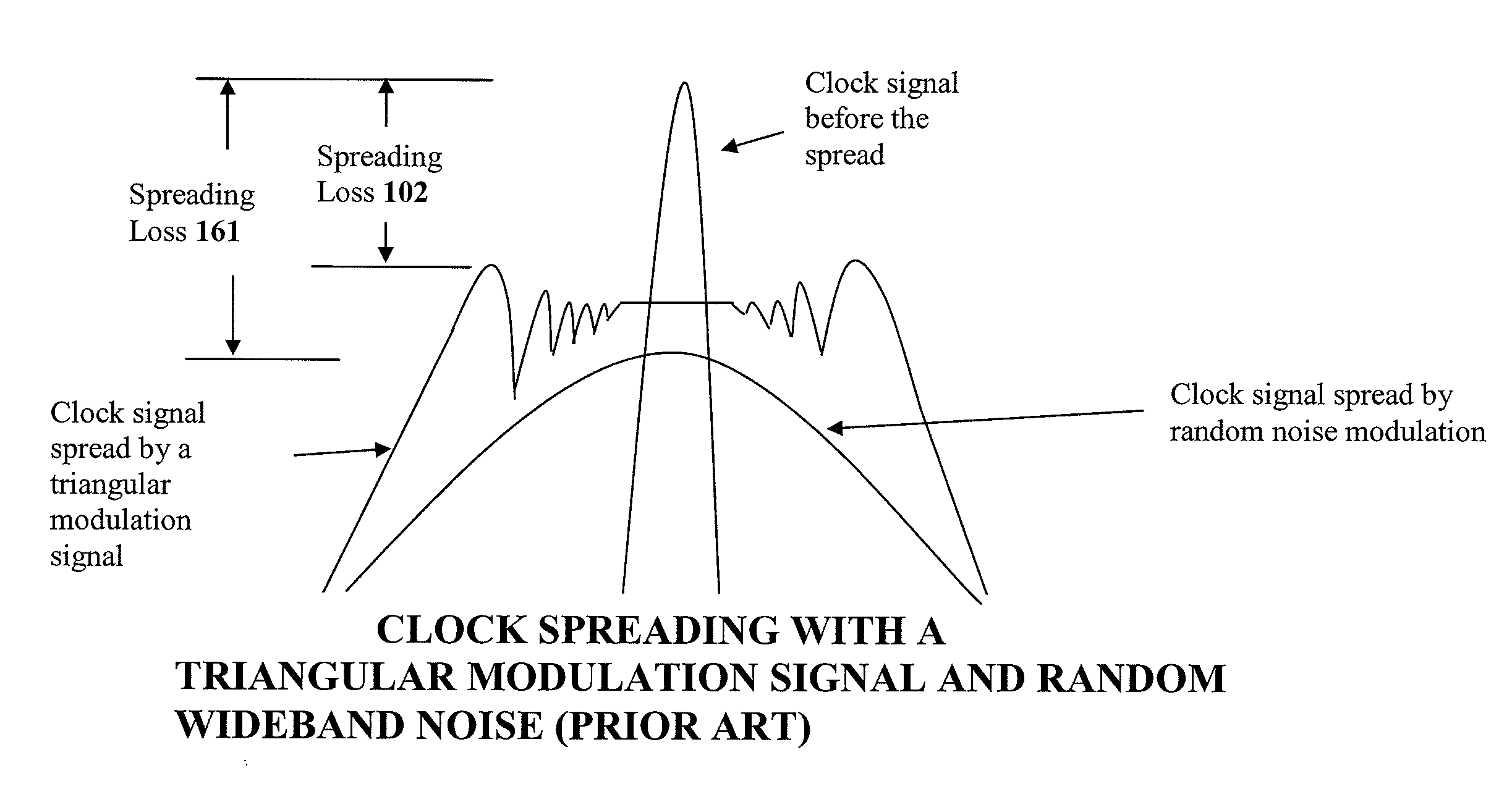
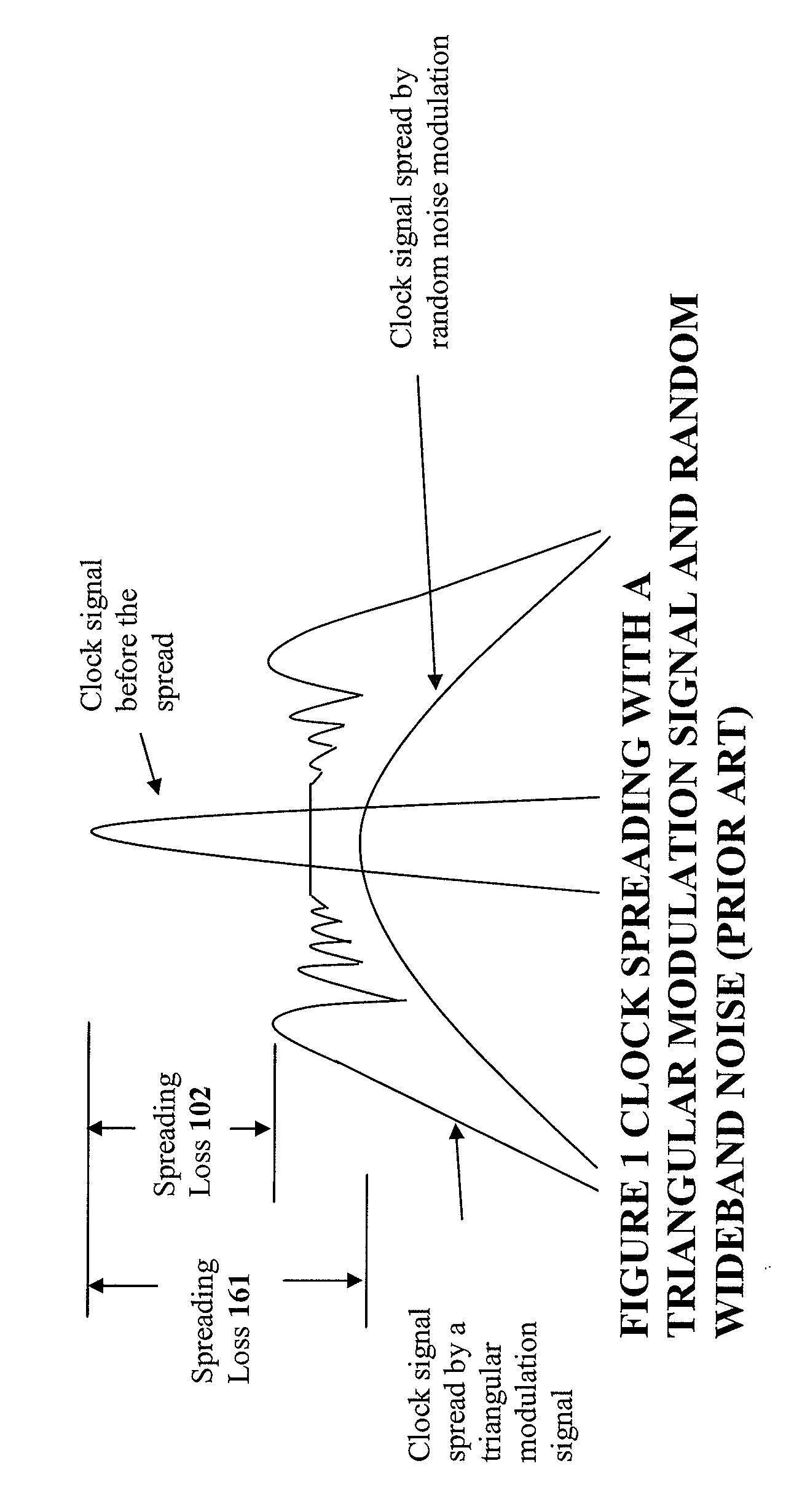
Non-linear feedback control loops as spread spectrum clock generator
PatentInactiveUS20090135885A1
Innovation
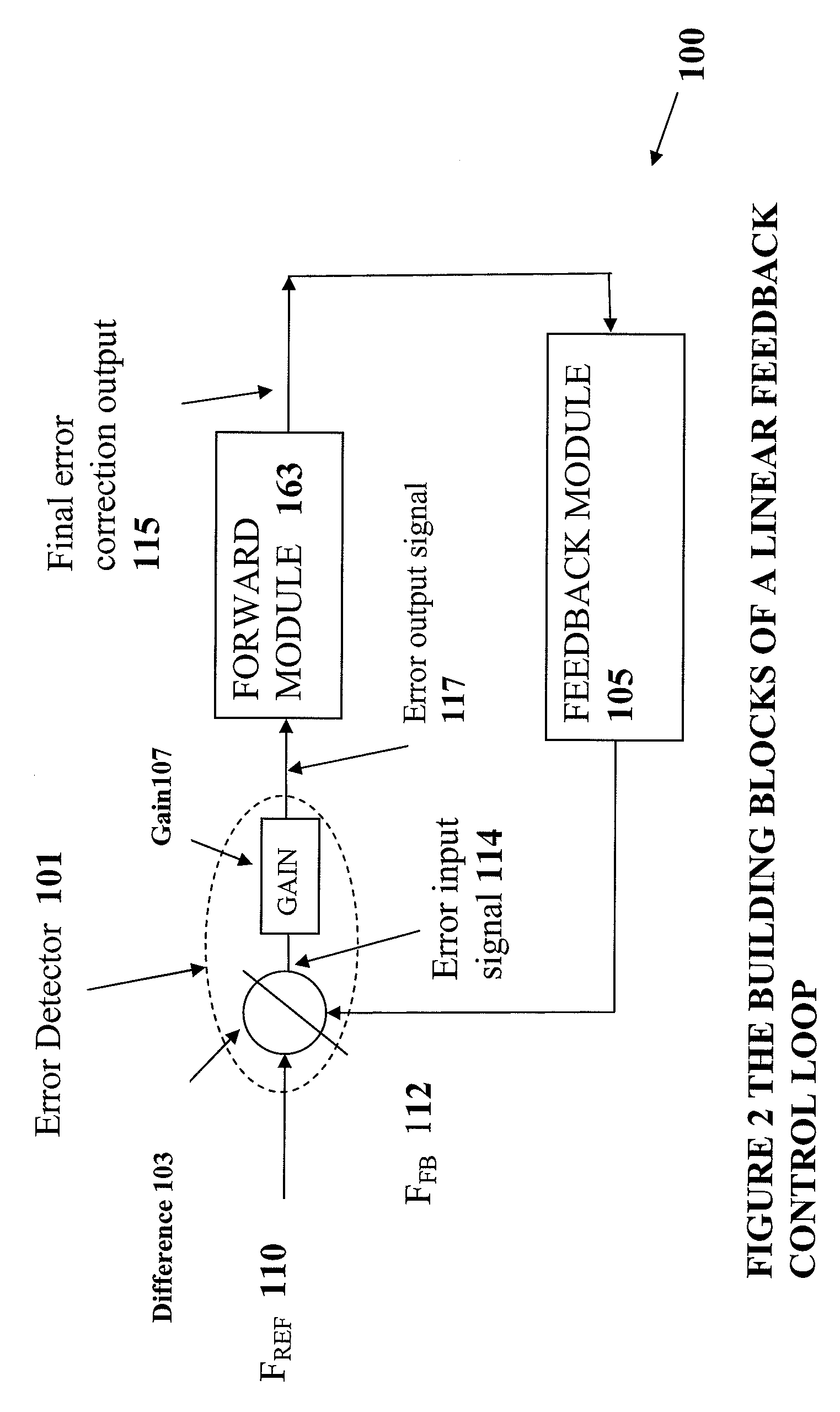
- The use of non-linear feedback control loops to generate spread spectrum clock signals, which introduces intrinsic broadband noises for modulation, creating a more even energy spectrum and significantly reducing peak spurious radiation by making the feedback loop unstable and oscillating, thus spreading the energy more evenly across the bandwidth.

A heat spreader, and an electronic module
PatentWO2023140756A1
Innovation
- A heat spreader design featuring a plate of graphite with strategically placed holes filled with a material of different thermal expansion properties, allowing for adjustment of the thermal expansion coefficient to match that of the die, thereby reducing mechanical stress and enabling the use of more rigid thermal interface materials.


Energy Efficiency Standards and Thermal Regulations
The development of smart heat spreader topologies with feedback control loops operates within an increasingly stringent regulatory landscape focused on energy efficiency and thermal management. Global energy efficiency standards have evolved significantly over the past decade, with organizations such as the International Energy Agency (IEA) and various national regulatory bodies establishing comprehensive frameworks that directly impact thermal management system design requirements.
Current energy efficiency regulations, including the European Union's Ecodesign Directive and the United States Department of Energy efficiency standards, mandate specific performance metrics for electronic devices and thermal management systems. These regulations typically require minimum energy efficiency ratios and maximum power consumption thresholds, creating direct implications for heat spreader design optimization. Smart heat spreader systems must demonstrate measurable improvements in thermal conductivity per unit of energy consumed compared to passive alternatives.
Thermal regulations in the electronics industry have become increasingly sophisticated, with standards such as JEDEC thermal measurement guidelines and IPC thermal management specifications providing detailed requirements for temperature control accuracy and response times. These standards directly influence the design parameters for feedback control loops in smart heat spreaders, particularly regarding sensor placement, control algorithm responsiveness, and thermal interface material selection.
Emerging regulatory trends indicate a shift toward dynamic thermal management requirements, where systems must adapt to varying operational conditions while maintaining compliance with energy efficiency targets. This regulatory evolution is driving innovation in adaptive control algorithms and real-time thermal optimization strategies within smart heat spreader designs.
The integration of artificial intelligence and machine learning in thermal management systems is also attracting regulatory attention, with preliminary guidelines emerging for autonomous thermal control systems. These developing standards emphasize the need for predictable, verifiable performance characteristics in AI-driven thermal management solutions.
Compliance with these evolving standards requires smart heat spreader designs to incorporate comprehensive monitoring capabilities, enabling real-time verification of energy efficiency metrics and thermal performance parameters. This regulatory environment is accelerating the adoption of advanced sensor technologies and sophisticated feedback control mechanisms in next-generation thermal management systems.
Current energy efficiency regulations, including the European Union's Ecodesign Directive and the United States Department of Energy efficiency standards, mandate specific performance metrics for electronic devices and thermal management systems. These regulations typically require minimum energy efficiency ratios and maximum power consumption thresholds, creating direct implications for heat spreader design optimization. Smart heat spreader systems must demonstrate measurable improvements in thermal conductivity per unit of energy consumed compared to passive alternatives.
Thermal regulations in the electronics industry have become increasingly sophisticated, with standards such as JEDEC thermal measurement guidelines and IPC thermal management specifications providing detailed requirements for temperature control accuracy and response times. These standards directly influence the design parameters for feedback control loops in smart heat spreaders, particularly regarding sensor placement, control algorithm responsiveness, and thermal interface material selection.
Emerging regulatory trends indicate a shift toward dynamic thermal management requirements, where systems must adapt to varying operational conditions while maintaining compliance with energy efficiency targets. This regulatory evolution is driving innovation in adaptive control algorithms and real-time thermal optimization strategies within smart heat spreader designs.
The integration of artificial intelligence and machine learning in thermal management systems is also attracting regulatory attention, with preliminary guidelines emerging for autonomous thermal control systems. These developing standards emphasize the need for predictable, verifiable performance characteristics in AI-driven thermal management solutions.
Compliance with these evolving standards requires smart heat spreader designs to incorporate comprehensive monitoring capabilities, enabling real-time verification of energy efficiency metrics and thermal performance parameters. This regulatory environment is accelerating the adoption of advanced sensor technologies and sophisticated feedback control mechanisms in next-generation thermal management systems.
Reliability and Safety Considerations in Smart Thermal Systems
Smart thermal systems incorporating feedback control loops for heat spreader topologies present unique reliability and safety challenges that must be comprehensively addressed during design and implementation phases. The integration of active control mechanisms introduces additional failure modes beyond traditional passive thermal management solutions, necessitating robust reliability engineering approaches.
System reliability fundamentally depends on the interdependence between thermal sensors, control algorithms, and actuating mechanisms. Temperature sensor failures represent critical single points of failure that can lead to thermal runaway conditions. Implementing redundant sensor arrays with voting logic and cross-validation algorithms ensures continued operation even when individual sensors malfunction. The mean time between failures (MTBF) for smart thermal systems typically ranges from 50,000 to 100,000 hours, significantly lower than passive solutions due to increased component complexity.
Control loop stability presents another critical reliability concern. Feedback systems can exhibit oscillatory behavior or instability under certain operating conditions, potentially causing rapid temperature fluctuations that stress electronic components. Implementing adaptive control algorithms with built-in stability margins and fail-safe modes helps mitigate these risks. Real-time monitoring of control loop performance parameters enables early detection of degradation before catastrophic failures occur.
Safety considerations encompass both thermal and electrical hazards inherent in smart heat spreader systems. Overtemperature protection mechanisms must include hardware-based thermal shutdown circuits independent of software control loops. These circuits should activate at predetermined temperature thresholds, typically 10-15°C below component damage limits, ensuring protection even during control system failures.
Electromagnetic interference (EMI) generated by switching actuators can affect nearby sensitive electronics, requiring careful shielding and filtering design. Additionally, power supply failures to control circuits must trigger immediate transition to passive thermal management modes to prevent thermal damage.
Long-term reliability assessment requires accelerated aging tests under various environmental conditions, including temperature cycling, humidity exposure, and vibration stress. Predictive maintenance algorithms utilizing machine learning can analyze sensor data patterns to forecast component degradation and schedule preventive maintenance before failures occur.
System reliability fundamentally depends on the interdependence between thermal sensors, control algorithms, and actuating mechanisms. Temperature sensor failures represent critical single points of failure that can lead to thermal runaway conditions. Implementing redundant sensor arrays with voting logic and cross-validation algorithms ensures continued operation even when individual sensors malfunction. The mean time between failures (MTBF) for smart thermal systems typically ranges from 50,000 to 100,000 hours, significantly lower than passive solutions due to increased component complexity.
Control loop stability presents another critical reliability concern. Feedback systems can exhibit oscillatory behavior or instability under certain operating conditions, potentially causing rapid temperature fluctuations that stress electronic components. Implementing adaptive control algorithms with built-in stability margins and fail-safe modes helps mitigate these risks. Real-time monitoring of control loop performance parameters enables early detection of degradation before catastrophic failures occur.
Safety considerations encompass both thermal and electrical hazards inherent in smart heat spreader systems. Overtemperature protection mechanisms must include hardware-based thermal shutdown circuits independent of software control loops. These circuits should activate at predetermined temperature thresholds, typically 10-15°C below component damage limits, ensuring protection even during control system failures.
Electromagnetic interference (EMI) generated by switching actuators can affect nearby sensitive electronics, requiring careful shielding and filtering design. Additionally, power supply failures to control circuits must trigger immediate transition to passive thermal management modes to prevent thermal damage.
Long-term reliability assessment requires accelerated aging tests under various environmental conditions, including temperature cycling, humidity exposure, and vibration stress. Predictive maintenance algorithms utilizing machine learning can analyze sensor data patterns to forecast component degradation and schedule preventive maintenance before failures occur.
Unlock deeper insights with PatSnap Eureka Quick Research — get a full tech report to explore trends and direct your research. Try now!
Generate Your Research Report Instantly with AI Agent
Supercharge your innovation with PatSnap Eureka AI Agent Platform!