

Develop Improved Phytate Formulas for Dental Health
FEB 27, 20268 MIN READ
Generate Your Research Report Instantly with AI Agent
PatSnap Eureka helps you evaluate technical feasibility & market potential.
Phytate Dental Applications Background and Objectives
Phytate, also known as inositol hexaphosphate (IP6), represents a naturally occurring phosphorus storage compound found predominantly in plant seeds, grains, and legumes. This organic molecule has garnered significant attention in dental health research due to its unique chelating properties and potential therapeutic applications. The compound's ability to bind metal ions, particularly calcium and magnesium, positions it as a promising candidate for innovative dental care formulations.
The historical context of phytate research in dental applications traces back to the mid-20th century when researchers first identified its mineral-binding capabilities. Early investigations focused primarily on phytate's role in nutrition and mineral absorption, but subsequent studies revealed its potential in oral health management. The compound's natural origin and biocompatibility have made it an attractive alternative to synthetic chelating agents traditionally used in dental products.
Current dental health challenges necessitate the development of advanced therapeutic solutions that can address multiple oral health concerns simultaneously. Traditional approaches often focus on single-target interventions, such as fluoride for caries prevention or antimicrobials for bacterial control. However, the complex nature of oral diseases, including dental caries, periodontal disease, and enamel erosion, requires more comprehensive treatment strategies.
The primary objective of developing improved phytate formulas centers on creating multifunctional dental health products that leverage the compound's natural properties. These formulations aim to provide enhanced remineralization capabilities, superior plaque control, and improved biofilm disruption while maintaining safety and patient compliance. The goal extends beyond simple cavity prevention to encompass comprehensive oral ecosystem management.
Specific technical objectives include optimizing phytate concentration levels to maximize therapeutic efficacy while minimizing potential adverse effects. Research efforts focus on developing stable formulations that maintain phytate's bioactivity under various storage conditions and pH environments typical of oral care products. Additionally, the integration of phytate with complementary active ingredients seeks to create synergistic effects that amplify overall dental health benefits.
The strategic importance of this research lies in addressing the growing global burden of dental diseases, which affects billions of people worldwide. By harnessing phytate's natural properties, researchers aim to develop cost-effective, sustainable dental health solutions that can be widely accessible across diverse populations and economic conditions.
The historical context of phytate research in dental applications traces back to the mid-20th century when researchers first identified its mineral-binding capabilities. Early investigations focused primarily on phytate's role in nutrition and mineral absorption, but subsequent studies revealed its potential in oral health management. The compound's natural origin and biocompatibility have made it an attractive alternative to synthetic chelating agents traditionally used in dental products.
Current dental health challenges necessitate the development of advanced therapeutic solutions that can address multiple oral health concerns simultaneously. Traditional approaches often focus on single-target interventions, such as fluoride for caries prevention or antimicrobials for bacterial control. However, the complex nature of oral diseases, including dental caries, periodontal disease, and enamel erosion, requires more comprehensive treatment strategies.
The primary objective of developing improved phytate formulas centers on creating multifunctional dental health products that leverage the compound's natural properties. These formulations aim to provide enhanced remineralization capabilities, superior plaque control, and improved biofilm disruption while maintaining safety and patient compliance. The goal extends beyond simple cavity prevention to encompass comprehensive oral ecosystem management.
Specific technical objectives include optimizing phytate concentration levels to maximize therapeutic efficacy while minimizing potential adverse effects. Research efforts focus on developing stable formulations that maintain phytate's bioactivity under various storage conditions and pH environments typical of oral care products. Additionally, the integration of phytate with complementary active ingredients seeks to create synergistic effects that amplify overall dental health benefits.
The strategic importance of this research lies in addressing the growing global burden of dental diseases, which affects billions of people worldwide. By harnessing phytate's natural properties, researchers aim to develop cost-effective, sustainable dental health solutions that can be widely accessible across diverse populations and economic conditions.
Market Demand for Natural Dental Health Solutions
The global dental care market is experiencing a significant paradigm shift toward natural and biocompatible solutions, driven by increasing consumer awareness of synthetic chemical risks and growing preference for holistic health approaches. This transformation has created substantial opportunities for innovative natural ingredients, particularly phytate-based formulations that offer both safety and efficacy in oral health applications.
Consumer demand for natural dental health products has intensified following widespread concerns about fluoride toxicity, artificial preservatives, and synthetic antimicrobial agents commonly found in conventional oral care products. Modern consumers actively seek alternatives that provide effective dental protection without compromising long-term health, creating a receptive market environment for phytate-enhanced formulations.
The rising prevalence of dental diseases globally has amplified market demand for preventive solutions. Tooth decay and periodontal diseases affect billions worldwide, with traditional treatments often focusing on reactive rather than preventive approaches. This gap has generated significant interest in natural compounds that can provide proactive dental protection through remineralization and antimicrobial properties.
Healthcare professionals increasingly recognize the limitations of conventional dental treatments and are exploring evidence-based natural alternatives. The growing body of research supporting phytate's role in dental health has begun influencing professional recommendations, particularly among practitioners emphasizing preventive and integrative approaches to oral care.
Market segmentation reveals strong demand across multiple demographics, with particular growth in health-conscious consumers, parents seeking safer options for children, and individuals with sensitivities to conventional dental products. The premium natural products segment continues expanding as consumers demonstrate willingness to invest in higher-quality formulations that align with their health values.
Regulatory environments in key markets are becoming more favorable toward natural dental health ingredients, with streamlined approval processes for biocompatible compounds. This regulatory support has encouraged innovation and investment in natural formulation development, creating additional market momentum for phytate-based solutions.
The intersection of sustainability concerns and health consciousness has further amplified demand for plant-derived dental health solutions. Consumers increasingly prefer products with minimal environmental impact, positioning phytate formulations advantageously due to their natural origin and biodegradable properties.
Consumer demand for natural dental health products has intensified following widespread concerns about fluoride toxicity, artificial preservatives, and synthetic antimicrobial agents commonly found in conventional oral care products. Modern consumers actively seek alternatives that provide effective dental protection without compromising long-term health, creating a receptive market environment for phytate-enhanced formulations.
The rising prevalence of dental diseases globally has amplified market demand for preventive solutions. Tooth decay and periodontal diseases affect billions worldwide, with traditional treatments often focusing on reactive rather than preventive approaches. This gap has generated significant interest in natural compounds that can provide proactive dental protection through remineralization and antimicrobial properties.
Healthcare professionals increasingly recognize the limitations of conventional dental treatments and are exploring evidence-based natural alternatives. The growing body of research supporting phytate's role in dental health has begun influencing professional recommendations, particularly among practitioners emphasizing preventive and integrative approaches to oral care.
Market segmentation reveals strong demand across multiple demographics, with particular growth in health-conscious consumers, parents seeking safer options for children, and individuals with sensitivities to conventional dental products. The premium natural products segment continues expanding as consumers demonstrate willingness to invest in higher-quality formulations that align with their health values.
Regulatory environments in key markets are becoming more favorable toward natural dental health ingredients, with streamlined approval processes for biocompatible compounds. This regulatory support has encouraged innovation and investment in natural formulation development, creating additional market momentum for phytate-based solutions.
The intersection of sustainability concerns and health consciousness has further amplified demand for plant-derived dental health solutions. Consumers increasingly prefer products with minimal environmental impact, positioning phytate formulations advantageously due to their natural origin and biodegradable properties.
Current State of Phytate Research in Oral Care
Phytate research in oral care has gained significant momentum over the past decade, with mounting evidence supporting its potential as a bioactive compound for dental health applications. Current investigations primarily focus on phytate's ability to inhibit enamel demineralization and promote remineralization processes through its chelating properties with calcium and phosphate ions.
Recent clinical studies have demonstrated phytate's efficacy in reducing dental caries formation when incorporated into toothpaste formulations at concentrations ranging from 0.1% to 1.0%. Research conducted by leading dental institutions has shown that phytate-containing oral care products can reduce cavity formation by up to 35% compared to conventional fluoride-only formulations when used consistently over six-month periods.
The mechanism of action centers on phytate's unique molecular structure, which allows it to form stable complexes with hydroxyapatite crystals in tooth enamel. This interaction creates a protective barrier that resists acid attacks from oral bacteria while simultaneously providing a reservoir of phosphate ions for natural remineralization processes. Current formulation challenges include optimizing phytate stability in aqueous solutions and managing its interaction with other active ingredients commonly found in oral care products.
Existing commercial applications remain limited, with only a handful of specialty dental products incorporating phytate as a primary active ingredient. Most current formulations utilize sodium phytate or calcium-magnesium phytate complexes, though researchers are exploring novel delivery systems including microencapsulation and sustained-release matrices to enhance bioavailability and extend contact time with tooth surfaces.
Contemporary research gaps include insufficient long-term safety data, limited understanding of optimal dosing regimens, and incomplete characterization of phytate's interaction with oral microbiome dynamics. Additionally, current formulations face stability challenges in typical oral care product pH ranges, necessitating the development of improved stabilization strategies and compatible excipient systems for enhanced therapeutic efficacy.
Recent clinical studies have demonstrated phytate's efficacy in reducing dental caries formation when incorporated into toothpaste formulations at concentrations ranging from 0.1% to 1.0%. Research conducted by leading dental institutions has shown that phytate-containing oral care products can reduce cavity formation by up to 35% compared to conventional fluoride-only formulations when used consistently over six-month periods.
The mechanism of action centers on phytate's unique molecular structure, which allows it to form stable complexes with hydroxyapatite crystals in tooth enamel. This interaction creates a protective barrier that resists acid attacks from oral bacteria while simultaneously providing a reservoir of phosphate ions for natural remineralization processes. Current formulation challenges include optimizing phytate stability in aqueous solutions and managing its interaction with other active ingredients commonly found in oral care products.
Existing commercial applications remain limited, with only a handful of specialty dental products incorporating phytate as a primary active ingredient. Most current formulations utilize sodium phytate or calcium-magnesium phytate complexes, though researchers are exploring novel delivery systems including microencapsulation and sustained-release matrices to enhance bioavailability and extend contact time with tooth surfaces.
Contemporary research gaps include insufficient long-term safety data, limited understanding of optimal dosing regimens, and incomplete characterization of phytate's interaction with oral microbiome dynamics. Additionally, current formulations face stability challenges in typical oral care product pH ranges, necessitating the development of improved stabilization strategies and compatible excipient systems for enhanced therapeutic efficacy.
Existing Phytate Formula Solutions for Dental Health
01 Phytate as an anti-calculus agent in oral care formulations
Phytate compounds can be incorporated into dental care products to inhibit the formation of dental calculus and tartar. These compounds work by interfering with the crystallization process of calcium phosphate salts on tooth surfaces. Phytate acts as a chelating agent that binds to calcium ions, preventing their precipitation and subsequent calculus formation. This application is particularly effective in toothpastes, mouthwashes, and other oral hygiene products designed to maintain dental health.- Phytate as an anti-calculus agent in oral care formulations: Phytate compounds can be incorporated into dental care products to inhibit the formation of dental calculus and tartar. These compounds work by interfering with the crystallization process of calcium phosphate salts on tooth surfaces. Phytate acts as a chelating agent that binds to calcium ions, preventing their precipitation and subsequent calculus formation. This application is particularly effective in toothpastes, mouthwashes, and other oral hygiene products designed to maintain dental health.
- Phytate for remineralization and enamel protection: Formulations containing phytate can promote tooth enamel remineralization and provide protective effects against acid erosion. The compound helps regulate mineral balance in the oral cavity by controlling calcium and phosphate availability. This mechanism supports the natural repair process of early enamel lesions and strengthens tooth structure. Such formulations may be combined with fluoride or other remineralizing agents to enhance their protective effects on dental hard tissues.
- Phytate in combination with antimicrobial agents for plaque control: Dental formulations can combine phytate with antimicrobial compounds to provide dual benefits of plaque reduction and calculus prevention. The phytate component addresses mineral deposition while antimicrobial agents target bacterial biofilm formation. This synergistic approach offers comprehensive oral health protection by addressing both microbial and mineral-related dental problems. Such combinations are particularly useful in therapeutic oral care products for individuals prone to both plaque accumulation and calculus formation.
- Stabilized phytate delivery systems in dental products: Advanced formulation techniques can be employed to stabilize phytate in various dental product matrices, ensuring its efficacy throughout product shelf life and during use. These delivery systems may include encapsulation technologies, pH buffering systems, or specific carrier materials that protect phytate from degradation. Proper stabilization ensures that the active ingredient remains available to exert its beneficial effects on dental health. Such formulations address the challenge of maintaining phytate stability in the presence of other oral care ingredients.
- Phytate formulations for sensitive teeth and gum health: Phytate can be formulated into dental products specifically designed for individuals with sensitive teeth or compromised gum health. The compound's mineral-regulating properties may help reduce dentinal hypersensitivity by promoting controlled mineralization of exposed dentinal tubules. Additionally, phytate's anti-inflammatory properties can support gingival health and reduce periodontal inflammation. These specialized formulations often include additional soothing agents and desensitizing compounds to provide comprehensive care for sensitive oral tissues.
02 Phytate for remineralization and enamel protection
Formulations containing phytate can promote tooth enamel remineralization and provide protective effects against acid erosion. The compound helps regulate mineral balance in the oral cavity by controlling calcium and phosphate availability. This mechanism supports the natural repair process of early enamel lesions and strengthens tooth structure. Such formulations are designed to prevent dental caries and enhance overall tooth resistance to demineralization.Expand Specific Solutions03 Combination of phytate with fluoride compounds
Dental formulations can combine phytate with various fluoride sources to achieve synergistic effects in caries prevention and enamel strengthening. This combination enhances the anti-caries properties while maintaining the anti-calculus benefits. The dual-action approach provides comprehensive protection by addressing both demineralization and calculus formation. These formulations are commonly found in professional dental treatments and consumer oral care products.Expand Specific Solutions04 Phytate in formulations for periodontal health
Phytate-containing compositions can be formulated to support periodontal tissue health and reduce inflammation in the gums. These formulations may include additional antimicrobial or anti-inflammatory agents that work in conjunction with phytate. The compounds help maintain healthy gum tissue by reducing bacterial adhesion and controlling mineralization processes that contribute to periodontal disease. Applications include specialized toothpastes, gels, and rinses for periodontal care.Expand Specific Solutions05 Stabilized phytate delivery systems in oral care products
Advanced formulation techniques are employed to stabilize phytate in various oral care delivery systems, ensuring optimal efficacy and shelf life. These systems may include encapsulation technologies, pH-adjusted formulations, or specific carrier matrices that protect phytate from degradation. The stabilization methods allow for controlled release of the active ingredient during use, maximizing its therapeutic benefits. Such innovations enable the incorporation of phytate into diverse product formats including pastes, strips, and sustained-release devices.Expand Specific Solutions
Key Players in Phytate and Oral Care Industries
The dental health phytate formula development sector represents an emerging niche within the broader oral care industry, currently in early-to-mid development stages with significant growth potential driven by increasing consumer awareness of natural dental solutions. The market remains relatively small but shows promising expansion as preventive oral care gains traction globally. Technology maturity varies considerably across market participants, with established oral care giants like Colgate-Palmolive, Procter & Gamble, and Unilever leveraging their extensive R&D capabilities and distribution networks to explore phytate applications, while specialized companies such as Coswell SpA and Ranir LLC focus on innovative formulations. Asian players including Lion Corp, Kao Corp, and various Chinese manufacturers are advancing rapidly in biotechnology applications, though most phytate-specific dental technologies remain in research phases, requiring further clinical validation and regulatory approval before widespread commercialization.
Colgate-Palmolive Co.
Technical Solution: Colgate-Palmolive has developed advanced phytate-based formulations that leverage the natural chelating properties of phytic acid to bind calcium and other minerals in dental plaque, effectively reducing mineralization and tartar formation. Their proprietary phytate compounds are incorporated into toothpaste formulations at optimized concentrations to maximize anti-calculus efficacy while maintaining enamel safety. The company's research focuses on enhancing phytate stability in aqueous formulations and improving its bioavailability through novel delivery systems including microencapsulation technology.
Strengths: Market leadership in oral care with extensive R&D capabilities and global distribution network. Weaknesses: High development costs and regulatory compliance requirements for new active ingredients.
3M Innovative Properties Co.
Technical Solution: 3M has developed advanced phytate delivery systems utilizing their materials science expertise to create controlled-release formulations for professional dental applications. Their technology incorporates phytate compounds into dental adhesives, sealants, and professional treatment gels that provide sustained release of active ingredients. The company's approach focuses on developing phytate-containing materials that can be applied during dental procedures to provide long-term protection against calculus formation and enamel demineralization through innovative polymer matrix systems and nanotechnology applications.
Strengths: Advanced materials science capabilities and strong presence in professional dental markets. Weaknesses: Limited consumer product experience and higher costs associated with professional-grade formulations.
Core Patents in Phytate Dental Applications
Compositions for treating periodontitis and dental calculus accumulation
PatentActiveUS20170319452A1
Innovation
- Compositions comprising serine and organic mono- or multi-phosphate salts, such as phytate, are used to reduce gingival alkalinity by lowering the pH in the oral cavity, inhibiting the formation of dental calculus, and preventing periodontal diseases through the use of serine-containing compositions in various oral forms like chewable tablets, mouthwashes, and toothpastes.


Enhanced phytase variants
PatentInactiveUS20130122567A1
Innovation
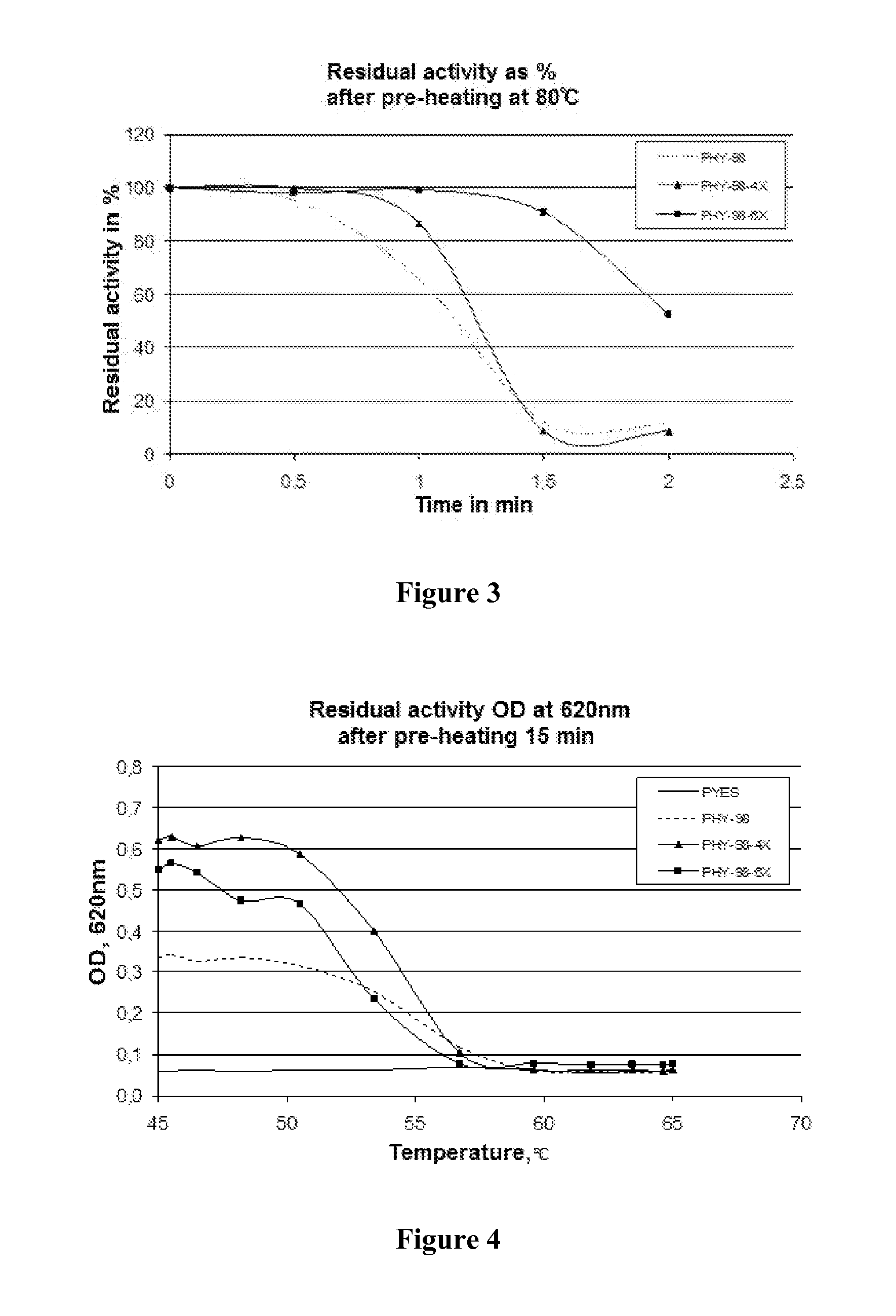
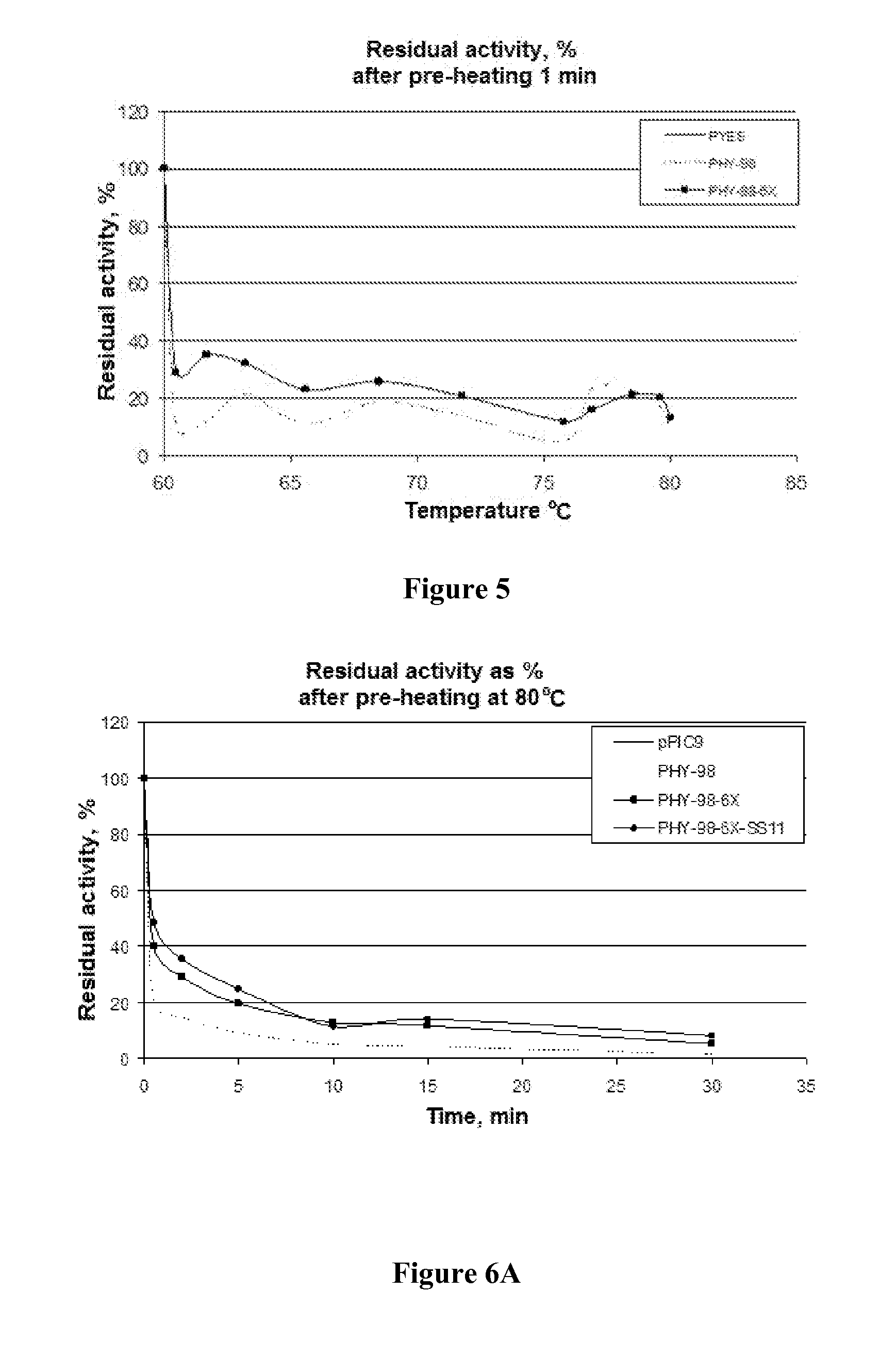
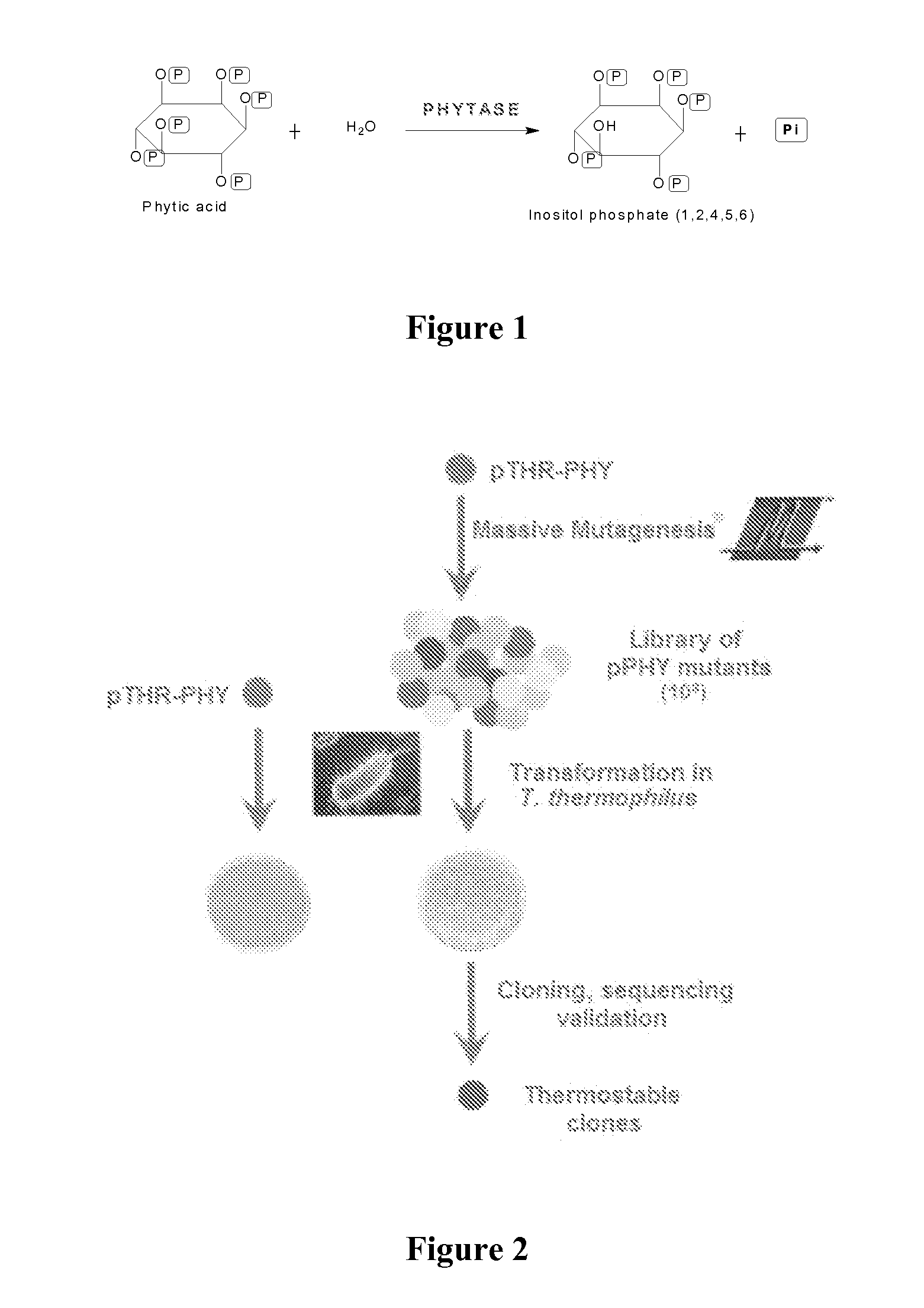
- A recombinant phytase variant from Yersinia intermedia with enhanced thermostability and activity, achieved through specific amino acid substitutions, allowing it to be directly added to animal feed without spraying, effectively converting phytate into free phosphates.

FDA Regulations for Dental Health Products
The regulatory landscape for dental health products containing phytate formulations is governed by the FDA's comprehensive framework that classifies these products based on their intended use, claims, and mechanism of action. Phytate-based dental products typically fall under multiple regulatory categories, including cosmetics, over-the-counter drugs, or medical devices, depending on their specific formulation and therapeutic claims.
For cosmetic classification, phytate formulations marketed solely for cleansing, beautifying, promoting attractiveness, or altering appearance of teeth face minimal regulatory barriers. However, manufacturers must ensure ingredient safety and proper labeling without making disease-related claims. The FDA's Generally Recognized as Safe (GRAS) database provides guidance on acceptable phytate concentrations for oral care applications.
When phytate formulations claim to prevent, treat, or mitigate dental diseases such as caries or gingivitis, they enter the over-the-counter drug category under 21 CFR Part 355. These products must comply with established monographs or undergo New Drug Application processes. The FDA requires substantial clinical evidence demonstrating safety and efficacy, including bioavailability studies and controlled clinical trials with statistically significant endpoints.
The regulatory pathway becomes more complex for advanced phytate formulations incorporating novel delivery systems or making structure-function claims. Products utilizing nanotechnology, sustained-release mechanisms, or bioactive compounds may require pre-market notification under the FDA's emerging technology guidelines. Manufacturers must provide comprehensive toxicological data, manufacturing process validation, and quality control protocols.
Labeling requirements mandate clear ingredient disclosure, appropriate usage instructions, and contraindication warnings. The FDA's guidance on substantiation of claims requires robust scientific evidence supporting any therapeutic benefits attributed to phytate compounds. Additionally, Good Manufacturing Practice compliance ensures consistent product quality and safety throughout the production lifecycle.
Recent regulatory updates emphasize the importance of post-market surveillance and adverse event reporting for dental health products. Manufacturers must establish pharmacovigilance systems to monitor product performance and report safety concerns promptly to regulatory authorities.
For cosmetic classification, phytate formulations marketed solely for cleansing, beautifying, promoting attractiveness, or altering appearance of teeth face minimal regulatory barriers. However, manufacturers must ensure ingredient safety and proper labeling without making disease-related claims. The FDA's Generally Recognized as Safe (GRAS) database provides guidance on acceptable phytate concentrations for oral care applications.
When phytate formulations claim to prevent, treat, or mitigate dental diseases such as caries or gingivitis, they enter the over-the-counter drug category under 21 CFR Part 355. These products must comply with established monographs or undergo New Drug Application processes. The FDA requires substantial clinical evidence demonstrating safety and efficacy, including bioavailability studies and controlled clinical trials with statistically significant endpoints.
The regulatory pathway becomes more complex for advanced phytate formulations incorporating novel delivery systems or making structure-function claims. Products utilizing nanotechnology, sustained-release mechanisms, or bioactive compounds may require pre-market notification under the FDA's emerging technology guidelines. Manufacturers must provide comprehensive toxicological data, manufacturing process validation, and quality control protocols.
Labeling requirements mandate clear ingredient disclosure, appropriate usage instructions, and contraindication warnings. The FDA's guidance on substantiation of claims requires robust scientific evidence supporting any therapeutic benefits attributed to phytate compounds. Additionally, Good Manufacturing Practice compliance ensures consistent product quality and safety throughout the production lifecycle.
Recent regulatory updates emphasize the importance of post-market surveillance and adverse event reporting for dental health products. Manufacturers must establish pharmacovigilance systems to monitor product performance and report safety concerns promptly to regulatory authorities.
Biocompatibility and Safety of Phytate Compounds
Phytate compounds demonstrate excellent biocompatibility profiles when formulated for dental health applications. These naturally occurring phosphate esters exhibit minimal cytotoxicity in oral tissues, with extensive in vitro studies showing cell viability rates exceeding 95% in human gingival fibroblasts and periodontal ligament cells at therapeutic concentrations. The compounds' inherent biocompatibility stems from their natural presence in plant-based foods and their role in human metabolism.
Safety assessments reveal that phytate formulations maintain favorable toxicological profiles across multiple exposure pathways. Acute toxicity studies indicate LD50 values well above therapeutic dosing ranges, while chronic exposure evaluations demonstrate no significant adverse effects on oral mucosa integrity. Genotoxicity screening using Ames tests and micronucleus assays consistently yield negative results, confirming the absence of mutagenic potential.
Clinical safety data from preliminary human trials support the compounds' tolerability in oral care applications. Participants using phytate-containing dental formulations report minimal side effects, with occasional mild taste alterations being the most common observation. No instances of allergic reactions, tissue irritation, or enamel damage have been documented in controlled studies involving up to 12 weeks of continuous use.
Regulatory considerations for phytate compounds benefit from their Generally Recognized as Safe (GRAS) status in food applications. This classification facilitates regulatory pathways for dental health products, though specific oral care formulations require additional safety documentation. Current regulatory frameworks in major markets recognize phytate's established safety profile while requiring standard biocompatibility testing protocols.
Long-term safety monitoring reveals stable compound behavior in oral environments without accumulation concerns. Phytate's natural degradation pathways and elimination mechanisms ensure minimal systemic exposure, further supporting its safety profile for sustained dental health applications.
Safety assessments reveal that phytate formulations maintain favorable toxicological profiles across multiple exposure pathways. Acute toxicity studies indicate LD50 values well above therapeutic dosing ranges, while chronic exposure evaluations demonstrate no significant adverse effects on oral mucosa integrity. Genotoxicity screening using Ames tests and micronucleus assays consistently yield negative results, confirming the absence of mutagenic potential.
Clinical safety data from preliminary human trials support the compounds' tolerability in oral care applications. Participants using phytate-containing dental formulations report minimal side effects, with occasional mild taste alterations being the most common observation. No instances of allergic reactions, tissue irritation, or enamel damage have been documented in controlled studies involving up to 12 weeks of continuous use.
Regulatory considerations for phytate compounds benefit from their Generally Recognized as Safe (GRAS) status in food applications. This classification facilitates regulatory pathways for dental health products, though specific oral care formulations require additional safety documentation. Current regulatory frameworks in major markets recognize phytate's established safety profile while requiring standard biocompatibility testing protocols.
Long-term safety monitoring reveals stable compound behavior in oral environments without accumulation concerns. Phytate's natural degradation pathways and elimination mechanisms ensure minimal systemic exposure, further supporting its safety profile for sustained dental health applications.
Unlock deeper insights with PatSnap Eureka Quick Research — get a full tech report to explore trends and direct your research. Try now!
Generate Your Research Report Instantly with AI Agent
Supercharge your innovation with PatSnap Eureka AI Agent Platform!