
Developing Adhesives for Temperature Cycling Conditions
MAR 12, 20269 MIN READ
Generate Your Research Report Instantly with AI Agent
Patsnap Eureka helps you evaluate technical feasibility & market potential.
Adhesive Temperature Cycling Background and Objectives
Temperature cycling represents one of the most challenging environmental conditions for adhesive materials, characterized by repeated exposure to alternating high and low temperatures that can cause significant mechanical stress and performance degradation. This phenomenon occurs across numerous industrial applications, from aerospace components experiencing extreme altitude variations to automotive electronics subjected to engine heat cycles and seasonal temperature fluctuations. The cyclical nature of thermal expansion and contraction creates unique stresses at adhesive interfaces, often leading to bond failure, delamination, and reduced service life.
The fundamental challenge in temperature cycling environments stems from the differential thermal expansion coefficients between bonded materials. When adhesives connect substrates with varying expansion rates, thermal stress concentrates at the bond line during each temperature transition. These stresses accumulate over multiple cycles, potentially exceeding the adhesive's mechanical limits and causing progressive damage. Traditional adhesive formulations often exhibit brittleness at low temperatures and softening at elevated temperatures, further complicating their performance under cycling conditions.
Historical development in this field has evolved from simple mechanical fastening solutions to sophisticated polymer chemistry approaches. Early aerospace applications in the 1960s highlighted the critical need for temperature-resistant bonding solutions, driving initial research into high-performance adhesives. The electronics industry's rapid growth in subsequent decades introduced new challenges with miniaturized components requiring reliable bonds across wide temperature ranges while maintaining electrical properties.
Current technological objectives focus on developing adhesive systems that maintain structural integrity, mechanical properties, and chemical stability throughout extended temperature cycling exposure. Key performance targets include minimizing thermal stress transmission, maintaining bond strength across temperature extremes, and ensuring long-term durability under repeated cycling conditions. Advanced formulations aim to achieve glass transition temperatures optimized for specific application ranges while incorporating stress-relief mechanisms.
The strategic importance of temperature cycling adhesive development extends beyond immediate performance requirements to encompass broader industry trends toward lightweight materials, increased operating temperature ranges, and enhanced reliability standards. Success in this field enables new design possibilities in aerospace, automotive, electronics, and renewable energy sectors, where temperature cycling resistance directly impacts system reliability and operational costs.
The fundamental challenge in temperature cycling environments stems from the differential thermal expansion coefficients between bonded materials. When adhesives connect substrates with varying expansion rates, thermal stress concentrates at the bond line during each temperature transition. These stresses accumulate over multiple cycles, potentially exceeding the adhesive's mechanical limits and causing progressive damage. Traditional adhesive formulations often exhibit brittleness at low temperatures and softening at elevated temperatures, further complicating their performance under cycling conditions.
Historical development in this field has evolved from simple mechanical fastening solutions to sophisticated polymer chemistry approaches. Early aerospace applications in the 1960s highlighted the critical need for temperature-resistant bonding solutions, driving initial research into high-performance adhesives. The electronics industry's rapid growth in subsequent decades introduced new challenges with miniaturized components requiring reliable bonds across wide temperature ranges while maintaining electrical properties.
Current technological objectives focus on developing adhesive systems that maintain structural integrity, mechanical properties, and chemical stability throughout extended temperature cycling exposure. Key performance targets include minimizing thermal stress transmission, maintaining bond strength across temperature extremes, and ensuring long-term durability under repeated cycling conditions. Advanced formulations aim to achieve glass transition temperatures optimized for specific application ranges while incorporating stress-relief mechanisms.
The strategic importance of temperature cycling adhesive development extends beyond immediate performance requirements to encompass broader industry trends toward lightweight materials, increased operating temperature ranges, and enhanced reliability standards. Success in this field enables new design possibilities in aerospace, automotive, electronics, and renewable energy sectors, where temperature cycling resistance directly impacts system reliability and operational costs.
Market Demand for Temperature-Resistant Adhesive Solutions
The global market for temperature-resistant adhesive solutions is experiencing robust growth driven by increasing demands across multiple high-performance industries. Electronics manufacturing represents the largest market segment, where miniaturization trends and higher power densities create extreme thermal cycling conditions. Modern electronic devices, from smartphones to electric vehicle batteries, require adhesives that maintain structural integrity through repeated heating and cooling cycles while preserving electrical insulation properties.
Automotive applications constitute another significant demand driver, particularly with the accelerated adoption of electric vehicles. Battery pack assembly, power electronics mounting, and thermal management systems all require specialized adhesives capable of withstanding temperature fluctuations ranging from sub-zero conditions to elevated operating temperatures. Traditional automotive adhesives often fail under these demanding thermal cycling requirements, creating substantial market opportunities for advanced formulations.
Aerospace and defense sectors generate premium demand for ultra-high-performance temperature cycling adhesives. Aircraft components, satellite systems, and military electronics operate in extreme environments where temperature variations can span hundreds of degrees. These applications typically require adhesives meeting stringent certification standards while demonstrating exceptional reliability over extended service periods.
Industrial manufacturing processes increasingly rely on temperature-resistant bonding solutions for applications including solar panel assembly, LED lighting systems, and industrial automation equipment. The renewable energy sector particularly drives demand for adhesives that maintain performance through daily thermal cycling while providing long-term durability in outdoor environments.
Emerging market segments include medical device manufacturing, where sterilization processes and body temperature variations create unique adhesive requirements. Additionally, the growing Internet of Things ecosystem generates demand for reliable bonding solutions in sensors and communication devices exposed to varying environmental conditions.
Market growth is further accelerated by regulatory pressures favoring environmentally sustainable adhesive formulations that maintain temperature cycling performance without compromising safety or environmental compliance. This trend creates opportunities for innovative chemistries that address both performance and sustainability requirements simultaneously.
Automotive applications constitute another significant demand driver, particularly with the accelerated adoption of electric vehicles. Battery pack assembly, power electronics mounting, and thermal management systems all require specialized adhesives capable of withstanding temperature fluctuations ranging from sub-zero conditions to elevated operating temperatures. Traditional automotive adhesives often fail under these demanding thermal cycling requirements, creating substantial market opportunities for advanced formulations.
Aerospace and defense sectors generate premium demand for ultra-high-performance temperature cycling adhesives. Aircraft components, satellite systems, and military electronics operate in extreme environments where temperature variations can span hundreds of degrees. These applications typically require adhesives meeting stringent certification standards while demonstrating exceptional reliability over extended service periods.
Industrial manufacturing processes increasingly rely on temperature-resistant bonding solutions for applications including solar panel assembly, LED lighting systems, and industrial automation equipment. The renewable energy sector particularly drives demand for adhesives that maintain performance through daily thermal cycling while providing long-term durability in outdoor environments.
Emerging market segments include medical device manufacturing, where sterilization processes and body temperature variations create unique adhesive requirements. Additionally, the growing Internet of Things ecosystem generates demand for reliable bonding solutions in sensors and communication devices exposed to varying environmental conditions.
Market growth is further accelerated by regulatory pressures favoring environmentally sustainable adhesive formulations that maintain temperature cycling performance without compromising safety or environmental compliance. This trend creates opportunities for innovative chemistries that address both performance and sustainability requirements simultaneously.
Current State and Challenges of Temperature Cycling Adhesives
Temperature cycling adhesives represent a critical technology segment within the broader adhesive industry, addressing the demanding requirements of applications subjected to repeated thermal stress. The current global market for these specialized adhesives is estimated at approximately $2.8 billion, with projected annual growth rates of 6-8% driven by expanding applications in electronics, automotive, and aerospace sectors.
The electronics industry dominates the demand landscape, accounting for nearly 45% of total consumption. This sector's requirements have intensified with the miniaturization of components and increased power densities in modern devices. Automotive applications represent the second-largest segment at 28%, where adhesives must withstand engine compartment temperature variations ranging from -40°C to 150°C. Aerospace and defense applications, though smaller in volume, demand the highest performance standards with temperature ranges extending from -55°C to 200°C.
Current adhesive technologies face significant performance limitations under temperature cycling conditions. Epoxy-based systems, while offering excellent mechanical properties at room temperature, exhibit brittleness at low temperatures and thermal degradation above 180°C. Silicone adhesives provide superior temperature stability but suffer from relatively low bond strengths and poor adhesion to certain substrates. Polyurethane formulations offer flexibility but demonstrate limited high-temperature resistance.
The primary technical challenges center around coefficient of thermal expansion (CTE) mismatch between adhesives and substrates, leading to interfacial stress concentration during thermal cycling. This phenomenon results in progressive bond line degradation, delamination, and ultimate adhesive failure. Additionally, thermal cycling induces molecular chain scission in polymer matrices, causing gradual deterioration of mechanical properties.
Manufacturing and processing constraints further complicate the landscape. Many high-performance formulations require elevated cure temperatures or extended processing times, limiting their applicability in temperature-sensitive assemblies. Volatile organic compound emissions during curing present environmental and workplace safety concerns, driving demand for solvent-free alternatives.
Geographically, technology development concentrates in North America, Europe, and Asia-Pacific regions. The United States leads in aerospace-grade formulations, while European manufacturers excel in automotive applications. Asian markets, particularly Japan and South Korea, drive innovation in electronics-specific solutions, focusing on miniaturization and reliability requirements.
Recent regulatory developments, including REACH compliance in Europe and RoHS restrictions globally, have necessitated reformulation of traditional chemistries. This regulatory pressure, combined with sustainability initiatives, is accelerating the development of bio-based and recyclable adhesive systems, though performance parity with conventional formulations remains challenging.
The electronics industry dominates the demand landscape, accounting for nearly 45% of total consumption. This sector's requirements have intensified with the miniaturization of components and increased power densities in modern devices. Automotive applications represent the second-largest segment at 28%, where adhesives must withstand engine compartment temperature variations ranging from -40°C to 150°C. Aerospace and defense applications, though smaller in volume, demand the highest performance standards with temperature ranges extending from -55°C to 200°C.
Current adhesive technologies face significant performance limitations under temperature cycling conditions. Epoxy-based systems, while offering excellent mechanical properties at room temperature, exhibit brittleness at low temperatures and thermal degradation above 180°C. Silicone adhesives provide superior temperature stability but suffer from relatively low bond strengths and poor adhesion to certain substrates. Polyurethane formulations offer flexibility but demonstrate limited high-temperature resistance.
The primary technical challenges center around coefficient of thermal expansion (CTE) mismatch between adhesives and substrates, leading to interfacial stress concentration during thermal cycling. This phenomenon results in progressive bond line degradation, delamination, and ultimate adhesive failure. Additionally, thermal cycling induces molecular chain scission in polymer matrices, causing gradual deterioration of mechanical properties.
Manufacturing and processing constraints further complicate the landscape. Many high-performance formulations require elevated cure temperatures or extended processing times, limiting their applicability in temperature-sensitive assemblies. Volatile organic compound emissions during curing present environmental and workplace safety concerns, driving demand for solvent-free alternatives.
Geographically, technology development concentrates in North America, Europe, and Asia-Pacific regions. The United States leads in aerospace-grade formulations, while European manufacturers excel in automotive applications. Asian markets, particularly Japan and South Korea, drive innovation in electronics-specific solutions, focusing on miniaturization and reliability requirements.
Recent regulatory developments, including REACH compliance in Europe and RoHS restrictions globally, have necessitated reformulation of traditional chemistries. This regulatory pressure, combined with sustainability initiatives, is accelerating the development of bio-based and recyclable adhesive systems, though performance parity with conventional formulations remains challenging.
Existing Temperature Cycling Adhesive Solutions
01 Polymer-based adhesive compositions
Adhesive formulations utilizing various polymer systems as the primary bonding agents. These compositions may include synthetic polymers, copolymers, or polymer blends that provide specific adhesive properties such as tackiness, cohesive strength, and flexibility. The polymer matrix can be modified with additives to enhance performance characteristics including cure time, temperature resistance, and substrate compatibility.- Polymer-based adhesive compositions: Adhesive formulations utilizing various polymer systems as the primary bonding agents. These compositions may include synthetic polymers, copolymers, or polymer blends that provide specific adhesive properties such as tackiness, cohesive strength, and flexibility. The polymer matrix can be modified with additives to enhance performance characteristics including cure time, temperature resistance, and substrate compatibility.
- Hot melt adhesive systems: Thermoplastic adhesive compositions that are applied in molten state and form bonds upon cooling and solidification. These systems offer advantages such as rapid setting times, solvent-free application, and reversibility through reheating. The formulations typically incorporate base polymers, tackifiers, waxes, and stabilizers to achieve desired melt viscosity, open time, and final bond strength across various temperature ranges.
- Pressure-sensitive adhesive technologies: Adhesive systems that form bonds through application of light pressure without requiring heat, water, or solvent activation. These formulations maintain permanent tackiness in dry form and can adhere to various substrates immediately upon contact. The compositions are designed to balance adhesion and cohesion properties, providing removability or permanent bonding depending on application requirements.
- Water-based and emulsion adhesives: Aqueous adhesive systems where polymeric materials are dispersed or dissolved in water as the carrier medium. These environmentally friendly formulations offer reduced volatile organic compound emissions and improved safety during application. The compositions may include various emulsion polymers, protective colloids, and rheology modifiers to achieve desired viscosity, film formation properties, and bonding performance after water evaporation.
- Reactive and curable adhesive systems: Adhesive formulations that undergo chemical reactions to form cross-linked polymer networks, resulting in enhanced mechanical properties and environmental resistance. These systems may utilize various curing mechanisms including moisture cure, heat activation, or multi-component mixing. The reactive components can include isocyanates, epoxies, acrylates, or other functional groups that polymerize to create strong, durable bonds with improved temperature and chemical resistance.
02 Hot melt adhesive systems
Thermoplastic adhesive compositions that are applied in molten state and form bonds upon cooling and solidification. These systems offer advantages such as rapid setting times, solvent-free application, and reversibility through reheating. The formulations typically incorporate base polymers, tackifiers, waxes, and stabilizers to achieve desired melt viscosity, open time, and final bond strength across various temperature ranges.Expand Specific Solutions03 Pressure-sensitive adhesive technologies
Adhesive systems that form instantaneous bonds under light pressure without requiring activation by heat, water, or solvents. These formulations maintain permanent tackiness and can be repeatedly applied and removed from substrates. The compositions balance adhesion and cohesion properties through careful selection of base polymers, resins, and plasticizers to meet specific application requirements such as peel strength, shear resistance, and removability.Expand Specific Solutions04 Reactive adhesive formulations
Adhesive systems that undergo chemical curing reactions to develop final bond strength. These include moisture-cure, heat-cure, and multi-component systems where crosslinking reactions create strong, durable bonds. The formulations may incorporate catalysts, initiators, or hardeners that trigger polymerization or crosslinking mechanisms, resulting in adhesives with enhanced chemical resistance, thermal stability, and mechanical properties.Expand Specific Solutions05 Bio-based and sustainable adhesive compositions
Adhesive formulations derived from renewable resources or incorporating environmentally friendly components. These systems utilize natural polymers, plant-based materials, or recycled content as alternatives to petroleum-based ingredients. The compositions are designed to reduce environmental impact while maintaining adequate bonding performance, and may feature improved biodegradability, lower volatile organic compound emissions, or reduced carbon footprint compared to conventional adhesives.Expand Specific Solutions
Key Players in Temperature-Resistant Adhesive Industry
The adhesives market for temperature cycling conditions represents a mature yet evolving industry driven by demanding applications in automotive, electronics, and aerospace sectors. The market demonstrates substantial growth potential, estimated in billions globally, as industries increasingly require materials capable of withstanding extreme thermal fluctuations. Technology maturity varies significantly across market players, with established leaders like Henkel AG & Co. KGaA, 3M Innovative Properties Co., and Dow Global Technologies LLC leveraging decades of R&D expertise and extensive patent portfolios. Mid-tier companies such as H.B. Fuller Co., Bostik Inc., and Sika Technology AG focus on specialized applications and regional markets. Asian manufacturers including Nitto Denko Corp., Shin-Etsu Chemical Co., and Beijing Comens New Materials represent emerging technological capabilities with competitive cost structures. Research institutions like Tianjin University and Centre National de la Recherche Scientifique contribute fundamental innovations, while the competitive landscape shows consolidation trends among major players seeking comprehensive solution portfolios for next-generation thermal management challenges.
Henkel AG & Co. KGaA
Technical Solution: Henkel has developed advanced structural adhesives specifically designed for temperature cycling applications, including their LOCTITE series that can withstand extreme temperature variations from -40°C to +150°C. Their technology incorporates flexible polymer matrices with enhanced crosslinking density to maintain adhesion strength during thermal expansion and contraction cycles. The company's adhesives feature modified epoxy and polyurethane chemistries that provide excellent fatigue resistance under repeated thermal stress. These formulations include specialized additives that improve coefficient of thermal expansion matching with substrates, reducing interfacial stress during temperature fluctuations.
Strengths: Market leader with extensive R&D capabilities and proven track record in automotive and electronics applications. Weaknesses: Higher cost compared to standard adhesives and longer curing times for some formulations.
Resonac Corp.
Technical Solution: Resonac has developed specialized epoxy and polyimide-based adhesives designed for semiconductor and electronic applications requiring exceptional temperature cycling performance. Their technology incorporates low-stress formulations that minimize coefficient of thermal expansion mismatch between the adhesive and substrates. The company's adhesives feature enhanced crosslink density with flexible segments that provide stress relaxation during thermal cycling. Their formulations can withstand temperature excursions from -65°C to +260°C while maintaining electrical insulation properties. Resonac's technology includes nano-scale fillers that improve thermal conductivity and reduce thermal stress concentration points within the adhesive matrix.
Strengths: Excellent performance in electronics applications and superior electrical properties. Weaknesses: Limited to specific substrate types and requires precise application conditions.
Core Innovations in Thermal-Stable Adhesive Formulations
Semiconductor device, semiconductor chip mounting substrate, methods of manufacturing the device and substrate, adhesive, and adhesive double coated film
PatentInactiveEP0959498B1
Innovation
- A semiconductor device using an adhesive with a storage elastic modulus of 10 to 2,000 MPa at 25°C and 3 to 50 MPa at 260°C, composed of epoxy resin, epoxy-group-containing acrylic copolymer, and a curing accelerator, applied as a film to ensure reliable bonding and thermal stress relaxation, along with a double-sided adhesive film structure for improved handling and thermal performance.


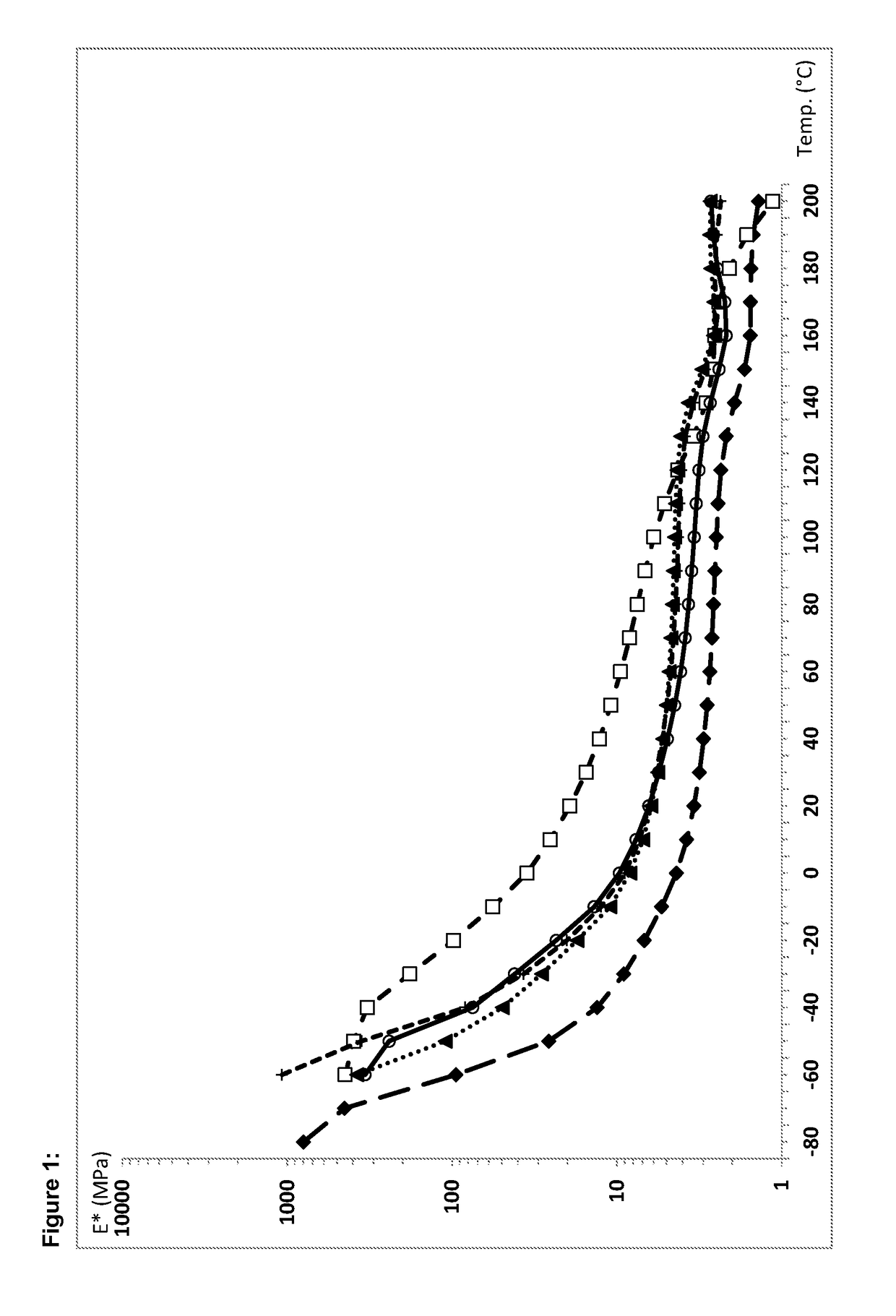
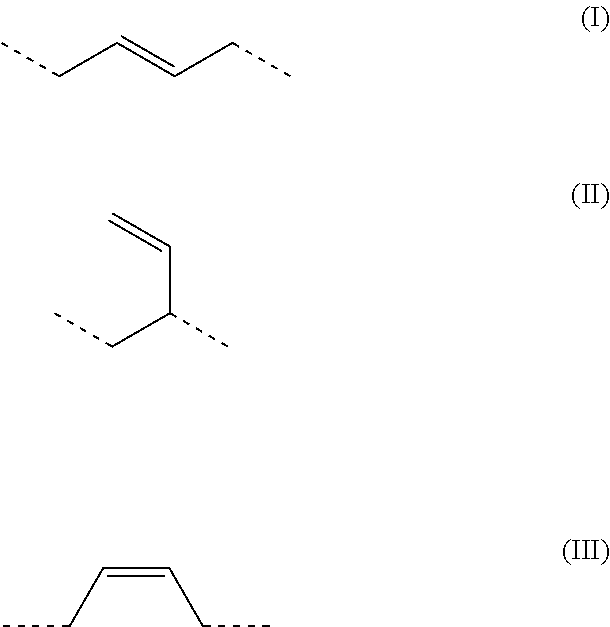
Hydrophobic and highly elastic two-component polyurethane composition having mechanical properties and adhesive properties not dependent on temperature
PatentActiveUS20180201815A1
Innovation
- A two-component polyurethane composition comprising a polybutadiene polyol with an OH functionality of 2.1 to 4, a hydrophobic diol, and a hydrophobic compound terminated by amino groups, in a specific molar ratio, which cures to form a material with high strength and elasticity while minimizing temperature-dependent mechanical property changes.
Environmental Regulations for Adhesive Materials
The regulatory landscape for adhesive materials used in temperature cycling applications has become increasingly stringent across global markets, driven by growing environmental awareness and health safety concerns. These regulations primarily focus on volatile organic compound (VOC) emissions, hazardous substance restrictions, and end-of-life disposal requirements that directly impact adhesive formulation strategies.
In the European Union, the REACH regulation serves as the cornerstone framework governing adhesive materials, requiring comprehensive registration and evaluation of chemical substances exceeding one ton per year. This regulation particularly affects temperature-resistant adhesives containing specialized polymers and crosslinking agents. The RoHS directive further restricts the use of specific hazardous substances, including lead-based compounds traditionally used in high-temperature adhesive formulations.
The United States Environmental Protection Agency enforces VOC emission standards through the Clean Air Act, with specific limitations varying by geographic region and application sector. California's South Coast Air Quality Management District maintains some of the most restrictive VOC limits globally, often serving as a benchmark for adhesive manufacturers developing temperature cycling solutions.
OSHA workplace safety regulations impose additional constraints on adhesive manufacturing and application processes, particularly regarding exposure limits for isocyanates and other reactive components commonly found in temperature-resistant formulations. These regulations necessitate careful selection of raw materials and may require specialized ventilation systems during application.
Emerging regulations focus on microplastic pollution and circular economy principles, pushing manufacturers toward bio-based and recyclable adhesive solutions. The EU's Single-Use Plastics Directive and similar legislation worldwide are beginning to influence adhesive design philosophy, encouraging development of materials that maintain temperature cycling performance while meeting sustainability criteria.
International standards such as ISO 14040 for life cycle assessment are becoming increasingly relevant for adhesive manufacturers, requiring comprehensive environmental impact evaluation from raw material extraction through disposal. These standards influence both product development priorities and market acceptance of new temperature cycling adhesive technologies.
Compliance with these evolving regulations requires continuous monitoring of legislative changes and proactive adaptation of adhesive formulations, often necessitating significant research and development investments to maintain market access while achieving required performance characteristics.
In the European Union, the REACH regulation serves as the cornerstone framework governing adhesive materials, requiring comprehensive registration and evaluation of chemical substances exceeding one ton per year. This regulation particularly affects temperature-resistant adhesives containing specialized polymers and crosslinking agents. The RoHS directive further restricts the use of specific hazardous substances, including lead-based compounds traditionally used in high-temperature adhesive formulations.
The United States Environmental Protection Agency enforces VOC emission standards through the Clean Air Act, with specific limitations varying by geographic region and application sector. California's South Coast Air Quality Management District maintains some of the most restrictive VOC limits globally, often serving as a benchmark for adhesive manufacturers developing temperature cycling solutions.
OSHA workplace safety regulations impose additional constraints on adhesive manufacturing and application processes, particularly regarding exposure limits for isocyanates and other reactive components commonly found in temperature-resistant formulations. These regulations necessitate careful selection of raw materials and may require specialized ventilation systems during application.
Emerging regulations focus on microplastic pollution and circular economy principles, pushing manufacturers toward bio-based and recyclable adhesive solutions. The EU's Single-Use Plastics Directive and similar legislation worldwide are beginning to influence adhesive design philosophy, encouraging development of materials that maintain temperature cycling performance while meeting sustainability criteria.
International standards such as ISO 14040 for life cycle assessment are becoming increasingly relevant for adhesive manufacturers, requiring comprehensive environmental impact evaluation from raw material extraction through disposal. These standards influence both product development priorities and market acceptance of new temperature cycling adhesive technologies.
Compliance with these evolving regulations requires continuous monitoring of legislative changes and proactive adaptation of adhesive formulations, often necessitating significant research and development investments to maintain market access while achieving required performance characteristics.
Testing Standards for Temperature Cycling Performance
Temperature cycling performance testing for adhesives requires adherence to established international standards that ensure consistent and reliable evaluation methods. The primary standards governing this field include ASTM D1002 for lap-shear strength testing, ASTM E1131 for compositional analysis by thermogravimetric analysis, and ISO 11003 for adhesives used in structural applications. These standards provide the fundamental framework for assessing how adhesive bonds perform under repeated thermal stress conditions.
The most critical standard for temperature cycling evaluation is ASTM D3433, which specifically addresses the testing of structural adhesives in cyclic temperature environments. This standard defines precise protocols for specimen preparation, cycling parameters, and failure criteria. Test specimens must undergo predetermined temperature ranges, typically from -40°C to +85°C, with specific ramp rates and dwell times at extreme temperatures. The standard mandates minimum cycle counts, usually ranging from 100 to 1000 cycles depending on the intended application.
Military and aerospace applications rely heavily on MIL-STD-810G Method 503.5 for temperature shock testing, which provides more stringent requirements than commercial standards. This military standard specifies rapid temperature transitions with minimal transition times, often less than 5 minutes between temperature extremes. The standard also requires extended exposure periods at each temperature extreme to ensure complete thermal equilibration throughout the adhesive joint.
Automotive industry applications follow specific standards such as SAE J1344 and ISO 16750-4, which address the unique requirements of automotive electronic components and assemblies. These standards incorporate realistic automotive temperature profiles that reflect actual operating conditions, including engine compartment environments and seasonal variations. The testing protocols include both operational and non-operational temperature cycling scenarios.
Emerging standards development focuses on accelerated testing methodologies that can predict long-term performance in shorter timeframes. Organizations like ASTM International and ISO are developing new test methods that incorporate advanced statistical analysis and modeling techniques. These evolving standards aim to establish correlation factors between accelerated laboratory testing and real-world field performance, enabling more accurate lifetime predictions for adhesive systems in temperature cycling applications.
The most critical standard for temperature cycling evaluation is ASTM D3433, which specifically addresses the testing of structural adhesives in cyclic temperature environments. This standard defines precise protocols for specimen preparation, cycling parameters, and failure criteria. Test specimens must undergo predetermined temperature ranges, typically from -40°C to +85°C, with specific ramp rates and dwell times at extreme temperatures. The standard mandates minimum cycle counts, usually ranging from 100 to 1000 cycles depending on the intended application.
Military and aerospace applications rely heavily on MIL-STD-810G Method 503.5 for temperature shock testing, which provides more stringent requirements than commercial standards. This military standard specifies rapid temperature transitions with minimal transition times, often less than 5 minutes between temperature extremes. The standard also requires extended exposure periods at each temperature extreme to ensure complete thermal equilibration throughout the adhesive joint.
Automotive industry applications follow specific standards such as SAE J1344 and ISO 16750-4, which address the unique requirements of automotive electronic components and assemblies. These standards incorporate realistic automotive temperature profiles that reflect actual operating conditions, including engine compartment environments and seasonal variations. The testing protocols include both operational and non-operational temperature cycling scenarios.
Emerging standards development focuses on accelerated testing methodologies that can predict long-term performance in shorter timeframes. Organizations like ASTM International and ISO are developing new test methods that incorporate advanced statistical analysis and modeling techniques. These evolving standards aim to establish correlation factors between accelerated laboratory testing and real-world field performance, enabling more accurate lifetime predictions for adhesive systems in temperature cycling applications.
Unlock deeper insights with Patsnap Eureka Quick Research — get a full tech report to explore trends and direct your research. Try now!
Generate Your Research Report Instantly with AI Agent
Supercharge your innovation with Patsnap Eureka AI Agent Platform!