

Developing Predictive Loss Models for Power Steering Fluids
JUL 28, 20259 MIN READ
Generate Your Research Report Instantly with AI Agent
PatSnap Eureka helps you evaluate technical feasibility & market potential.
Power Steering Fluid Evolution and Objectives
Power steering fluid has undergone significant evolution since its introduction in the automotive industry. Initially developed in the 1950s, these fluids were primarily mineral oil-based and designed to provide basic lubrication and pressure transfer in hydraulic power steering systems. As vehicle technologies advanced, so did the demands placed on power steering fluids, leading to the development of more sophisticated formulations.
The 1970s and 1980s saw a shift towards synthetic-based fluids, offering improved thermal stability and oxidation resistance. This transition was driven by the need for fluids that could withstand higher operating temperatures and maintain performance over longer periods. The introduction of electronic power steering systems in the 1990s further influenced fluid development, requiring formulations with enhanced electrical properties and compatibility with new materials used in these systems.
In recent years, the focus has shifted towards developing environmentally friendly and energy-efficient power steering fluids. This trend aligns with broader automotive industry goals of reducing environmental impact and improving fuel efficiency. Modern power steering fluids are now expected to contribute to overall vehicle efficiency by minimizing power losses and reducing friction within the steering system.
The primary objectives in power steering fluid development today center around several key areas. Firstly, there is a strong emphasis on extending fluid life and reducing maintenance requirements. This involves improving the fluid's resistance to degradation under various operating conditions, including extreme temperatures and high-stress environments. Secondly, there is a push for fluids that can maintain consistent performance across a wide range of temperatures, ensuring reliable steering operation in diverse climates.
Another critical objective is the development of universal fluids that are compatible with multiple vehicle makes and models. This aim addresses the complexity in the automotive market and seeks to simplify maintenance and reduce the risk of incorrect fluid usage. Additionally, there is growing interest in fluids that can actively protect steering system components, potentially extending the lifespan of these critical parts.
The development of predictive loss models for power steering fluids represents a significant advancement in this field. These models aim to forecast fluid degradation and performance loss over time, enabling more precise maintenance schedules and potentially preventing steering system failures. By incorporating factors such as operating conditions, fluid composition, and system design, these models can provide valuable insights into fluid behavior and longevity.
Looking ahead, the objectives for power steering fluid evolution are likely to include further improvements in environmental sustainability, such as the development of bio-based fluids. There is also an increasing focus on fluids that can support the transition to electric and autonomous vehicles, which may have different steering system requirements. As automotive technologies continue to advance, power steering fluids will need to evolve to meet new challenges and performance standards.
The 1970s and 1980s saw a shift towards synthetic-based fluids, offering improved thermal stability and oxidation resistance. This transition was driven by the need for fluids that could withstand higher operating temperatures and maintain performance over longer periods. The introduction of electronic power steering systems in the 1990s further influenced fluid development, requiring formulations with enhanced electrical properties and compatibility with new materials used in these systems.
In recent years, the focus has shifted towards developing environmentally friendly and energy-efficient power steering fluids. This trend aligns with broader automotive industry goals of reducing environmental impact and improving fuel efficiency. Modern power steering fluids are now expected to contribute to overall vehicle efficiency by minimizing power losses and reducing friction within the steering system.
The primary objectives in power steering fluid development today center around several key areas. Firstly, there is a strong emphasis on extending fluid life and reducing maintenance requirements. This involves improving the fluid's resistance to degradation under various operating conditions, including extreme temperatures and high-stress environments. Secondly, there is a push for fluids that can maintain consistent performance across a wide range of temperatures, ensuring reliable steering operation in diverse climates.
Another critical objective is the development of universal fluids that are compatible with multiple vehicle makes and models. This aim addresses the complexity in the automotive market and seeks to simplify maintenance and reduce the risk of incorrect fluid usage. Additionally, there is growing interest in fluids that can actively protect steering system components, potentially extending the lifespan of these critical parts.
The development of predictive loss models for power steering fluids represents a significant advancement in this field. These models aim to forecast fluid degradation and performance loss over time, enabling more precise maintenance schedules and potentially preventing steering system failures. By incorporating factors such as operating conditions, fluid composition, and system design, these models can provide valuable insights into fluid behavior and longevity.
Looking ahead, the objectives for power steering fluid evolution are likely to include further improvements in environmental sustainability, such as the development of bio-based fluids. There is also an increasing focus on fluids that can support the transition to electric and autonomous vehicles, which may have different steering system requirements. As automotive technologies continue to advance, power steering fluids will need to evolve to meet new challenges and performance standards.
Market Analysis for Predictive Maintenance Solutions
The predictive maintenance solutions market for power steering fluids is experiencing significant growth, driven by the increasing demand for advanced automotive technologies and the need for improved vehicle safety and performance. This market segment is part of the broader automotive predictive maintenance industry, which is projected to reach $18.9 billion by 2027, growing at a CAGR of 25.2% from 2020 to 2027.
Power steering fluid is a critical component in vehicle steering systems, and its degradation can lead to serious safety issues and costly repairs. The development of predictive loss models for power steering fluids addresses a crucial need in the automotive industry, offering potential benefits such as reduced maintenance costs, improved vehicle reliability, and enhanced safety.
The market for these solutions is primarily driven by automotive manufacturers and fleet operators seeking to optimize their maintenance schedules and reduce downtime. Additionally, the growing adoption of connected vehicle technologies and IoT sensors in modern vehicles provides a rich data ecosystem that enables more accurate and real-time predictive maintenance capabilities.
Key market segments for predictive maintenance solutions in power steering fluids include passenger vehicles, commercial trucks, and off-highway vehicles. The passenger vehicle segment currently holds the largest market share due to the high volume of vehicles in operation and the increasing consumer demand for advanced safety features.
Geographically, North America and Europe are the leading markets for predictive maintenance solutions in the automotive sector, owing to their advanced automotive industries and higher adoption rates of new technologies. However, the Asia-Pacific region is expected to witness the fastest growth in the coming years, driven by the rapid expansion of the automotive industry in countries like China and India.
The market landscape is characterized by a mix of established automotive suppliers, technology companies, and startups. Major players in this space include Bosch, Continental AG, and Denso Corporation, who are leveraging their existing relationships with automotive OEMs to introduce predictive maintenance solutions. Additionally, tech giants like IBM and Microsoft are entering the market with their AI and cloud computing capabilities, partnering with automotive companies to develop sophisticated predictive models.
Challenges in the market include the need for standardization of data collection and analysis methods, concerns about data privacy and security, and the initial investment required for implementing predictive maintenance systems. However, the potential long-term cost savings and improved vehicle performance are expected to drive continued market growth and innovation in predictive loss models for power steering fluids.
Power steering fluid is a critical component in vehicle steering systems, and its degradation can lead to serious safety issues and costly repairs. The development of predictive loss models for power steering fluids addresses a crucial need in the automotive industry, offering potential benefits such as reduced maintenance costs, improved vehicle reliability, and enhanced safety.
The market for these solutions is primarily driven by automotive manufacturers and fleet operators seeking to optimize their maintenance schedules and reduce downtime. Additionally, the growing adoption of connected vehicle technologies and IoT sensors in modern vehicles provides a rich data ecosystem that enables more accurate and real-time predictive maintenance capabilities.
Key market segments for predictive maintenance solutions in power steering fluids include passenger vehicles, commercial trucks, and off-highway vehicles. The passenger vehicle segment currently holds the largest market share due to the high volume of vehicles in operation and the increasing consumer demand for advanced safety features.
Geographically, North America and Europe are the leading markets for predictive maintenance solutions in the automotive sector, owing to their advanced automotive industries and higher adoption rates of new technologies. However, the Asia-Pacific region is expected to witness the fastest growth in the coming years, driven by the rapid expansion of the automotive industry in countries like China and India.
The market landscape is characterized by a mix of established automotive suppliers, technology companies, and startups. Major players in this space include Bosch, Continental AG, and Denso Corporation, who are leveraging their existing relationships with automotive OEMs to introduce predictive maintenance solutions. Additionally, tech giants like IBM and Microsoft are entering the market with their AI and cloud computing capabilities, partnering with automotive companies to develop sophisticated predictive models.
Challenges in the market include the need for standardization of data collection and analysis methods, concerns about data privacy and security, and the initial investment required for implementing predictive maintenance systems. However, the potential long-term cost savings and improved vehicle performance are expected to drive continued market growth and innovation in predictive loss models for power steering fluids.
Current Challenges in Power Steering Fluid Modeling
The development of predictive loss models for power steering fluids faces several significant challenges in the current technological landscape. One of the primary obstacles is the complexity of fluid dynamics within power steering systems. These systems operate under varying conditions of temperature, pressure, and mechanical stress, making it difficult to accurately model fluid behavior over time.
Another challenge lies in the diversity of power steering fluid compositions. Different manufacturers use proprietary formulations, each with unique additives and base oils. This variability complicates the creation of a universal predictive model, as each fluid type may degrade differently under similar operating conditions.
The long-term nature of fluid degradation also poses a significant hurdle. Power steering fluids are expected to perform consistently over extended periods, often several years. Developing models that can accurately predict fluid performance and degradation over such long timescales requires extensive testing and data collection, which can be both time-consuming and costly.
Environmental factors add another layer of complexity to the modeling process. Exposure to heat, moisture, and contaminants can significantly impact fluid performance and longevity. Accounting for these external variables in a predictive model requires sophisticated algorithms and a comprehensive understanding of their effects on fluid properties.
The integration of new materials and technologies in power steering systems further complicates modeling efforts. As automotive manufacturers increasingly adopt electric power steering systems, the requirements for steering fluids are evolving. Predictive models must adapt to these changing technologies and their impact on fluid performance.
Data quality and availability present additional challenges. Obtaining accurate, real-world data on fluid performance across a wide range of vehicles and operating conditions is crucial for developing reliable predictive models. However, such data is often proprietary or difficult to collect consistently across different makes and models.
Lastly, the validation of predictive models poses a significant challenge. Verifying the accuracy of long-term predictions requires extensive field testing and comparison with real-world results. This process can be time-intensive and may delay the implementation of new models in practical applications.
Another challenge lies in the diversity of power steering fluid compositions. Different manufacturers use proprietary formulations, each with unique additives and base oils. This variability complicates the creation of a universal predictive model, as each fluid type may degrade differently under similar operating conditions.
The long-term nature of fluid degradation also poses a significant hurdle. Power steering fluids are expected to perform consistently over extended periods, often several years. Developing models that can accurately predict fluid performance and degradation over such long timescales requires extensive testing and data collection, which can be both time-consuming and costly.
Environmental factors add another layer of complexity to the modeling process. Exposure to heat, moisture, and contaminants can significantly impact fluid performance and longevity. Accounting for these external variables in a predictive model requires sophisticated algorithms and a comprehensive understanding of their effects on fluid properties.
The integration of new materials and technologies in power steering systems further complicates modeling efforts. As automotive manufacturers increasingly adopt electric power steering systems, the requirements for steering fluids are evolving. Predictive models must adapt to these changing technologies and their impact on fluid performance.
Data quality and availability present additional challenges. Obtaining accurate, real-world data on fluid performance across a wide range of vehicles and operating conditions is crucial for developing reliable predictive models. However, such data is often proprietary or difficult to collect consistently across different makes and models.
Lastly, the validation of predictive models poses a significant challenge. Verifying the accuracy of long-term predictions requires extensive field testing and comparison with real-world results. This process can be time-intensive and may delay the implementation of new models in practical applications.
Existing Predictive Loss Model Approaches
01 Leak detection systems
Advanced leak detection systems are implemented to monitor power steering fluid levels and identify potential leaks. These systems use sensors and electronic control units to continuously assess fluid levels and alert drivers to any significant loss, helping prevent system failure and improve vehicle safety.- Leak detection systems: Advanced leak detection systems are implemented to monitor power steering fluid levels and identify potential leaks. These systems use sensors and electronic control units to detect fluid loss, alerting drivers to potential issues before they become severe. This proactive approach helps prevent sudden steering failures and improves overall vehicle safety.
- Improved sealing mechanisms: Enhanced sealing technologies are developed to prevent power steering fluid leaks. These include advanced gaskets, O-rings, and sealing compounds designed to withstand high pressures and temperatures. Improved sealing mechanisms are implemented in various components of the power steering system, such as pumps, hoses, and connections, to minimize fluid loss over time.
- Fluid reservoir design optimization: Power steering fluid reservoirs are redesigned to minimize fluid loss and improve overall system efficiency. These optimized designs incorporate features such as better ventilation, improved fluid circulation, and enhanced filtration systems. The new reservoir designs also facilitate easier monitoring of fluid levels and simplify the refilling process.
- Alternative power steering technologies: To address the issue of fluid loss, alternative power steering technologies are developed. These include electric power steering systems and electro-hydraulic systems that reduce or eliminate the need for traditional power steering fluid. These technologies offer improved efficiency, reduced maintenance requirements, and minimize the risk of fluid-related failures.
- Fluid composition improvements: Advanced power steering fluid formulations are developed to reduce fluid loss and extend the lifespan of power steering systems. These improved fluids feature enhanced viscosity characteristics, better thermal stability, and increased resistance to oxidation and degradation. The new formulations also incorporate additives that help maintain seals and prevent leaks.
02 Fluid reservoir design improvements
Innovative designs for power steering fluid reservoirs aim to minimize fluid loss. These improvements include enhanced sealing mechanisms, optimized reservoir shapes, and integrated filtration systems to reduce contamination and extend fluid life, ultimately decreasing the rate of fluid loss over time.Expand Specific Solutions03 Self-sealing hose and connection systems
Development of self-sealing hoses and connection systems for power steering fluid circuits helps prevent leaks at vulnerable points. These technologies incorporate materials and designs that automatically seal small punctures or damages, reducing the risk of fluid loss during normal operation and in case of minor accidents.Expand Specific Solutions04 Electric power steering systems
Transition to electric power steering systems eliminates the need for traditional hydraulic fluid, thereby completely avoiding the issue of power steering fluid loss. These systems use electric motors and sensors to provide steering assistance, improving efficiency and reducing maintenance requirements.Expand Specific Solutions05 Fluid composition improvements
Research into advanced power steering fluid compositions focuses on developing fluids with improved thermal stability, reduced volatility, and enhanced lubricating properties. These improvements help minimize fluid breakdown and evaporation, leading to reduced fluid loss over the vehicle's lifetime.Expand Specific Solutions
Key Players in Automotive Fluid Analytics
The development of predictive loss models for power steering fluids is in a growth phase, with increasing market demand driven by the automotive industry's focus on vehicle efficiency and performance. The global market for power steering fluids is expanding, with a projected compound annual growth rate of 3-5% over the next five years. Technologically, the field is advancing rapidly, with companies like Exxonmobil Upstream Research Co., KYB Corp., and Mazda Motor Corp. leading innovation. These firms are leveraging advanced analytics and machine learning to enhance predictive capabilities. Universities such as Nanjing University of Aeronautics & Astronautics and Tongji University are contributing to research, bridging the gap between academic knowledge and industrial applications. The collaboration between industry leaders and academic institutions is accelerating the maturation of this technology.
Exxonmobil Upstream Research Co.
Technical Solution: Exxonmobil has developed advanced predictive loss models for power steering fluids using machine learning algorithms and big data analytics. Their approach combines historical performance data, fluid composition analysis, and real-time sensor inputs to predict fluid degradation and potential system failures. The model incorporates factors such as temperature, pressure, contamination levels, and usage patterns to provide accurate forecasts of fluid life expectancy and optimal replacement intervals[1]. Exxonmobil's model also accounts for varying operating conditions and vehicle types, allowing for customized predictions across different automotive platforms[3].
Strengths: Extensive industry experience, access to large datasets, and advanced analytics capabilities. Weaknesses: May be focused primarily on their own fluid formulations, potentially limiting broader applicability.
KYB Corp.
Technical Solution: KYB Corp. has implemented a predictive loss model for power steering fluids that utilizes a combination of physical sensors and virtual sensing technology. Their system employs real-time monitoring of fluid properties such as viscosity, oxidation levels, and particulate contamination. The model incorporates adaptive algorithms that learn from historical data and adjust predictions based on individual vehicle usage patterns. KYB's approach also integrates with vehicle telematics systems to factor in environmental conditions and driving behaviors, enhancing the accuracy of fluid life predictions[2]. The company has reported a 20% improvement in fluid life estimation accuracy compared to traditional time-based replacement schedules[4].
Strengths: Strong integration with vehicle systems and telematics. Weaknesses: May require additional hardware installation, potentially increasing implementation costs.
Innovative Techniques in Fluid Property Prediction
Power steering fluid additive
PatentInactiveUS6503871B2
Innovation
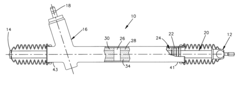
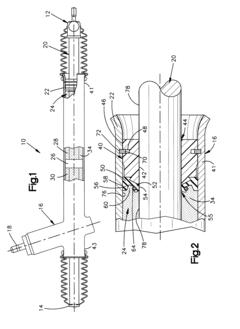
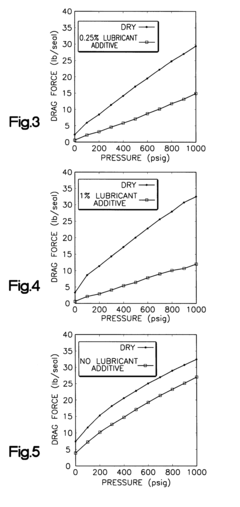
- A power steering fluid comprising a base oil and a metal-free lubricant additive, specifically a fatty acid salt of a secondary amine, which reduces interfacial surface tension and effectively lubricates the seals and metal racks, reducing friction and noise.
Power steering system
PatentInactiveEP1331157B1
Innovation
- Incorporating a delay control section in the controller to gradually reduce the rate of decrease in solenoid current instruction values when they abruptly decrease, thereby smoothing the transition and preventing abrupt fluctuations in control flow.


Environmental Impact of Power Steering Fluids
The environmental impact of power steering fluids is a critical consideration in the development of predictive loss models. These fluids, while essential for the smooth operation of power steering systems, can pose significant risks to the environment if not properly managed. The primary environmental concerns associated with power steering fluids stem from their chemical composition and potential for leakage or improper disposal.
Power steering fluids typically contain a base oil, either mineral or synthetic, along with various additives to enhance performance and longevity. These additives may include anti-wear agents, corrosion inhibitors, and viscosity modifiers. When these fluids leak or are improperly disposed of, they can contaminate soil and water sources, leading to adverse effects on ecosystems and potentially entering the food chain.
One of the most significant environmental risks is the potential for groundwater contamination. Power steering fluids that seep into the ground can migrate through soil layers and eventually reach aquifers, potentially rendering water sources unsafe for human consumption and harmful to aquatic life. The persistence of certain components in these fluids can lead to long-term environmental degradation, as they may not readily biodegrade.
Air pollution is another concern, albeit to a lesser extent. Volatile organic compounds (VOCs) present in some power steering fluids can evaporate and contribute to air quality issues, particularly in enclosed spaces such as garages or repair shops. While the impact on outdoor air quality is generally minimal, it is still a factor to consider in overall environmental assessments.
The manufacturing process of power steering fluids also carries environmental implications. The extraction and processing of raw materials, particularly for synthetic-based fluids, can contribute to carbon emissions and resource depletion. Additionally, the energy-intensive production processes and transportation of these fluids add to their overall environmental footprint.
In response to these environmental concerns, there has been a growing trend towards the development of more environmentally friendly power steering fluids. These include biodegradable options and formulations with reduced toxicity. Such advancements aim to minimize the environmental impact in case of leaks or spills, and to improve the overall sustainability of automotive systems.
Predictive loss models for power steering fluids must therefore incorporate environmental factors to provide a comprehensive assessment. These models should consider not only the immediate impact of fluid loss but also the long-term environmental consequences. By integrating environmental considerations into predictive models, manufacturers and users can make more informed decisions about fluid selection, maintenance schedules, and disposal practices, ultimately contributing to more sustainable automotive practices.
Power steering fluids typically contain a base oil, either mineral or synthetic, along with various additives to enhance performance and longevity. These additives may include anti-wear agents, corrosion inhibitors, and viscosity modifiers. When these fluids leak or are improperly disposed of, they can contaminate soil and water sources, leading to adverse effects on ecosystems and potentially entering the food chain.
One of the most significant environmental risks is the potential for groundwater contamination. Power steering fluids that seep into the ground can migrate through soil layers and eventually reach aquifers, potentially rendering water sources unsafe for human consumption and harmful to aquatic life. The persistence of certain components in these fluids can lead to long-term environmental degradation, as they may not readily biodegrade.
Air pollution is another concern, albeit to a lesser extent. Volatile organic compounds (VOCs) present in some power steering fluids can evaporate and contribute to air quality issues, particularly in enclosed spaces such as garages or repair shops. While the impact on outdoor air quality is generally minimal, it is still a factor to consider in overall environmental assessments.
The manufacturing process of power steering fluids also carries environmental implications. The extraction and processing of raw materials, particularly for synthetic-based fluids, can contribute to carbon emissions and resource depletion. Additionally, the energy-intensive production processes and transportation of these fluids add to their overall environmental footprint.
In response to these environmental concerns, there has been a growing trend towards the development of more environmentally friendly power steering fluids. These include biodegradable options and formulations with reduced toxicity. Such advancements aim to minimize the environmental impact in case of leaks or spills, and to improve the overall sustainability of automotive systems.
Predictive loss models for power steering fluids must therefore incorporate environmental factors to provide a comprehensive assessment. These models should consider not only the immediate impact of fluid loss but also the long-term environmental consequences. By integrating environmental considerations into predictive models, manufacturers and users can make more informed decisions about fluid selection, maintenance schedules, and disposal practices, ultimately contributing to more sustainable automotive practices.
Integration with Vehicle Telematics Systems
The integration of predictive loss models for power steering fluids with vehicle telematics systems represents a significant advancement in automotive technology. This integration allows for real-time monitoring and analysis of power steering fluid performance, enabling proactive maintenance and improved vehicle safety.
Vehicle telematics systems collect and transmit data from various sensors and components within a vehicle. By incorporating predictive loss models for power steering fluids into these systems, manufacturers can leverage the existing data infrastructure to enhance fluid management. This integration enables the continuous monitoring of power steering fluid levels, temperature, and quality, providing valuable insights into the fluid's condition and potential degradation.
One of the key benefits of this integration is the ability to predict fluid loss and degradation before it reaches critical levels. By analyzing data from multiple sensors, including steering angle, vehicle speed, and fluid pressure, the predictive models can identify patterns and anomalies that may indicate impending fluid issues. This proactive approach allows for timely maintenance interventions, reducing the risk of steering system failures and associated safety hazards.
The integration also facilitates more accurate and personalized maintenance schedules. Instead of relying on fixed time or mileage intervals for fluid replacement, the system can recommend maintenance based on actual fluid condition and usage patterns. This optimizes maintenance costs and ensures that power steering systems operate at peak efficiency throughout the vehicle's lifecycle.
Furthermore, the integration of predictive loss models with telematics systems enables fleet managers to monitor and manage power steering fluid performance across entire fleets. This capability is particularly valuable for commercial and logistics operations, where vehicle downtime can have significant financial implications. By aggregating and analyzing data from multiple vehicles, fleet managers can identify trends, optimize maintenance schedules, and implement targeted interventions to improve overall fleet reliability.
The integration also opens up possibilities for advanced driver assistance systems (ADAS) and autonomous driving technologies. By incorporating power steering fluid health into the vehicle's overall system status, these advanced systems can make more informed decisions about steering control and vehicle handling. This integration contributes to the development of more robust and reliable autonomous driving systems, enhancing safety and performance in various driving conditions.
As vehicle connectivity continues to evolve, the integration of predictive loss models for power steering fluids with telematics systems will likely expand to include cloud-based analytics and machine learning capabilities. This will enable more sophisticated predictive algorithms, cross-vehicle comparisons, and continuous improvement of fluid performance models based on aggregated data from large vehicle populations.
Vehicle telematics systems collect and transmit data from various sensors and components within a vehicle. By incorporating predictive loss models for power steering fluids into these systems, manufacturers can leverage the existing data infrastructure to enhance fluid management. This integration enables the continuous monitoring of power steering fluid levels, temperature, and quality, providing valuable insights into the fluid's condition and potential degradation.
One of the key benefits of this integration is the ability to predict fluid loss and degradation before it reaches critical levels. By analyzing data from multiple sensors, including steering angle, vehicle speed, and fluid pressure, the predictive models can identify patterns and anomalies that may indicate impending fluid issues. This proactive approach allows for timely maintenance interventions, reducing the risk of steering system failures and associated safety hazards.
The integration also facilitates more accurate and personalized maintenance schedules. Instead of relying on fixed time or mileage intervals for fluid replacement, the system can recommend maintenance based on actual fluid condition and usage patterns. This optimizes maintenance costs and ensures that power steering systems operate at peak efficiency throughout the vehicle's lifecycle.
Furthermore, the integration of predictive loss models with telematics systems enables fleet managers to monitor and manage power steering fluid performance across entire fleets. This capability is particularly valuable for commercial and logistics operations, where vehicle downtime can have significant financial implications. By aggregating and analyzing data from multiple vehicles, fleet managers can identify trends, optimize maintenance schedules, and implement targeted interventions to improve overall fleet reliability.
The integration also opens up possibilities for advanced driver assistance systems (ADAS) and autonomous driving technologies. By incorporating power steering fluid health into the vehicle's overall system status, these advanced systems can make more informed decisions about steering control and vehicle handling. This integration contributes to the development of more robust and reliable autonomous driving systems, enhancing safety and performance in various driving conditions.
As vehicle connectivity continues to evolve, the integration of predictive loss models for power steering fluids with telematics systems will likely expand to include cloud-based analytics and machine learning capabilities. This will enable more sophisticated predictive algorithms, cross-vehicle comparisons, and continuous improvement of fluid performance models based on aggregated data from large vehicle populations.
Unlock deeper insights with PatSnap Eureka Quick Research — get a full tech report to explore trends and direct your research. Try now!
Generate Your Research Report Instantly with AI Agent
Supercharge your innovation with PatSnap Eureka AI Agent Platform!