

Drive Axle vs Differential: Advanced Handling Features
APR 1, 20269 MIN READ
Generate Your Research Report Instantly with AI Agent
Patsnap Eureka helps you evaluate technical feasibility & market potential.
Drive Axle and Differential Technology Evolution and Objectives
The evolution of drive axle and differential technologies has been fundamentally driven by the automotive industry's pursuit of enhanced vehicle performance, safety, and efficiency. From the early mechanical differentials of the 1920s to today's sophisticated electronic control systems, this technological domain has undergone continuous transformation to meet increasingly complex handling requirements and consumer expectations.
Historical development traces back to the basic open differential systems that addressed the fundamental challenge of allowing wheels to rotate at different speeds during cornering. The introduction of limited-slip differentials in the 1950s marked a significant milestone, addressing traction limitations inherent in open systems. Subsequently, the emergence of locking differentials provided solutions for off-road and heavy-duty applications where maximum traction was paramount.
The technological evolution accelerated dramatically with the integration of electronic control systems in the 1990s. Electronic limited-slip differentials and torque vectoring systems represented paradigm shifts, enabling real-time adjustment of power distribution based on dynamic driving conditions. These advancements laid the groundwork for modern active differential systems that can instantaneously respond to vehicle dynamics, road conditions, and driver inputs.
Contemporary objectives center on achieving optimal balance between multiple performance parameters including traction, stability, fuel efficiency, and ride comfort. Advanced handling features now encompass predictive algorithms that anticipate vehicle behavior, adaptive systems that learn from driving patterns, and integrated approaches that coordinate differential control with other vehicle systems such as stability control and suspension management.
The current technological trajectory emphasizes the development of intelligent systems capable of seamless integration with autonomous driving technologies. Future objectives include creating differential systems that can communicate with vehicle-to-vehicle networks, adapt to varying road surfaces through machine learning algorithms, and provide enhanced safety margins through predictive control strategies. These evolving objectives reflect the industry's commitment to transforming traditional mechanical systems into sophisticated, software-defined components that enhance overall vehicle performance and safety.
Historical development traces back to the basic open differential systems that addressed the fundamental challenge of allowing wheels to rotate at different speeds during cornering. The introduction of limited-slip differentials in the 1950s marked a significant milestone, addressing traction limitations inherent in open systems. Subsequently, the emergence of locking differentials provided solutions for off-road and heavy-duty applications where maximum traction was paramount.
The technological evolution accelerated dramatically with the integration of electronic control systems in the 1990s. Electronic limited-slip differentials and torque vectoring systems represented paradigm shifts, enabling real-time adjustment of power distribution based on dynamic driving conditions. These advancements laid the groundwork for modern active differential systems that can instantaneously respond to vehicle dynamics, road conditions, and driver inputs.
Contemporary objectives center on achieving optimal balance between multiple performance parameters including traction, stability, fuel efficiency, and ride comfort. Advanced handling features now encompass predictive algorithms that anticipate vehicle behavior, adaptive systems that learn from driving patterns, and integrated approaches that coordinate differential control with other vehicle systems such as stability control and suspension management.
The current technological trajectory emphasizes the development of intelligent systems capable of seamless integration with autonomous driving technologies. Future objectives include creating differential systems that can communicate with vehicle-to-vehicle networks, adapt to varying road surfaces through machine learning algorithms, and provide enhanced safety margins through predictive control strategies. These evolving objectives reflect the industry's commitment to transforming traditional mechanical systems into sophisticated, software-defined components that enhance overall vehicle performance and safety.
Market Demand for Advanced Vehicle Handling Systems
The automotive industry is experiencing unprecedented demand for advanced vehicle handling systems as consumer expectations evolve toward enhanced safety, performance, and driving experience. Modern drivers increasingly prioritize vehicles that offer superior stability, precise control, and adaptive responses across diverse driving conditions. This shift reflects a broader transformation in automotive preferences, where handling capabilities have become key differentiators in purchasing decisions.
Safety regulations worldwide are driving substantial market expansion for sophisticated handling technologies. Government mandates for electronic stability control, anti-lock braking systems, and advanced driver assistance systems have created a regulatory foundation that necessitates continuous innovation in differential and drive axle technologies. These requirements establish minimum performance standards while encouraging manufacturers to exceed baseline expectations through enhanced handling features.
The premium and luxury vehicle segments demonstrate particularly strong demand for advanced handling systems. Consumers in these markets actively seek vehicles equipped with intelligent torque vectoring, adaptive differential systems, and dynamic stability management. This demographic willingness to invest in superior handling performance creates lucrative opportunities for manufacturers developing cutting-edge drive axle and differential technologies.
Electric vehicle proliferation is reshaping market dynamics for handling systems. The unique characteristics of electric powertrains, including instant torque delivery and flexible motor placement, enable new approaches to vehicle dynamics control. This transition creates demand for specialized differential solutions and drive axle configurations optimized for electric vehicle architectures, expanding the total addressable market significantly.
Performance-oriented vehicle segments continue expanding globally, driven by enthusiast communities and motorsport influence. Track-focused vehicles, high-performance variants, and sport utility vehicles require sophisticated handling systems that can manage increased power outputs while maintaining controllability. This segment values advanced differential technologies that enhance cornering performance and traction management.
Commercial vehicle applications represent an emerging growth area for advanced handling systems. Fleet operators increasingly recognize that superior handling capabilities translate to improved safety records, reduced maintenance costs, and enhanced operational efficiency. This realization drives demand for robust, intelligent handling solutions in commercial vehicle platforms.
Regional market variations reflect different priorities and driving conditions. European markets emphasize precision handling for varied road conditions, while North American markets focus on capability across diverse terrains. Asian markets increasingly demand technology integration and automated handling assistance, creating distinct regional requirements for advanced handling system development.
Safety regulations worldwide are driving substantial market expansion for sophisticated handling technologies. Government mandates for electronic stability control, anti-lock braking systems, and advanced driver assistance systems have created a regulatory foundation that necessitates continuous innovation in differential and drive axle technologies. These requirements establish minimum performance standards while encouraging manufacturers to exceed baseline expectations through enhanced handling features.
The premium and luxury vehicle segments demonstrate particularly strong demand for advanced handling systems. Consumers in these markets actively seek vehicles equipped with intelligent torque vectoring, adaptive differential systems, and dynamic stability management. This demographic willingness to invest in superior handling performance creates lucrative opportunities for manufacturers developing cutting-edge drive axle and differential technologies.
Electric vehicle proliferation is reshaping market dynamics for handling systems. The unique characteristics of electric powertrains, including instant torque delivery and flexible motor placement, enable new approaches to vehicle dynamics control. This transition creates demand for specialized differential solutions and drive axle configurations optimized for electric vehicle architectures, expanding the total addressable market significantly.
Performance-oriented vehicle segments continue expanding globally, driven by enthusiast communities and motorsport influence. Track-focused vehicles, high-performance variants, and sport utility vehicles require sophisticated handling systems that can manage increased power outputs while maintaining controllability. This segment values advanced differential technologies that enhance cornering performance and traction management.
Commercial vehicle applications represent an emerging growth area for advanced handling systems. Fleet operators increasingly recognize that superior handling capabilities translate to improved safety records, reduced maintenance costs, and enhanced operational efficiency. This realization drives demand for robust, intelligent handling solutions in commercial vehicle platforms.
Regional market variations reflect different priorities and driving conditions. European markets emphasize precision handling for varied road conditions, while North American markets focus on capability across diverse terrains. Asian markets increasingly demand technology integration and automated handling assistance, creating distinct regional requirements for advanced handling system development.
Current State of Drive Axle and Differential Technologies
Drive axle and differential technologies have reached a sophisticated level of development, with modern systems incorporating advanced electronic controls and mechanical innovations to enhance vehicle handling performance. Contemporary drive axles feature lightweight materials such as aluminum alloys and high-strength steel, reducing unsprung weight while maintaining structural integrity. These systems now integrate seamlessly with vehicle stability control systems, providing real-time torque distribution adjustments.
Current differential technologies encompass multiple configurations, including open, limited-slip, locking, and electronically controlled variants. Electronic limited-slip differentials (eLSD) represent the current technological frontier, utilizing electric motors and clutch systems to provide precise torque vectoring capabilities. These systems can respond within milliseconds to changing road conditions and driver inputs, significantly improving cornering performance and traction control.
Active torque vectoring systems have emerged as a key differentiator in premium vehicles, employing sophisticated algorithms to distribute power between wheels based on steering angle, vehicle speed, and lateral acceleration data. Major automotive manufacturers have developed proprietary systems such as BMW's xDrive, Audi's quattro with ultra technology, and Mercedes-Benz's 4MATIC, each offering unique approaches to torque management and handling optimization.
The integration of drive axle and differential systems with advanced driver assistance systems (ADAS) represents a significant technological advancement. Modern systems communicate with electronic stability control, anti-lock braking systems, and traction control to provide comprehensive vehicle dynamics management. This integration enables predictive torque distribution based on anticipated vehicle behavior rather than reactive responses to wheel slip events.
Manufacturing processes have evolved to support mass production of these complex systems while maintaining cost-effectiveness. Current production methods utilize precision machining, automated assembly lines, and rigorous quality control protocols to ensure consistent performance across vehicle platforms. The adoption of modular design principles allows manufacturers to adapt core technologies across different vehicle segments and drivetrain configurations.
Thermal management has become increasingly important as differential systems operate under higher loads and more frequent engagement cycles. Contemporary designs incorporate advanced cooling systems, synthetic lubricants, and heat-resistant materials to maintain optimal performance under demanding conditions. These improvements extend component lifespan and maintain consistent handling characteristics throughout the vehicle's operational life.
Current differential technologies encompass multiple configurations, including open, limited-slip, locking, and electronically controlled variants. Electronic limited-slip differentials (eLSD) represent the current technological frontier, utilizing electric motors and clutch systems to provide precise torque vectoring capabilities. These systems can respond within milliseconds to changing road conditions and driver inputs, significantly improving cornering performance and traction control.
Active torque vectoring systems have emerged as a key differentiator in premium vehicles, employing sophisticated algorithms to distribute power between wheels based on steering angle, vehicle speed, and lateral acceleration data. Major automotive manufacturers have developed proprietary systems such as BMW's xDrive, Audi's quattro with ultra technology, and Mercedes-Benz's 4MATIC, each offering unique approaches to torque management and handling optimization.
The integration of drive axle and differential systems with advanced driver assistance systems (ADAS) represents a significant technological advancement. Modern systems communicate with electronic stability control, anti-lock braking systems, and traction control to provide comprehensive vehicle dynamics management. This integration enables predictive torque distribution based on anticipated vehicle behavior rather than reactive responses to wheel slip events.
Manufacturing processes have evolved to support mass production of these complex systems while maintaining cost-effectiveness. Current production methods utilize precision machining, automated assembly lines, and rigorous quality control protocols to ensure consistent performance across vehicle platforms. The adoption of modular design principles allows manufacturers to adapt core technologies across different vehicle segments and drivetrain configurations.
Thermal management has become increasingly important as differential systems operate under higher loads and more frequent engagement cycles. Contemporary designs incorporate advanced cooling systems, synthetic lubricants, and heat-resistant materials to maintain optimal performance under demanding conditions. These improvements extend component lifespan and maintain consistent handling characteristics throughout the vehicle's operational life.
Current Advanced Handling Solutions and Implementations
01 Electronic differential control systems
Advanced electronic control systems are integrated into drive axles to manage differential operation dynamically. These systems utilize sensors and electronic control units to monitor wheel speeds, vehicle dynamics, and driving conditions in real-time. The electronic controls can actively adjust torque distribution between wheels to optimize traction, stability, and handling performance. Such systems enable features like torque vectoring and adaptive differential locking based on driving scenarios.- Electronic differential control systems: Advanced electronic control systems are integrated into drive axles to manage differential operation. These systems utilize sensors and electronic control units to monitor wheel speeds, torque distribution, and vehicle dynamics. The electronic controls can actively adjust power distribution between wheels to optimize traction, stability, and handling performance under various driving conditions. This technology enables precise control of differential locking and unlocking mechanisms, improving vehicle maneuverability and safety.
- Limited slip differential mechanisms: Specialized mechanical designs incorporate limited slip functionality to prevent excessive wheel spin and improve traction. These mechanisms use clutch packs, viscous couplings, or gear arrangements to automatically distribute torque between drive wheels when slippage is detected. The systems provide enhanced handling characteristics by maintaining optimal power delivery to wheels with better grip, particularly beneficial during cornering, acceleration on slippery surfaces, or off-road conditions.
- Torque vectoring and distribution systems: Advanced torque management systems actively control power distribution across the drive axle to enhance vehicle dynamics. These systems can independently vary torque delivery to individual wheels, enabling improved cornering performance, reduced understeer or oversteer, and enhanced stability. The technology integrates with vehicle control systems to optimize handling characteristics based on driving conditions, steering input, and road surface conditions.
- Differential locking mechanisms: Mechanical or electromechanical locking systems provide the ability to rigidly connect drive wheels when maximum traction is required. These mechanisms can be manually activated by the driver or automatically engaged based on sensor inputs. Locking differentials are particularly useful for off-road applications, low-traction situations, or when one wheel loses contact with the ground, ensuring continuous power delivery to maintain vehicle mobility.
- Compact and lightweight differential housing designs: Innovative structural designs focus on reducing the size and weight of differential assemblies while maintaining strength and durability. These designs incorporate optimized material selection, integrated mounting features, and efficient packaging to improve vehicle efficiency and handling response. The compact configurations allow for better weight distribution, lower center of gravity, and improved space utilization within the vehicle chassis, contributing to enhanced overall handling characteristics.
02 Limited slip differential mechanisms
Mechanical and hydraulic limited slip differential designs are employed to improve vehicle handling and traction. These mechanisms automatically restrict differential action when wheel slip is detected, transferring more torque to the wheel with better grip. Various clutch pack arrangements, viscous couplings, or gear-based designs are utilized to achieve progressive or aggressive locking characteristics. The systems enhance cornering stability and off-road capability without requiring driver intervention.Expand Specific Solutions03 Torque vectoring differential systems
Active torque vectoring differentials enable independent control of torque delivery to individual wheels on the same axle. These advanced systems use clutches, electric motors, or planetary gear sets to actively distribute driving force based on vehicle dynamics and driver inputs. By precisely controlling torque split during cornering, acceleration, and varying road conditions, these differentials significantly enhance agility, reduce understeer, and improve overall handling characteristics.Expand Specific Solutions04 Differential locking mechanisms
Selectable or automatic differential locking systems provide maximum traction in challenging conditions by completely coupling both output shafts. These mechanisms employ mechanical, pneumatic, or electromagnetic actuators to engage locking elements within the differential assembly. Driver-selectable modes allow switching between open, limited slip, and fully locked configurations. Such systems are particularly valuable for off-road applications and low-traction situations where maximum torque transfer to both wheels is required.Expand Specific Solutions05 Integrated drive axle assemblies with enhanced packaging
Compact and integrated drive axle designs incorporate differential components with optimized spatial arrangements to improve vehicle packaging and weight distribution. These assemblies integrate the differential housing, gear sets, and mounting structures into unified modules that facilitate easier installation and maintenance. Design innovations focus on reducing overall dimensions while maintaining strength and durability. Enhanced sealing systems and lubrication pathways are incorporated to ensure reliable long-term operation.Expand Specific Solutions
Major Players in Drive Axle and Differential Industry
The drive axle and differential technology sector is experiencing a transformative phase driven by electrification and advanced vehicle dynamics requirements. The market demonstrates significant scale with established tier-1 suppliers like BorgWarner, ZF Friedrichshafen, and Robert Bosch leading innovation in torque vectoring and electronic differential systems. Technology maturity varies considerably across the competitive landscape - traditional automotive giants including Ford Global Technologies, GM Global Technology Operations, and BMW are advancing integrated solutions, while specialized manufacturers like American Axle & Manufacturing and Dana Heavy Vehicle Systems focus on mechanical innovations. Chinese players such as BYD and Great Wall Motor are rapidly developing capabilities in electric drive axles. The sector shows high fragmentation with companies like GKN Driveline and Eaton pursuing next-generation intelligent handling features, indicating an industry transitioning from mechanical to software-defined differential systems.
BorgWarner, Inc.
Technical Solution: BorgWarner specializes in intelligent all-wheel drive systems with advanced torque management through their transfer case and rear drive module technologies. Their eAWD systems utilize electric actuators for precise torque distribution and can disconnect the rear axle completely for improved fuel efficiency. The company's differential solutions include electronically controlled limited-slip differentials that provide seamless transition between open and locked states. Their advanced handling features incorporate predictive torque vectoring based on steering input, vehicle speed, and lateral acceleration sensors.
Strengths: Strong focus on electrification and hybrid systems, proven reliability in harsh operating conditions. Weaknesses: Limited presence in heavy-duty commercial vehicle segments compared to passenger car applications.
ZF Friedrichshafen AG
Technical Solution: ZF develops advanced drive axle systems with integrated electronic differential locks and torque vectoring capabilities. Their AxTrax AVE electric drive axles feature independent wheel control for enhanced vehicle dynamics and stability. The system incorporates predictive algorithms that analyze road conditions and driving patterns to optimize power distribution between wheels. ZF's differential technology includes limited-slip differentials with electronic control units that can adjust locking characteristics in real-time based on traction conditions and vehicle speed.
Strengths: Market-leading integration of electronic controls with mechanical systems, extensive experience in both conventional and electric drivetrains. Weaknesses: Higher complexity increases manufacturing costs and potential failure points.
Core Patents in Active Differential and Torque Vectoring
Electromechanical differential lock assembly
PatentActiveUS8182385B2
Innovation
- A differential lock assembly featuring a shift collar with a coil housing that includes a recess for consistent alignment, a drag plate with slide members for secure positioning, and a resilient return mechanism for smooth engagement and disengagement, along with a threaded attachment interface for easy installation and preload application.


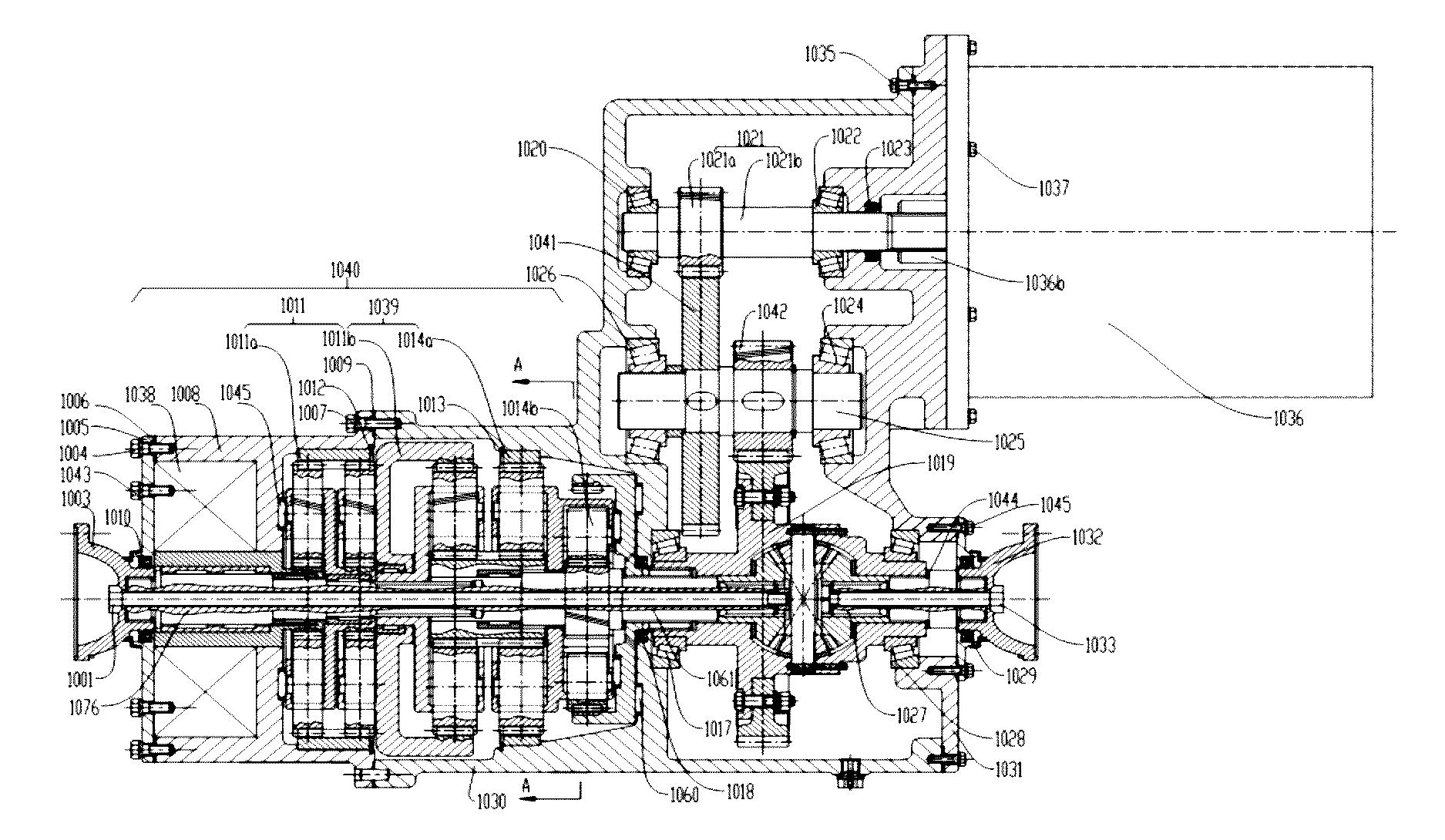
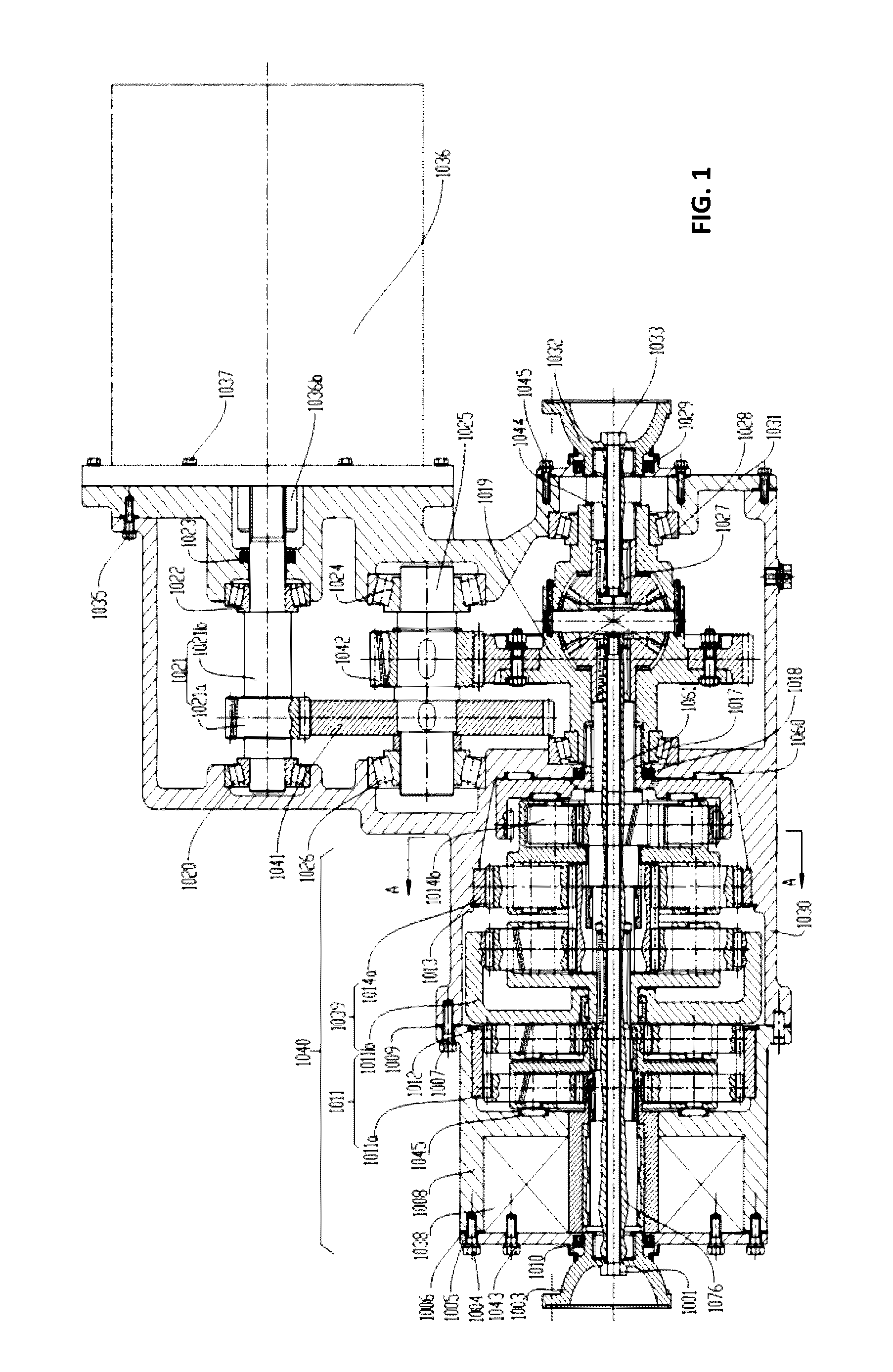
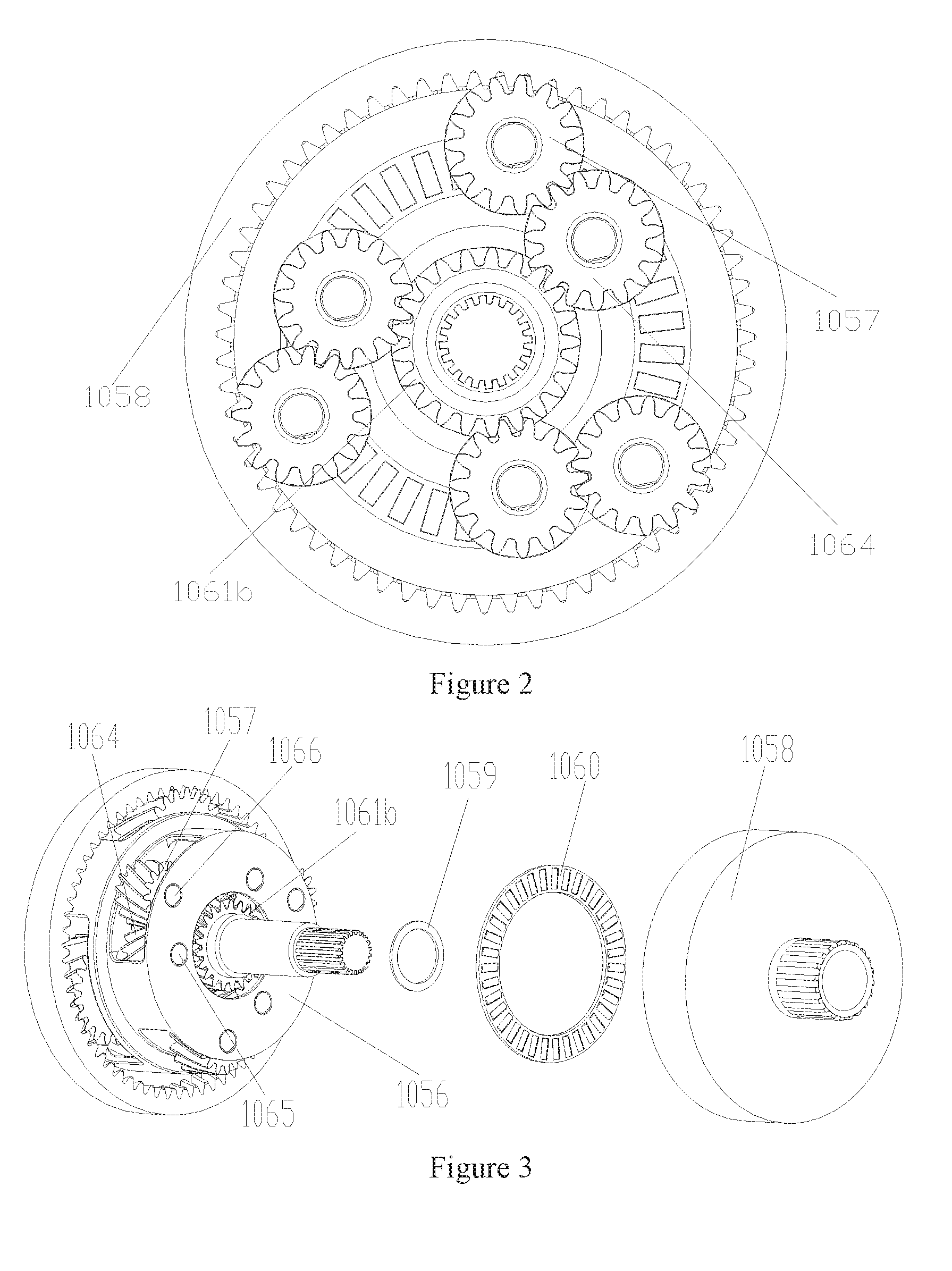
Drive axle of electric distribution torque
PatentActiveUS20170023114A1
Innovation
- A double row planetary gear mechanism with a torque directional distribution system that allows selective torque distribution between the left and right wheels, using a reduction planetary gear train, coupled planetary gear sets, and a torque distribution control motor to adjust torque output based on driving conditions.

Safety Standards for Advanced Vehicle Dynamics Systems
Advanced vehicle dynamics systems incorporating sophisticated drive axle and differential technologies must comply with comprehensive safety standards to ensure operational reliability and occupant protection. These standards encompass multiple regulatory frameworks, including ISO 26262 for functional safety, FMVSS regulations in North America, and ECE regulations in Europe, each addressing specific aspects of vehicle dynamics control systems.
Functional safety requirements under ISO 26262 mandate that electronic differential control systems achieve ASIL-C or ASIL-D classification depending on their integration level with primary vehicle control functions. This necessitates rigorous hazard analysis and risk assessment procedures, particularly for systems that actively modulate torque distribution between wheels during dynamic maneuvers.
Hardware safety standards focus on the robustness of actuators, sensors, and control units within differential systems. Temperature cycling tests must demonstrate component reliability across operating ranges from -40°C to +125°C, while vibration resistance standards require compliance with automotive-grade specifications. Electromagnetic compatibility standards ensure that electronic limited-slip differentials and active torque vectoring systems do not interfere with other vehicle electronics.
Software validation protocols demand extensive testing of control algorithms under various driving scenarios. Safety-critical functions such as emergency torque redistribution must demonstrate deterministic response times within specified milliseconds. Fail-safe mechanisms are mandatory, requiring systems to default to mechanically stable configurations when electronic control fails.
Cybersecurity standards have emerged as critical requirements for connected differential systems. ISO/SAE 21434 guidelines mandate secure communication protocols and intrusion detection capabilities for systems that receive external data inputs. Regular security updates and vulnerability assessments are now standard requirements for advanced handling systems.
Testing and certification procedures require validation across diverse environmental conditions, including extreme weather scenarios and various road surfaces. Durability testing must demonstrate consistent performance over minimum 150,000-mile operational lifecycles, with specific attention to wear patterns in electronically controlled mechanical components.
Functional safety requirements under ISO 26262 mandate that electronic differential control systems achieve ASIL-C or ASIL-D classification depending on their integration level with primary vehicle control functions. This necessitates rigorous hazard analysis and risk assessment procedures, particularly for systems that actively modulate torque distribution between wheels during dynamic maneuvers.
Hardware safety standards focus on the robustness of actuators, sensors, and control units within differential systems. Temperature cycling tests must demonstrate component reliability across operating ranges from -40°C to +125°C, while vibration resistance standards require compliance with automotive-grade specifications. Electromagnetic compatibility standards ensure that electronic limited-slip differentials and active torque vectoring systems do not interfere with other vehicle electronics.
Software validation protocols demand extensive testing of control algorithms under various driving scenarios. Safety-critical functions such as emergency torque redistribution must demonstrate deterministic response times within specified milliseconds. Fail-safe mechanisms are mandatory, requiring systems to default to mechanically stable configurations when electronic control fails.
Cybersecurity standards have emerged as critical requirements for connected differential systems. ISO/SAE 21434 guidelines mandate secure communication protocols and intrusion detection capabilities for systems that receive external data inputs. Regular security updates and vulnerability assessments are now standard requirements for advanced handling systems.
Testing and certification procedures require validation across diverse environmental conditions, including extreme weather scenarios and various road surfaces. Durability testing must demonstrate consistent performance over minimum 150,000-mile operational lifecycles, with specific attention to wear patterns in electronically controlled mechanical components.
Integration Challenges with Autonomous Driving Technologies
The integration of advanced drive axle and differential systems with autonomous driving technologies presents multifaceted challenges that require careful consideration of hardware-software compatibility, real-time communication protocols, and system reliability requirements. Modern autonomous vehicles demand seamless coordination between traditional mechanical components and sophisticated electronic control systems, creating unprecedented complexity in vehicle architecture design.
Sensor integration represents a critical challenge when implementing advanced handling features in autonomous vehicles. Drive axles equipped with torque vectoring capabilities must communicate instantaneously with LiDAR, radar, and camera systems to execute precise maneuvers. The differential systems require continuous feedback from wheel speed sensors, accelerometers, and gyroscopes, while simultaneously processing commands from the autonomous driving stack. This creates potential latency issues that could compromise both handling performance and safety margins.
Communication protocol standardization poses another significant hurdle. Advanced differential systems typically operate on CAN-FD or Ethernet-based networks, while autonomous driving platforms often utilize different communication standards. Ensuring reliable data exchange between these systems requires sophisticated gateway solutions and protocol translation mechanisms. The challenge intensifies when considering fail-safe operations, where mechanical backup systems must engage seamlessly if electronic controls malfunction.
Real-time processing demands create computational bottlenecks that affect system integration. Autonomous vehicles must process vast amounts of sensor data while simultaneously managing complex differential control algorithms. Advanced torque vectoring systems require millisecond-level response times, competing for computational resources with path planning, object detection, and decision-making algorithms. This necessitates dedicated processing units and optimized software architectures to prevent system conflicts.
Calibration complexity increases exponentially when integrating these systems. Traditional differential tuning parameters must now account for autonomous driving behaviors, which differ significantly from human driving patterns. The systems must adapt to various autonomous driving modes, from conservative highway cruising to aggressive emergency maneuvers, requiring dynamic parameter adjustment capabilities that maintain optimal handling characteristics across all operational scenarios.
Sensor integration represents a critical challenge when implementing advanced handling features in autonomous vehicles. Drive axles equipped with torque vectoring capabilities must communicate instantaneously with LiDAR, radar, and camera systems to execute precise maneuvers. The differential systems require continuous feedback from wheel speed sensors, accelerometers, and gyroscopes, while simultaneously processing commands from the autonomous driving stack. This creates potential latency issues that could compromise both handling performance and safety margins.
Communication protocol standardization poses another significant hurdle. Advanced differential systems typically operate on CAN-FD or Ethernet-based networks, while autonomous driving platforms often utilize different communication standards. Ensuring reliable data exchange between these systems requires sophisticated gateway solutions and protocol translation mechanisms. The challenge intensifies when considering fail-safe operations, where mechanical backup systems must engage seamlessly if electronic controls malfunction.
Real-time processing demands create computational bottlenecks that affect system integration. Autonomous vehicles must process vast amounts of sensor data while simultaneously managing complex differential control algorithms. Advanced torque vectoring systems require millisecond-level response times, competing for computational resources with path planning, object detection, and decision-making algorithms. This necessitates dedicated processing units and optimized software architectures to prevent system conflicts.
Calibration complexity increases exponentially when integrating these systems. Traditional differential tuning parameters must now account for autonomous driving behaviors, which differ significantly from human driving patterns. The systems must adapt to various autonomous driving modes, from conservative highway cruising to aggressive emergency maneuvers, requiring dynamic parameter adjustment capabilities that maintain optimal handling characteristics across all operational scenarios.
Unlock deeper insights with Patsnap Eureka Quick Research — get a full tech report to explore trends and direct your research. Try now!
Generate Your Research Report Instantly with AI Agent
Supercharge your innovation with Patsnap Eureka AI Agent Platform!