Electrochromic Glass vs Conventional Blinds: Light Control Efficiency
APR 16, 20269 MIN READ
Generate Your Research Report Instantly with AI Agent
PatSnap Eureka helps you evaluate technical feasibility & market potential.
Electrochromic Glass Technology Background and Objectives
Electrochromic glass represents a revolutionary advancement in smart building materials, emerging from decades of research in electrochemical and materials science. This technology utilizes reversible electrochemical reactions to dynamically alter the optical properties of glass surfaces, enabling precise control over light transmission, glare reduction, and thermal management. The fundamental principle involves the migration of ions within thin-film layers when an electrical voltage is applied, causing the glass to transition between transparent and tinted states.
The development of electrochromic technology traces back to the 1960s when researchers first observed color-changing properties in certain metal oxides. Initial applications focused primarily on automotive rearview mirrors and aircraft windows. However, recent advances in nanotechnology, thin-film deposition techniques, and ion-conducting polymers have significantly enhanced the performance, durability, and switching speed of electrochromic devices, making them viable for large-scale architectural applications.
Contemporary electrochromic glass systems demonstrate remarkable capabilities in light control efficiency compared to conventional mechanical solutions. The technology enables continuous modulation of visible light transmission from approximately 70% in the clear state to as low as 1% in the fully tinted state, providing unprecedented precision in daylight management. This dynamic range surpasses traditional blinds, which typically offer discrete positioning options with limited intermediate control states.
The primary technical objectives driving electrochromic glass development focus on achieving faster switching speeds, enhanced durability, and improved energy efficiency. Current research targets include reducing switching times from minutes to seconds, extending operational lifespans beyond 50,000 cycles, and optimizing spectral selectivity to maximize daylight utilization while minimizing heat gain. Additionally, manufacturers are pursuing cost reduction strategies to make the technology economically competitive with conventional window treatments.
Integration challenges remain significant, particularly regarding power consumption, control system complexity, and maintenance requirements. Unlike passive conventional blinds, electrochromic systems require continuous electrical infrastructure and sophisticated control algorithms to optimize performance based on environmental conditions, occupancy patterns, and user preferences. These technical considerations directly impact the comparative analysis of light control efficiency between electrochromic glass and traditional blind systems.
The development of electrochromic technology traces back to the 1960s when researchers first observed color-changing properties in certain metal oxides. Initial applications focused primarily on automotive rearview mirrors and aircraft windows. However, recent advances in nanotechnology, thin-film deposition techniques, and ion-conducting polymers have significantly enhanced the performance, durability, and switching speed of electrochromic devices, making them viable for large-scale architectural applications.
Contemporary electrochromic glass systems demonstrate remarkable capabilities in light control efficiency compared to conventional mechanical solutions. The technology enables continuous modulation of visible light transmission from approximately 70% in the clear state to as low as 1% in the fully tinted state, providing unprecedented precision in daylight management. This dynamic range surpasses traditional blinds, which typically offer discrete positioning options with limited intermediate control states.
The primary technical objectives driving electrochromic glass development focus on achieving faster switching speeds, enhanced durability, and improved energy efficiency. Current research targets include reducing switching times from minutes to seconds, extending operational lifespans beyond 50,000 cycles, and optimizing spectral selectivity to maximize daylight utilization while minimizing heat gain. Additionally, manufacturers are pursuing cost reduction strategies to make the technology economically competitive with conventional window treatments.
Integration challenges remain significant, particularly regarding power consumption, control system complexity, and maintenance requirements. Unlike passive conventional blinds, electrochromic systems require continuous electrical infrastructure and sophisticated control algorithms to optimize performance based on environmental conditions, occupancy patterns, and user preferences. These technical considerations directly impact the comparative analysis of light control efficiency between electrochromic glass and traditional blind systems.
Market Demand for Smart Light Control Solutions
The global smart building market is experiencing unprecedented growth, driven by increasing awareness of energy efficiency and sustainability requirements. Commercial buildings account for approximately 40% of global energy consumption, with lighting and climate control representing significant portions of operational costs. This has created substantial demand for intelligent light control solutions that can optimize energy usage while maintaining occupant comfort.
Corporate sustainability initiatives and green building certifications such as LEED and BREEAM are accelerating adoption of smart light control technologies. Organizations are increasingly prioritizing solutions that demonstrate measurable environmental impact while reducing operational expenses. The integration of IoT sensors and building management systems has made automated light control more accessible and cost-effective for various building types.
Residential markets are showing growing interest in smart home technologies, particularly solutions that offer both convenience and energy savings. Homeowners are seeking automated systems that can adapt to daily routines, weather conditions, and personal preferences without manual intervention. The proliferation of smart home ecosystems has created opportunities for integrated light control solutions that work seamlessly with existing platforms.
Healthcare facilities represent a specialized but significant market segment requiring precise light control for patient comfort and circadian rhythm regulation. Educational institutions are recognizing the impact of proper lighting on student performance and are investing in adaptive solutions that can adjust throughout the day to support learning activities.
The hospitality industry is embracing smart light control to enhance guest experiences while managing energy costs across large properties. Hotels and resorts are particularly interested in solutions that can provide personalized lighting preferences while maintaining centralized control for operational efficiency.
Regulatory pressures regarding energy efficiency standards are creating mandatory requirements for smart building technologies in many regions. Building codes are increasingly incorporating provisions for automated systems that can demonstrate energy performance improvements, making smart light control solutions essential rather than optional for new construction and major renovations.
Corporate sustainability initiatives and green building certifications such as LEED and BREEAM are accelerating adoption of smart light control technologies. Organizations are increasingly prioritizing solutions that demonstrate measurable environmental impact while reducing operational expenses. The integration of IoT sensors and building management systems has made automated light control more accessible and cost-effective for various building types.
Residential markets are showing growing interest in smart home technologies, particularly solutions that offer both convenience and energy savings. Homeowners are seeking automated systems that can adapt to daily routines, weather conditions, and personal preferences without manual intervention. The proliferation of smart home ecosystems has created opportunities for integrated light control solutions that work seamlessly with existing platforms.
Healthcare facilities represent a specialized but significant market segment requiring precise light control for patient comfort and circadian rhythm regulation. Educational institutions are recognizing the impact of proper lighting on student performance and are investing in adaptive solutions that can adjust throughout the day to support learning activities.
The hospitality industry is embracing smart light control to enhance guest experiences while managing energy costs across large properties. Hotels and resorts are particularly interested in solutions that can provide personalized lighting preferences while maintaining centralized control for operational efficiency.
Regulatory pressures regarding energy efficiency standards are creating mandatory requirements for smart building technologies in many regions. Building codes are increasingly incorporating provisions for automated systems that can demonstrate energy performance improvements, making smart light control solutions essential rather than optional for new construction and major renovations.
Current State and Challenges of Electrochromic Glass Technology
Electrochromic glass technology has reached a significant maturity level in recent years, with several commercial products now available in the market. The technology operates through electrochemical reactions that alter the optical properties of materials when voltage is applied, enabling dynamic control of light transmission and heat gain. Current electrochromic systems can achieve transmission ranges from approximately 3% to 70%, providing substantial flexibility in light management compared to static glazing solutions.
The manufacturing landscape is dominated by established players who have developed proprietary electrochromic materials and production processes. These systems typically consist of multiple thin-film layers including transparent conductors, electrochromic materials, ion conductors, and counter electrodes. The complexity of this multi-layer architecture presents both opportunities for performance optimization and challenges in manufacturing consistency.
Performance characteristics of contemporary electrochromic glass demonstrate clear advantages over conventional blinds in several key areas. Response times have improved significantly, with modern systems achieving full state transitions within 3-15 minutes depending on glass size and environmental conditions. The technology offers superior durability with leading products rated for over 50,000 switching cycles, far exceeding the mechanical wear limitations of traditional blind systems.
However, several technical challenges continue to constrain widespread adoption. Cost remains a primary barrier, with electrochromic glazing systems typically costing 3-5 times more than conventional glazing plus blind combinations. The initial capital investment creates hesitation among cost-conscious consumers despite long-term operational benefits.
Energy consumption during switching operations presents another consideration, though modern systems have reduced power requirements to minimal levels during steady-state operation. Temperature sensitivity affects switching speed and uniformity, with performance degradation observed in extreme climate conditions. This limitation impacts reliability in regions with significant temperature variations.
Manufacturing scalability poses ongoing challenges for large-scale deployment. The precision required in thin-film deposition and the sensitivity of electrochromic materials to contamination demand sophisticated production environments. Quality control across large glass panels remains technically demanding, with edge effects and uniformity issues occasionally affecting visual performance.
Geographic distribution of electrochromic technology development shows concentration in North America and Europe, where regulatory frameworks increasingly favor energy-efficient building technologies. Asian markets are emerging as significant manufacturing hubs, though adoption rates vary considerably based on local building codes and energy policies.
The integration complexity with building management systems represents both an opportunity and challenge. While electrochromic glass can provide automated light control superior to manual blind operation, the requirement for control electronics and software integration adds system complexity that conventional blinds avoid entirely.
The manufacturing landscape is dominated by established players who have developed proprietary electrochromic materials and production processes. These systems typically consist of multiple thin-film layers including transparent conductors, electrochromic materials, ion conductors, and counter electrodes. The complexity of this multi-layer architecture presents both opportunities for performance optimization and challenges in manufacturing consistency.
Performance characteristics of contemporary electrochromic glass demonstrate clear advantages over conventional blinds in several key areas. Response times have improved significantly, with modern systems achieving full state transitions within 3-15 minutes depending on glass size and environmental conditions. The technology offers superior durability with leading products rated for over 50,000 switching cycles, far exceeding the mechanical wear limitations of traditional blind systems.
However, several technical challenges continue to constrain widespread adoption. Cost remains a primary barrier, with electrochromic glazing systems typically costing 3-5 times more than conventional glazing plus blind combinations. The initial capital investment creates hesitation among cost-conscious consumers despite long-term operational benefits.
Energy consumption during switching operations presents another consideration, though modern systems have reduced power requirements to minimal levels during steady-state operation. Temperature sensitivity affects switching speed and uniformity, with performance degradation observed in extreme climate conditions. This limitation impacts reliability in regions with significant temperature variations.
Manufacturing scalability poses ongoing challenges for large-scale deployment. The precision required in thin-film deposition and the sensitivity of electrochromic materials to contamination demand sophisticated production environments. Quality control across large glass panels remains technically demanding, with edge effects and uniformity issues occasionally affecting visual performance.
Geographic distribution of electrochromic technology development shows concentration in North America and Europe, where regulatory frameworks increasingly favor energy-efficient building technologies. Asian markets are emerging as significant manufacturing hubs, though adoption rates vary considerably based on local building codes and energy policies.
The integration complexity with building management systems represents both an opportunity and challenge. While electrochromic glass can provide automated light control superior to manual blind operation, the requirement for control electronics and software integration adds system complexity that conventional blinds avoid entirely.
Existing Light Control Solutions and Performance Comparison
01 Electrochromic material composition and layer structure optimization
The light control efficiency of electrochromic glass can be enhanced through optimized electrochromic material compositions and multi-layer structures. This includes the use of specific metal oxides, organic electrochromic materials, and composite layers that provide improved optical modulation range, faster switching speeds, and better color uniformity. The layer structure design, including the arrangement of electrochromic layers, ion conductor layers, and transparent conductive layers, significantly impacts the overall light transmission control performance.- Electrochromic material composition and layer structure optimization: The light control efficiency of electrochromic glass can be enhanced by optimizing the composition of electrochromic materials and the structure of functional layers. This includes selecting appropriate electrochromic compounds, ion-conducting electrolytes, and transparent conductive layers. The thickness, uniformity, and interface properties of each layer significantly affect the switching speed, optical contrast, and durability of the electrochromic device. Advanced material formulations and multi-layer architectures can improve the overall performance and energy efficiency of the glass.
- Control systems and driving methods for electrochromic devices: Efficient light control in electrochromic glass requires sophisticated control systems and optimized driving methods. This includes voltage regulation, current control, and pulse-width modulation techniques to achieve rapid and uniform color changes. Smart control algorithms can adjust the tinting level based on environmental conditions such as sunlight intensity and temperature. Advanced driving circuits can reduce power consumption, minimize response time, and extend the operational lifespan of electrochromic windows.
- Multi-zone and segmented electrochromic glass design: Dividing electrochromic glass into multiple independently controllable zones or segments can significantly improve light control efficiency and user customization. This approach allows different areas of the glass to be tinted to different levels simultaneously, providing flexible shading solutions for various applications. Segmented designs enable localized control, reducing overall power consumption while maintaining optimal lighting conditions in specific areas. This technology is particularly useful in large-scale architectural applications and automotive sunroofs.
- Integration with sensors and automated control systems: Integrating electrochromic glass with various sensors and automated control systems enhances light control efficiency through intelligent responsiveness. Light sensors, temperature sensors, and occupancy detectors can provide real-time data to automatically adjust the tinting level. Integration with building management systems or smart home platforms enables coordinated control with HVAC systems and artificial lighting. This automation optimizes energy consumption, improves occupant comfort, and reduces the need for manual adjustments.
- Optical performance enhancement and anti-degradation technologies: Improving the optical performance and preventing degradation of electrochromic glass are critical for maintaining long-term light control efficiency. This includes developing materials with higher optical contrast ratios, faster switching speeds, and better color neutrality. Anti-degradation technologies focus on protecting electrochromic layers from environmental factors such as UV radiation, moisture, and temperature fluctuations. Encapsulation techniques, protective coatings, and stabilizing additives can significantly extend the functional lifetime and maintain consistent optical properties throughout the service life of the glass.
02 Ion transport and electrolyte system enhancement
Improving the ion transport mechanism and electrolyte system is crucial for enhancing light control efficiency. Advanced electrolyte formulations, including solid-state electrolytes, gel electrolytes, and liquid electrolytes with optimized ionic conductivity, enable faster ion migration between electrochromic layers. This results in reduced switching time, improved cycling stability, and enhanced optical contrast. The selection of appropriate ion species and electrolyte composition directly affects the response speed and durability of the electrochromic device.Expand Specific Solutions03 Voltage control and driving circuit optimization
The efficiency of light control in electrochromic glass is significantly influenced by voltage application methods and driving circuit designs. Optimized voltage control strategies, including pulse width modulation, adaptive voltage adjustment, and multi-level voltage driving, can improve switching speed and reduce power consumption. Advanced driving circuits with feedback control mechanisms enable precise control of light transmission levels and extend the operational lifetime of electrochromic devices by preventing overdriving and ensuring uniform coloration.Expand Specific Solutions04 Optical performance and transparency modulation range
Maximizing the optical modulation range and maintaining high transparency in the bleached state are key factors for light control efficiency. This involves optimizing the optical properties of all layers in the electrochromic stack, including anti-reflection coatings, transparent conductive oxides with low absorption, and electrochromic materials with high optical contrast ratios. The ability to achieve a wide range of light transmission states, from highly transparent to deeply colored, while maintaining optical clarity and minimizing haze, determines the practical effectiveness of the light control system.Expand Specific Solutions05 Durability and switching cycle stability
Long-term light control efficiency depends on the durability and cycling stability of electrochromic glass. This includes resistance to degradation from repeated switching cycles, environmental factors such as temperature and humidity, and UV exposure. Enhanced stability can be achieved through protective coatings, optimized material interfaces, encapsulation techniques, and the use of stable electrochromic materials that maintain their optical and electrochemical properties over extended periods. Improved cycling stability ensures consistent light control performance throughout the device lifetime.Expand Specific Solutions
Key Players in Electrochromic Glass and Smart Window Industry
The electrochromic glass market is experiencing rapid growth as the industry transitions from early adoption to mainstream commercialization, driven by increasing demand for energy-efficient building solutions and smart city initiatives. The market demonstrates significant expansion potential with established players like View, Inc. and SAGE Electrochromics leading technological advancement alongside emerging competitors such as Halio, Inc. and Glass Dyenamics Inc. Technology maturity varies considerably across the competitive landscape, with View, Inc. and SAGE Electrochromics achieving commercial-scale deployment and proven track records, while newer entrants like Halio focus on enhanced performance characteristics including faster switching speeds and improved optical clarity. Traditional manufacturers including Corning, Samsung Electronics, and LG Electronics are leveraging their materials science expertise to enter this space, while research institutions such as Jilin University and Shanghai Institute of Ceramics contribute fundamental innovations. The competitive dynamics indicate a maturing technology with differentiated approaches to performance, cost optimization, and integration capabilities.
View, Inc.
Technical Solution: View Inc. develops dynamic glass technology that automatically adjusts tint levels based on sunlight conditions, providing superior light control efficiency compared to conventional blinds. Their electrochromic glass can transition from clear to dark states within minutes, blocking up to 99% of glare while maintaining outdoor visibility. The system integrates with building management systems to optimize natural light penetration throughout the day, reducing HVAC loads by up to 20% and lighting energy consumption by 63%. Unlike conventional blinds that provide binary open/closed states, View's glass offers continuous tint adjustment across multiple opacity levels, enabling precise light modulation without obstructing views or requiring manual intervention.
Strengths: Market leader with proven commercial deployments, seamless integration with smart building systems, maintains visibility while controlling glare. Weaknesses: High initial installation costs, slower switching speed compared to mechanical blinds, requires electrical power for operation.
SAGE Electrochromics, Inc.
Technical Solution: SAGE Electrochromics specializes in large-format electrochromic glass solutions that deliver dynamic light control through voltage-activated tinting. Their SageGlass technology can achieve visible light transmission ranging from 60% in clear state to as low as 1% when fully tinted, providing more granular light control than traditional blinds. The system responds to environmental sensors and building automation systems to automatically adjust tint levels, maintaining optimal daylight levels while preventing glare and solar heat gain. SAGE's electrochromic windows can reduce peak cooling loads by up to 26% and annual energy consumption by 20% compared to conventional window treatments.
Strengths: Large-format capability suitable for commercial buildings, proven energy savings, automated response to environmental conditions. Weaknesses: Limited switching speed, higher maintenance requirements than conventional blinds, dependency on electrical systems.
Core Innovations in Electrochromic Material Science
Stack voltage based closed-loop feedback control of electrochromic glass
PatentWO2022266629A1
Innovation
- Implementing stack voltage based closed-loop feedback control, where the applied voltage is continually adjusted based on measured stack voltage to achieve desired tint levels, reducing the need for extensive databases and enhancing system robustness against configuration and environmental variations.


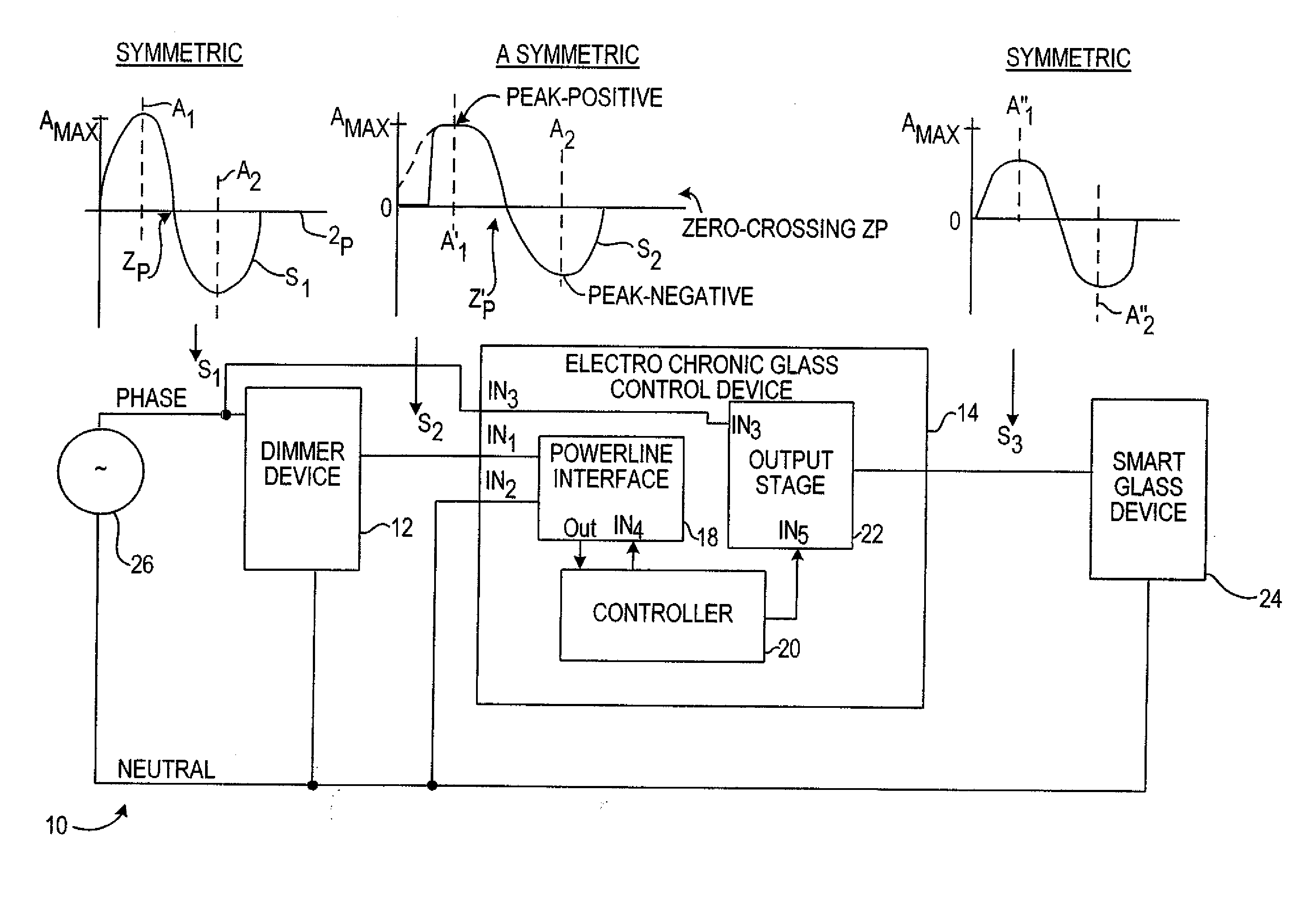
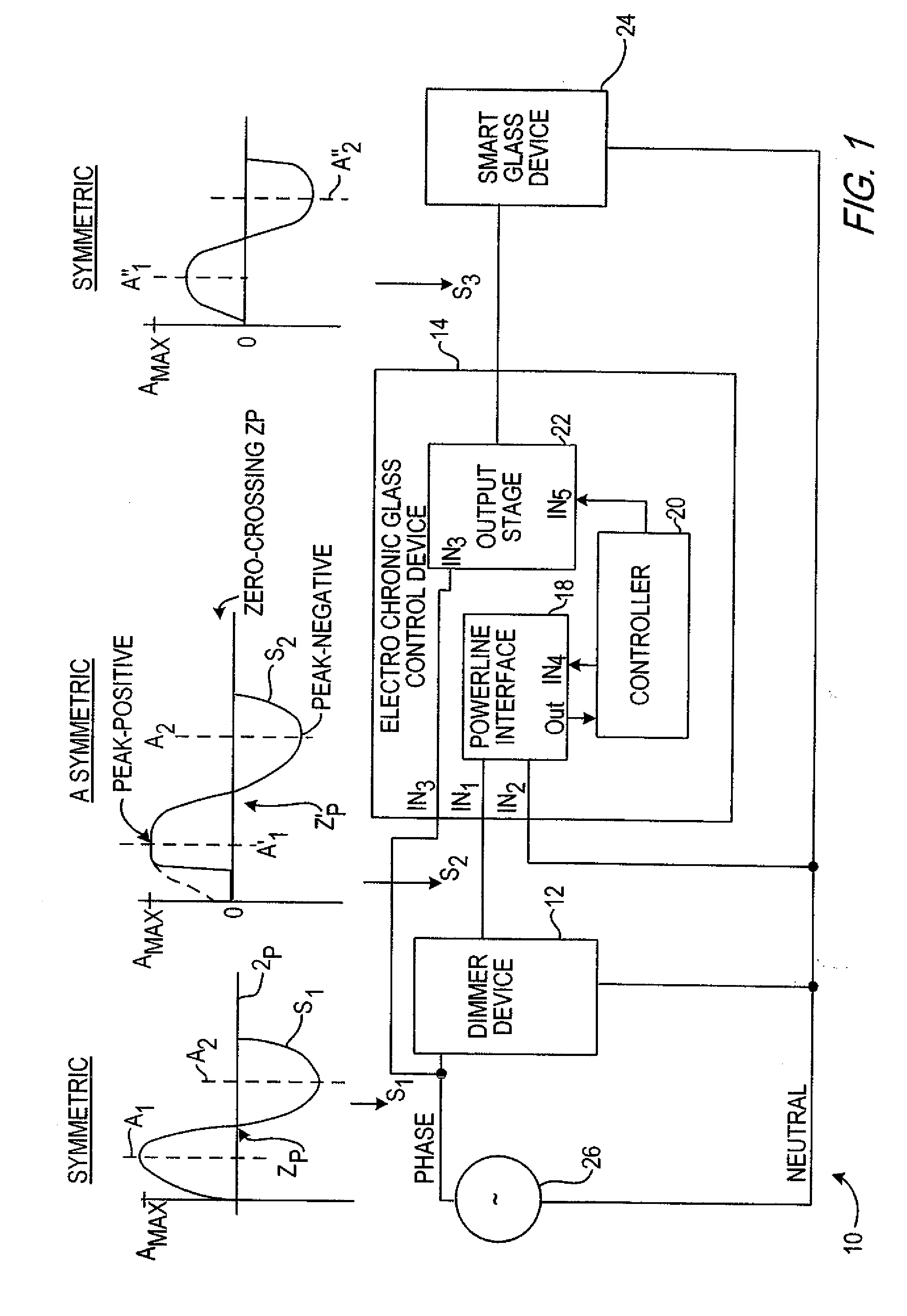
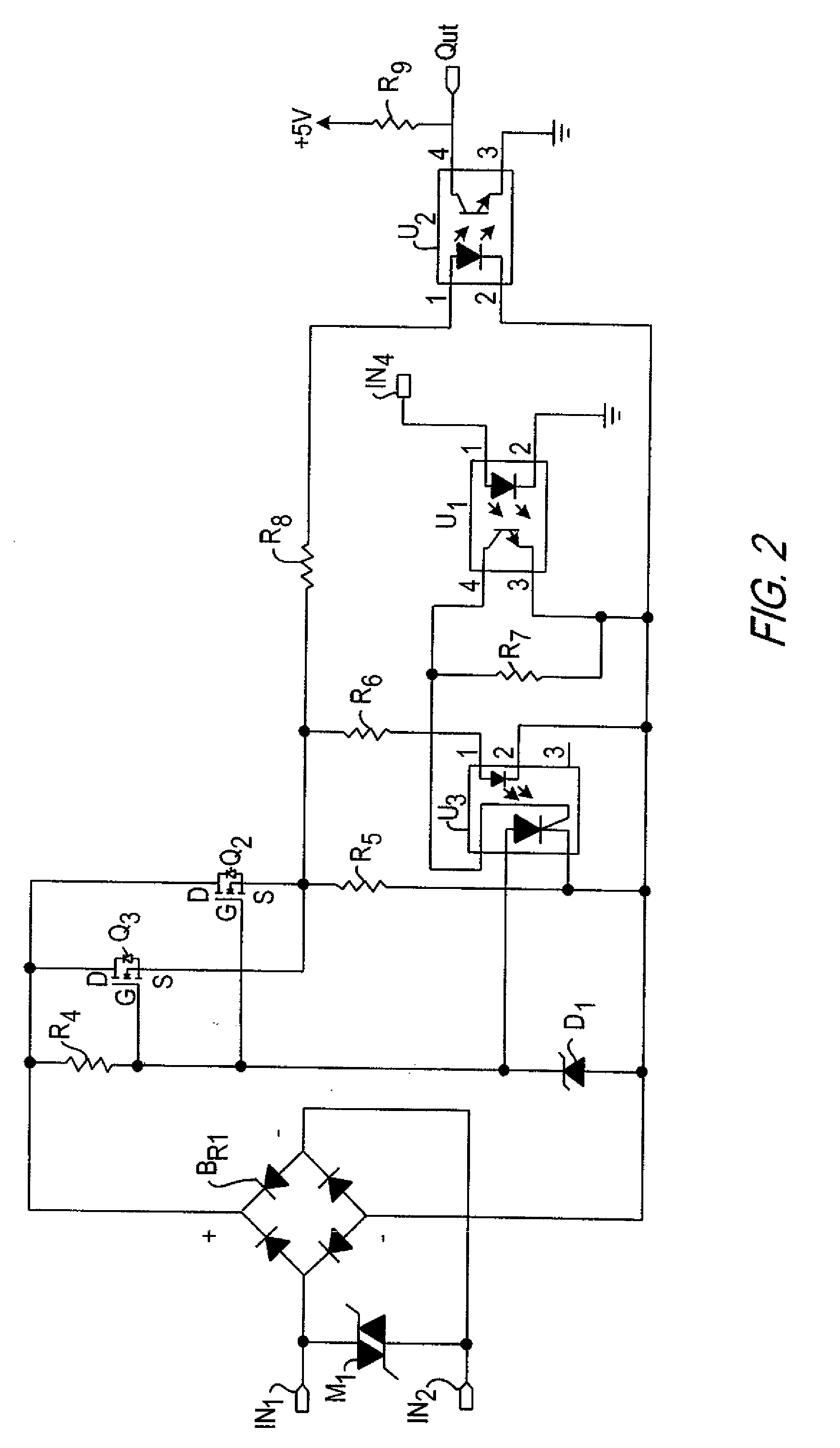
Electrochromic glass control device
PatentInactiveUS20070097484A1
Innovation
- An electrochromic glass control device that converts asymmetric AC power signals from standard dimmers into symmetric, amplitude-controlled AC signals, using a controllable semiconductor load to interface with smart-glass devices, reducing heat and chatter issues.
Energy Efficiency Standards and Building Regulations
Energy efficiency standards and building regulations are increasingly driving the adoption of advanced light control technologies, with electrochromic glass emerging as a preferred solution over conventional blinds in many jurisdictions. The International Energy Conservation Code (IECC) and ASHRAE 90.1 standards have established stringent requirements for building envelope performance, particularly focusing on dynamic solar heat gain control and daylight optimization.
Current regulations in the European Union, specifically the Energy Performance of Buildings Directive (EPBD), mandate that new commercial buildings achieve near-zero energy consumption by 2030. These requirements favor electrochromic glass systems due to their ability to automatically adjust light transmission based on solar conditions, eliminating the human factor that often compromises the efficiency of conventional blind systems.
The California Title 24 Building Energy Efficiency Standards have pioneered prescriptive pathways for electrochromic glazing, offering compliance credits that recognize the technology's superior performance in reducing cooling loads while maintaining adequate daylight levels. Similar regulatory frameworks are being adopted across North America, with LEED v4.1 and BREEAM certification systems providing additional points for dynamic glazing installations.
Building codes are evolving to address the integration challenges of electrochromic systems, establishing electrical safety standards and maintenance protocols that differ significantly from traditional blind mechanisms. The International Building Code (IBC) has introduced specific provisions for smart glass installations, including backup power requirements and fail-safe transparency modes.
Regulatory bodies are also addressing the lifecycle assessment requirements, with emerging standards comparing the embodied energy of electrochromic glass manufacturing against the recurring replacement cycles of conventional blinds. These assessments increasingly favor electrochromic solutions when evaluated over typical building lifespans of 25-50 years, despite higher initial installation costs.
Future regulatory trends indicate mandatory integration of building automation systems with dynamic glazing technologies, positioning electrochromic glass as a critical component in achieving net-zero energy building targets established by various national and international climate commitments.
Current regulations in the European Union, specifically the Energy Performance of Buildings Directive (EPBD), mandate that new commercial buildings achieve near-zero energy consumption by 2030. These requirements favor electrochromic glass systems due to their ability to automatically adjust light transmission based on solar conditions, eliminating the human factor that often compromises the efficiency of conventional blind systems.
The California Title 24 Building Energy Efficiency Standards have pioneered prescriptive pathways for electrochromic glazing, offering compliance credits that recognize the technology's superior performance in reducing cooling loads while maintaining adequate daylight levels. Similar regulatory frameworks are being adopted across North America, with LEED v4.1 and BREEAM certification systems providing additional points for dynamic glazing installations.
Building codes are evolving to address the integration challenges of electrochromic systems, establishing electrical safety standards and maintenance protocols that differ significantly from traditional blind mechanisms. The International Building Code (IBC) has introduced specific provisions for smart glass installations, including backup power requirements and fail-safe transparency modes.
Regulatory bodies are also addressing the lifecycle assessment requirements, with emerging standards comparing the embodied energy of electrochromic glass manufacturing against the recurring replacement cycles of conventional blinds. These assessments increasingly favor electrochromic solutions when evaluated over typical building lifespans of 25-50 years, despite higher initial installation costs.
Future regulatory trends indicate mandatory integration of building automation systems with dynamic glazing technologies, positioning electrochromic glass as a critical component in achieving net-zero energy building targets established by various national and international climate commitments.
Cost-Benefit Analysis of Smart Glass Implementation
The implementation of electrochromic glass technology presents a complex cost-benefit equation that requires careful evaluation across multiple financial dimensions. Initial capital expenditure represents the most significant barrier, with smart glass installations typically costing 3-5 times more than conventional blind systems per square meter. This premium reflects the sophisticated manufacturing processes, specialized materials, and integrated control systems required for electrochromic functionality.
However, operational cost advantages begin materializing immediately post-installation. Energy savings constitute the primary benefit driver, with electrochromic glass reducing HVAC loads by 15-25% through dynamic solar heat gain control. Unlike static conventional blinds, smart glass optimizes thermal performance continuously, adapting to changing solar conditions without compromising natural light availability. These energy reductions translate to substantial utility cost savings over the system's operational lifetime.
Maintenance cost differentials strongly favor electrochromic solutions. Conventional blind systems require regular cleaning, mechanical repairs, and periodic replacement of components subject to wear from daily operation. Smart glass eliminates these recurring expenses, requiring only occasional cleaning and minimal electronic maintenance. The absence of moving parts significantly reduces failure points and associated service costs.
The total cost of ownership analysis reveals a crossover point typically occurring within 7-10 years, depending on local energy costs and building usage patterns. Beyond this threshold, electrochromic glass delivers superior financial returns through continued energy savings and avoided replacement costs. Commercial buildings with high occupancy rates and significant cooling loads experience shorter payback periods due to amplified energy benefits.
Additional economic benefits include enhanced property valuations, improved tenant satisfaction leading to higher retention rates, and potential LEED certification credits. These indirect benefits, while challenging to quantify precisely, contribute meaningfully to the overall value proposition. Insurance premium reductions may also apply due to improved building automation and reduced fire risks associated with fabric-based window treatments.
The cost-benefit analysis becomes increasingly favorable as electrochromic technology matures and manufacturing scales expand, driving down initial costs while maintaining performance advantages over conventional alternatives.
However, operational cost advantages begin materializing immediately post-installation. Energy savings constitute the primary benefit driver, with electrochromic glass reducing HVAC loads by 15-25% through dynamic solar heat gain control. Unlike static conventional blinds, smart glass optimizes thermal performance continuously, adapting to changing solar conditions without compromising natural light availability. These energy reductions translate to substantial utility cost savings over the system's operational lifetime.
Maintenance cost differentials strongly favor electrochromic solutions. Conventional blind systems require regular cleaning, mechanical repairs, and periodic replacement of components subject to wear from daily operation. Smart glass eliminates these recurring expenses, requiring only occasional cleaning and minimal electronic maintenance. The absence of moving parts significantly reduces failure points and associated service costs.
The total cost of ownership analysis reveals a crossover point typically occurring within 7-10 years, depending on local energy costs and building usage patterns. Beyond this threshold, electrochromic glass delivers superior financial returns through continued energy savings and avoided replacement costs. Commercial buildings with high occupancy rates and significant cooling loads experience shorter payback periods due to amplified energy benefits.
Additional economic benefits include enhanced property valuations, improved tenant satisfaction leading to higher retention rates, and potential LEED certification credits. These indirect benefits, while challenging to quantify precisely, contribute meaningfully to the overall value proposition. Insurance premium reductions may also apply due to improved building automation and reduced fire risks associated with fabric-based window treatments.
The cost-benefit analysis becomes increasingly favorable as electrochromic technology matures and manufacturing scales expand, driving down initial costs while maintaining performance advantages over conventional alternatives.
Unlock deeper insights with PatSnap Eureka Quick Research — get a full tech report to explore trends and direct your research. Try now!
Generate Your Research Report Instantly with AI Agent
Supercharge your innovation with PatSnap Eureka AI Agent Platform!