

Electrolyte Wetting Techniques For High-Temperature Applications
MAY 15, 20269 MIN READ
Generate Your Research Report Instantly with AI Agent
Patsnap Eureka helps you evaluate technical feasibility & market potential.
High-Temperature Electrolyte Wetting Background and Objectives
Electrolyte wetting represents a fundamental interfacial phenomenon that governs the performance and reliability of electrochemical energy storage and conversion systems operating under elevated temperature conditions. The ability of liquid electrolytes to effectively wet electrode surfaces becomes increasingly challenging as operating temperatures rise above 100°C, where conventional electrolyte formulations often experience degradation, increased volatility, and altered surface tension properties.
The historical development of high-temperature electrolyte systems traces back to early molten salt batteries in the 1960s, initially designed for aerospace and military applications. These pioneering systems demonstrated the feasibility of electrochemical operation at temperatures exceeding 300°C but revealed significant challenges related to electrolyte-electrode interfacial stability and wetting behavior. Subsequent decades witnessed gradual evolution toward intermediate temperature ranges, driven by the need for improved safety and material compatibility.
Modern high-temperature applications encompass diverse sectors including automotive thermal management systems, industrial process monitoring, geothermal energy harvesting, and next-generation battery technologies for electric vehicles operating in extreme environments. The temperature range of primary interest spans from 80°C to 200°C, where conventional aqueous and organic electrolytes reach their operational limits.
Current technological drivers emphasize the development of electrolyte formulations that maintain optimal wetting characteristics while preserving ionic conductivity and electrochemical stability at elevated temperatures. Key challenges include managing electrolyte evaporation, preventing electrode surface oxidation, and maintaining consistent interfacial contact under thermal cycling conditions.
The primary technical objectives focus on achieving complete electrode surface coverage with minimal contact angle variation across the target temperature range. This requires understanding the complex interplay between electrolyte surface tension, electrode surface energy, and temperature-dependent chemical interactions. Additionally, maintaining long-term wetting stability under continuous high-temperature exposure represents a critical performance criterion.
Emerging research directions target the development of ionic liquid-based systems, solid-state electrolyte interfaces, and hybrid wetting enhancement techniques that combine surface modification with advanced electrolyte chemistry. These approaches aim to establish robust, temperature-independent wetting behavior essential for next-generation high-temperature electrochemical systems.
The historical development of high-temperature electrolyte systems traces back to early molten salt batteries in the 1960s, initially designed for aerospace and military applications. These pioneering systems demonstrated the feasibility of electrochemical operation at temperatures exceeding 300°C but revealed significant challenges related to electrolyte-electrode interfacial stability and wetting behavior. Subsequent decades witnessed gradual evolution toward intermediate temperature ranges, driven by the need for improved safety and material compatibility.
Modern high-temperature applications encompass diverse sectors including automotive thermal management systems, industrial process monitoring, geothermal energy harvesting, and next-generation battery technologies for electric vehicles operating in extreme environments. The temperature range of primary interest spans from 80°C to 200°C, where conventional aqueous and organic electrolytes reach their operational limits.
Current technological drivers emphasize the development of electrolyte formulations that maintain optimal wetting characteristics while preserving ionic conductivity and electrochemical stability at elevated temperatures. Key challenges include managing electrolyte evaporation, preventing electrode surface oxidation, and maintaining consistent interfacial contact under thermal cycling conditions.
The primary technical objectives focus on achieving complete electrode surface coverage with minimal contact angle variation across the target temperature range. This requires understanding the complex interplay between electrolyte surface tension, electrode surface energy, and temperature-dependent chemical interactions. Additionally, maintaining long-term wetting stability under continuous high-temperature exposure represents a critical performance criterion.
Emerging research directions target the development of ionic liquid-based systems, solid-state electrolyte interfaces, and hybrid wetting enhancement techniques that combine surface modification with advanced electrolyte chemistry. These approaches aim to establish robust, temperature-independent wetting behavior essential for next-generation high-temperature electrochemical systems.
Market Demand for High-Temperature Electrochemical Systems
The global market for high-temperature electrochemical systems is experiencing unprecedented growth driven by the urgent need for advanced energy storage and conversion technologies. Industrial sectors including aerospace, automotive, metallurgy, and renewable energy are increasingly demanding electrochemical solutions capable of operating reliably at elevated temperatures exceeding 200°C. This demand stems from the inherent advantages of high-temperature operation, including enhanced reaction kinetics, improved energy density, and reduced system complexity through elimination of cooling requirements.
Solid oxide fuel cells represent one of the most significant market drivers, with applications spanning from distributed power generation to auxiliary power units in aerospace applications. The automotive industry's transition toward electrification has created substantial demand for high-temperature battery systems, particularly for electric vehicles operating in extreme environments and heavy-duty applications where thermal management challenges are paramount.
The renewable energy sector presents another critical market segment, where high-temperature electrochemical systems enable efficient energy storage solutions for concentrated solar power plants and grid-scale applications. These systems must maintain performance stability under thermal cycling conditions while providing long-term reliability, creating specific requirements for advanced electrolyte wetting technologies.
Industrial process applications, including high-temperature electrolysis for hydrogen production and electrochemical sensors for harsh environment monitoring, represent rapidly expanding market segments. The steel and aluminum industries require robust electrochemical systems for process control and emissions reduction, driving demand for specialized high-temperature solutions.
Market growth is further accelerated by regulatory pressures for decarbonization and energy efficiency improvements across multiple industries. Government initiatives promoting clean energy technologies and carbon reduction targets are creating favorable market conditions for high-temperature electrochemical systems deployment.
The increasing complexity of modern industrial processes demands electrochemical systems with enhanced thermal stability, extended operational lifespans, and improved safety characteristics. These requirements directly translate into market demand for advanced electrolyte wetting techniques that can maintain electrode-electrolyte interface integrity under extreme thermal conditions while ensuring consistent performance over extended operational periods.
Solid oxide fuel cells represent one of the most significant market drivers, with applications spanning from distributed power generation to auxiliary power units in aerospace applications. The automotive industry's transition toward electrification has created substantial demand for high-temperature battery systems, particularly for electric vehicles operating in extreme environments and heavy-duty applications where thermal management challenges are paramount.
The renewable energy sector presents another critical market segment, where high-temperature electrochemical systems enable efficient energy storage solutions for concentrated solar power plants and grid-scale applications. These systems must maintain performance stability under thermal cycling conditions while providing long-term reliability, creating specific requirements for advanced electrolyte wetting technologies.
Industrial process applications, including high-temperature electrolysis for hydrogen production and electrochemical sensors for harsh environment monitoring, represent rapidly expanding market segments. The steel and aluminum industries require robust electrochemical systems for process control and emissions reduction, driving demand for specialized high-temperature solutions.
Market growth is further accelerated by regulatory pressures for decarbonization and energy efficiency improvements across multiple industries. Government initiatives promoting clean energy technologies and carbon reduction targets are creating favorable market conditions for high-temperature electrochemical systems deployment.
The increasing complexity of modern industrial processes demands electrochemical systems with enhanced thermal stability, extended operational lifespans, and improved safety characteristics. These requirements directly translate into market demand for advanced electrolyte wetting techniques that can maintain electrode-electrolyte interface integrity under extreme thermal conditions while ensuring consistent performance over extended operational periods.
Current Electrolyte Wetting Challenges at Elevated Temperatures
Electrolyte wetting at elevated temperatures presents a complex array of technical challenges that significantly impact the performance and reliability of electrochemical systems. The fundamental issue stems from the altered physicochemical properties of electrolytes as temperature increases, leading to compromised interfacial interactions between the electrolyte and electrode materials.
Surface tension dynamics represent one of the most critical challenges in high-temperature electrolyte wetting. As temperature rises, electrolyte surface tension typically decreases, which can initially improve wetting characteristics. However, this reduction is often accompanied by increased volatility and thermal decomposition, creating competing effects that complicate optimal wetting behavior. The temperature-dependent surface tension changes can lead to inconsistent contact angles and unpredictable spreading behavior across electrode surfaces.
Thermal stability limitations pose another significant constraint in high-temperature applications. Many conventional electrolyte formulations experience chemical degradation, phase separation, or complete breakdown when exposed to elevated temperatures. This degradation not only affects the electrolyte's intrinsic properties but also generates decomposition products that can further impair wetting performance and create unwanted interfacial layers.
Viscosity variations present substantial operational challenges as temperature fluctuates. While higher temperatures generally reduce electrolyte viscosity and improve flow characteristics, extreme temperature conditions can lead to either excessive fluidity or unexpected viscosity increases due to chemical reactions. These viscosity changes directly impact the electrolyte's ability to penetrate porous electrode structures and maintain uniform distribution across active surfaces.
Interfacial compatibility issues become increasingly pronounced at elevated temperatures. The thermal expansion mismatch between electrolytes and solid electrode materials can create mechanical stress at interfaces, leading to delamination or poor adhesion. Additionally, temperature-induced changes in surface chemistry can alter the wettability characteristics of electrode materials, requiring dynamic adjustment of electrolyte formulations.
Evaporation and mass transport challenges significantly complicate electrolyte management in high-temperature environments. Rapid solvent evaporation can concentrate electrolyte solutions, altering their wetting properties and potentially causing precipitation of dissolved species. This concentration effect can create non-uniform electrolyte distribution and compromise system performance over extended operating periods.
Surface tension dynamics represent one of the most critical challenges in high-temperature electrolyte wetting. As temperature rises, electrolyte surface tension typically decreases, which can initially improve wetting characteristics. However, this reduction is often accompanied by increased volatility and thermal decomposition, creating competing effects that complicate optimal wetting behavior. The temperature-dependent surface tension changes can lead to inconsistent contact angles and unpredictable spreading behavior across electrode surfaces.
Thermal stability limitations pose another significant constraint in high-temperature applications. Many conventional electrolyte formulations experience chemical degradation, phase separation, or complete breakdown when exposed to elevated temperatures. This degradation not only affects the electrolyte's intrinsic properties but also generates decomposition products that can further impair wetting performance and create unwanted interfacial layers.
Viscosity variations present substantial operational challenges as temperature fluctuates. While higher temperatures generally reduce electrolyte viscosity and improve flow characteristics, extreme temperature conditions can lead to either excessive fluidity or unexpected viscosity increases due to chemical reactions. These viscosity changes directly impact the electrolyte's ability to penetrate porous electrode structures and maintain uniform distribution across active surfaces.
Interfacial compatibility issues become increasingly pronounced at elevated temperatures. The thermal expansion mismatch between electrolytes and solid electrode materials can create mechanical stress at interfaces, leading to delamination or poor adhesion. Additionally, temperature-induced changes in surface chemistry can alter the wettability characteristics of electrode materials, requiring dynamic adjustment of electrolyte formulations.
Evaporation and mass transport challenges significantly complicate electrolyte management in high-temperature environments. Rapid solvent evaporation can concentrate electrolyte solutions, altering their wetting properties and potentially causing precipitation of dissolved species. This concentration effect can create non-uniform electrolyte distribution and compromise system performance over extended operating periods.
Existing High-Temperature Electrolyte Wetting Solutions
01 Electrolyte composition and formulation techniques
Various electrolyte compositions and formulation methods are employed to optimize wetting properties. These techniques involve specific chemical compositions, concentration ratios, and additive combinations that enhance the electrolyte's ability to wet surfaces effectively. The formulations may include organic and inorganic compounds designed to reduce surface tension and improve contact with electrode materials.- Electrolyte composition and formulation techniques: Various electrolyte compositions and formulation methods are employed to optimize wetting properties. These techniques involve specific chemical compositions, additives, and preparation methods that enhance the interaction between electrolytes and electrode surfaces. The formulations may include organic and inorganic components designed to improve ionic conductivity and surface compatibility.
- Surface treatment and electrode preparation methods: Specialized surface treatment techniques are utilized to enhance electrolyte wetting on electrode materials. These methods involve physical and chemical modifications of electrode surfaces to improve adhesion and reduce contact resistance. The treatments may include plasma processing, chemical etching, or coating applications that create favorable surface conditions for electrolyte penetration.
- Wetting agent incorporation and additive systems: The integration of specific wetting agents and additive systems significantly improves electrolyte spreading and penetration characteristics. These additives function as surfactants or interface modifiers that reduce surface tension and promote uniform distribution. The systems are designed to maintain electrochemical stability while enhancing wetting performance across various operating conditions.
- Temperature and environmental control methods: Controlled temperature and environmental conditions play crucial roles in optimizing electrolyte wetting behavior. These techniques involve precise temperature management, humidity control, and atmospheric conditioning to achieve optimal wetting characteristics. The methods ensure consistent performance across different operational environments and help maintain long-term stability of the electrolyte-electrode interface.
- Advanced application and processing techniques: Sophisticated application methods and processing techniques are employed to achieve uniform electrolyte distribution and enhanced wetting. These approaches may involve specialized coating processes, controlled deposition methods, or innovative application equipment designed to optimize electrolyte placement. The techniques focus on achieving consistent coverage while minimizing defects and ensuring reliable electrochemical performance.
02 Surface treatment and modification methods
Surface modification techniques are utilized to improve electrolyte wetting characteristics on various substrates. These methods involve physical or chemical treatments that alter surface properties such as roughness, hydrophilicity, or chemical functionality. The treatments enable better electrolyte penetration and distribution across electrode surfaces, leading to enhanced performance in electrochemical applications.Expand Specific Solutions03 Wetting agent and surfactant incorporation
Specialized wetting agents and surfactants are incorporated into electrolyte systems to enhance their spreading and penetration capabilities. These additives work by reducing interfacial tension between the electrolyte and substrate surfaces, promoting uniform distribution and improved contact. The selection and concentration of these agents are critical for achieving optimal wetting performance without compromising electrochemical properties.Expand Specific Solutions04 Temperature and environmental control for wetting optimization
Temperature control and environmental conditioning techniques are employed to optimize electrolyte wetting behavior. These methods involve precise temperature management, humidity control, and atmospheric conditions that influence the viscosity, surface tension, and flow characteristics of electrolytes. Proper environmental control ensures consistent wetting performance across different operating conditions.Expand Specific Solutions05 Application methods and delivery systems
Various application techniques and delivery systems are developed to ensure effective electrolyte wetting in practical implementations. These include specialized coating methods, injection systems, and distribution mechanisms that control the rate, pattern, and uniformity of electrolyte application. The delivery systems are designed to maximize coverage while minimizing waste and ensuring reproducible wetting results.Expand Specific Solutions
Key Players in High-Temperature Electrochemical Industry
The electrolyte wetting techniques for high-temperature applications market represents an emerging technology sector currently in its early development stage, driven by increasing demands from aerospace, automotive, and energy storage industries. The market shows significant growth potential as applications expand across electric vehicles, grid storage, and industrial systems requiring thermal resilience. Technology maturity varies considerably among key players, with established companies like Samsung SDI, LG Chem, and Siemens AG leveraging their extensive R&D capabilities and manufacturing infrastructure to advance electrolyte formulations and wetting methodologies. Specialized firms such as Sonocharge Energy and Soelect are pioneering innovative approaches with acoustic-enhanced wetting and solid-state solutions, while traditional industrial giants like BASF Coatings, Mitsubishi Electric, and MTU Aero Engines contribute materials science expertise and high-temperature application knowledge, creating a competitive landscape characterized by both incremental improvements and breakthrough innovations.
Samsung SDI Co., Ltd.
Technical Solution: Samsung SDI has developed advanced electrolyte wetting techniques specifically for high-temperature battery applications, focusing on lithium-ion and solid-state battery technologies. Their approach involves specialized electrolyte formulations with enhanced thermal stability additives and surface modification techniques to improve wetting properties at elevated temperatures. The company utilizes ceramic-coated separators and high-temperature stable electrolyte salts to maintain ionic conductivity and prevent electrolyte decomposition above 60°C. Their proprietary wetting enhancement technology includes plasma treatment of electrode surfaces and the use of fluorinated electrolyte additives that maintain low contact angles even at temperatures exceeding 85°C.
Strengths: Leading battery manufacturer with extensive R&D capabilities and proven high-temperature battery solutions. Weaknesses: Focus primarily on consumer electronics applications may limit industrial high-temperature expertise.
LG Chem Ltd.
Technical Solution: LG Chem has developed comprehensive electrolyte wetting solutions for high-temperature applications, particularly in automotive and energy storage systems. Their technology incorporates thermally stable ionic liquid-based electrolytes and advanced wetting agents that maintain performance at temperatures up to 100°C. The company's approach includes surface functionalization of electrodes using silane coupling agents and the development of hybrid electrolyte systems combining organic carbonates with ionic liquids. Their proprietary high-temperature electrolyte formulations feature specialized additives like vinylene carbonate derivatives and fluoroethylene carbonate that enhance wetting while providing thermal stability. LG Chem also employs advanced coating techniques for separators to improve electrolyte retention at elevated temperatures.
Strengths: Strong automotive battery market presence with proven high-temperature performance in electric vehicles. Weaknesses: Higher manufacturing costs due to specialized materials and complex processing requirements.
Core Innovations in Thermal-Resistant Wetting Technologies
Treatment of electrochemical cell components with lithium tetrachloroaluminate (LiAlCl4) to promote electrolyte wetting
PatentInactiveUS4189827A
Innovation
- Treating cell components with lithium tetrachloroaluminate (LiAlCl4) to enhance wettability by applying it as a flux on the surface, which is then melted and spread before or during cell assembly, allowing for better penetration of molten alkali-metal chloride electrolytes.
Electrolyte composition for electrochemical cell for high-temperature applications
PatentWO2019149812A1
Innovation
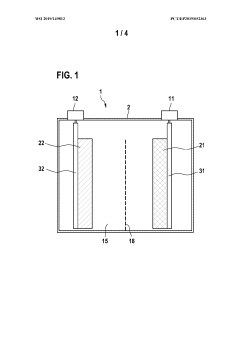
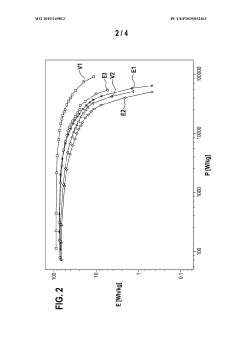
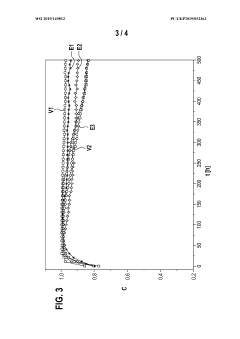
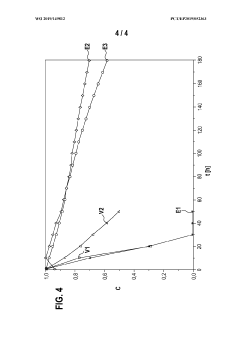
- An electrolyte composition for electrochemical cells, comprising a mixture of organic solvents like nitriles and lithium salts, with a boiling point above 85°C, ensuring stability at high temperatures and voltages, and optionally including cyclic carbonates for enhanced performance.
Safety Standards for High-Temperature Electrochemical Systems
High-temperature electrochemical systems operating above 200°C present unique safety challenges that require comprehensive regulatory frameworks and industry-specific standards. The elevated operating temperatures of these systems, combined with aggressive electrolyte chemistries, create potential hazards including thermal runaway, electrolyte leakage, and material degradation that can compromise system integrity.
Current safety standards for high-temperature electrochemical applications are primarily governed by international organizations such as IEC (International Electrotechnical Commission), UL (Underwriters Laboratories), and ASTM International. IEC 62619 provides fundamental safety requirements for secondary lithium cells and batteries, while IEC 62620 addresses safety requirements for secondary cells and batteries for use in industrial applications. These standards establish baseline requirements for thermal management, electrical safety, and mechanical integrity that must be adapted for high-temperature operations.
The thermal management requirements become particularly stringent in high-temperature applications, where electrolyte wetting behavior directly impacts safety performance. Standards mandate comprehensive thermal testing protocols including thermal shock resistance, thermal cycling endurance, and emergency shutdown procedures. Temperature monitoring systems must demonstrate accuracy within ±2°C across the operational range, with mandatory fail-safe mechanisms activated when temperatures exceed predetermined thresholds.
Material compatibility standards require extensive validation of electrolyte-container interactions at elevated temperatures. ASTM D6054 provides guidelines for evaluating chemical compatibility between electrolytes and containment materials, while ISO 12405 series addresses safety requirements for lithium-ion traction battery packs. These standards emphasize the importance of maintaining electrolyte wetting properties throughout the operational temperature range while preventing corrosive interactions that could lead to system failure.
Emerging regulatory frameworks specifically address high-temperature electrochemical systems in automotive and stationary energy storage applications. UN 38.3 transportation regulations have been updated to include enhanced thermal abuse testing for high-temperature batteries, requiring demonstration of safe operation under extreme thermal conditions. Additionally, fire suppression and ventilation requirements have been strengthened to address the unique combustion characteristics of high-temperature electrolytes, ensuring adequate protection against thermal propagation events that could result from compromised electrolyte wetting performance.
Current safety standards for high-temperature electrochemical applications are primarily governed by international organizations such as IEC (International Electrotechnical Commission), UL (Underwriters Laboratories), and ASTM International. IEC 62619 provides fundamental safety requirements for secondary lithium cells and batteries, while IEC 62620 addresses safety requirements for secondary cells and batteries for use in industrial applications. These standards establish baseline requirements for thermal management, electrical safety, and mechanical integrity that must be adapted for high-temperature operations.
The thermal management requirements become particularly stringent in high-temperature applications, where electrolyte wetting behavior directly impacts safety performance. Standards mandate comprehensive thermal testing protocols including thermal shock resistance, thermal cycling endurance, and emergency shutdown procedures. Temperature monitoring systems must demonstrate accuracy within ±2°C across the operational range, with mandatory fail-safe mechanisms activated when temperatures exceed predetermined thresholds.
Material compatibility standards require extensive validation of electrolyte-container interactions at elevated temperatures. ASTM D6054 provides guidelines for evaluating chemical compatibility between electrolytes and containment materials, while ISO 12405 series addresses safety requirements for lithium-ion traction battery packs. These standards emphasize the importance of maintaining electrolyte wetting properties throughout the operational temperature range while preventing corrosive interactions that could lead to system failure.
Emerging regulatory frameworks specifically address high-temperature electrochemical systems in automotive and stationary energy storage applications. UN 38.3 transportation regulations have been updated to include enhanced thermal abuse testing for high-temperature batteries, requiring demonstration of safe operation under extreme thermal conditions. Additionally, fire suppression and ventilation requirements have been strengthened to address the unique combustion characteristics of high-temperature electrolytes, ensuring adequate protection against thermal propagation events that could result from compromised electrolyte wetting performance.
Material Compatibility in Extreme Temperature Environments
Material compatibility represents one of the most critical challenges in developing effective electrolyte wetting techniques for high-temperature applications. The extreme thermal conditions encountered in advanced energy storage systems, fuel cells, and electrochemical devices create a complex environment where traditional materials often fail to maintain their structural integrity and functional properties.
The primary concern in extreme temperature environments is the thermal expansion mismatch between different materials within the electrochemical system. Electrolytes, electrode materials, and separator components each exhibit distinct thermal expansion coefficients, leading to mechanical stress accumulation during thermal cycling. This phenomenon becomes particularly pronounced at temperatures exceeding 200°C, where conventional polymer-based materials begin to degrade and lose their dimensional stability.
Ceramic-based electrolytes, while offering superior thermal stability, present unique compatibility challenges with metallic current collectors and electrode materials. The coefficient of thermal expansion differences can result in interfacial delamination, crack formation, and subsequent loss of ionic conductivity pathways. Solid oxide electrolytes, for instance, require careful selection of compatible electrode materials that can withstand repeated thermal stress without compromising the electrochemical interface.
Chemical compatibility becomes equally critical as temperature increases, as elevated thermal conditions accelerate unwanted side reactions between electrolyte components and adjacent materials. Metal corrosion rates increase exponentially with temperature, necessitating the development of protective coatings or alternative current collector materials such as high-temperature alloys or conductive ceramics.
The selection of appropriate sealing materials and gaskets presents another significant challenge, as traditional elastomers lose their sealing properties at elevated temperatures. High-temperature applications require specialized materials such as ceramic fiber gaskets, metal seals, or glass-ceramic composites that can maintain hermetic sealing while accommodating thermal expansion.
Recent advances in material science have led to the development of functionally graded materials and buffer layers that help mitigate thermal stress at critical interfaces. These innovative approaches involve creating compositional gradients that gradually transition between materials with different thermal properties, thereby reducing stress concentrations and improving overall system reliability in extreme temperature environments.
The primary concern in extreme temperature environments is the thermal expansion mismatch between different materials within the electrochemical system. Electrolytes, electrode materials, and separator components each exhibit distinct thermal expansion coefficients, leading to mechanical stress accumulation during thermal cycling. This phenomenon becomes particularly pronounced at temperatures exceeding 200°C, where conventional polymer-based materials begin to degrade and lose their dimensional stability.
Ceramic-based electrolytes, while offering superior thermal stability, present unique compatibility challenges with metallic current collectors and electrode materials. The coefficient of thermal expansion differences can result in interfacial delamination, crack formation, and subsequent loss of ionic conductivity pathways. Solid oxide electrolytes, for instance, require careful selection of compatible electrode materials that can withstand repeated thermal stress without compromising the electrochemical interface.
Chemical compatibility becomes equally critical as temperature increases, as elevated thermal conditions accelerate unwanted side reactions between electrolyte components and adjacent materials. Metal corrosion rates increase exponentially with temperature, necessitating the development of protective coatings or alternative current collector materials such as high-temperature alloys or conductive ceramics.
The selection of appropriate sealing materials and gaskets presents another significant challenge, as traditional elastomers lose their sealing properties at elevated temperatures. High-temperature applications require specialized materials such as ceramic fiber gaskets, metal seals, or glass-ceramic composites that can maintain hermetic sealing while accommodating thermal expansion.
Recent advances in material science have led to the development of functionally graded materials and buffer layers that help mitigate thermal stress at critical interfaces. These innovative approaches involve creating compositional gradients that gradually transition between materials with different thermal properties, thereby reducing stress concentrations and improving overall system reliability in extreme temperature environments.
Unlock deeper insights with Patsnap Eureka Quick Research — get a full tech report to explore trends and direct your research. Try now!
Generate Your Research Report Instantly with AI Agent
Supercharge your innovation with Patsnap Eureka AI Agent Platform!