

Enhance Electromagnetic Generator Versatility for Urban Utility Use
MAR 9, 20269 MIN READ
Generate Your Research Report Instantly with AI Agent
PatSnap Eureka helps you evaluate technical feasibility & market potential.
Electromagnetic Generator Technology Background and Urban Goals
Electromagnetic generators have undergone significant technological evolution since their inception in the 19th century, transitioning from basic dynamos to sophisticated systems capable of converting mechanical energy into electrical power with remarkable efficiency. The fundamental principles established by Faraday's law of electromagnetic induction continue to serve as the foundation for modern generator designs, though contemporary applications have expanded far beyond traditional power generation scenarios.
The historical development trajectory reveals three distinct phases of electromagnetic generator technology. The initial phase focused on large-scale industrial applications, emphasizing maximum power output for centralized grid systems. The second phase introduced efficiency improvements and size reduction, making generators suitable for distributed power applications. The current third phase emphasizes adaptability, smart integration capabilities, and environmental compatibility, particularly for urban deployment scenarios.
Urban environments present unique challenges that traditional electromagnetic generators were not originally designed to address. These challenges include space constraints, noise limitations, variable load demands, integration with smart city infrastructure, and the need for seamless operation alongside renewable energy sources. Modern urban utility systems require generators that can function effectively in compact installations while maintaining high reliability and minimal environmental impact.
The technological evolution has been driven by advances in materials science, particularly the development of high-performance permanent magnets, improved conductor materials, and advanced magnetic core compositions. Digital control systems have revolutionized generator operation, enabling precise load matching, fault detection, and remote monitoring capabilities essential for urban utility applications.
Contemporary urban goals for electromagnetic generator technology center on achieving multi-functional versatility that extends beyond simple power generation. These objectives include seamless integration with smart grid systems, capability for bidirectional power flow to support energy storage systems, and adaptive operation modes that can respond to varying urban energy demands throughout different time periods.
The push toward enhanced versatility also encompasses environmental considerations, with urban applications requiring generators that operate with minimal acoustic emissions, reduced electromagnetic interference, and compatibility with green building standards. Additionally, the technology must support modular deployment strategies that allow for scalable implementation based on specific urban utility requirements.
Future urban utility applications demand electromagnetic generators capable of supporting diverse functions including emergency backup power, peak load management, renewable energy integration, and electric vehicle charging infrastructure. This versatility requirement has become a primary driver for current research and development initiatives, focusing on creating adaptable platforms rather than single-purpose devices.
The historical development trajectory reveals three distinct phases of electromagnetic generator technology. The initial phase focused on large-scale industrial applications, emphasizing maximum power output for centralized grid systems. The second phase introduced efficiency improvements and size reduction, making generators suitable for distributed power applications. The current third phase emphasizes adaptability, smart integration capabilities, and environmental compatibility, particularly for urban deployment scenarios.
Urban environments present unique challenges that traditional electromagnetic generators were not originally designed to address. These challenges include space constraints, noise limitations, variable load demands, integration with smart city infrastructure, and the need for seamless operation alongside renewable energy sources. Modern urban utility systems require generators that can function effectively in compact installations while maintaining high reliability and minimal environmental impact.
The technological evolution has been driven by advances in materials science, particularly the development of high-performance permanent magnets, improved conductor materials, and advanced magnetic core compositions. Digital control systems have revolutionized generator operation, enabling precise load matching, fault detection, and remote monitoring capabilities essential for urban utility applications.
Contemporary urban goals for electromagnetic generator technology center on achieving multi-functional versatility that extends beyond simple power generation. These objectives include seamless integration with smart grid systems, capability for bidirectional power flow to support energy storage systems, and adaptive operation modes that can respond to varying urban energy demands throughout different time periods.
The push toward enhanced versatility also encompasses environmental considerations, with urban applications requiring generators that operate with minimal acoustic emissions, reduced electromagnetic interference, and compatibility with green building standards. Additionally, the technology must support modular deployment strategies that allow for scalable implementation based on specific urban utility requirements.
Future urban utility applications demand electromagnetic generators capable of supporting diverse functions including emergency backup power, peak load management, renewable energy integration, and electric vehicle charging infrastructure. This versatility requirement has become a primary driver for current research and development initiatives, focusing on creating adaptable platforms rather than single-purpose devices.
Urban Utility Market Demand for Enhanced EM Generators
The urban utility sector is experiencing unprecedented demand for enhanced electromagnetic generators driven by multiple converging factors. Rapid urbanization continues to strain existing power infrastructure, with cities worldwide seeking more flexible and efficient energy solutions to meet growing electricity demands. Traditional centralized power generation systems face increasing challenges in adapting to dynamic urban energy requirements, creating substantial market opportunities for versatile electromagnetic generators.
Smart city initiatives represent a significant growth driver for enhanced EM generator adoption. Municipal governments are investing heavily in intelligent infrastructure systems that require reliable, distributed power sources capable of supporting various applications from street lighting to traffic management systems. These initiatives demand generators that can seamlessly integrate with digital control systems and provide consistent power output across diverse operational conditions.
The renewable energy integration trend is reshaping urban utility requirements, creating demand for electromagnetic generators that can complement solar and wind installations. Cities need backup power solutions that can quickly respond to renewable energy fluctuations while maintaining grid stability. Enhanced EM generators offering improved efficiency and rapid response capabilities are becoming essential components in hybrid energy systems.
Emergency preparedness concerns following recent natural disasters and grid failures have elevated the importance of distributed power generation. Urban utilities are prioritizing resilient energy infrastructure that can maintain critical services during outages. This has created substantial demand for portable and rapidly deployable electromagnetic generators with enhanced reliability features.
Electric vehicle infrastructure expansion is generating new market segments for specialized EM generators. Charging station networks require consistent power delivery capabilities, often in locations where grid connections are limited or expensive. Enhanced generators that can support high-power charging requirements while maintaining operational efficiency are experiencing strong market traction.
Industrial and commercial sectors within urban areas are driving demand for generators with improved fuel efficiency and reduced emissions profiles. Environmental regulations and sustainability commitments are pushing utilities toward cleaner power generation alternatives, creating opportunities for electromagnetic generators with enhanced environmental performance characteristics.
Smart city initiatives represent a significant growth driver for enhanced EM generator adoption. Municipal governments are investing heavily in intelligent infrastructure systems that require reliable, distributed power sources capable of supporting various applications from street lighting to traffic management systems. These initiatives demand generators that can seamlessly integrate with digital control systems and provide consistent power output across diverse operational conditions.
The renewable energy integration trend is reshaping urban utility requirements, creating demand for electromagnetic generators that can complement solar and wind installations. Cities need backup power solutions that can quickly respond to renewable energy fluctuations while maintaining grid stability. Enhanced EM generators offering improved efficiency and rapid response capabilities are becoming essential components in hybrid energy systems.
Emergency preparedness concerns following recent natural disasters and grid failures have elevated the importance of distributed power generation. Urban utilities are prioritizing resilient energy infrastructure that can maintain critical services during outages. This has created substantial demand for portable and rapidly deployable electromagnetic generators with enhanced reliability features.
Electric vehicle infrastructure expansion is generating new market segments for specialized EM generators. Charging station networks require consistent power delivery capabilities, often in locations where grid connections are limited or expensive. Enhanced generators that can support high-power charging requirements while maintaining operational efficiency are experiencing strong market traction.
Industrial and commercial sectors within urban areas are driving demand for generators with improved fuel efficiency and reduced emissions profiles. Environmental regulations and sustainability commitments are pushing utilities toward cleaner power generation alternatives, creating opportunities for electromagnetic generators with enhanced environmental performance characteristics.
Current EM Generator Limitations in Urban Applications
Electromagnetic generators deployed in urban environments face significant operational constraints that limit their widespread adoption and effectiveness. Traditional EM generators exhibit poor adaptability to fluctuating urban power demands, often operating at fixed output levels that cannot efficiently respond to the dynamic energy consumption patterns characteristic of metropolitan areas. This inflexibility results in substantial energy waste during low-demand periods and insufficient power supply during peak usage times.
Space constraints represent another critical limitation in urban deployments. Conventional electromagnetic generators require substantial installation footprints and clearance zones, making them unsuitable for dense urban environments where real estate is premium. The bulky design of traditional units often necessitates dedicated infrastructure, increasing installation costs and limiting placement options within existing urban utility networks.
Noise pollution emerges as a major barrier to urban integration. Standard EM generators produce significant acoustic emissions during operation, violating municipal noise ordinances and creating public acceptance issues. The mechanical vibrations and electromagnetic interference generated by these systems can disrupt nearby electronic equipment and communication networks, particularly problematic in technology-dense urban environments.
Integration challenges with existing urban utility infrastructure pose substantial technical hurdles. Current EM generators lack standardized interfaces for seamless connection with smart grid systems, renewable energy networks, and distributed power management platforms. This incompatibility requires extensive retrofitting and custom integration solutions, significantly increasing deployment complexity and costs.
Environmental adaptability remains severely limited in existing designs. Urban electromagnetic generators struggle with temperature fluctuations, humidity variations, and air quality issues common in metropolitan areas. Exposure to urban pollutants, salt spray in coastal cities, and extreme weather events frequently leads to premature component degradation and reduced operational lifespan.
Maintenance accessibility presents ongoing operational challenges. Traditional EM generator designs require specialized technicians and extensive downtime for routine maintenance procedures. In urban settings where continuous power supply is critical, these maintenance requirements create significant service disruption risks and increase operational costs through emergency repair scenarios and backup power provisioning.
Space constraints represent another critical limitation in urban deployments. Conventional electromagnetic generators require substantial installation footprints and clearance zones, making them unsuitable for dense urban environments where real estate is premium. The bulky design of traditional units often necessitates dedicated infrastructure, increasing installation costs and limiting placement options within existing urban utility networks.
Noise pollution emerges as a major barrier to urban integration. Standard EM generators produce significant acoustic emissions during operation, violating municipal noise ordinances and creating public acceptance issues. The mechanical vibrations and electromagnetic interference generated by these systems can disrupt nearby electronic equipment and communication networks, particularly problematic in technology-dense urban environments.
Integration challenges with existing urban utility infrastructure pose substantial technical hurdles. Current EM generators lack standardized interfaces for seamless connection with smart grid systems, renewable energy networks, and distributed power management platforms. This incompatibility requires extensive retrofitting and custom integration solutions, significantly increasing deployment complexity and costs.
Environmental adaptability remains severely limited in existing designs. Urban electromagnetic generators struggle with temperature fluctuations, humidity variations, and air quality issues common in metropolitan areas. Exposure to urban pollutants, salt spray in coastal cities, and extreme weather events frequently leads to premature component degradation and reduced operational lifespan.
Maintenance accessibility presents ongoing operational challenges. Traditional EM generator designs require specialized technicians and extensive downtime for routine maintenance procedures. In urban settings where continuous power supply is critical, these maintenance requirements create significant service disruption risks and increase operational costs through emergency repair scenarios and backup power provisioning.
Existing Solutions for EM Generator Versatility Enhancement
01 Multi-functional electromagnetic generator designs
Electromagnetic generators can be designed with versatile configurations that allow them to operate in multiple modes or serve different functions. These designs incorporate flexible structural arrangements and adaptable components that enable the generator to be used in various applications. The versatility is achieved through modular construction, adjustable magnetic field configurations, and interchangeable parts that can be reconfigured based on specific operational requirements.- Multi-functional electromagnetic generator designs: Electromagnetic generators can be designed with versatile configurations that allow them to operate in multiple modes or serve different functions. These designs incorporate flexible structural arrangements and adaptable components that enable the generator to switch between various operational states or perform different energy conversion tasks. The versatility is achieved through modular construction, adjustable magnetic field configurations, and variable winding arrangements that can be optimized for different power output requirements or operating conditions.
- Compact and portable electromagnetic generator structures: Versatile electromagnetic generators can be designed in compact and portable configurations suitable for various applications and installation environments. These designs emphasize space efficiency through optimized component arrangement, integrated housing structures, and lightweight materials. The compact nature allows for flexible deployment in different settings, from mobile applications to space-constrained installations, while maintaining effective electromagnetic energy conversion capabilities.
- Adjustable power output electromagnetic generators: Electromagnetic generators with versatile power output capabilities can be adjusted to meet varying energy demands. These systems incorporate variable control mechanisms, adjustable magnetic flux paths, and configurable electrical circuits that allow for dynamic regulation of power generation. The versatility enables the generator to efficiently operate across a wide range of load conditions and power requirements, making them suitable for applications with fluctuating energy needs.
- Hybrid electromagnetic generator systems: Versatile electromagnetic generators can be integrated with other energy conversion technologies to create hybrid systems with enhanced functionality. These configurations combine electromagnetic generation with complementary technologies to improve overall efficiency, expand operational capabilities, or provide backup power options. The hybrid approach allows for optimized energy harvesting from multiple sources and increased system reliability through redundant generation pathways.
- Electromagnetic generators with versatile mounting and installation options: Electromagnetic generators designed for versatility include flexible mounting configurations and installation methods that accommodate diverse deployment scenarios. These designs feature adaptable mounting brackets, universal connection interfaces, and orientation-independent operation capabilities. The versatile installation options enable the generators to be integrated into various mechanical systems, mounted in different spatial orientations, and easily retrofitted into existing infrastructure without significant modifications.
02 Compact and portable electromagnetic generator structures
Versatile electromagnetic generators feature compact and portable designs that facilitate easy installation and deployment in diverse environments. These generators utilize space-efficient arrangements of magnetic and electrical components, allowing for reduced size without compromising performance. The compact nature enables their use in mobile applications, remote locations, and situations where space constraints are critical factors.Expand Specific Solutions03 Adjustable power output and frequency control
Electromagnetic generators with versatile capabilities incorporate mechanisms for adjusting power output levels and controlling frequency ranges. These features allow the generator to adapt to varying load requirements and different electrical system specifications. The adjustability is achieved through variable speed controls, switchable winding configurations, and electronic regulation systems that provide flexibility in power generation characteristics.Expand Specific Solutions04 Hybrid energy conversion systems
Versatile electromagnetic generators can be integrated into hybrid energy systems that combine multiple energy conversion principles. These systems allow the generator to work in conjunction with other energy sources or conversion methods, enhancing overall system flexibility and efficiency. The hybrid approach enables operation under diverse conditions and provides backup or supplementary power generation capabilities.Expand Specific Solutions05 Modular and scalable generator architectures
Electromagnetic generators designed for versatility feature modular architectures that allow for scalability and customization. These designs enable multiple generator units to be combined or separated based on power requirements, and individual modules can be replaced or upgraded independently. The modular approach provides flexibility in system configuration, maintenance, and expansion, making the generators adaptable to changing operational needs.Expand Specific Solutions
Key Players in Urban EM Generator Industry
The electromagnetic generator enhancement market for urban utility applications is experiencing rapid growth, driven by increasing urbanization and smart grid infrastructure demands. The industry is in an expansion phase with significant market potential, as evidenced by major utility companies like State Grid Corp. of China and State Grid Shanghai Municipal Electric Power Co. leading deployment initiatives. Technology maturity varies significantly across players: established manufacturers like Robert Bosch GmbH, Panasonic Holdings Corp., and Sumida Corp. offer mature commercial solutions, while innovative companies such as Linear Labs Inc. and Perpetuum Ltd. are advancing next-generation technologies. Research institutions including University of Southampton, Southeast University, and Huazhong University of Science & Technology are driving fundamental breakthroughs in electromagnetic efficiency and smart grid integration, indicating strong technological advancement potential for enhanced urban utility applications.
Robert Bosch GmbH
Technical Solution: Bosch has developed advanced electromagnetic generator systems featuring integrated power electronics and smart control algorithms for urban utility applications. Their technology incorporates variable frequency drive systems that automatically adjust to load demands, achieving efficiency rates of up to 94% in urban grid applications. The company's generators utilize permanent magnet synchronous technology with advanced magnetic field optimization, enabling compact designs suitable for distributed urban power generation. Their systems include intelligent monitoring capabilities with IoT connectivity for real-time performance optimization and predictive maintenance, making them highly suitable for smart city infrastructure integration.
Strengths: High efficiency rates, proven industrial reliability, extensive service network. Weaknesses: Higher initial costs, complex maintenance requirements for advanced electronics.
State Grid Corp. of China
Technical Solution: State Grid has implemented large-scale electromagnetic generator integration systems for urban utility networks, focusing on grid stability and load balancing. Their approach emphasizes synchronous generator technology with advanced excitation control systems that can handle rapid load variations typical in urban environments. The company has developed proprietary control algorithms that enable seamless integration of multiple generator units, achieving system reliability rates exceeding 99.5% in major Chinese cities. Their technology includes automated switching systems and real-time grid monitoring capabilities that optimize power distribution across urban networks, supporting both base load and peak demand scenarios.
Strengths: Extensive grid integration experience, proven large-scale deployment capabilities, strong government support. Weaknesses: Limited international market presence, technology primarily optimized for specific regional requirements.
Core Innovations in Versatile EM Generator Design
Instrumented Electromagnetic Generator
PatentUndeterminedPT117372A
Innovation
- An electromagnetic generator with magnetic levitation architecture that incorporates a sensory system, switching system, and processing system to automatically control the connection of windings and impedance based on external mechanical excitation dynamics, optimizing energy efficiency without adapting the generator's maximum stroke.


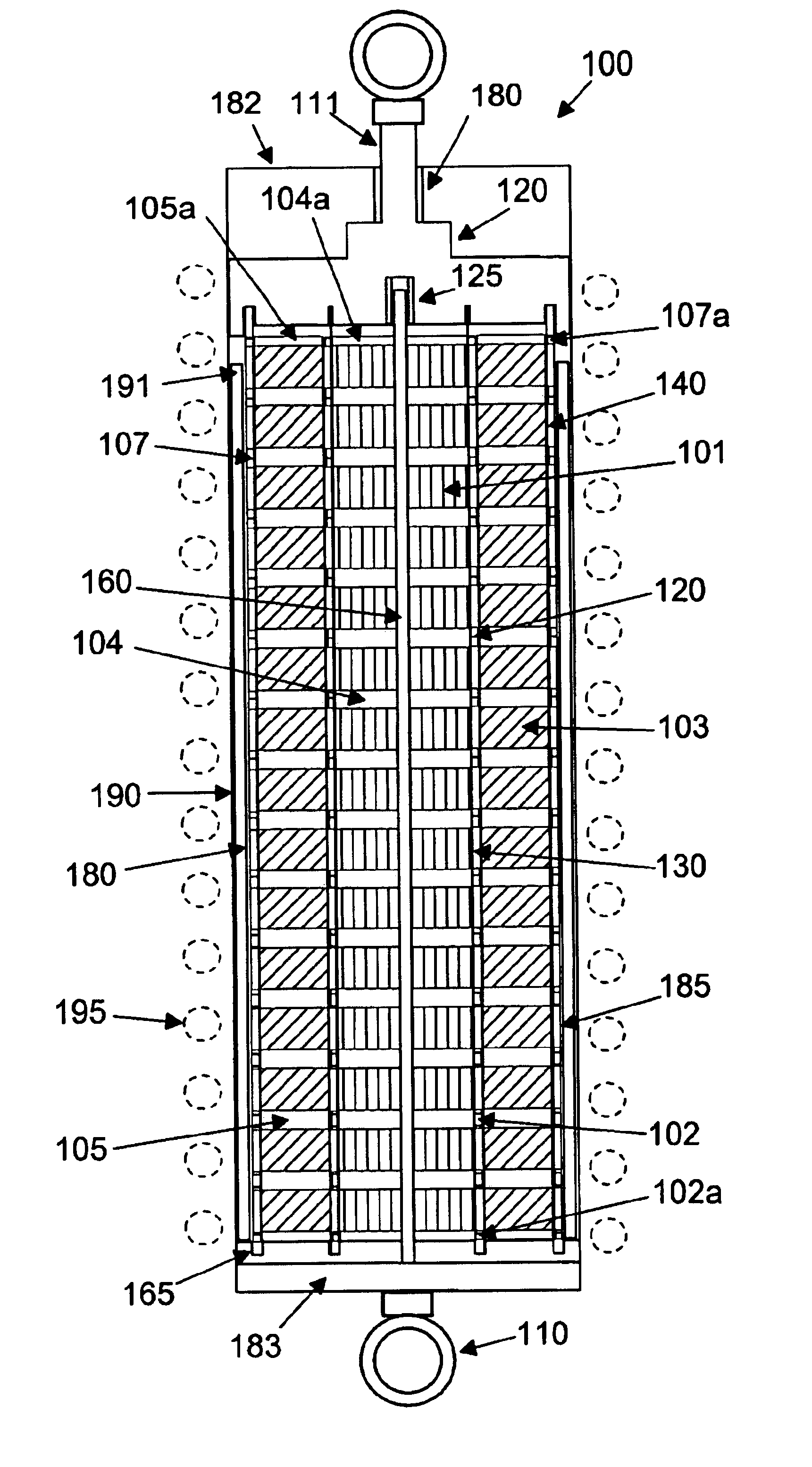
Electromagnetic linear generator and shock absorber
PatentInactiveUS6952060B2
Innovation
- A linear electromagnetic generator design that employs vector superposition of magnetic fields from multiple magnets using high magnetic permeability spacers to maximize radial magnetic flux density within coil windings, reducing magnetic field dispersion and enhancing power generation efficiency.

Urban Infrastructure Integration Standards
The integration of electromagnetic generators into urban utility systems requires adherence to comprehensive infrastructure standards that ensure seamless compatibility with existing municipal frameworks. These standards encompass electrical grid interconnection protocols, mechanical mounting specifications, and environmental compliance requirements that govern the deployment of distributed energy generation systems within metropolitan areas.
Electrical integration standards mandate compliance with IEEE 1547 interconnection requirements, which establish voltage regulation parameters, frequency synchronization protocols, and anti-islanding protection mechanisms. Urban electromagnetic generators must incorporate smart grid communication capabilities, enabling real-time monitoring and control through SCADA systems while maintaining power quality standards defined by IEC 61000 series specifications.
Physical infrastructure integration demands adherence to municipal building codes and zoning regulations that dictate installation parameters for distributed generation systems. Electromagnetic generators must comply with structural load requirements, clearance specifications, and accessibility standards outlined in NFPA 70 electrical codes. Additionally, installations must meet seismic resistance standards and wind load specifications appropriate for urban environments.
Environmental integration standards require electromagnetic generators to operate within strict noise emission limits, typically below 45 dB during nighttime hours in residential areas. Electromagnetic interference (EMI) compliance with FCC Part 15 regulations ensures minimal disruption to communication systems and electronic devices prevalent in urban settings.
Safety integration protocols mandate incorporation of arc fault detection systems, ground fault protection, and emergency shutdown capabilities that interface with municipal emergency response systems. Fire suppression integration requirements ensure compatibility with existing building safety infrastructure while maintaining operational reliability.
Data integration standards necessitate cybersecurity compliance with NIST frameworks, ensuring secure communication protocols and data encryption for smart city integration initiatives. These comprehensive standards collectively enable electromagnetic generators to function as integral components of modern urban utility infrastructure while maintaining system reliability and public safety.
Electrical integration standards mandate compliance with IEEE 1547 interconnection requirements, which establish voltage regulation parameters, frequency synchronization protocols, and anti-islanding protection mechanisms. Urban electromagnetic generators must incorporate smart grid communication capabilities, enabling real-time monitoring and control through SCADA systems while maintaining power quality standards defined by IEC 61000 series specifications.
Physical infrastructure integration demands adherence to municipal building codes and zoning regulations that dictate installation parameters for distributed generation systems. Electromagnetic generators must comply with structural load requirements, clearance specifications, and accessibility standards outlined in NFPA 70 electrical codes. Additionally, installations must meet seismic resistance standards and wind load specifications appropriate for urban environments.
Environmental integration standards require electromagnetic generators to operate within strict noise emission limits, typically below 45 dB during nighttime hours in residential areas. Electromagnetic interference (EMI) compliance with FCC Part 15 regulations ensures minimal disruption to communication systems and electronic devices prevalent in urban settings.
Safety integration protocols mandate incorporation of arc fault detection systems, ground fault protection, and emergency shutdown capabilities that interface with municipal emergency response systems. Fire suppression integration requirements ensure compatibility with existing building safety infrastructure while maintaining operational reliability.
Data integration standards necessitate cybersecurity compliance with NIST frameworks, ensuring secure communication protocols and data encryption for smart city integration initiatives. These comprehensive standards collectively enable electromagnetic generators to function as integral components of modern urban utility infrastructure while maintaining system reliability and public safety.
Environmental Impact Assessment for Urban EM Systems
The deployment of electromagnetic generators in urban environments necessitates comprehensive environmental impact evaluation to ensure sustainable integration with existing city infrastructure. Urban electromagnetic systems present unique environmental considerations that differ significantly from traditional power generation methods, requiring specialized assessment frameworks to evaluate their ecological footprint and long-term sustainability implications.
Electromagnetic field emissions constitute the primary environmental concern for urban EM systems. These generators produce varying levels of electromagnetic radiation that must comply with international exposure standards such as ICNIRP guidelines and FCC regulations. Urban deployment requires careful consideration of field strength distribution patterns, particularly in residential areas, schools, and healthcare facilities where sensitive populations may be exposed to prolonged electromagnetic fields.
Noise pollution represents another critical environmental factor requiring thorough assessment. While electromagnetic generators typically operate with lower acoustic signatures compared to conventional mechanical generators, the urban setting amplifies concerns about noise propagation through dense building structures. Frequency analysis and sound mapping studies are essential to evaluate potential impacts on urban residents and wildlife populations.
The thermal footprint of urban EM systems demands careful evaluation, particularly regarding heat island effects in densely populated areas. Electromagnetic generators produce waste heat during operation, which can contribute to localized temperature increases. Assessment protocols must examine heat dissipation patterns, cooling system requirements, and potential impacts on urban microclimates and building energy consumption patterns.
Material lifecycle assessment forms a crucial component of environmental evaluation for urban EM systems. The manufacturing, installation, operation, and end-of-life disposal of electromagnetic generators involve various materials including rare earth elements, copper conductors, and specialized magnetic materials. Urban deployment scenarios require assessment of material sourcing sustainability, recycling potential, and waste management implications within city waste streams.
Integration impacts on urban ecosystems require specialized evaluation methodologies. Electromagnetic fields can potentially affect urban wildlife, particularly bird migration patterns and insect populations. Assessment frameworks must consider cumulative effects when multiple EM systems operate within close proximity, evaluating potential electromagnetic interference with urban fauna and flora adaptation mechanisms.
Electromagnetic field emissions constitute the primary environmental concern for urban EM systems. These generators produce varying levels of electromagnetic radiation that must comply with international exposure standards such as ICNIRP guidelines and FCC regulations. Urban deployment requires careful consideration of field strength distribution patterns, particularly in residential areas, schools, and healthcare facilities where sensitive populations may be exposed to prolonged electromagnetic fields.
Noise pollution represents another critical environmental factor requiring thorough assessment. While electromagnetic generators typically operate with lower acoustic signatures compared to conventional mechanical generators, the urban setting amplifies concerns about noise propagation through dense building structures. Frequency analysis and sound mapping studies are essential to evaluate potential impacts on urban residents and wildlife populations.
The thermal footprint of urban EM systems demands careful evaluation, particularly regarding heat island effects in densely populated areas. Electromagnetic generators produce waste heat during operation, which can contribute to localized temperature increases. Assessment protocols must examine heat dissipation patterns, cooling system requirements, and potential impacts on urban microclimates and building energy consumption patterns.
Material lifecycle assessment forms a crucial component of environmental evaluation for urban EM systems. The manufacturing, installation, operation, and end-of-life disposal of electromagnetic generators involve various materials including rare earth elements, copper conductors, and specialized magnetic materials. Urban deployment scenarios require assessment of material sourcing sustainability, recycling potential, and waste management implications within city waste streams.
Integration impacts on urban ecosystems require specialized evaluation methodologies. Electromagnetic fields can potentially affect urban wildlife, particularly bird migration patterns and insect populations. Assessment frameworks must consider cumulative effects when multiple EM systems operate within close proximity, evaluating potential electromagnetic interference with urban fauna and flora adaptation mechanisms.
Unlock deeper insights with PatSnap Eureka Quick Research — get a full tech report to explore trends and direct your research. Try now!
Generate Your Research Report Instantly with AI Agent
Supercharge your innovation with PatSnap Eureka AI Agent Platform!