

Enhance Polyurethane Elastic Modulus for Structural Stability
FEB 26, 20269 MIN READ
Generate Your Research Report Instantly with AI Agent
PatSnap Eureka helps you evaluate technical feasibility & market potential.
Polyurethane Modulus Enhancement Background and Objectives
Polyurethane materials have emerged as critical components in modern engineering applications due to their unique combination of flexibility, durability, and processability. However, traditional polyurethane formulations often exhibit insufficient elastic modulus for demanding structural applications, limiting their use in load-bearing components, automotive parts, construction materials, and aerospace structures where mechanical integrity is paramount.
The evolution of polyurethane technology has been driven by the increasing demand for lightweight yet mechanically robust materials. Early polyurethane developments in the 1930s focused primarily on foam applications, but subsequent decades witnessed significant expansion into elastomeric and structural applications. The progression from simple polyether and polyester-based systems to advanced formulations incorporating various chain extenders, crosslinking agents, and reinforcing fillers represents a continuous effort to optimize mechanical properties.
Current market demands necessitate polyurethane materials that can withstand higher stress loads while maintaining their characteristic flexibility and processing advantages. Industries such as automotive manufacturing require components that can endure dynamic loading conditions, while construction applications demand materials capable of supporting structural loads over extended periods. The aerospace sector particularly emphasizes the need for high-modulus polyurethanes that can perform reliably under extreme environmental conditions.
The primary objective of enhancing polyurethane elastic modulus centers on developing formulation strategies and processing techniques that significantly increase material stiffness without compromising other desirable properties. This involves optimizing the hard segment content, incorporating reinforcing agents, and implementing advanced crosslinking mechanisms to achieve superior mechanical performance.
Key technical goals include achieving elastic modulus values exceeding 1000 MPa while maintaining acceptable elongation at break, developing temperature-stable formulations that retain mechanical properties across operational temperature ranges, and ensuring compatibility with existing manufacturing processes. Additionally, the enhancement strategies must consider cost-effectiveness and scalability for industrial implementation.
The ultimate aim is to establish polyurethane materials as viable alternatives to traditional structural materials such as metals and thermoset composites in applications where weight reduction, corrosion resistance, and design flexibility are critical factors. This technological advancement would enable new applications in emerging fields such as renewable energy infrastructure, advanced transportation systems, and next-generation construction materials.
The evolution of polyurethane technology has been driven by the increasing demand for lightweight yet mechanically robust materials. Early polyurethane developments in the 1930s focused primarily on foam applications, but subsequent decades witnessed significant expansion into elastomeric and structural applications. The progression from simple polyether and polyester-based systems to advanced formulations incorporating various chain extenders, crosslinking agents, and reinforcing fillers represents a continuous effort to optimize mechanical properties.
Current market demands necessitate polyurethane materials that can withstand higher stress loads while maintaining their characteristic flexibility and processing advantages. Industries such as automotive manufacturing require components that can endure dynamic loading conditions, while construction applications demand materials capable of supporting structural loads over extended periods. The aerospace sector particularly emphasizes the need for high-modulus polyurethanes that can perform reliably under extreme environmental conditions.
The primary objective of enhancing polyurethane elastic modulus centers on developing formulation strategies and processing techniques that significantly increase material stiffness without compromising other desirable properties. This involves optimizing the hard segment content, incorporating reinforcing agents, and implementing advanced crosslinking mechanisms to achieve superior mechanical performance.
Key technical goals include achieving elastic modulus values exceeding 1000 MPa while maintaining acceptable elongation at break, developing temperature-stable formulations that retain mechanical properties across operational temperature ranges, and ensuring compatibility with existing manufacturing processes. Additionally, the enhancement strategies must consider cost-effectiveness and scalability for industrial implementation.
The ultimate aim is to establish polyurethane materials as viable alternatives to traditional structural materials such as metals and thermoset composites in applications where weight reduction, corrosion resistance, and design flexibility are critical factors. This technological advancement would enable new applications in emerging fields such as renewable energy infrastructure, advanced transportation systems, and next-generation construction materials.
Market Demand for High-Performance Structural Polyurethanes
The global demand for high-performance structural polyurethanes has experienced substantial growth across multiple industrial sectors, driven by the increasing need for materials that combine superior mechanical properties with enhanced durability. Construction and infrastructure development represent the largest market segment, where polyurethanes with elevated elastic modulus are essential for load-bearing applications, seismic isolation systems, and structural adhesives that must maintain dimensional stability under varying environmental conditions.
Automotive and aerospace industries constitute another significant demand driver, particularly as manufacturers pursue lightweight yet structurally robust materials to improve fuel efficiency and performance. The shift toward electric vehicles has intensified requirements for polyurethane components that can withstand higher mechanical stresses while maintaining electrical insulation properties. Advanced polyurethane formulations with enhanced elastic modulus are increasingly specified for suspension systems, structural panels, and vibration dampening applications.
The renewable energy sector has emerged as a rapidly expanding market for high-performance structural polyurethanes, particularly in wind turbine blade manufacturing and solar panel mounting systems. These applications demand materials capable of withstanding extreme weather conditions, cyclic loading, and long-term exposure to environmental stressors while maintaining structural integrity over decades of operation.
Marine and offshore applications represent a specialized but growing market segment, where polyurethanes must demonstrate exceptional resistance to saltwater corrosion, UV degradation, and mechanical fatigue. The increasing development of offshore wind farms and marine infrastructure projects has created substantial demand for polyurethane systems with enhanced elastic modulus and superior environmental resistance.
Industrial manufacturing sectors, including heavy machinery, mining equipment, and material handling systems, continue to drive demand for structural polyurethanes that can replace traditional materials like steel and concrete in specific applications. The ability to achieve high elastic modulus while maintaining processability and design flexibility makes these materials particularly attractive for custom-engineered solutions.
Market growth is further supported by stringent regulatory requirements for building codes, safety standards, and environmental performance, which favor advanced polyurethane systems that can meet increasingly demanding specifications for structural applications across diverse industries.
Automotive and aerospace industries constitute another significant demand driver, particularly as manufacturers pursue lightweight yet structurally robust materials to improve fuel efficiency and performance. The shift toward electric vehicles has intensified requirements for polyurethane components that can withstand higher mechanical stresses while maintaining electrical insulation properties. Advanced polyurethane formulations with enhanced elastic modulus are increasingly specified for suspension systems, structural panels, and vibration dampening applications.
The renewable energy sector has emerged as a rapidly expanding market for high-performance structural polyurethanes, particularly in wind turbine blade manufacturing and solar panel mounting systems. These applications demand materials capable of withstanding extreme weather conditions, cyclic loading, and long-term exposure to environmental stressors while maintaining structural integrity over decades of operation.
Marine and offshore applications represent a specialized but growing market segment, where polyurethanes must demonstrate exceptional resistance to saltwater corrosion, UV degradation, and mechanical fatigue. The increasing development of offshore wind farms and marine infrastructure projects has created substantial demand for polyurethane systems with enhanced elastic modulus and superior environmental resistance.
Industrial manufacturing sectors, including heavy machinery, mining equipment, and material handling systems, continue to drive demand for structural polyurethanes that can replace traditional materials like steel and concrete in specific applications. The ability to achieve high elastic modulus while maintaining processability and design flexibility makes these materials particularly attractive for custom-engineered solutions.
Market growth is further supported by stringent regulatory requirements for building codes, safety standards, and environmental performance, which favor advanced polyurethane systems that can meet increasingly demanding specifications for structural applications across diverse industries.
Current PU Elastic Modulus Limitations and Technical Challenges
Polyurethane materials currently face significant limitations in achieving the elastic modulus levels required for demanding structural applications. Traditional PU formulations typically exhibit elastic modulus values ranging from 10-100 MPa for flexible grades and 1-3 GPa for rigid foams, which falls substantially short of the 5-15 GPa range often required for load-bearing structural components. This performance gap represents a fundamental barrier to PU adoption in aerospace, automotive chassis, and civil engineering applications where dimensional stability under stress is critical.
The molecular architecture of conventional polyurethanes inherently constrains modulus enhancement efforts. The segmented block copolymer structure, while providing excellent flexibility and impact resistance, creates regions of soft segments that limit overall stiffness. Increasing hard segment content to boost modulus often results in brittleness and processing difficulties, creating an unfavorable trade-off between mechanical properties. Additionally, the urethane linkages themselves introduce flexibility that cannot be easily eliminated without fundamentally altering the polymer chemistry.
Processing and manufacturing constraints further complicate modulus enhancement strategies. High-modulus PU formulations typically require elevated curing temperatures and extended reaction times, making them incompatible with existing production infrastructure. The increased viscosity of reinforced formulations creates challenges in achieving uniform mixing and complete mold filling, particularly for complex geometries. These processing limitations significantly increase manufacturing costs and reduce production efficiency.
Reinforcement integration presents another major technical hurdle. While fiber reinforcement can theoretically boost elastic modulus, achieving effective load transfer between the PU matrix and reinforcing elements remains problematic. Poor interfacial adhesion leads to premature failure and limits the reinforcement efficiency. Carbon fiber and glass fiber reinforcements, while effective, introduce anisotropic properties that complicate design calculations and may create weak points in multidirectional loading scenarios.
Environmental stability concerns also limit current high-modulus PU solutions. Enhanced formulations often exhibit increased sensitivity to moisture absorption, UV degradation, and thermal cycling, which can cause significant modulus reduction over time. The chemical modifications required to increase stiffness frequently compromise the inherent durability advantages that make polyurethanes attractive for long-term structural applications.
Current crosslinking approaches face scalability and consistency challenges. While chemical crosslinking can substantially increase modulus, controlling the crosslink density uniformly throughout large structural components remains technically difficult. Incomplete crosslinking creates weak zones, while excessive crosslinking leads to internal stress concentrations and reduced impact resistance.
The molecular architecture of conventional polyurethanes inherently constrains modulus enhancement efforts. The segmented block copolymer structure, while providing excellent flexibility and impact resistance, creates regions of soft segments that limit overall stiffness. Increasing hard segment content to boost modulus often results in brittleness and processing difficulties, creating an unfavorable trade-off between mechanical properties. Additionally, the urethane linkages themselves introduce flexibility that cannot be easily eliminated without fundamentally altering the polymer chemistry.
Processing and manufacturing constraints further complicate modulus enhancement strategies. High-modulus PU formulations typically require elevated curing temperatures and extended reaction times, making them incompatible with existing production infrastructure. The increased viscosity of reinforced formulations creates challenges in achieving uniform mixing and complete mold filling, particularly for complex geometries. These processing limitations significantly increase manufacturing costs and reduce production efficiency.
Reinforcement integration presents another major technical hurdle. While fiber reinforcement can theoretically boost elastic modulus, achieving effective load transfer between the PU matrix and reinforcing elements remains problematic. Poor interfacial adhesion leads to premature failure and limits the reinforcement efficiency. Carbon fiber and glass fiber reinforcements, while effective, introduce anisotropic properties that complicate design calculations and may create weak points in multidirectional loading scenarios.
Environmental stability concerns also limit current high-modulus PU solutions. Enhanced formulations often exhibit increased sensitivity to moisture absorption, UV degradation, and thermal cycling, which can cause significant modulus reduction over time. The chemical modifications required to increase stiffness frequently compromise the inherent durability advantages that make polyurethanes attractive for long-term structural applications.
Current crosslinking approaches face scalability and consistency challenges. While chemical crosslinking can substantially increase modulus, controlling the crosslink density uniformly throughout large structural components remains technically difficult. Incomplete crosslinking creates weak zones, while excessive crosslinking leads to internal stress concentrations and reduced impact resistance.
Existing Solutions for PU Elastic Modulus Enhancement
01 Polyurethane composition with controlled elastic modulus through isocyanate selection
The elastic modulus of polyurethane materials can be controlled by selecting specific types of isocyanates and adjusting their ratios in the formulation. Different isocyanate compounds, such as aromatic or aliphatic isocyanates, can significantly influence the crosslinking density and chain flexibility, thereby affecting the final elastic modulus of the polyurethane product. The molecular weight and functionality of the isocyanate component play crucial roles in determining the mechanical properties.- Polyurethane composition with controlled elastic modulus through isocyanate selection: The elastic modulus of polyurethane materials can be controlled by selecting specific types of isocyanates and adjusting their ratios in the formulation. Different isocyanate compounds, such as aromatic or aliphatic isocyanates, can significantly influence the crosslinking density and chain flexibility, thereby affecting the final elastic modulus of the polyurethane product. The molecular weight and functionality of the isocyanate component are critical parameters in determining the mechanical properties.
- Modification of elastic modulus through polyol selection and molecular weight: The elastic modulus of polyurethane can be tailored by selecting appropriate polyols with specific molecular weights and functionalities. Higher molecular weight polyols typically result in softer materials with lower elastic modulus, while lower molecular weight polyols produce harder materials with higher modulus. The type of polyol, such as polyether or polyester polyols, also plays a crucial role in determining the flexibility and stiffness of the final polyurethane product.
- Enhancement of elastic modulus through incorporation of reinforcing fillers: The elastic modulus of polyurethane materials can be significantly increased by incorporating various reinforcing fillers such as nanoparticles, fibers, or inorganic materials. These fillers enhance the mechanical strength and stiffness of the polyurethane matrix through physical reinforcement and improved load transfer mechanisms. The particle size, distribution, and surface treatment of fillers are important factors affecting the degree of modulus enhancement.
- Control of elastic modulus through chain extender and crosslinking agent optimization: The elastic modulus of polyurethane can be precisely controlled by optimizing the type and amount of chain extenders and crosslinking agents used in the formulation. Short-chain diols or diamines serve as chain extenders to increase hard segment content, resulting in higher elastic modulus. The degree of crosslinking directly correlates with the stiffness and elastic modulus of the polyurethane network structure.
- Adjustment of elastic modulus through processing conditions and curing parameters: The elastic modulus of polyurethane products can be influenced by controlling processing conditions such as curing temperature, curing time, and post-curing treatments. Higher curing temperatures and extended curing times generally promote more complete crosslinking reactions, leading to increased elastic modulus. The processing method, including casting, molding, or foaming techniques, also affects the final mechanical properties and elastic modulus of the polyurethane material.
02 Modification of polyol components to adjust elastic modulus
The elastic modulus of polyurethane can be tailored by selecting and modifying polyol components with different molecular weights, functionalities, and chemical structures. Polyols with varying hydroxyl numbers and chain lengths can be used to control the soft segment content and crystallinity of the polyurethane, which directly impacts the elastic modulus. The incorporation of specific polyether or polyester polyols enables fine-tuning of mechanical properties to meet specific application requirements.Expand Specific Solutions03 Addition of fillers and reinforcing agents to enhance elastic modulus
The elastic modulus of polyurethane materials can be significantly increased by incorporating various fillers and reinforcing agents into the polymer matrix. These additives include inorganic particles, fibers, nanoparticles, and other reinforcing materials that improve the stiffness and mechanical strength of the polyurethane. The type, size, shape, and distribution of these reinforcing agents affect the degree of modulus enhancement and overall mechanical performance.Expand Specific Solutions04 Chain extender selection and ratio optimization for elastic modulus control
The elastic modulus of polyurethane can be precisely controlled through the selection of appropriate chain extenders and optimization of their ratios relative to other components. Chain extenders with different molecular structures and functionalities influence the hard segment content and phase separation in polyurethane, which are critical factors determining the elastic modulus. The use of specific diols or diamines as chain extenders allows for systematic adjustment of mechanical properties.Expand Specific Solutions05 Processing conditions and curing parameters affecting elastic modulus
The elastic modulus of polyurethane products can be influenced by controlling processing conditions and curing parameters during manufacturing. Factors such as reaction temperature, curing time, catalyst type and concentration, and post-curing treatments affect the degree of polymerization, crosslinking density, and phase morphology of the polyurethane. Optimization of these processing parameters enables achievement of desired elastic modulus values for specific applications.Expand Specific Solutions
Key Players in Advanced Polyurethane Materials Industry
The polyurethane elastic modulus enhancement sector represents a mature yet evolving market driven by increasing demand for high-performance structural materials across automotive, construction, and industrial applications. The industry is experiencing steady growth with an estimated market size exceeding several billion dollars globally, characterized by intense competition between established chemical giants and specialized material innovators. Technology maturity varies significantly across market players, with industry leaders like Covestro Deutschland AG, BASF Corp., and Bayer AG leveraging decades of polymer chemistry expertise and extensive R&D capabilities to develop advanced polyurethane formulations. Asian manufacturers including Wanhua Chemical Group, Asahi Kasei Corp., and ShanDong Inov Polyurethane demonstrate rapidly advancing technical capabilities, while specialized companies like PolyNovo Biomaterials and Bay Materials LLC focus on niche applications requiring enhanced mechanical properties. The competitive landscape reflects a transition from traditional chemical processing toward precision-engineered materials, with academic institutions like Beijing University of Chemical Technology contributing fundamental research that drives next-generation polyurethane technologies for structural applications.
Covestro Deutschland AG
Technical Solution: Covestro has developed advanced polyurethane systems with enhanced elastic modulus through innovative cross-linking technologies and molecular design approaches. Their solutions include thermoplastic polyurethanes (TPU) with tailored hard segment content and crystallinity to achieve optimal balance between flexibility and structural rigidity. The company utilizes specialized chain extenders and cross-linking agents to create three-dimensional network structures that significantly improve mechanical properties while maintaining processability. Their polyurethane formulations incorporate reinforcing fillers and nanoparticles to further enhance elastic modulus for demanding structural applications in automotive, construction, and industrial sectors.
Strengths: Leading market position with extensive R&D capabilities and proven track record in polyurethane innovation. Comprehensive product portfolio covering various applications. Weaknesses: High development costs and complex manufacturing processes may limit cost competitiveness in price-sensitive markets.
BASF Corp.
Technical Solution: BASF employs molecular engineering approaches to enhance polyurethane elastic modulus through controlled polyol architecture and isocyanate selection. Their technology focuses on optimizing the hard-to-soft segment ratio and incorporating high-performance chain extenders like butanediol and hydroquinone bis(2-hydroxyethyl) ether. The company has developed proprietary catalyst systems that enable precise control over polymerization kinetics and cross-link density, resulting in polyurethanes with superior mechanical properties. Their solutions include reactive systems that cure to form highly cross-linked networks with enhanced stiffness while maintaining impact resistance for structural applications in construction and automotive industries.
Strengths: Strong chemical expertise and global manufacturing capabilities with established supply chains. Comprehensive technical support and customization capabilities. Weaknesses: Dependence on petrochemical feedstocks and potential environmental concerns regarding certain raw materials.
Core Innovations in Polyurethane Chain Structure Modification
High modulus polyurethane and polyurethane/urea compositions
PatentWO2009043099A1
Innovation
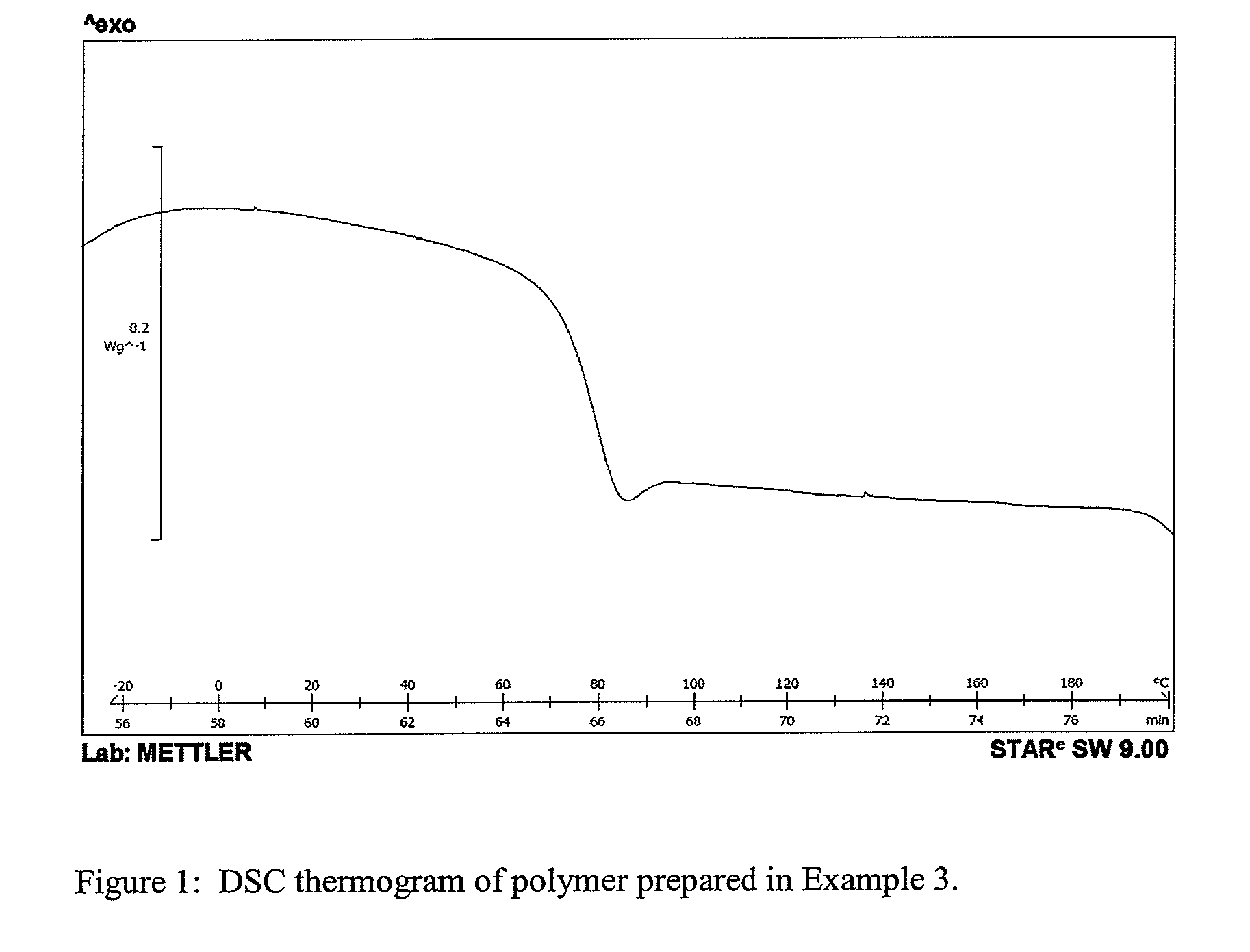
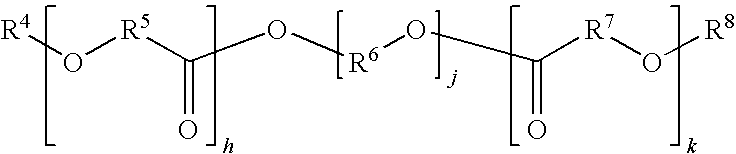
- Development of polyurethane or polyurethane/urea compositions with specific diisocyanates and chain extenders that provide a blend of high tensile strength, modulus, and elongation, maintaining mechanical properties under physiological conditions until tissue regeneration is complete, and degrading subsequently.


High modulus polyurethane and polyurethane/urea compositions
PatentActiveUS20090099600A1
Innovation
- A polyurethane or polyurethane/urea composition with a tensile strength greater than 10 MPa, a modulus of elasticity greater than 400 MPa, and an elongation at break greater than 30% is developed, achieved by using combinations of diisocyanates with different glass transition temperatures and incorporating chain extenders with hydrolysable functional groups, allowing for retention of mechanical properties under physiological conditions and eventual biodegradability.


Environmental Regulations for Polyurethane Applications
The regulatory landscape for polyurethane applications has become increasingly stringent as environmental concerns intensify globally. Multiple jurisdictions have implemented comprehensive frameworks governing the production, use, and disposal of polyurethane materials, particularly focusing on volatile organic compound emissions, chemical safety, and end-of-life management. These regulations directly impact the development of enhanced elastic modulus polyurethanes for structural applications.
In the European Union, the REACH regulation requires extensive registration and evaluation of chemical substances used in polyurethane formulations. Manufacturers must demonstrate safe use throughout the supply chain, including detailed documentation of crosslinking agents, catalysts, and additives that contribute to improved elastic modulus. The Construction Products Regulation further mandates that structural polyurethane materials meet specific performance criteria while maintaining low environmental impact.
The United States Environmental Protection Agency has established strict guidelines under the Toxic Substances Control Act, particularly targeting isocyanate-based systems commonly used in high-performance polyurethanes. Recent amendments have introduced pre-manufacture notification requirements for novel formulations designed to enhance mechanical properties, creating additional compliance burdens for manufacturers developing advanced structural materials.
Emerging regulations focus on circular economy principles, requiring manufacturers to consider recyclability and biodegradability in material design. The proposed EU Sustainable Products Initiative will likely mandate lifecycle assessments for structural polyurethanes, potentially affecting formulation strategies aimed at improving elastic modulus. These requirements may necessitate trade-offs between mechanical performance and environmental compliance.
Indoor air quality standards have become particularly relevant for structural polyurethane applications in construction. Regulations limiting formaldehyde emissions and requiring low-VOC certifications influence the selection of crosslinking systems and catalysts used to achieve desired elastic properties. Compliance with green building standards such as LEED and BREEAM has become essential for market acceptance.
Future regulatory trends indicate increasing scrutiny of microplastic generation from polyurethane degradation and enhanced requirements for chemical transparency. These evolving standards will significantly influence research directions for developing environmentally compliant, high-modulus polyurethane systems for structural applications.
In the European Union, the REACH regulation requires extensive registration and evaluation of chemical substances used in polyurethane formulations. Manufacturers must demonstrate safe use throughout the supply chain, including detailed documentation of crosslinking agents, catalysts, and additives that contribute to improved elastic modulus. The Construction Products Regulation further mandates that structural polyurethane materials meet specific performance criteria while maintaining low environmental impact.
The United States Environmental Protection Agency has established strict guidelines under the Toxic Substances Control Act, particularly targeting isocyanate-based systems commonly used in high-performance polyurethanes. Recent amendments have introduced pre-manufacture notification requirements for novel formulations designed to enhance mechanical properties, creating additional compliance burdens for manufacturers developing advanced structural materials.
Emerging regulations focus on circular economy principles, requiring manufacturers to consider recyclability and biodegradability in material design. The proposed EU Sustainable Products Initiative will likely mandate lifecycle assessments for structural polyurethanes, potentially affecting formulation strategies aimed at improving elastic modulus. These requirements may necessitate trade-offs between mechanical performance and environmental compliance.
Indoor air quality standards have become particularly relevant for structural polyurethane applications in construction. Regulations limiting formaldehyde emissions and requiring low-VOC certifications influence the selection of crosslinking systems and catalysts used to achieve desired elastic properties. Compliance with green building standards such as LEED and BREEAM has become essential for market acceptance.
Future regulatory trends indicate increasing scrutiny of microplastic generation from polyurethane degradation and enhanced requirements for chemical transparency. These evolving standards will significantly influence research directions for developing environmentally compliant, high-modulus polyurethane systems for structural applications.
Cost-Performance Analysis of Enhanced PU Materials
The economic viability of enhanced polyurethane materials with improved elastic modulus presents a complex balance between performance gains and manufacturing costs. Traditional polyurethane systems typically cost between $2-4 per kilogram, while enhanced formulations incorporating reinforcing agents such as carbon nanotubes, glass fibers, or chemical crosslinking modifiers can increase material costs by 15-40%. However, this initial investment often translates to significant long-term value through improved structural performance and extended service life.
Manufacturing process modifications required for enhanced PU materials introduce additional cost considerations. Advanced mixing equipment, precise temperature control systems, and specialized curing processes can increase production costs by 8-25% compared to standard polyurethane manufacturing. Despite these upfront investments, enhanced materials demonstrate superior cost-effectiveness in demanding applications where structural failure carries high replacement or maintenance costs.
Performance metrics reveal compelling economic advantages for enhanced polyurethane materials in specific applications. Materials with 30-50% improved elastic modulus typically exhibit 2-3 times longer service life in structural applications, effectively reducing the total cost of ownership. In construction applications, the enhanced load-bearing capacity allows for reduced material thickness, potentially offsetting higher material costs through volume savings.
Market analysis indicates that enhanced PU materials command premium pricing of 20-35% over standard grades, yet maintain strong demand in aerospace, automotive, and high-performance construction sectors. The cost differential becomes increasingly justified as application requirements become more stringent, with break-even points typically occurring within 18-24 months for most structural applications.
Return on investment calculations demonstrate that enhanced polyurethane materials achieve optimal cost-performance ratios in applications requiring elastic modulus values above 800 MPa, where the performance benefits significantly outweigh the additional material and processing costs, making them economically attractive for long-term structural stability requirements.
Manufacturing process modifications required for enhanced PU materials introduce additional cost considerations. Advanced mixing equipment, precise temperature control systems, and specialized curing processes can increase production costs by 8-25% compared to standard polyurethane manufacturing. Despite these upfront investments, enhanced materials demonstrate superior cost-effectiveness in demanding applications where structural failure carries high replacement or maintenance costs.
Performance metrics reveal compelling economic advantages for enhanced polyurethane materials in specific applications. Materials with 30-50% improved elastic modulus typically exhibit 2-3 times longer service life in structural applications, effectively reducing the total cost of ownership. In construction applications, the enhanced load-bearing capacity allows for reduced material thickness, potentially offsetting higher material costs through volume savings.
Market analysis indicates that enhanced PU materials command premium pricing of 20-35% over standard grades, yet maintain strong demand in aerospace, automotive, and high-performance construction sectors. The cost differential becomes increasingly justified as application requirements become more stringent, with break-even points typically occurring within 18-24 months for most structural applications.
Return on investment calculations demonstrate that enhanced polyurethane materials achieve optimal cost-performance ratios in applications requiring elastic modulus values above 800 MPa, where the performance benefits significantly outweigh the additional material and processing costs, making them economically attractive for long-term structural stability requirements.
Unlock deeper insights with PatSnap Eureka Quick Research — get a full tech report to explore trends and direct your research. Try now!
Generate Your Research Report Instantly with AI Agent
Supercharge your innovation with PatSnap Eureka AI Agent Platform!