

Enhancing Thixotropy for Controlled Drug Release
MAR 17, 20269 MIN READ
Generate Your Research Report Instantly with AI Agent
PatSnap Eureka helps you evaluate technical feasibility & market potential.
Thixotropic Drug Delivery Background and Objectives
Thixotropic drug delivery systems represent a sophisticated approach to pharmaceutical formulation that leverages the unique rheological properties of thixotropic materials to achieve precise control over drug release kinetics. Thixotropy, characterized by the reversible time-dependent decrease in viscosity under applied shear stress, offers unprecedented opportunities for developing intelligent drug delivery platforms that respond dynamically to physiological conditions.
The evolution of thixotropic drug delivery can be traced back to early investigations in the 1970s when researchers first recognized the potential of shear-thinning materials in pharmaceutical applications. Initial studies focused primarily on topical formulations where thixotropic properties facilitated ease of application while maintaining product stability. The field gained significant momentum in the 1990s with advances in polymer science and nanotechnology, enabling the development of more sophisticated thixotropic matrices capable of sustained and controlled drug release.
Contemporary thixotropic drug delivery systems have expanded beyond traditional gel formulations to encompass complex multi-component matrices, nanostructured carriers, and stimuli-responsive hydrogels. These systems demonstrate remarkable versatility across various administration routes, including oral, parenteral, topical, and ocular delivery. The integration of biocompatible thixotropic agents such as modified clays, polymer networks, and lipid-based systems has opened new avenues for therapeutic applications.
The primary objective of enhancing thixotropy for controlled drug release centers on achieving optimal balance between mechanical stability and responsive behavior. This involves developing formulations that maintain structural integrity during storage and handling while exhibiting predictable flow characteristics upon administration. Key technical goals include minimizing initial burst release, extending therapeutic duration, and improving patient compliance through reduced dosing frequency.
Advanced thixotropic systems aim to provide zero-order or near-zero-order release kinetics, ensuring consistent therapeutic plasma levels over extended periods. The technology seeks to address critical challenges in drug delivery, including poor bioavailability of poorly soluble drugs, localized delivery requirements, and the need for patient-friendly formulations that combine efficacy with ease of use.
The evolution of thixotropic drug delivery can be traced back to early investigations in the 1970s when researchers first recognized the potential of shear-thinning materials in pharmaceutical applications. Initial studies focused primarily on topical formulations where thixotropic properties facilitated ease of application while maintaining product stability. The field gained significant momentum in the 1990s with advances in polymer science and nanotechnology, enabling the development of more sophisticated thixotropic matrices capable of sustained and controlled drug release.
Contemporary thixotropic drug delivery systems have expanded beyond traditional gel formulations to encompass complex multi-component matrices, nanostructured carriers, and stimuli-responsive hydrogels. These systems demonstrate remarkable versatility across various administration routes, including oral, parenteral, topical, and ocular delivery. The integration of biocompatible thixotropic agents such as modified clays, polymer networks, and lipid-based systems has opened new avenues for therapeutic applications.
The primary objective of enhancing thixotropy for controlled drug release centers on achieving optimal balance between mechanical stability and responsive behavior. This involves developing formulations that maintain structural integrity during storage and handling while exhibiting predictable flow characteristics upon administration. Key technical goals include minimizing initial burst release, extending therapeutic duration, and improving patient compliance through reduced dosing frequency.
Advanced thixotropic systems aim to provide zero-order or near-zero-order release kinetics, ensuring consistent therapeutic plasma levels over extended periods. The technology seeks to address critical challenges in drug delivery, including poor bioavailability of poorly soluble drugs, localized delivery requirements, and the need for patient-friendly formulations that combine efficacy with ease of use.
Market Demand for Controlled Release Formulations
The global pharmaceutical industry is experiencing unprecedented demand for controlled release drug delivery systems, driven by the growing emphasis on personalized medicine and improved patient compliance. Healthcare providers increasingly recognize that conventional immediate-release formulations often fail to maintain therapeutic drug concentrations over extended periods, leading to frequent dosing requirements and potential patient non-adherence. This challenge has created substantial market opportunities for advanced drug delivery technologies that can provide sustained, predictable release profiles.
Chronic disease management represents the largest segment driving demand for controlled release formulations. Conditions such as diabetes, cardiovascular diseases, and neurological disorders require consistent drug plasma levels to achieve optimal therapeutic outcomes. The aging global population has intensified this need, as elderly patients often struggle with complex dosing regimens and benefit significantly from once-daily or extended-release formulations that simplify their medication schedules.
The oncology sector presents particularly compelling opportunities for thixotropic controlled release systems. Cancer treatments require precise dosing to maximize efficacy while minimizing systemic toxicity. Injectable formulations that can provide localized, sustained drug release directly at tumor sites offer significant advantages over traditional systemic administration methods. This approach reduces off-target effects and potentially improves treatment outcomes.
Regulatory frameworks worldwide are increasingly supportive of innovative drug delivery technologies. The FDA's 505(b)(2) pathway and similar regulatory mechanisms in Europe and Asia provide streamlined approval processes for reformulated drugs with enhanced delivery systems. This regulatory environment encourages pharmaceutical companies to invest in controlled release technologies as a strategy for lifecycle management and market differentiation.
Manufacturing considerations also drive market demand for thixotropic systems. These formulations offer processing advantages, including improved stability during storage and transportation, reduced manufacturing complexity compared to some alternative controlled release technologies, and enhanced scalability for commercial production. The ability to modify release profiles through formulation adjustments rather than complex manufacturing processes appeals to pharmaceutical manufacturers seeking cost-effective solutions.
Emerging markets represent significant growth opportunities for controlled release formulations. As healthcare infrastructure develops in regions such as Asia-Pacific and Latin America, there is increasing demand for sophisticated drug delivery systems that can improve treatment outcomes while reducing healthcare system burden through decreased dosing frequency and improved patient compliance.
Chronic disease management represents the largest segment driving demand for controlled release formulations. Conditions such as diabetes, cardiovascular diseases, and neurological disorders require consistent drug plasma levels to achieve optimal therapeutic outcomes. The aging global population has intensified this need, as elderly patients often struggle with complex dosing regimens and benefit significantly from once-daily or extended-release formulations that simplify their medication schedules.
The oncology sector presents particularly compelling opportunities for thixotropic controlled release systems. Cancer treatments require precise dosing to maximize efficacy while minimizing systemic toxicity. Injectable formulations that can provide localized, sustained drug release directly at tumor sites offer significant advantages over traditional systemic administration methods. This approach reduces off-target effects and potentially improves treatment outcomes.
Regulatory frameworks worldwide are increasingly supportive of innovative drug delivery technologies. The FDA's 505(b)(2) pathway and similar regulatory mechanisms in Europe and Asia provide streamlined approval processes for reformulated drugs with enhanced delivery systems. This regulatory environment encourages pharmaceutical companies to invest in controlled release technologies as a strategy for lifecycle management and market differentiation.
Manufacturing considerations also drive market demand for thixotropic systems. These formulations offer processing advantages, including improved stability during storage and transportation, reduced manufacturing complexity compared to some alternative controlled release technologies, and enhanced scalability for commercial production. The ability to modify release profiles through formulation adjustments rather than complex manufacturing processes appeals to pharmaceutical manufacturers seeking cost-effective solutions.
Emerging markets represent significant growth opportunities for controlled release formulations. As healthcare infrastructure develops in regions such as Asia-Pacific and Latin America, there is increasing demand for sophisticated drug delivery systems that can improve treatment outcomes while reducing healthcare system burden through decreased dosing frequency and improved patient compliance.
Current Thixotropic Systems Status and Challenges
Thixotropic systems have emerged as promising platforms for controlled drug release applications, leveraging their unique shear-dependent rheological properties to achieve temporal and spatial control over therapeutic agent delivery. Current thixotropic formulations primarily utilize clay-based materials, polymeric networks, and hybrid systems that exhibit reversible gel-sol transitions under mechanical stress. These systems demonstrate varying degrees of structural recovery upon cessation of applied shear forces, creating opportunities for programmable drug release profiles.
Contemporary thixotropic drug delivery systems predominantly employ bentonite, laponite, and other smectite clays as primary thixotropic agents. These materials form three-dimensional network structures through electrostatic interactions and hydrogen bonding, creating reservoirs capable of encapsulating both hydrophilic and lipophilic drugs. Polymeric thixotropic systems incorporate materials such as carbopol, xanthan gum, and modified cellulose derivatives, which offer enhanced biocompatibility and tunable rheological properties compared to inorganic alternatives.
The pharmaceutical industry has witnessed significant advancement in thixotropic gel formulations for topical, ophthalmic, and injectable applications. Current commercial products demonstrate acceptable thixotropic behavior for basic controlled release requirements, yet substantial limitations persist in achieving precise temporal control and maintaining consistent rheological properties throughout the drug release period. Existing systems often exhibit incomplete structural recovery, leading to diminished thixotropic performance over extended periods.
Major technical challenges confronting current thixotropic systems include insufficient reproducibility of rheological parameters, limited understanding of structure-property relationships, and inadequate predictive models for long-term stability. The heterogeneous nature of many thixotropic materials results in batch-to-batch variations that compromise the reliability of drug release kinetics. Additionally, the sensitivity of thixotropic properties to environmental factors such as temperature, pH, and ionic strength presents formulation challenges for maintaining consistent performance across diverse physiological conditions.
Characterization methodologies for thixotropic systems remain fragmented, with no standardized protocols for evaluating thixotropic recovery kinetics in pharmaceutical applications. Current analytical approaches often fail to capture the complex interplay between molecular-level structural changes and macroscopic rheological behavior, limiting the development of robust formulation strategies. The absence of comprehensive structure-function relationships hinders rational design approaches for optimizing thixotropic properties.
Regulatory considerations present additional challenges, as current guidelines lack specific requirements for thixotropic drug delivery systems. The complex nature of these formulations necessitates extensive characterization studies to demonstrate bioequivalence and consistent performance, increasing development costs and timelines. Furthermore, scale-up challenges from laboratory to manufacturing scale often result in altered thixotropic properties, requiring significant process optimization efforts.
Contemporary thixotropic drug delivery systems predominantly employ bentonite, laponite, and other smectite clays as primary thixotropic agents. These materials form three-dimensional network structures through electrostatic interactions and hydrogen bonding, creating reservoirs capable of encapsulating both hydrophilic and lipophilic drugs. Polymeric thixotropic systems incorporate materials such as carbopol, xanthan gum, and modified cellulose derivatives, which offer enhanced biocompatibility and tunable rheological properties compared to inorganic alternatives.
The pharmaceutical industry has witnessed significant advancement in thixotropic gel formulations for topical, ophthalmic, and injectable applications. Current commercial products demonstrate acceptable thixotropic behavior for basic controlled release requirements, yet substantial limitations persist in achieving precise temporal control and maintaining consistent rheological properties throughout the drug release period. Existing systems often exhibit incomplete structural recovery, leading to diminished thixotropic performance over extended periods.
Major technical challenges confronting current thixotropic systems include insufficient reproducibility of rheological parameters, limited understanding of structure-property relationships, and inadequate predictive models for long-term stability. The heterogeneous nature of many thixotropic materials results in batch-to-batch variations that compromise the reliability of drug release kinetics. Additionally, the sensitivity of thixotropic properties to environmental factors such as temperature, pH, and ionic strength presents formulation challenges for maintaining consistent performance across diverse physiological conditions.
Characterization methodologies for thixotropic systems remain fragmented, with no standardized protocols for evaluating thixotropic recovery kinetics in pharmaceutical applications. Current analytical approaches often fail to capture the complex interplay between molecular-level structural changes and macroscopic rheological behavior, limiting the development of robust formulation strategies. The absence of comprehensive structure-function relationships hinders rational design approaches for optimizing thixotropic properties.
Regulatory considerations present additional challenges, as current guidelines lack specific requirements for thixotropic drug delivery systems. The complex nature of these formulations necessitates extensive characterization studies to demonstrate bioequivalence and consistent performance, increasing development costs and timelines. Furthermore, scale-up challenges from laboratory to manufacturing scale often result in altered thixotropic properties, requiring significant process optimization efforts.
Existing Thixotropy Enhancement Solutions
01 Thixotropic agents in coating compositions
Thixotropic agents are incorporated into coating compositions to control viscosity and flow properties. These agents help prevent sagging and dripping during application while maintaining good leveling properties. The thixotropic behavior allows the coating to be easily applied but quickly increases in viscosity when at rest, ensuring uniform coverage and preventing run-off on vertical surfaces.- Thixotropic agents in coating compositions: Thixotropic agents are incorporated into coating compositions to control viscosity and flow properties. These agents help prevent sagging and dripping during application while maintaining good leveling properties. The thixotropic behavior allows the coating to be easily applied but quickly increases in viscosity when at rest, ensuring uniform coverage and preventing material waste.
- Thixotropic additives for adhesives and sealants: Thixotropic additives are used in adhesive and sealant formulations to improve application properties and prevent slumping on vertical surfaces. These additives provide shear-thinning behavior, allowing easy dispensing and application while maintaining structural integrity after application. The thixotropic properties ensure that the material stays in place during curing without flowing or dripping.
- Thixotropic rheology modifiers in cosmetic formulations: Rheology modifiers with thixotropic properties are employed in cosmetic products to achieve desired texture and application characteristics. These modifiers provide appropriate viscosity during storage and dispensing while allowing smooth spreading during application. The thixotropic behavior enhances user experience by providing a luxurious feel and preventing product separation or settling.
- Thixotropic behavior in cement and concrete mixtures: Thixotropic properties in cement-based materials are controlled through specific additives and mixing procedures to optimize workability and structural performance. The thixotropic nature allows the mixture to flow easily during pumping and placement but quickly regain viscosity to prevent segregation and bleeding. This behavior is particularly important for vertical applications and self-leveling concrete formulations.
- Measurement and testing methods for thixotropic properties: Various testing methods and apparatus are developed to measure and characterize thixotropic behavior of materials. These methods evaluate the time-dependent viscosity changes under different shear conditions, providing quantitative data for quality control and formulation optimization. Testing protocols include rotational viscometry, oscillatory rheology, and flow curve analysis to fully characterize thixotropic recovery and breakdown.
02 Thixotropic additives for adhesives and sealants
Thixotropic additives are used in adhesive and sealant formulations to improve their application properties and prevent slumping. These additives provide shear-thinning behavior, allowing easy dispensing and spreading while maintaining shape after application. The thixotropic properties ensure that the adhesive or sealant stays in place without flowing or dripping, particularly important for vertical or overhead applications.Expand Specific Solutions03 Thixotropic rheology modifiers in cosmetic formulations
Thixotropic rheology modifiers are employed in cosmetic products to achieve desired texture and application characteristics. These modifiers provide a gel-like consistency at rest that becomes fluid upon application, enhancing user experience. The thixotropic nature allows for easy spreading on skin while preventing the product from running or separating during storage.Expand Specific Solutions04 Thixotropic behavior in cement and construction materials
Thixotropic properties are utilized in cement-based materials and construction compounds to improve workability and placement characteristics. The materials exhibit reduced viscosity under mixing or pumping conditions but quickly regain structure when at rest. This behavior is particularly beneficial for applications requiring vertical placement or overhead installation, preventing material flow while maintaining pumpability.Expand Specific Solutions05 Measurement and control of thixotropic properties
Methods and apparatus for measuring and controlling thixotropic behavior in various materials are developed to ensure consistent product quality. These techniques involve monitoring viscosity changes under different shear conditions and adjusting formulation parameters accordingly. Proper control of thixotropic properties is essential for optimizing processing conditions and achieving desired end-use performance in applications ranging from paints to pharmaceuticals.Expand Specific Solutions
Key Players in Thixotropic Pharmaceutical Industry
The controlled drug release technology leveraging thixotropy represents a mature pharmaceutical sector experiencing steady growth, with the global controlled-release drug delivery market valued at approximately $18 billion and projected to expand at 7-8% annually. The competitive landscape is dominated by established pharmaceutical giants including Takeda Pharmaceutical, Gilead Sciences, Celgene Corp., and Boehringer Ingelheim, alongside specialized players like Selecta Biosciences and Labopharm focusing on advanced delivery systems. Technology maturity varies significantly across market participants, with major corporations like Chugai Pharmaceutical, Hanmi Pharmaceutical, and Grünenthal leveraging decades of formulation expertise, while emerging companies such as NFlection Therapeutics and Ascendis Pharma are developing novel thixotropic approaches. Academic institutions including Johns Hopkins University and University of California contribute foundational research, creating a robust innovation ecosystem that bridges laboratory discoveries with commercial applications in this established yet evolving therapeutic delivery market.
Gilead Sciences, Inc.
Technical Solution: Gilead Sciences has developed innovative thixotropic formulation technologies primarily focused on antiviral and oncology therapeutics for enhanced controlled release applications. Their proprietary platform utilizes advanced polymer-based thixotropic systems that provide sustained drug delivery while maintaining high bioavailability. The company's approach incorporates novel rheological modifiers and structured lipid carriers to create formulations with optimal flow properties during administration and controlled gelation post-delivery. Gilead's thixotropic systems have been particularly effective in developing long-acting injectable formulations for HIV prevention and treatment, with release profiles extending from monthly to quarterly dosing intervals. Their technology platform demonstrates excellent compatibility with both small molecules and complex active pharmaceutical ingredients, enabling versatile application across their therapeutic portfolio. The formulations show superior patient compliance due to reduced dosing frequency and improved tolerability profiles.
Strengths: Strong focus on antiviral applications, proven clinical success with long-acting formulations, robust intellectual property protection. Weaknesses: Limited therapeutic scope beyond antivirals, high development costs for complex thixotropic systems.
Takeda Pharmaceutical Co., Ltd.
Technical Solution: Takeda has developed sophisticated thixotropic formulation technologies focusing on gastroenterology and oncology applications for controlled drug release. Their proprietary approach utilizes thermosensitive and pH-responsive thixotropic systems that provide site-specific drug delivery with enhanced bioavailability. The company's technology platform incorporates novel hydrogel matrices with tunable thixotropic properties, allowing for precise control of drug release rates based on physiological conditions. Takeda's formulations demonstrate excellent stability profiles and can accommodate both hydrophilic and lipophilic drug compounds. Their thixotropic systems have been particularly successful in developing oral controlled-release formulations for inflammatory bowel disease treatments and injectable depot formulations for oncology applications with release periods ranging from days to several weeks.
Strengths: Diverse therapeutic applications, strong research and development capabilities, established global manufacturing network. Weaknesses: Limited focus on novel thixotropic agents, regulatory challenges in multiple markets for complex formulations.
Core Patents in Thixotropic Drug Release Systems
Thixotropic pharmaceutical compositions
PatentWO2008100032A1
Innovation
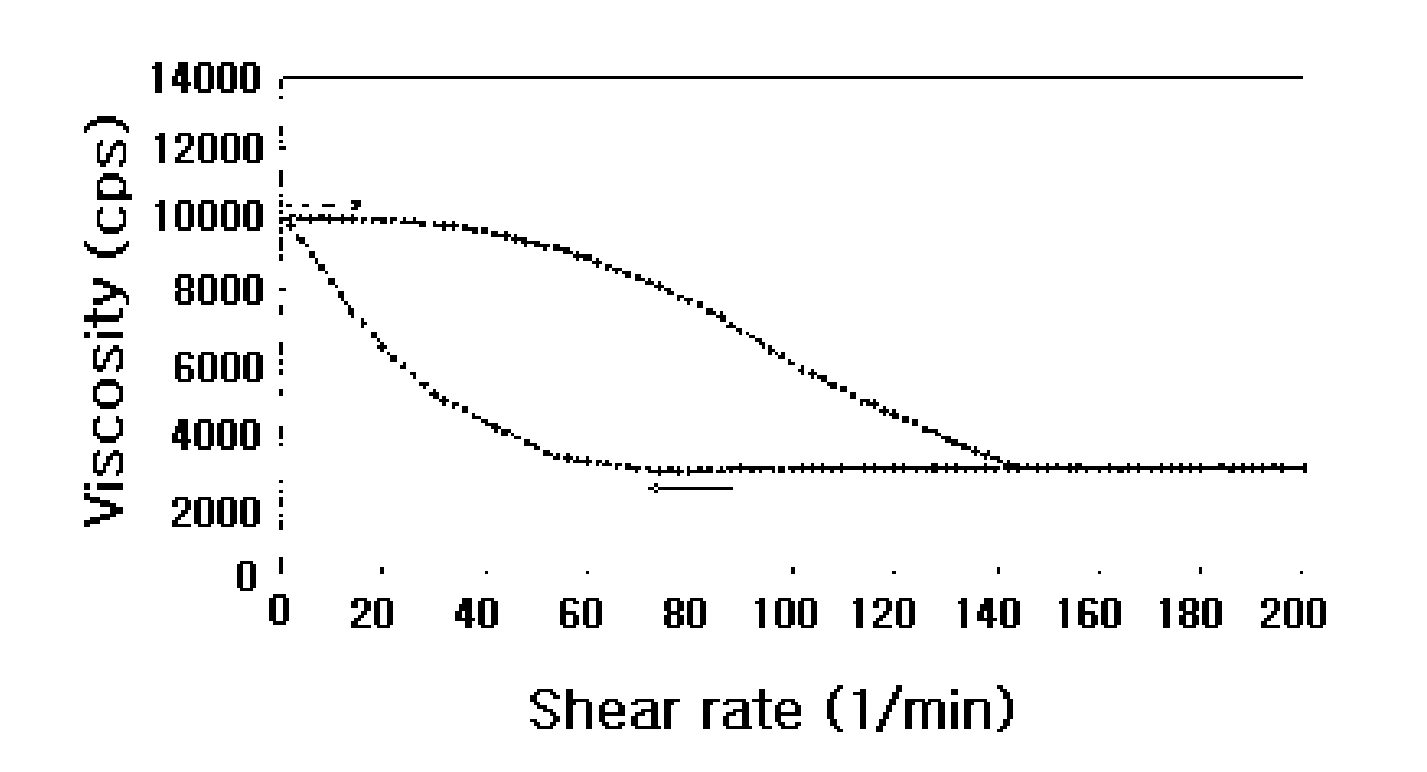
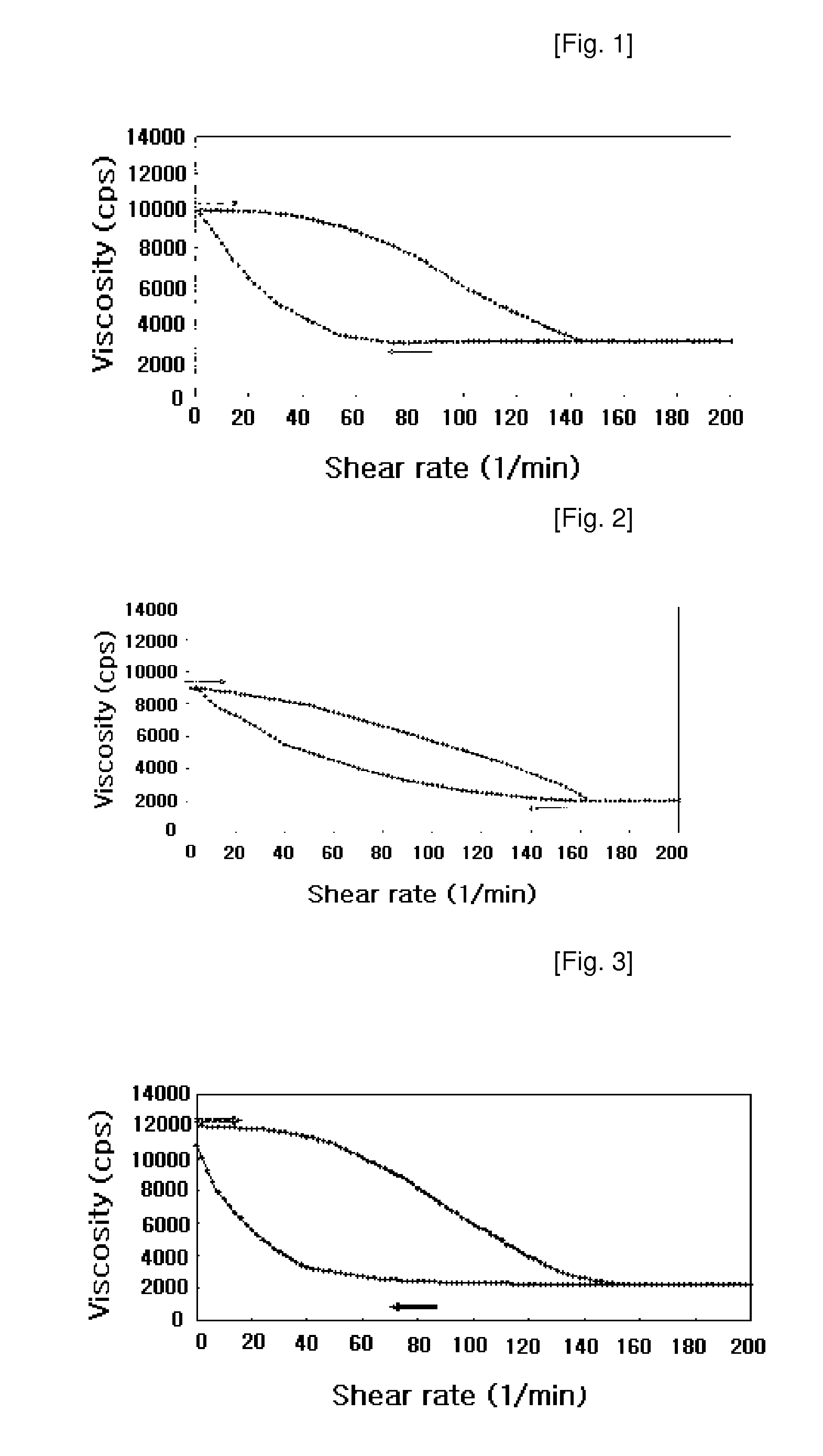
- A thixotropic pharmaceutical composition with a biocompatible thickener and optional hydrophilic thickener, allowing for isothermal and continuous gel/sol/gel transitions under mechanical stress, with a viscosity range that facilitates easy measurement, administration, and reduced energy requirements for production.


Thixotropic pharmaceutical compositions
PatentInactiveUS20100144896A1
Innovation
- A thixotropic pharmaceutical composition with a biocompatible thickener and optional hydrophilic thickener, allowing for isothermal and continuous gel/sol/gel transitions under external mechanical stress, reducing viscosity for easy measurement and administration while maintaining high initial viscosity for storage and cohesiveness.
Regulatory Framework for Thixotropic Drug Products
The regulatory landscape for thixotropic drug products presents a complex framework that requires careful navigation due to the unique rheological properties of these formulations. Current regulatory guidelines primarily focus on traditional dosage forms, creating gaps in specific requirements for thixotropic systems. The FDA's guidance documents for novel drug delivery systems provide some foundation, but lack detailed specifications for characterizing thixotropic behavior and its impact on drug release profiles.
Regulatory agencies require comprehensive characterization of thixotropic properties through standardized rheological testing protocols. These assessments must demonstrate consistent thixotropic recovery times, yield stress values, and viscosity profiles under various shear conditions. The challenge lies in establishing acceptance criteria that account for the inherent variability of thixotropic systems while ensuring therapeutic equivalence and patient safety.
Quality control specifications for thixotropic drug products must address both the pharmaceutical and rheological aspects of the formulation. Regulatory submissions require detailed analytical methods for measuring thixotropic parameters, including time-dependent viscosity recovery, structural breakdown, and reformation kinetics. These methods must be validated according to ICH guidelines, with particular attention to precision and reproducibility under different environmental conditions.
Bioequivalence studies for thixotropic formulations present unique challenges, as traditional pharmacokinetic parameters may not fully capture the impact of rheological properties on drug absorption. Regulatory agencies increasingly require in vitro dissolution studies that simulate physiological shear conditions, complemented by clinical studies that demonstrate comparable therapeutic outcomes.
Manufacturing compliance for thixotropic products demands robust process controls that monitor rheological properties throughout production. Regulatory inspections focus on the consistency of mixing procedures, storage conditions, and quality testing protocols that ensure batch-to-batch reproducibility of thixotropic characteristics.
The evolving regulatory framework shows increasing recognition of thixotropic drug products' potential, with agencies developing more specific guidelines for their evaluation. Future regulatory developments are expected to establish clearer pathways for approval, including standardized testing methodologies and acceptance criteria tailored to thixotropic formulations' unique properties.
Regulatory agencies require comprehensive characterization of thixotropic properties through standardized rheological testing protocols. These assessments must demonstrate consistent thixotropic recovery times, yield stress values, and viscosity profiles under various shear conditions. The challenge lies in establishing acceptance criteria that account for the inherent variability of thixotropic systems while ensuring therapeutic equivalence and patient safety.
Quality control specifications for thixotropic drug products must address both the pharmaceutical and rheological aspects of the formulation. Regulatory submissions require detailed analytical methods for measuring thixotropic parameters, including time-dependent viscosity recovery, structural breakdown, and reformation kinetics. These methods must be validated according to ICH guidelines, with particular attention to precision and reproducibility under different environmental conditions.
Bioequivalence studies for thixotropic formulations present unique challenges, as traditional pharmacokinetic parameters may not fully capture the impact of rheological properties on drug absorption. Regulatory agencies increasingly require in vitro dissolution studies that simulate physiological shear conditions, complemented by clinical studies that demonstrate comparable therapeutic outcomes.
Manufacturing compliance for thixotropic products demands robust process controls that monitor rheological properties throughout production. Regulatory inspections focus on the consistency of mixing procedures, storage conditions, and quality testing protocols that ensure batch-to-batch reproducibility of thixotropic characteristics.
The evolving regulatory framework shows increasing recognition of thixotropic drug products' potential, with agencies developing more specific guidelines for their evaluation. Future regulatory developments are expected to establish clearer pathways for approval, including standardized testing methodologies and acceptance criteria tailored to thixotropic formulations' unique properties.
Biocompatibility Assessment of Thixotropic Agents
The biocompatibility assessment of thixotropic agents represents a critical evaluation framework that determines the safety and efficacy of these materials in pharmaceutical applications. This assessment encompasses comprehensive testing protocols designed to evaluate how thixotropic formulations interact with biological systems at cellular, tissue, and systemic levels. The evaluation process must address both the active pharmaceutical ingredients and the thixotropic matrix components to ensure complete safety profiles.
Cytotoxicity testing forms the foundation of biocompatibility evaluation, utilizing standardized cell culture models to assess potential cellular damage or metabolic disruption. Common thixotropic agents such as carbomer, xanthan gum, and hydroxypropyl methylcellulose undergo rigorous screening using MTT assays, live/dead staining, and lactate dehydrogenase release measurements. These tests provide quantitative data on cell viability and membrane integrity when exposed to various concentrations of thixotropic formulations.
Hemocompatibility assessment evaluates the interaction between thixotropic drug delivery systems and blood components, particularly relevant for injectable formulations. This testing includes hemolysis assays, platelet aggregation studies, and coagulation pathway analysis. The assessment determines whether thixotropic agents cause red blood cell lysis, abnormal clotting, or complement activation that could lead to adverse systemic reactions.
Tissue compatibility evaluation involves both in vitro tissue models and ex vivo organ studies to assess local tissue responses. Histopathological examination of tissue samples exposed to thixotropic formulations reveals inflammatory responses, tissue necrosis, or abnormal cellular proliferation. These studies are particularly important for topical and implantable drug delivery systems where prolonged tissue contact occurs.
Immunogenicity assessment determines whether thixotropic agents trigger unwanted immune responses that could compromise treatment efficacy or patient safety. This evaluation includes cytokine release assays, dendritic cell activation studies, and complement activation testing. The assessment identifies potential allergenic properties and evaluates the risk of developing anti-drug antibodies that could neutralize therapeutic effects.
Genotoxicity screening ensures that thixotropic components do not cause DNA damage or chromosomal aberrations that could lead to carcinogenic effects. Standard protocols include Ames testing, micronucleus assays, and comet assays to detect mutagenic potential. These studies are essential for regulatory approval and long-term safety validation of thixotropic drug delivery systems.
Cytotoxicity testing forms the foundation of biocompatibility evaluation, utilizing standardized cell culture models to assess potential cellular damage or metabolic disruption. Common thixotropic agents such as carbomer, xanthan gum, and hydroxypropyl methylcellulose undergo rigorous screening using MTT assays, live/dead staining, and lactate dehydrogenase release measurements. These tests provide quantitative data on cell viability and membrane integrity when exposed to various concentrations of thixotropic formulations.
Hemocompatibility assessment evaluates the interaction between thixotropic drug delivery systems and blood components, particularly relevant for injectable formulations. This testing includes hemolysis assays, platelet aggregation studies, and coagulation pathway analysis. The assessment determines whether thixotropic agents cause red blood cell lysis, abnormal clotting, or complement activation that could lead to adverse systemic reactions.
Tissue compatibility evaluation involves both in vitro tissue models and ex vivo organ studies to assess local tissue responses. Histopathological examination of tissue samples exposed to thixotropic formulations reveals inflammatory responses, tissue necrosis, or abnormal cellular proliferation. These studies are particularly important for topical and implantable drug delivery systems where prolonged tissue contact occurs.
Immunogenicity assessment determines whether thixotropic agents trigger unwanted immune responses that could compromise treatment efficacy or patient safety. This evaluation includes cytokine release assays, dendritic cell activation studies, and complement activation testing. The assessment identifies potential allergenic properties and evaluates the risk of developing anti-drug antibodies that could neutralize therapeutic effects.
Genotoxicity screening ensures that thixotropic components do not cause DNA damage or chromosomal aberrations that could lead to carcinogenic effects. Standard protocols include Ames testing, micronucleus assays, and comet assays to detect mutagenic potential. These studies are essential for regulatory approval and long-term safety validation of thixotropic drug delivery systems.
Unlock deeper insights with PatSnap Eureka Quick Research — get a full tech report to explore trends and direct your research. Try now!
Generate Your Research Report Instantly with AI Agent
Supercharge your innovation with PatSnap Eureka AI Agent Platform!