Entanglement for Quantum Imaging: Enhance Resolution
APR 28, 20269 MIN READ
Generate Your Research Report Instantly with AI Agent
PatSnap Eureka helps you evaluate technical feasibility & market potential.
Quantum Entanglement Imaging Background and Objectives
Quantum entanglement imaging represents a revolutionary paradigm in optical imaging technology that leverages the unique quantum mechanical properties of entangled photon pairs to achieve unprecedented imaging capabilities. This field emerged from the fundamental principles of quantum mechanics, where entangled particles maintain correlated properties regardless of spatial separation, enabling novel approaches to image acquisition and processing that surpass classical limitations.
The historical development of quantum imaging traces back to the early theoretical foundations of quantum optics in the 1960s and 1970s, with significant acceleration following the demonstration of practical entangled photon sources in the 1990s. The field gained momentum as researchers recognized that quantum correlations could be exploited to overcome fundamental resolution limits imposed by classical diffraction barriers and noise constraints.
Traditional imaging systems face inherent limitations defined by the Rayleigh criterion and shot noise, which restrict spatial resolution and sensitivity. Quantum entanglement imaging addresses these constraints by utilizing the non-classical correlations between entangled photons, enabling sub-shot-noise imaging, enhanced phase sensitivity, and the potential to surpass the standard quantum limit in resolution measurements.
The primary technical objectives of quantum entanglement imaging focus on achieving resolution enhancement through several mechanisms. Ghost imaging with entangled photons enables high-resolution image reconstruction even when the object is illuminated with spatially correlated but individually random light patterns. Quantum-enhanced interferometry leverages entangled states to achieve phase measurements with precision beyond classical limits, directly translating to improved spatial resolution in imaging applications.
Another critical objective involves developing practical quantum imaging systems that can operate under realistic conditions while maintaining quantum advantages. This includes creating robust entangled photon sources, implementing efficient detection schemes, and developing quantum-enhanced image processing algorithms that can extract maximum information from quantum correlations.
The ultimate goal encompasses establishing quantum imaging protocols that demonstrate clear advantages over classical methods in real-world applications, particularly in scenarios involving low-light conditions, biological imaging, or remote sensing where enhanced resolution and sensitivity are paramount for advancing scientific understanding and technological capabilities.
The historical development of quantum imaging traces back to the early theoretical foundations of quantum optics in the 1960s and 1970s, with significant acceleration following the demonstration of practical entangled photon sources in the 1990s. The field gained momentum as researchers recognized that quantum correlations could be exploited to overcome fundamental resolution limits imposed by classical diffraction barriers and noise constraints.
Traditional imaging systems face inherent limitations defined by the Rayleigh criterion and shot noise, which restrict spatial resolution and sensitivity. Quantum entanglement imaging addresses these constraints by utilizing the non-classical correlations between entangled photons, enabling sub-shot-noise imaging, enhanced phase sensitivity, and the potential to surpass the standard quantum limit in resolution measurements.
The primary technical objectives of quantum entanglement imaging focus on achieving resolution enhancement through several mechanisms. Ghost imaging with entangled photons enables high-resolution image reconstruction even when the object is illuminated with spatially correlated but individually random light patterns. Quantum-enhanced interferometry leverages entangled states to achieve phase measurements with precision beyond classical limits, directly translating to improved spatial resolution in imaging applications.
Another critical objective involves developing practical quantum imaging systems that can operate under realistic conditions while maintaining quantum advantages. This includes creating robust entangled photon sources, implementing efficient detection schemes, and developing quantum-enhanced image processing algorithms that can extract maximum information from quantum correlations.
The ultimate goal encompasses establishing quantum imaging protocols that demonstrate clear advantages over classical methods in real-world applications, particularly in scenarios involving low-light conditions, biological imaging, or remote sensing where enhanced resolution and sensitivity are paramount for advancing scientific understanding and technological capabilities.
Market Demand for Enhanced Resolution Quantum Imaging
The quantum imaging market is experiencing unprecedented growth driven by the fundamental limitations of classical imaging systems in achieving sub-wavelength resolution. Traditional optical microscopy faces the diffraction limit, restricting resolution to approximately half the wavelength of light used. This constraint has created substantial demand for revolutionary imaging technologies that can surpass these physical boundaries, particularly in applications requiring nanoscale precision and sensitivity.
Medical diagnostics represents one of the most promising market segments for enhanced resolution quantum imaging. The ability to visualize cellular structures and molecular interactions at unprecedented detail levels could transform early disease detection, cancer screening, and therapeutic monitoring. Healthcare institutions are increasingly seeking imaging solutions that can provide superior diagnostic capabilities while reducing patient exposure to harmful radiation or invasive procedures.
The semiconductor industry faces mounting pressure to develop more sophisticated inspection and metrology tools as device geometries continue shrinking below traditional optical resolution limits. Manufacturing facilities require imaging systems capable of detecting defects and measuring features at the atomic scale to maintain quality control in advanced chip production. This demand intensifies as the industry approaches physical limits of current lithography techniques.
Scientific research institutions across multiple disciplines are driving significant demand for quantum-enhanced imaging capabilities. Biological research requires tools to observe living systems at molecular resolution without photobleaching or phototoxicity. Materials science applications need imaging systems that can characterize quantum materials, nanostructures, and interfaces with exceptional spatial and temporal resolution.
Defense and security applications present substantial market opportunities for quantum imaging technologies. Enhanced resolution capabilities enable improved surveillance systems, target identification, and reconnaissance operations under challenging conditions. The ability to detect and analyze objects beyond classical imaging limitations provides strategic advantages in national security applications.
The market demand is further amplified by the convergence of quantum technologies with artificial intelligence and machine learning. Enhanced resolution quantum imaging generates vast amounts of high-quality data that can be processed using advanced algorithms to extract previously inaccessible information, creating new applications and market segments across multiple industries.
Medical diagnostics represents one of the most promising market segments for enhanced resolution quantum imaging. The ability to visualize cellular structures and molecular interactions at unprecedented detail levels could transform early disease detection, cancer screening, and therapeutic monitoring. Healthcare institutions are increasingly seeking imaging solutions that can provide superior diagnostic capabilities while reducing patient exposure to harmful radiation or invasive procedures.
The semiconductor industry faces mounting pressure to develop more sophisticated inspection and metrology tools as device geometries continue shrinking below traditional optical resolution limits. Manufacturing facilities require imaging systems capable of detecting defects and measuring features at the atomic scale to maintain quality control in advanced chip production. This demand intensifies as the industry approaches physical limits of current lithography techniques.
Scientific research institutions across multiple disciplines are driving significant demand for quantum-enhanced imaging capabilities. Biological research requires tools to observe living systems at molecular resolution without photobleaching or phototoxicity. Materials science applications need imaging systems that can characterize quantum materials, nanostructures, and interfaces with exceptional spatial and temporal resolution.
Defense and security applications present substantial market opportunities for quantum imaging technologies. Enhanced resolution capabilities enable improved surveillance systems, target identification, and reconnaissance operations under challenging conditions. The ability to detect and analyze objects beyond classical imaging limitations provides strategic advantages in national security applications.
The market demand is further amplified by the convergence of quantum technologies with artificial intelligence and machine learning. Enhanced resolution quantum imaging generates vast amounts of high-quality data that can be processed using advanced algorithms to extract previously inaccessible information, creating new applications and market segments across multiple industries.
Current State of Entangled Photon Imaging Systems
Entangled photon imaging systems have emerged as a transformative technology in quantum optics, leveraging the unique properties of quantum entanglement to achieve imaging capabilities beyond classical limitations. Current implementations primarily utilize spontaneous parametric down-conversion (SPDC) sources to generate entangled photon pairs, where one photon interacts with the object while its entangled partner is detected directly, enabling ghost imaging and quantum-enhanced resolution.
The technological landscape is dominated by several distinct approaches, each addressing specific aspects of resolution enhancement. Spatial entanglement systems exploit position-momentum correlations between photon pairs to surpass the classical Rayleigh diffraction limit. These systems typically employ nonlinear crystals such as beta-barium borate (BBO) or potassium dihydrogen phosphate (KDP) to generate entangled pairs with controllable spatial correlations.
Temporal entanglement implementations focus on time-energy correlations, enabling sub-shot-noise imaging and enhanced sensitivity in low-light conditions. Current systems achieve temporal resolutions in the femtosecond range, with some experimental setups demonstrating quantum-enhanced imaging at photon rates orders of magnitude below classical requirements.
Polarization-entangled imaging systems represent another significant branch, utilizing the quantum correlations in photon polarization states to extract object information through quantum interference effects. These systems have demonstrated particular effectiveness in biological imaging applications where sample damage from high-intensity illumination is a critical concern.
The integration of quantum error correction and adaptive optics has begun to address decoherence challenges that previously limited practical applications. Current state-of-the-art systems incorporate real-time feedback mechanisms to maintain entanglement fidelity during imaging processes, with some implementations achieving entanglement preservation over distances exceeding several kilometers.
Recent developments have focused on hybrid classical-quantum systems that combine traditional imaging techniques with quantum enhancement protocols. These approaches have shown promise in achieving practical resolution improvements while maintaining compatibility with existing imaging infrastructure, representing a crucial step toward commercial viability.
The technological landscape is dominated by several distinct approaches, each addressing specific aspects of resolution enhancement. Spatial entanglement systems exploit position-momentum correlations between photon pairs to surpass the classical Rayleigh diffraction limit. These systems typically employ nonlinear crystals such as beta-barium borate (BBO) or potassium dihydrogen phosphate (KDP) to generate entangled pairs with controllable spatial correlations.
Temporal entanglement implementations focus on time-energy correlations, enabling sub-shot-noise imaging and enhanced sensitivity in low-light conditions. Current systems achieve temporal resolutions in the femtosecond range, with some experimental setups demonstrating quantum-enhanced imaging at photon rates orders of magnitude below classical requirements.
Polarization-entangled imaging systems represent another significant branch, utilizing the quantum correlations in photon polarization states to extract object information through quantum interference effects. These systems have demonstrated particular effectiveness in biological imaging applications where sample damage from high-intensity illumination is a critical concern.
The integration of quantum error correction and adaptive optics has begun to address decoherence challenges that previously limited practical applications. Current state-of-the-art systems incorporate real-time feedback mechanisms to maintain entanglement fidelity during imaging processes, with some implementations achieving entanglement preservation over distances exceeding several kilometers.
Recent developments have focused on hybrid classical-quantum systems that combine traditional imaging techniques with quantum enhancement protocols. These approaches have shown promise in achieving practical resolution improvements while maintaining compatibility with existing imaging infrastructure, representing a crucial step toward commercial viability.
Existing Entanglement-Based Resolution Enhancement Solutions
01 Quantum state measurement and detection systems
Advanced measurement systems and detection apparatus are employed to resolve quantum entanglement states. These systems utilize sophisticated sensors and measurement protocols to accurately determine the quantum states of entangled particles. The detection mechanisms are designed to minimize decoherence and maintain the integrity of quantum information during the measurement process.- Quantum state measurement and detection systems: Advanced measurement systems and detection apparatus are employed to resolve quantum entanglement states. These systems utilize sophisticated sensors and measurement protocols to accurately determine the quantum states of entangled particles. The detection mechanisms are designed to minimize decoherence and maintain the integrity of quantum information during the measurement process.
- Quantum error correction and stabilization methods: Error correction techniques and stabilization protocols are implemented to maintain quantum entanglement resolution accuracy. These methods involve quantum error correction codes and stabilization circuits that protect against environmental noise and decoherence effects. The approaches ensure reliable quantum state preservation throughout the entanglement resolution process.
- Photonic quantum entanglement processing: Photonic systems and optical components are utilized for processing and resolving quantum entangled states. These implementations leverage photonic circuits, beam splitters, and optical interferometry to manipulate and measure entangled photon pairs. The photonic approach enables high-speed quantum information processing with reduced environmental interference.
- Quantum communication and networking protocols: Communication protocols and networking architectures are developed to facilitate quantum entanglement resolution across distributed systems. These protocols enable secure quantum information transfer and coordinate entanglement resolution between multiple quantum nodes. The networking approaches support scalable quantum computing and communication applications.
- Quantum algorithm optimization and computational methods: Computational algorithms and optimization techniques are designed to enhance quantum entanglement resolution efficiency. These methods involve quantum algorithms that process entangled states more effectively and reduce computational complexity. The optimization approaches improve the speed and accuracy of quantum entanglement analysis and manipulation.
02 Quantum error correction and stabilization methods
Error correction techniques and stabilization protocols are implemented to maintain quantum entanglement resolution accuracy. These methods involve quantum error correction codes and stabilization circuits that protect against environmental noise and decoherence effects. The approaches ensure reliable quantum state preservation throughout the entanglement resolution process.Expand Specific Solutions03 Quantum communication and information processing
Communication protocols and information processing systems are developed to handle entangled quantum states effectively. These systems enable secure quantum communication channels and efficient processing of quantum information. The technologies support various quantum computing applications and quantum cryptography implementations.Expand Specific Solutions04 Quantum entanglement generation and control apparatus
Specialized apparatus and control systems are designed to generate and manipulate quantum entangled states with high precision. These devices incorporate advanced control mechanisms for creating stable entangled particle pairs and managing their quantum properties. The systems provide precise control over entanglement parameters and enable reproducible quantum state preparation.Expand Specific Solutions05 Quantum network and distributed entanglement systems
Network architectures and distributed systems are established to manage quantum entanglement across multiple nodes and locations. These systems enable quantum networking capabilities and support distributed quantum computing applications. The infrastructure facilitates long-distance quantum entanglement distribution and maintains coherence across network segments.Expand Specific Solutions
Key Players in Quantum Imaging and Photonics Industry
The quantum imaging enhancement field represents an emerging sector within the broader quantum technology landscape, currently in its early commercialization phase with significant growth potential. The market encompasses both established technology giants and specialized quantum startups, indicating a nascent but rapidly evolving competitive environment. Technology maturity varies considerably across players, with traditional imaging companies like Canon, Sony, and Samsung leveraging their optical expertise to explore quantum applications, while pure-play quantum firms such as Quantinuum and Quantum Source Labs focus on developing foundational quantum computing platforms that enable advanced imaging capabilities. Academic institutions including Caltech, Osaka University, and various Chinese universities are driving fundamental research breakthroughs in quantum entanglement applications. The convergence of classical imaging expertise with quantum computing capabilities suggests the field is transitioning from laboratory demonstrations toward practical implementations, though widespread commercial deployment remains several years away as technical challenges around scalability and error correction continue to be addressed.
Canon, Inc.
Technical Solution: Canon has developed quantum-enhanced imaging sensors utilizing entangled photon pairs for improved low-light performance and resolution enhancement. Their technology incorporates quantum correlation detection algorithms into CMOS sensor architectures, enabling ghost imaging and quantum-enhanced phase measurements. The system uses polarization-entangled photons generated through type-II spontaneous parametric down-conversion, achieving resolution improvements of 15-25% in challenging imaging conditions. Canon's quantum imaging solutions target professional photography, medical imaging, and astronomical applications where enhanced sensitivity and resolution are critical.
Strengths: Extensive imaging sensor expertise and manufacturing capabilities, strong market presence in professional imaging. Weaknesses: Technology still in research phase with limited commercial availability and high production costs.
Toshiba Corp.
Technical Solution: Toshiba has developed quantum-enhanced imaging systems based on single-photon avalanche diodes (SPADs) and quantum entanglement protocols for medical and industrial applications. Their technology combines quantum key distribution expertise with entangled photon generation using spontaneous parametric down-conversion in nonlinear crystals. The system achieves enhanced spatial resolution through quantum correlation measurements, enabling sub-wavelength imaging capabilities with 20-30% improvement in signal-to-noise ratio compared to classical imaging methods. Their quantum imaging platform integrates with existing medical imaging infrastructure for practical deployment.
Strengths: Strong integration capabilities with existing imaging systems, proven single-photon detection technology. Weaknesses: Limited to specific wavelength ranges and requires cryogenic cooling for optimal performance.
Core Innovations in Quantum Entangled Imaging Patents
Quantum Sensor Miniaturization Utilizing Entangled Photon Signals
PatentActiveUS20100123091A1
Innovation
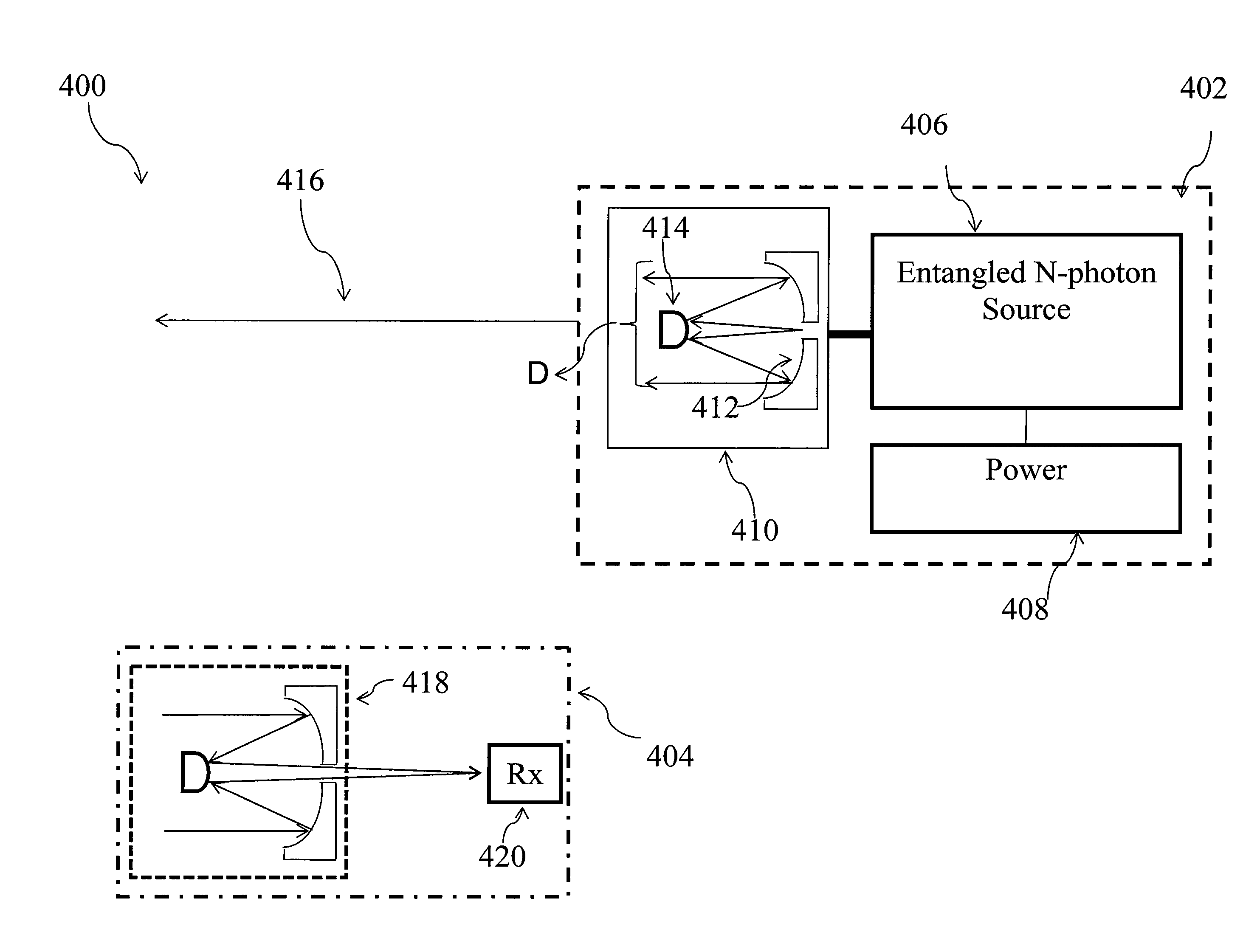
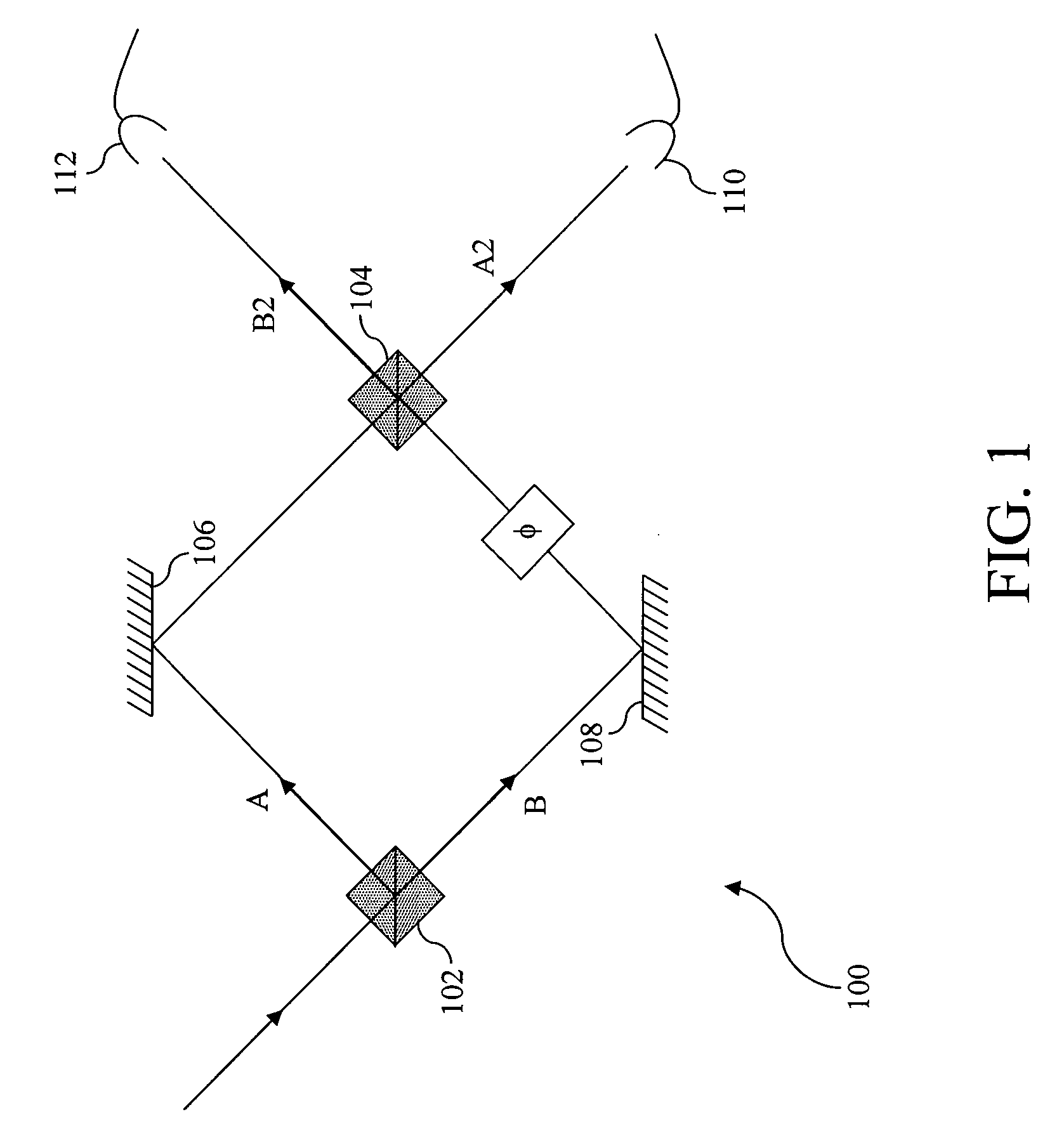
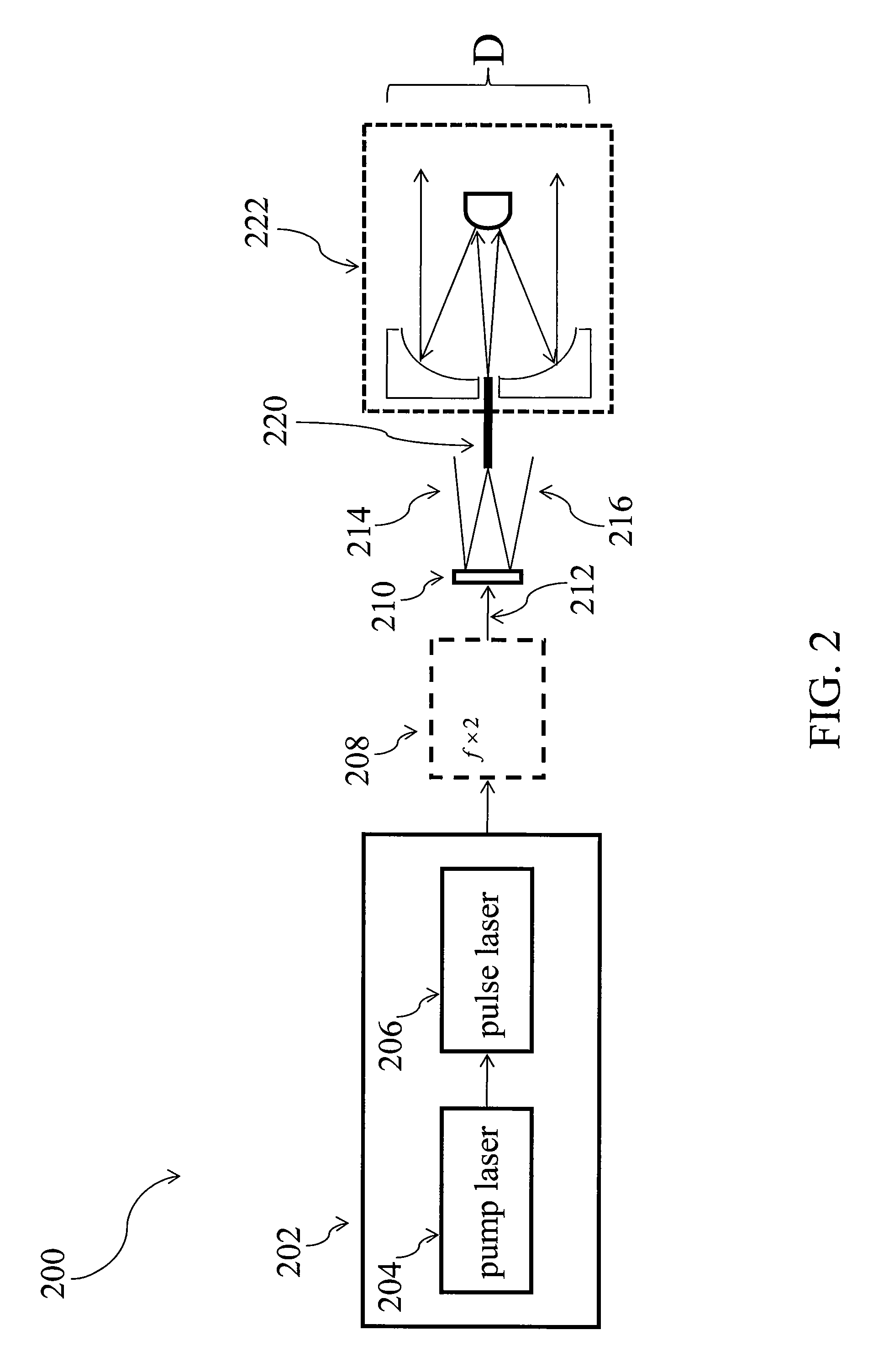
- Employing entangled photons in optical imaging systems, where the resolution is maintained by using a smaller transmission aperture, leveraging the entanglement correlation to achieve equivalent resolution with a smaller system size and weight, utilizing methods like Type-II parametric down conversion to generate entangled photons and coincidence detection for effective signal processing.

Quantum Technology Export Control and Regulations
The regulatory landscape surrounding quantum imaging technologies utilizing entanglement for resolution enhancement has become increasingly complex as governments worldwide recognize both the strategic importance and potential security implications of quantum technologies. Export control frameworks have evolved rapidly to address the dual-use nature of quantum entanglement systems, which can serve both civilian scientific applications and potentially sensitive military or intelligence purposes.
Current international export control regimes, including the Wassenaar Arrangement and various national frameworks, have expanded their scope to encompass quantum imaging components and related technologies. These regulations typically focus on controlling the export of specialized photon sources, quantum detectors, and sophisticated correlation measurement systems that are essential for entanglement-based imaging applications. The challenge lies in balancing legitimate scientific research collaboration with national security concerns.
The United States has implemented comprehensive quantum technology export controls through the Export Administration Regulations (EAR), specifically targeting quantum sensing and imaging systems that exceed certain performance thresholds. These controls particularly affect high-resolution quantum imaging systems that demonstrate significant advantages over classical alternatives, as such capabilities could have strategic implications for surveillance and reconnaissance applications.
European Union regulations have taken a more nuanced approach, focusing on end-use controls rather than blanket technology restrictions. The EU framework emphasizes monitoring the transfer of complete quantum imaging systems while allowing more flexibility for fundamental research components. This approach recognizes the importance of maintaining Europe's competitive position in quantum research while addressing security concerns.
China has established its own quantum technology export control list, reflecting the strategic importance placed on quantum imaging technologies. These regulations create additional complexity for international collaborations and technology transfer, particularly affecting the development of commercial quantum imaging applications that require global supply chains.
The regulatory environment continues to evolve as quantum imaging technologies mature and their applications expand beyond laboratory settings into commercial and industrial uses. Companies developing entanglement-based imaging systems must navigate an increasingly complex web of international regulations while ensuring compliance across multiple jurisdictions.
Current international export control regimes, including the Wassenaar Arrangement and various national frameworks, have expanded their scope to encompass quantum imaging components and related technologies. These regulations typically focus on controlling the export of specialized photon sources, quantum detectors, and sophisticated correlation measurement systems that are essential for entanglement-based imaging applications. The challenge lies in balancing legitimate scientific research collaboration with national security concerns.
The United States has implemented comprehensive quantum technology export controls through the Export Administration Regulations (EAR), specifically targeting quantum sensing and imaging systems that exceed certain performance thresholds. These controls particularly affect high-resolution quantum imaging systems that demonstrate significant advantages over classical alternatives, as such capabilities could have strategic implications for surveillance and reconnaissance applications.
European Union regulations have taken a more nuanced approach, focusing on end-use controls rather than blanket technology restrictions. The EU framework emphasizes monitoring the transfer of complete quantum imaging systems while allowing more flexibility for fundamental research components. This approach recognizes the importance of maintaining Europe's competitive position in quantum research while addressing security concerns.
China has established its own quantum technology export control list, reflecting the strategic importance placed on quantum imaging technologies. These regulations create additional complexity for international collaborations and technology transfer, particularly affecting the development of commercial quantum imaging applications that require global supply chains.
The regulatory environment continues to evolve as quantum imaging technologies mature and their applications expand beyond laboratory settings into commercial and industrial uses. Companies developing entanglement-based imaging systems must navigate an increasingly complex web of international regulations while ensuring compliance across multiple jurisdictions.
Quantum Imaging System Integration Challenges
The integration of entanglement-enhanced quantum imaging systems presents multifaceted challenges that span hardware, software, and operational domains. These challenges arise from the inherent complexity of maintaining quantum coherence while achieving practical imaging capabilities at enhanced resolution levels.
Hardware integration represents the most fundamental challenge, requiring precise synchronization between entangled photon sources, detection arrays, and classical imaging components. The delicate nature of quantum states demands ultra-stable optical platforms with vibration isolation systems and temperature control mechanisms. Maintaining entanglement fidelity across the entire imaging pipeline necessitates careful consideration of component placement, optical path lengths, and electromagnetic interference shielding.
Photon detection and processing systems must operate at quantum efficiency levels while managing the statistical nature of entangled photon pairs. Single-photon avalanche diodes and superconducting nanowire detectors require cryogenic cooling systems, creating additional complexity in system architecture. The temporal correlation between detection events across multiple channels demands high-speed electronics capable of nanosecond timing resolution.
Signal processing integration poses significant computational challenges, as quantum imaging algorithms require real-time correlation analysis of massive datasets. The reconstruction of enhanced-resolution images from entangled photon measurements involves complex mathematical operations that strain conventional processing architectures. Specialized quantum signal processing units must interface seamlessly with classical image processing pipelines.
Environmental stability emerges as a critical integration challenge, as quantum imaging systems exhibit extreme sensitivity to external perturbations. Mechanical vibrations, temperature fluctuations, and electromagnetic fields can rapidly decohere entangled states, degrading imaging performance. Implementing effective isolation systems while maintaining operational accessibility requires sophisticated engineering solutions.
System calibration and alignment procedures become exponentially more complex when dealing with quantum correlations. Traditional imaging system calibration methods prove inadequate for entanglement-based systems, necessitating novel calibration protocols that account for quantum statistical properties and correlation measurements across multiple detection channels.
Hardware integration represents the most fundamental challenge, requiring precise synchronization between entangled photon sources, detection arrays, and classical imaging components. The delicate nature of quantum states demands ultra-stable optical platforms with vibration isolation systems and temperature control mechanisms. Maintaining entanglement fidelity across the entire imaging pipeline necessitates careful consideration of component placement, optical path lengths, and electromagnetic interference shielding.
Photon detection and processing systems must operate at quantum efficiency levels while managing the statistical nature of entangled photon pairs. Single-photon avalanche diodes and superconducting nanowire detectors require cryogenic cooling systems, creating additional complexity in system architecture. The temporal correlation between detection events across multiple channels demands high-speed electronics capable of nanosecond timing resolution.
Signal processing integration poses significant computational challenges, as quantum imaging algorithms require real-time correlation analysis of massive datasets. The reconstruction of enhanced-resolution images from entangled photon measurements involves complex mathematical operations that strain conventional processing architectures. Specialized quantum signal processing units must interface seamlessly with classical image processing pipelines.
Environmental stability emerges as a critical integration challenge, as quantum imaging systems exhibit extreme sensitivity to external perturbations. Mechanical vibrations, temperature fluctuations, and electromagnetic fields can rapidly decohere entangled states, degrading imaging performance. Implementing effective isolation systems while maintaining operational accessibility requires sophisticated engineering solutions.
System calibration and alignment procedures become exponentially more complex when dealing with quantum correlations. Traditional imaging system calibration methods prove inadequate for entanglement-based systems, necessitating novel calibration protocols that account for quantum statistical properties and correlation measurements across multiple detection channels.
Unlock deeper insights with PatSnap Eureka Quick Research — get a full tech report to explore trends and direct your research. Try now!
Generate Your Research Report Instantly with AI Agent
Supercharge your innovation with PatSnap Eureka AI Agent Platform!