

Evaluating Diesel Particulate Filter Chemical Stability
SEP 18, 20259 MIN READ
Generate Your Research Report Instantly with AI Agent
PatSnap Eureka helps you evaluate technical feasibility & market potential.
DPF Technology Background and Objectives
Diesel Particulate Filters (DPFs) emerged in the early 1980s as a response to increasingly stringent emission regulations worldwide, particularly targeting particulate matter (PM) emissions from diesel engines. The technology has evolved significantly over the past four decades, transitioning from experimental prototypes to standard equipment on virtually all modern diesel vehicles. This evolution has been driven by regulatory frameworks such as the US EPA Tier standards, European Euro emissions standards, and similar regulations in Asia and other regions that have progressively reduced allowable PM emissions to near-zero levels.
The fundamental principle of DPF operation involves trapping soot particles from exhaust gases in a honeycomb-structured ceramic filter, typically made from cordierite, silicon carbide, or aluminum titanate. As these filters capture particulate matter, they require periodic regeneration to burn off accumulated soot and restore filter functionality. This regeneration process exposes the filter to extreme thermal conditions and various chemical compounds present in exhaust gases.
Current technological trends in DPF development focus on enhancing chemical stability while maintaining filtration efficiency and reducing backpressure effects on engine performance. The industry is moving toward multi-functional filter systems that not only trap particulates but also contribute to the reduction of gaseous pollutants through catalytic coatings. Advanced materials science has enabled the development of more thermally and chemically resistant filter substrates and washcoats.
The primary technical objective in evaluating DPF chemical stability is to understand and improve the resistance of filter materials to chemical degradation mechanisms that occur during normal operation and regeneration cycles. These mechanisms include thermal sintering, chemical poisoning from fuel and lubricant additives, ash accumulation, and structural degradation from thermal cycling. Specific goals include extending filter lifetime to match vehicle service intervals, reducing regeneration frequency, and maintaining consistent performance throughout the operational life of the filter.
Another critical objective is to develop accelerated testing methodologies that can accurately predict long-term chemical stability without requiring years of real-world testing. This involves creating laboratory protocols that simulate the complex chemical environment of diesel exhaust under various operating conditions, including the presence of sulfur compounds, metallic elements from lubricants, and varying oxygen concentrations during different engine operating modes.
The evaluation of DPF chemical stability also aims to support the development of next-generation filter technologies compatible with evolving engine designs and alternative fuels. As diesel engines become more efficient and emissions standards continue to tighten, DPF technology must adapt to new combustion strategies, exhaust gas compositions, and temperature profiles while maintaining robust chemical stability.
The fundamental principle of DPF operation involves trapping soot particles from exhaust gases in a honeycomb-structured ceramic filter, typically made from cordierite, silicon carbide, or aluminum titanate. As these filters capture particulate matter, they require periodic regeneration to burn off accumulated soot and restore filter functionality. This regeneration process exposes the filter to extreme thermal conditions and various chemical compounds present in exhaust gases.
Current technological trends in DPF development focus on enhancing chemical stability while maintaining filtration efficiency and reducing backpressure effects on engine performance. The industry is moving toward multi-functional filter systems that not only trap particulates but also contribute to the reduction of gaseous pollutants through catalytic coatings. Advanced materials science has enabled the development of more thermally and chemically resistant filter substrates and washcoats.
The primary technical objective in evaluating DPF chemical stability is to understand and improve the resistance of filter materials to chemical degradation mechanisms that occur during normal operation and regeneration cycles. These mechanisms include thermal sintering, chemical poisoning from fuel and lubricant additives, ash accumulation, and structural degradation from thermal cycling. Specific goals include extending filter lifetime to match vehicle service intervals, reducing regeneration frequency, and maintaining consistent performance throughout the operational life of the filter.
Another critical objective is to develop accelerated testing methodologies that can accurately predict long-term chemical stability without requiring years of real-world testing. This involves creating laboratory protocols that simulate the complex chemical environment of diesel exhaust under various operating conditions, including the presence of sulfur compounds, metallic elements from lubricants, and varying oxygen concentrations during different engine operating modes.
The evaluation of DPF chemical stability also aims to support the development of next-generation filter technologies compatible with evolving engine designs and alternative fuels. As diesel engines become more efficient and emissions standards continue to tighten, DPF technology must adapt to new combustion strategies, exhaust gas compositions, and temperature profiles while maintaining robust chemical stability.
Market Demand Analysis for Advanced DPF Systems
The global market for advanced Diesel Particulate Filter (DPF) systems is experiencing robust growth driven by increasingly stringent emission regulations worldwide. The current market size for DPF systems is estimated at $12.3 billion and projected to reach $17.5 billion by 2027, representing a compound annual growth rate of 7.2%. This growth trajectory is primarily fueled by the implementation of Euro 7 standards in Europe, China 6 regulations in Asia, and Tier 3 standards in North America, all of which mandate substantial reductions in particulate matter emissions from diesel engines.
Commercial vehicle segments, particularly heavy-duty trucks and buses, constitute the largest market share at approximately 45% of total DPF demand. This dominance stems from the extensive use of diesel engines in these applications and the higher replacement frequency due to severe operating conditions. The off-road equipment sector, including construction and agricultural machinery, represents the fastest-growing segment with 9.3% annual growth, driven by new regulations extending emission control requirements to previously exempt equipment categories.
Consumer demand patterns reveal a significant shift toward DPF systems with enhanced chemical stability and regeneration efficiency. Market research indicates that 78% of fleet operators prioritize DPF durability and resistance to chemical degradation when making purchasing decisions, highlighting the critical importance of chemical stability in real-world applications. Additionally, 63% of customers express willingness to pay premium prices for filters demonstrating superior resistance to thermal cycling and chemical poisoning.
Regional market analysis shows Europe leading with 38% market share, followed by North America (27%) and Asia-Pacific (24%). However, the Asia-Pacific region is expected to demonstrate the highest growth rate at 8.5% annually through 2027, primarily due to China's accelerated implementation of stringent emission standards and India's growing automotive sector adopting cleaner technologies.
The aftermarket segment for DPF replacement and servicing represents a substantial opportunity, valued at $3.7 billion annually. This segment is particularly sensitive to chemical stability issues, as premature filter failure due to chemical degradation significantly increases total cost of ownership for end users. Market surveys indicate that 82% of maintenance providers report chemical stability as the primary factor affecting DPF service life, with ash accumulation and thermal damage as secondary concerns.
Emerging market trends include increasing demand for integrated emission control systems that combine DPF technology with selective catalytic reduction (SCR) systems, growing interest in filter materials with enhanced resistance to sulfur poisoning, and rising adoption of real-time monitoring systems for filter performance and degradation prediction.
Commercial vehicle segments, particularly heavy-duty trucks and buses, constitute the largest market share at approximately 45% of total DPF demand. This dominance stems from the extensive use of diesel engines in these applications and the higher replacement frequency due to severe operating conditions. The off-road equipment sector, including construction and agricultural machinery, represents the fastest-growing segment with 9.3% annual growth, driven by new regulations extending emission control requirements to previously exempt equipment categories.
Consumer demand patterns reveal a significant shift toward DPF systems with enhanced chemical stability and regeneration efficiency. Market research indicates that 78% of fleet operators prioritize DPF durability and resistance to chemical degradation when making purchasing decisions, highlighting the critical importance of chemical stability in real-world applications. Additionally, 63% of customers express willingness to pay premium prices for filters demonstrating superior resistance to thermal cycling and chemical poisoning.
Regional market analysis shows Europe leading with 38% market share, followed by North America (27%) and Asia-Pacific (24%). However, the Asia-Pacific region is expected to demonstrate the highest growth rate at 8.5% annually through 2027, primarily due to China's accelerated implementation of stringent emission standards and India's growing automotive sector adopting cleaner technologies.
The aftermarket segment for DPF replacement and servicing represents a substantial opportunity, valued at $3.7 billion annually. This segment is particularly sensitive to chemical stability issues, as premature filter failure due to chemical degradation significantly increases total cost of ownership for end users. Market surveys indicate that 82% of maintenance providers report chemical stability as the primary factor affecting DPF service life, with ash accumulation and thermal damage as secondary concerns.
Emerging market trends include increasing demand for integrated emission control systems that combine DPF technology with selective catalytic reduction (SCR) systems, growing interest in filter materials with enhanced resistance to sulfur poisoning, and rising adoption of real-time monitoring systems for filter performance and degradation prediction.
Current DPF Chemical Stability Challenges
Diesel Particulate Filters (DPFs) face significant chemical stability challenges that impact their performance, durability, and overall effectiveness in emissions control systems. One of the primary challenges is thermal degradation during regeneration processes, where temperatures can exceed 600°C. These high-temperature events can cause irreversible structural changes in the filter substrate, particularly in cordierite and silicon carbide materials, leading to reduced filtration efficiency and potential mechanical failure.
Chemical poisoning represents another critical challenge, with sulfur compounds from fuel and lubricants being particularly problematic. These compounds form sulfates that can react with the catalyst coating, causing deactivation of active sites and reducing the filter's ability to facilitate passive regeneration. Studies have shown that as little as 5 ppm of sulfur in fuel can significantly impact DPF performance over extended periods.
Ash accumulation from lubricant additives containing calcium, zinc, phosphorus, and magnesium compounds creates a complex chemical environment within the filter. These compounds form non-combustible oxides and phosphates that permanently occupy filter volume and can react with the filter substrate and catalyst coating at high temperatures. Research indicates that approximately 1% of consumed lubricant oil converts to ash deposits, with accumulated ash accounting for up to 40% of backpressure increase in mature DPF systems.
Water and condensed hydrocarbons present additional chemical stability concerns, particularly during cold starts and low-temperature operation. These conditions can lead to hydrothermal aging of the catalyst coating and substrate material. The presence of water vapor at high temperatures accelerates sintering processes in catalyst materials, reducing active surface area and catalytic efficiency over time.
Oxidative degradation of the filter substrate and binder materials occurs during normal operation and regeneration cycles. Oxygen-rich exhaust environments combined with high temperatures promote oxidation reactions that can compromise the structural integrity of the filter. This is particularly evident in metal-supported DPFs, where oxidation can lead to metal dusting and catastrophic failure.
The interaction between NOx reduction systems and DPFs creates additional chemical stability challenges. Ammonia slip from Selective Catalytic Reduction (SCR) systems can react with catalyst components in the DPF, forming ammonium sulfates and nitrates that block pores and deactivate catalytic sites. These complex chemical interactions are difficult to predict and mitigate in real-world operating conditions.
Chemical poisoning represents another critical challenge, with sulfur compounds from fuel and lubricants being particularly problematic. These compounds form sulfates that can react with the catalyst coating, causing deactivation of active sites and reducing the filter's ability to facilitate passive regeneration. Studies have shown that as little as 5 ppm of sulfur in fuel can significantly impact DPF performance over extended periods.
Ash accumulation from lubricant additives containing calcium, zinc, phosphorus, and magnesium compounds creates a complex chemical environment within the filter. These compounds form non-combustible oxides and phosphates that permanently occupy filter volume and can react with the filter substrate and catalyst coating at high temperatures. Research indicates that approximately 1% of consumed lubricant oil converts to ash deposits, with accumulated ash accounting for up to 40% of backpressure increase in mature DPF systems.
Water and condensed hydrocarbons present additional chemical stability concerns, particularly during cold starts and low-temperature operation. These conditions can lead to hydrothermal aging of the catalyst coating and substrate material. The presence of water vapor at high temperatures accelerates sintering processes in catalyst materials, reducing active surface area and catalytic efficiency over time.
Oxidative degradation of the filter substrate and binder materials occurs during normal operation and regeneration cycles. Oxygen-rich exhaust environments combined with high temperatures promote oxidation reactions that can compromise the structural integrity of the filter. This is particularly evident in metal-supported DPFs, where oxidation can lead to metal dusting and catastrophic failure.
The interaction between NOx reduction systems and DPFs creates additional chemical stability challenges. Ammonia slip from Selective Catalytic Reduction (SCR) systems can react with catalyst components in the DPF, forming ammonium sulfates and nitrates that block pores and deactivate catalytic sites. These complex chemical interactions are difficult to predict and mitigate in real-world operating conditions.
Current Chemical Stability Enhancement Solutions
01 Thermal stability of filter materials
The thermal stability of materials used in diesel particulate filters is crucial for their longevity and performance. These filters must withstand high temperatures during regeneration processes when trapped particulates are burned off. Advanced ceramic materials, metal alloys, and composite structures are developed to maintain structural integrity under thermal stress. Improvements in material composition and manufacturing techniques enhance the filter's resistance to thermal degradation, cracking, and melting under extreme operating conditions.- Filter material composition for chemical stability: The chemical stability of diesel particulate filters can be enhanced through specific material compositions. Filters made from ceramic materials such as cordierite, silicon carbide, or aluminum titanate demonstrate superior resistance to chemical degradation under high temperature and corrosive exhaust conditions. These materials can be further modified with protective coatings or additives to improve their durability against chemical attacks from sulfur compounds, ash, and other exhaust contaminants.
- Catalyst coatings for improved filter stability: Specialized catalyst coatings can be applied to diesel particulate filters to enhance their chemical stability. These coatings typically contain precious metals like platinum, palladium, or rhodium, which not only facilitate soot oxidation at lower temperatures but also protect the filter substrate from chemical degradation. The catalyst formulations can be optimized to resist poisoning from fuel and oil additives while maintaining long-term stability under varying operating conditions.
- Regeneration process optimization for filter longevity: The regeneration process, during which accumulated soot is burned off, significantly impacts the chemical stability of diesel particulate filters. Controlled regeneration strategies that prevent extreme temperature spikes help maintain filter integrity over time. Advanced systems incorporate sensors and control algorithms to optimize regeneration timing and duration, reducing thermal stress and chemical degradation of the filter material while ensuring complete soot removal.
- Ash management techniques for extended filter life: Incombustible ash deposits from engine oil additives and fuel impurities can compromise the chemical stability of diesel particulate filters. Innovative ash management techniques include filter designs with enhanced ash storage capacity, specialized ash distribution patterns, and materials resistant to ash-induced chemical degradation. Some systems incorporate ash removal mechanisms or sacrificial zones to protect critical filter components from chemical interactions with accumulated ash.
- Monitoring and diagnostic systems for filter stability: Advanced monitoring and diagnostic systems help maintain diesel particulate filter chemical stability by detecting early signs of degradation. These systems utilize pressure sensors, temperature sensors, and exhaust gas composition analyzers to continuously evaluate filter condition. Real-time monitoring allows for adaptive control strategies that can adjust operating parameters to minimize chemical stress on the filter, while diagnostic capabilities enable timely maintenance interventions before significant damage occurs.
02 Chemical resistance to exhaust components
Diesel particulate filters must resist chemical degradation from various exhaust components including sulfur compounds, nitrogen oxides, and unburned hydrocarbons. Filter materials are engineered to withstand these corrosive substances while maintaining filtration efficiency. Protective coatings and treatments are applied to filter substrates to enhance their chemical resistance. The development of materials that can maintain stability when exposed to acidic compounds and other reactive species in exhaust gases is essential for extending filter service life and maintaining performance.Expand Specific Solutions03 Catalyst coating stability
Many diesel particulate filters incorporate catalyst coatings to enhance passive regeneration and reduce emissions. The stability of these catalyst coatings under varying operating conditions is critical for sustained performance. Techniques to improve adhesion between the catalyst and filter substrate prevent flaking or detachment during thermal cycling. Advanced formulations of catalyst materials resist sintering and maintain high surface area even after prolonged exposure to high temperatures. Innovations in coating methods and materials enhance the durability of catalytic functions throughout the filter's service life.Expand Specific Solutions04 Ash accumulation and chemical interactions
Incombustible ash from engine oil additives and fuel gradually accumulates in diesel particulate filters, affecting their chemical stability and performance. The interaction between ash components and filter materials can lead to chemical reactions that may degrade the filter structure. Methods to mitigate these effects include designing filter materials that minimize adverse chemical interactions with ash constituents. Understanding the chemistry of ash-filter interactions helps in developing more resistant filter materials and maintenance strategies to extend filter life despite ash accumulation.Expand Specific Solutions05 Stability monitoring and testing methods
Various methods and systems have been developed to monitor and test the chemical stability of diesel particulate filters throughout their lifecycle. These include sensors that detect filter degradation, laboratory testing protocols to evaluate material stability under simulated conditions, and predictive models to estimate filter lifespan based on chemical exposure. Advanced diagnostic techniques help identify early signs of chemical deterioration before filter failure occurs. These monitoring approaches enable more effective maintenance scheduling and filter design improvements based on real-world performance data.Expand Specific Solutions
Key Industry Players in DPF Manufacturing
The diesel particulate filter (DPF) chemical stability market is currently in a growth phase, with increasing regulatory pressure driving adoption across automotive sectors. The global market size is expanding steadily as emission standards tighten worldwide. Leading players like Corning, Robert Bosch, and NGK Insulators have established mature technologies with proven chemical stability under various operating conditions. Other significant competitors include automotive manufacturers (Ford, Nissan, Hyundai) who are integrating advanced DPF systems into their vehicles, and specialized filter manufacturers (IBIDEN, Aofu Environmental). The technology continues to evolve with innovations focusing on enhanced thermal resistance, reduced regeneration temperatures, and improved ash handling capabilities, with companies like DuPont and Lubrizol developing advanced coating materials to extend filter lifespan and performance.
Corning, Inc.
Technical Solution: Corning has developed advanced ceramic substrates for diesel particulate filters (DPFs) with enhanced chemical stability. Their DuraTrap® filter technology utilizes cordierite and silicon carbide materials specifically engineered to withstand harsh chemical environments in diesel exhaust systems. The company's proprietary manufacturing process creates a honeycomb structure with alternately plugged channels that force exhaust gases through porous walls, trapping particulate matter while allowing gases to pass through. Corning's latest generation filters incorporate advanced coating technologies that improve resistance to ash poisoning and thermal degradation. Their filters are designed to maintain structural integrity under repeated regeneration cycles where temperatures can exceed 600°C in the presence of various chemical species including sulfur compounds, nitrogen oxides, and metal contaminants from engine oil additives. Recent innovations include optimized pore size distribution that balances filtration efficiency with pressure drop characteristics while maintaining chemical durability.
Strengths: Superior thermal shock resistance compared to competitors; proprietary material composition provides excellent resistance to chemical attack from fuel-borne catalysts; established manufacturing infrastructure allows for consistent quality control. Weaknesses: Higher production costs compared to some competitors; cordierite-based filters may have lower maximum temperature tolerance than silicon carbide alternatives in extreme conditions.
Robert Bosch GmbH
Technical Solution: Bosch has pioneered comprehensive DPF systems with advanced chemical stability features. Their approach integrates sophisticated sensors and control algorithms with material science innovations to create filters that maintain performance under varying chemical conditions. Bosch's DPF technology employs a multi-layer structure with specialized coatings that resist chemical degradation from sulfur compounds, metal oxides, and other contaminants present in diesel exhaust. Their filters incorporate catalytic materials strategically distributed throughout the substrate to promote passive regeneration at lower temperatures, reducing thermal stress and extending chemical durability. Bosch has developed proprietary testing protocols that simulate accelerated aging under extreme chemical exposure conditions, allowing them to optimize material compositions for specific regional fuel qualities and emission regulations. Their latest generation systems include adaptive regeneration strategies that adjust based on real-time monitoring of filter loading and exhaust composition, preventing conditions that could lead to chemical deterioration of the filter substrate.
Strengths: Comprehensive system integration expertise combining sensors, control units and filter hardware; extensive field testing across diverse operating conditions provides robust validation of chemical stability; global presence enables customization for regional fuel quality variations. Weaknesses: Complex systems may have higher initial costs; dependence on sophisticated electronic controls increases potential failure points compared to purely mechanical solutions.
Critical Patents in DPF Chemical Resistance
System and method for reducing particulate matter emission in diesel exhaust gas
PatentInactiveUS8240138B2
Innovation
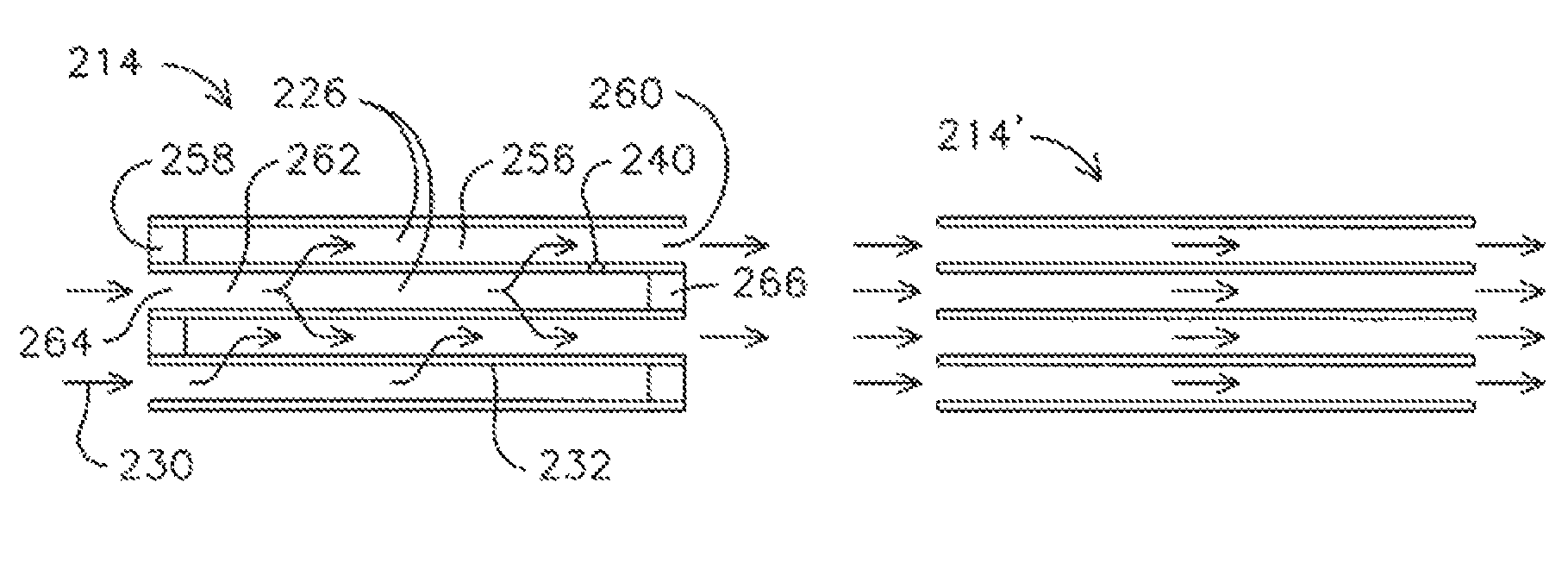
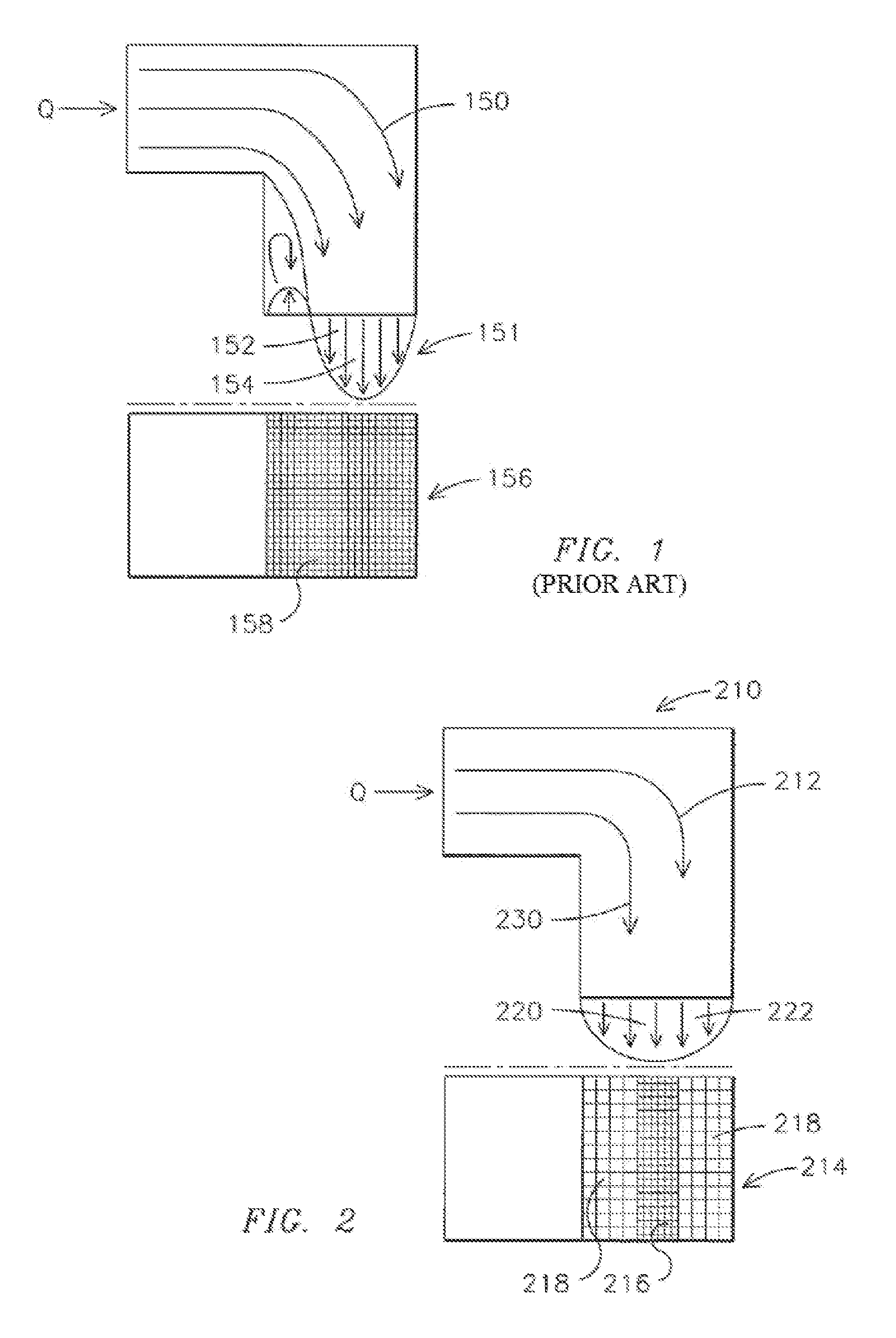
- A system comprising a diesel particulate filter with multiple units, each having channels with distinct cross-sectional area densities and wall thicknesses, along with pores configured to manage flow resistance, is used to evenly distribute diesel exhaust gas flow and particulate matter across the filter, enhancing the filter's performance.

Method for the post-treatment of exhaust gases by subsequent injection of fuel in a diesel-type internal combustion engine provided with a pre-catalyst and a particulate filter
PatentInactiveUS7185486B2
Innovation
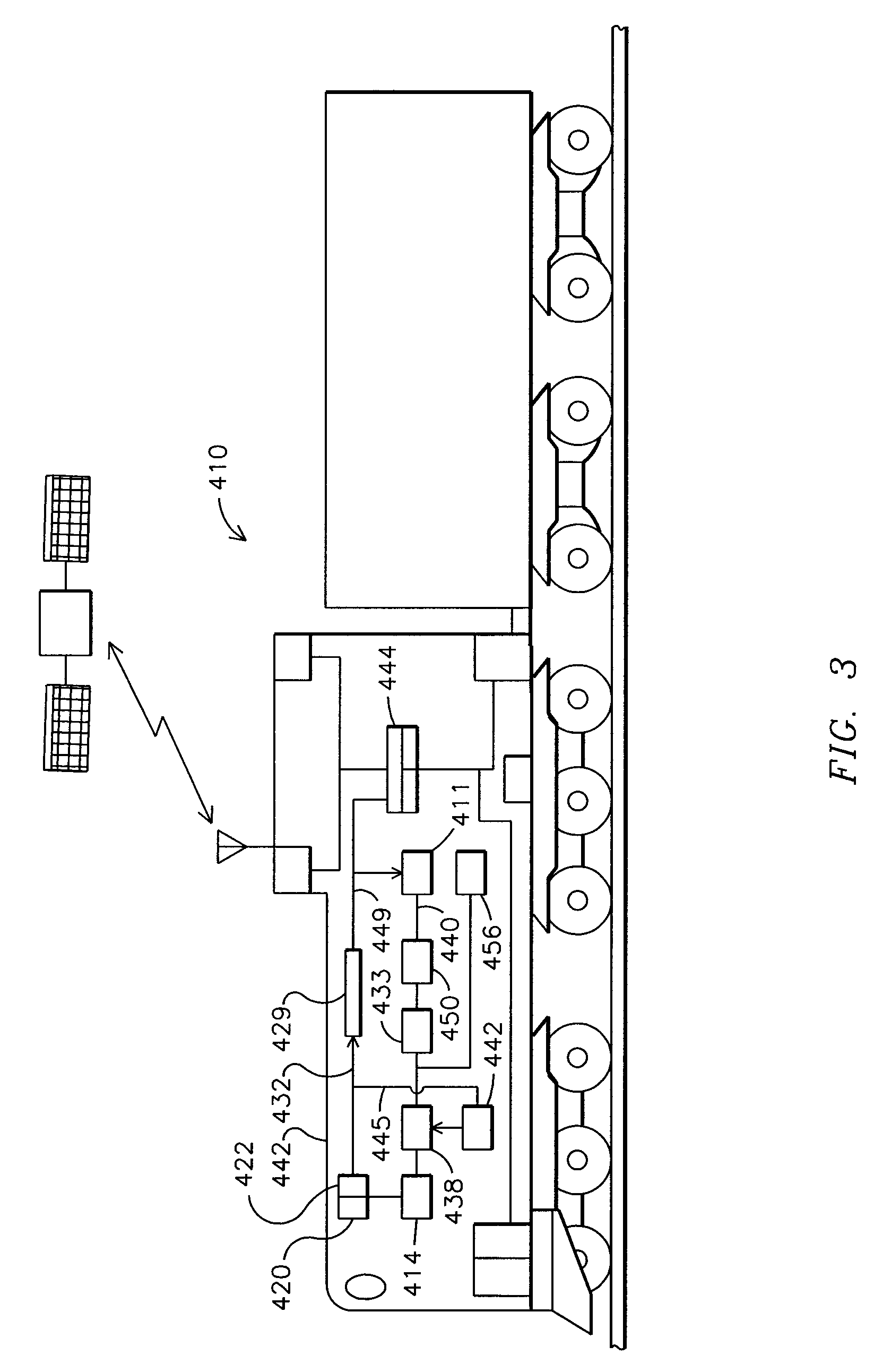
- A process that adjusts secondary fuel injection based on both the temperature near the precatalyst and the particulate filter's state of charging, ensuring rapid heating and controlled regeneration of the filter while minimizing CO and HC penetration, allowing for efficient oxidation of soot by NO2 within specific temperature ranges and time limits.


Environmental Regulations Impact on DPF Development
Environmental regulations have been the primary driving force behind the development and evolution of Diesel Particulate Filter (DPF) technology over the past three decades. The progressive tightening of emission standards worldwide has created a regulatory framework that necessitates increasingly efficient particulate matter capture and filter durability.
The European Union's Euro standards have been particularly influential, with each iteration imposing stricter limits on particulate emissions. Euro 6 standards, implemented in 2014, reduced the permissible particulate matter emissions to just 0.005 g/km for diesel passenger vehicles, representing a 99% reduction compared to Euro 1 standards from the early 1990s. This dramatic reduction has required significant advancements in DPF chemical stability to ensure long-term performance under various operating conditions.
In the United States, the Environmental Protection Agency (EPA) and California Air Resources Board (CARB) have established similarly stringent regulations. The EPA's Tier 3 standards and CARB's LEV III regulations have pushed manufacturers to develop DPFs with enhanced chemical stability to withstand the thermal cycling and chemical exposures encountered during regeneration processes.
Asian markets, particularly China and India, have also accelerated their regulatory timelines. China's implementation of China 6 standards, equivalent to Euro 6, has created a substantial market demand for chemically stable DPF solutions that can perform reliably in diverse operating environments and fuel quality scenarios.
The regulatory focus has expanded beyond simply capturing particulate matter to include the durability and lifetime performance of emission control systems. Many jurisdictions now require emission control systems, including DPFs, to maintain their effectiveness for up to 150,000 miles or 10 years. This longevity requirement has intensified research into chemical stability factors such as ash poisoning resistance, thermal shock tolerance, and compatibility with various fuel additives.
Recent regulatory trends indicate a shift toward real-world driving emissions (RDE) testing rather than laboratory cycle testing alone. This change has significant implications for DPF chemical stability, as filters must now demonstrate resilience under a wider range of operating conditions, including cold starts, high-load operation, and varying ambient temperatures.
Looking forward, upcoming regulations are expected to address ultrafine particles and particle number limits, which will further challenge DPF technology to maintain chemical stability while capturing increasingly smaller particulates. The regulatory landscape continues to shape innovation priorities in DPF development, with chemical stability emerging as a critical factor in meeting both current standards and anticipated future requirements.
The European Union's Euro standards have been particularly influential, with each iteration imposing stricter limits on particulate emissions. Euro 6 standards, implemented in 2014, reduced the permissible particulate matter emissions to just 0.005 g/km for diesel passenger vehicles, representing a 99% reduction compared to Euro 1 standards from the early 1990s. This dramatic reduction has required significant advancements in DPF chemical stability to ensure long-term performance under various operating conditions.
In the United States, the Environmental Protection Agency (EPA) and California Air Resources Board (CARB) have established similarly stringent regulations. The EPA's Tier 3 standards and CARB's LEV III regulations have pushed manufacturers to develop DPFs with enhanced chemical stability to withstand the thermal cycling and chemical exposures encountered during regeneration processes.
Asian markets, particularly China and India, have also accelerated their regulatory timelines. China's implementation of China 6 standards, equivalent to Euro 6, has created a substantial market demand for chemically stable DPF solutions that can perform reliably in diverse operating environments and fuel quality scenarios.
The regulatory focus has expanded beyond simply capturing particulate matter to include the durability and lifetime performance of emission control systems. Many jurisdictions now require emission control systems, including DPFs, to maintain their effectiveness for up to 150,000 miles or 10 years. This longevity requirement has intensified research into chemical stability factors such as ash poisoning resistance, thermal shock tolerance, and compatibility with various fuel additives.
Recent regulatory trends indicate a shift toward real-world driving emissions (RDE) testing rather than laboratory cycle testing alone. This change has significant implications for DPF chemical stability, as filters must now demonstrate resilience under a wider range of operating conditions, including cold starts, high-load operation, and varying ambient temperatures.
Looking forward, upcoming regulations are expected to address ultrafine particles and particle number limits, which will further challenge DPF technology to maintain chemical stability while capturing increasingly smaller particulates. The regulatory landscape continues to shape innovation priorities in DPF development, with chemical stability emerging as a critical factor in meeting both current standards and anticipated future requirements.
Lifecycle Assessment of DPF Materials
The lifecycle assessment of DPF materials reveals critical insights into their environmental impact and long-term performance characteristics. Current diesel particulate filter materials, primarily cordierite, silicon carbide, and aluminum titanate, demonstrate varying degrees of durability throughout their operational lifespan, typically ranging from 150,000 to 200,000 kilometers under normal operating conditions.
Material production represents a significant environmental burden, with silicon carbide manufacturing generating approximately 30% higher carbon emissions compared to cordierite production processes. However, this initial environmental cost is often offset by silicon carbide's superior thermal stability and longer service life in demanding applications.
The operational phase constitutes approximately 70-80% of a DPF's total environmental impact. During this phase, regeneration events—where accumulated particulate matter is oxidized at high temperatures—represent critical stress points for filter materials. Research indicates that a typical DPF undergoes between 500-1,000 regeneration cycles during its lifetime, with each cycle subjecting materials to thermal gradients exceeding 600°C.
Chemical degradation mechanisms vary significantly between material types. Cordierite filters show vulnerability to alkali metal poisoning from fuel and lubricant additives, with potassium and sodium compounds causing irreversible damage to the microporous structure after approximately 120,000 kilometers. Silicon carbide demonstrates superior resistance to chemical attack but exhibits vulnerability to thermal shock during rapid temperature fluctuations.
End-of-life considerations reveal that only 15-20% of DPF materials currently enter recycling streams. The ceramic nature of most DPF substrates presents significant recycling challenges, though recent advances in material recovery technologies have improved reclamation rates for precious metal catalysts coated on filter surfaces.
Comparative lifecycle analysis demonstrates that advanced material formulations incorporating rare earth stabilizers can extend service life by 25-30% while reducing regeneration-related energy consumption by approximately 15%. These improvements translate to significant reductions in lifetime carbon footprint despite higher initial manufacturing impacts.
Future material developments focusing on nano-engineered surfaces show promise for reducing both backpressure penalties and chemical degradation rates. Preliminary studies indicate potential service life extensions of up to 40% through the incorporation of self-healing ceramic matrices that can mitigate crack propagation during thermal cycling events.
Material production represents a significant environmental burden, with silicon carbide manufacturing generating approximately 30% higher carbon emissions compared to cordierite production processes. However, this initial environmental cost is often offset by silicon carbide's superior thermal stability and longer service life in demanding applications.
The operational phase constitutes approximately 70-80% of a DPF's total environmental impact. During this phase, regeneration events—where accumulated particulate matter is oxidized at high temperatures—represent critical stress points for filter materials. Research indicates that a typical DPF undergoes between 500-1,000 regeneration cycles during its lifetime, with each cycle subjecting materials to thermal gradients exceeding 600°C.
Chemical degradation mechanisms vary significantly between material types. Cordierite filters show vulnerability to alkali metal poisoning from fuel and lubricant additives, with potassium and sodium compounds causing irreversible damage to the microporous structure after approximately 120,000 kilometers. Silicon carbide demonstrates superior resistance to chemical attack but exhibits vulnerability to thermal shock during rapid temperature fluctuations.
End-of-life considerations reveal that only 15-20% of DPF materials currently enter recycling streams. The ceramic nature of most DPF substrates presents significant recycling challenges, though recent advances in material recovery technologies have improved reclamation rates for precious metal catalysts coated on filter surfaces.
Comparative lifecycle analysis demonstrates that advanced material formulations incorporating rare earth stabilizers can extend service life by 25-30% while reducing regeneration-related energy consumption by approximately 15%. These improvements translate to significant reductions in lifetime carbon footprint despite higher initial manufacturing impacts.
Future material developments focusing on nano-engineered surfaces show promise for reducing both backpressure penalties and chemical degradation rates. Preliminary studies indicate potential service life extensions of up to 40% through the incorporation of self-healing ceramic matrices that can mitigate crack propagation during thermal cycling events.
Unlock deeper insights with PatSnap Eureka Quick Research — get a full tech report to explore trends and direct your research. Try now!
Generate Your Research Report Instantly with AI Agent
Supercharge your innovation with PatSnap Eureka AI Agent Platform!