Evaluating HRC Fuse in Load-Fluctuating Environments
MAR 17, 20269 MIN READ
Generate Your Research Report Instantly with AI Agent
PatSnap Eureka helps you evaluate technical feasibility & market potential.
HRC Fuse Technology Background and Protection Goals
High Rupturing Capacity (HRC) fuses represent a critical advancement in electrical protection technology, designed to safeguard electrical circuits from overcurrent conditions while maintaining system reliability. These specialized protective devices evolved from traditional fuse technology to address the growing demands of modern electrical systems, particularly in industrial and commercial applications where fault currents can reach extremely high levels.
The fundamental principle of HRC fuses lies in their ability to interrupt fault currents safely and effectively through controlled arc extinction. Unlike conventional fuses, HRC fuses incorporate advanced arc-quenching materials, typically silica sand, within a robust ceramic or composite body. This design enables them to handle fault currents ranging from several hundred to tens of thousands of amperes while maintaining precise time-current characteristics.
The development trajectory of HRC fuse technology has been driven by the increasing complexity of electrical distribution systems and the need for enhanced protection coordination. Early fuse designs suffered from unpredictable breaking capacity and poor selectivity, leading to unnecessary system shutdowns and equipment damage. The introduction of HRC technology addressed these limitations by providing consistent performance characteristics and improved discrimination between temporary overloads and permanent faults.
In load-fluctuating environments, HRC fuses face unique challenges that distinguish them from applications with stable electrical loads. These environments, characterized by frequent load variations, transient conditions, and dynamic operating parameters, demand protection devices capable of distinguishing between normal operational fluctuations and genuine fault conditions. The protection goals in such scenarios extend beyond simple overcurrent protection to encompass system stability, operational continuity, and equipment longevity.
The primary protection objectives for HRC fuses in fluctuating load conditions include maintaining selective coordination with upstream and downstream protective devices, ensuring reliable operation under varying ambient conditions, and providing consistent time-current characteristics despite load variations. Additionally, these fuses must demonstrate thermal stability during cyclic loading patterns and maintain their interrupting capacity throughout their operational lifespan, even when subjected to repeated stress cycles typical of fluctuating load environments.
The fundamental principle of HRC fuses lies in their ability to interrupt fault currents safely and effectively through controlled arc extinction. Unlike conventional fuses, HRC fuses incorporate advanced arc-quenching materials, typically silica sand, within a robust ceramic or composite body. This design enables them to handle fault currents ranging from several hundred to tens of thousands of amperes while maintaining precise time-current characteristics.
The development trajectory of HRC fuse technology has been driven by the increasing complexity of electrical distribution systems and the need for enhanced protection coordination. Early fuse designs suffered from unpredictable breaking capacity and poor selectivity, leading to unnecessary system shutdowns and equipment damage. The introduction of HRC technology addressed these limitations by providing consistent performance characteristics and improved discrimination between temporary overloads and permanent faults.
In load-fluctuating environments, HRC fuses face unique challenges that distinguish them from applications with stable electrical loads. These environments, characterized by frequent load variations, transient conditions, and dynamic operating parameters, demand protection devices capable of distinguishing between normal operational fluctuations and genuine fault conditions. The protection goals in such scenarios extend beyond simple overcurrent protection to encompass system stability, operational continuity, and equipment longevity.
The primary protection objectives for HRC fuses in fluctuating load conditions include maintaining selective coordination with upstream and downstream protective devices, ensuring reliable operation under varying ambient conditions, and providing consistent time-current characteristics despite load variations. Additionally, these fuses must demonstrate thermal stability during cyclic loading patterns and maintain their interrupting capacity throughout their operational lifespan, even when subjected to repeated stress cycles typical of fluctuating load environments.
Market Demand for Load-Fluctuating Environment Protection
The global electrical protection market is experiencing unprecedented growth driven by increasing industrial automation, renewable energy integration, and the proliferation of sensitive electronic equipment across various sectors. Load-fluctuating environments have become increasingly common in modern industrial applications, creating substantial demand for reliable protection solutions that can withstand dynamic electrical conditions without compromising system integrity.
Industrial manufacturing facilities represent the largest market segment demanding load-fluctuating environment protection. Modern production lines frequently experience rapid load changes due to automated machinery cycling, variable frequency drives, and intermittent high-power equipment operation. These facilities require protection devices capable of distinguishing between normal operational transients and genuine fault conditions, making HRC fuses with enhanced load-fluctuation tolerance increasingly valuable.
The renewable energy sector presents another significant market driver, particularly in wind and solar installations where power generation varies continuously with environmental conditions. Grid-tied renewable systems experience frequent load fluctuations as power output adjusts to weather patterns and grid demand, necessitating protection solutions that maintain reliability under these dynamic conditions. Energy storage systems further compound this challenge by introducing additional load variation patterns during charging and discharging cycles.
Data centers and telecommunications infrastructure constitute rapidly expanding market segments with stringent protection requirements. These facilities operate mission-critical equipment that cannot tolerate power interruptions, yet they experience significant load variations due to computational workload changes, cooling system cycling, and backup power system transitions. The growing demand for edge computing and 5G infrastructure deployment amplifies the need for robust protection in load-fluctuating environments.
Electric vehicle charging infrastructure represents an emerging market with substantial growth potential. Charging stations experience extreme load variations as vehicles connect and disconnect, with power demands ranging from zero to maximum capacity within seconds. This application requires protection devices specifically designed to handle frequent and dramatic load changes while maintaining long-term reliability.
The marine and offshore industries present specialized market opportunities where load fluctuations occur due to varying operational conditions, weather-dependent equipment usage, and power system reconfiguration. These harsh environments demand protection solutions that combine load-fluctuation tolerance with exceptional durability and corrosion resistance.
Market demand is further intensified by evolving regulatory standards emphasizing electrical safety and system reliability. Industries are increasingly required to demonstrate robust protection strategies for dynamic operating conditions, driving adoption of advanced HRC fuse technologies specifically engineered for load-fluctuating environments.
Industrial manufacturing facilities represent the largest market segment demanding load-fluctuating environment protection. Modern production lines frequently experience rapid load changes due to automated machinery cycling, variable frequency drives, and intermittent high-power equipment operation. These facilities require protection devices capable of distinguishing between normal operational transients and genuine fault conditions, making HRC fuses with enhanced load-fluctuation tolerance increasingly valuable.
The renewable energy sector presents another significant market driver, particularly in wind and solar installations where power generation varies continuously with environmental conditions. Grid-tied renewable systems experience frequent load fluctuations as power output adjusts to weather patterns and grid demand, necessitating protection solutions that maintain reliability under these dynamic conditions. Energy storage systems further compound this challenge by introducing additional load variation patterns during charging and discharging cycles.
Data centers and telecommunications infrastructure constitute rapidly expanding market segments with stringent protection requirements. These facilities operate mission-critical equipment that cannot tolerate power interruptions, yet they experience significant load variations due to computational workload changes, cooling system cycling, and backup power system transitions. The growing demand for edge computing and 5G infrastructure deployment amplifies the need for robust protection in load-fluctuating environments.
Electric vehicle charging infrastructure represents an emerging market with substantial growth potential. Charging stations experience extreme load variations as vehicles connect and disconnect, with power demands ranging from zero to maximum capacity within seconds. This application requires protection devices specifically designed to handle frequent and dramatic load changes while maintaining long-term reliability.
The marine and offshore industries present specialized market opportunities where load fluctuations occur due to varying operational conditions, weather-dependent equipment usage, and power system reconfiguration. These harsh environments demand protection solutions that combine load-fluctuation tolerance with exceptional durability and corrosion resistance.
Market demand is further intensified by evolving regulatory standards emphasizing electrical safety and system reliability. Industries are increasingly required to demonstrate robust protection strategies for dynamic operating conditions, driving adoption of advanced HRC fuse technologies specifically engineered for load-fluctuating environments.
Current HRC Fuse Performance Under Variable Load Conditions
High Rupturing Capacity (HRC) fuses demonstrate varying performance characteristics when subjected to fluctuating load conditions, presenting both operational advantages and technical limitations. Under steady-state conditions, HRC fuses typically exhibit predictable behavior with well-defined time-current characteristics. However, variable load environments introduce complex thermal and electrical stresses that significantly impact fuse performance and reliability.
The thermal response of HRC fuses under load fluctuations represents a critical performance parameter. During load cycling, the fuse element experiences repeated heating and cooling cycles, leading to thermal fatigue and potential degradation of the fuse wire or ribbon. Current research indicates that frequent load variations can cause the fuse element temperature to fluctuate between 40°C to 180°C, depending on the magnitude and duration of load changes. This thermal cycling affects the fuse's time-current characteristics, potentially leading to nuisance tripping or delayed operation.
Arc quenching performance under variable loads presents additional challenges for HRC fuses. The silica sand filling, which serves as the arc-quenching medium, may experience uneven heating patterns during load fluctuations. This can result in localized hot spots and reduced arc interruption capability. Laboratory testing has shown that HRC fuses operating under variable load conditions may exhibit up to 15% variation in their breaking capacity compared to steady-state operation.
The mechanical integrity of HRC fuses under load fluctuations is another concern. Repeated thermal expansion and contraction of the fuse element and internal components can lead to mechanical stress accumulation. This phenomenon is particularly pronounced in applications with rapid load changes, such as motor starting circuits or renewable energy systems with intermittent generation patterns.
Current monitoring technologies reveal that HRC fuses in variable load environments often experience accelerated aging effects. The combination of thermal cycling, mechanical stress, and electrical transients associated with load fluctuations can reduce the expected service life by 20-30% compared to constant load applications. This degradation manifests as changes in resistance, altered time-current characteristics, and increased susceptibility to nuisance operation.
Performance evaluation under harmonic-rich variable loads presents additional complexity. Modern electrical systems often contain non-linear loads that introduce harmonic currents, which can interact with load fluctuations to create unpredictable heating patterns in HRC fuses. These conditions may lead to premature aging or unexpected operation, highlighting the need for enhanced fuse design considerations for contemporary applications.
The thermal response of HRC fuses under load fluctuations represents a critical performance parameter. During load cycling, the fuse element experiences repeated heating and cooling cycles, leading to thermal fatigue and potential degradation of the fuse wire or ribbon. Current research indicates that frequent load variations can cause the fuse element temperature to fluctuate between 40°C to 180°C, depending on the magnitude and duration of load changes. This thermal cycling affects the fuse's time-current characteristics, potentially leading to nuisance tripping or delayed operation.
Arc quenching performance under variable loads presents additional challenges for HRC fuses. The silica sand filling, which serves as the arc-quenching medium, may experience uneven heating patterns during load fluctuations. This can result in localized hot spots and reduced arc interruption capability. Laboratory testing has shown that HRC fuses operating under variable load conditions may exhibit up to 15% variation in their breaking capacity compared to steady-state operation.
The mechanical integrity of HRC fuses under load fluctuations is another concern. Repeated thermal expansion and contraction of the fuse element and internal components can lead to mechanical stress accumulation. This phenomenon is particularly pronounced in applications with rapid load changes, such as motor starting circuits or renewable energy systems with intermittent generation patterns.
Current monitoring technologies reveal that HRC fuses in variable load environments often experience accelerated aging effects. The combination of thermal cycling, mechanical stress, and electrical transients associated with load fluctuations can reduce the expected service life by 20-30% compared to constant load applications. This degradation manifests as changes in resistance, altered time-current characteristics, and increased susceptibility to nuisance operation.
Performance evaluation under harmonic-rich variable loads presents additional complexity. Modern electrical systems often contain non-linear loads that introduce harmonic currents, which can interact with load fluctuations to create unpredictable heating patterns in HRC fuses. These conditions may lead to premature aging or unexpected operation, highlighting the need for enhanced fuse design considerations for contemporary applications.
Existing HRC Fuse Solutions for Dynamic Load Applications
01 HRC fuse construction and design improvements
Innovations in the structural design and construction of high rupturing capacity fuses, including improvements to the fuse body, end caps, and internal components. These enhancements focus on optimizing the mechanical strength, thermal management, and overall reliability of HRC fuses for various industrial applications.- HRC fuse construction and design improvements: Innovations in the structural design and construction of high rupturing capacity fuses, including improvements to the fuse body, end caps, and internal components. These enhancements focus on optimizing the mechanical strength, thermal management, and overall reliability of HRC fuses for various industrial applications.
- Arc quenching and interruption mechanisms: Advanced techniques for arc suppression and current interruption in HRC fuses, including the use of specialized filling materials, chamber designs, and quenching media. These mechanisms ensure rapid and safe disconnection of fault currents while minimizing damage to surrounding equipment and preventing fire hazards.
- Fuse element materials and configurations: Development of fuse element materials with optimized electrical and thermal properties, including various metal alloys and composite materials. The configurations include specific geometries, notching patterns, and multi-element arrangements designed to provide precise time-current characteristics and enhanced breaking capacity.
- Indicating and monitoring systems for fuses: Integration of visual and electronic indication systems that provide real-time status monitoring of HRC fuses. These systems include striker pins, indicator flags, and electronic sensors that signal when a fuse has operated, facilitating quick identification and replacement in electrical distribution systems.
- Mounting and connection arrangements: Innovative mounting mechanisms and electrical connection designs for HRC fuses, including quick-connect terminals, modular base systems, and enhanced contact arrangements. These features improve installation efficiency, ensure reliable electrical connections, and facilitate safe maintenance and replacement procedures.
02 Arc quenching and interruption mechanisms
Advanced techniques for arc suppression and current interruption in HRC fuses, including the use of specialized filling materials, chamber designs, and quenching media. These mechanisms ensure rapid and safe disconnection of fault currents while minimizing damage to surrounding equipment and preventing fire hazards.Expand Specific Solutions03 Fuse element materials and configurations
Development of fuse element materials with optimized electrical and thermal properties, including various metal alloys and composite materials. The configurations include specific geometries, notching patterns, and multi-element arrangements designed to provide precise time-current characteristics and enhanced breaking capacity.Expand Specific Solutions04 Indicating and monitoring systems for fuses
Integration of visual and electronic indication systems to monitor fuse status and provide alerts when a fuse has operated. These systems include striker pins, indicator flags, remote monitoring capabilities, and smart sensing technologies that enable predictive maintenance and rapid fault identification in electrical distribution networks.Expand Specific Solutions05 Mounting and connection arrangements
Innovative mounting mechanisms and electrical connection systems for HRC fuses, including quick-connect terminals, modular base designs, and enhanced contact arrangements. These features facilitate easier installation, maintenance, and replacement while ensuring reliable electrical connections and mechanical stability in various operating environments.Expand Specific Solutions
Key Players in HRC Fuse and Power Protection Industry
The HRC fuse evaluation in load-fluctuating environments represents a mature yet evolving market segment within electrical protection systems. The industry is experiencing steady growth driven by increasing electrification across automotive and industrial sectors. Major automotive manufacturers including Toyota Motor Corp., Mercedes-Benz Group AG, GM Global Technology Operations LLC, Hyundai Motor Co., and Kia Corp. are advancing HRC fuse technology integration for electric vehicle applications. Power grid operators like State Grid Corp. of China and Électricité de France SA are implementing sophisticated fuse solutions for grid stability. Specialized manufacturers such as MERSEN France SB SAS, Fritz Driescher KG, and Pacific Engineering Co. demonstrate high technical maturity in developing application-specific HRC fuses. Academic institutions including North China Electric Power University and Shanghai University of Electric Power contribute significant research advancement, indicating strong technological foundation and continued innovation potential in load-adaptive protection systems.
State Grid Corp. of China
Technical Solution: State Grid Corporation of China has developed comprehensive HRC fuse evaluation systems for load-fluctuating environments, incorporating advanced monitoring technologies and predictive analytics. Their approach includes real-time load monitoring systems that track current variations and temperature changes across distribution networks. The company implements smart grid technologies with integrated fuse monitoring capabilities, utilizing IoT sensors to collect data on electrical parameters during load fluctuations. Their evaluation methodology encompasses thermal modeling, arc interruption analysis, and coordination studies with other protective devices. State Grid's solution features automated fault detection algorithms that can predict fuse performance degradation under varying load conditions, enabling proactive maintenance scheduling and improved system reliability in dynamic electrical environments.
Strengths: Extensive grid infrastructure experience and comprehensive monitoring capabilities. Weaknesses: High implementation costs and complexity in legacy system integration.
Fritz Driescher KG Spezialfabrik Für Elektrizitätswerksbedarf
Technical Solution: Fritz Driescher KG has developed specialized HRC fuse evaluation protocols for load-fluctuating environments, focusing on high-voltage applications and industrial systems. Their methodology incorporates detailed analysis of fuse characteristics under varying load conditions, including pre-arcing time variations and melting integral calculations. The company's approach includes comprehensive testing procedures that evaluate fuse performance during load cycling, considering factors such as ambient temperature variations and installation conditions. Their evaluation system features advanced measurement techniques for assessing fuse aging effects under fluctuating loads, utilizing specialized test equipment to simulate real-world operating conditions. Fritz Driescher's solution encompasses coordination studies with other protective equipment and provides detailed performance curves for different load fluctuation scenarios, ensuring optimal protection system design.
Strengths: Deep expertise in high-voltage fuse applications and specialized testing capabilities. Weaknesses: Focus primarily on high-voltage applications may limit applicability to lower voltage systems.
Core Innovations in Load-Adaptive HRC Fuse Design
Cartridge type high rupturing capacity fuselinks
PatentInactiveGB2034133A
Innovation
- Incorporating transverse corrugations in the fusible elements with a pitch of 1.0-2.0 mm and a peak-to-trough dimension of 0.08-1.6 mm, allowing the elements to contract or expand without fracturing, which reduces the risk of fracture during mechanical shocks.


Fuse system for at least one load of a vehicle
PatentInactiveUS10923902B2
Innovation
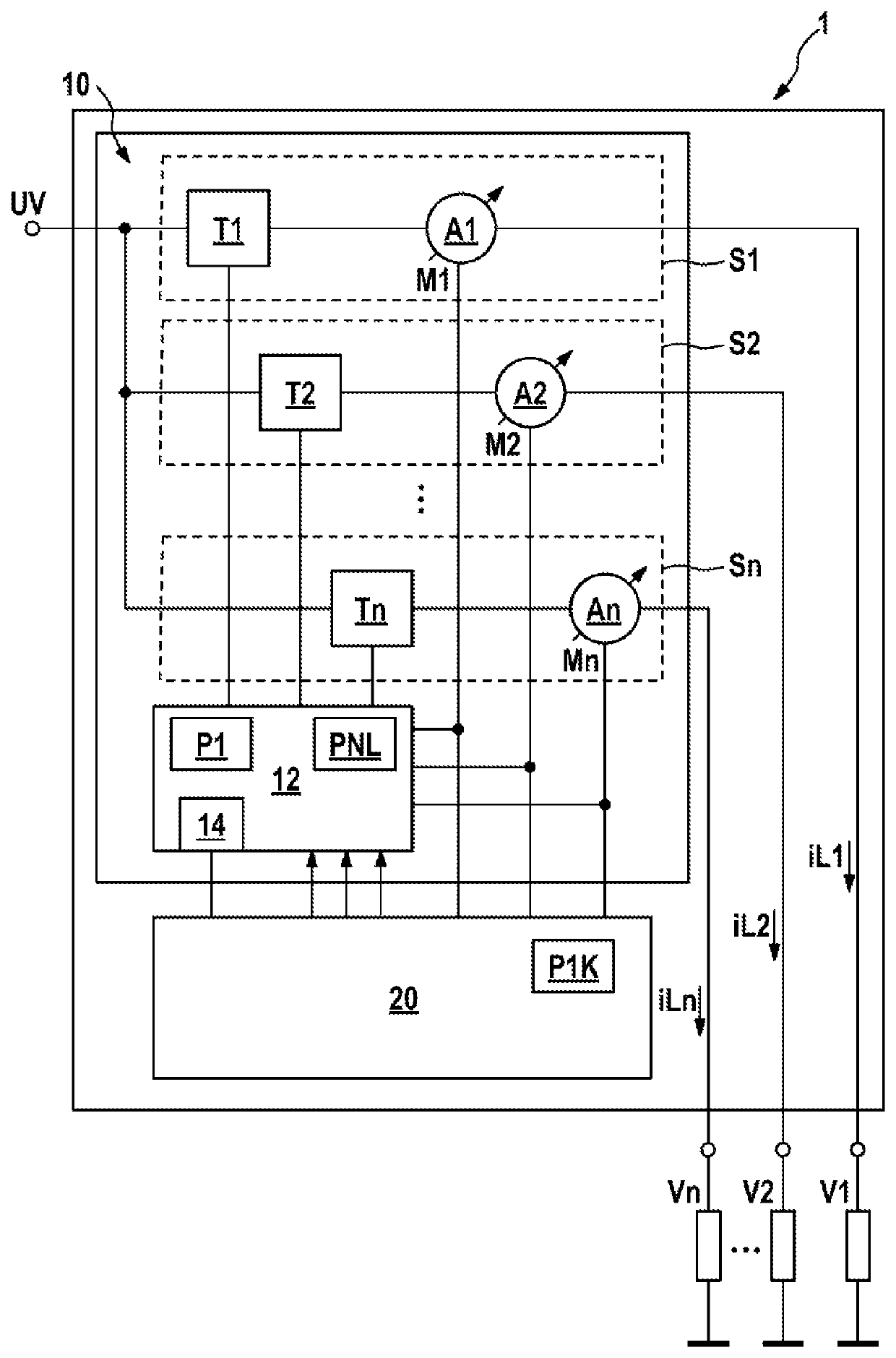
- A fuse system with an evaluation and control unit that performs complex evaluations of load current using software modules, allowing for rapid disconnection in hard short-circuits and switching to an emergency mode with modified protection thresholds in case of unit failure, ensuring fault-tolerant operation.
Safety Standards and Certification for HRC Fuses
HRC fuses operating in load-fluctuating environments must comply with stringent international safety standards to ensure reliable protection and operational safety. The primary governing standard is IEC 60269, which establishes comprehensive requirements for low-voltage fuses, including specific provisions for HRC fuses under variable load conditions. This standard defines critical parameters such as breaking capacity, time-current characteristics, and thermal performance criteria that directly impact fuse behavior during load fluctuations.
The certification process for HRC fuses involves rigorous testing protocols that simulate real-world load-fluctuating scenarios. Type testing requirements include endurance tests under cyclic loading conditions, where fuses must demonstrate consistent performance across thousands of load cycles without degradation of protective characteristics. These tests evaluate the fuse's ability to maintain its rated breaking capacity and selectivity coordination even after prolonged exposure to varying load patterns.
Regional certification bodies such as UL in North America, VDE in Europe, and CCC in China have established specific testing methodologies for load-fluctuating applications. UL 248 standards particularly emphasize the evaluation of fuse performance under motor starting conditions and other transient load scenarios. The certification process requires demonstration of proper arc extinction capabilities and verification that the fuse element maintains its calibrated melting characteristics despite thermal cycling from load variations.
Safety standards also mandate specific marking and documentation requirements for HRC fuses intended for fluctuating load applications. These include clear identification of the fuse's I²t characteristics, which are crucial for coordination in systems experiencing frequent load changes. The standards require manufacturers to provide detailed time-current curves that account for the cumulative heating effects of load fluctuations on fuse element integrity.
Compliance verification involves third-party testing laboratories conducting comprehensive assessments including short-circuit testing, endurance testing under load cycling, and environmental stress testing. The certification process ensures that HRC fuses maintain their protective function and safety characteristics throughout their operational life, even when subjected to the thermal and electrical stresses inherent in load-fluctuating environments.
The certification process for HRC fuses involves rigorous testing protocols that simulate real-world load-fluctuating scenarios. Type testing requirements include endurance tests under cyclic loading conditions, where fuses must demonstrate consistent performance across thousands of load cycles without degradation of protective characteristics. These tests evaluate the fuse's ability to maintain its rated breaking capacity and selectivity coordination even after prolonged exposure to varying load patterns.
Regional certification bodies such as UL in North America, VDE in Europe, and CCC in China have established specific testing methodologies for load-fluctuating applications. UL 248 standards particularly emphasize the evaluation of fuse performance under motor starting conditions and other transient load scenarios. The certification process requires demonstration of proper arc extinction capabilities and verification that the fuse element maintains its calibrated melting characteristics despite thermal cycling from load variations.
Safety standards also mandate specific marking and documentation requirements for HRC fuses intended for fluctuating load applications. These include clear identification of the fuse's I²t characteristics, which are crucial for coordination in systems experiencing frequent load changes. The standards require manufacturers to provide detailed time-current curves that account for the cumulative heating effects of load fluctuations on fuse element integrity.
Compliance verification involves third-party testing laboratories conducting comprehensive assessments including short-circuit testing, endurance testing under load cycling, and environmental stress testing. The certification process ensures that HRC fuses maintain their protective function and safety characteristics throughout their operational life, even when subjected to the thermal and electrical stresses inherent in load-fluctuating environments.
Reliability Testing Methods for Variable Load Environments
Reliability testing of HRC fuses in variable load environments requires specialized methodologies that can accurately simulate real-world operational conditions. Traditional static testing approaches are insufficient for evaluating fuse performance under dynamic load scenarios, necessitating the development of comprehensive testing protocols that account for load variability, thermal cycling, and time-dependent degradation mechanisms.
The primary testing methodology involves cyclic load testing, where fuses are subjected to predetermined load patterns that mimic actual application environments. This approach utilizes programmable load banks capable of generating variable current profiles ranging from 10% to 150% of rated capacity. Test sequences typically incorporate both gradual load transitions and sudden load changes to evaluate fuse response characteristics under different stress conditions.
Thermal cycling tests constitute another critical component of reliability assessment. These tests expose HRC fuses to temperature variations that occur during load fluctuations, with ambient temperatures ranging from -40°C to +85°C. The testing protocol includes dwell times at extreme temperatures and controlled heating/cooling rates to simulate realistic thermal stress patterns encountered in field applications.
Accelerated aging tests provide insights into long-term reliability by subjecting fuses to elevated stress conditions over compressed timeframes. These tests combine increased temperature, humidity, and electrical stress to accelerate degradation mechanisms while maintaining correlation with normal operating conditions. Statistical analysis of failure modes and degradation patterns enables prediction of service life under various load scenarios.
Endurance testing involves continuous operation under fluctuating loads for extended periods, typically 1000 to 8760 hours depending on application requirements. Real-time monitoring of electrical parameters, including resistance changes, arc voltage characteristics, and thermal behavior, provides comprehensive performance data throughout the test duration.
Advanced testing methodologies incorporate condition monitoring techniques such as partial discharge measurement, thermal imaging, and vibration analysis to detect early signs of degradation. These non-destructive testing methods enable continuous assessment without interrupting test sequences, providing valuable data on progressive deterioration mechanisms in variable load environments.
The primary testing methodology involves cyclic load testing, where fuses are subjected to predetermined load patterns that mimic actual application environments. This approach utilizes programmable load banks capable of generating variable current profiles ranging from 10% to 150% of rated capacity. Test sequences typically incorporate both gradual load transitions and sudden load changes to evaluate fuse response characteristics under different stress conditions.
Thermal cycling tests constitute another critical component of reliability assessment. These tests expose HRC fuses to temperature variations that occur during load fluctuations, with ambient temperatures ranging from -40°C to +85°C. The testing protocol includes dwell times at extreme temperatures and controlled heating/cooling rates to simulate realistic thermal stress patterns encountered in field applications.
Accelerated aging tests provide insights into long-term reliability by subjecting fuses to elevated stress conditions over compressed timeframes. These tests combine increased temperature, humidity, and electrical stress to accelerate degradation mechanisms while maintaining correlation with normal operating conditions. Statistical analysis of failure modes and degradation patterns enables prediction of service life under various load scenarios.
Endurance testing involves continuous operation under fluctuating loads for extended periods, typically 1000 to 8760 hours depending on application requirements. Real-time monitoring of electrical parameters, including resistance changes, arc voltage characteristics, and thermal behavior, provides comprehensive performance data throughout the test duration.
Advanced testing methodologies incorporate condition monitoring techniques such as partial discharge measurement, thermal imaging, and vibration analysis to detect early signs of degradation. These non-destructive testing methods enable continuous assessment without interrupting test sequences, providing valuable data on progressive deterioration mechanisms in variable load environments.
Unlock deeper insights with PatSnap Eureka Quick Research — get a full tech report to explore trends and direct your research. Try now!
Generate Your Research Report Instantly with AI Agent
Supercharge your innovation with PatSnap Eureka AI Agent Platform!