

Evaluating Plate Heat Exchanger Efficiency for Industrial Applications
MAR 10, 20269 MIN READ
Generate Your Research Report Instantly with AI Agent
Patsnap Eureka helps you evaluate technical feasibility & market potential.
Plate Heat Exchanger Technology Background and Industrial Goals
Plate heat exchanger technology emerged in the late 19th century as a revolutionary solution to industrial heat transfer challenges. The fundamental concept involves creating multiple parallel flow channels through corrugated metal plates, enabling efficient thermal exchange between two fluid streams while maintaining complete separation. This design philosophy represented a significant departure from traditional shell-and-tube configurations, offering superior heat transfer coefficients and compact footprints that would prove essential for space-constrained industrial environments.
The evolution of plate heat exchanger technology has been driven by continuous advancements in materials science, manufacturing precision, and thermal engineering principles. Early developments focused on basic gasket-sealed designs suitable for moderate temperature and pressure applications. However, industrial demands for higher performance led to innovations including brazed plate configurations, welded constructions, and specialized surface treatments that enhanced heat transfer while maintaining structural integrity under extreme operating conditions.
Modern industrial applications have established ambitious performance targets for plate heat exchanger systems. Primary objectives include achieving thermal effectiveness exceeding 90% while minimizing pressure drop penalties across the heat transfer surface. Energy recovery applications demand temperature approach values below 5°C, enabling maximum utilization of waste heat streams. Additionally, contemporary industrial goals emphasize operational flexibility, requiring heat exchangers capable of handling variable flow rates and temperature conditions without significant performance degradation.
Sustainability considerations have become integral to plate heat exchanger development objectives. Industrial facilities increasingly prioritize equipment that contributes to overall energy efficiency improvements, carbon footprint reduction, and compliance with environmental regulations. This has driven technological advancement toward designs that maximize heat recovery potential while minimizing maintenance requirements and extending operational lifespans.
The integration of digital monitoring and predictive maintenance capabilities represents a contemporary technological objective. Modern plate heat exchanger systems incorporate sensors and data analytics platforms that enable real-time performance optimization, early fault detection, and automated cleaning cycle scheduling. These smart features align with Industry 4.0 initiatives, supporting autonomous operation and minimizing unplanned downtime in critical industrial processes.
Market Demand for High-Efficiency Industrial Heat Exchange Systems
The global industrial heat exchange systems market is experiencing unprecedented growth driven by stringent energy efficiency regulations and rising operational costs across manufacturing sectors. Industries are increasingly prioritizing thermal management solutions that can deliver superior performance while reducing energy consumption and environmental impact.
Chemical processing plants represent the largest consumer segment for high-efficiency plate heat exchangers, where precise temperature control directly impacts product quality and yield. These facilities require systems capable of handling corrosive media while maintaining optimal heat transfer coefficients. The pharmaceutical industry follows closely, demanding heat exchangers that meet strict hygiene standards while delivering consistent thermal performance for critical processes.
Food and beverage manufacturing has emerged as a rapidly expanding market segment, particularly driven by the need for pasteurization and sterilization processes that preserve product integrity. Dairy processing facilities specifically require plate heat exchangers that can handle varying viscosities while maintaining sanitary conditions and achieving rapid temperature changes.
The petrochemical sector continues to drive demand for robust heat exchange solutions capable of operating under extreme conditions. Refineries and chemical plants require systems that can withstand high pressures and temperatures while processing aggressive chemicals, making efficiency evaluation critical for operational success.
Power generation facilities, including both conventional and renewable energy plants, represent another significant market driver. These applications demand heat exchangers that can optimize thermal cycles and improve overall plant efficiency, directly impacting profitability and environmental compliance.
HVAC systems in large commercial and industrial buildings increasingly incorporate plate heat exchangers for energy recovery applications. Building owners seek solutions that can reduce heating and cooling costs while meeting evolving environmental regulations and sustainability targets.
Market demand is further intensified by the growing emphasis on waste heat recovery across industries. Manufacturing facilities are implementing heat exchange systems to capture and reuse thermal energy that was previously lost, creating new opportunities for efficiency-focused solutions.
The shift toward Industry 4.0 and smart manufacturing has created demand for heat exchangers with integrated monitoring capabilities. Facilities require systems that provide real-time performance data to optimize operations and predict maintenance needs, making efficiency evaluation tools increasingly valuable for industrial applications.
Current State and Performance Challenges of Plate Heat Exchangers
Plate heat exchangers have established themselves as critical components in industrial heat transfer applications, demonstrating superior thermal performance compared to traditional shell-and-tube designs. Current technology achieves thermal efficiencies ranging from 85% to 95% under optimal operating conditions, with compact designs offering heat transfer coefficients up to 6,000 W/m²K. Modern plate configurations utilize advanced materials including titanium, Hastelloy, and specialized stainless steel alloys to handle diverse industrial fluids and temperature ranges from -40°C to 350°C.
Contemporary plate heat exchanger designs feature corrugated plate patterns optimized through computational fluid dynamics, enabling enhanced turbulence and heat transfer while maintaining acceptable pressure drops. Gasket technology has evolved to incorporate EPDM, NBR, and PTFE materials, extending operational lifespans and reducing maintenance requirements. Brazed plate heat exchangers now dominate high-temperature applications, while gasketed variants remain preferred for applications requiring frequent cleaning or fluid changes.
Despite technological advances, several performance challenges persist in industrial implementations. Fouling remains the primary operational concern, with particulate matter, biological growth, and chemical deposits reducing thermal efficiency by 10-40% over operational periods. Scaling in hard water applications creates additional resistance, particularly affecting calcium carbonate and silica-prone systems. These fouling mechanisms necessitate frequent cleaning cycles, increasing operational costs and system downtime.
Pressure drop optimization presents ongoing challenges, particularly in high-viscosity fluid applications where pumping costs can exceed 30% of total operational expenses. Current plate designs struggle to balance thermal performance with hydraulic efficiency, often requiring oversized pumping systems to maintain design flow rates. Temperature cross-over limitations in counter-current configurations restrict achievable approach temperatures to 2-5°C in most industrial applications.
Material compatibility issues continue affecting long-term performance, especially in corrosive environments involving chlorides, acids, or high-temperature oxidizing conditions. Gasket degradation under thermal cycling and chemical exposure leads to leakage risks and unplanned maintenance. Additionally, flow maldistribution in large plate packs reduces effective heat transfer area utilization, with edge effects and manufacturing tolerances contributing to performance variations of 5-15% across individual flow channels.
Existing Efficiency Evaluation Methods for Plate Heat Exchangers
01 Optimized plate geometry and corrugation patterns
The efficiency of plate heat exchangers can be significantly improved through optimized plate geometry and corrugation patterns. Advanced corrugation designs, including herringbone, chevron, and washboard patterns, enhance turbulence and increase the heat transfer surface area. The angle, depth, and spacing of corrugations are critical parameters that affect flow distribution and heat transfer coefficients. Optimized plate designs reduce fouling, minimize pressure drop, and maximize thermal performance across various operating conditions.- Optimized plate design and geometry for enhanced heat transfer: Plate heat exchangers can achieve improved efficiency through optimized plate geometry, including corrugation patterns, chevron angles, and surface textures. These design modifications increase turbulence and heat transfer surface area while minimizing pressure drop. Advanced plate configurations with specific wave patterns and dimple structures enhance fluid mixing and thermal performance. The geometric optimization of plates contributes significantly to overall heat exchanger effectiveness.
- Flow distribution and channel configuration improvements: Efficient flow distribution systems ensure uniform fluid distribution across all heat transfer channels, preventing dead zones and channeling effects. Optimized inlet and outlet port designs, along with strategic channel arrangements, minimize flow maldistribution. Advanced manifold designs and flow guiding elements help achieve balanced flow patterns, reducing bypass flows and improving overall thermal efficiency. Proper channel spacing and configuration enhance heat transfer while maintaining acceptable pressure drops.
- Material selection and surface treatment for thermal conductivity: The selection of high thermal conductivity materials and application of specialized surface treatments significantly impact heat exchanger performance. Advanced materials with superior corrosion resistance and thermal properties enable higher operating temperatures and pressures. Surface coatings and treatments reduce fouling, enhance wettability, and improve heat transfer coefficients. Material innovations allow for thinner plates with maintained structural integrity, reducing thermal resistance.
- Gasket and sealing system optimization: Advanced gasket designs and sealing systems prevent leakage while accommodating thermal expansion and maintaining consistent compression. Optimized gasket materials withstand extreme temperatures and aggressive media, ensuring long-term reliability. Innovative sealing configurations reduce dead volumes and improve thermal efficiency by minimizing heat loss. Proper gasket placement and design contribute to uniform pressure distribution and enhanced heat transfer performance.
- Fouling prevention and cleaning mechanisms: Integrated fouling mitigation strategies maintain heat transfer efficiency over extended operating periods. Self-cleaning plate designs with specific surface patterns reduce deposit accumulation and facilitate maintenance. Enhanced turbulence generation prevents particle settling and biofilm formation. Design features that enable easy disassembly and cleaning access help restore thermal performance, while anti-fouling surface treatments minimize maintenance frequency and operational downtime.
02 Enhanced flow distribution systems
Improved flow distribution mechanisms are essential for maximizing plate heat exchanger efficiency. Advanced port designs, distribution zones, and flow channel configurations ensure uniform fluid distribution across all heat transfer plates. These systems minimize dead zones, reduce bypass flows, and optimize the velocity profile throughout the exchanger. Enhanced distribution systems also help prevent localized overheating or overcooling, improving overall thermal performance and reducing energy consumption.Expand Specific Solutions03 Advanced materials and surface treatments
The selection of advanced materials and surface treatments plays a crucial role in improving heat exchanger efficiency. High thermal conductivity materials, corrosion-resistant alloys, and specialized coatings enhance heat transfer while extending equipment lifespan. Surface treatments such as micro-texturing, hydrophobic or hydrophilic coatings, and anti-fouling layers reduce resistance to heat transfer and minimize maintenance requirements. These material innovations enable operation at higher temperatures and pressures while maintaining efficiency.Expand Specific Solutions04 Gasket and sealing optimization
Advanced gasket designs and sealing technologies are critical for maintaining plate heat exchanger efficiency. Optimized gasket materials, profiles, and placement prevent leakage, reduce thermal bridging, and ensure proper plate alignment. Innovative sealing solutions accommodate thermal expansion, resist chemical degradation, and maintain integrity under varying pressure conditions. Improved gasket systems also facilitate easier maintenance and reduce downtime, contributing to overall operational efficiency.Expand Specific Solutions05 Multi-pass configuration and flow arrangement
Strategic multi-pass configurations and flow arrangements optimize thermal efficiency in plate heat exchangers. Counter-flow, parallel-flow, and mixed-flow arrangements can be tailored to specific applications to maximize temperature approach and heat recovery. Multi-pass designs with optimized channel distribution improve heat transfer effectiveness while managing pressure drop. These configurations enable better temperature control, higher thermal efficiency, and improved performance in applications requiring precise temperature regulation or maximum heat recovery.Expand Specific Solutions
Key Players in Industrial Heat Exchanger Manufacturing
The plate heat exchanger industry for industrial applications is experiencing robust growth, driven by increasing energy efficiency demands and stringent environmental regulations across manufacturing sectors. The market demonstrates strong maturity with established global players commanding significant market share, while emerging technologies focus on enhanced thermal performance and compact designs. Technology maturity varies significantly among key players, with industry leaders like Alfa Laval Corporate AB and Danfoss A/S representing highly advanced thermal management solutions with decades of R&D investment. Asian manufacturers including LG Electronics, DAIKIN INDUSTRIES, and Chinese companies like Hangzhou Sanhua Research Institute are rapidly advancing their technological capabilities, particularly in automotive and HVAC applications. Specialized firms such as Vahterus Oy pioneer innovative Plate & Shell technologies, while research institutions like Shandong University and Fraunhofer-Gesellschaft drive next-generation heat transfer innovations, indicating a competitive landscape balancing established expertise with emerging technological breakthroughs.
Alfa Laval Corporate AB
Technical Solution: Alfa Laval employs advanced computational fluid dynamics (CFD) modeling and thermal analysis to optimize plate heat exchanger efficiency. Their AlfaQ technology utilizes proprietary plate patterns with enhanced heat transfer coefficients, achieving thermal efficiencies up to 95% in industrial applications. The company implements multi-pass flow arrangements and variable chevron angles to maximize heat transfer while minimizing pressure drop. Their evaluation methodology includes real-time monitoring systems with IoT sensors for continuous performance assessment, enabling predictive maintenance and optimization of operational parameters.
Strengths: Market leader with extensive R&D capabilities and proven track record in industrial heat transfer solutions. Weaknesses: Higher initial investment costs compared to conventional alternatives.
Danfoss A/S
Technical Solution: Danfoss develops integrated heat exchanger evaluation systems combining advanced materials science with digital twin technology. Their approach focuses on micro-channel plate designs with enhanced surface area-to-volume ratios, achieving up to 40% improvement in heat transfer efficiency compared to traditional designs. The company utilizes machine learning algorithms to analyze operational data and optimize flow patterns, pressure differentials, and temperature profiles. Their evaluation framework incorporates lifecycle cost analysis and energy consumption modeling to determine optimal operating conditions for various industrial processes.
Strengths: Strong integration of digital technologies and comprehensive system approach to efficiency optimization. Weaknesses: Limited market presence in certain industrial segments compared to specialized heat exchanger manufacturers.
Core Technologies in Heat Transfer Enhancement and Fouling Control
Plate-frame heat exchange reactor with serial cross-flow geometry
PatentInactiveUS6893619B1
Innovation
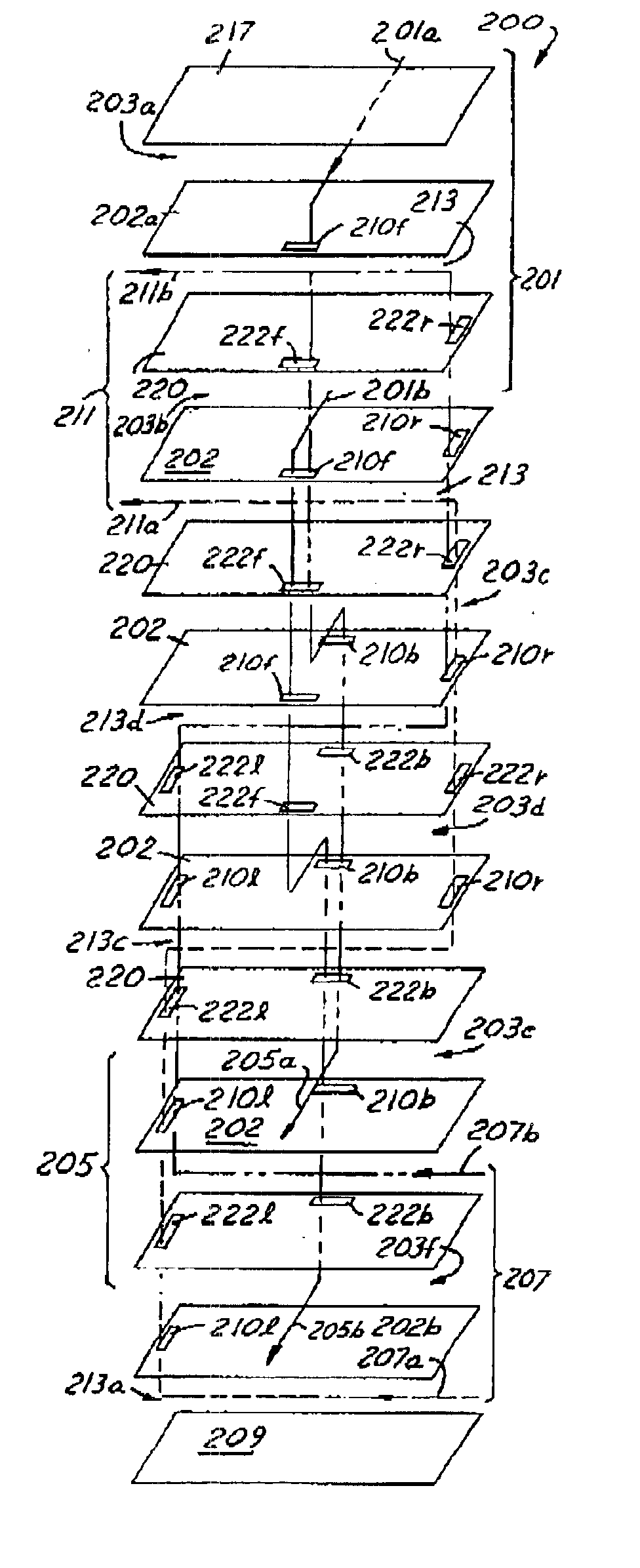
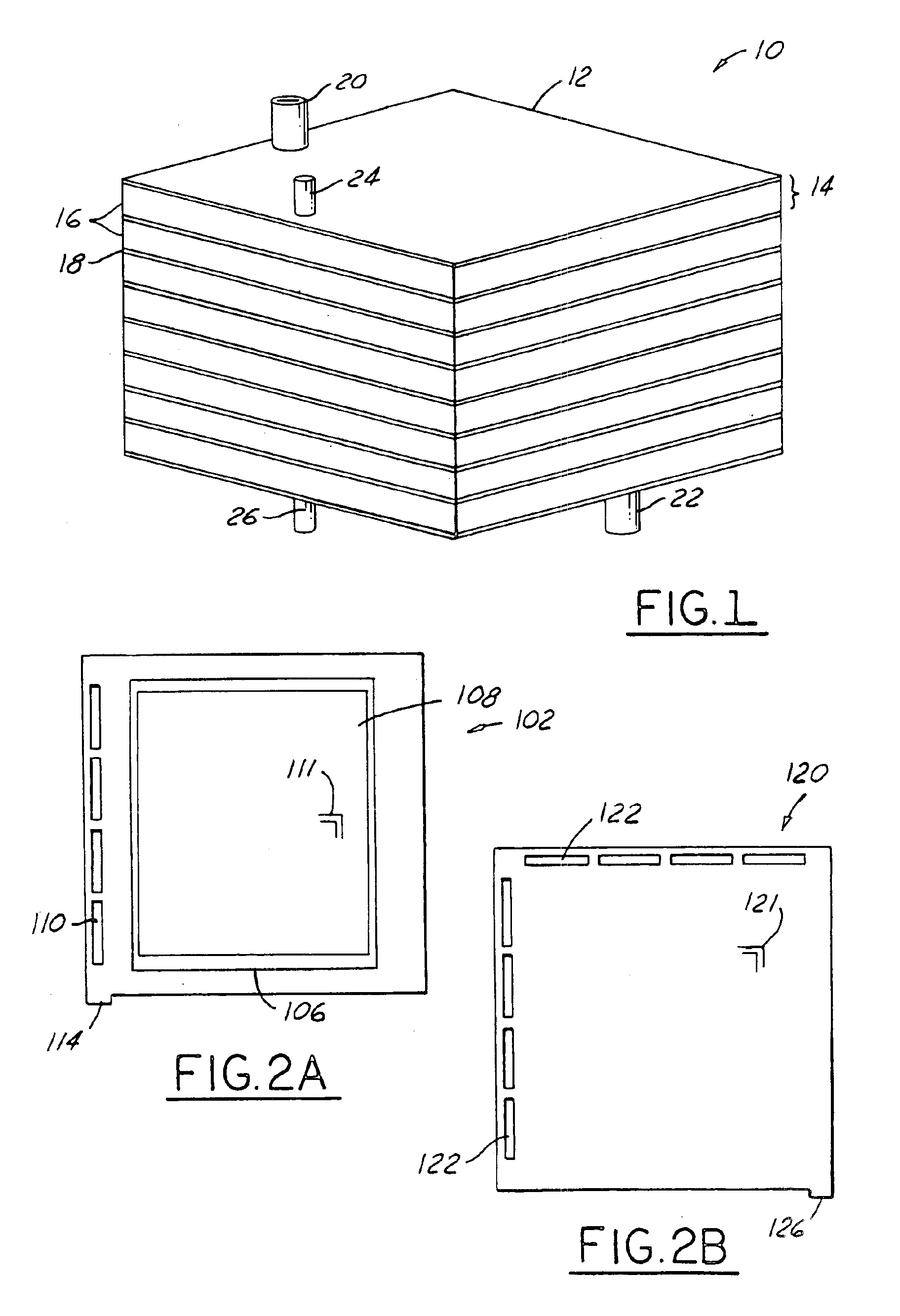
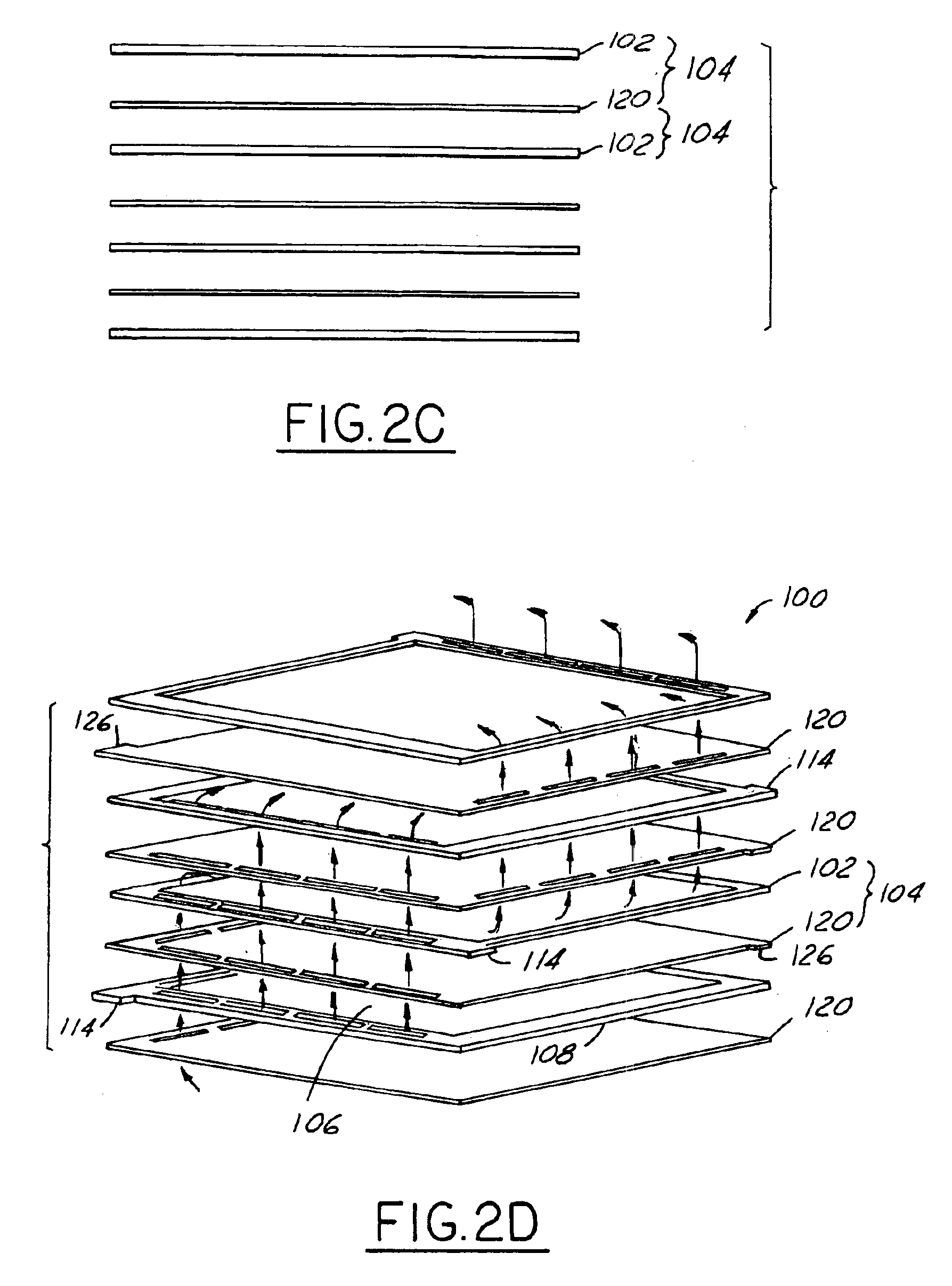
- The implementation of a serial cross-flow geometry in plate-frame heat exchangers, allowing for increased Reynolds number, distributed reactant addition, simplified manifolding, and reduced component count, which enhances heat transfer and reactant mixing while controlling hot spots.

Heat exchanger and process for devolatilizing polymers using same
PatentWO2005012817A2
Innovation
- A plate heat exchanger design featuring heating tubes with a return tube nested inside a supply tube, allowing for a more uniform heat profile and improved energy efficiency, with the option to use nonconductive materials for the return tube to minimize heat loss, and allowing for easier maintenance and modification.


Energy Efficiency Standards and Environmental Regulations
The regulatory landscape governing plate heat exchanger efficiency in industrial applications has evolved significantly over the past decade, driven by mounting environmental concerns and energy security considerations. International standards such as ISO 14001 and ASME BPVC Section VIII establish fundamental frameworks for environmental management and pressure vessel design, while regional directives like the EU's Energy Efficiency Directive 2012/27/EU mandate specific energy performance requirements for industrial heat exchange systems.
Current energy efficiency standards typically require industrial heat exchangers to achieve minimum thermal effectiveness ratings of 85-90% depending on the application sector. The AHRI Standard 400 specifically addresses liquid-to-liquid heat exchangers, establishing performance certification procedures and minimum efficiency thresholds. These standards directly impact plate heat exchanger design parameters, necessitating optimized plate geometries, enhanced surface treatments, and improved sealing technologies to meet compliance requirements.
Environmental regulations have introduced stringent limitations on refrigerant usage and heat transfer fluid selection. The Montreal Protocol's phase-down of hydrofluorocarbons has accelerated adoption of natural refrigerants and low-GWP alternatives in plate heat exchanger systems. Additionally, regulations governing industrial wastewater discharge temperatures have created new performance criteria for heat recovery applications, requiring enhanced thermal efficiency to minimize environmental thermal pollution.
Emerging regulatory trends indicate increasingly stringent efficiency mandates, with proposed standards targeting 95% thermal effectiveness for new installations by 2030. Carbon pricing mechanisms and emissions trading systems are creating additional economic incentives for high-efficiency heat exchanger deployment. Furthermore, mandatory energy auditing requirements are driving demand for real-time efficiency monitoring capabilities in plate heat exchanger systems.
Compliance challenges include retrofitting existing installations to meet updated standards, managing increased capital costs associated with high-efficiency designs, and navigating complex multi-jurisdictional regulatory frameworks. These regulatory pressures are fundamentally reshaping the plate heat exchanger market, prioritizing efficiency optimization over traditional cost-minimization approaches in industrial applications.
Lifecycle Cost Analysis and Sustainability Considerations
The lifecycle cost analysis of plate heat exchangers encompasses initial capital expenditure, operational expenses, maintenance costs, and end-of-life disposal considerations. Initial investment typically represents 20-30% of total lifecycle costs, while operational expenses including energy consumption, cleaning chemicals, and labor constitute the majority at 60-70%. The remaining 10-15% covers replacement parts, major overhauls, and decommissioning activities. Advanced plate designs with enhanced heat transfer coefficients can reduce operational costs by 15-25% through improved thermal efficiency, despite higher upfront investments.
Maintenance cost optimization requires systematic evaluation of cleaning frequency, gasket replacement intervals, and plate inspection schedules. Predictive maintenance strategies utilizing thermal monitoring and pressure drop analysis can extend service intervals by 30-40% compared to traditional time-based maintenance. The selection of plate materials significantly impacts long-term costs, with stainless steel grades offering superior corrosion resistance but requiring higher initial investment compared to standard materials.
Sustainability considerations in plate heat exchanger applications focus on energy recovery potential, carbon footprint reduction, and circular economy principles. Heat recovery systems can achieve 70-85% thermal efficiency, substantially reducing primary energy consumption and associated greenhouse gas emissions. The compact design of plate heat exchangers requires 3-5 times less installation space compared to shell-and-tube alternatives, contributing to reduced material usage and lower environmental impact.
End-of-life sustainability involves material recyclability and disposal strategies. Stainless steel plates maintain high recycling value, with recovery rates exceeding 90% for properly maintained units. Gasket materials present greater challenges, with newer elastomer compounds offering improved biodegradability compared to traditional synthetic materials. Modular plate designs facilitate selective component replacement, extending overall system lifespan and reducing waste generation.
Environmental impact assessment should consider refrigerant compatibility, cleaning chemical requirements, and water consumption patterns. Modern plate heat exchangers demonstrate superior performance with low-GWP refrigerants, supporting industry transitions toward environmentally friendly cooling systems. Optimized cleaning protocols can reduce chemical consumption by 25-35% while maintaining thermal performance standards.
Unlock deeper insights with Patsnap Eureka Quick Research — get a full tech report to explore trends and direct your research. Try now!
Generate Your Research Report Instantly with AI Agent
Supercharge your innovation with Patsnap Eureka AI Agent Platform!